Are Frozen Foods Quietly Getting Better Than Fresh Options

Frozen food once carried a quiet reputation of being second best. It was seen as a backup, something you chose only when fresh options were not available.
That perception is starting to shift. Today’s frozen aisle looks very different, filled with options that promise quality, taste, and nutrition.
Much of this change comes from how food is now processed and preserved. Modern techniques allow items to be frozen at their peak, locking in freshness.
At the same time, fresh food is not always as fresh as it seems. Travel time and storage can quietly reduce both quality and nutrients.
When you look closer, the line between frozen and fresh begins to blur, raising a simple question about which option truly serves you better.
Technological Advances Improving Frozen Foods
Frozen food today is not what it used to be. Modern freezing methods have transformed how food is preserved, making it closer in quality to fresh than many people realize.
One of the biggest improvements is rapid freezing. This process freezes food at very low temperatures in a short time, forming smaller ice crystals that help retain texture and structure.
Better packaging has also made a difference. Airtight, moisture-resistant materials prevent freezer burn and protect flavor over longer periods.
Cold chain technology ensures consistent temperatures from production to the store. This stability reduces spoilage and maintains product quality throughout distribution.
These advancements have narrowed the gap between frozen and fresh, making frozen options more reliable and appealing than before.
Nutritional and Quality Comparisons
Frozen foods are often compared to fresh, but the difference is not always as clear as it seems. In some cases, frozen items can match or even exceed the nutritional value of fresh ones.
Many frozen fruits and vegetables are processed at peak ripeness. This means they are frozen when nutrient levels are highest, preserving vitamins and minerals effectively.
Fresh produce, on the other hand, can lose nutrients during transport and storage. Time, temperature changes, and exposure to light can reduce nutritional content before it reaches your plate.
Quality also depends on handling. Properly stored frozen foods maintain consistency, while fresh items can vary widely depending on how long they have been on shelves.
When handled correctly, frozen foods offer a stable and often comparable alternative to fresh options.
Cost and Convenience Advantages
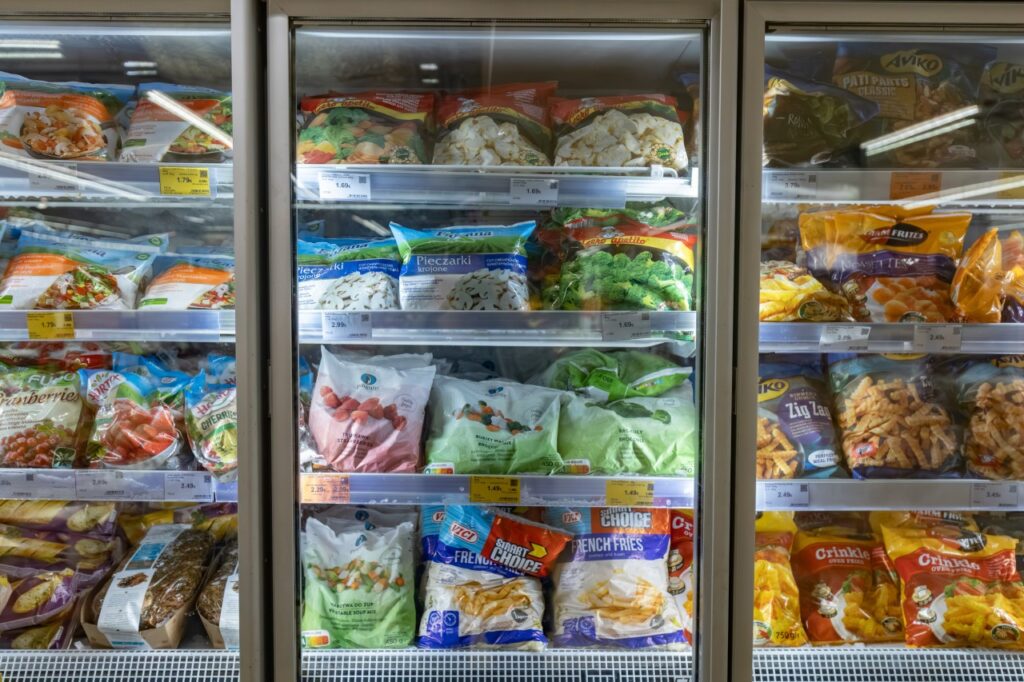
Frozen foods offer a balance of affordability and ease that appeals to many households. They are often priced lower than fresh equivalents, especially for out-of-season items.
Bulk packaging is common in frozen products, which reduces cost per serving and makes them a practical choice for regular use.
Convenience is a major factor. Frozen items are pre-cleaned, cut, or fully prepared, saving time in meal preparation.
Long shelf life reduces waste. Unlike fresh food, which can spoil quickly, frozen items can be stored for extended periods without losing usability.
This combination of cost savings and practicality makes frozen foods a strong option for everyday cooking.
Environmental and Supply Chain Benefits
Frozen foods play an important role in reducing food waste. Their extended shelf life means fewer products are discarded compared to fresh items.
Supply chains for frozen foods are more predictable. Controlled environments reduce the risk of spoilage during transport and storage.
Seasonal produce can be preserved and used year-round. This reduces the need for constant long-distance transport of fresh goods, which can lower environmental impact.
Packaging does contribute to waste, but it also helps extend usability. This trade-off often results in less overall food being thrown away.
By improving efficiency and reducing loss, frozen foods can support a more stable and sustainable food system.
How Consumers Can Choose Between Frozen and Fresh
Choosing between frozen and fresh depends on how and when you plan to use the food. Both have strengths that can fit different needs.
Frozen foods are ideal for long-term storage and quick meals. They provide consistency and reduce the pressure to use items immediately.
Fresh foods are better when texture and immediate use matter, such as in salads or dishes where crispness is important.
Checking labels can help guide decisions. Some frozen products include added ingredients, while others remain simple and close to their natural state.
A balanced approach often works best. Using both frozen and fresh options allows you to combine convenience, quality, and value virtually.