These 10 American Food Traditions Feel Timeless (Most of Them Started as Ad Campaigns)


Some food traditions feel so familiar that it is easy to assume they have always been part of everyday life. They show up at breakfast tables, holiday gatherings, and celebrations, carrying a sense of comfort that feels deeply rooted in history.
But many of these habits did not grow naturally over generations. They were carefully introduced, shaped, and repeated through messaging that connected them to health, family, and identity in ways that felt convincing and lasting.
This list reveals how several “timeless” American food traditions were actually shaped into place. What feels like tradition today often began as a well-placed idea that quietly became routine.
1. Bacon and Eggs for Breakfast
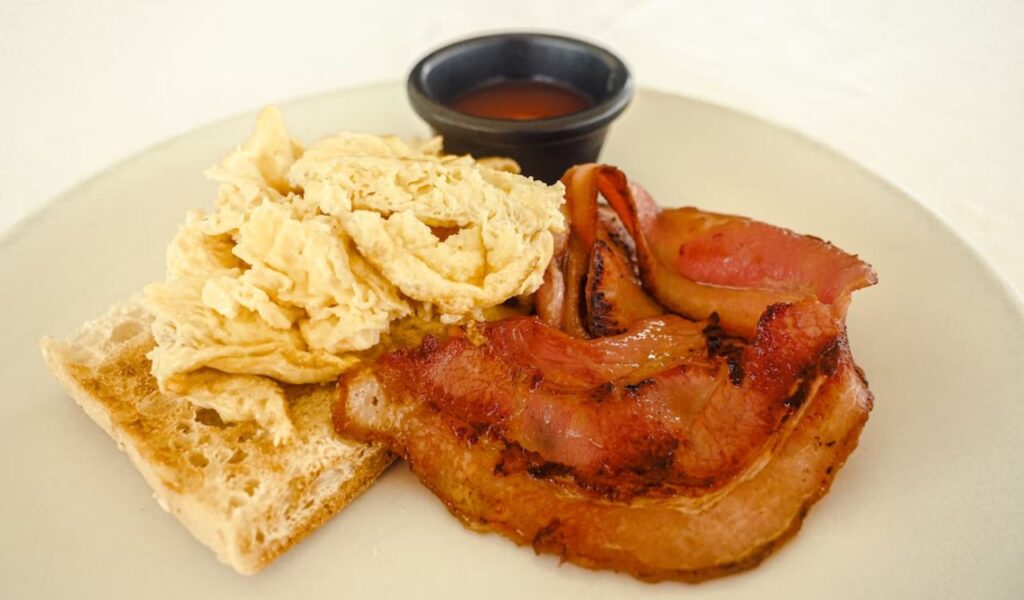
What feels like a hearty, traditional American breakfast was carefully shaped by strategy rather than habit. Bacon and eggs rose to prominence in the 1920s when campaigns promoted heavier morning meals as more satisfying and energizing.
At the time, lighter breakfasts were common, but messaging began to link protein-rich foods with strength and productivity. Doctors were even consulted in surveys to support the idea, giving the combination a sense of authority and trust.
Over time, repetition turned promotion into routine. Restaurants, diners, and households adopted the pairing until it felt natural. Today, it stands as a symbol of comfort, even though its rise was closely tied to deliberate marketing efforts.
2. Orange Juice with Breakfast

A glass of orange juice beside breakfast feels like a healthy choice, but its popularity grew from the need to solve a supply problem. Citrus growers once faced large surpluses that required new ways to boost consumption.
Campaigns positioned orange juice as a refreshing and vitamin-rich start to the day. The message was simple and effective, linking it to energy and daily wellness without requiring major changes to existing habits.
As refrigeration and distribution improved, orange juice became easier to store and serve. Over time, it shifted from an occasional drink to a daily staple, reinforced by its association with health and morning routines.
3. Milk with Every Meal

Milk’s place at the table was not always guaranteed. Its rise as an everyday essential came from sustained messaging that tied it to growth, strength, and overall health, especially for children.
Advertising consistently framed milk as necessary rather than optional. Schools, posters, and public campaigns reinforced the idea that a balanced meal was incomplete without it, shaping habits from a young age.
This steady exposure created a lasting perception of importance. Even as dietary preferences change, milk remains closely linked to mealtime in many households, reflecting the long-term impact of consistent promotion.
4. Thanksgiving Turkey

What feels like the heart of Thanksgiving was once just one of many choices on the table. Early celebrations featured a mix of meats based on region, availability, and local preference rather than a single fixed centerpiece.
Turkey gained prominence through repetition in media, cookbooks, and seasonal promotions. Its large size made it practical for feeding groups, while messaging began to link it with abundance, family gatherings, and a sense of occasion.
As these ideas circulated, the bird moved from option to expectation. Over time, it became closely tied to the identity of the holiday itself. What began as a practical choice was reinforced into tradition through consistent cultural influence.
5. Birthday Cake Traditions

The modern birthday cake feels essential, but its familiar form developed alongside commercial baking innovations. Earlier celebrations were simpler and often lacked the decorative focus seen today.
The rise of packaged cake mixes and ready-made frostings made baking more accessible. Campaigns positioned these products as both convenient and meaningful, encouraging families to center celebrations around them.
Candles, icing designs, and themed decorations soon followed. Together, they turned cakes into the highlight of birthdays. What began as a helpful shortcut gradually became an expected part of the celebration experience.
6. Grilling Hot Dogs and Burgers on Holidays

Outdoor grilling now feels like a natural part of holiday gatherings, but it grew alongside changing living patterns and targeted promotion. As suburban spaces expanded, outdoor cooking became more practical.
Brands linked grilling with relaxation and celebration, especially during summer holidays. Products like charcoal, condiments, and packaged meats were marketed together to create a complete and easy experience.
This combination of convenience and messaging shaped behavior over time. What started as a promoted lifestyle gradually became tradition, making cookouts feel essential for gathering and celebrating.
7. The “All-American” Apple Pie
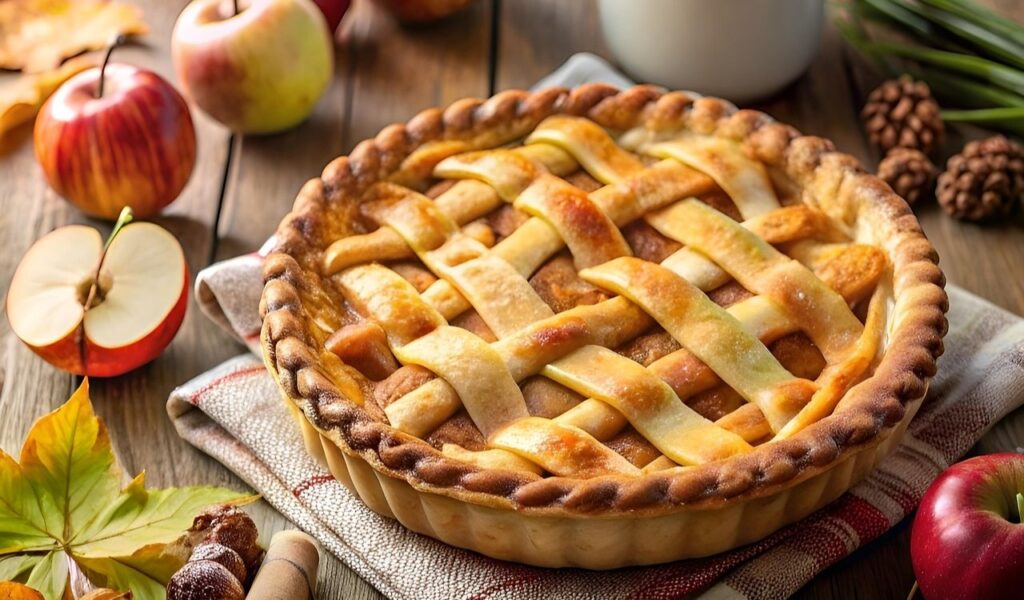
Few foods carry as much symbolic weight as apple pie, often described as a pure expression of national identity. Yet its roots trace back to European recipes, and its meaning in America was shaped more by messaging than by origin.
During key historical periods, especially wartime, phrases linking apple pie to home and patriotism became widely used. These associations gave the dessert emotional depth, turning it into something that represented comfort, pride, and familiarity.
As the phrase entered everyday language, the symbolism strengthened. The recipe itself remained largely unchanged, but its cultural role expanded. Over time, apple pie became less about ingredients and more about the story attached to it.
8. Cereal as a Healthy Breakfast

What feels like a quick and healthy start to the day was carefully positioned that way. Cereal rose in popularity as a convenient alternative to cooked breakfasts during a time when routines were becoming faster.
Brands emphasized nutrition, often highlighting added vitamins and ease of preparation. This messaging made cereal appealing to families seeking both simplicity and a sense of health without added effort.
As availability grew, cereal became a standard morning choice. Its consistent branding and convenience helped maintain its place. Even as nutritional views shift, its role as a breakfast staple remains widely accepted.
9. Coffee Break Culture
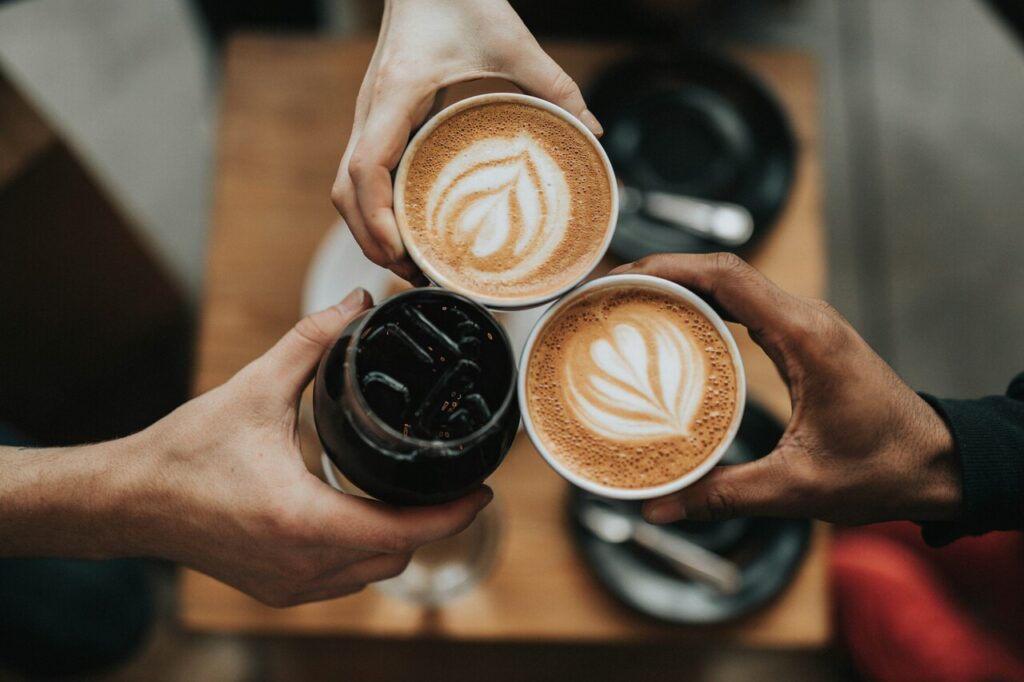
What feels like a natural pause in the workday was once a carefully encouraged behavior. The idea of stepping away for coffee gained traction when campaigns promoted short breaks as a way to restore focus and maintain steady productivity.
Employers were persuaded to see these pauses as beneficial rather than wasteful. Coffee became the centerpiece of this routine, positioned as both refreshing and energizing, making the habit easy to adopt across different workplaces.
As the practice spread, it moved beyond offices into daily life. The coffee break became part of how people structure time, blending routine with comfort. What began as a promoted idea gradually settled into an expected rhythm.
10. TV Dinners as Family Time
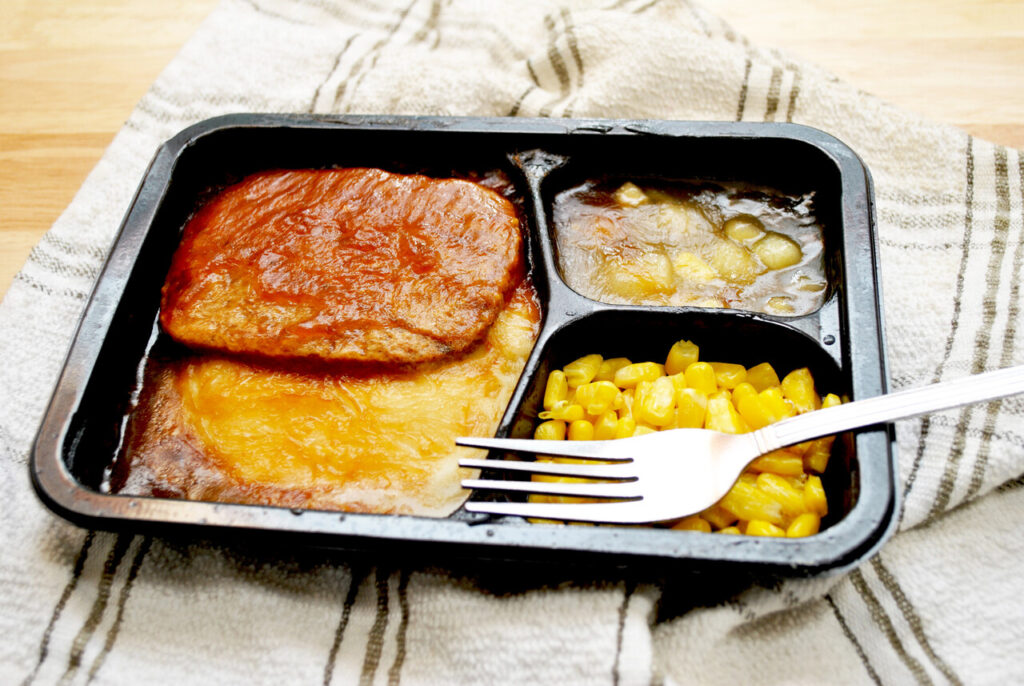
What now feels like a symbol of convenience once represented a shift in how families approached meals. TV dinners emerged as a response to busier schedules and the growing presence of television in everyday life.
Marketing positioned them as more than a shortcut. They were framed as a way to enjoy meals together without the effort of cooking, aligning food with shared moments in front of the screen.
This message reshaped expectations around mealtime. Ready-made meals became widely accepted, showing how convenience could coexist with togetherness. The habit may have evolved, but its influence still shapes modern eating patterns.