9 Restaurants Known More for Attitude Than Hospitality

Most people walk into a restaurant expecting warmth, patience, and friendly service. Yet some places build their reputation by doing the opposite. These restaurants are known not for comforting smiles or attentive hospitality, but for sharp tongues, strict rules, or confrontational energy. For certain diners, that attitude becomes the attraction, turning a simple meal into a story worth telling. Whether the rudeness is carefully staged or completely real, these establishments challenge the idea that good service must always feel pleasant. Understanding why they thrive reveals how personality, spectacle, and reputation can sometimes matter more than kindness at the table.
1. Dick’s Last Resort
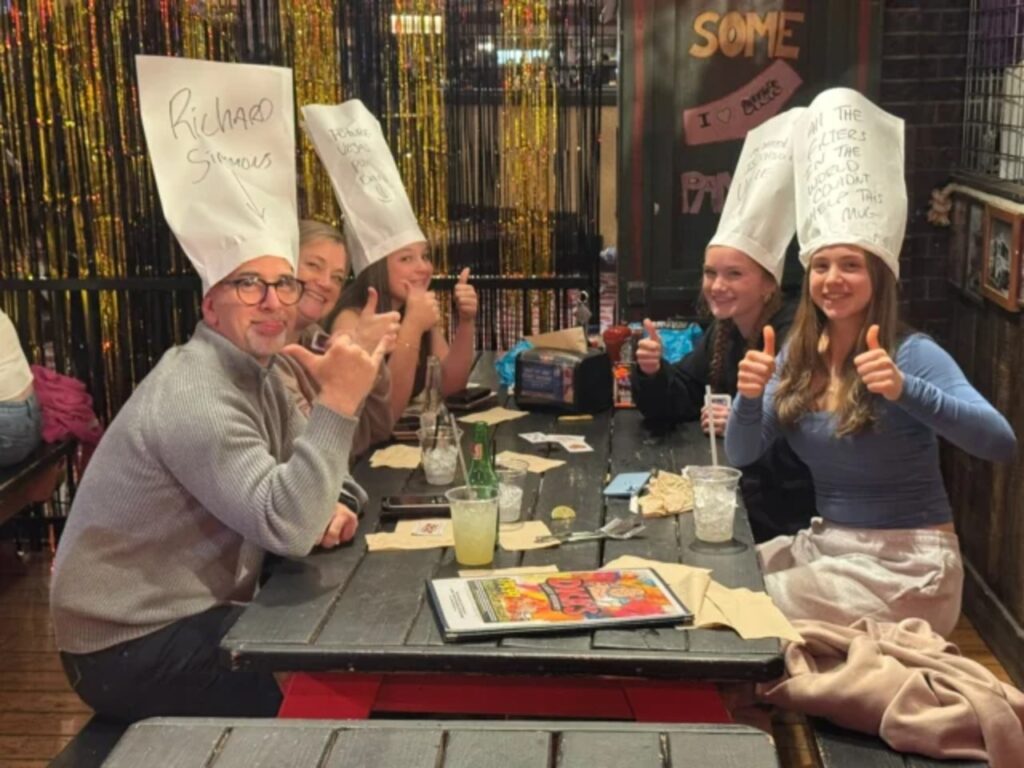
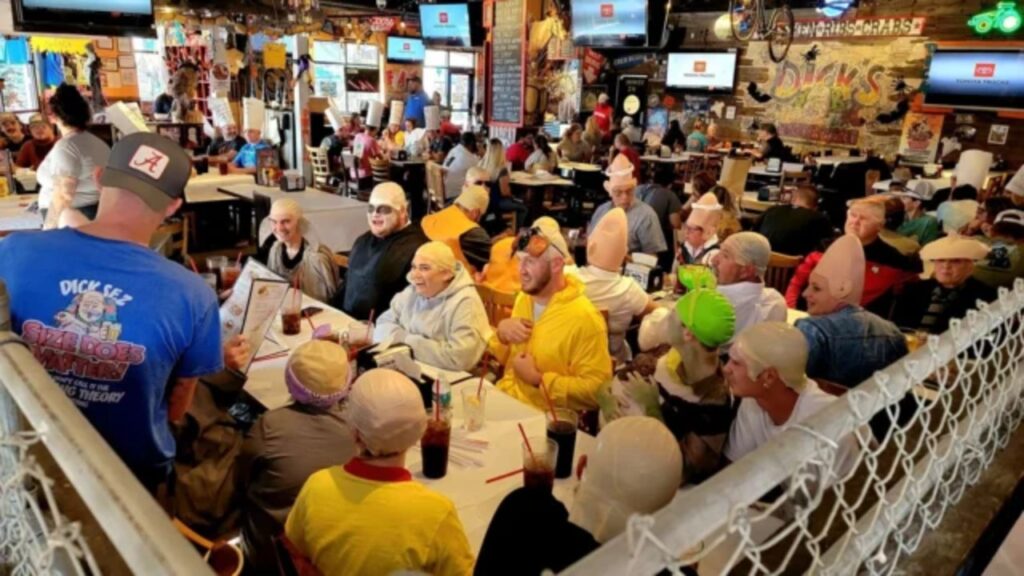
Dick’s Last Resort was built on the idea that hospitality could be replaced entirely by sarcasm. From the moment guests sit down, servers are encouraged to insult clothing choices, tease personal details, and use blunt humor that would be unacceptable in most restaurants. The menu is intentionally basic, keeping the focus on the interaction rather than the food. Paper hats with handwritten insults are part of the experience, turning diners into participants rather than customers. The rudeness is scripted but loosely improvised, which can feel unpredictable to first-timers. Some guests enjoy the comedy and feel included in the joke.
2. Karen’s Diner
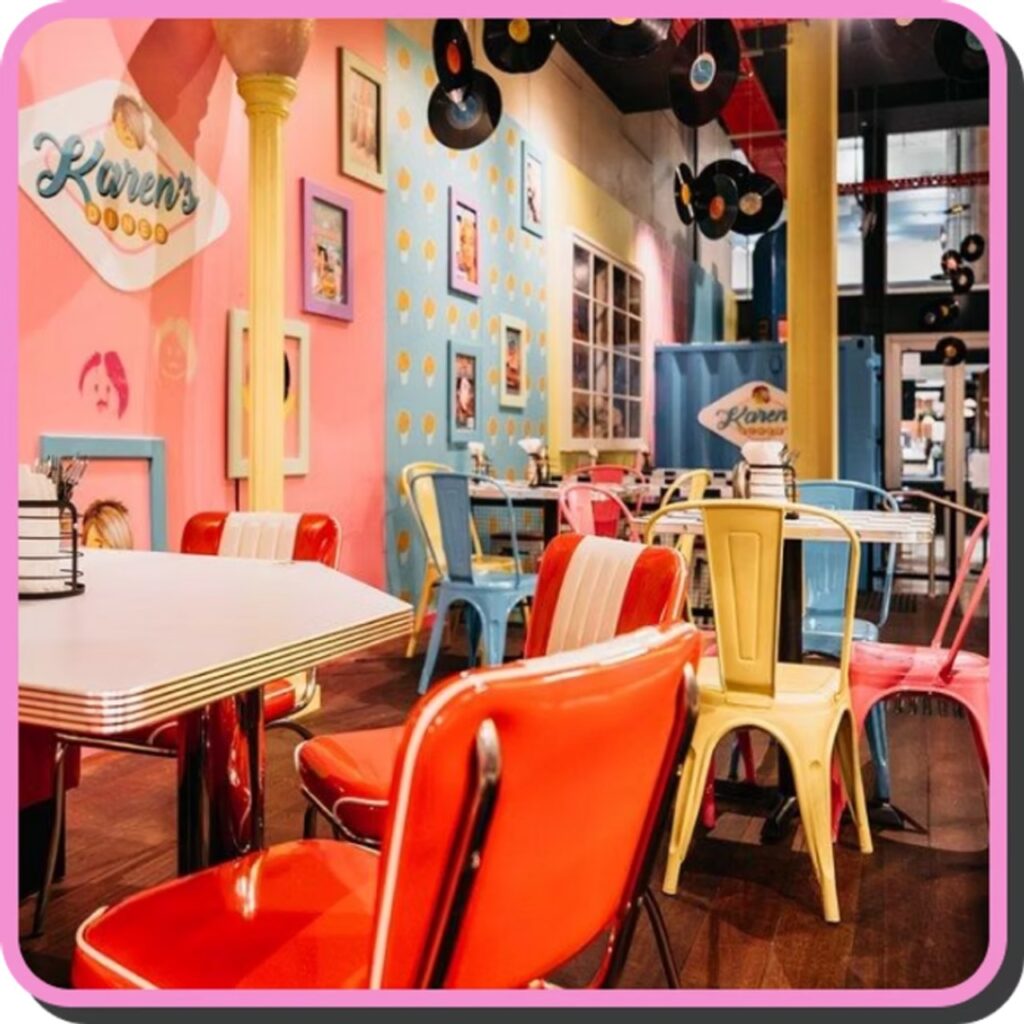
Karen’s Diner gained popularity by leaning into internet culture and exaggerating the stereotype of an entitled customer. Servers openly complain, argue, and scold diners while deliberately delivering slow or sarcastic service. The food is simple, allowing the behavior to remain the focus. What surprises many guests is how convincing the hostility feels, even though it is planned. The environment is loud, confrontational, and intentionally uncomfortable. Staff are trained to stay in character, which means there is little room for traditional politeness. Some diners enjoy the humor and see it as live theater.
3. Ed DeBevic’s
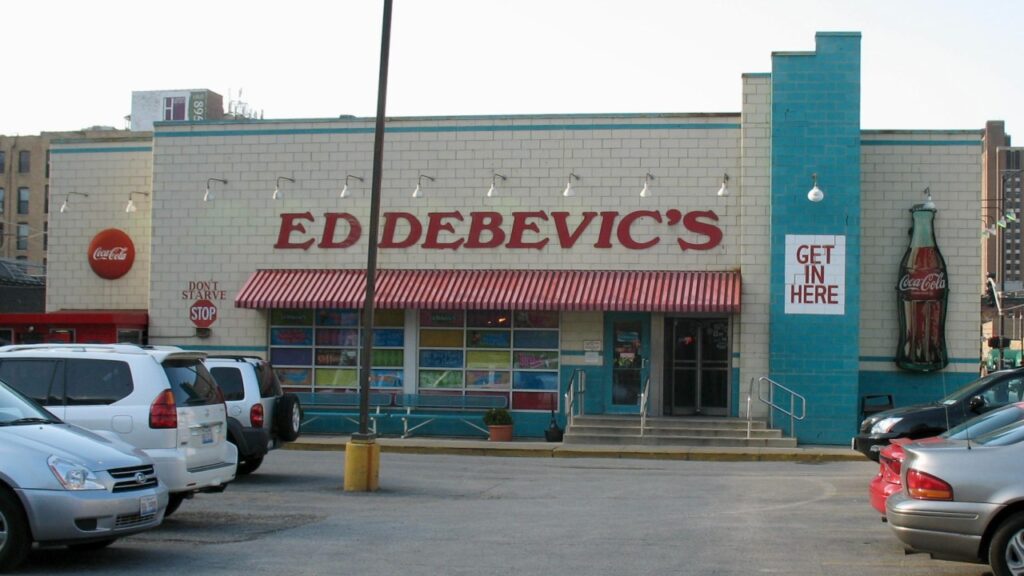
Ed DeBevic’s blends nostalgia with attitude by combining retro diner decor with intentionally rude servers. Staff shout orders, roll their eyes, and openly mock customers while dancing or performing routines. The diner aesthetic creates a playful setting, but the service style can be jarring if unexpected. Unlike restaurants focused on insults alone, Ed Debevic’s mixes humor with performance, making it feel closer to a themed attraction. The menu sticks to classic American comfort food, keeping things familiar amid the chaos. What surprises many diners is how structured the rudeness is. It follows a rhythm that allows staff to stay in control.
4. Heart Attack Grill
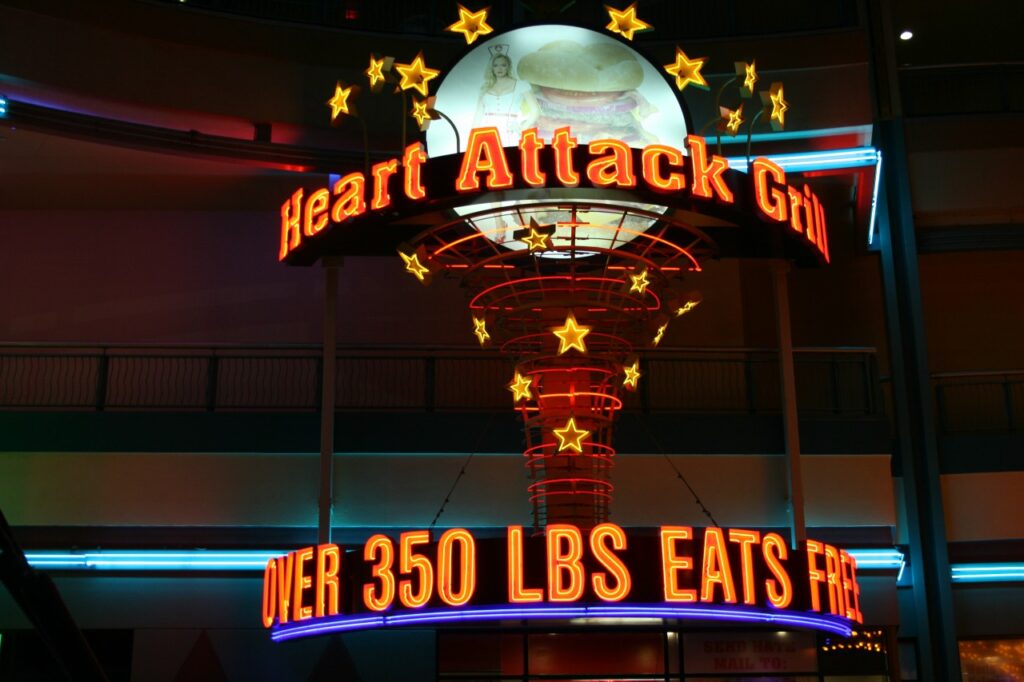
Heart Attack Grill takes confrontation beyond words and builds it into the entire dining experience. Servers dressed as nurses shame diners who order massive burgers and publicly weigh guests in exchange for free meals. The tone is intentionally abrasive, using shock as entertainment. The food is intentionally excessive, emphasizing grease, portion size, and indulgence. Staff behavior reinforces the theme by scolding customers who do not finish their meals. Traditional hospitality is replaced with provocation. Some guests see it as satire. Others view it as uncomfortable or offensive. The restaurant thrives in Las Vegas because spectacle is expected. Heart Attack
5. The Wieners Circle
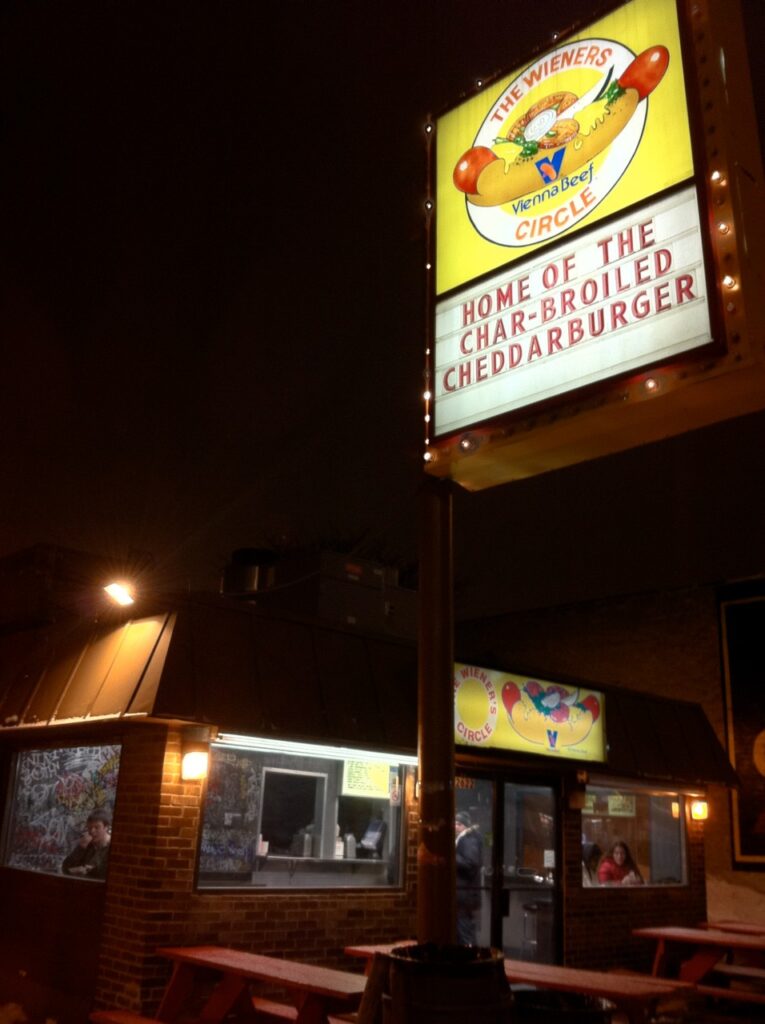
The Wieners Circle is famous for its aggressive late-night atmosphere, where insults are delivered loudly and without filter. Staff routinely shout profanity at customers, often escalating exchanges into full verbal sparring. The food is straightforward, with hot dogs and fries taking a back seat to the banter. What surprises newcomers is how personal the insults can feel. There is little separation between joke and confrontation. Regulars understand the rhythm and play along, while first timers may freeze or push back. The environment is chaotic but controlled, with staff clearly in charge. The restaurant’s reputation relies on shock value and endurance.
6. Seinfeld – The Soup Nazi Influence
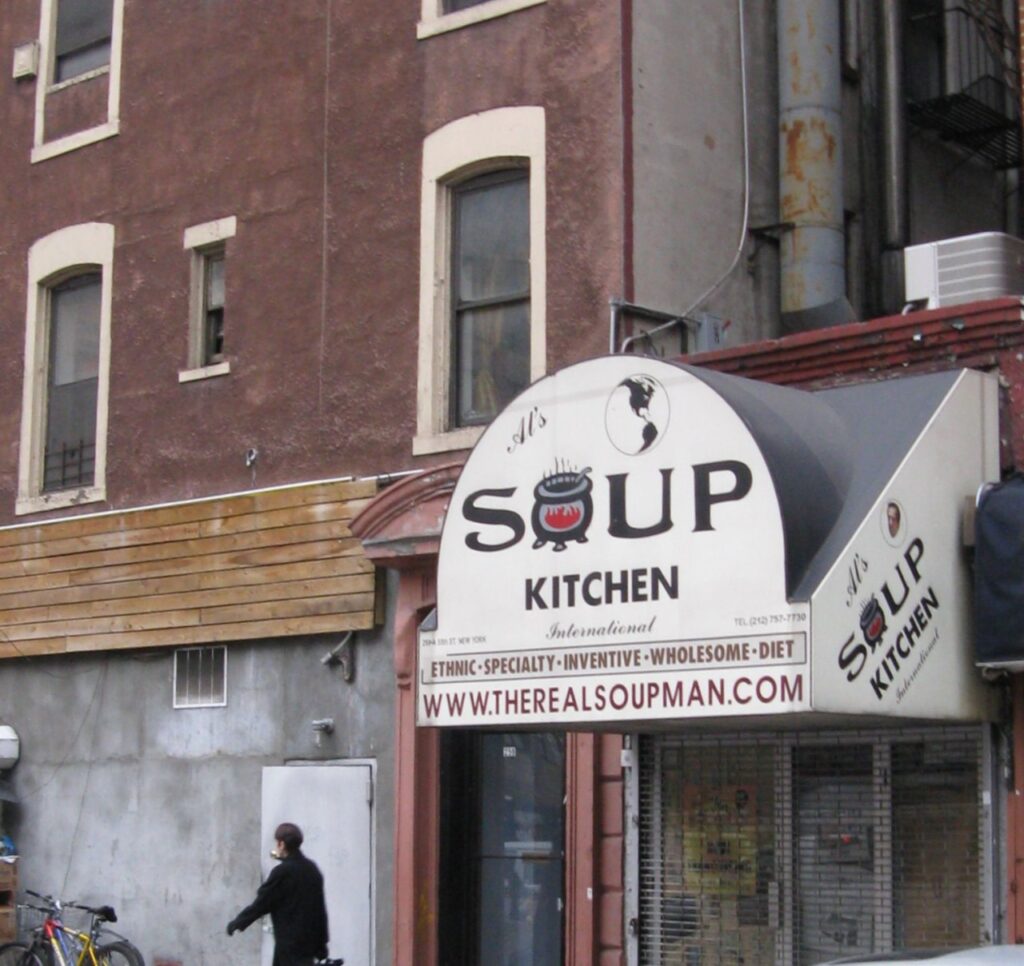
The Soup Nazi character from Seinfeld was inspired by a real New York soup vendor known for strict rules and public scolding. The idea captured public fascination because it flipped expectations of customer service. Patrons were expected to follow precise ordering rules or risk being yelled at or denied food. While fictionalized, the character cemented the idea that great food could excuse bad behavior. This influence still shapes restaurants that prioritize control over comfort. The lasting surprise is how many people accept poor treatment for a product they value. The Soup Nazi became a cultural symbol of attitude overpowering hospitality, proving that reputation can outweigh manners.
7. F***ing Good Coffee
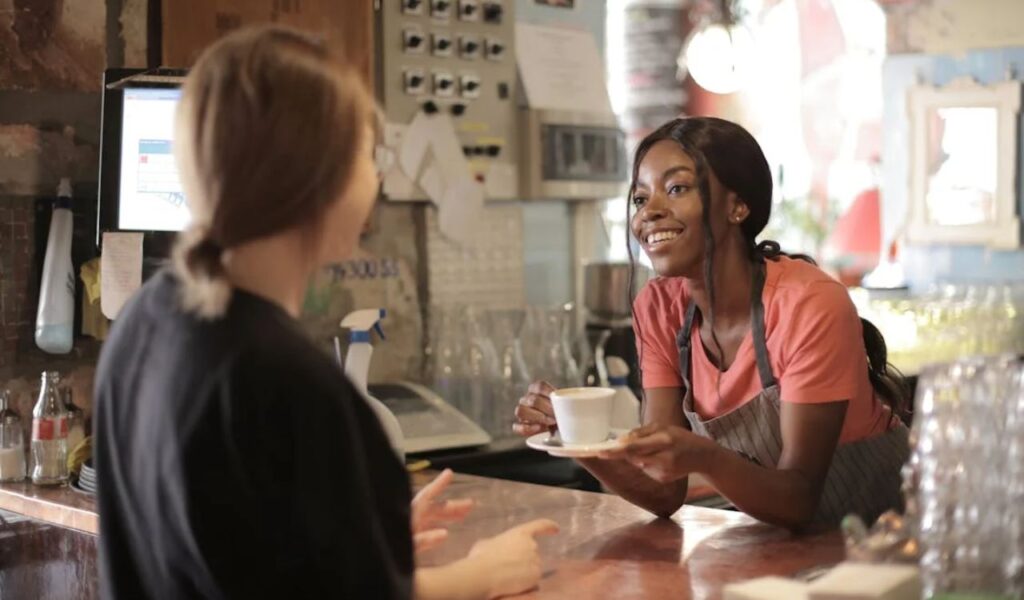
F***ing Good Coffee removes pleasantries entirely and replaces them with blunt efficiency. Signs inside the café warn customers not to expect friendliness, reinforcing the brand’s abrasive tone. Staff focus on speed and consistency rather than conversation. The coffee is taken seriously, while social interaction is minimized. For some guests, this feels refreshing and honest. For others, it feels cold or dismissive. The café’s reputation relies on clarity rather than charm. Customers know what they are walking into. The surprise comes from how normalized indifference becomes once expectations are set. Hospitality is not absent, but it is stripped down to function alone.
8. Amy’s Baking Company
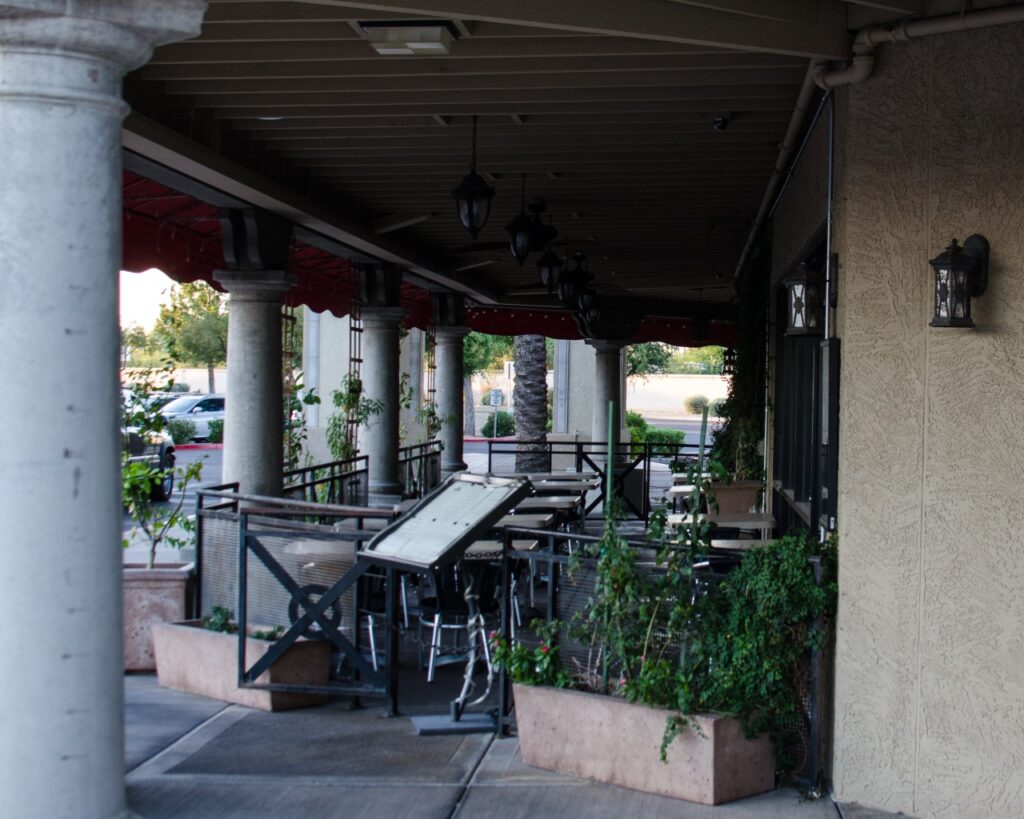
Amy’s Baking Company became infamous after public confrontations with customers and critics were broadcast widely. Owners openly argued with diners, responded aggressively to online reviews, and rejected criticism entirely. The hostility was not scripted or theatrical, which made it more unsettling. Customers reported tense interactions where questions or complaints escalated quickly. Unlike themed rude restaurants, Amy’s Baking Company did not frame its behavior as entertainment. That unpredictability became its defining trait. The restaurant’s reputation shifted away from food entirely. It became a case study in how attitude can overshadow every other aspect of dining.
9. O’Noir
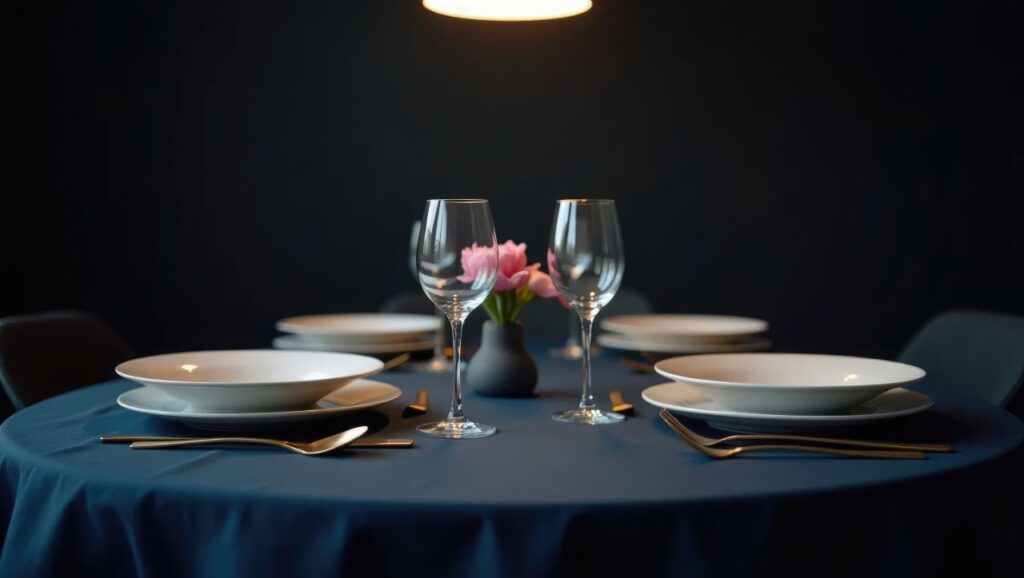
O’Noir offers a different kind of discomfort by removing sight altogether. Diners eat in complete darkness, guided by servers who are visually impaired. Communication is direct and minimal, focused on safety and clarity rather than warmth. For some guests, the experience feels abrupt or impersonal. Traditional hospitality cues like smiles and eye contact disappear. The environment forces diners to rely on trust and instruction. While the intent is not rudeness, the experience can feel unsettling. O’Noir challenges expectations of service by prioritizing awareness over comfort. The surprise comes from realizing how much hospitality relies on visual reassurance.