11 BBQ Must-Haves Choking Your Smoker Silently

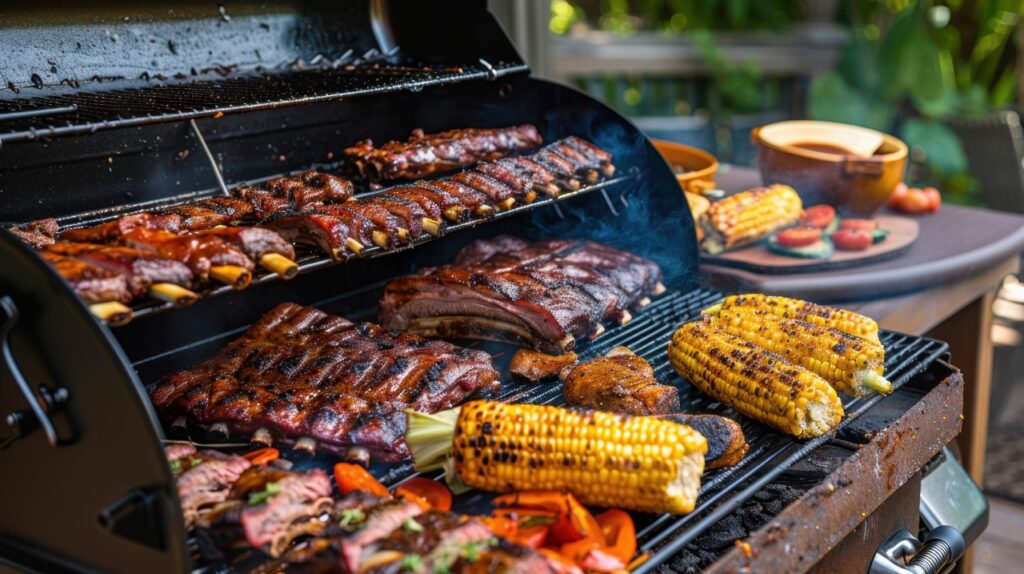
Most smokers do not fail loudly. They struggle quietly, losing efficiency long before food hits the grate. Fires still burn and smoke still rises, but temperatures drift, fuel vanishes faster, and flavors slowly turn dull or bitter.
The cause is often hiding in plain sight. Everyday accessories and habits sold as must-haves interfere with airflow, combustion, and heat control. Small restrictions build on each other, and performance slips without a clear warning.
These issues rarely ruin a cook outright, which is why they are easy to miss. Over time, though, they choke a smoker’s potential. Finding what holds it back is the first step to steadier heat and cleaner barbecue.
1. Oversized Wood Chunks
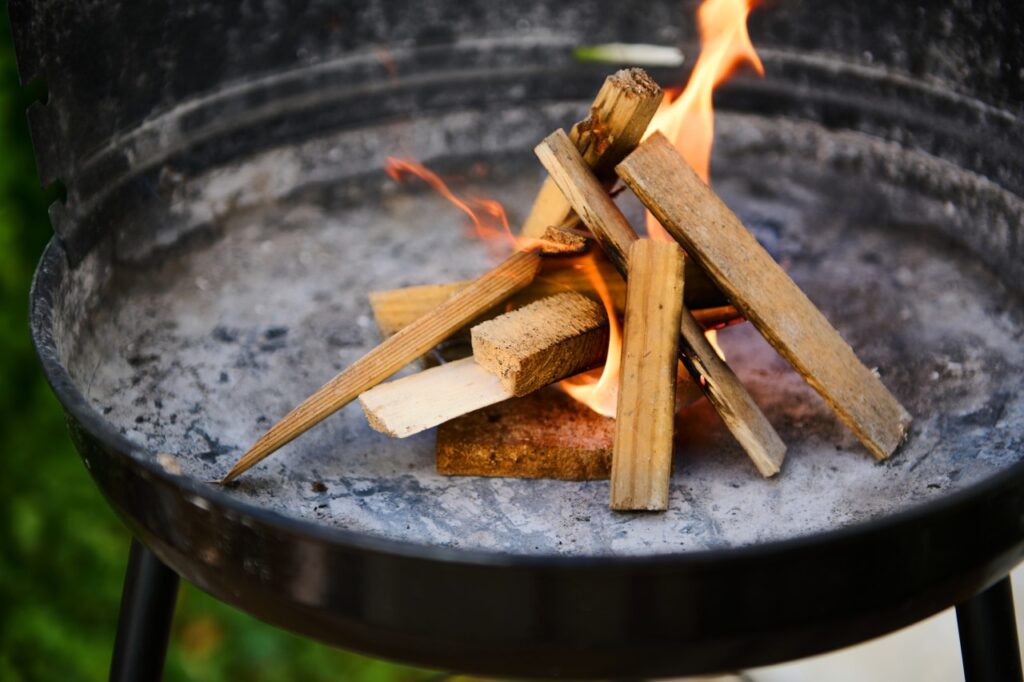
Oversized wood chunks look appealing because they suggest bold smoke flavor, but inside a smoker they create quiet problems. Large chunks ignite unevenly and tend to smolder instead of burning cleanly. That slow combustion produces thick smoke filled with bitter compounds that cling to meat and dull its natural taste.
Big chunks can block oxygen from reaching the fire, causing temperatures to rise and fall unpredictably. Instead of steady heat, the smoker cycles between flare-ups and weak burns, making control difficult.
Smaller, uniform pieces burn steadily and release cleaner smoke. When chunks are properly sized, combustion stays efficient. Oversized chunks choke airflow and force the smoker to work harder while delivering worse results.
2. Cheap Charcoal Briquettes
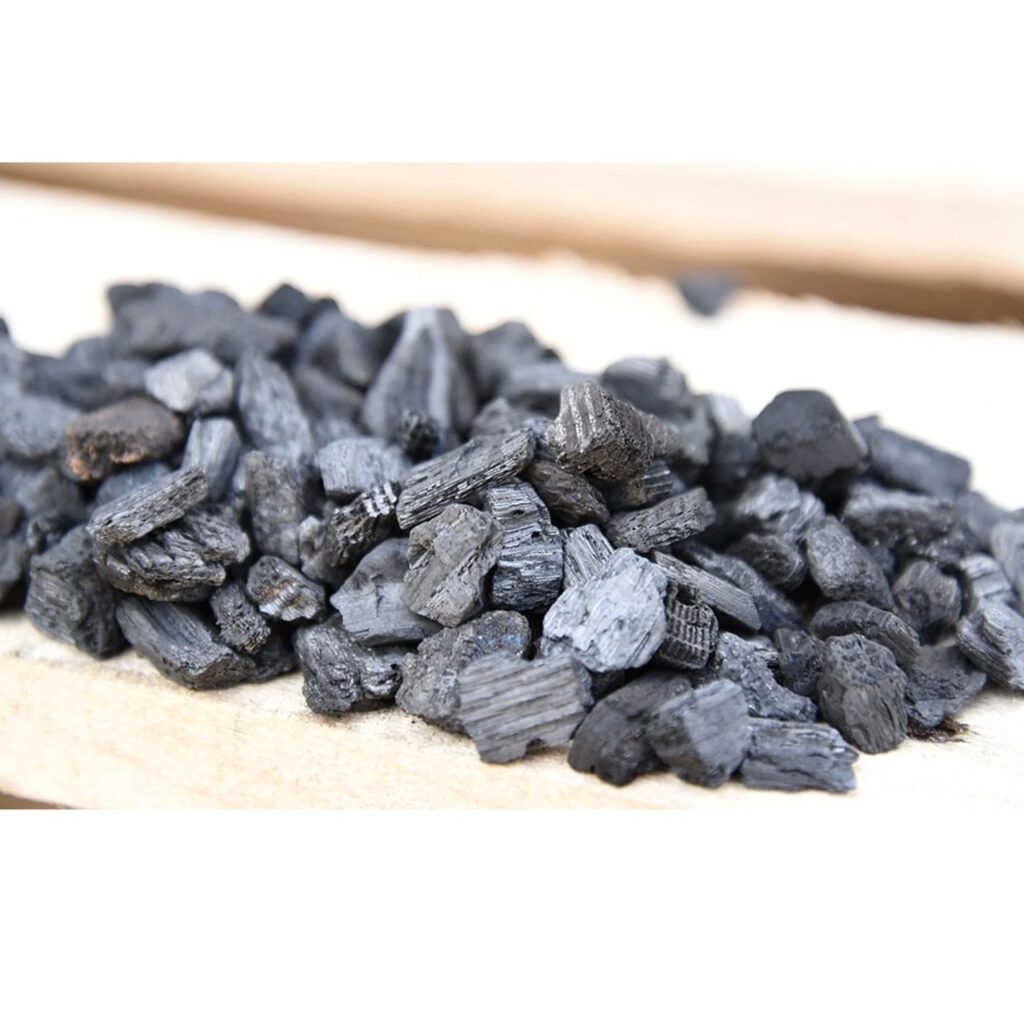
Cheap charcoal briquettes often contain fillers like limestone and binders that do not burn efficiently. These materials create excessive ash, which builds up quickly during long cooks and begins restricting airflow inside the fire chamber.
As ash accumulates, oxygen supply drops and combustion weakens. The fire struggles to maintain temperature, forcing constant vent adjustments and inefficient fuel use. Heat becomes uneven, and cooking times stretch longer than expected.
Higher-quality briquettes burn cleaner and produce less ash. Low-cost options quietly suffocate the fire, reducing heat stability and dulling smoke flavor throughout the cook.
3. Water Pans Filled Too High
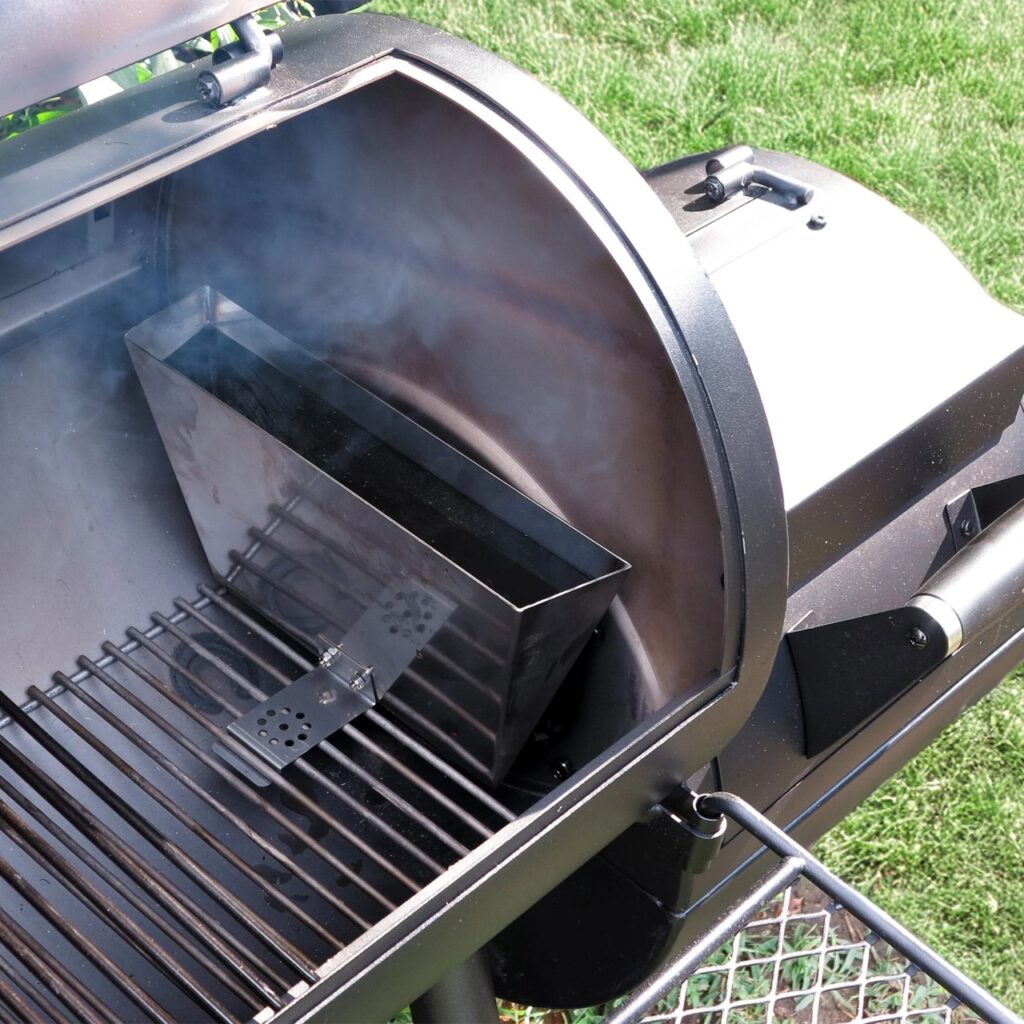
Water pans are meant to stabilize heat, but filling them too high quietly undermines smoker performance. Excess water absorbs enormous amounts of energy before it ever warms, slowing temperature rise and preventing the smoker from settling into a stable cooking range.
As the water slowly heats, fuel consumption increases. Charcoal or wood burns faster, airflow is pushed harder, and combustion efficiency drops. This creates a cycle where more fuel is burned but less usable heat reaches the cooking chamber.
A correctly filled pan moderates temperature without overpowering the system. When water volume is excessive, it behaves like a heat sink, silently choking airflow balance and making temperature control far more difficult than necessary.
4. Grease Trays Left Uncleaned
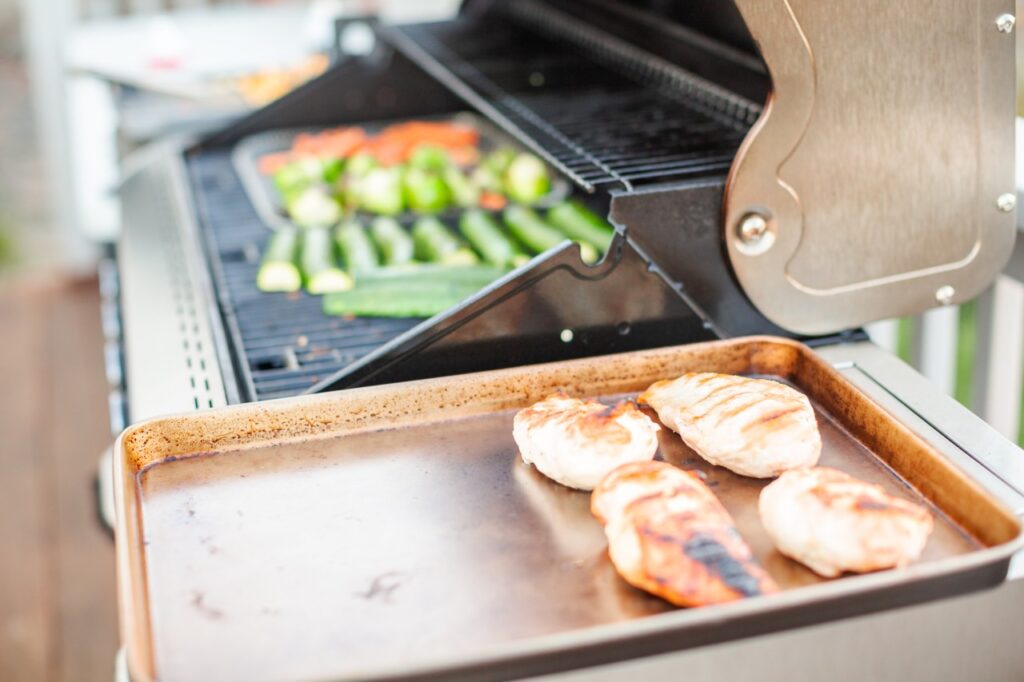
Grease trays are designed to manage drippings, but when left dirty they become airflow obstacles. Old grease hardens and spreads across surfaces, narrowing ventilation paths and disrupting how heat moves through the smoker. These restrictions build gradually and often go unnoticed.
As airflow slows, smoke circulation suffers. Instead of flowing cleanly across food, smoke lingers and becomes stale, increasing bitterness and reducing combustion efficiency. Heat distribution becomes uneven, creating hot and cool zones inside the chamber.
Routine cleaning keeps airflow open and predictable. When grease trays are ignored, they quietly turn into solid barriers that suffocate both fire performance and smoke movement from the inside.
5. Low-Quality Lump Charcoal
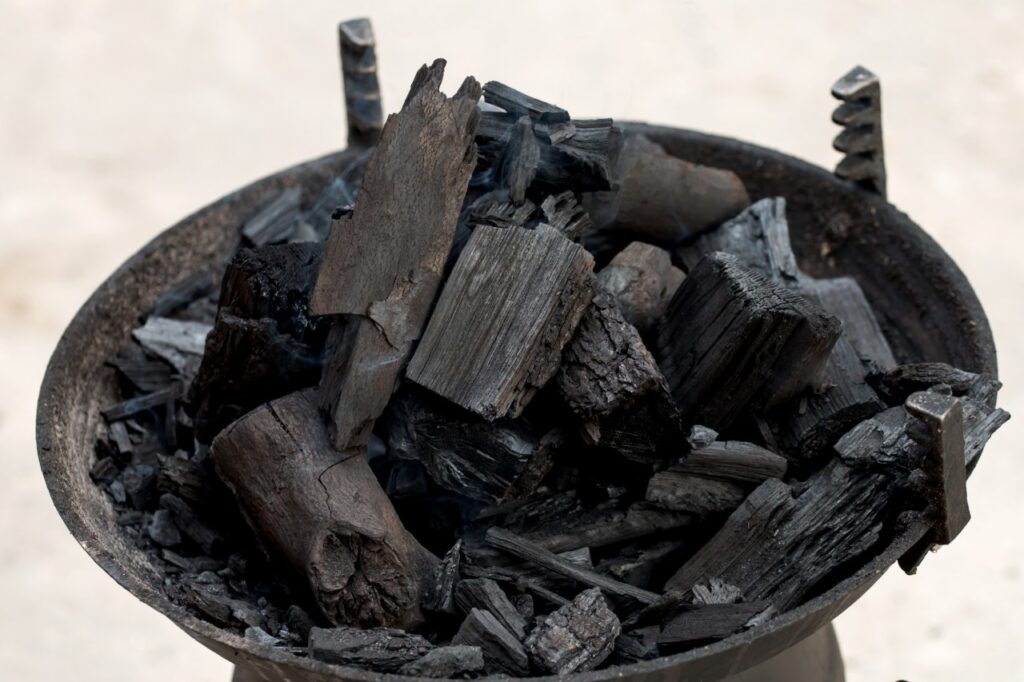
Low-quality lump charcoal often includes dirt, scrap wood, and wildly inconsistent sizes. These irregular pieces burn unevenly, making it difficult to establish steady heat or predictable airflow. Combustion becomes erratic from the moment the fire is lit.
Small fragments clog fire grates and restrict oxygen, while oversized chunks ignite slowly and inconsistently. The fire ends up fighting itself, with some areas overheating while others struggle to stay lit. Temperature swings become constant.
High-quality lump burns evenly and produces minimal ash. Inferior charcoal quietly disrupts airflow and combustion efficiency, forcing constant adjustments and making long, stable cooks far harder to maintain.
6. Wood Chips Soaked Too Long
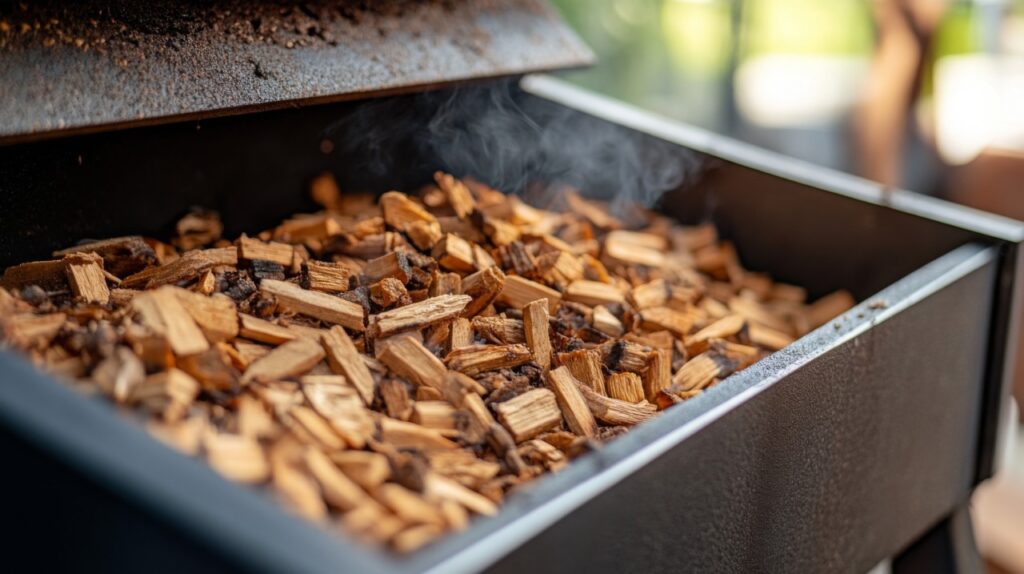
Over-soaking wood chips fills them with excess moisture that prevents clean ignition. Instead of producing light, flavorful smoke, the chips steam and smolder, releasing heavy, bitter compounds that cling to meat and dull flavor.
Wet chips also shock the fire when added. They lower the combustion temperature instantly, forcing the smoker to burn more fuel just to recover. This disrupts airflow balance and weakens overall efficiency.
Dry or lightly damp chips ignite quickly and burn cleanly. When chips are soaked too long, they quietly suffocate heat output and smoke quality at the same time.
7. Disposable Aluminum Drip Pans
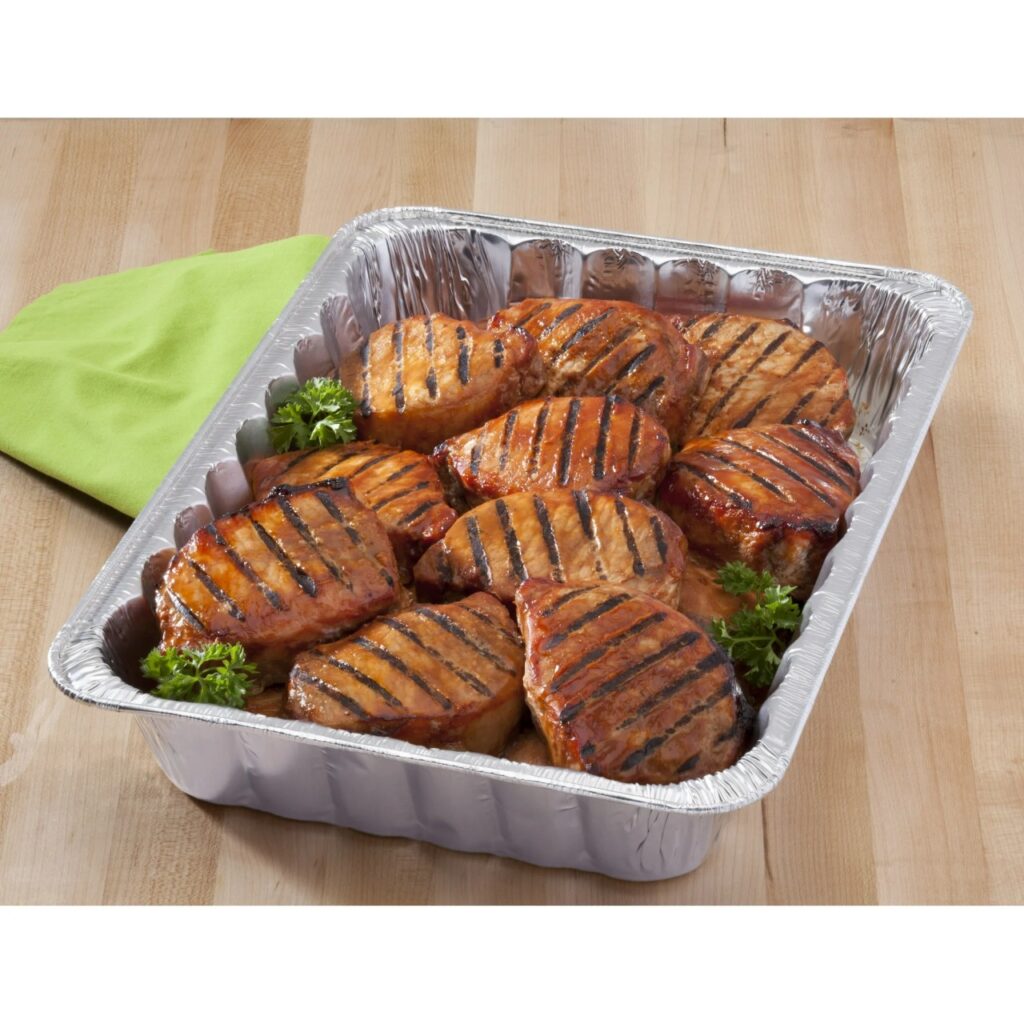
Disposable aluminum drip pans are thin and unstable under prolonged heat. As they warp, they shift into airflow paths, blocking vents and redirecting heat unevenly across the cooking chamber. These changes happen gradually and are easy to miss.
Warped pans also trap grease underneath, creating localized hot spots and further restricting circulation. Over time, airflow becomes inconsistent, leading to temperature drift and uneven cooking results.
Sturdier pans hold their shape and allow air to move freely. Cheap disposable pans quietly interfere with airflow and heat stability, reducing smoker efficiency without obvious warning signs.
8. Built-In Thermometers
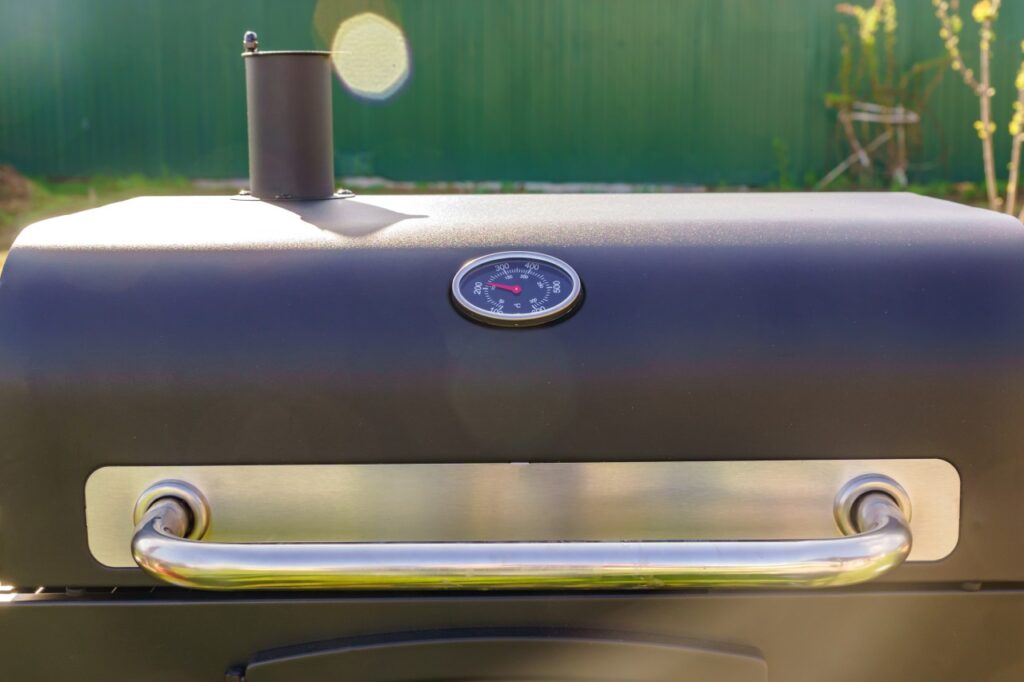
Built-in thermometers are often inaccurate and poorly positioned. Many sit high in the lid, reading temperatures that differ significantly from the cooking grate where food actually sits. These misleading readings distort fire management decisions.
Chasing incorrect data leads to unnecessary vent adjustments. Each correction disrupts airflow and combustion stability, creating temperature swings instead of control. The smoker never fully settles.
External probe thermometers provide accurate, grate-level data. Built-in gauges quietly cause airflow problems by encouraging constant, unnecessary changes that destabilize the fire.
9. Store-Bought Fire Starters
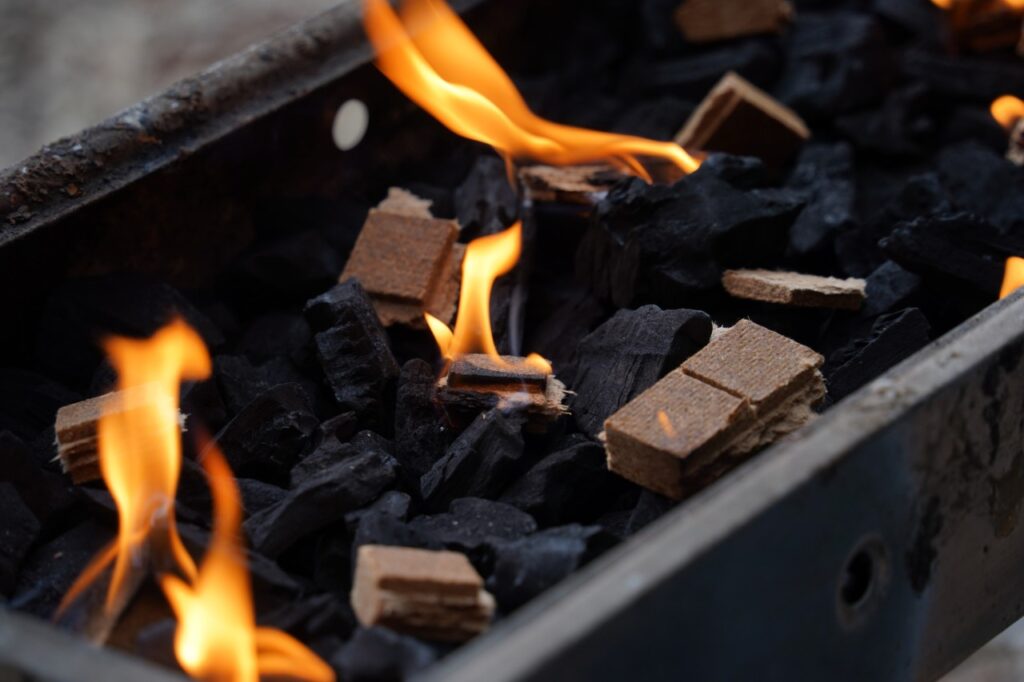
Many store-bought fire starters use waxes or chemical accelerants that ignite quickly but burn unevenly. They create brief heat spikes that fade fast, leaving behind an unstable fire that never settles into a clean burn.
This uneven ignition disrupts airflow early in the cook. As the fire struggles to stabilize, oxygen flow becomes inconsistent, weakening combustion and producing thick, dirty smoke that clings to the cooker and food.
Natural starters and chimney lighting ignite fuel evenly. Chemical starters undermine fire stability by forcing combustion to recover instead of develop properly from the start.
10. Ash Catchers Left Full
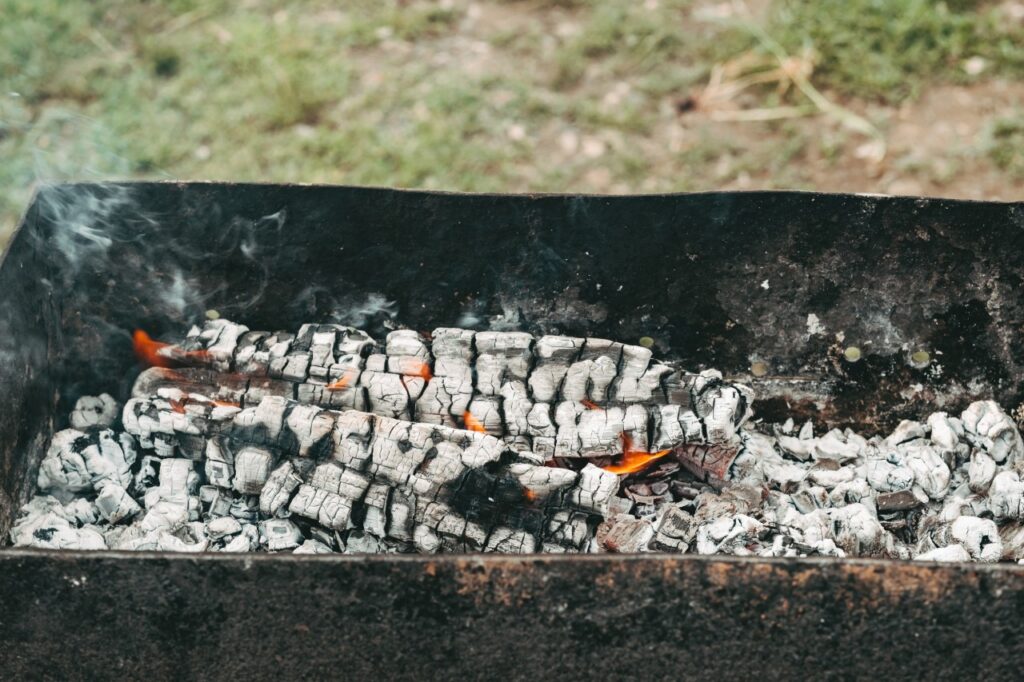
Ash catchers exist to protect airflow, but when left full they quietly do the opposite. As ash accumulates, it blocks oxygen from reaching the fire grate, cutting off the steady air supply charcoal needs to burn efficiently. This restriction often builds slowly and goes unnoticed.
With limited oxygen, charcoal begins to smolder instead of burning cleanly. Heat output drops, smoke turns stale, and temperature control becomes frustratingly inconsistent. The fire demands more fuel while delivering less usable heat.
Regularly emptying ash catchers restores proper airflow and combustion strength. When neglected, they slowly suffocate the fire from below, weakening smoker performance throughout the entire cook without obvious warning signs.
11. Poorly Sealed Gaskets
Gaskets control how air enters and exits a smoker, but worn or damaged seals allow oxygen to leak in unpredictably. Instead of airflow moving through vents as designed, air slips through gaps, disrupting the balance that keeps fires stable and controllable.
These leaks create uneven burn patterns. Some areas receive too much oxygen while others starve, leading to hot spots, fuel waste, and erratic temperatures. The fire responds to leaks rather than vent adjustments, reducing control and efficiency.
Well-sealed gaskets keep airflow intentional and consistent. Poor seals quietly choke smoker performance by breaking airflow discipline, forcing constant corrections and undermining fire management from start to finish.