Restaurant Meals Often Taste Better Than Home Cooking for a Surprising Reason

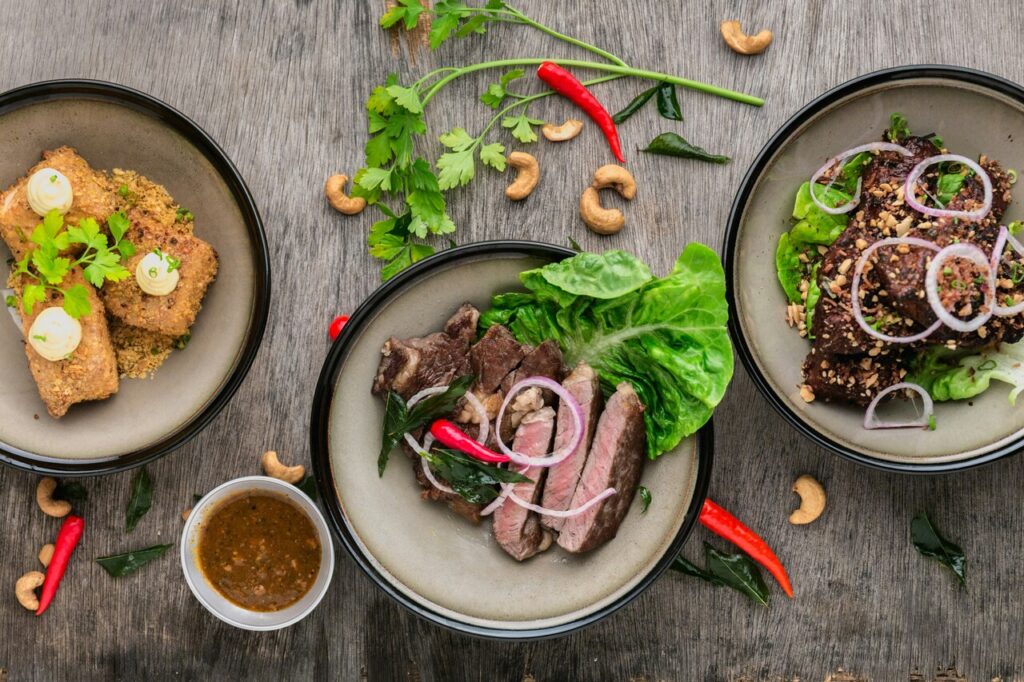
Many people notice that restaurant meals often taste richer and more satisfying than dishes prepared at home. The difference is not just about recipes or ingredients. Professional kitchens rely on a combination of cooking techniques, ingredient quality, and carefully balanced seasoning to create stronger flavors. Chefs also use equipment, preparation systems, and cooking methods that are difficult to replicate in a typical home kitchen. Even psychological factors can influence how food tastes when someone else prepares it.
Flavor Boosters Transform Restaurant Dishes
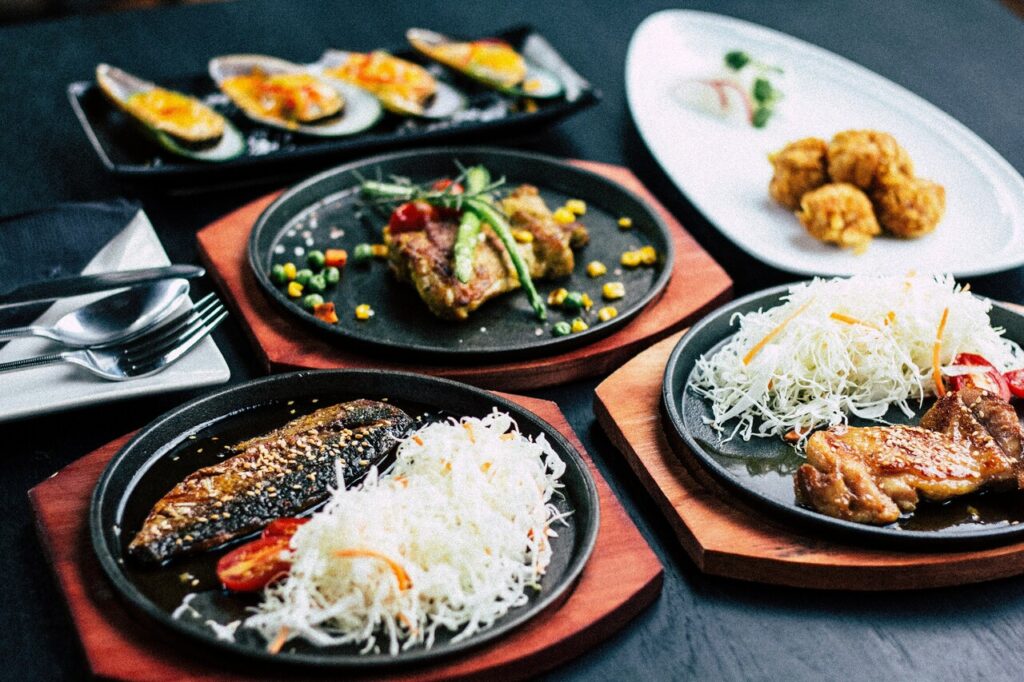
One of the most immediate reasons restaurant food often tastes richer than home cooking comes down to how chefs use salt, butter, and fat. Professional kitchens are rarely shy about seasoning. These ingredients enhance flavor, create richer textures, and make every bite feel more satisfying. Many home cooks tend to be cautious with salt or butter, especially when thinking about health concerns. In contrast, restaurants prioritize flavor intensity because they want dishes to taste memorable the moment they reach the table. Salt in particular enhances the natural taste of ingredients and can improve the overall sensory qualities of food.
Butter and fats also play a critical role in restaurant cooking. They carry flavor molecules and create the smooth mouthfeel that diners often associate with restaurant-quality meals. Professional kitchens frequently finish sauces with butter or drizzle fat over dishes to intensify flavor before serving. This step adds depth that is often missing in home-cooked meals prepared with less fat. The balance of salt, fat, and seasoning is carefully adjusted so the final dish tastes complete rather than flat. When these elements work together properly, even a simple dish like roasted vegetables or grilled chicken can taste dramatically better than its home kitchen equivalent.
Restaurants also use seasoning at several stages instead of only once. Chefs season ingredients early in the cooking process and continue adjusting the flavor as the dish develops. This layering of seasoning ensures that flavor penetrates every component rather than remaining only on the surface. By the time the meal reaches the diner, every bite carries balanced taste. That careful approach to seasoning is one of the hidden reasons restaurant food consistently feels more vibrant and satisfying. Each stage of cooking offers another opportunity to refine the taste. Chefs rely on constant tasting to ensure the dish evolves properly.
Professional Technique Changes Everything
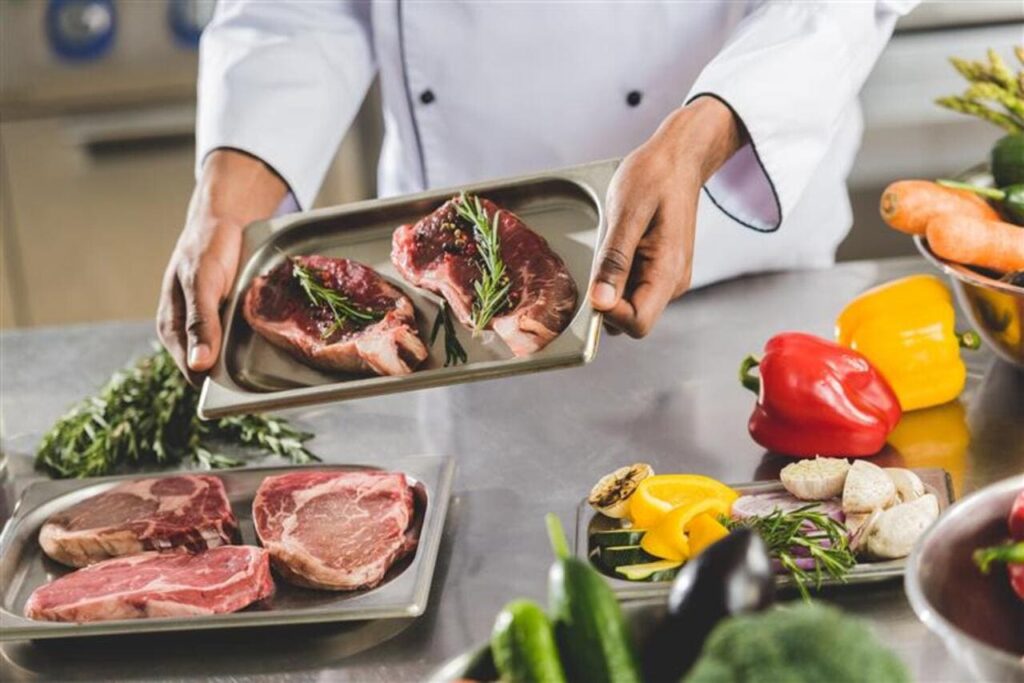
Another major factor behind restaurant flavor is experience. Professional chefs cook the same dishes repeatedly, often preparing them dozens of times during a single service. This repetition builds a deep understanding of how ingredients behave under heat and how flavors develop during cooking. Home cooks may follow the same recipe, but they rarely repeat it enough to refine technique in the same way. Over time, chefs learn exactly when to stir, when to season, and when to stop cooking to achieve the perfect result. Years of experience allow them to recognize the subtle signs that food is ready.
Technique also affects timing and heat control. In professional kitchens, cooks understand precisely how long ingredients should be cooked to reach their ideal texture. Slight variations in heat or timing can dramatically affect flavor and consistency. Chefs rely on visual cues, aromas, and sound to guide their decisions rather than relying entirely on written recipes. This instinctive understanding of cooking allows them to consistently produce dishes with balanced flavor and appealing textures. The sound of sizzling or the color of browning food provides important signals. These cues help chefs adjust heat instantly when necessary.
Restaurants also operate with highly organized cooking systems. Every ingredient is prepared in advance and measured carefully so that cooks can focus entirely on technique during service. This preparation allows chefs to concentrate on achieving perfect flavor and presentation. In contrast, home cooks often multitask, measuring ingredients while cooking or preparing several components simultaneously. That difference in focus alone can affect the final quality of a dish. Professional kitchens separate preparation from cooking to improve efficiency. This system reduces mistakes during busy service periods.
Ingredient Quality Creates a Big Difference

Ingredient quality is another major factor separating restaurant meals from everyday home cooking. Restaurants often have access to specialized suppliers who deliver fresh produce, high-quality meats, and premium dairy products. These ingredients are selected specifically for flavor and performance in cooking. Many home cooks rely on grocery store products that are chosen for durability and shelf life rather than peak flavor. This difference can significantly affect the final taste of a dish. Professional kitchens prioritize ingredients that deliver strong natural flavor. Chefs often build their menus around what is freshest.
Freshness also plays an important role. Restaurant kitchens receive deliveries frequently, which means ingredients spend less time in storage before being used. Vegetables and herbs often reach the kitchen at their peak flavor and texture. When these ingredients are cooked soon after arrival, they retain more aroma and natural sweetness. This freshness gives restaurant dishes a vibrant taste that is difficult to replicate with ingredients that have spent days traveling and sitting on supermarket shelves. Fresh herbs can dramatically enhance the aroma of a finished dish. Crisp vegetables also maintain better texture when cooked.
Restaurants also invest in specific ingredient varieties that are selected for taste rather than convenience. Certain types of tomatoes, mushrooms, or cheeses are chosen because they produce stronger flavors when cooked. These ingredients may be more expensive or harder to find in regular grocery stores. When combined with professional cooking techniques, these higher-quality ingredients contribute significantly to the superior taste many diners notice. Specialty ingredients also allow chefs to create distinctive menu items. Unique flavors help restaurants stand out from competitors. Ingredient selection, therefore, becomes part of the culinary identity.
High Heat Builds Stronger Flavor
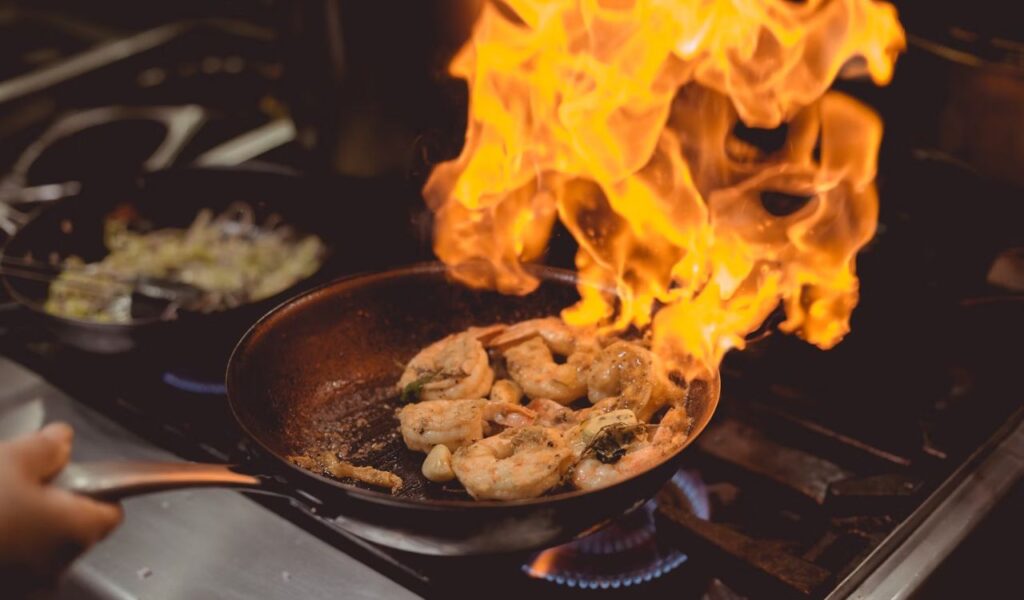
One of the biggest technical differences between restaurant cooking and home cooking is heat. Commercial kitchens often use powerful burners, grills, and ovens that generate much higher temperatures than standard home appliances. High heat allows chefs to sear meat quickly and create a flavorful crust on the surface. This browning process produces complex flavors and aromas that make dishes taste richer and more satisfying. The reaction between sugars and proteins creates deeper savory notes. These flavors cannot develop properly without intense heat. Professional equipment makes this process easier and faster.
The process of browning food also triggers chemical reactions that create new flavor compounds. When meat or vegetables cook at high temperatures, sugars and proteins react to form the deep savory flavors associated with roasted and grilled foods. Home kitchens can achieve similar results, but the equipment often limits how quickly or intensely ingredients can be seared. Restaurant kitchens are designed specifically to handle these high-heat techniques. The intense heat helps seal juices inside meats. This creates dishes that taste both crisp and tender. Powerful burners and heavy pans allow chefs to maintain consistent heat.
High heat also helps maintain the texture of ingredients. When food cooks quickly, the outer surface develops flavor while the interior remains tender and juicy. This balance is especially important for dishes like steaks, stir-fries, and roasted vegetables. By controlling temperature precisely, chefs can create layers of flavor that would be difficult to achieve with lower-heat cooking methods. Rapid cooking also prevents ingredients from becoming overcooked. Vegetables retain their natural color and bite. Texture plays an important role in how satisfying a dish feels. Crisp edges combined with tender interiors create an appealing contrast.
Flavor Layering Makes Every Bite Complete

Restaurant dishes rarely rely on a single seasoning step. Instead, chefs build flavor gradually by layering different ingredients and techniques throughout the cooking process. Aromatics such as garlic, onions, and herbs are often cooked first to create a foundation for the dish. Additional ingredients are then added in stages so that each layer contributes something new to the final flavor profile. This method creates depth that simple recipes often lack. Each stage adds complexity to the final result. The finished dish feels richer because of these accumulated layers of flavor. Sauces, spices, and finishing touches are often added near the end.
Another important element of flavor layering is the balance between salt, fat, acid, and umami. Acidic ingredients like vinegar or citrus juice brighten the flavor of a dish and prevent it from tasting heavy. Umami-rich ingredients such as mushrooms, aged cheeses, and fermented sauces add savory depth. The combination of these elements creates complexity that makes restaurant dishes taste more complete and satisfying. Proper balance keeps flavors from becoming overwhelming. Each element supports the others instead of dominating the dish. This harmony makes restaurant meals feel refined. Chefs often adjust these components carefully during cooking.
Chefs also finish dishes with small adjustments that elevate flavor just before serving. A squeeze of lemon, a sprinkle of herbs, or a drizzle of oil can dramatically change how a dish tastes. These finishing touches ensure that every element of the plate feels balanced. Home cooks sometimes skip these final steps, but they can make a significant difference in how vibrant a dish tastes. Garnishes also improve aroma and visual appeal. Small details help transform a good dish into an excellent one. Final adjustments give chefs control over the finished flavor.
Kitchen Systems Improve Consistency
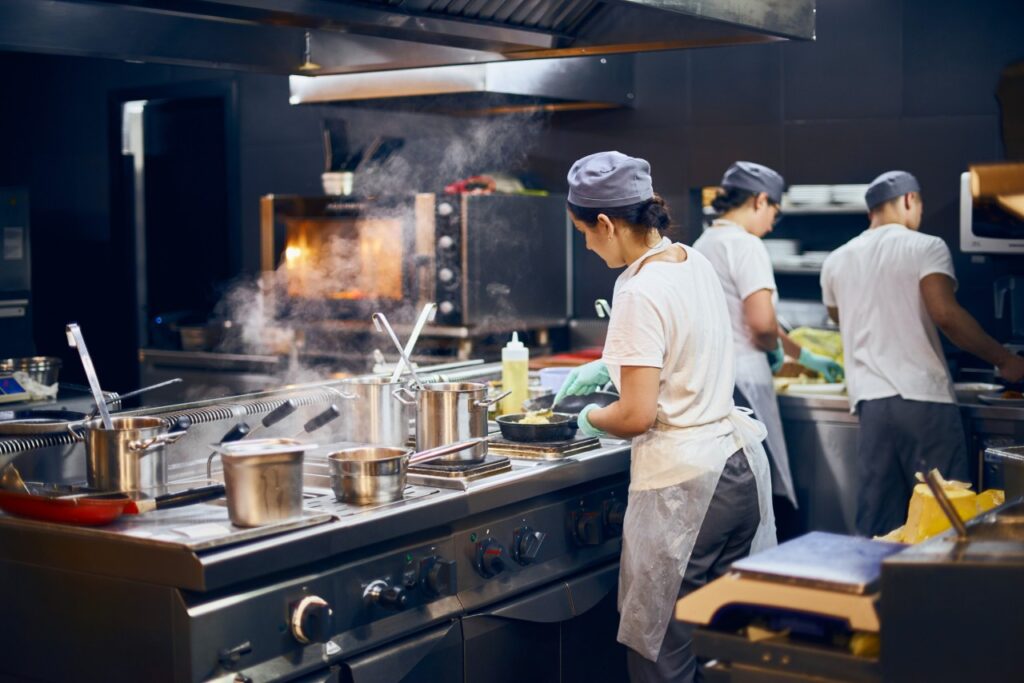
Restaurant kitchens rely on structured preparation systems that help cooks maintain consistent quality. One of the most important practices is preparing ingredients ahead of time so they are ready for immediate use during service. Vegetables are chopped, sauces are prepped, and proteins are portioned before cooking begins. This preparation allows chefs to focus entirely on cooking technique when orders arrive. Organized preparation prevents confusion during busy periods. It also allows chefs to work faster without sacrificing quality. Preparation is therefore essential to restaurant efficiency.
Consistency is essential in restaurants because customers expect the same dish to taste the same every time they visit. Chefs, therefore, follow carefully refined methods that ensure each plate is prepared in exactly the same way. This includes controlling cooking temperatures, measuring ingredients precisely, and using standardized recipes. These systems help maintain flavor balance and prevent mistakes during busy service periods. Reliable methods ensure that every guest receives the same quality. This consistency strengthens a restaurant’s reputation. Guests return when they trust the experience will remain the same.
Home kitchens rarely operate with this level of organization. Cooks often prepare ingredients while cooking, which divides attention and can lead to inconsistent results. Restaurants eliminate this problem by separating preparation from cooking. With all ingredients ready in advance, chefs can focus entirely on executing the dish perfectly. This structure reduces stress during service. It also allows chefs to focus on technique and presentation. Preparation ultimately supports better cooking results. Professional kitchens call this system mise en place, meaning everything in its place. The approach keeps the cooking process efficient and predictable.
Psychology Influences How Food Tastes
Surprisingly, part of the reason restaurant meals taste better has nothing to do with ingredients or technique. Psychology plays a powerful role in how people perceive flavor. When someone cooks a meal themselves, they are exposed to the smells and tastes throughout the cooking process. By the time the meal is ready, their senses may already be partially adapted to those aromas. This can reduce the excitement of the first bite. Familiar smells make the dish feel less surprising. Anticipation often fades during long preparation. Tasting during cooking can also dull the impact of the final dish. The brain becomes accustomed to the flavors before the meal is served.
Eating at a restaurant removes that sensory adaptation. Diners experience the aroma, presentation, and taste of the dish for the first time when it arrives at the table. This fresh exposure makes the flavors feel stronger and more enjoyable. The anticipation of being served also heightens the overall experience of eating. Waiting for the meal builds excitement. This anticipation amplifies satisfaction when the dish arrives. Presentation adds another layer of sensory appeal. The first sight of a carefully plated dish creates immediate curiosity. These cues prepare the brain to expect something special.
The environment itself can further enhance taste perception. Comfortable seating, attractive presentation, and the social experience of dining out all influence how people evaluate food. When people feel relaxed and focused on enjoying their meal, their brain processes flavors more positively. These psychological factors combine with professional cooking techniques to make restaurant meals feel especially satisfying. Atmosphere contributes to the enjoyment of every bite. Dining becomes an experience rather than just a meal. Lighting, music, and décor subtly shape mood. The setting, therefore, becomes part of the flavor experience itself.