10 Viral Internet Recipes Chefs Say Are Not Worth the Hype


Social media has transformed the way recipes spread around the world. A short video can turn a simple dish into a global food trend overnight. While these viral recipes often look creative and entertaining, many chefs say the reality in the kitchen can be different. Some focus more on visual appeal than flavor, while others require extra effort without improving the final result. Understanding which trends fall short can help home cooks avoid unnecessary steps and focus on recipes that truly deliver great taste and reliable results.
1. Cloud Bread
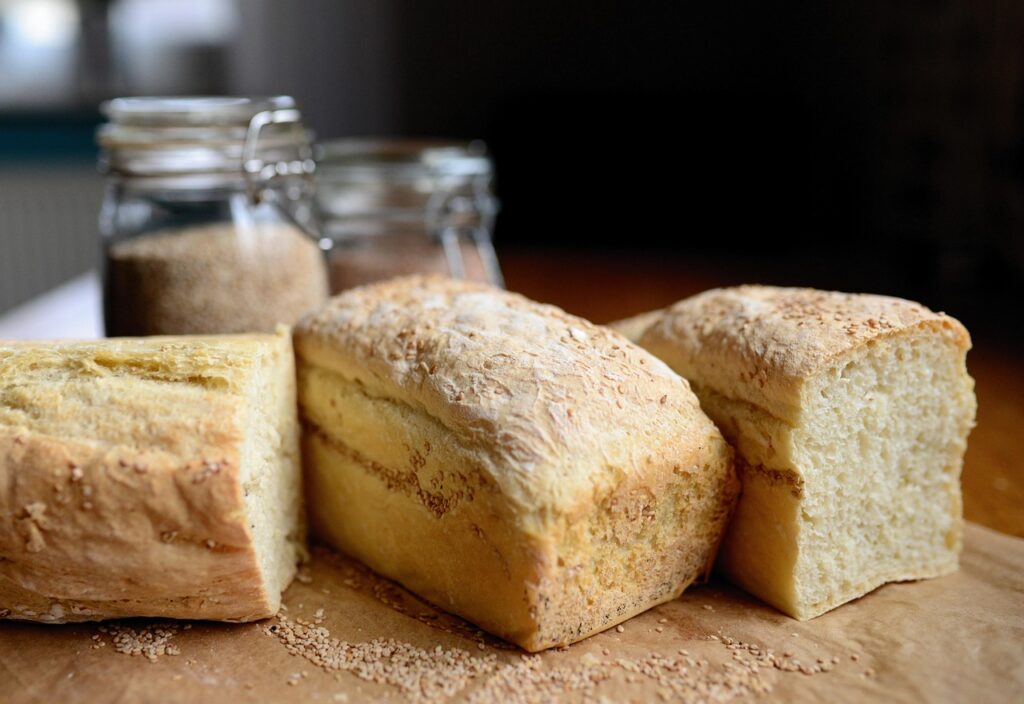
Few internet recipes captured attention quite like cloud bread. Its bright colors and fluffy appearance made it perfect for short videos that emphasized texture and visual drama.
Despite its striking appearance, the eating experience tends to fall short. Because the recipe contains very few flavorful ingredients, the finished bread often tastes mildly sweet with a noticeable egg flavor.
Texture can also change quickly after baking. The airy structure tends to deflate as the bread cools, leaving behind a slightly chewy consistency. Chefs often point out that the recipe works better as a visual experiment than as something people would want to make regularly.
2. Baked Feta Pasta
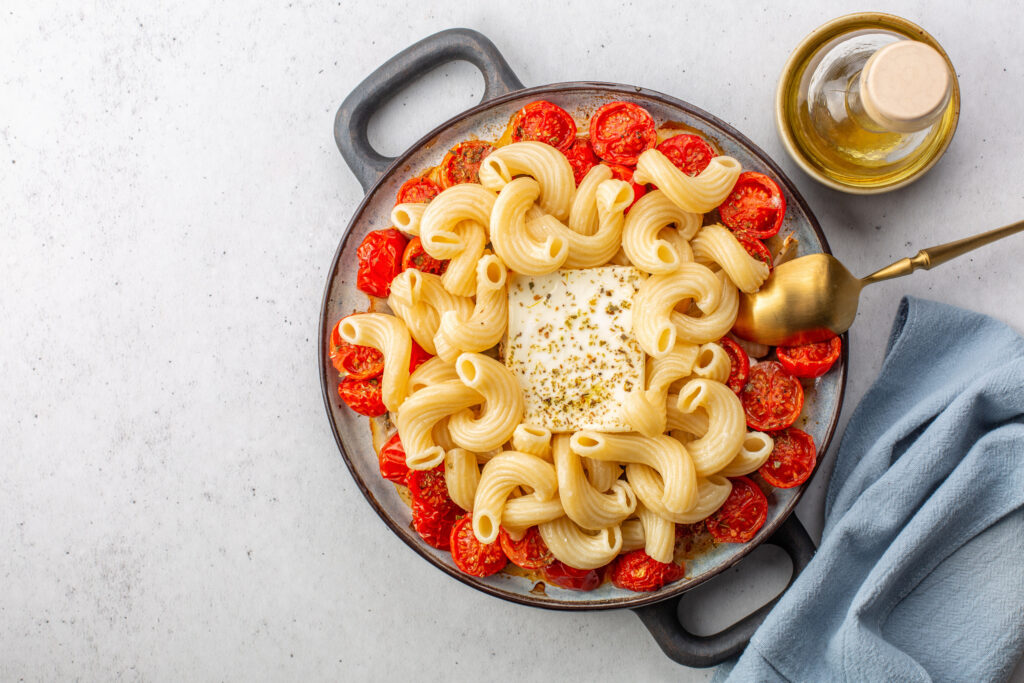
Baked feta pasta became one of the most widely shared cooking trends on social media. The recipe involves placing a block of feta cheese in a baking dish with cherry tomatoes and olive oil, roasting everything together, and mixing the melted cheese with pasta.
The dish is simple and satisfying, but critics often point out that it can be extremely rich. Feta cheese already contains a high level of salt and fat. Without additional ingredients, the flavor profile can feel repetitive after a few bites.
Traditional pasta sauces usually build flavor through layers such as garlic, herbs, and slow-cooked ingredients. In comparison, baked feta pasta relies mostly on cheese and tomatoes. While the dish is convenient, many chefs say it lacks the complexity that makes a pasta recipe memorable.
3. Pasta Chips
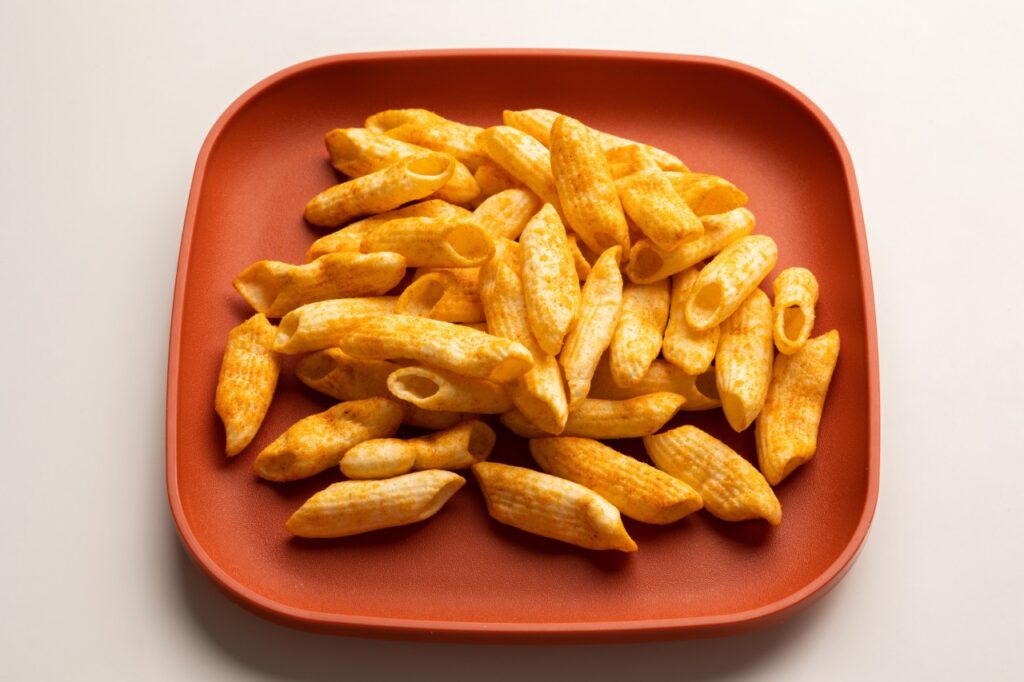
Pasta chips appeared online as a creative way to turn cooked pasta into a crunchy snack. The pasta is first boiled, then coated with oil and seasoning before being baked or air-fried until crisp. The result resembles small chips that can be dipped into sauces.
Although the idea sounds appealing, preparing the snack involves several steps. Pasta must be cooked and cooled before it can be crisped, which adds time compared with making most snacks. For many cooks, the effort outweighs the final result.
Flavor is another factor. Pasta has a mild taste on its own, so the chips rely heavily on seasoning to stand out. Without strong spices or dips, the snack can taste fairly plain despite the unusual texture.
4. Pancake Cereal
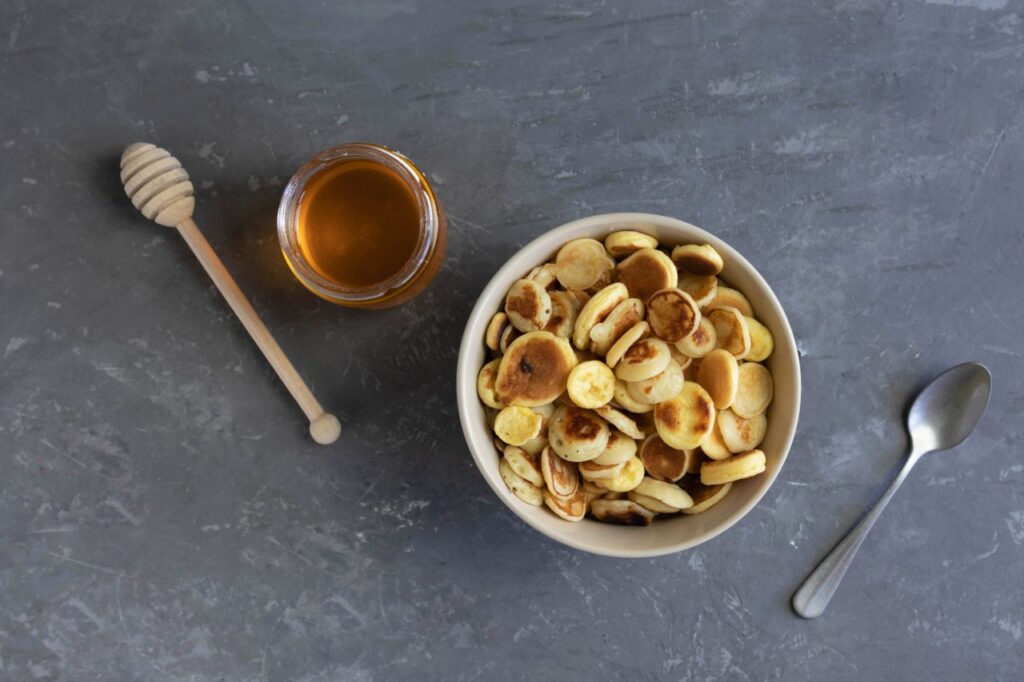
Pancake cereal became popular when social media users began making dozens of tiny pancakes and serving them in a bowl. The miniature pancakes are typically topped with syrup or butter and eaten with a spoon like breakfast cereal.
While the idea is playful, the preparation requires patience. Each tiny pancake must be poured and flipped individually in a pan. Cooking enough pieces to fill a bowl can take significantly longer than making a traditional stack of pancakes.
Once served, the flavor remains the same as regular pancakes. The smaller size changes the presentation but does not improve the taste. Many chefs view the trend as an entertaining visual idea rather than a practical breakfast method.
5. Pesto Eggs
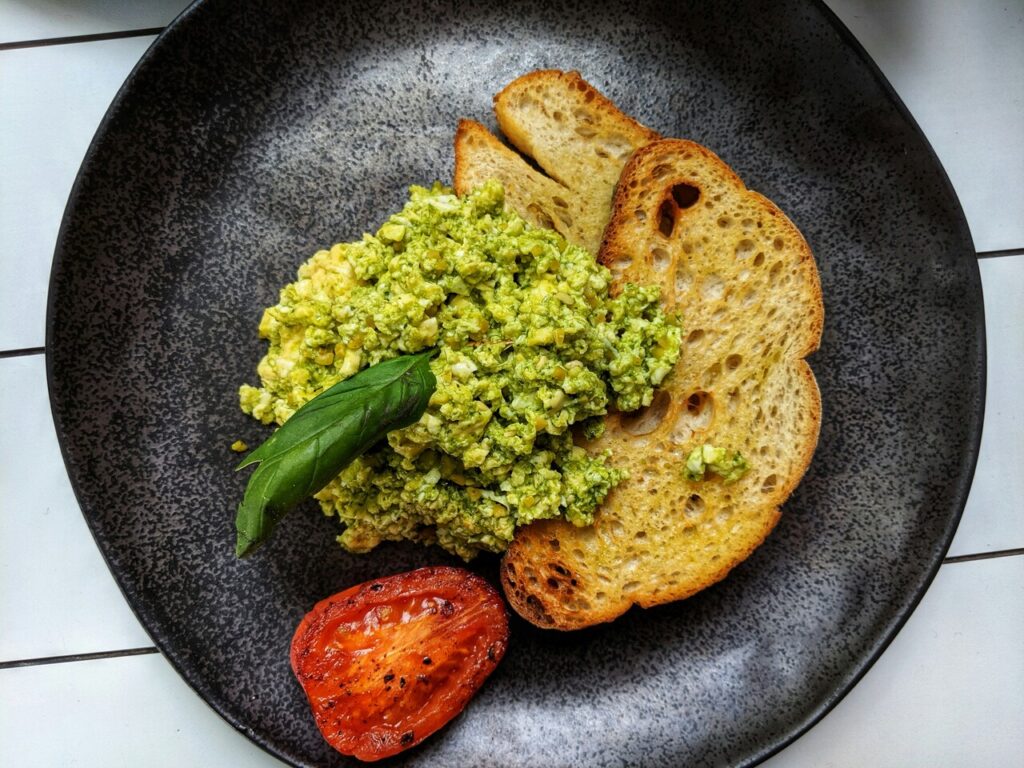
Pesto eggs gained popularity as a quick way to cook eggs with extra flavor. Instead of oil or butter, a spoonful of pesto is placed in the pan, and eggs are cracked directly on top. The pesto is meant to infuse the eggs with garlic, basil, and olive oil.
In practice, the method can produce inconsistent results. Pesto contains delicate herbs that can burn when exposed to high heat in a frying pan. When that happens, the flavor becomes bitter, and the oil separates from the sauce.
Many cooks find that pesto works better when added after the eggs are cooked. This preserves the fresh herb flavor and avoids overheating the sauce. Chefs often recommend treating pesto as a finishing ingredient rather than a cooking fat.
6. Dalgona Coffee
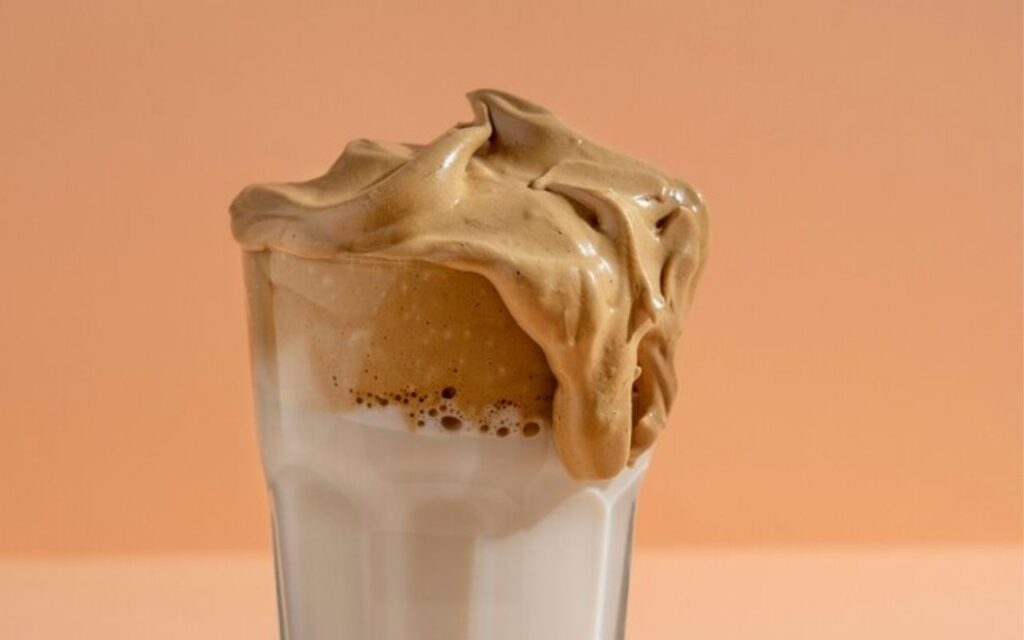
Dalgona coffee became a viral trend during the early days of social media food challenges. The drink involves whipping instant coffee, sugar, and hot water into a thick foam before spooning it over milk. The layered presentation made it highly photogenic.
Although the drink looks impressive, its flavor is quite simple. The whipped topping is essentially sweetened instant coffee foam. Once stirred into the milk, the drink tastes similar to a sweet iced coffee.
The preparation can also be tiring when done by hand because the mixture must be whisked until it becomes thick and fluffy. For many people, the effort does not produce a dramatically different beverage compared with regular coffee.
7. Hot Chocolate Bombs
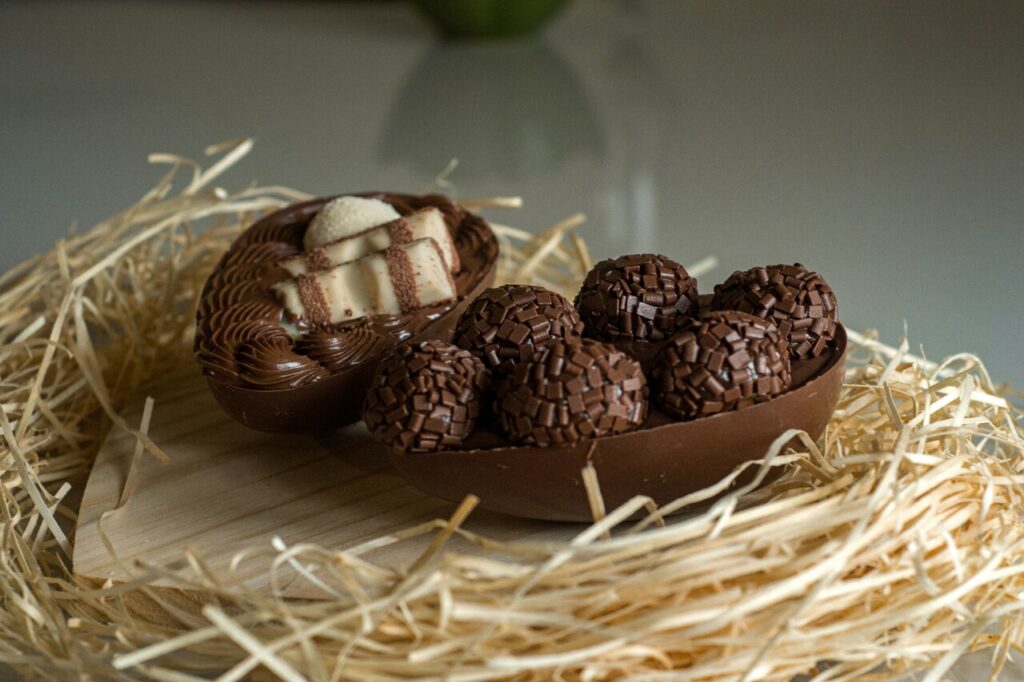
Hot chocolate bombs became popular as gift items and holiday treats. The chocolate spheres are filled with cocoa powder and marshmallows, and they dissolve dramatically when hot milk is poured over them.
The concept works well visually because the shell melts and reveals the ingredients inside. This effect makes the drink preparation entertaining to watch, which helped the trend spread across social media platforms.
However, the flavor is often very sweet because the drink combines chocolate, cocoa mix, and marshmallows. Many chefs point out that the novelty lies in the presentation rather than the taste. A well-made cup of hot chocolate can usually deliver richer flavor with fewer sugary elements.
8. Nature’s Cereal
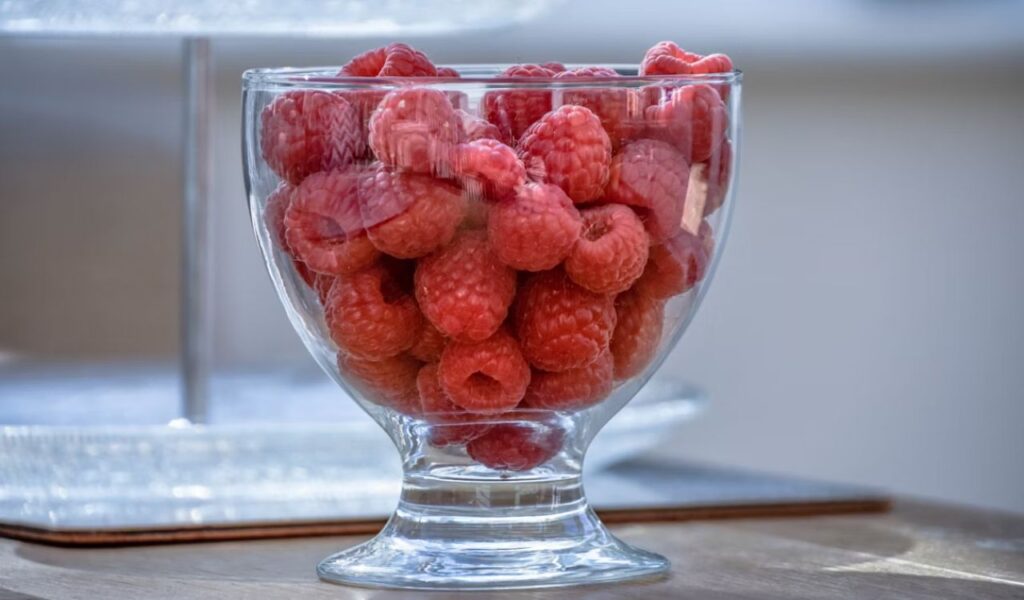
Nature’s cereal gained attention when influencers began sharing bowls filled with berries, pomegranate seeds, and coconut water. The dish was promoted as a refreshing alternative to traditional breakfast cereal.
While the ingredients are healthy and hydrating, the recipe itself is extremely simple. The flavor depends entirely on the fruit used, since the coconut water adds very little sweetness or richness.
For many cooks, the dish feels less like a recipe and more like a fruit bowl served with liquid. Chefs often note that the idea gained popularity mainly because of social media endorsements rather than any new cooking technique.
9. Cottage Cheese Ice Cream
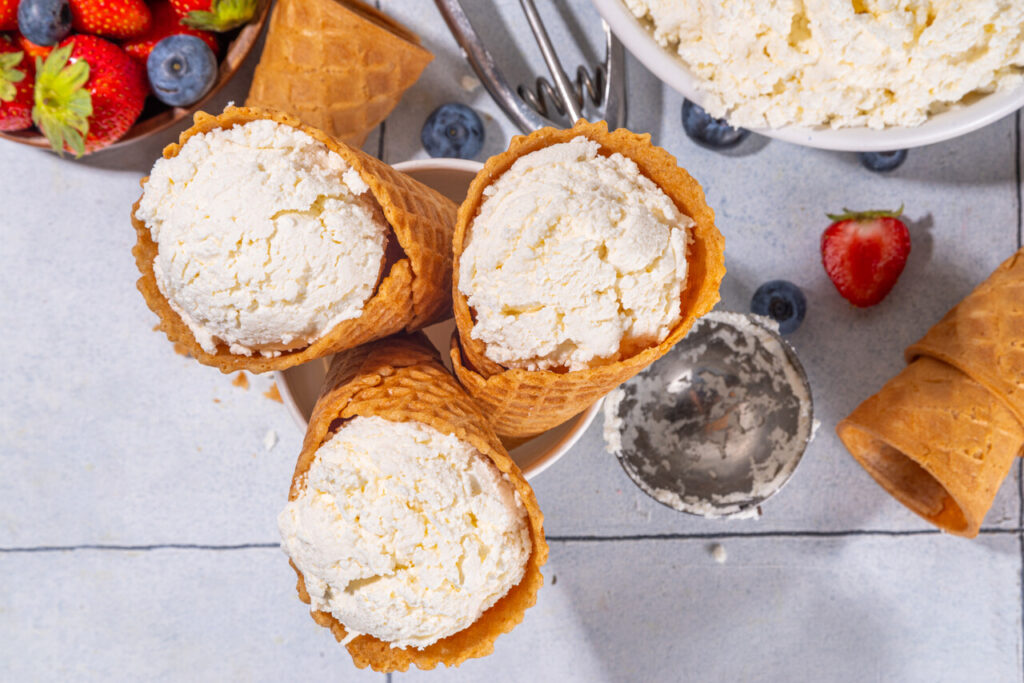
Cottage cheese ice cream became popular as a high-protein dessert alternative. The recipe blends cottage cheese with sweeteners and flavorings before freezing the mixture into a frozen treat.
Although the concept appeals to people looking for healthier desserts, the texture differs noticeably from traditional ice cream. Cottage cheese contains curds that do not fully disappear during blending, which can create a slightly grainy consistency.
Classic ice cream relies on a careful balance of fat, sugar, and air to create a smooth texture. Without that balance, the cottage cheese version can feel dense and less creamy. Many chefs see it as an interesting experiment but not a true substitute for real ice cream.
10. Tortilla Wrap Hack
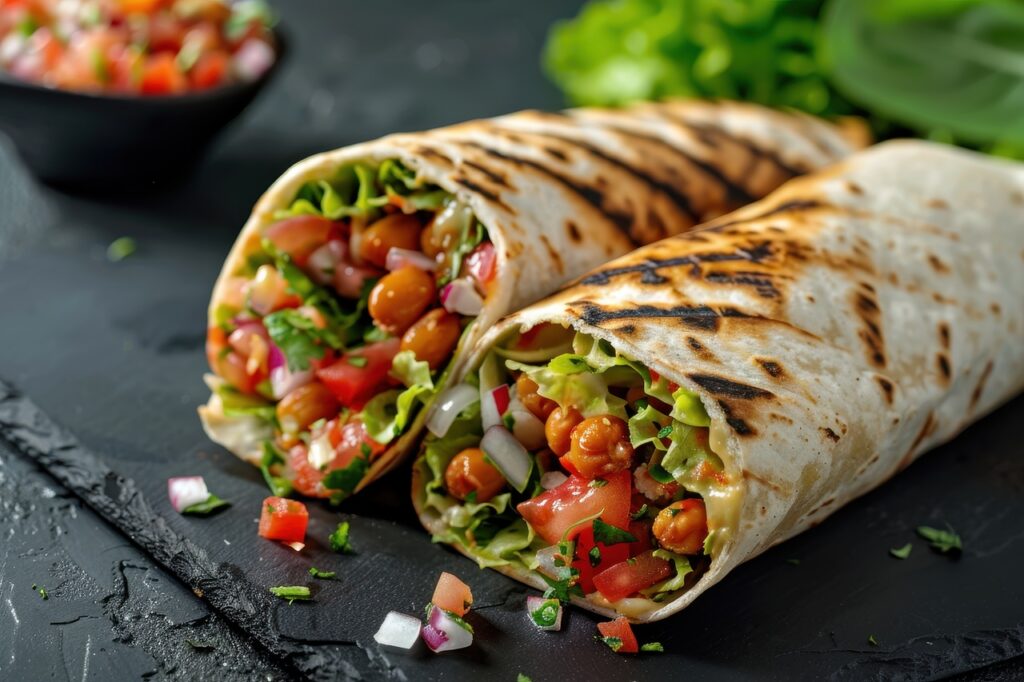
The tortilla wrap hack spread quickly online because of its clever folding method. A tortilla is sliced halfway and divided into sections filled with different ingredients. The tortilla is then folded into layers and toasted in a pan.
The technique produces a neat layered wrap that looks appealing when cut open. However, the ingredients remain the same as those used in regular wraps or quesadillas.
For experienced cooks, the method does not change the flavor of the final dish. It simply rearranges familiar ingredients into a different shape. While the folding trick works well on camera, it rarely improves the overall cooking process.