10 Snack Brands That Went Better for You and Lost What Made Them Good

Snacks have always been about comfort, flavor, and that familiar taste you can rely on. Over the years, many well-known brands built their reputation on delivering bold flavors and consistent textures that kept people coming back without much thought.
But as eating habits began to shift, so did the snacks. Brands started reformulating products to reduce sugar, fat, and artificial ingredients, aiming to meet growing demand for healthier options. While these changes look good on paper, they don’t always translate the same way in taste.
This list takes a closer look at the snacks that tried to improve their image but lost part of what made them enjoyable. Because sometimes, a small change can make a familiar favorite feel entirely different.
1. Doritos
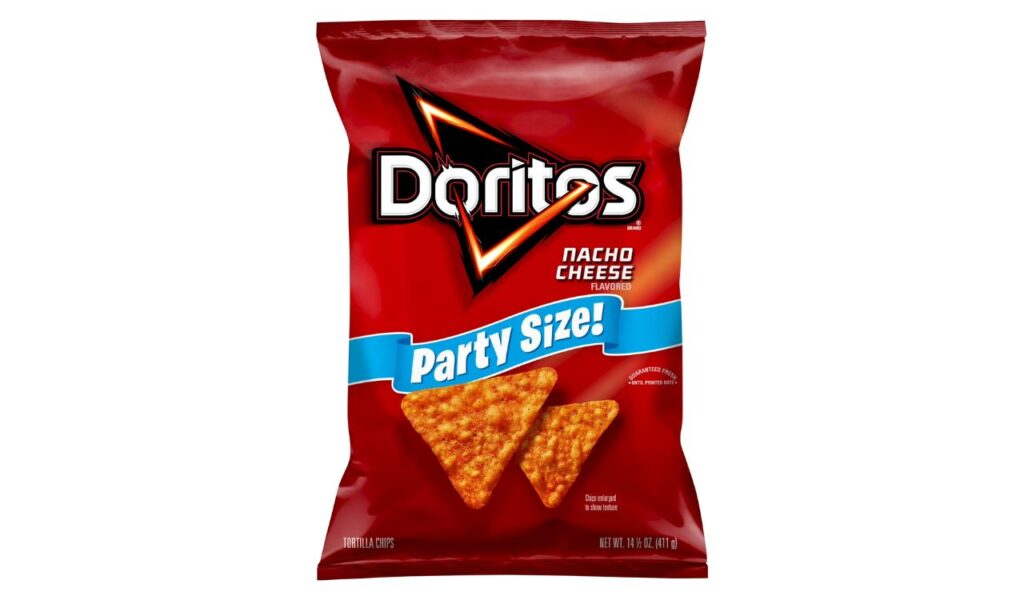
Bold flavor is what built Doritos into a standout snack. The intense seasoning and strong crunch created a product that felt unmistakable and consistent across every bag. That identity made it easy for customers to return again and again.
As lighter and protein-focused versions appeared, the formula began to shift. Reductions in sodium, fat, and certain additives can affect how seasoning adheres and how the chip delivers flavor. The result is often a milder, less layered taste.
The change reflects a wider trend. While the newer versions align with health preferences, they also soften the original impact. For many longtime buyers, the snack still works, but it no longer delivers the same bold experience.
2. Cheetos
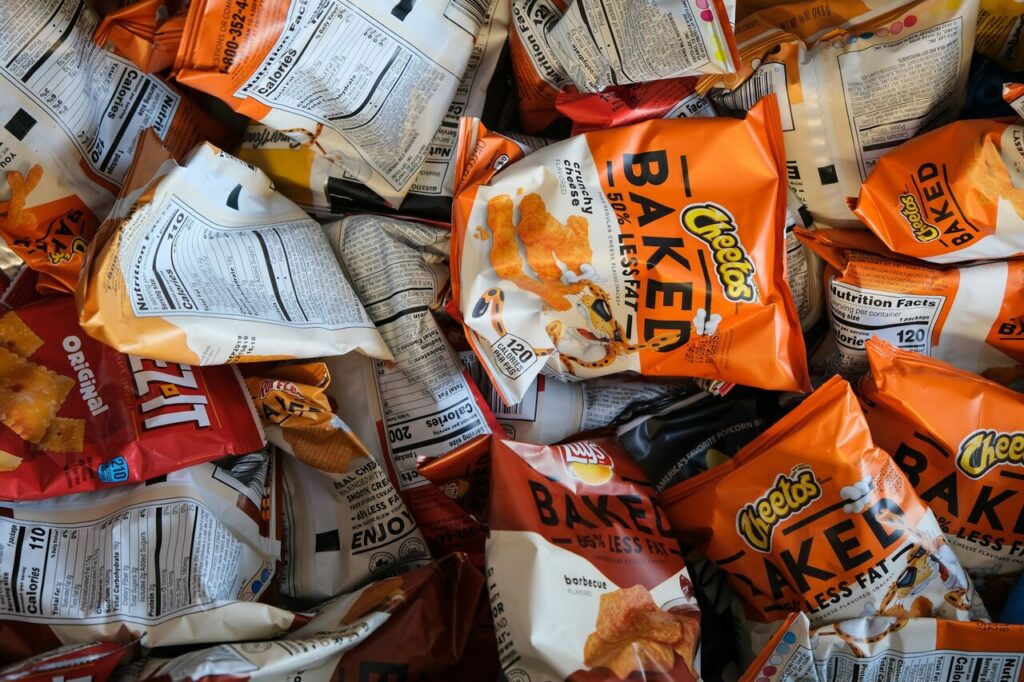
Few snacks are as recognizable as Cheetos, known for their bright color and rich cheese coating. The combination of texture and flavor created a product that felt indulgent and consistent over time.
Cleaner ingredient versions aimed to remove artificial colors and simplify formulas. While this improved labeling, it also affected appearance and taste. The color became less vibrant, and the flavor slightly less intense.
These changes highlight a key trade-off. When ingredients are adjusted, the overall sensory experience shifts as well. The snack remains familiar, but the boldness that defined it becomes more subtle.
3. Pringles
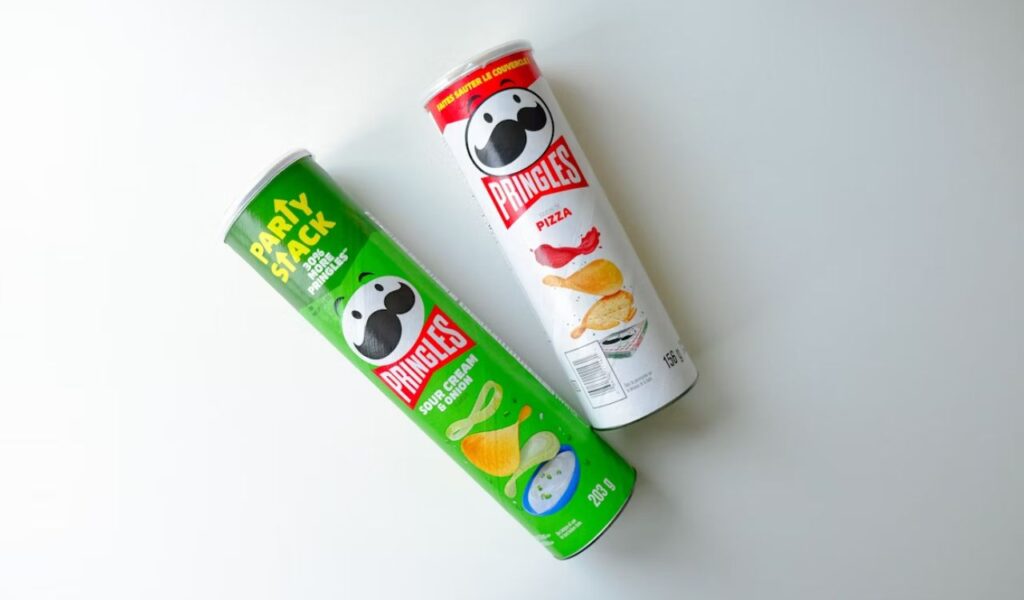
Uniform shape and crisp texture are central to Pringles. The controlled production process ensured every chip delivered the same light crunch and consistent bite, which became a defining part of its identity over time.
Health-focused variations introduced reduced-fat options and alternative ingredients. These changes can alter oil composition and moisture levels, which directly affect crispness, mouthfeel, and how the chip breaks when eaten.
Even small adjustments become noticeable. The chips may look identical, but the eating experience feels slightly different. Consistency remains, but the original texture that defined the brand can feel less precise and slightly less satisfying overall.
4. Lay’s
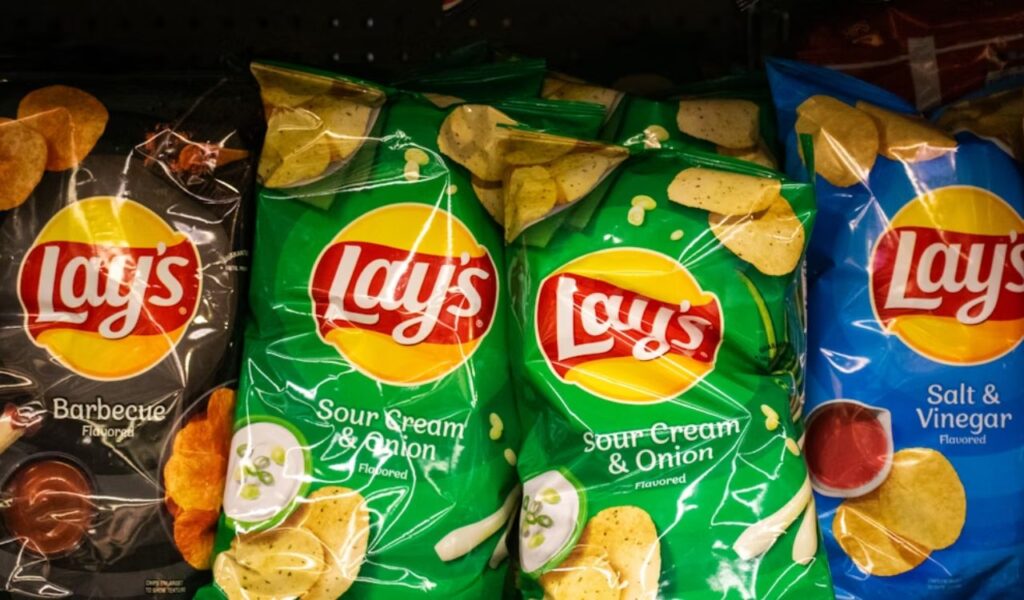
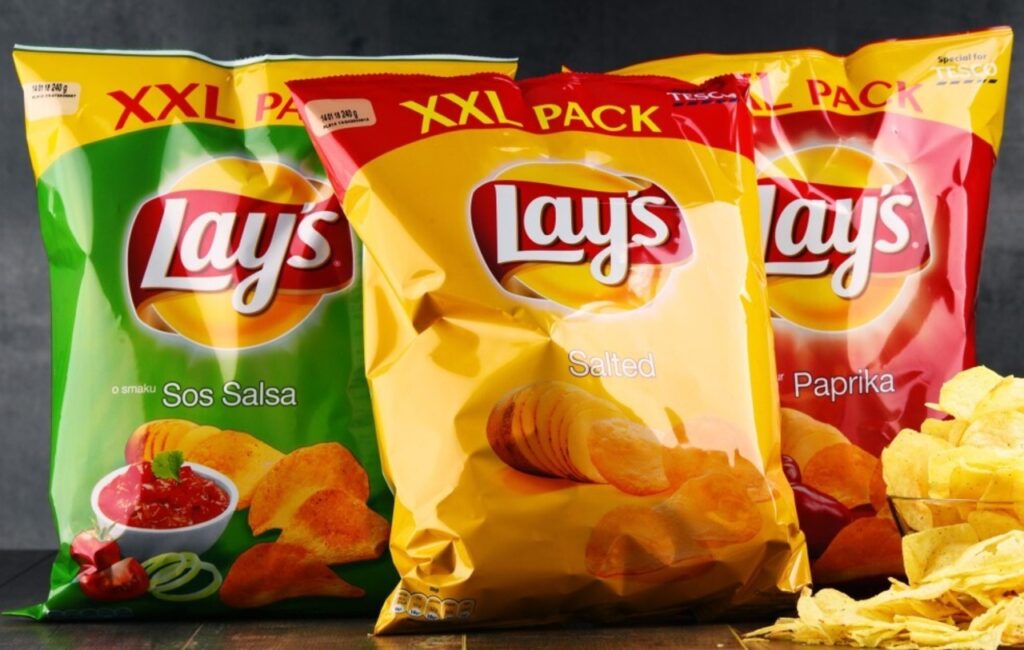
Simplicity is the strength of Lay’s. A classic fried chip delivers a balance of crispness and richness that has remained largely unchanged for decades and has built strong familiarity among regular buyers.
Baked and reduced-fat versions were introduced to meet demand for lighter snacks. While these options lower fat content, they also change how the chip is structured and how flavor develops during cooking and processing.
The result is a noticeable shift in texture. Baked chips tend to feel drier and less rich. For many consumers, they serve as an alternative, but not a full replacement for the original experience they are used to.
5. Special K Snack Bars
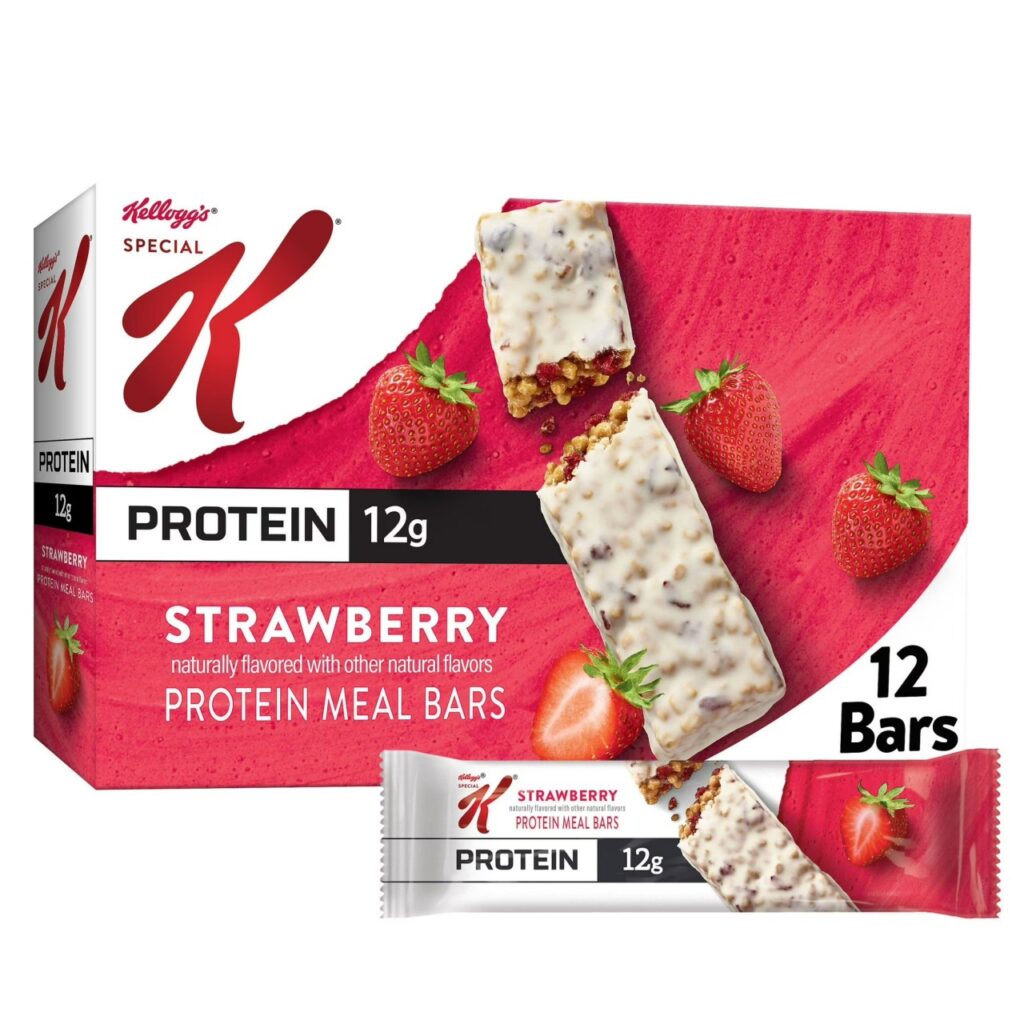
Balance once defined Kellogg’s Special K snack bars. They were positioned as lighter options, yet still offered enough sweetness and texture to feel satisfying and enjoyable as a daily snack.
As formulations changed to reduce sugar and adjust ingredients, the bars became less indulgent. Texture can feel firmer or more processed, and flavor may not feel as rounded or complete as before.
This reflects a common challenge in reformulation. When nutrition becomes the primary focus, enjoyment can decline. The bars still meet their purpose, but they no longer deliver the same balance that once made them appealing.
6. Nature Valley
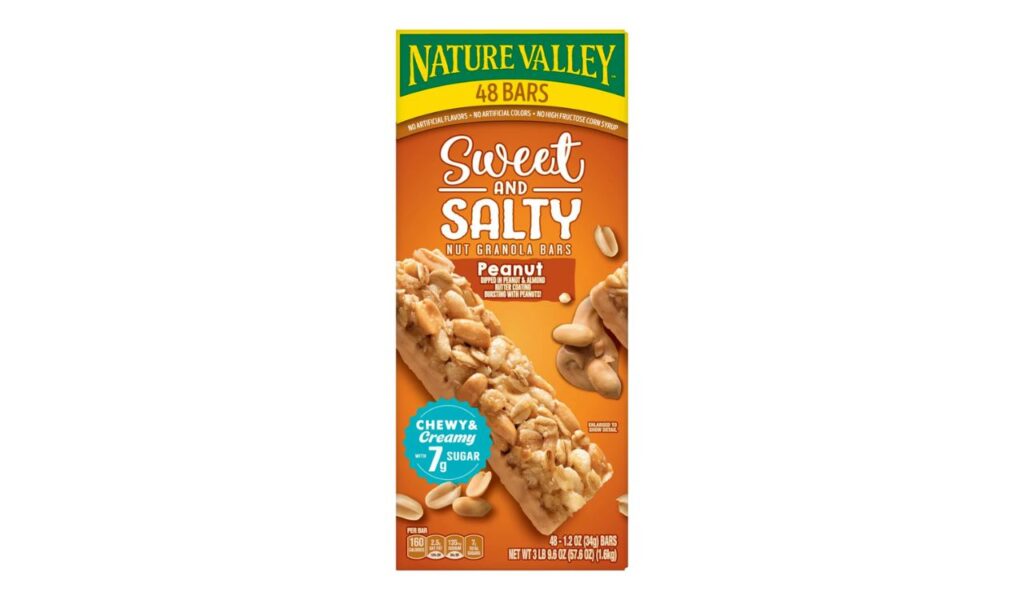
Crunch and sweetness made Nature Valley a recognizable choice. The original bars offered a simple combination of oats and sugar that created a distinct texture and flavor many people associated with the brand.
Efforts to reduce sugar and simplify ingredients have changed that balance. Some versions feel drier or less cohesive, affecting how the bar holds together and how it tastes during each bite.
The improvements are clear from a nutritional perspective, but they alter the eating experience. What was once a sweet, crunchy snack can feel more restrained and slightly less satisfying over time.
7. Pop-Tarts
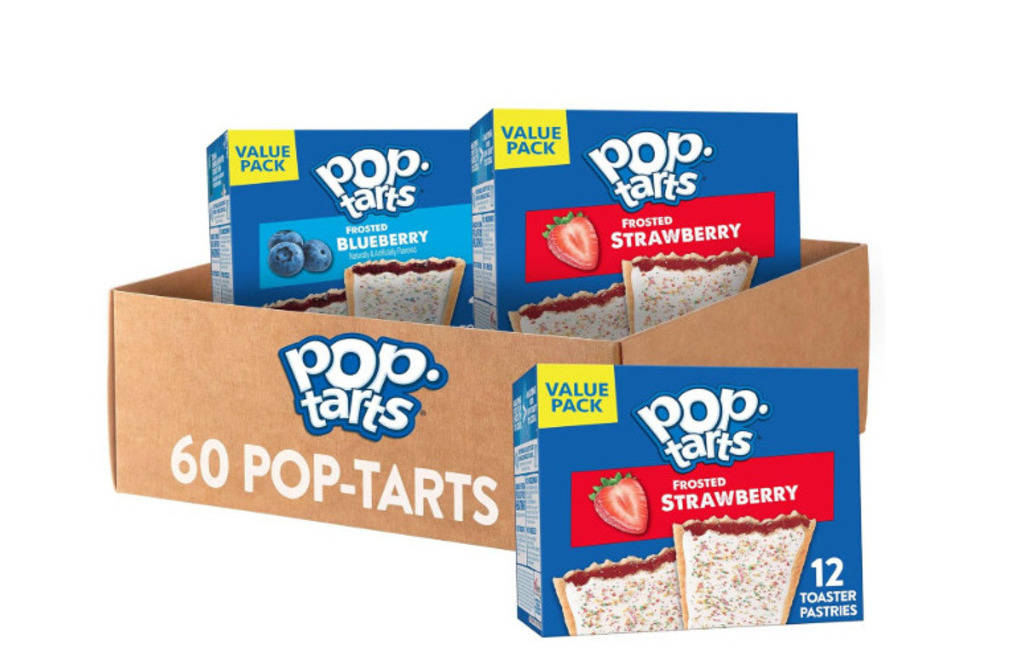
Indulgence has always been central to Pop-Tarts. The combination of sweet filling and frosted exterior made it feel closer to a dessert than a traditional snack, which helped define its appeal.
Newer versions aim to reduce artificial ingredients and adjust sugar levels. These changes can affect both sweetness and texture, making the product feel less rich and slightly less indulgent than before.
The shift highlights a tension between nostalgia and reformulation. While the updated versions meet modern expectations, they do not always recreate the same level of enjoyment tied to the original product.
8. Clif Bar
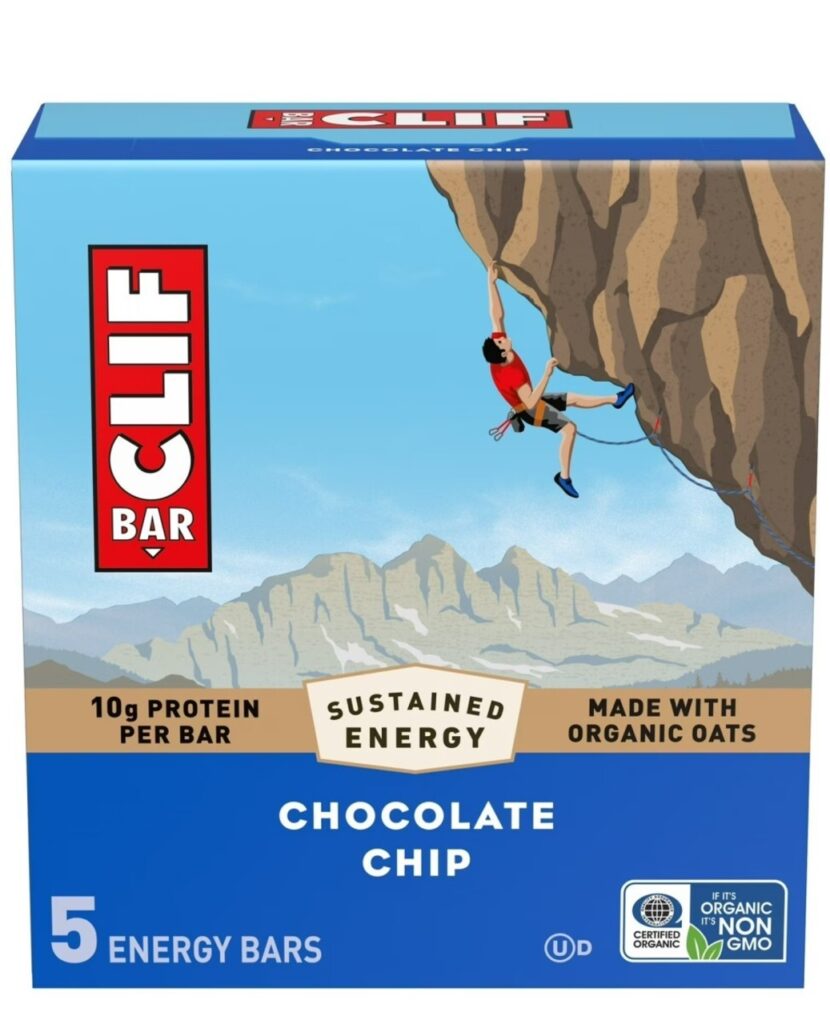
Function and flavor once worked together in Clif Bar. The bars were dense, filling, and designed to provide sustained energy while still tasting satisfying for active consumers.
As the brand moved toward cleaner labels and plant-based formulations, some changes in texture and flavor became noticeable. Bars may feel less rich or slightly different in consistency compared to earlier versions.
The product still serves its purpose, but the experience has shifted. It remains practical, yet the original balance between performance and enjoyment feels less pronounced and slightly less enjoyable overall.
9. Kind Snacks
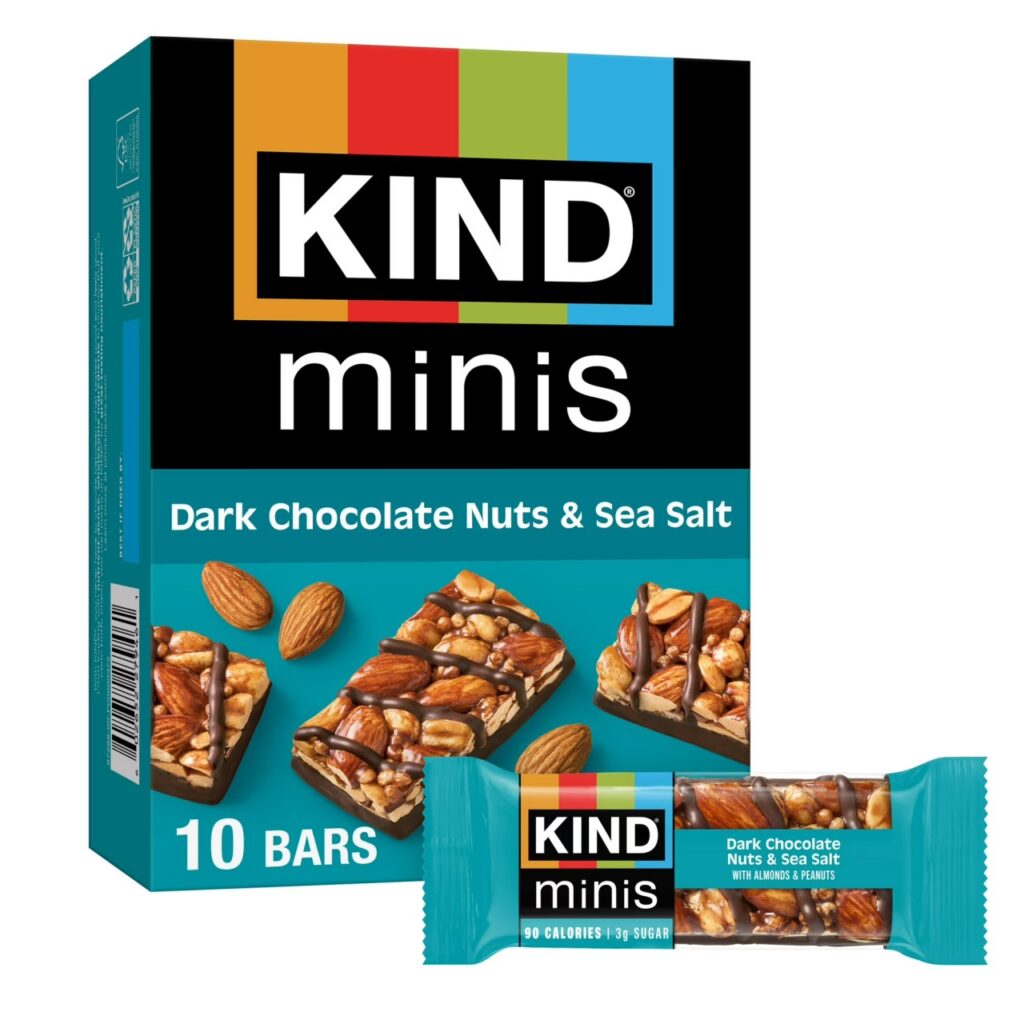
Transparency helped define Kind Snacks. Visible ingredients and a balanced sweetness made the bars feel both natural and enjoyable, helping them stand out clearly in a crowded and competitive snack category.
Lower-sugar and functional versions introduced new formulations that change texture and flavor balance. Some bars feel less cohesive or less indulgent compared to earlier versions that customers were familiar with and trusted.
The challenge lies in maintaining identity. As the brand evolves, the balance between health and enjoyment becomes harder to sustain, making some products feel less distinctive and slightly less satisfying than before.
10. Ritz
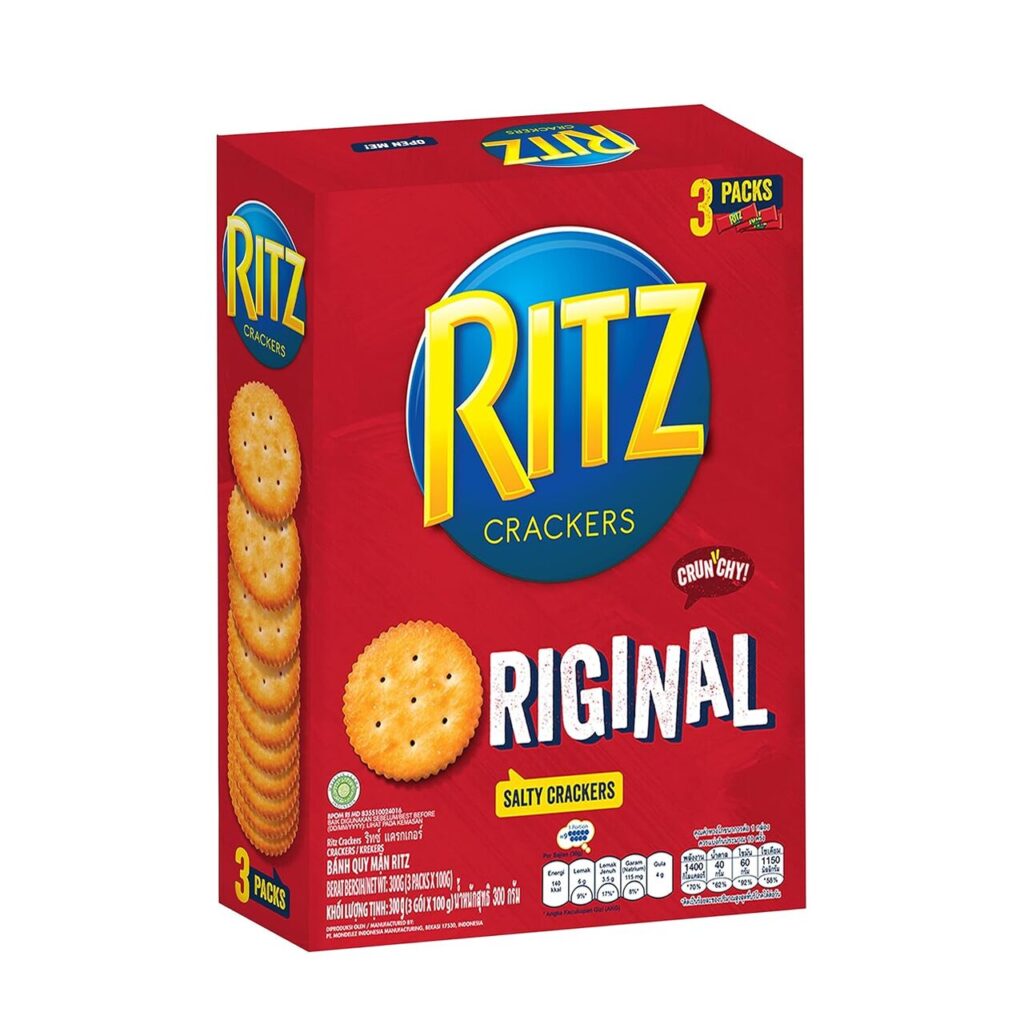
Lightness and buttery flavor are essential to Ritz. The original cracker delivered a soft crunch and rich taste that made it widely recognizable and easy to enjoy across many uses and everyday occasions.
Whole-grain and reduced-fat versions were introduced to improve nutritional appeal. These changes can affect both texture and flavor, making the cracker feel less airy and slightly less rich than the classic version many are used to.
The difference is subtle but clear. While the newer versions meet modern preferences, they do not fully replicate the original experience that made the brand so familiar, dependable, and widely loved.