7 Healthy Fats the Government Spent Decades Wrongly Demonizing

For decades, nutrition advice warned people to fear fat. Official guidelines linked fat to clogged arteries and heart disease, pushing generations toward low-fat foods while traditional fats were quietly abandoned.
What those warnings missed was nuance. Different fats affect the body in very different ways, and many fat-rich whole foods also deliver nutrients that support heart health, brain function, and lasting fullness. Treating all fats as equal blurred critical distinctions.
As research advanced, several demonized fats were reassessed and even praised. These seven examples show how simplified policy sidelined foods now recognized as genuinely beneficial.
1. Butter

Butter was long labeled unhealthy because of its saturated fat. Early guidelines treated all saturated fats the same, ignoring the difference between whole foods and isolated fats. Butter also provides fat-soluble vitamins like A and K2 and fatty acids the body can use efficiently.
Unlike industrial spreads, butter is minimally processed. Its natural fat structure supports satiety, helping people feel full rather than driving overeating. In moderate amounts, it does not behave like refined fats.
Fear of butter pushed many toward margarine and hydrogenated oils. Later research showed these substitutes introduced new health risks, reshaping how butter is understood today.
2. Egg Yolks

Egg yolks were long blamed for raising cholesterol, leading to widespread advice to discard them. This view overlooked how dietary cholesterol actually interacts with the body. For most people, cholesterol intake has little effect on blood cholesterol levels, which are largely regulated internally.
Yolks are nutritional powerhouses. They provide choline for brain health, fat-soluble vitamins, and antioxidants like lutein that support eye health. Removing the yolk strips away many of the egg’s most valuable nutrients.
By focusing narrowly on cholesterol numbers, public guidance missed the broader context of whole-food nutrition. Today, egg yolks are widely recognized as beneficial when consumed as part of a balanced diet.
3. Full-Fat Dairy

Full-fat dairy fell out of favor when low-fat products were promoted as healthier options. The assumption was simple: less fat meant less risk. What was ignored was how fat influences nutrient absorption and appetite control.
Milk fat helps the body absorb vitamins A, D, E, and K, which are naturally present in dairy. Removing fat often means adding sugars or thickeners to maintain taste and texture, changing the food’s metabolic impact.
Studies now show that full-fat dairy does not consistently correlate with higher heart disease risk. In many cases, it supports satiety and stable energy, challenging decades of blanket low-fat advice.
4. Olive Oil

Olive oil was once lumped together with other fats that guidelines urged people to limit. This ignored major differences in fat composition. Extra virgin olive oil is rich in monounsaturated fats and protective plant compounds.
These compounds help reduce inflammation and support cardiovascular health. Olive oil also improves the absorption of nutrients from vegetables, making it a functional part of meals rather than just a cooking medium.
As research from Mediterranean diets gained attention, olive oil was reevaluated. What was once restricted became a cornerstone of healthy eating, highlighting how oversimplified fat warnings delayed acceptance of beneficial foods.
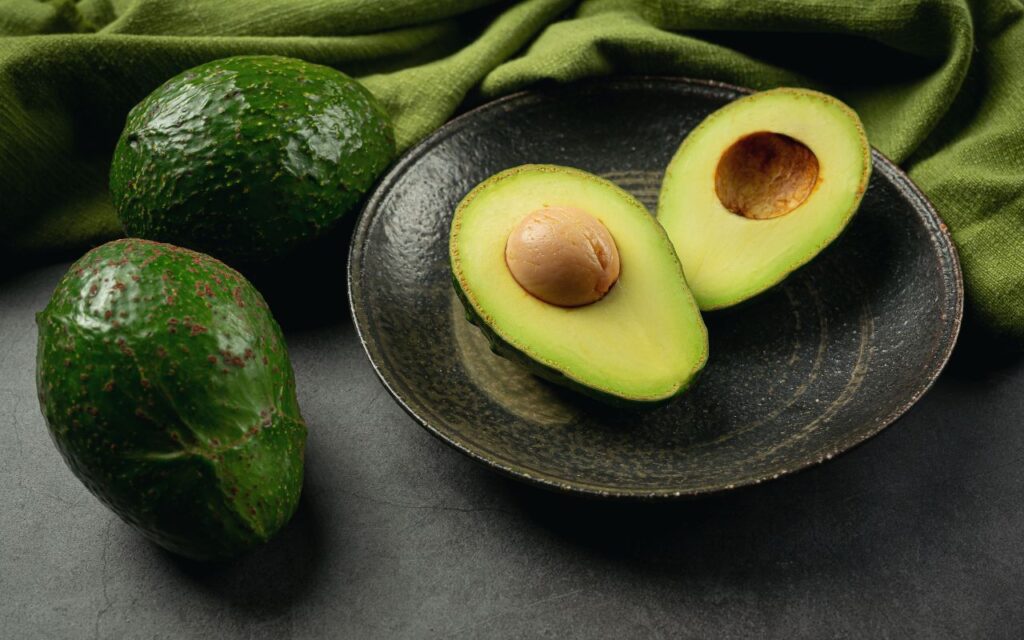
5. Avocados
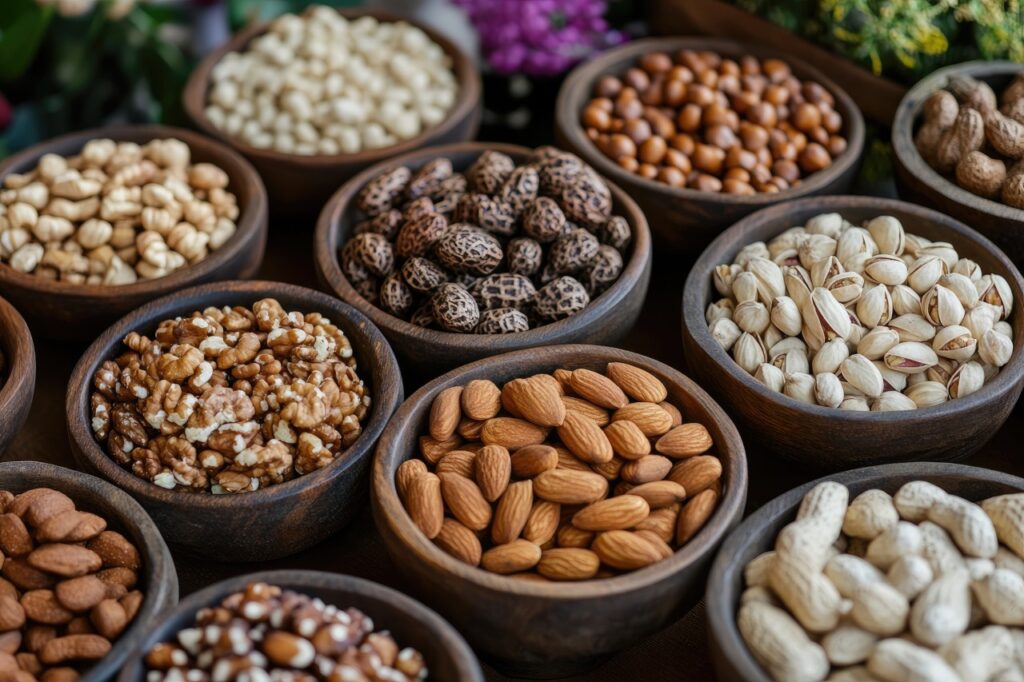
Nuts and seeds were long discouraged because of their high fat and calorie content. Early guidance assumed these foods caused weight gain, overlooking how whole foods affect the body differently than refined calories. As a result, many people avoided foods that had been part of traditional diets without driving obesity or heart disease.
What was missed is how nuts and seeds digest. Their mix of healthy fats, fiber, and protein slows digestion, steadies blood sugar, and increases fullness, often helping people eat less overall while supporting heart health.
When advice pushed them aside, diets lost a nutrient-dense option. Later research corrected this view, showing nuts and seeds are protective foods rather than metabolic risks.
6. Nuts and Seeds
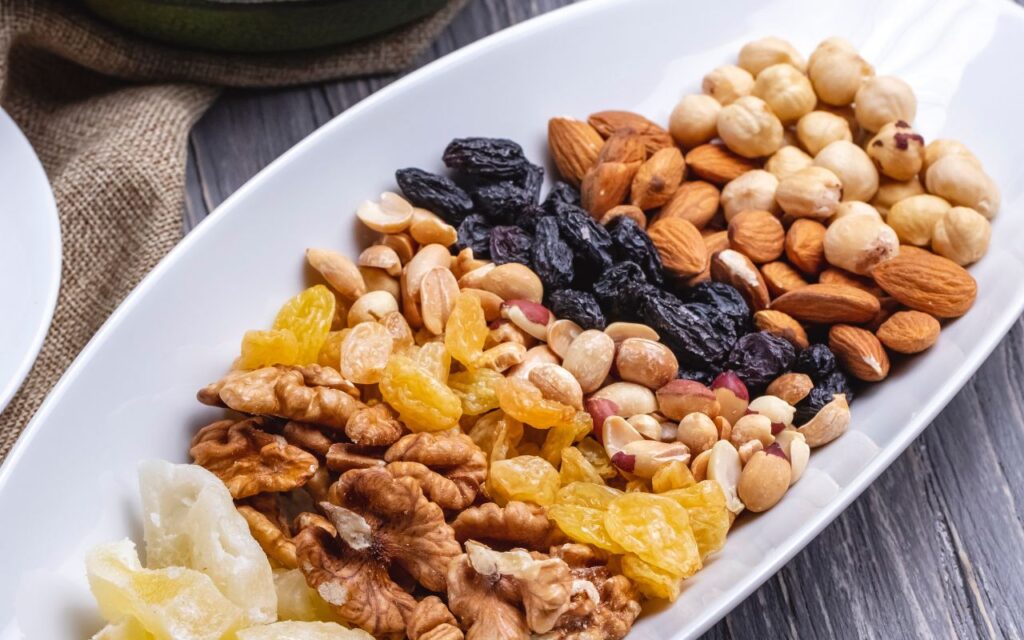
Nuts and seeds were discouraged because of their fat content and energy density. The fear was that calorie-rich foods would automatically lead to weight gain. This ignored how these foods affect hunger and metabolism.
They contain healthy fats, fiber, and protein that slow digestion and promote satiety. Regular nut consumption is associated with better heart health and improved cholesterol profiles, not weight gain.
By steering people away from nuts and seeds, guidance unintentionally removed nutrient-dense snacks from diets. Their return reflects a better understanding of how whole foods function in real eating patterns.
7. Fatty Fish

Fatty fish like salmon, sardines, and mackerel were once avoided due to broad fears about dietary fat. Early guidance failed to separate industrial fats from natural fish fats, causing people to limit foods long eaten in traditional diets without higher heart disease rates.
These fish supply omega-3 fatty acids such as EPA and DHA, which support brain function, heart rhythm, and inflammation control. Because the body produces little on its own, dietary intake plays an important role in maintaining cardiovascular health.
As evidence grew, fatty fish shifted from restricted to recommended. The change exposed how fat fear delayed recognition of foods that actively support long-term health.