9 Grocery Items That Look the Same but Use Cheaper Ingredients

Grocery shelves are full of familiar foods that seem interchangeable at a glance. Same packaging style, same colors, same promises. It’s easy to assume that if two products look alike, they must be made the same way.
What often goes unnoticed is what happens behind the label. To keep prices low and margins high, manufacturers quietly swap in cheaper ingredients, extra fillers, or processing shortcuts that don’t change appearance but do change quality.
These nine grocery items reveal how visual similarity can be misleading. Knowing where corners are cut helps explain why some foods taste flatter, melt differently, or feel less satisfying, even when they look nearly identical.
1. Shredded Cheese vs. Block Cheese
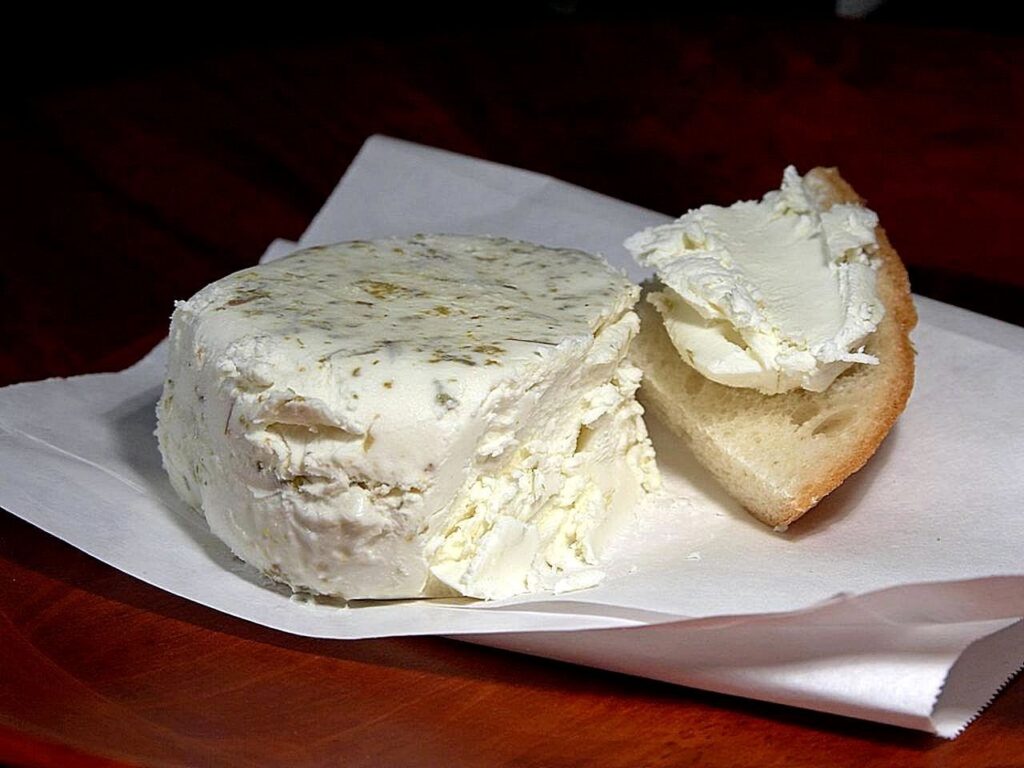
Shredded cheese may look like freshly grated cheese, but the ingredients often differ. To prevent clumping and extend shelf life, manufacturers coat it with anti-caking agents like cellulose. This coating dulls flavor and interferes with melting, even though the cheese still looks familiar.
Block cheese usually contains fewer additives because it does not need surface treatments. When grated fresh, its natural fats stay exposed, which improves melt and taste. The difference shows up quickly in cooking, where pre-shredded cheese can feel dry or stiff.
What looks the same hides a quality gap. Shredded cheese favors convenience and cost savings, while block cheese preserves flavor and texture with fewer processing shortcuts.
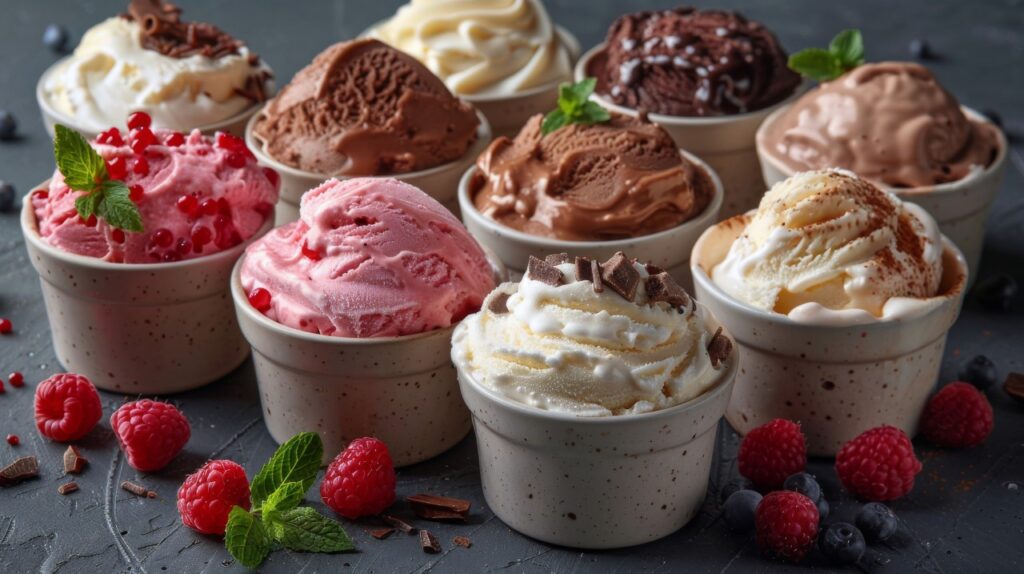
2. Store-Brand Ice Cream vs. Premium Ice Cream
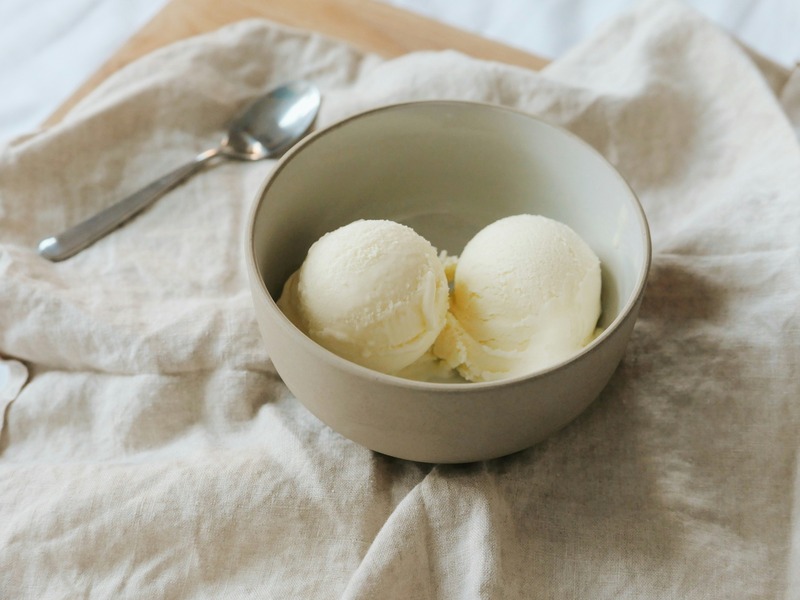
Two cartons may share the same color and flavor name, but what’s inside can vary widely. Cheaper ice creams often rely on added air, known as overrun, to increase volume without increasing ingredients. They may also use vegetable oils instead of cream to cut costs.
Premium ice creams tend to contain more dairy fat and fewer stabilizers. Higher fat content improves mouthfeel and slows melting, while lower overrun produces a denser texture. Store brands often compensate for thinner bases with gums and emulsifiers.
To the eye, both look like ice cream. In the mouth, one melts rich and creamy while the other disappears quickly. The price difference reflects ingredient quality, not just branding.
3. Maple Syrup vs. Pancake Syrup

Pancake syrup is designed to look like maple syrup, but the similarity usually ends there. Most pancake syrups are made from corn syrup, caramel coloring, and artificial flavors that mimic maple taste at a fraction of the cost.
Real maple syrup comes directly from boiled maple sap and contains natural minerals and antioxidants. Its flavor is complex and changes with harvest timing, something imitation syrups cannot replicate.
Because both pour and shine the same way, many shoppers assume they are interchangeable. The cheaper version delivers sweetness without nutrition, while real maple syrup reflects a far more labor-intensive process.
4. Deli Turkey Slices vs. Whole Roasted Turkey
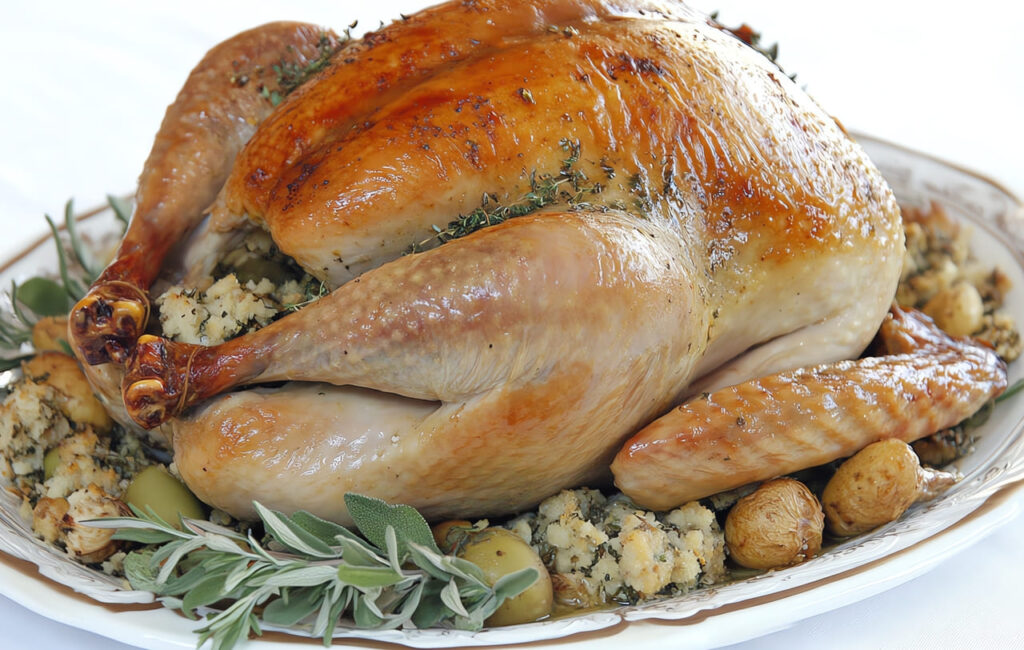
Deli turkey slices often resemble freshly carved turkey, but their composition is more processed. These products are typically formed from multiple turkey pieces bound together with salt, starches, and water-retaining additives to improve texture and yield.
Whole roasted turkey contains intact muscle fibers and fewer added ingredients. Its texture is firmer, and the flavor comes from the meat itself rather than seasoning blends and enhancers.
The visual similarity masks the difference. Deli slices prioritize uniformity and shelf life, while whole turkey reflects a simpler ingredient profile with fewer cost-saving shortcuts.
5. Peanut Butter Spreads vs. Natural Peanut Butter
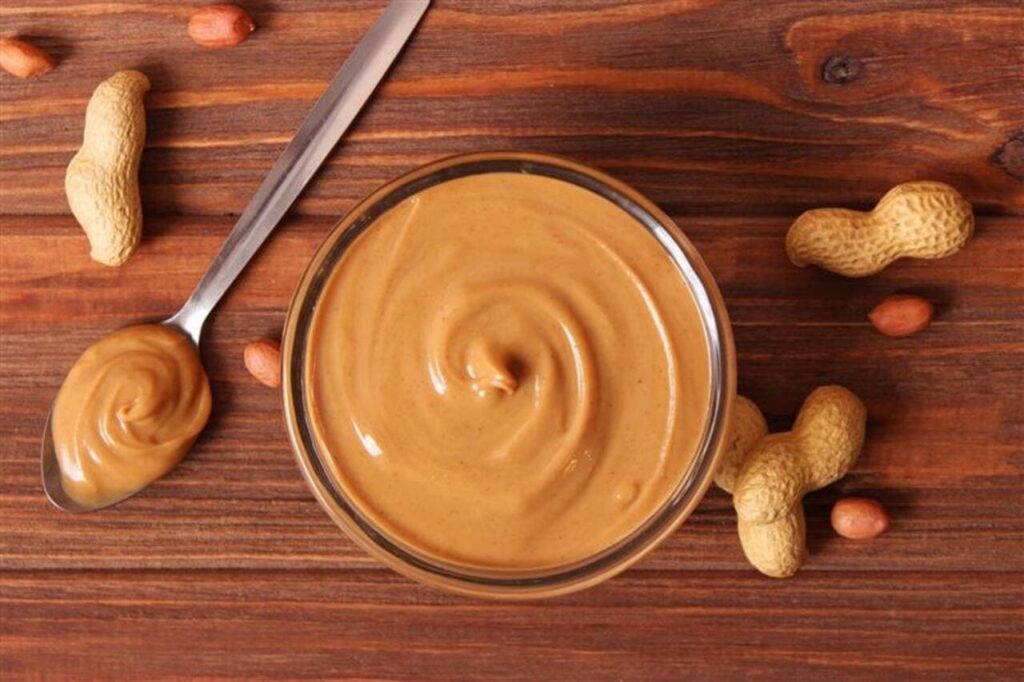
Peanut butter spreads look just like natural peanut butter when stirred smooth. The difference lies in the added oils, sugars, and stabilizers used to keep the spread creamy and shelf-stable. These additions dilute peanut content while improving texture consistency.
Natural peanut butter typically contains only peanuts and sometimes salt. Without hydrogenated oils, the natural fats separate, which many consumers mistake as spoilage rather than authenticity.
The cheaper spread offers convenience and uniformity, but less peanut nutrition. Natural versions deliver higher protein density and healthier fat profiles with fewer unnecessary ingredients.
6. Chocolate-Flavored Candy vs. Real Chocolate
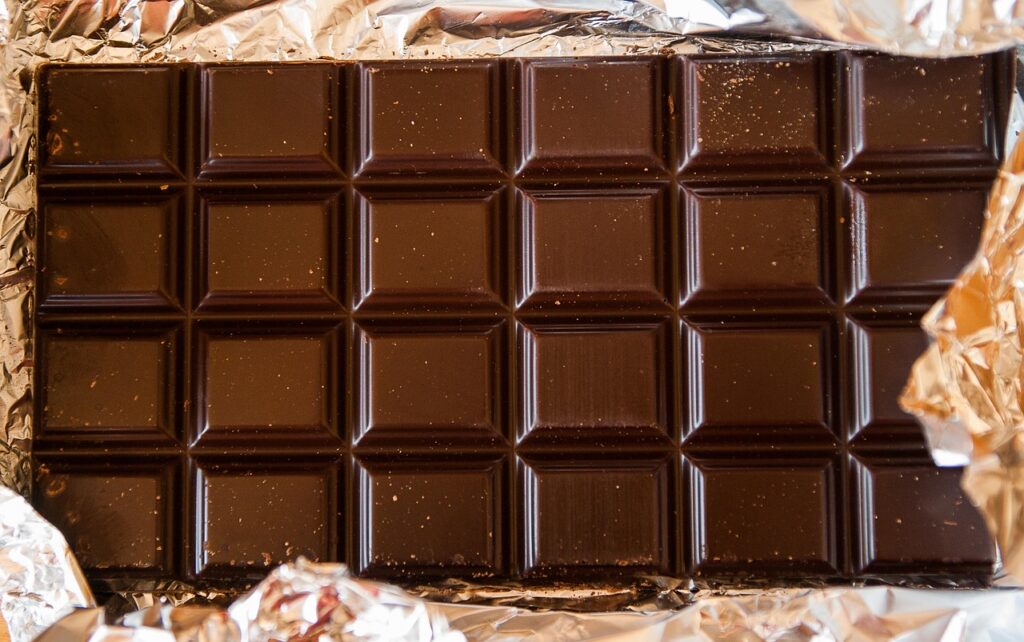
Chocolate-flavored candy mimics chocolate’s appearance but often replaces cocoa butter with cheaper vegetable fats. This substitution lowers costs but changes how the candy melts, giving it a waxy mouthfeel instead of a smooth finish.
Real chocolate must contain cocoa solids and cocoa butter, which provide depth of flavor and a clean melt at body temperature. These ingredients are expensive and sensitive to processing.
To shoppers, both look glossy and brown. The difference becomes clear when one coats the tongue evenly and the other lingers stiffly, revealing the shortcuts hidden behind the label.
7. Bottled Lemon Juice vs. Fresh Lemon Juice
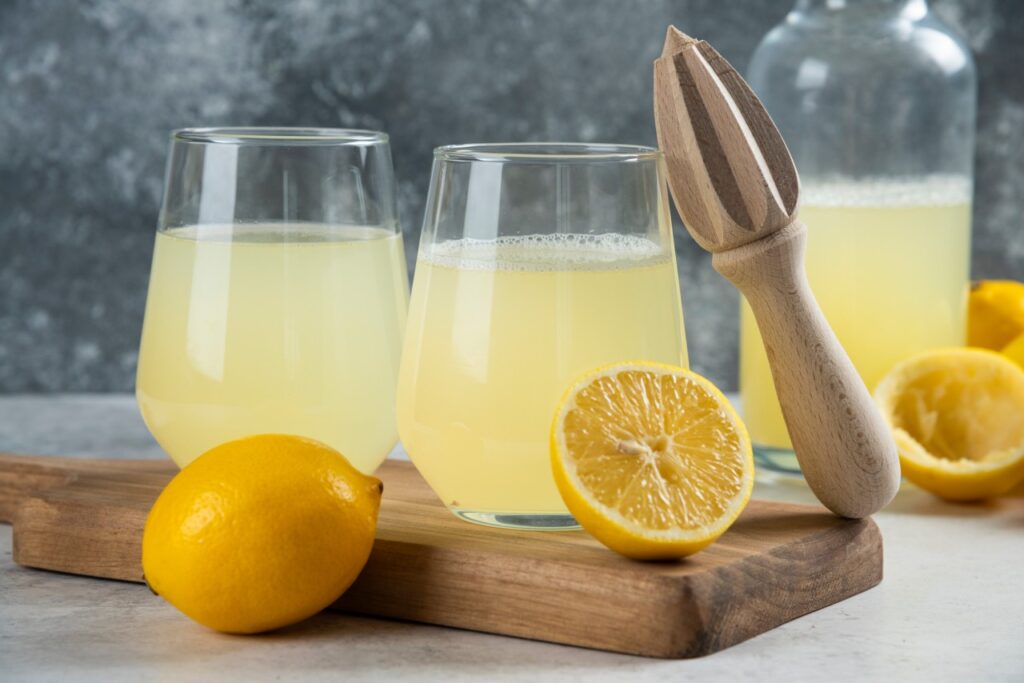
Bottled lemon juice may look like fresh juice, but processing alters its flavor. To remain shelf-stable, it is pasteurized and often preserved, which breaks down aromatic compounds responsible for lemon’s fresh scent and brightness, leaving a flatter acidity.
Fresh lemon juice contains volatile oils and natural acids that create a crisp aroma and sharp bite. These compounds fade quickly after squeezing, which is why fresh juice tastes brighter but does not last long.
Bottled juice offers convenience and storage, but sacrifices flavor. Though similar in appearance, fresh juice delivers true citrus character, while bottled juice provides acidity shaped by processing rather than freshness.
8. Frozen Fruit Blends vs. Single-Ingredient Frozen Fruit
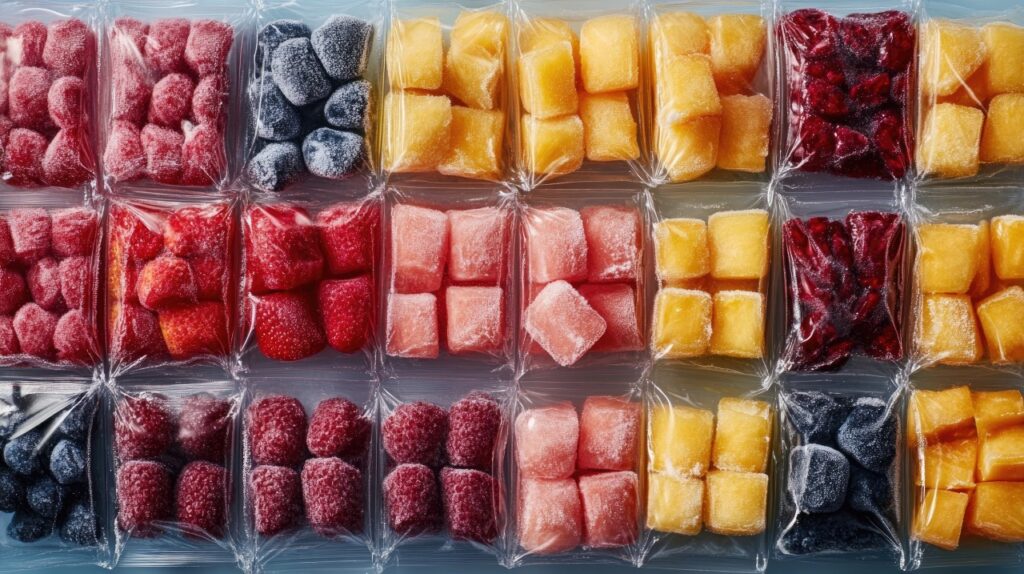
Frozen fruit blends often appear colorful and plentiful, giving the impression of premium variety. In reality, blends are frequently designed around cost balance. Expensive fruits like berries are paired with cheaper, higher-volume fruits such as apples or pears that quietly stretch the mix.
Single-ingredient frozen fruit contains only one fruit, frozen shortly after harvest to lock in flavor and nutrients. Because there is no dilution from filler fruits, taste remains consistent and nutritional value is easier to predict.
Blends are not inherently bad, but they are strategic. What looks like abundance is often a way to reduce ingredient costs while keeping visual appeal high, making blends and single-fruit options far less equal than they seem.
9. Shelf-Stable Grated Parmesan vs. Real Parmesan Cheese
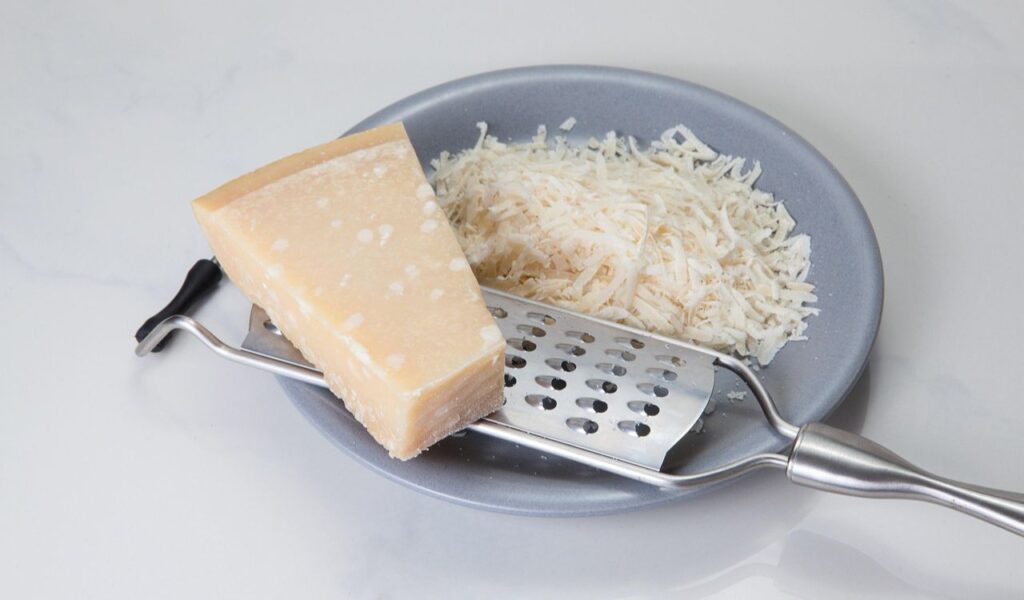
Shelf-stable grated parmesan is built for convenience and long storage. To prevent clumping, it often contains anti-caking agents and uses younger cheeses that lack the complexity of traditionally aged parmesan. These changes extend shelf life but alter flavor and texture.
Real Parmesan cheese is aged for long periods, allowing crystals to form and flavors to deepen. It contains only milk, salt, and cultures, relying on time rather than additives to develop its sharp, savory profile.
Both sprinkle easily, which creates the illusion of sameness. In reality, shelf-stable versions trade depth and purity for convenience, while real Parmesan delivers concentrated flavor shaped by aging rather than processing.