10 Popular Snacks That No Longer Taste the Way People Remember

Some snacks don’t disappear. They linger in memory, tied to school lunches, road trips, and late-night cravings. You remember exactly how they tasted, the texture, the smell, even the sound of the wrapper opening.
Pick them up today and something feels off. The shape is the same, the logo unchanged, yet the flavor doesn’t land the way it used to. Subtle tweaks made for shelf life, cost control, and modern nutrition targets have quietly reshaped familiar recipes.
These ten snacks show how small ingredient changes add up. They still look like old favorites, but the taste tells a different story, one shaped by reformulation rather than nostalgia.
1. Classic Chocolate Chip Cookies
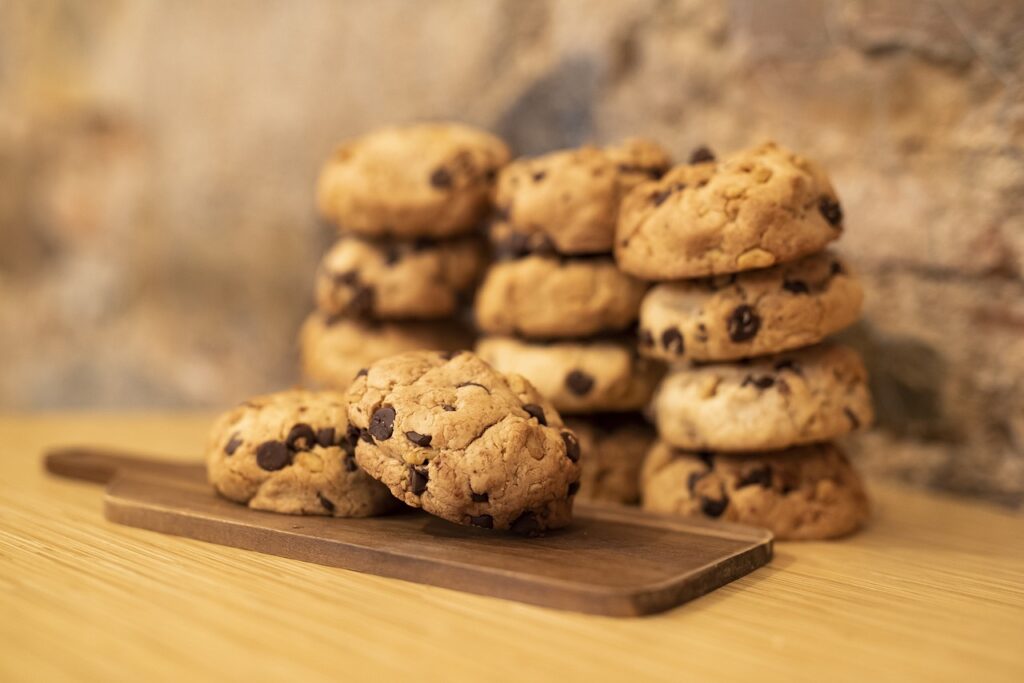
Classic chocolate chip cookies were once made with simple ingredients like butter, sugar, flour, and real chocolate. Over time, manufacturers reformulated recipes to extend shelf life, control spread, and lower costs. Cheaper fats, stabilizers, and altered sugar ratios subtly changed aroma and texture without changing appearance.
Mass production requires consistency. Doughs are engineered to bake evenly and hold up in packaging, which can reduce softness and mute buttery flavor. Small changes in fat type or chocolate quality noticeably affect melt and taste.
The cookie still looks familiar, but it eats differently. Much of the richness people remember came from older recipes made for home kitchens, not factory lines.
2. Original Soda Flavor (Cola / Root Beer)
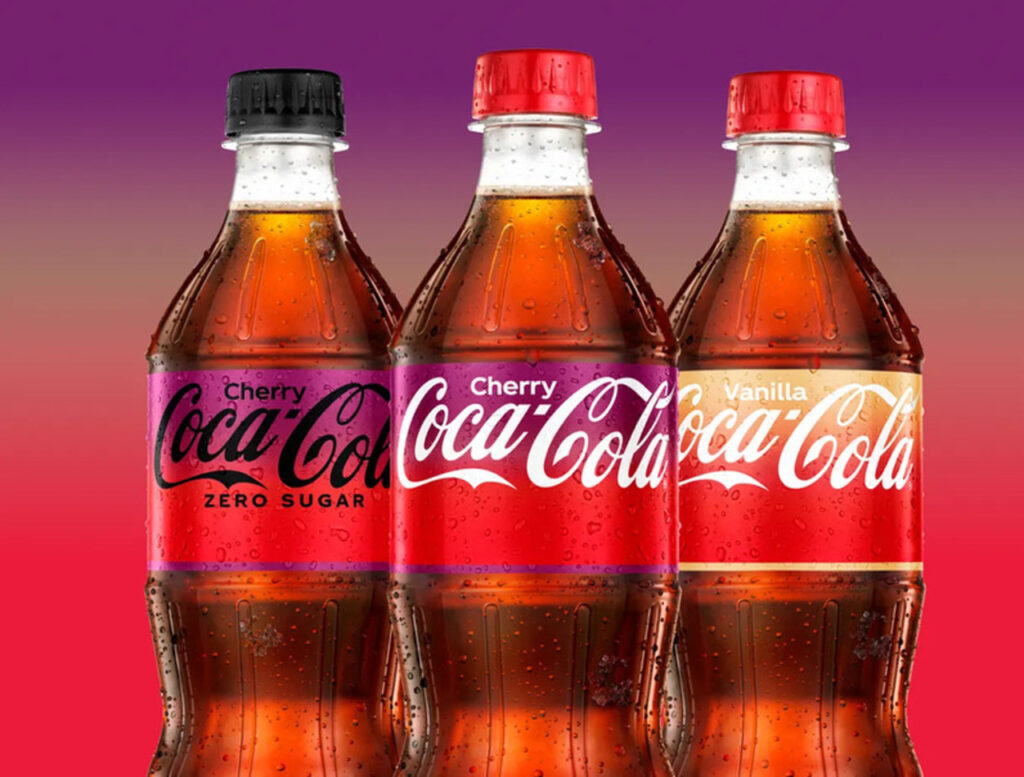
Sodas once had fuller, rounder flavor profiles tied closely to sugar and natural extracts. As costs rose and health concerns grew, many formulas shifted toward alternative sweeteners, modified acid blends, or reduced flavor concentrations. These tweaks subtly change sweetness, bitterness, and mouthfeel.
Pressure to align regular and low-sugar versions also influenced reformulation. Brands often adjust flagship recipes so they translate across multiple product lines, which can flatten complexity and reduce distinct notes people remember.
Carbonation levels and packaging further affect taste. Though the label looks unchanged, the balance behind the fizz evolves, leaving long-time drinkers noticing something missing.
3. Fruity Chewy Candies
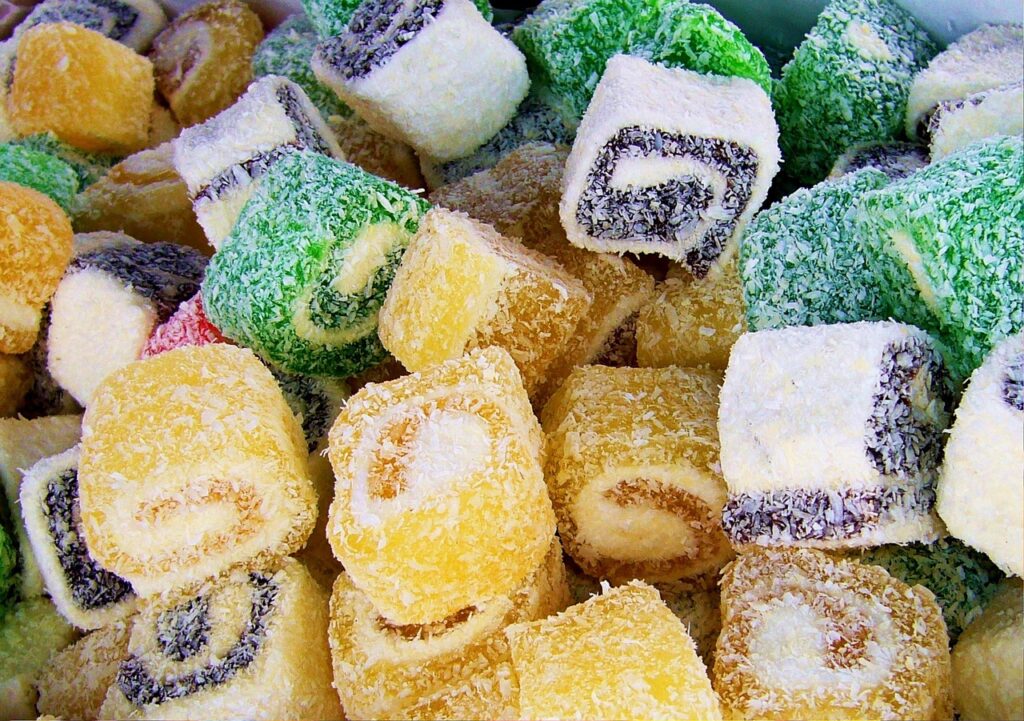
Fruity chewy candies were once driven by concentrated fruit flavors and simple sugar bases. Modern versions often rely more on artificial esters, modified starches, and adjusted acid blends to maintain flavor intensity at lower cost. These changes affect how flavor unfolds while chewing.
Sugar reduction goals add another layer. Replacing sugar with polyols or flavor boosters can preserve sweetness but alter texture and aftertaste, creating a sharper or shorter-lived fruit impression.
The wrapper still promises bright fruit, but ingredient economics and reformulation mean the taste experience no longer matches childhood memory.
4. Potato Chips
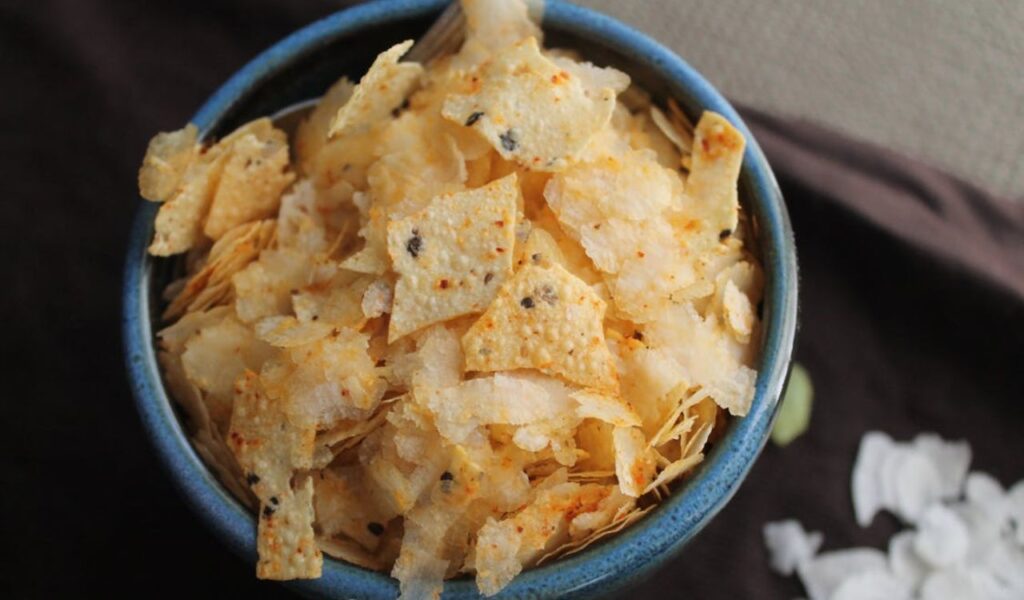
Potato chips often change flavor when frying oils change. Over the years, manufacturers replaced older fats with newer oil blends to meet health regulations and improve shelf stability. Different oils brown differently, absorb seasoning in unique ways, and produce distinct flavor compounds during frying, which directly alters taste and aroma even when the chip looks the same.
Seasoning formulas also evolve over time. To control sodium levels and reduce costs, brands adjust spice ratios and rely more on flavor enhancers. At the same time, potato varieties chosen for high yield and long storage tend to have less natural sweetness, which further softens the classic potato flavor.
Together, these shifts add up. Chips still crunch and appear familiar, but the balance of oil, salt, and potato flavor has moved away from earlier versions, leaving long-time eaters sensing something subtle but missing.
5. Peanut Butter Crackers
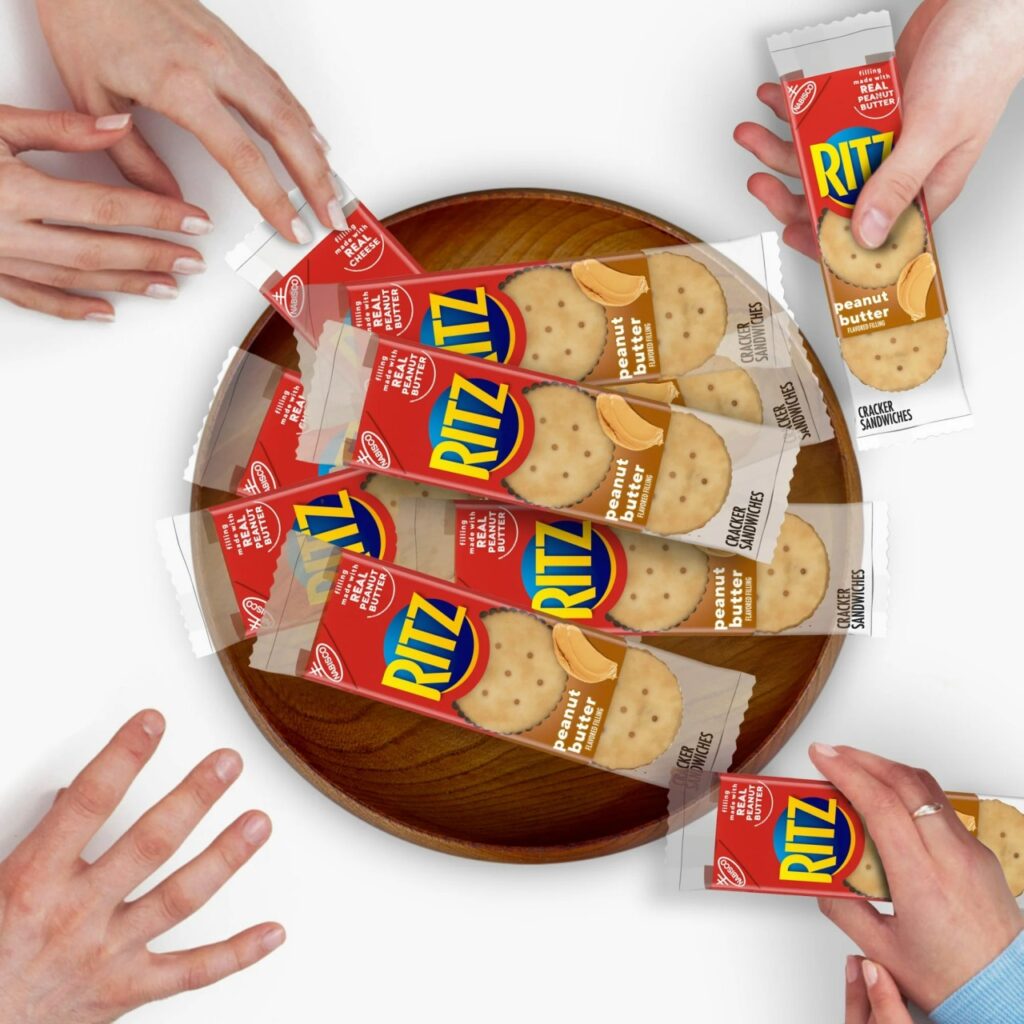
Peanut butter crackers once relied on simple fillings made from roasted peanuts and natural oils. Today, many brands use de-oiled peanut flour combined with added vegetable fats and emulsifiers to control texture and extend shelf life. Removing natural peanut oil flattens roasted flavor and reduces the rich mouthfeel people remember.
To make up for lost flavor, manufacturers often increase salt or sugar. Preservatives added to prevent rancidity also influence taste over time, sometimes creating a sharper or less rounded profile compared to earlier formulations. These changes are subtle but cumulative.
The crackers still look the same in the box, but the filling often feels drier and less peanut-forward. What once tasted creamy and roasted now leans more processed and uniform.
6. Ice Cream Sandwiches
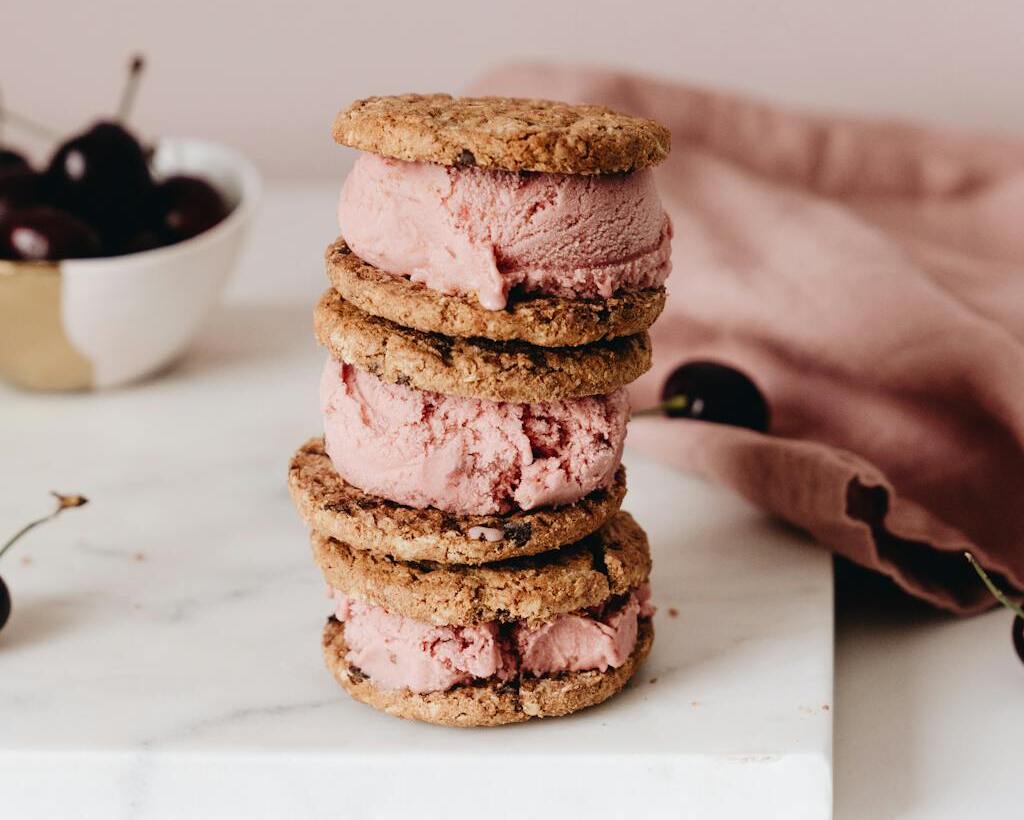
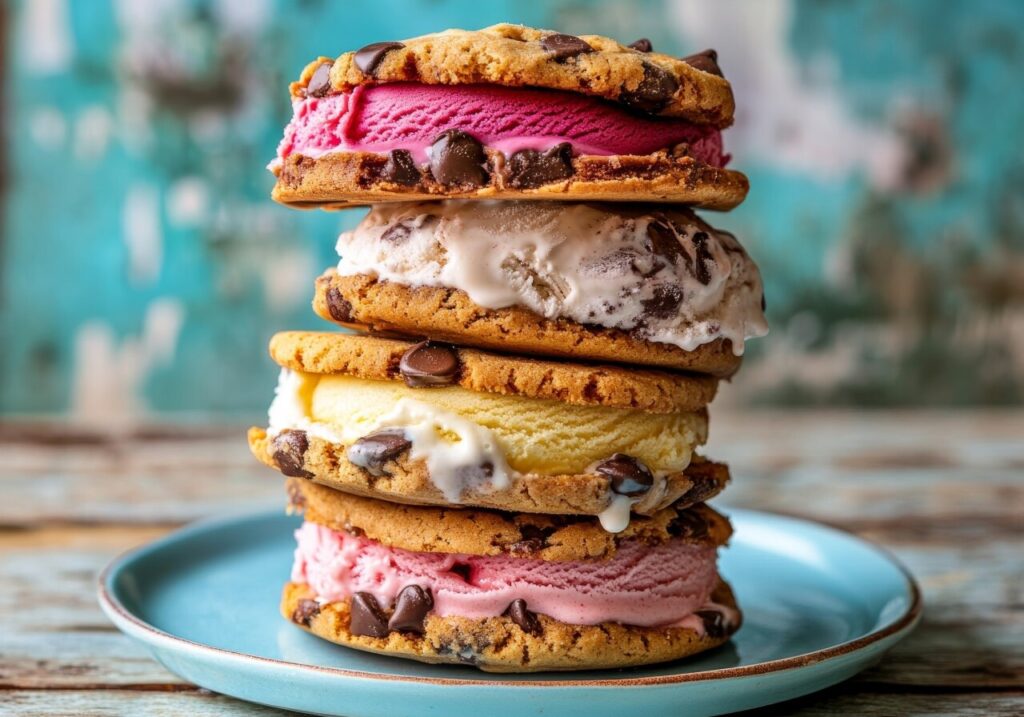
Ice cream sandwiches were once defined by rich dairy ice cream and soft, cake-like cookies. Many modern versions incorporate more air, stabilizers, and vegetable fat blends to reduce cost and slow melting. These changes thin dairy flavor and alter how the ice cream coats the mouth.
Cookie layers have also been reformulated to survive storage and transport. Firmer textures resist sogginess but sacrifice tenderness. Emulsifiers and gums help maintain structure, yet they interfere with the clean melt that made older sandwiches feel indulgent.
The product still looks nostalgic in the freezer, but the balance has shifted. Less dairy fat and more structure mean the experience feels engineered rather than rich and comforting.
7. Sweet Breakfast Cereals
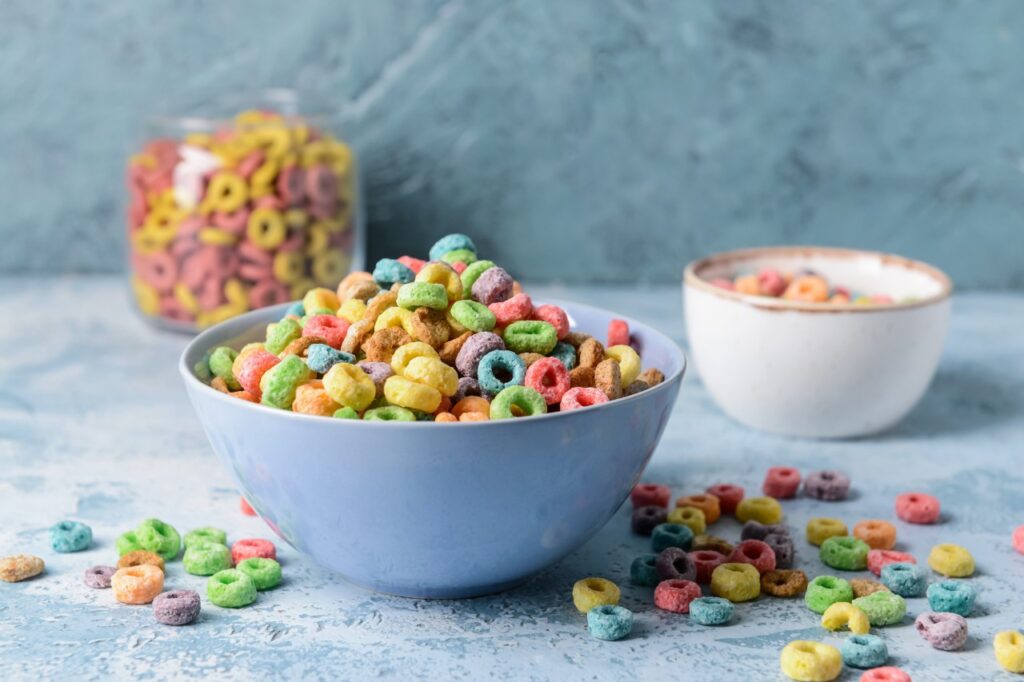
Sweet cereals once depended heavily on sugar for crunch, coating, and immediate flavor. As reformulation targets reduced sugar, manufacturers introduced fibers, alternative sweeteners, and surface coatings to preserve sweetness and texture. These additions change how flavor registers on the palate.
Processing methods shifted as well. Different grain sources, puffing techniques, and added proteins affect density and mouthfeel. Many cereals now feel harder or less crisp, with sweetness that builds slower and fades differently.
The box remains familiar, but the cereal inside reflects modern nutrition strategy. What was once simple and sugary is now carefully engineered, leaving longtime fans noticing a quieter flavor.
8. Cheese Puffs
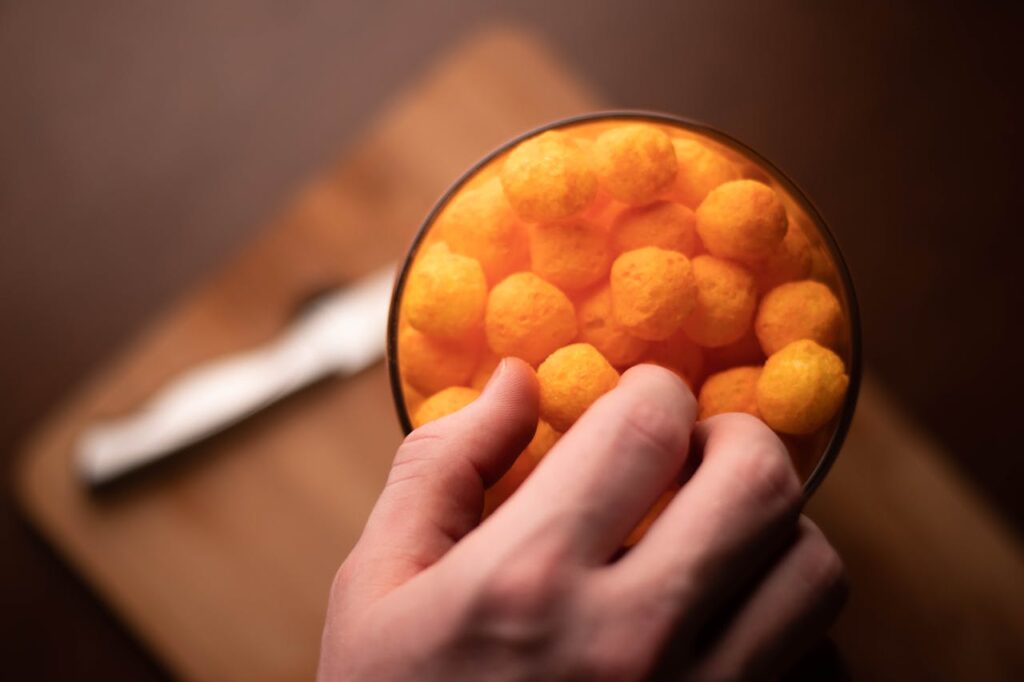
Cheese puffs rely on precise extrusion and seasoning to achieve their airy crunch. Changes in base ingredients, cooking temperature, and oil absorption alter structure and how seasoning adheres. Even minor processing tweaks can change how the puff breaks and dissolves.
Cheese powders have also shifted. Many now contain fewer real dairy solids and more whey derivatives and flavor enhancers. This keeps intensity high while lowering cost, but it produces a thinner, less rounded cheese flavor.
The bright color still signals the same snack, yet the taste often feels sharper and more artificial. What once tasted cheesy now tastes engineered.
9. Granola Bars
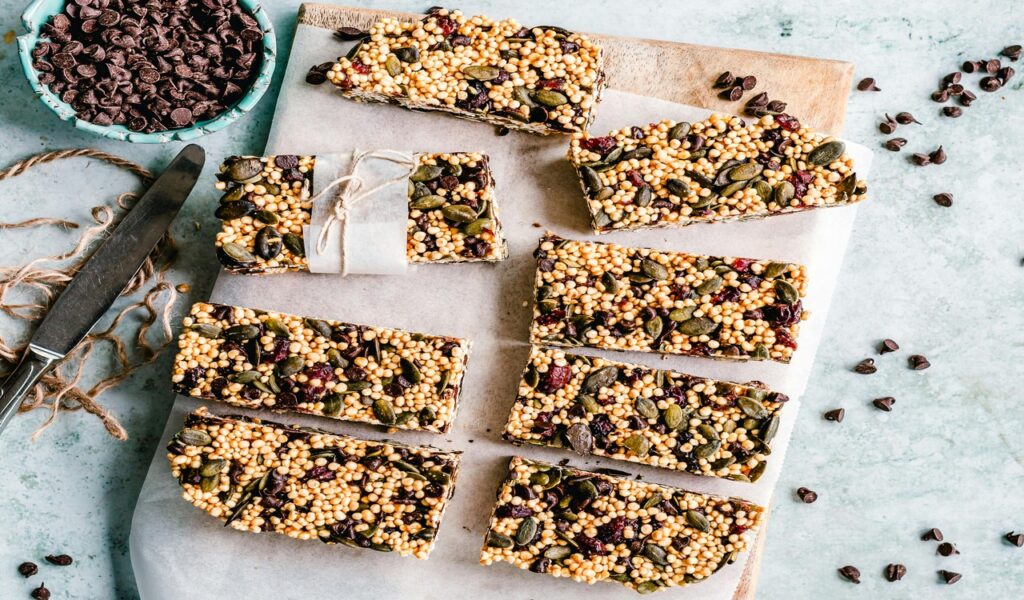
Granola bars originally focused on oats, nuts, and honey for chew and natural sweetness. To extend shelf life and reduce costs, many formulas now rely on binders, syrups, and puffed grains that change texture and dilute ingredient density.
Sugar reduction and added fiber support health claims but alter mouthfeel and energy release. Whole nuts are frequently reduced or replaced with smaller pieces or flours, softening crunch and richness.
The wrapper still suggests simplicity, but the bar inside prioritizes consistency and economics. The hearty, chunky texture many remember has been replaced by a more uniform bite.
10. Gummy Bears
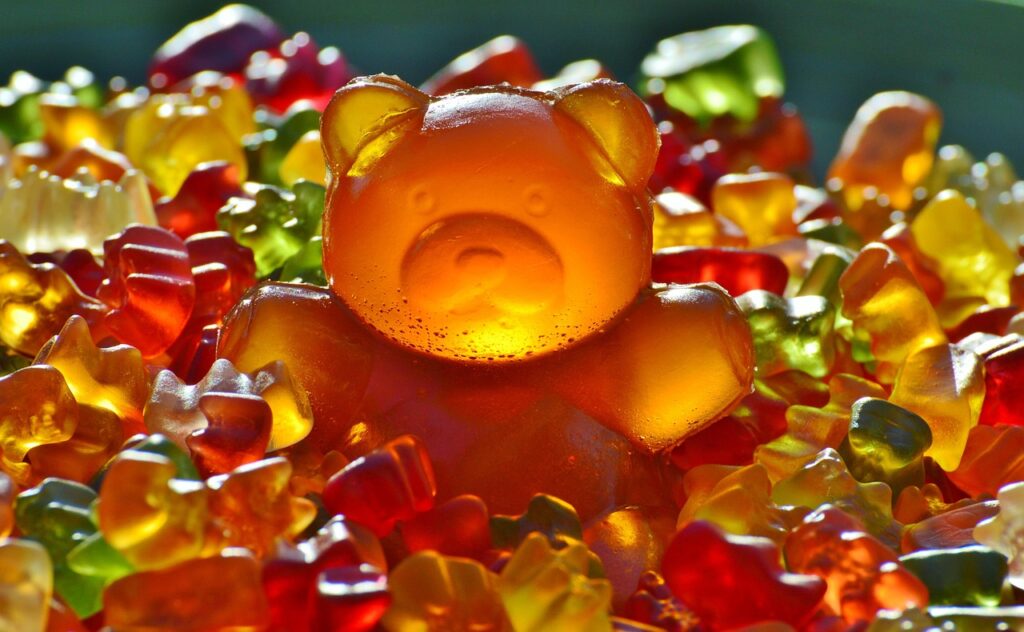
Gummy bears once relied on sugar, gelatin, and fruit concentrates to create a firm chew and rounded flavor. Many modern versions reduce fruit content, alter sweeteners, or replace gelatin with starch or pectin to meet cost, shelf-life, or labeling goals.
These changes affect elasticity and flavor release. New formulas often deliver sweetness faster but lose depth, causing flavor to fade more quickly during chewing.
The shape and color remain familiar, but the texture has shifted. The candy still chews, yet it feels less elastic and cohesive, making the experience noticeably different from what people remember.