10 Southern Specialties That Date Back to the 1800s

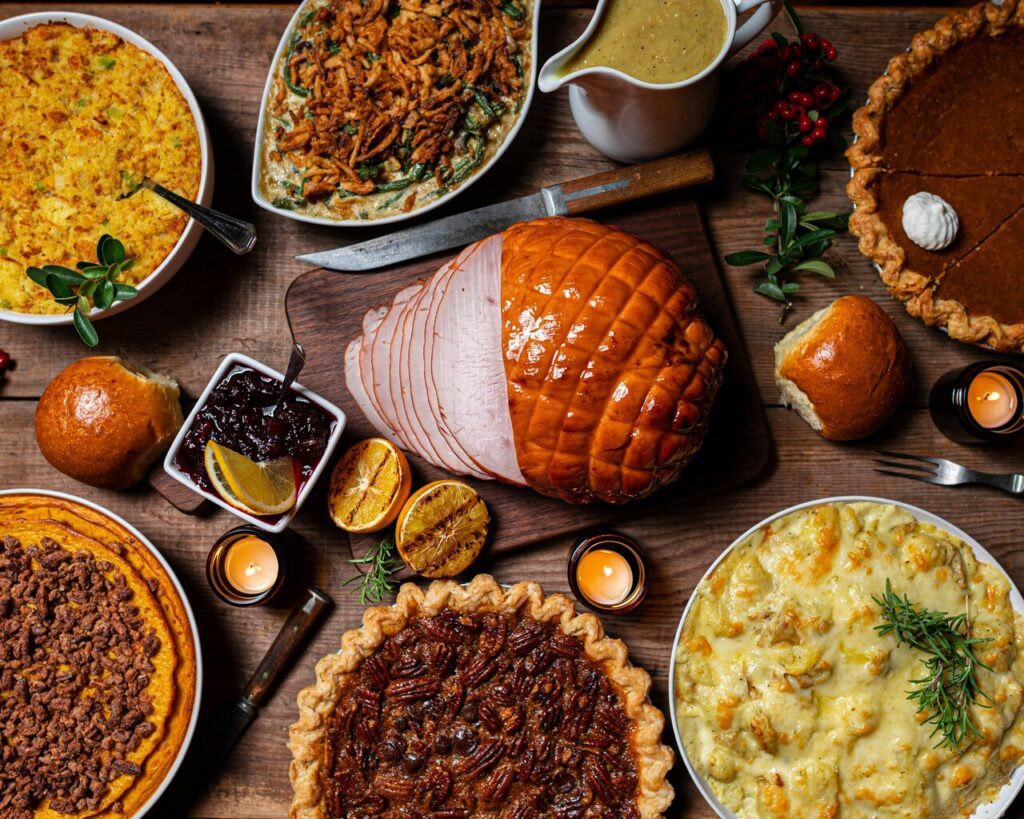
Southern cooking did not emerge from abundance but from adaptation, survival, and shared tradition. In the 1800s, limited resources, regional agriculture, and cultural blending shaped dishes that relied on patience rather than excess. Techniques like slow cooking, frying, curing, and preservation turned modest ingredients into dependable meals. These specialties endured because they worked, feeding families and communities while carrying meaning beyond taste. These foods reflect resilience, ingenuity, and the everyday realities of Southern life.
1. Fried Chicken Became a Celebration Food Long Before It Was Famous
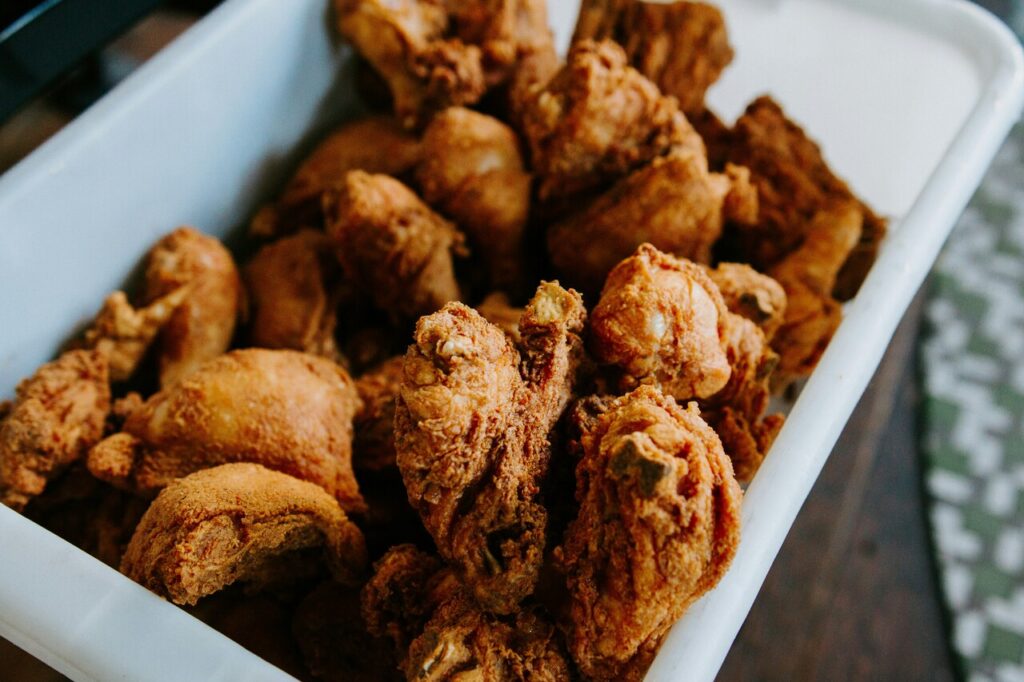
Fried chicken earned its place in Southern history because it solved several problems at once. Chickens were widely available, easy to raise, and did not require refrigeration when prepared properly. Frying sealed in moisture and extended shelf life, making the dish practical. By the 1800s, frying techniques brought by European settlers blended with African seasoning traditions, producing a dish that was both crisp and deeply seasoned. Fried chicken became associated with gatherings and travel because it held up well without reheating. Long before it became a national icon, fried chicken represented effort, care, and occasion in Southern homes.
2. Barbecue Grew From Community Cooking Into Regional Identity

Southern barbecue dates back to communal cooking traditions where whole animals were slowly cooked over open pits. In the 1800s, this method was practical for feeding large groups during harvests, elections, and church gatherings. Pork became central because it was affordable and adaptable to long cooking. Different regions developed distinct approaches based on available wood, vinegar, spices, and time. Barbecue was not originally about sauce but about patience and technique. Over time, these methods became deeply tied to local pride, transforming barbecue from a necessity into a defining Southern identity.
3. Grits Served as Sustenance Before They Became Comfort Food

Grits were essential to Southern diets in the 1800s because corn was abundant and affordable. Ground hominy could be stored easily and prepared quickly, making it ideal for daily meals. Originally eaten plain or with simple additions, grits provided energy. Indigenous cooking practices influenced their preparation long before European settlement. As dairy and meat became more accessible, grits evolved into a richer dish. Despite this evolution, their role as a dependable staple remained unchanged. Grits reflect the Southern reliance on practicality and adaptability, transforming a simple grain into a dish that could serve both laborers and families alike.
4. Hoppin’ John Reflected Cultural Blending and Survival

Hoppin’ John emerged from the blending of African, Caribbean, and Southern agricultural traditions. Rice and black eyed peas were resilient crops suited to Southern climates, especially in coastal regions. In the 1800s, the dish provided a balanced and filling meal using inexpensive ingredients. Pork added flavor and fat, turning simple grains into something sustaining. The dish became associated with New Year traditions as a symbol of luck and prosperity, but its roots were practical rather than symbolic. Hoppin’ John represents how necessity shaped tradition, using what was available to create a meal that endured across generations.
5. Beaten Biscuits Showed Labor as a Mark of Quality

Beaten biscuits were distinct from modern Southern biscuits and required intense physical effort. Dough was struck repeatedly to remove air, producing a dense, crisp texture. This labor-intensive process was common in the 1800s, especially in Virginia and nearby regions. The biscuits stored well and were often served with ham or preserves. Their preparation reflected a time when physical labor was expected in cooking. Beaten biscuits were not everyday bread but special items made for gatherings. Their popularity highlights how effort itself once signaled value in food, long before convenience became a priority.
6. Lane Cake Marked Wealth and Celebration in Dessert Form

Lane cake emerged in the late 1800s as a dessert meant to impress rather than simply satisfy a sweet craving. Layered cakes required refined flour, sugar, eggs, and time, all of which signaled wealth and access in Southern households. The filling of coconut, raisins, and alcohol added both cost and complexity, making it unsuitable for everyday meals. This was a dessert reserved for holidays, weddings, and formal gatherings where presentation mattered. Its popularity spread through handwritten recipes and community cookbooks, reinforcing its role as a centerpiece dessert tied to celebration and social standing rather than convenience.
7. Chess Pie Proved Simplicity Could Endure

Chess pie became popular in the 1800s because it relied on pantry staples that were reliable and easy to store. Eggs, sugar, butter, and vinegar did not depend on seasonal availability, making the pie practical year-round. The filling set firmly, allowing the pie to travel well and keep its structure without refrigeration. Because the ingredients were shelf-stable, the pie became especially important in rural homes with limited access to markets. Its consistency makes it a trusted dessert for church gatherings and family events. Chess pie demonstrates how Southern cooks valued dependability, allowing a simple recipe to endure for generations.
8. Dirty Rice Reflected Resourcefulness and Respect for Ingredients
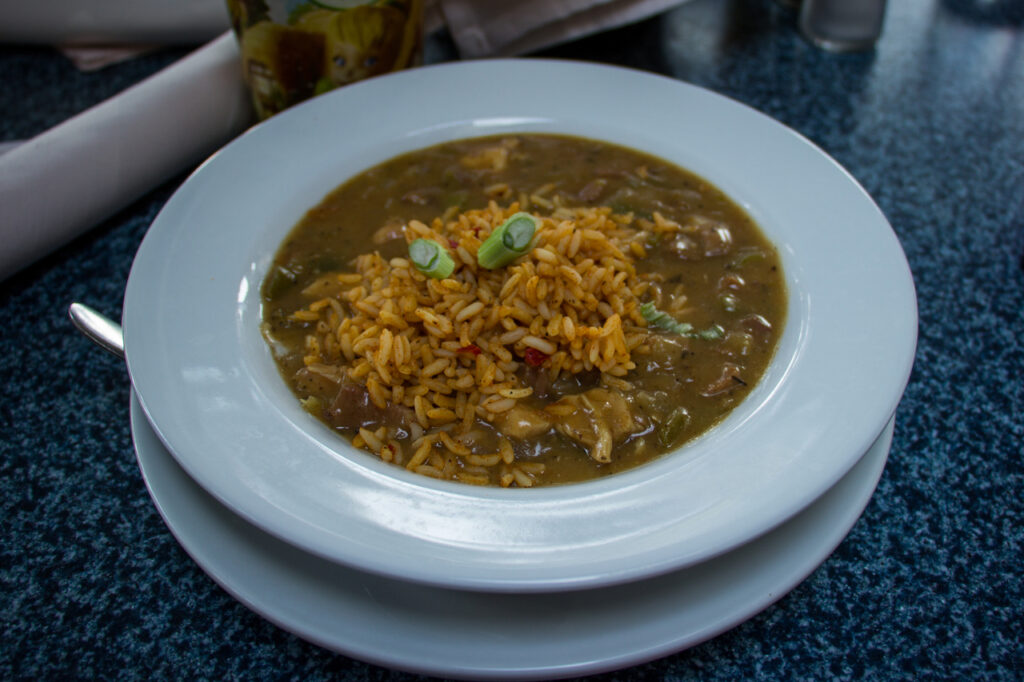
Dirty rice developed from the necessity of using every part of an animal at a time when waste was not acceptable. Rice provided an affordable base, while finely chopped meats added richness and nutrition. The dish’s dark color came from seasoning and cooking techniques rather than expensive ingredients. Seasoning played a crucial role in elevating modest components into something deeply satisfying. The dish also allowed cooks to stretch small amounts of meat across many servings without sacrificing flavor. Dirty rice became a staple because it delivered fullness, depth, and economy in a single dish, deeply flavorful approach to cooking.
9. Fried Okra Highlighted African Influence on Southern Cooking
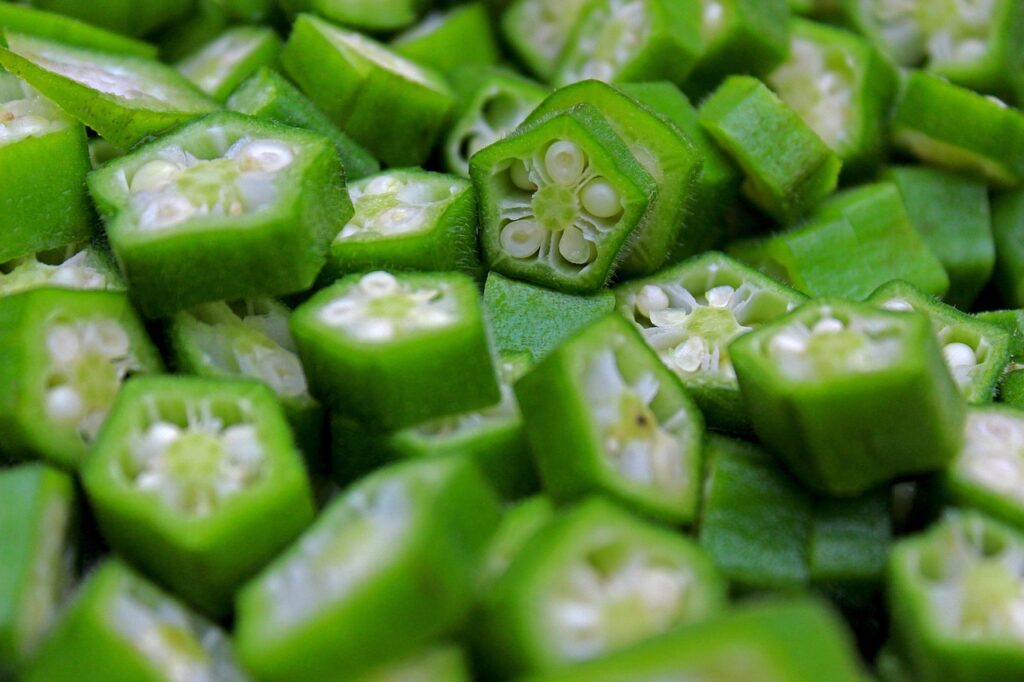
Okra arrived in the American South through African culinary traditions and quickly became integrated into regional cooking. Frying reduced its natural slime while adding a crisp exterior that made the vegetable more widely appealing. By the 1800s, fried okra was common because it used inexpensive ingredients and paired easily with a variety of meals. Its popularity endured because the frying method created a texture that appealed across generations. Fried okra also became a way to introduce vegetables into meals that otherwise centered on meat and starch. The dish reflects how African cooking knowledge shaped Southern food through technique.
10. Collard Greens Anchored Meals With Patience and Time
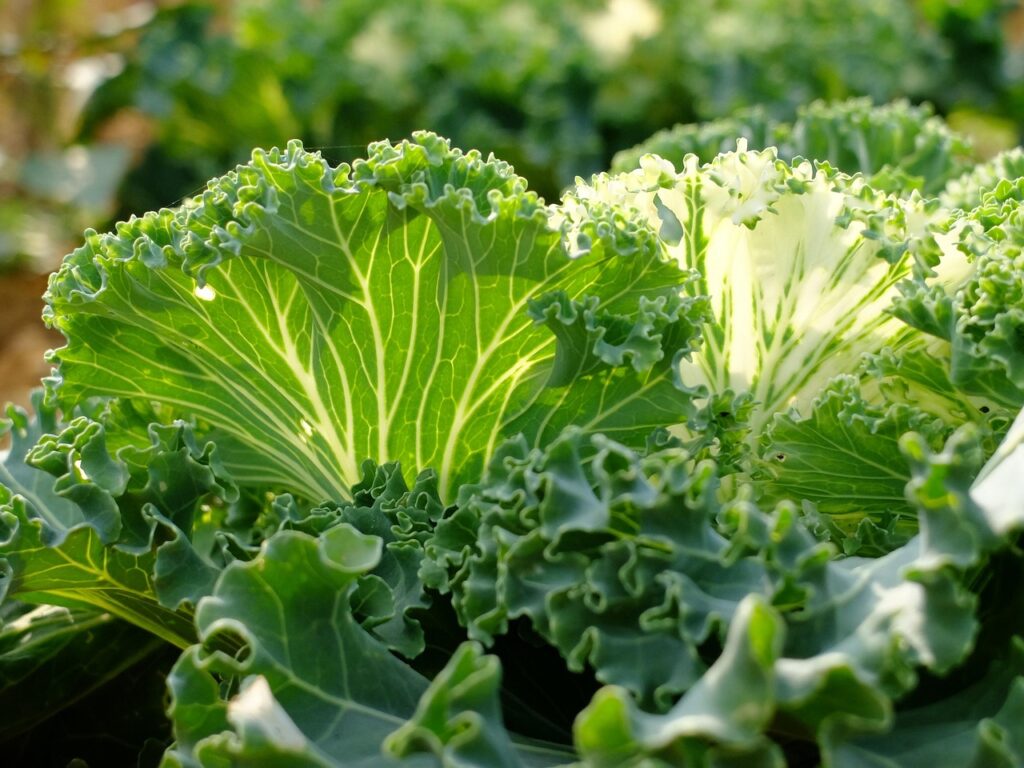
Collard greens became a cornerstone of Southern cooking because they were hardy, nutritious, and easy to grow. Slow simmering softened the tough leaves and allowed flavors to develop gradually over hours. Pork added fat and depth, turning greens into a dish that could stand on its own. The long-simmering process allowed flavors to deepen without relying on heavy seasoning. This approach made collards both economical and emotionally tied to slow, communal meals. Their endurance reflects a cooking tradition built on patience, care, and respect for time as an essential ingredient.