10 Sweet Sauces That Calm the Heat of Spicy Mains

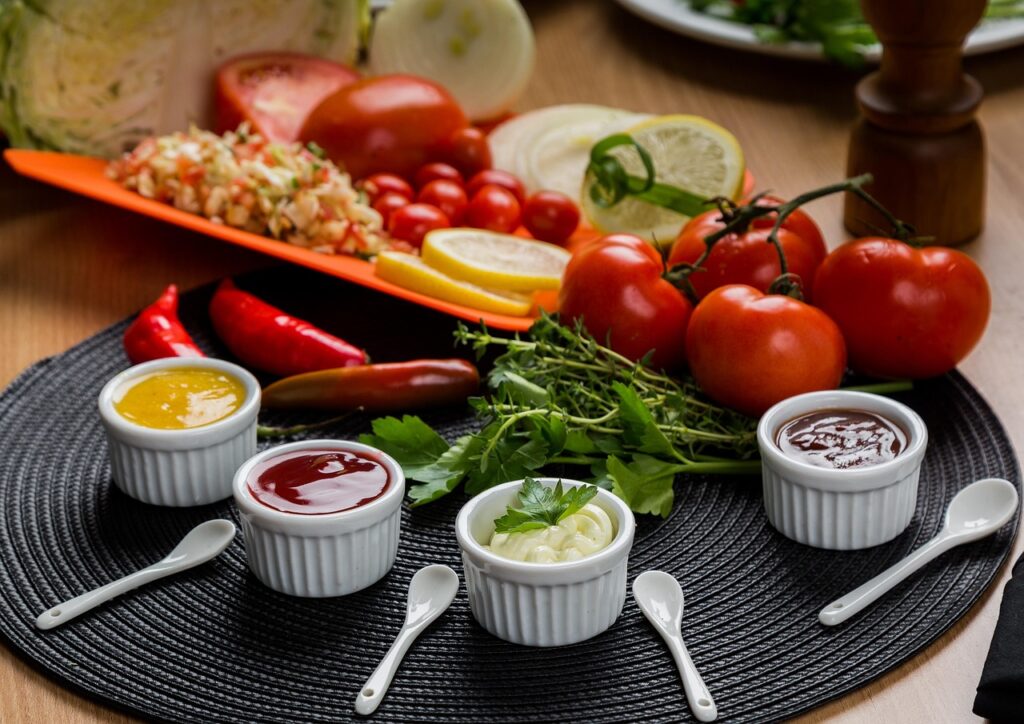
Spicy food delivers excitement, but too much heat can overwhelm flavor instead of enhancing it. Sweet sauces offer a simple, effective way to bring balance back to the plate. Sugar, natural fruit sweetness, and gentle thickness help soften the impact of capsaicin while allowing spices to remain present. From honey-based glazes to fruit-forward sauces, these pairings work by coating the palate and slowing the burn rather than masking it. Used thoughtfully, sweet sauces turn intense spice into a smoother, more enjoyable eating experience.
1. Hot Honey Softens Heat While Keeping Flavor Alive
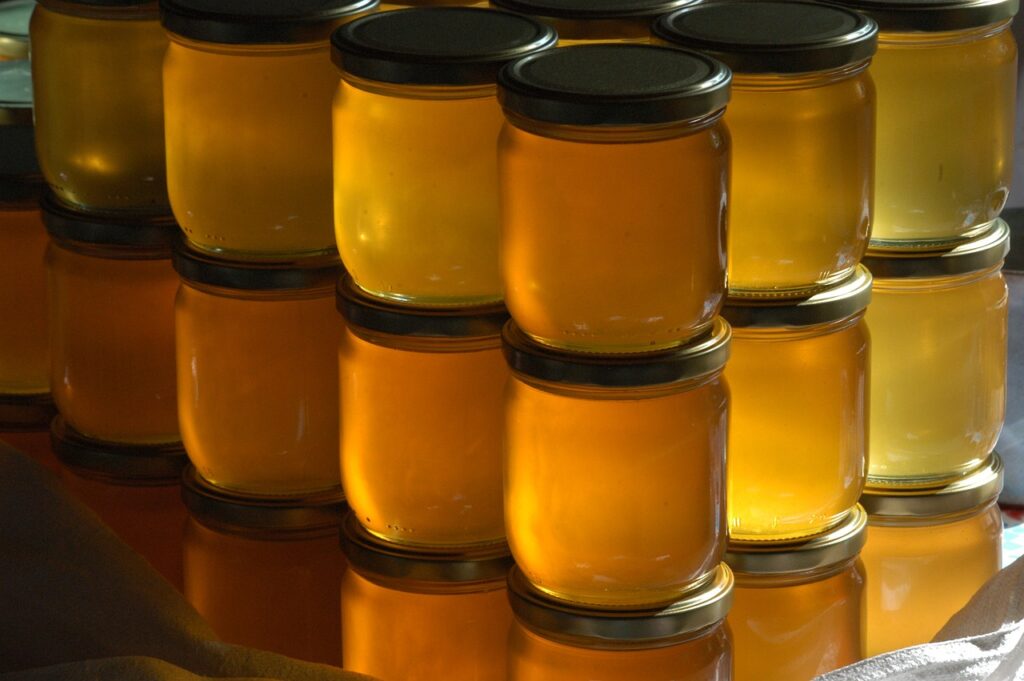
Hot honey works because it balances two opposing forces without canceling either one. Honey brings viscosity and natural sugar that coat the tongue, reducing the sharp impact of capsaicin. At the same time, a small amount of chili or hot sauce keeps the flavor aligned with the main dish instead of neutralizing it. This makes hot honey especially effective on spicy fried chicken, roasted vegetables, and grilled meats. The sweetness slows how quickly heat registers, while the thickness helps prevent spice from lingering aggressively. It allows spice to remain present but controlled, making the dish feel balanced rather than diluted.
2. Sweet Chili Sauce Creates a Gentle Landing for Spicy Foods
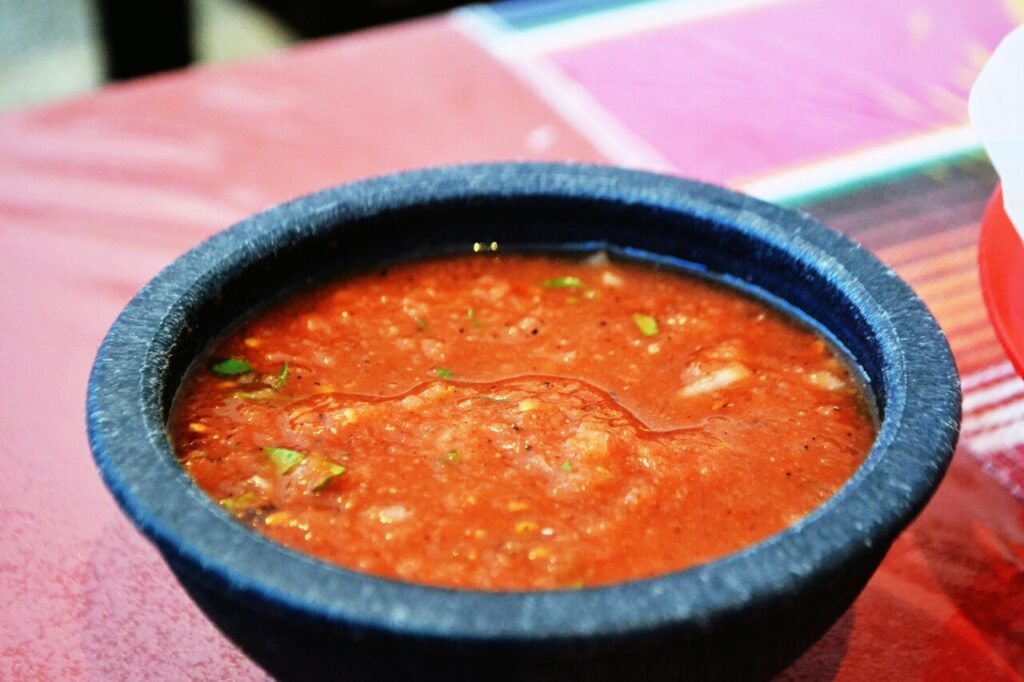
Sweet chili sauce is built specifically to soften heat without flattening flavor. Sugar and vinegar form the base, which immediately counters sharp spice with sweetness and acidity. Garlic and mild chili add depth so the sauce still feels savory. Its syrupy texture coats food evenly, making it ideal for dipping or glazing. When paired with spicy mains, the sugar interrupts the intensity of capsaicin while the acidity refreshes the palate. This is why it works so well with heavily seasoned dishes like spicy wings, noodles, or fried snacks. The sauce does not remove heat but reshapes it into something smoother and more approachable.
3. Sweet Tomato Chili Sauce Balances Spice With Familiar Comfort
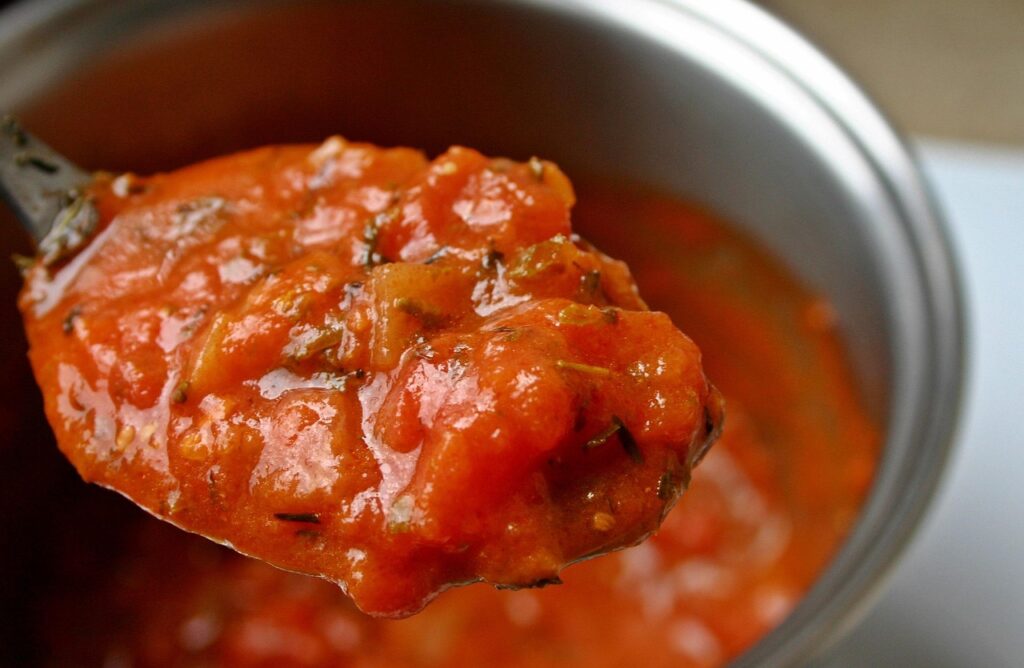
Sweet tomato chili sauce calms heat by pairing sugar with natural tomato acidity. Tomatoes already soften spice due to their water content and mild sweetness. When sugar is added, the effect becomes more pronounced. The sauce thickens as it cooks, allowing it to cling to food rather than run off. This creates a buffering layer that reduces the speed and strength of heat perception. Because tomato flavor is familiar, the sauce feels comforting even alongside very spicy foods. It works well with snacks, wraps, and rice-based dishes where spice needs softening without losing body or flavor continuity.
4. Sweet Barbecue Sauce Counters Heat Through Caramel Depth
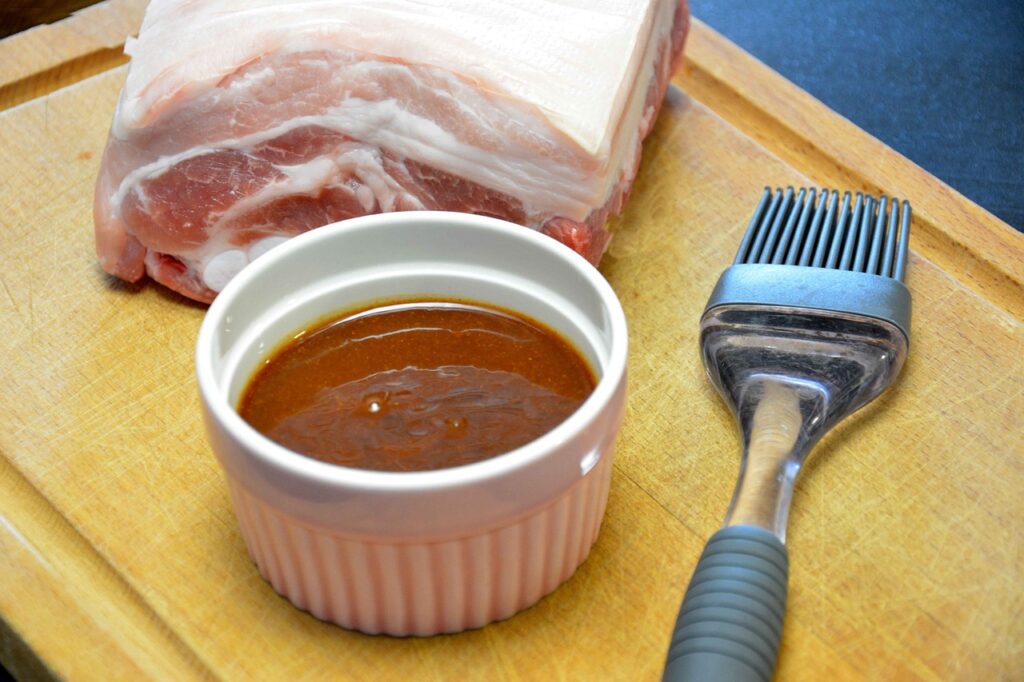
Sweet barbecue sauce reduces heat by combining sugar, fat, and acidity in a single bite. Brown sugar or molasses slows the burn of spice, while vinegar brightens the overall profile. The sauce’s thickness helps it adhere to meat, creating a coating that tempers spice rather than allowing it to hit the palate all at once. This is why it works particularly well with spicy ribs, brisket, or grilled chicken. As the sauce warms, sugars caramelize slightly, adding depth and flavour that distracts from heat intensity. Instead of cooling outright, barbecue sauce redirects attention toward sweetness and smoke.
5. Maple Mustard Sauce Uses Sweetness to Tame Sharp Spice
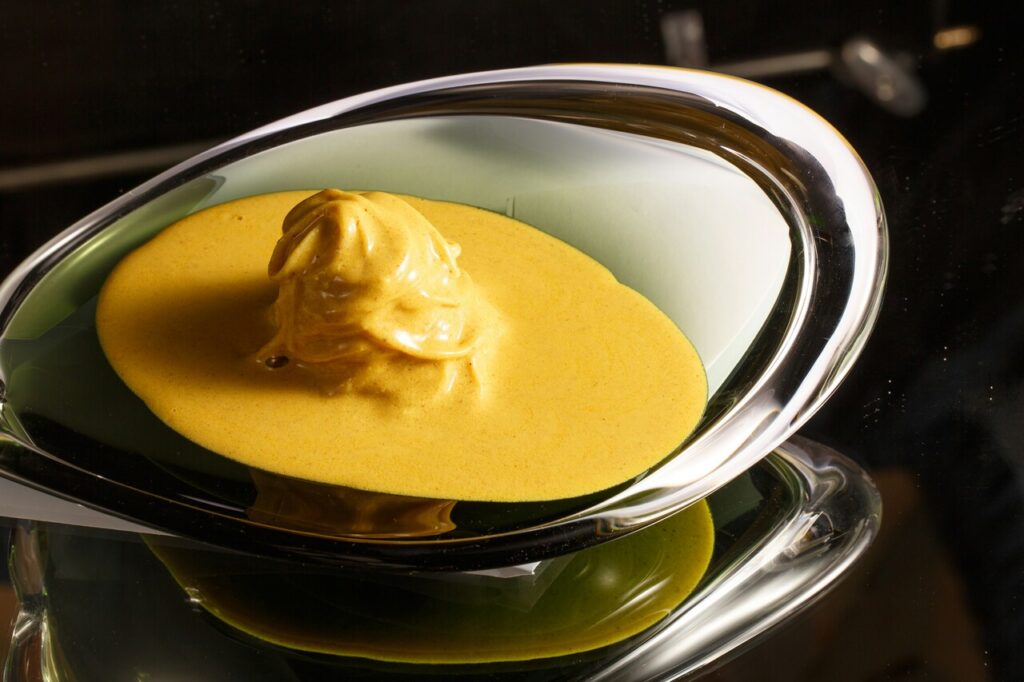
Maple mustard sauce works because it blends sugar with acidity and gentle heat. Maple syrup coats the palate, reducing the sensation of burn, while mustard adds tang that keeps the sauce from tasting flat. This balance allows it to complement spicy pork, sausages, or roasted chicken without clashing. The sweetness slows heat onset, and the acidity prevents lingering spice fatigue and reduces the spicy flavour. Unlike very thick sauces, maple mustard stays light enough to drizzle, which helps control how much sweetness is added. The result is a sauce that calms heat while keeping the dish lively and structured.
6. Teriyaki Glaze Calms Heat With Sugar and Umami
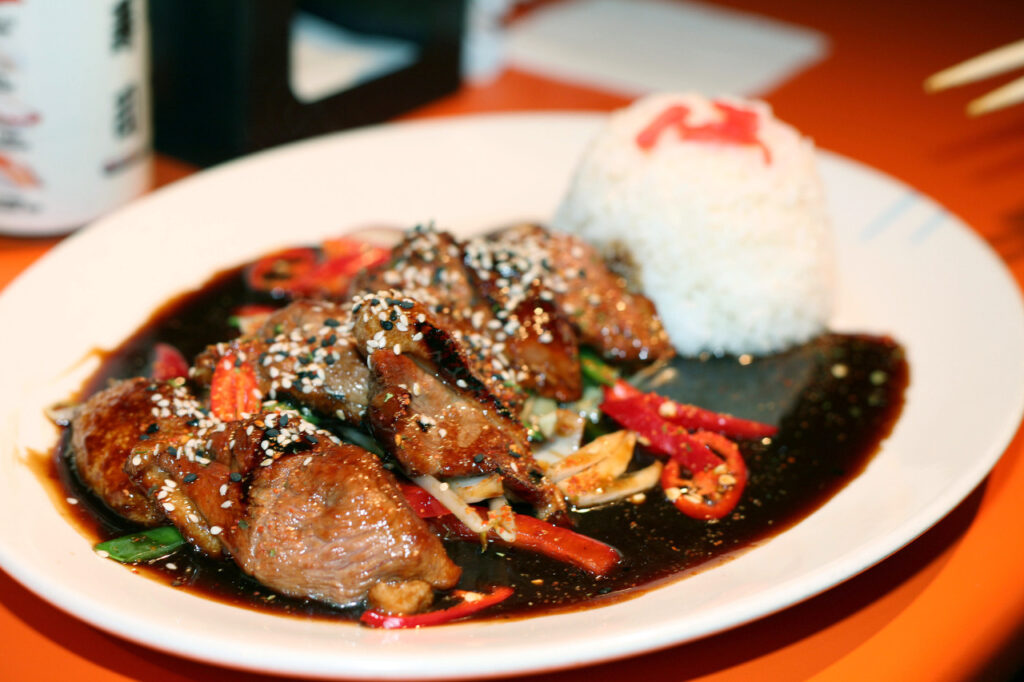
Teriyaki glaze softens spice by pairing sugar with umami-rich soy. Brown sugar or honey coats the tongue, reducing heat perception, while soy sauce adds savory depth that distracts from spice intensity. When heated, the glaze thickens, forming a smooth layer that evenly distributes sweetness across the dish. This makes it effective on spicy stir-fries, grilled meats, and noodle dishes. The glaze does not erase spice but rounds it out by introducing a sweet flavour, thus turning sharp heat into something smoother and more satisfying. Its balance keeps spicy foods from feeling aggressive or overwhelming.
7. Hoisin Sauce Adds Sweet Density That Cushions Spice
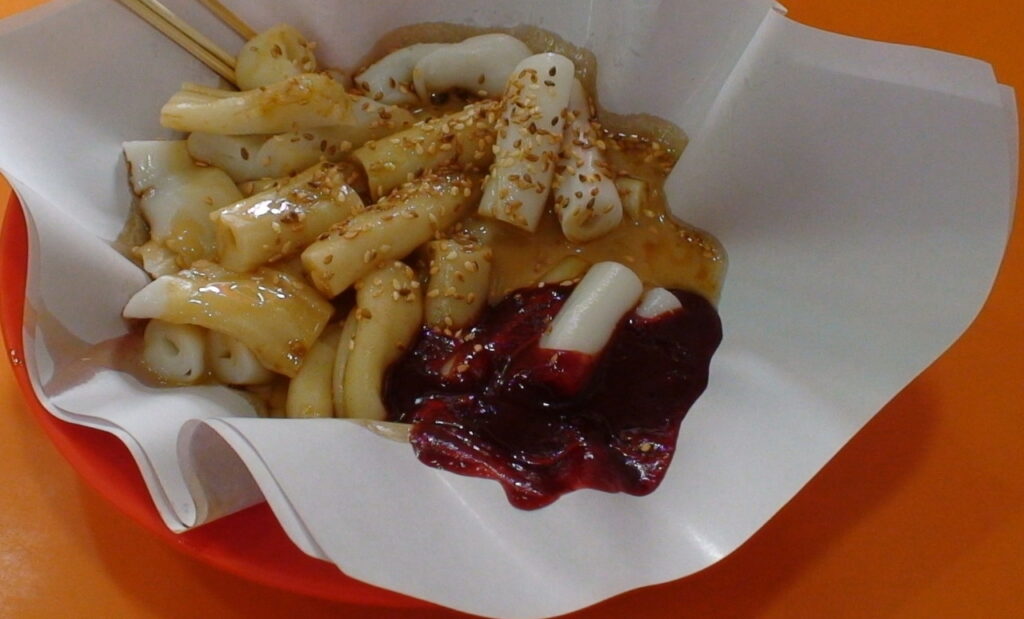
Hoisin sauce reduces heat through density and sweetness. Made from fermented soybeans, sugar, and spices, it brings both sweetness and umami. Its thick consistency coats food thoroughly, slowing how quickly spice hits the palate. This makes it especially effective with spicy Asian dishes like noodles, roasted meats, or stir-fries. The sweetness softens the heat while the fermented notes add depth, preventing the dish from tasting sugary. Hoisin works best when used sparingly, allowing it to cushion spice without dominating the dish’s original flavor. Its mild sweetness also prevents the mouth from drying out, which can intensify the sensation of heat.
8. Sweet Bean Sauce Mutes Heat With Gentle Fermentation
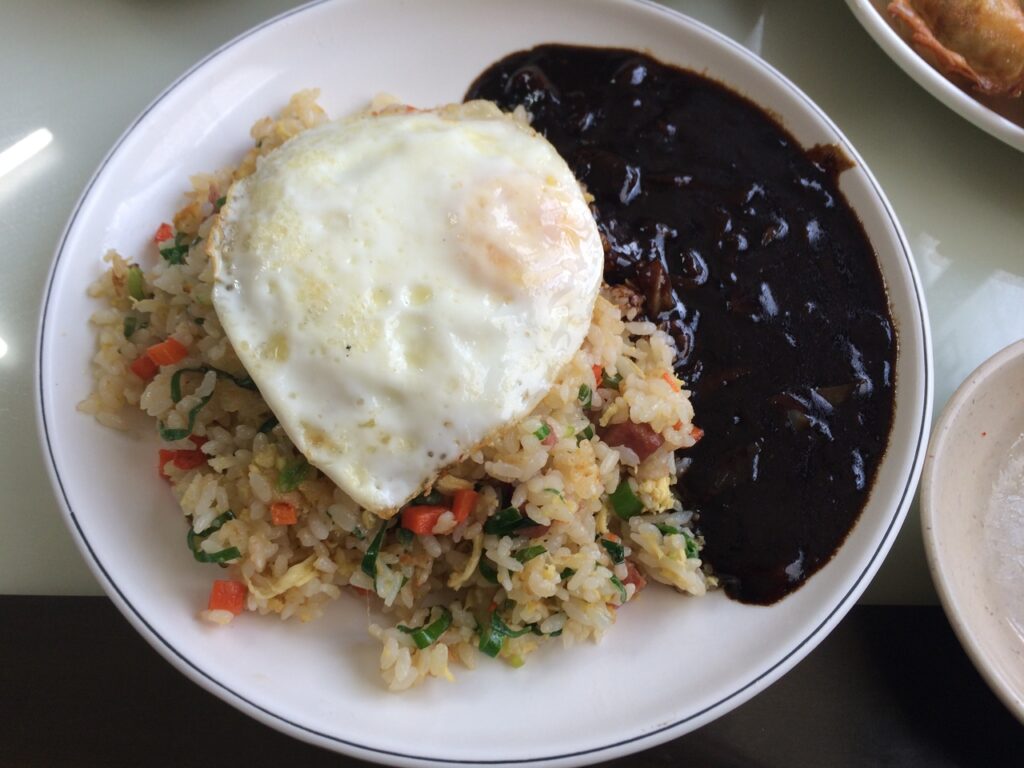
Sweet bean sauce calms spice through mild sweetness and fermented richness. Unlike sharp sugars, its sweetness feels rounded and subtle. The sauce’s thick texture helps it cling to food, creating a protective layer against heat. Fermented notes add complexity that keeps the dish savory. This makes it useful with spicy noodle dishes, grilled meats, or vegetable-based mains. The sauce does not cool instantly but gradually softens the burn, making spicy foods easier to enjoy over time. Its sweetness makes it effective without overwhelming. The fermented base slows how quickly sweetness hits the palate, making the heat reduction feel gradual.
9. Fruit Salsas Cool Heat With Juiciness and Sugar
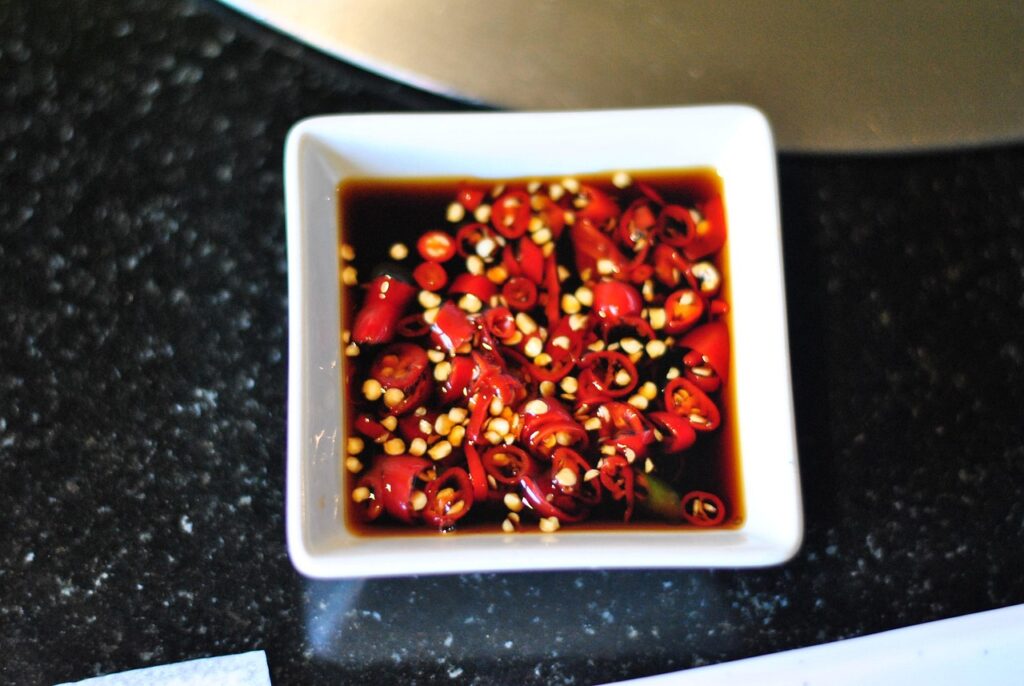
Fruit-based salsas reduce heat by combining natural sugars with high water content. Fruits like mango or pineapple release juice that physically dilutes the spice on the tongue. Their sweetness interrupts capsaicin’s intensity, while acidity keeps the dish bright. Texture also matters. Fresh fruit provides contrast that distracts from heat fatigue. These salsas work best with grilled fish, tacos, or spicy meats, where freshness is welcome. Rather than masking spice, fruit salsas reset the palate between bites, making heat feel controlled instead of cumulative. The natural water content physically washes spice away between bites.
10. Caramelized Onion and Stone Fruit Sauces Soften Heat Slowly
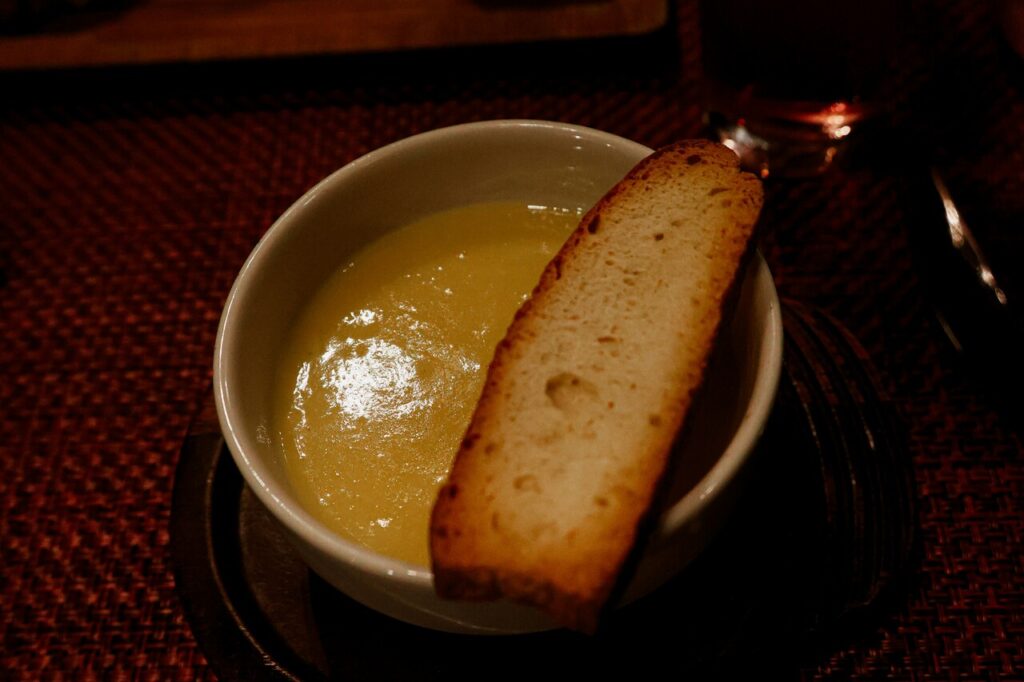
Sauces made with caramelized onions and stone fruits calm spice through slow-cooked sweetness. As onions caramelize, their sugars deepen and mellow. When combined with peaches or apricots, the result is a layered sweetness that builds gradually. This slow sweetness counteracts heat without sudden contrast. The sauce’s body helps it coat proteins like pork or chicken, buffering spice with richness. Because the sweetness develops over time, it prevents sharp heat spikes and encourages steady, comfortable eating rather than quick relief. The long cooking process creates sweetness that feels rounded rather than sharp.