10 Grocery Products Shoppers Say Feel Hollow or Less Satisfying

Some grocery foods still look generous, creamy, or filling, yet leave people oddly unsatisfied after eating. The portions appear right, the packaging promises comfort, and the flavors seem familiar at first bite.
What’s changed isn’t your appetite. It’s how these foods are made. Modern processing often prioritizes softness, speed, shelf life, and cost efficiency, quietly stripping away the density, fat balance, and structure that once made everyday foods feel substantial.
These foods aren’t empty by accident. Each one feels hollow for a specific reason rooted in reformulation, texture engineering, or ingredient shortcuts. Once you know what’s missing, that lingering hunger finally makes sense.
1. Boxed Breakfast Cereals
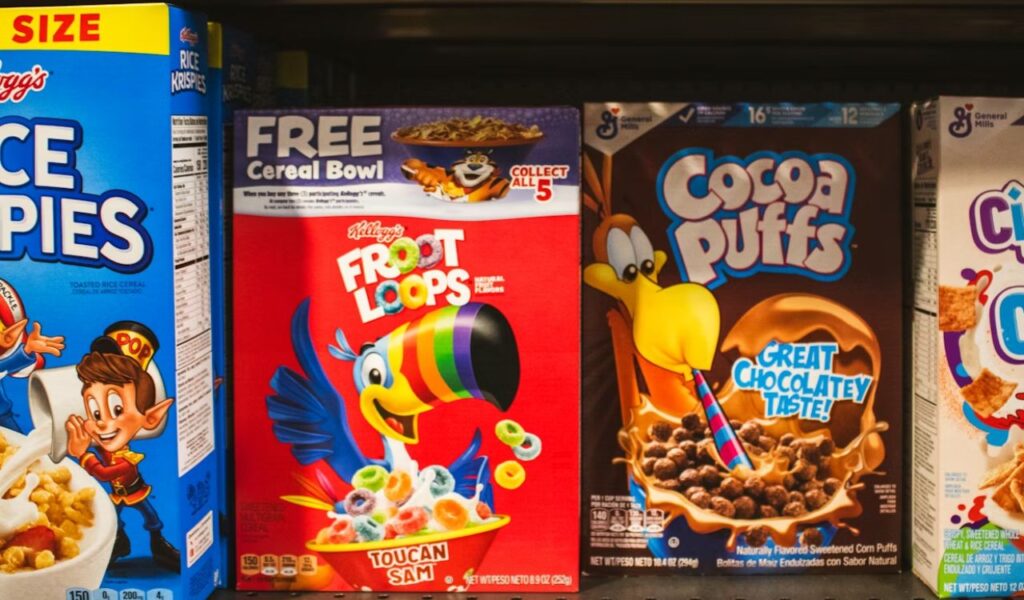
Boxed cereals often look full and colorful, yet many shoppers describe them as oddly unsatisfying. Over time, cereals have been reformulated to reduce sugar, increase shelf life, and lower production costs. This usually means lighter grains, more air, and surface coatings that deliver quick sweetness without lasting substance.
Processing methods like puffing and flaking break down grain structure, making cereals digest quickly. That rapid digestion causes short-lived fullness and energy spikes rather than sustained satiety. Added vitamins may replace lost nutrients, but they do not restore structure.
The bowl still fills up, but the body notices the difference. What once felt hearty now feels hollow, leaving people hungry again soon after eating.
2. Frozen Lasagna and Pasta Bakes
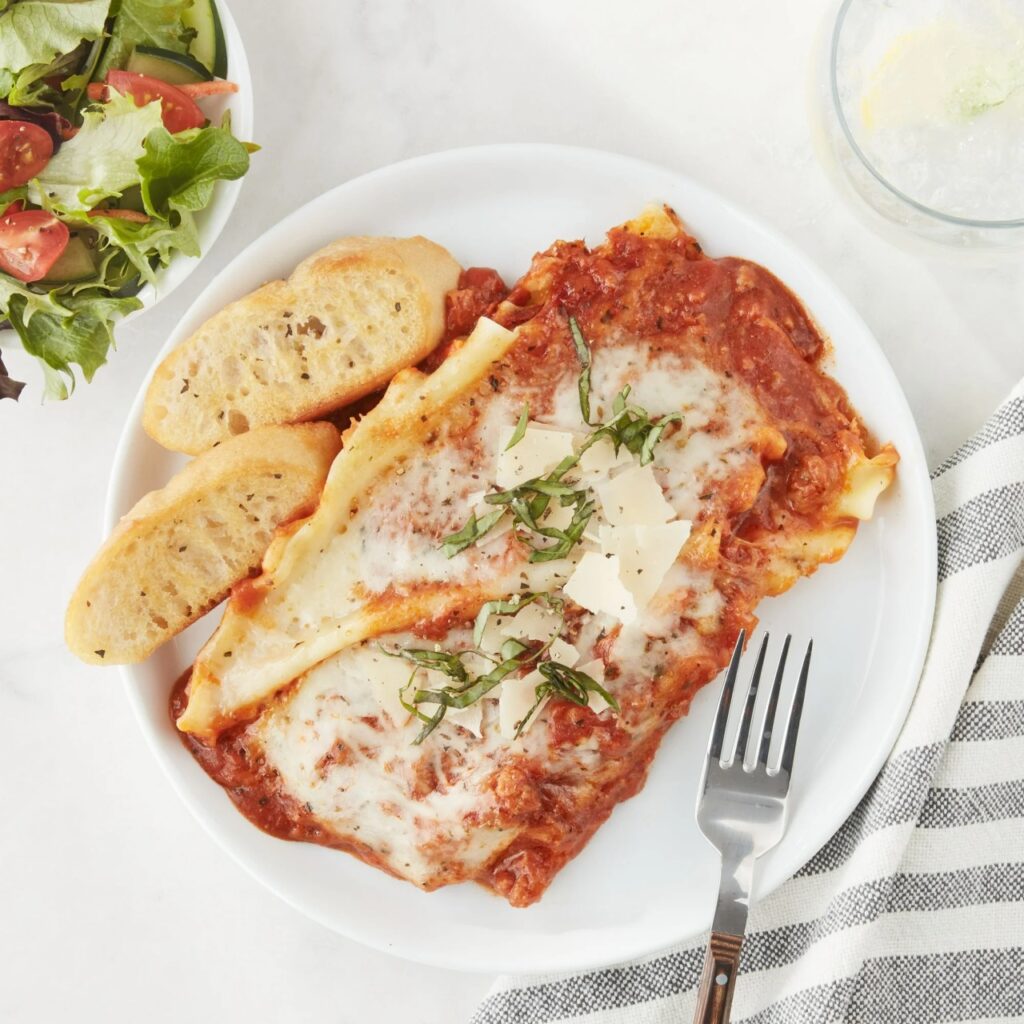
Frozen pasta meals promise comfort, but many now feel thin and less filling. To improve freeze stability and control costs, manufacturers reduce meat, cheese, and fat while increasing sauces, starches, and fillers that hold moisture during reheating.
These substitutions change texture and flavor balance. Sauces feel wetter but less rich, and pasta absorbs less fat, which is key for satiety. Protein content often drops while volume stays the same.
The tray looks generous, yet the meal lacks depth. Shoppers finish eating without the fullness they expect from a dish traditionally built on layered richness.
3. Pre-Sliced Sandwich Bread
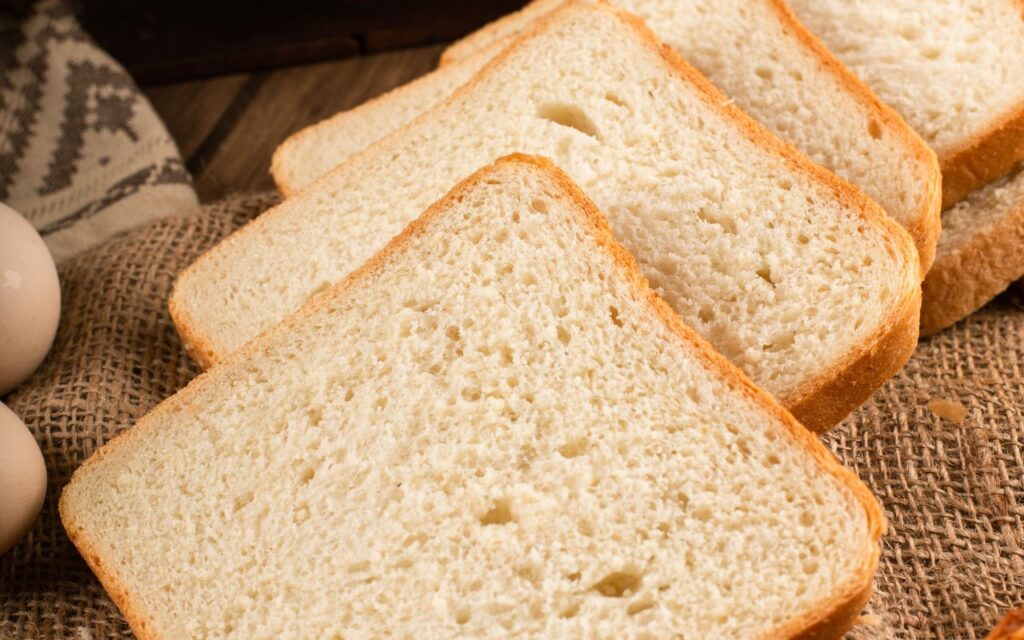
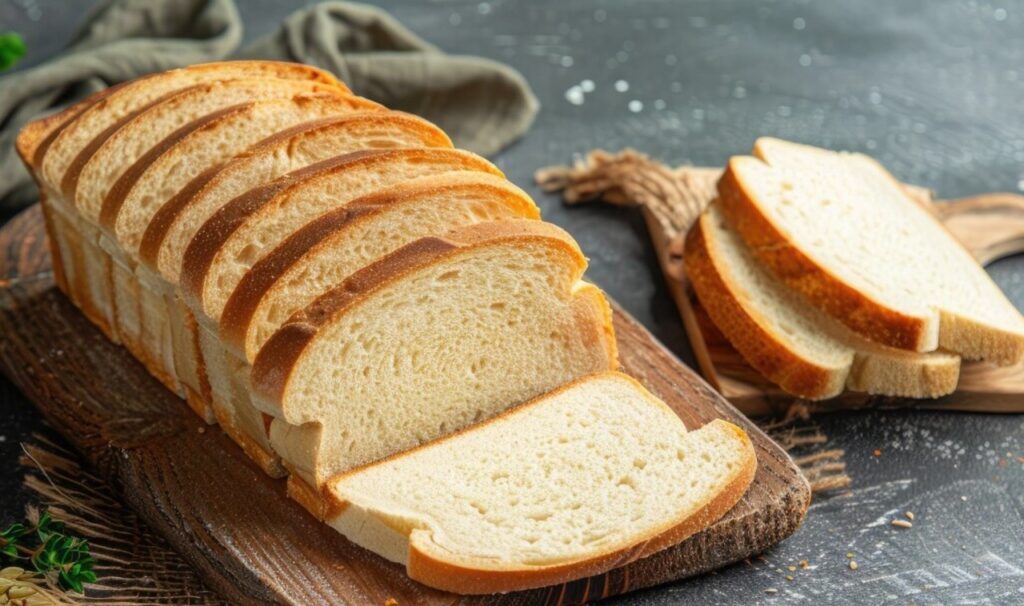
Pre-sliced sandwich bread is designed for softness, uniform slices, and long shelf life rather than density. Many modern loaves rely on refined flour, added sugars, and dough conditioners that create a light, airy crumb. This makes bread easy to bite, but removes the resistance that once made it feel substantial.
Because refined flour lacks fiber and intact grain structure, the bread digests quickly. With little protein or fiber to slow absorption, fullness fades fast. Older breads made with fewer conditioners required more chewing and stayed satisfying longer.
Sandwiches still look filling, but the experience passes quickly. What appears hearty often dissolves fast, leaving hunger to return sooner than expected.
4. Store-Brand Ice Cream

Many store-brand ice creams feel less indulgent despite full-looking cartons. A major reason is overrun, the amount of air whipped into the ice cream to increase volume without adding ingredients. Stabilizers help hold that structure but dilute richness.
Lower dairy fat levels reduce the mouth-coating sensation that signals fullness. Gums and emulsifiers replace natural milk solids, changing how the ice cream melts and how flavor spreads across the tongue.
The container suggests abundance, yet the experience feels thin. Shoppers often notice that satisfaction fades quickly, even when the portion looks generous.
5. Microwave Popcorn
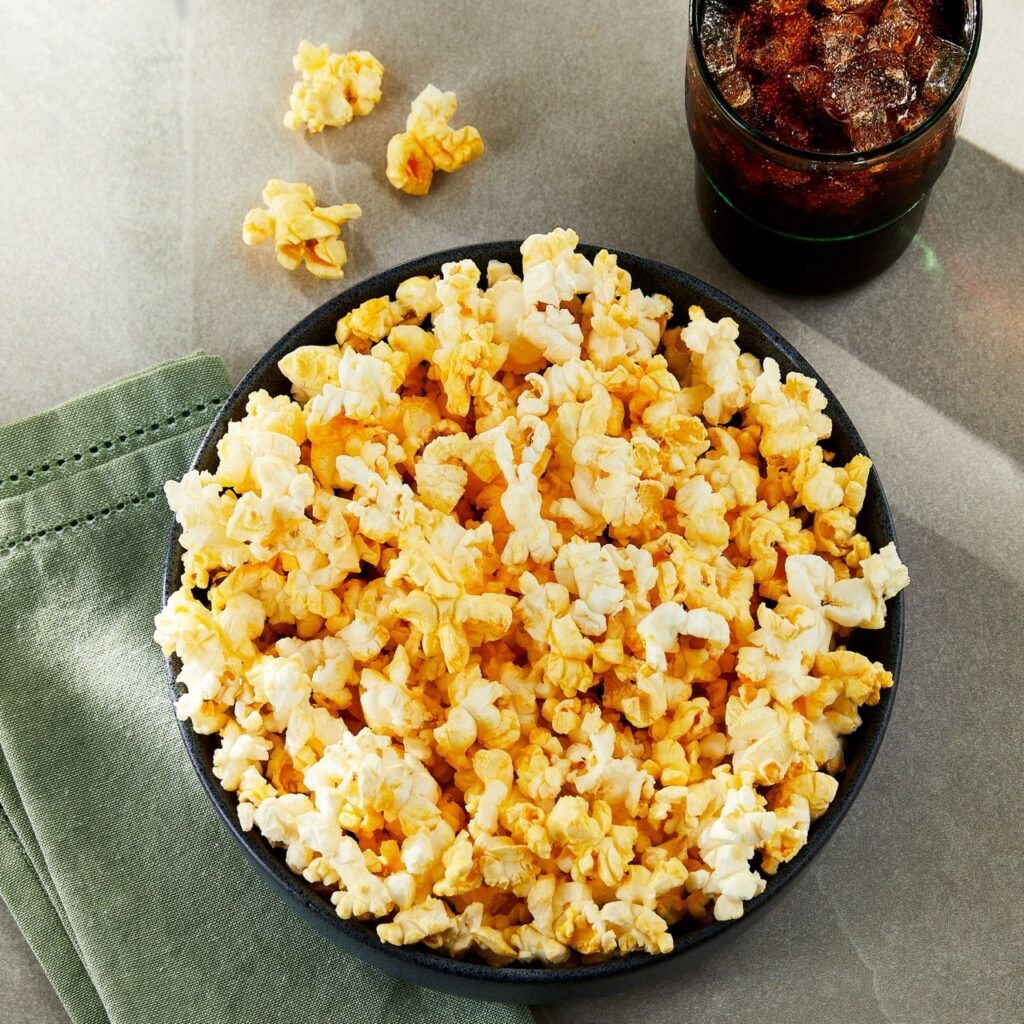
Microwave popcorn is designed to feel plentiful the moment the bag opens. Lightweight kernels are selected because they expand dramatically, creating visual fullness with little actual substance. Refined oils and artificial butter flavor provide quick aroma and taste while keeping production fast and inexpensive.
That flavor arrives immediately, but the popcorn itself offers little fiber or protein. With minimal structure to slow digestion, it moves through the body quickly. The crunch satisfies briefly, but it does not trigger lasting fullness.
The bag feels comforting at first, yet hunger often returns soon after. The experience is built around speed and sensation rather than nourishment, which is why it can feel hollow despite its volume
6. Packaged Snack Cakes
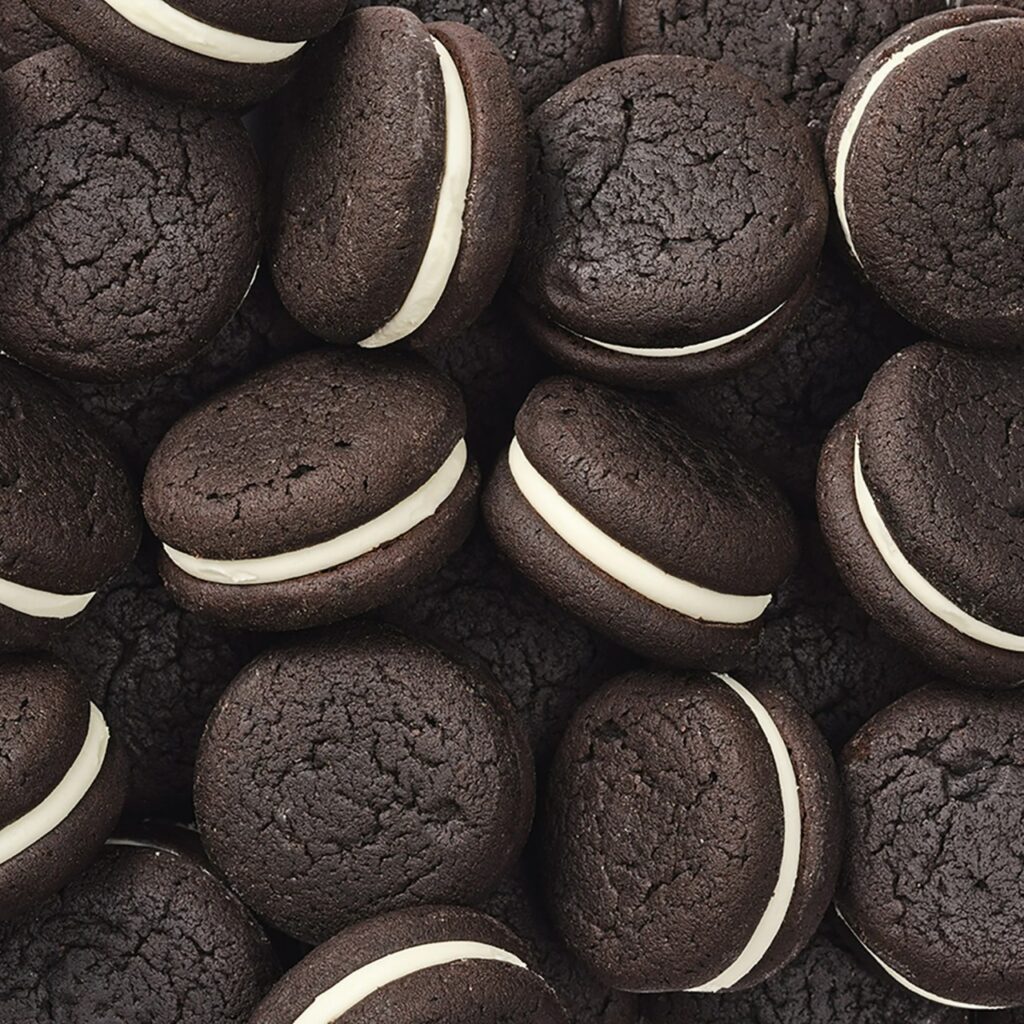
Packaged snack cakes are engineered to look rich, soft, and indulgent straight out of the wrapper. To achieve long shelf life, manufacturers rely on shelf-stable fats, emulsifiers, and stabilized fillings instead of butter, eggs, and fresh dairy. These changes keep cakes tender but reduce real density.
Sugar provides an immediate pleasure response, but the lack of protein and natural fat limits satiety. The cake breaks down quickly while chewing, shortening eating time and weakening the fullness signals that come from slower digestion.
The result tastes sweet and familiar, yet fades fast. Shoppers notice that what once felt like a treat now feels more like a placeholder, satisfying the mouth but not the body.
7. Flavored Yogurt Cups
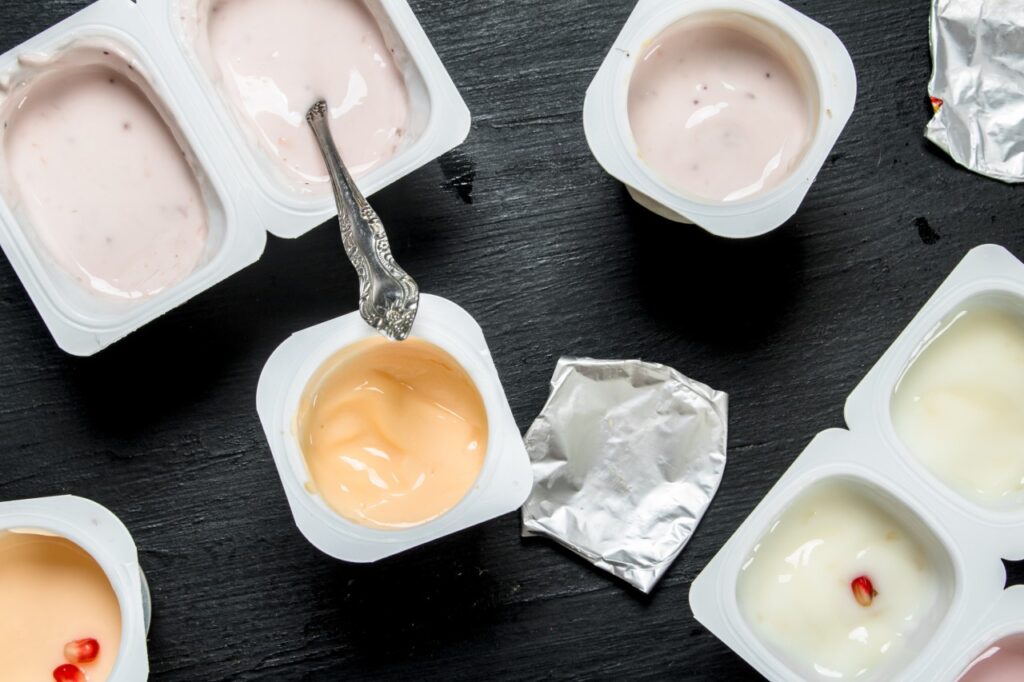
Flavored yogurt cups often look thick and creamy, creating an expectation of nourishment. Many modern versions rely on reduced fat milk, added sugars, and thickeners that create body without adding substance. Sweetness disguises the lack of balance.
Without enough fat or protein, yogurt moves through the stomach quickly. Digestion speeds up, and the feeling of fullness drops off soon after eating, even though the texture initially feels rich.
The cup appears complete and healthy, but hunger returns faster than expected. The label signals satisfaction, while the body responds to what is missing.
8. Deli Meat Slices
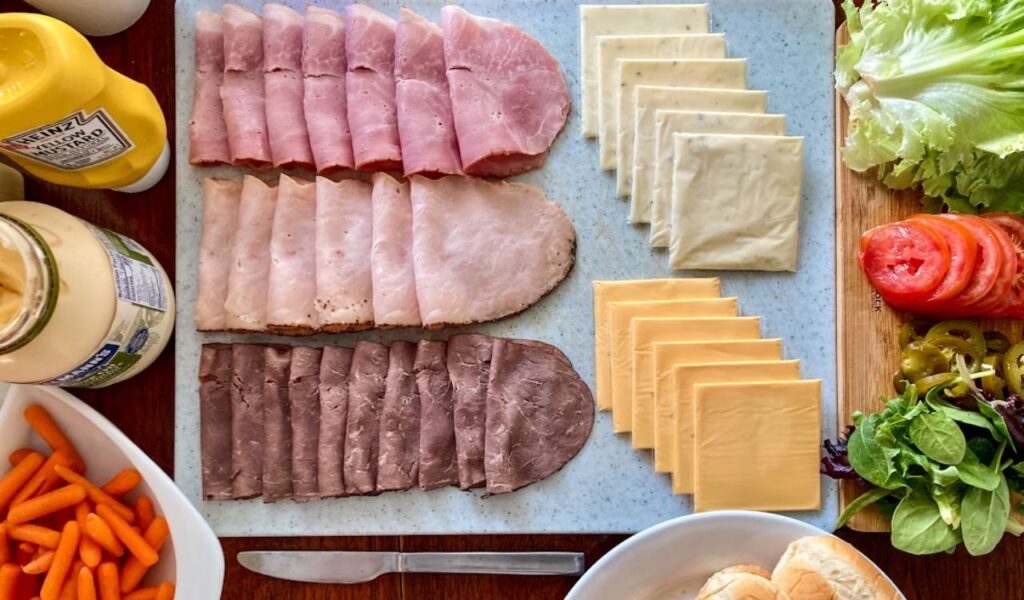
Deli meat slices are designed for uniformity and convenience rather than density. Processing adds water, salt, and binders that increase slice size and softness while reducing protein concentration per bite. The result looks generous but weighs less nutritionally.
Soft texture also matters. Easier chewing shortens eating time, and less chewing weakens satiety signals sent to the brain. Meals are consumed faster, with less physical feedback that you have eaten enough.
Slices stack high in sandwiches, yet the meal often feels incomplete. What looks substantial on the plate lacks the structure and protein density of whole cuts.
9. Protein Bars
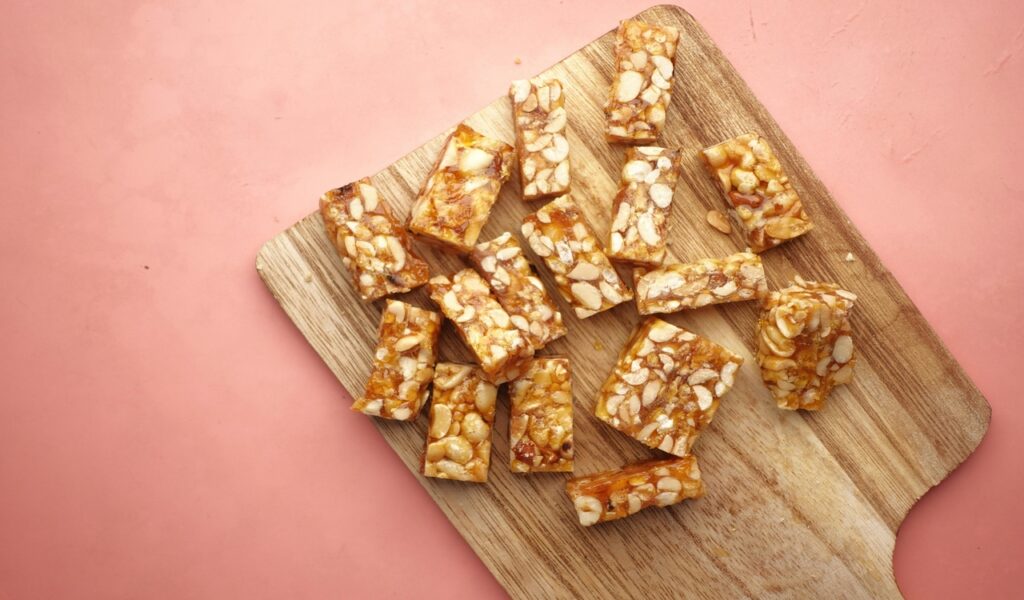
Protein bars promise fullness through numbers printed on the wrapper. To meet shelf-life and flavor goals, many rely on syrups, fibers, and isolated proteins rather than whole food ingredients. This combination changes how the body processes the bar.
Sweetness hits quickly, while protein absorbs more slowly. The mismatch can cause a brief sense of heaviness without true satiety. Some bars feel dense but still fail to keep hunger away.
On paper, the bar looks ideal. In practice, many people finish one and continue searching for something more grounding, because the structure needed for lasting satisfaction is missing.
10. Instant Noodle Cups
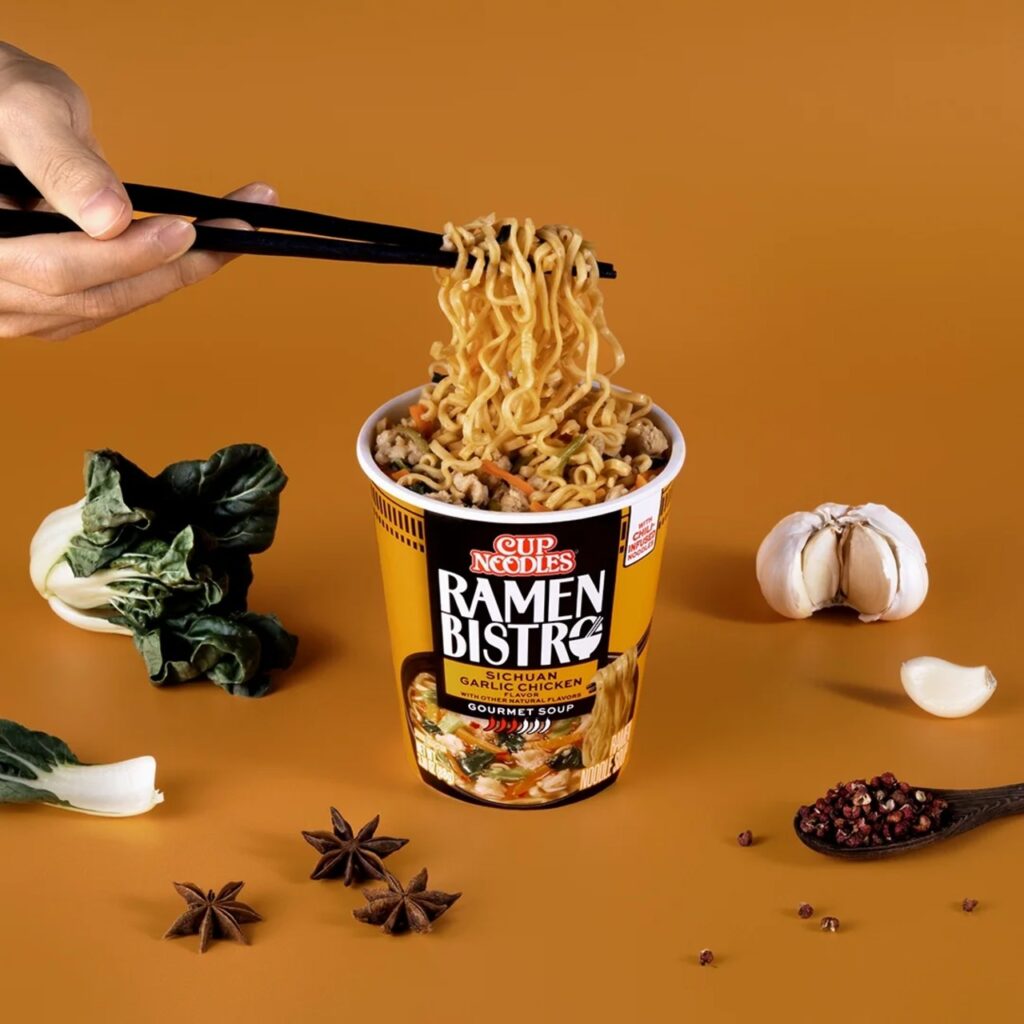
Instant noodle cups are designed for speed, not lasting fullness. The noodles are pre-fried or heavily processed so they soften quickly when hot water is added. This makes them light and porous, but it also removes the firmness and chew that help the body register a satisfying meal. The noodles collapse easily and require little effort to eat.
Most of the flavor comes from the seasoning packet. It supplies salt, aroma, and fat-like richness through enhancers rather than balanced nutrition. Protein and fiber are low, so digestion happens fast and fullness signals are weak.
The cup feels warm and filling at first, but that feeling fades quickly. What remains is convenience without staying power, which is why hunger often returns soon after.