7 Restaurant Dishes That Began as Accidents but Became Global Icons

Some of the world’s most beloved dishes did not come from carefully tested recipes or long term culinary planning. Instead, many started with a mistake, an improvisation, or a moment of unexpected creativity in busy restaurant kitchens. These accidents happened for different reasons. A frustrated chef tried to appease a demanding customer, a baker misjudged timing, or a cook simply worked with what was available. Yet these unplanned events ended up shaping global food culture in ways no one could have predicted. Today, the dishes created by these happy accidents are served in restaurants around the world, recreated in home kitchens, and celebrated as classics.
1. Potato Chips
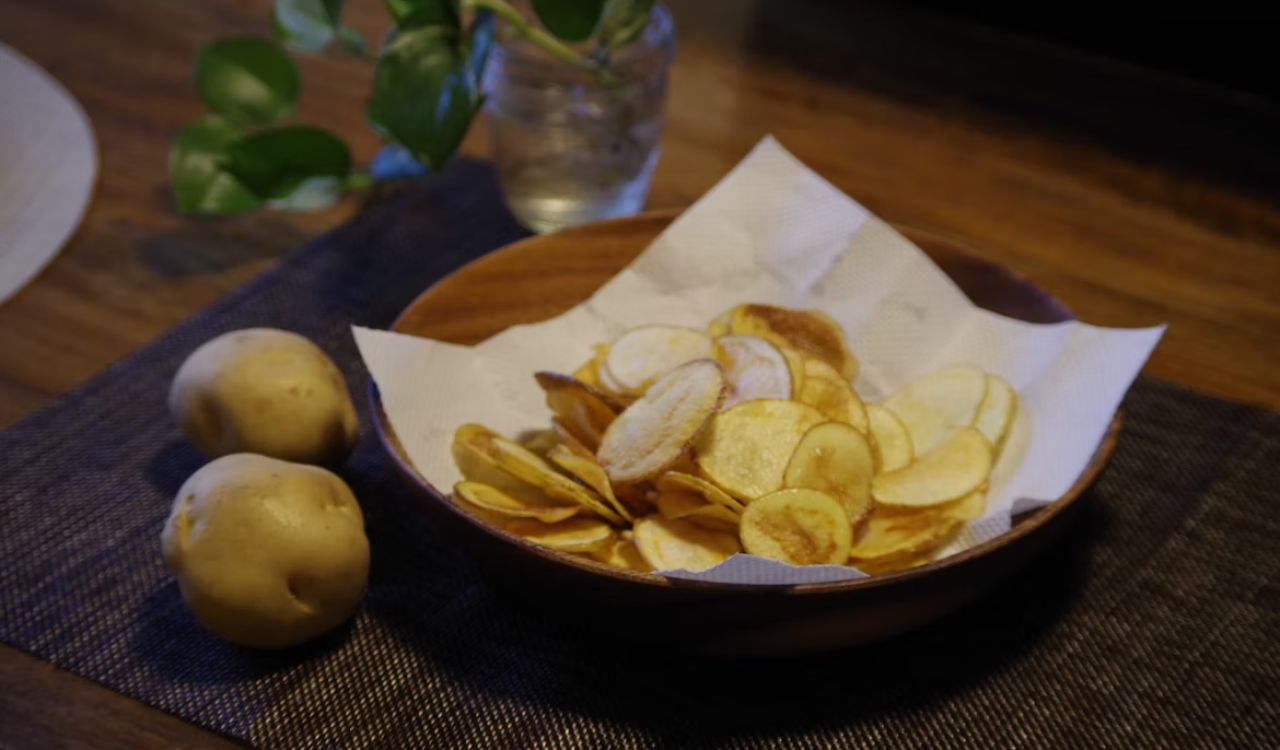
The legendary origin of potato chips dates back to 1853 at Moon’s Lake House in Saratoga Springs, New York. Chef George Crum prepared them after a customer repeatedly complained that his fried potatoes were too thick. In response, Crum sliced the potatoes as thinly as possible, fried them until crispy, and seasoned them with salt. Instead of being upset, the customer loved them, and the dish quickly spread throughout the restaurant. Over time, potato chips became a national snack, eventually turning into a multibillion-dollar global industry. Although packaged chips did not appear until decades later, the restaurant origin of the dish is widely cited in American food history.
2. Tarte Tatin
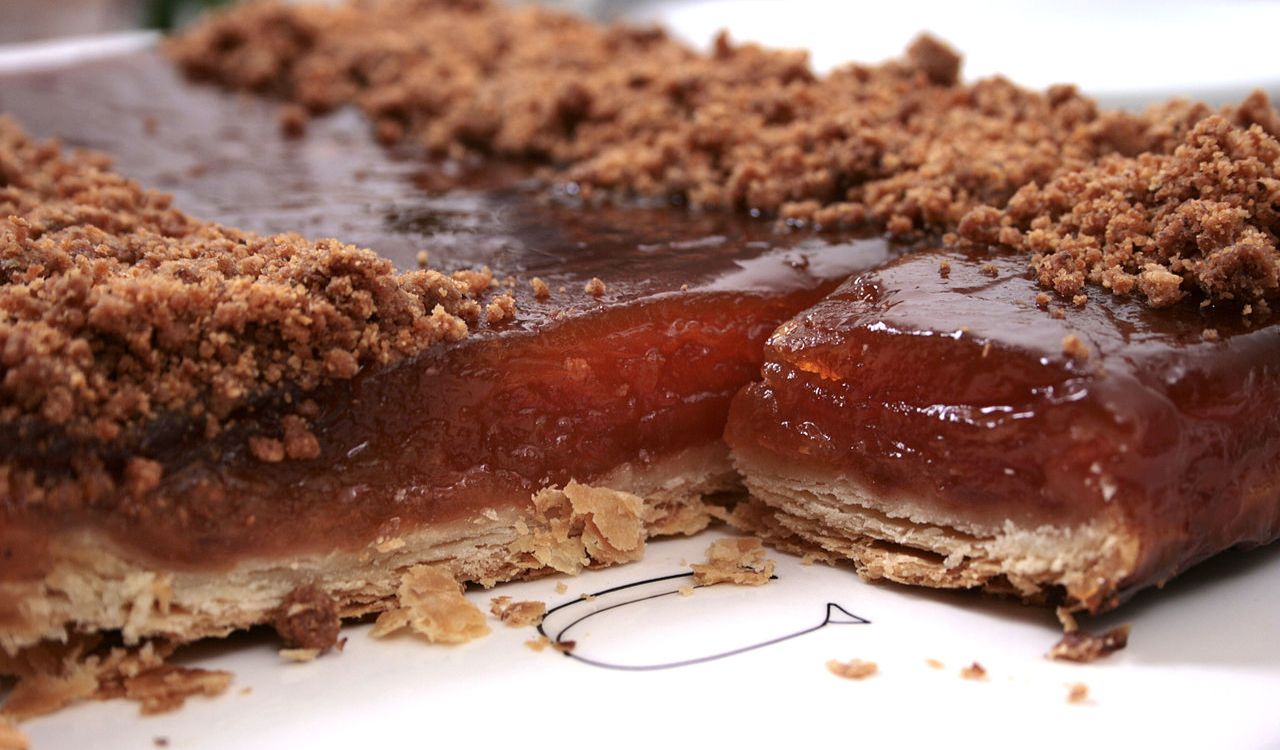
Tarte Tatin is a classic French dessert believed to have been created by accident at the Hotel Tatin in Lamotte Beuvron during the late nineteenth century. According to the most widely repeated story, Stéphanie Tatin was preparing an apple tart when the apples cooked too long in butter and sugar. Instead of discarding the dish, she placed pastry on top and finished it in the oven. The result was a caramelized upside down tart with a rich flavor and tender texture. Guests loved it, and the dessert became the hotel’s signature dish before spreading throughout France. Eventually, Parisian restaurants adopted the recipe and helped elevate it into a global culinary icon.
3. Nachos
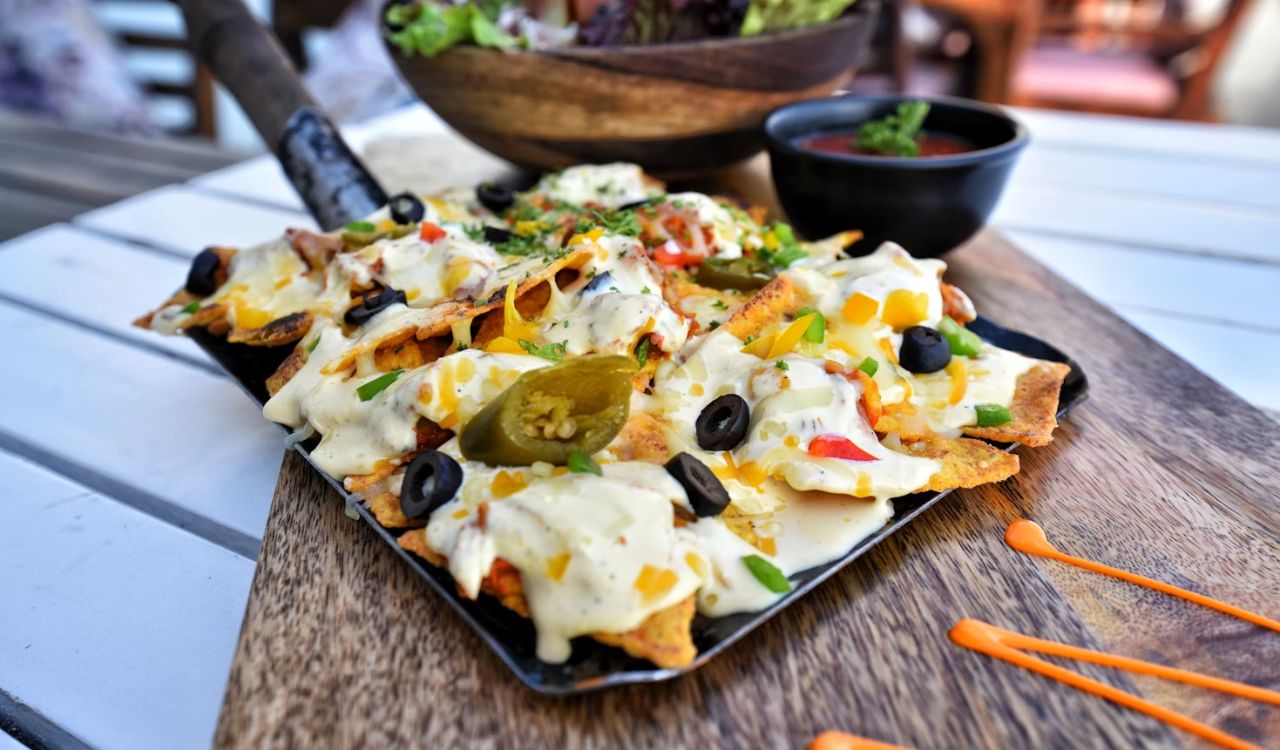
Nachos originated in 1943 in Piedras Negras, Mexico, when Ignacio Anaya, a maître d’ at a restaurant near the Texas border, improvised a dish for a group of visiting American military wives. With the kitchen staff already gone for the day, Anaya used what was on hand: tortilla pieces, cheese, and canned jalapeños. He heated the mixture and served it as a quick snack. The women loved it and asked for the dish again, calling it “Nacho’s Special” after Anaya’s nickname. The recipe quickly spread across the region, appearing on menus throughout northern Mexico and Texas. Their origin remains a well-documented example of resourceful improvisation.
4. Chocolate Chip Cookies
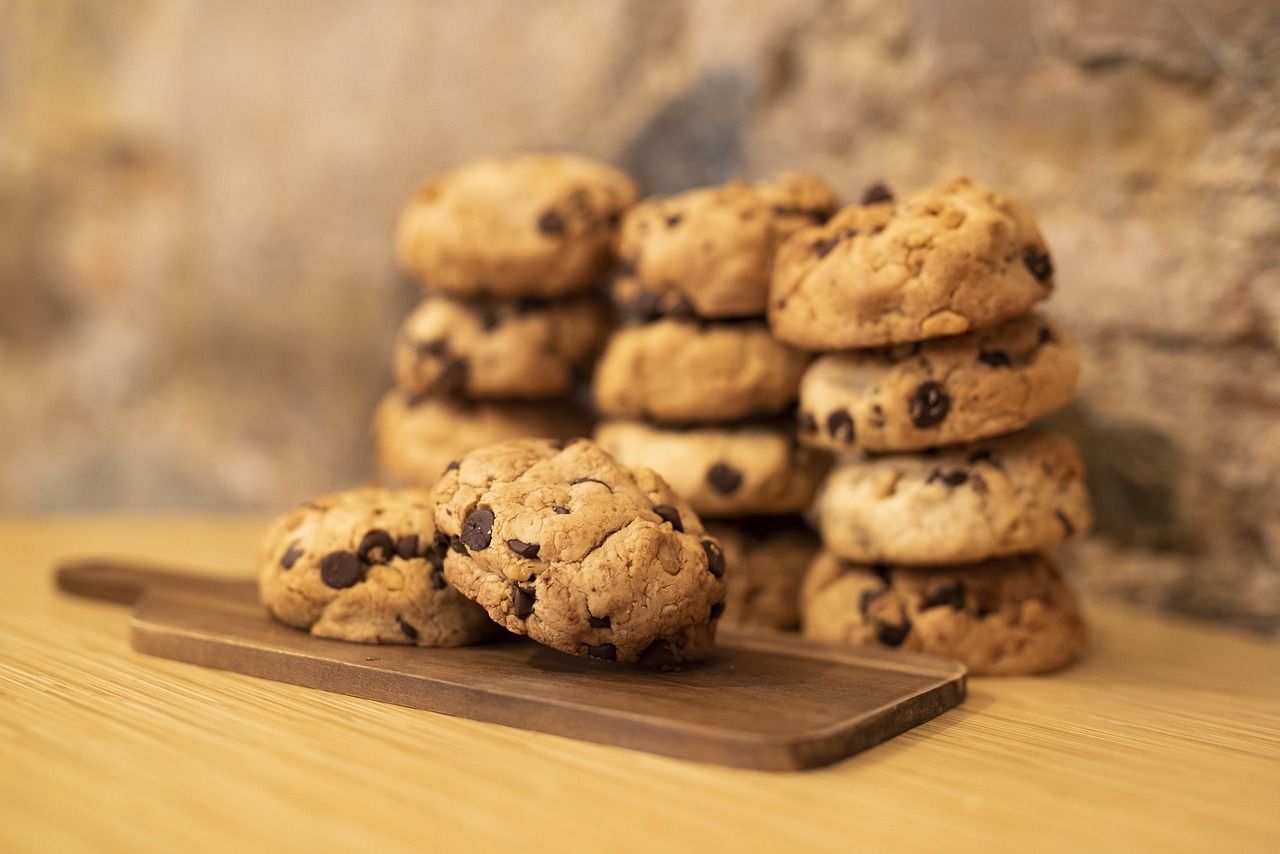
The chocolate chip cookie was created at the Toll House Inn in Massachusetts during the 1930s by baker Ruth Wakefield. The most cited version of the story explains that Wakefield ran out of baker’s chocolate and substituted chopped pieces of a Nestlé semisweet chocolate bar. She expected the chocolate to melt into the dough, but instead it held its shape, creating pockets of softened chocolate throughout the cookie. The result was an entirely new dessert that became instantly popular among guests. Nestlé later partnered with Wakefield, printing her recipe on their packaging, which helped spread the cookie worldwide.
5. Buffalo Wings
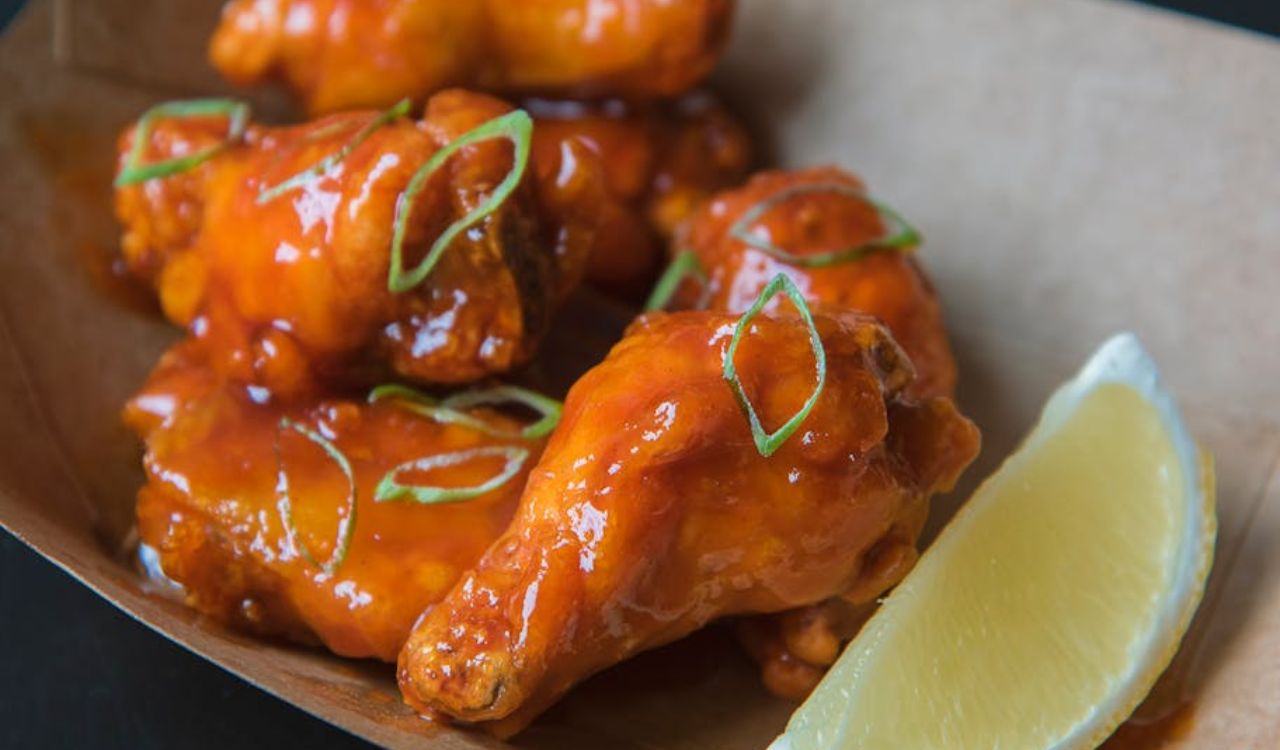
Buffalo wings trace their roots to the Anchor Bar in Buffalo, New York, in 1964. According to the most widely reported account, co-owner Teressa Bellissimo needed to prepare a last minute snack for her son and his friends. She used leftover chicken wings, which were not considered prime restaurant cuts at the time, and deep fried them before tossing them in a vinegar based hot sauce and serving them with celery and blue cheese dressing. The dish quickly gained local popularity and soon appeared in restaurants throughout Buffalo. The dish’s accidental creation demonstrates how overlooked ingredients can turn into global favorites.
6. Crepes Suzette
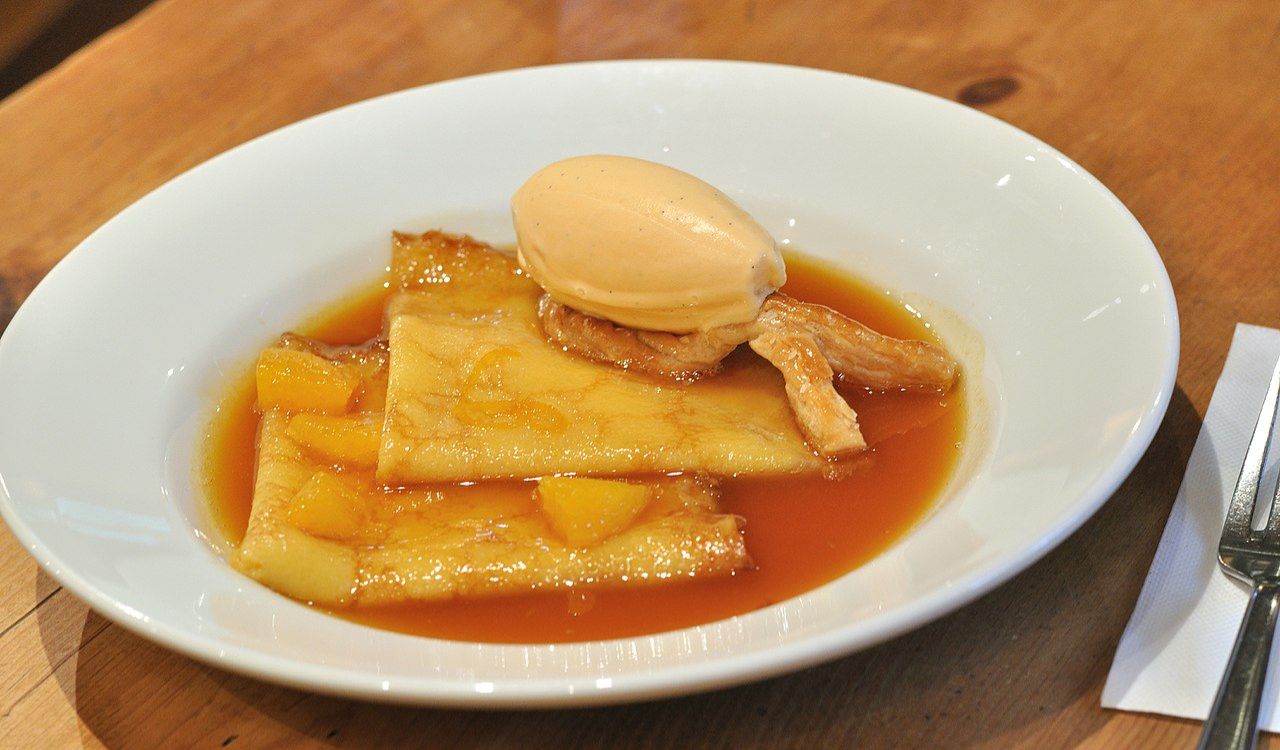
Crepes Suzette is a French dessert whose story often includes an accidental moment during tableside service. One of the best-known accounts attributes the dish to a young waiter, Henri Charpentier, in the late nineteenth century. While preparing crepes for the Prince of Wales, the sauce reportedly caught fire due to the proximity of an alcohol filled pan to the flame. Instead of ruining the dish, the flambéing created a caramelized sauce of butter, citrus, and sugar that impressed the prince. Whether or not every detail is literal, the story is supported by the dessert’s early restaurant associations and its long-standing presence in French dining culture.
7. Caesar Salad
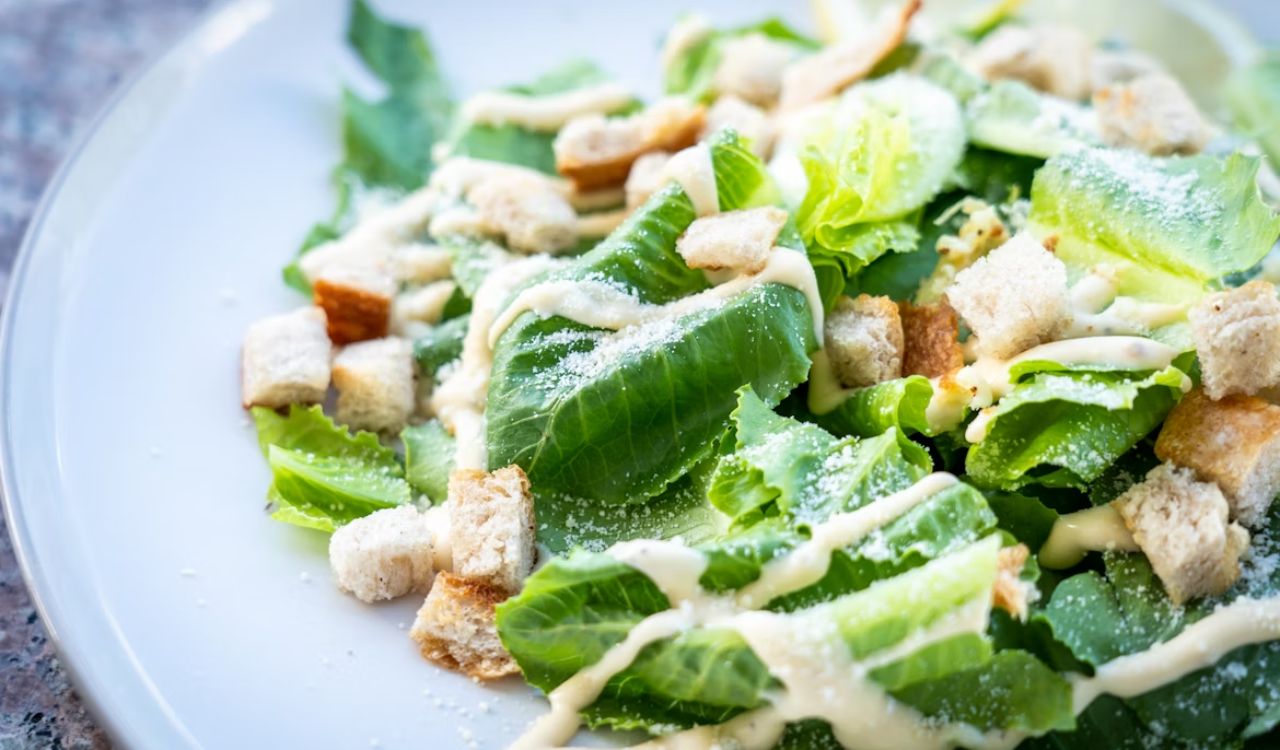
The Caesar salad was invented on the Fourth of July weekend in 1924 by Caesar Cardini, an Italian immigrant and restaurateur in Tijuana, Mexico. According to documented accounts, the restaurant was overwhelmed with customers and running low on supplies. Cardini assembled a salad using what remained in the kitchen: romaine lettuce, eggs, Parmesan, Worcestershire sauce, croutons, lemon juice, and oil. He prepared it tableside to add flair. Guests loved the result, and the salad quickly gained fame across Southern California and beyond. By the 1940s, it appeared on menus throughout the United States, eventually becoming one of the most recognized salads worldwide.