What Really Sets Paneer Apart from Tofu

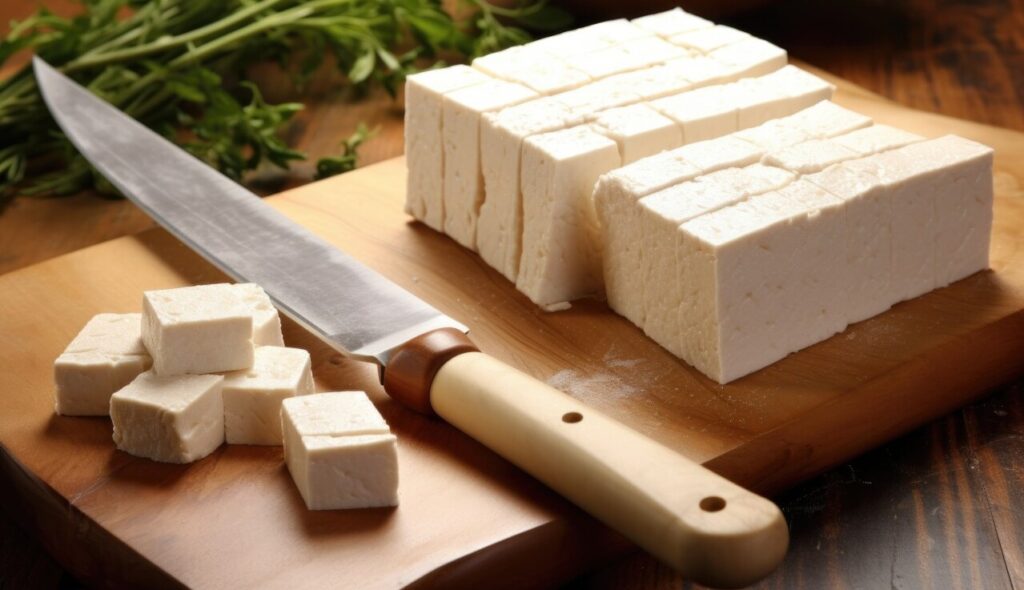
Something is fascinating about foods that look alike yet come from entirely different culinary traditions. Paneer and tofu are perfect examples of two simple blocks that have shaped the way millions of people cook across India and East Asia. Their mild flavours and adaptable textures make them household favourites, but their stories, origins, and nutritional profiles are remarkably distinct. Understanding where they come from and how they’re made adds depth to the way you experience them in everyday cooking. Taking a closer look at their unique strengths helps you choose the one that matches your health goals and culinary style or inspires you to enjoy the best of both worlds.
What Are Paneer and Tofu
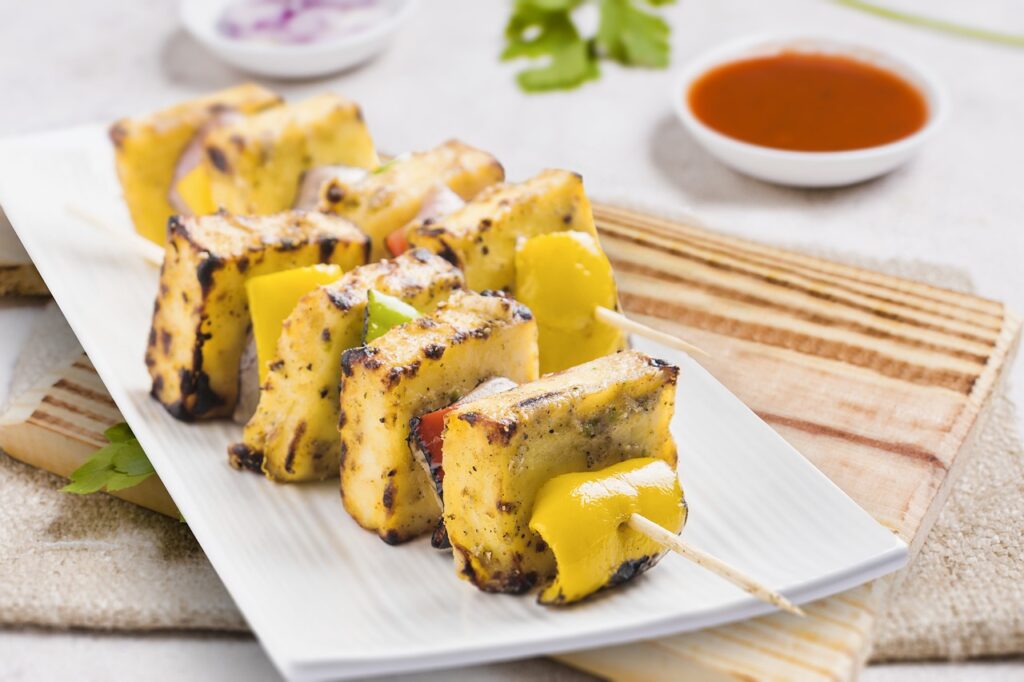
There’s something undeniably comforting about foods that feel familiar, and both paneer and tofu hold that place in their respective cuisines. At first glance, they may look alike, but their origins tell two very different stories. Paneer is a fresh cheese commonly used in Indian cooking. It’s made by curdling dairy milk with an acid such as lemon juice or vinegar. That process gives it a firm, non-melting structure that holds up well in hot dishes. Paneer’s identity is tied closely to South Asian food traditions, where it appears in everything from rich curries to grilled kebabs. Tofu, on the other hand, comes from soy milk. It’s created by coagulating the milk and pressing the resulting curds into blocks.
How Paneer and Tofu Are Made
The path from raw ingredient to finished block shapes how each food behaves in the kitchen. Paneer begins with boiling dairy milk and adding an acidic agent to separate the curds from the whey. The curds are then drained and pressed, forming a firm cheese with a slightly springy bite. Tofu follows a comparable but entirely plant-driven process. Soy milk is heated and mixed with a coagulant that causes the proteins to form curds. Pressing these curds determines how soft or firm the final tofu will be. Despite visual similarities, the dairy versus soy base leads to very different nutritional outputs.
Nutritional Comparison
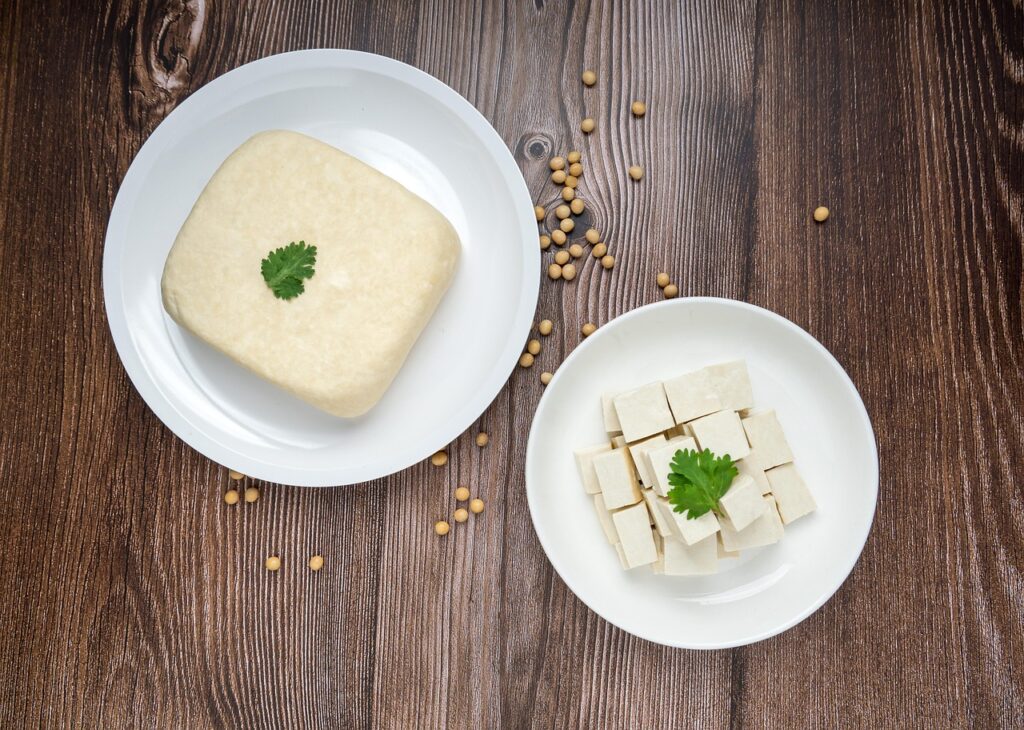
The simplest way to understand their differences is by looking at the numbers. For every 100 grams, paneer provides 321 calories, while tofu offers just 83. This brings immediate contrast: paneer is far more energy-dense, and that difference reflects its fat and protein compositions. Paneer contains 25 grams of protein and 25 grams of fat per 100 grams, placing it squarely in the higher-calorie, richer food category. Tofu, meanwhile, delivers 10.1 grams of protein and only 4.8 grams of fat per 100 grams. This makes tofu significantly lighter and more suitable for calorie-conscious diets. Even though both deliver valuable nutrients, their macronutrient profiles serve different needs.
Health Implications of Nutrient Profiles
Paneer’s higher protein and calorie content can be useful for those needing more energy or building strength. Because it’s made from dairy, it also contributes saturated fats, which may require mindful consumption for people watching their heart health. Tofu, being significantly lower in calories and fat, naturally lends itself to lighter meals. Its lean profile makes it a better fit for those aiming to reduce calorie intake or maintain weight. Although the reference article doesn’t expand deeply on tofu’s plant compounds, it does note that tofu supplies fewer calories and less fat while still providing a respectable amount of protein, making it a solid choice for balanced eating.
Dietary Suitability and Lifestyle Considerations
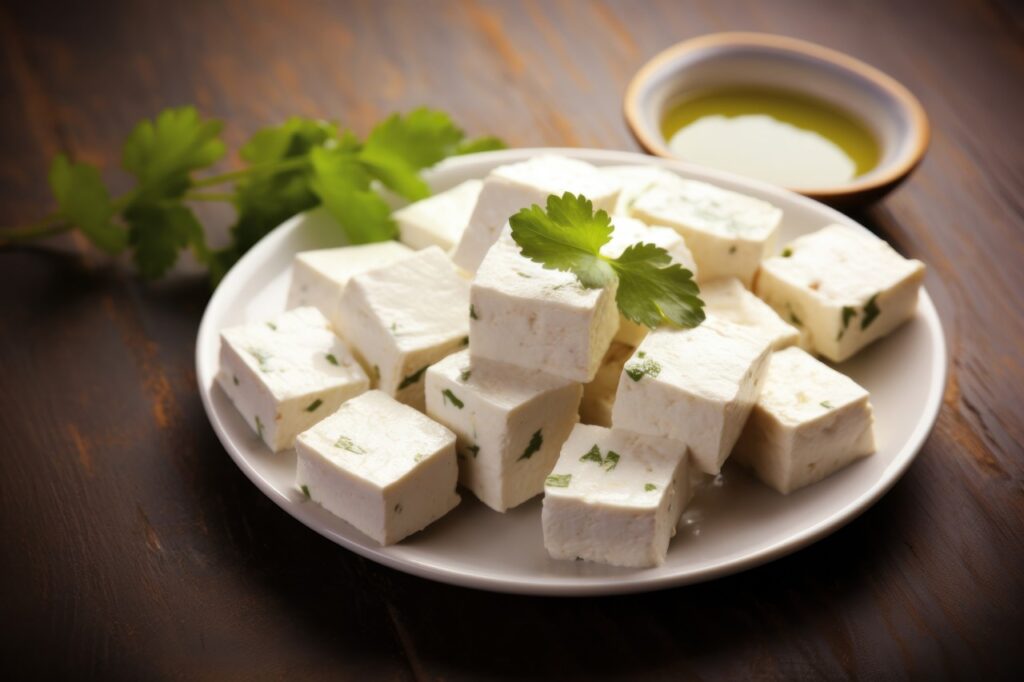
Food choices often extend beyond taste, reaching into personal needs and restrictions. Paneer, being a dairy product, suits vegetarians who include milk-based foods in their diet. However, its dairy base means it’s not suitable for vegans or those who avoid lactose, even though paneer is typically low in lactose compared to other cheeses. Tofu aligns naturally with more restrictive or specialised diets. It’s entirely plant-based, making it a go-to protein source for vegans. Since tofu is lower in calories and fat, it appeals to individuals working toward weight-focused goals without sacrificing protein intake.
Culinary Uses and Versatility
Few foods adapt as effortlessly to different dishes as paneer and tofu, yet they each bring their own strengths. Paneer’s firm texture makes it ideal for Indian dishes where it’s simmered, grilled, or fried without falling apart. It absorbs spices beautifully, taking on bold flavours while maintaining structure. Tofu excels in versatility across cuisines due to its mild flavour and customizable texture. Soft varieties blend smoothly into soups or sauces, while firmer versions hold their shape in stir-fries and sauté dishes. Its neutral taste allows cooks to build flavour through marinades, broths, or aromatics, making it a flexible ingredient for both traditional and modern recipes.
Making the Choice: Which Works Best for You
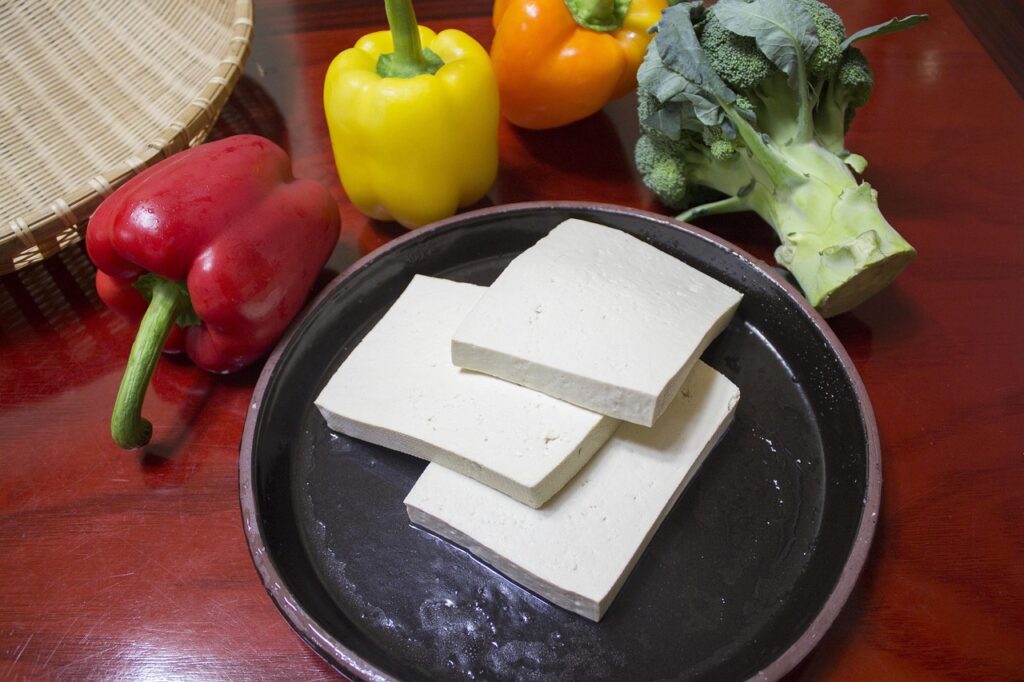
Choosing between paneer and tofu often depends on personal dietary priorities. Paneer offers a richer, more calorie-dense profile that suits those seeking satisfying, protein-rich meals, especially within dairy-friendly diets. It works particularly well in dishes that rely on robust, creamy textures. Tofu is the clear choice for anyone seeking a lighter, plant-based protein. Its low calorie count and modest fat content make it ideal for everyday cooking, where balance and moderation are key. If you’re aiming for versatility with nutritional restraint, tofu provides the advantage.
Reference
- Paneer vs. Tofu: What’s the Difference? – healthline.com
- Paneer vs. Tofu: What’s The Difference? – kofuku.com