8 Candy Bars That Changed Their Recipe and Lost Fans

Candy bars are built on familiarity. The taste, the texture, and even the way they melt are part of what keeps people coming back to the same favorites year after year. That consistency becomes a quiet promise consumers rely on.
But over time, even the most iconic bars have changed. Ingredient swaps, cost adjustments, and “better-for-you” updates have reshaped recipes in subtle ways. While many of these changes aim to improve or modernize, they don’t always preserve what made the original special.
This list takes a closer look at the candy bars that feel different today. Not completely unrecognizable, but just changed enough that longtime fans can’t help but notice the difference.
1. Cadbury Dairy Milk
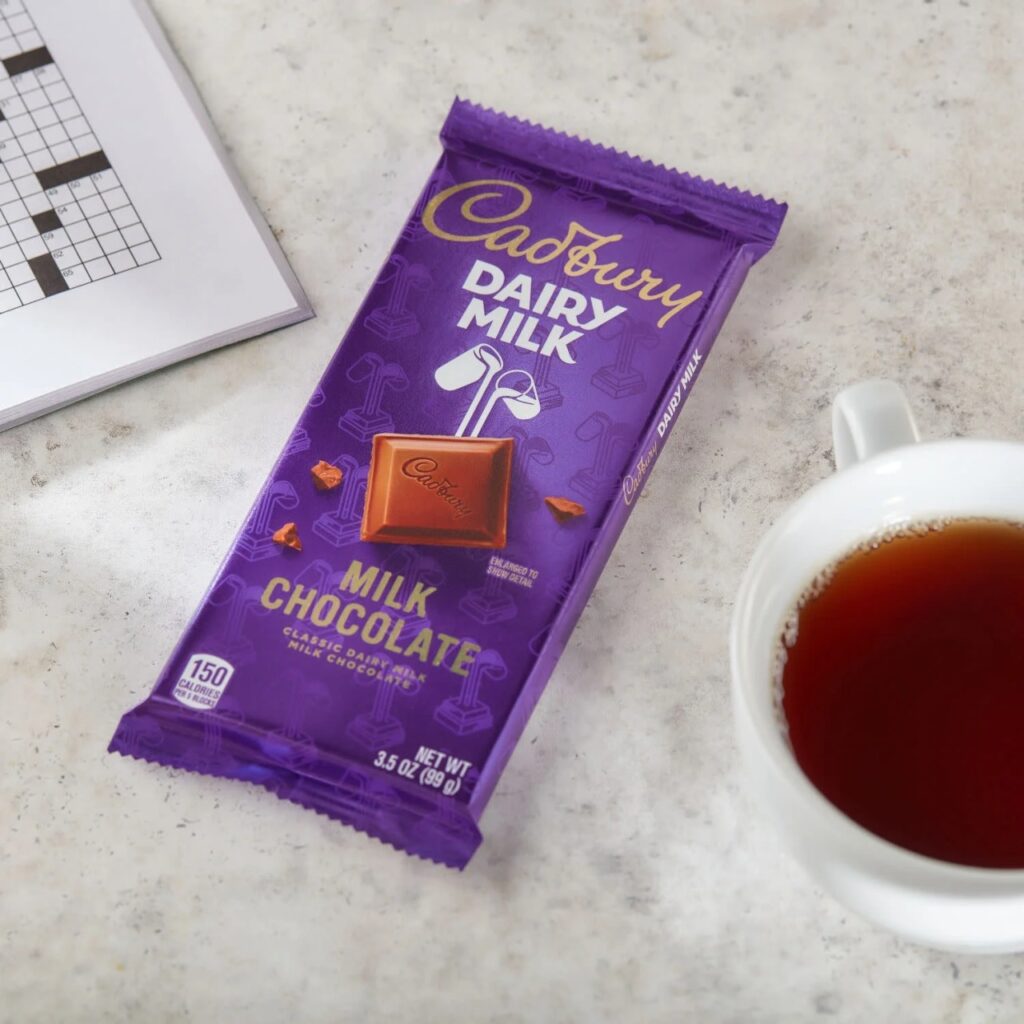
Creaminess is what once set Cadbury Dairy Milk apart from nearly every competitor. The chocolate had a smooth melt and a rich cocoa balance that felt noticeably softer and more rounded on the palate.
Over time, changes in formulation and regional production introduced subtle differences. In some versions, higher sugar content and shifts in cocoa sourcing have altered both taste and texture. The chocolate can feel slightly sweeter and less creamy than before.
These changes are not dramatic, but they are noticeable to longtime fans. When a product is built on texture and melt quality, even small adjustments can affect the overall experience and how it is remembered.
2. Butterfinger
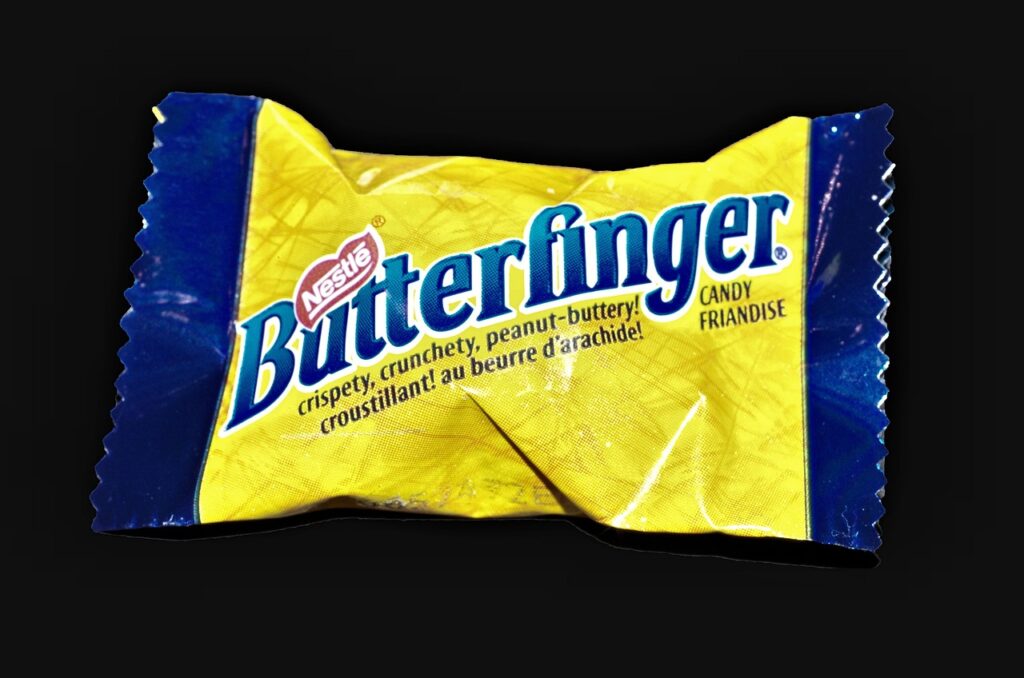
Crunch defined Butterfinger for decades. Its flaky peanut butter center created a unique texture that made it stand out from other candy bars on the shelf.
A major reformulation aimed to remove artificial ingredients and simplify the recipe. While this improved ingredient transparency, it also changed the flavor and structure. Many noticed a softer crunch and a less intense peanut butter taste.
The shift highlights a common challenge. Cleaner ingredients can improve perception, but they can also change the product’s identity. For many fans, the new version feels different enough to lose its original appeal.
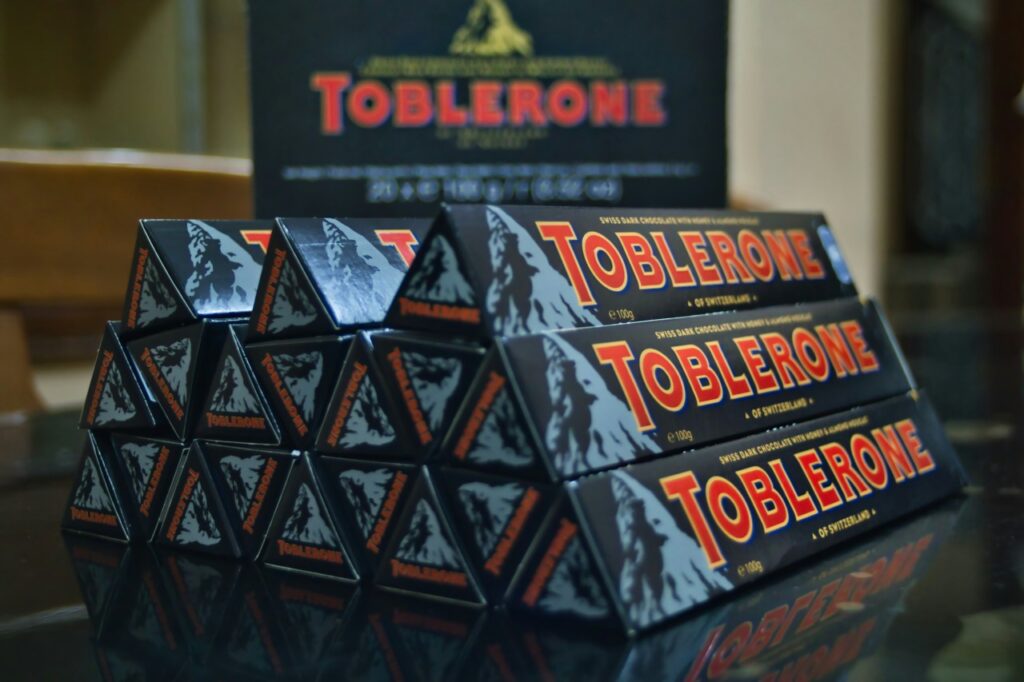
3. Toblerone
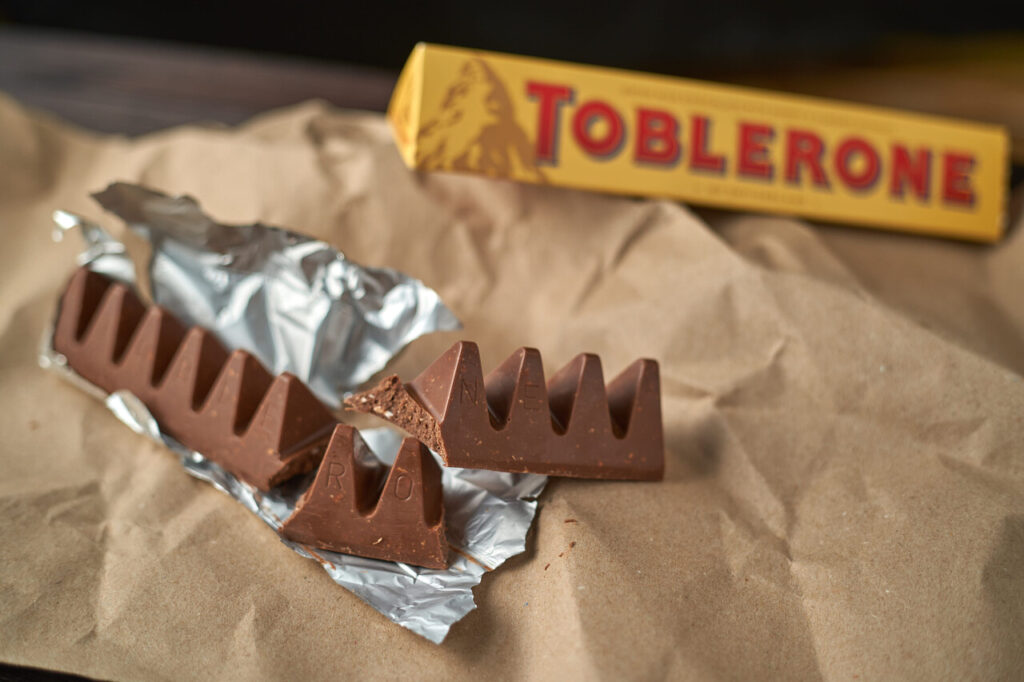
Shape can be just as important as taste, and Toblerone has always relied on both. The triangular peaks made it instantly recognizable and part of its overall experience.
When the spacing between the peaks was increased in certain markets, the bar’s weight was reduced without changing the packaging size. Even though the recipe remained largely the same, the perception of value changed quickly.
Consumers noticed the difference right away. The product still tasted familiar, but the visual and physical change affected trust. It showed that even small design adjustments can influence how a product is received.
4. KitKat
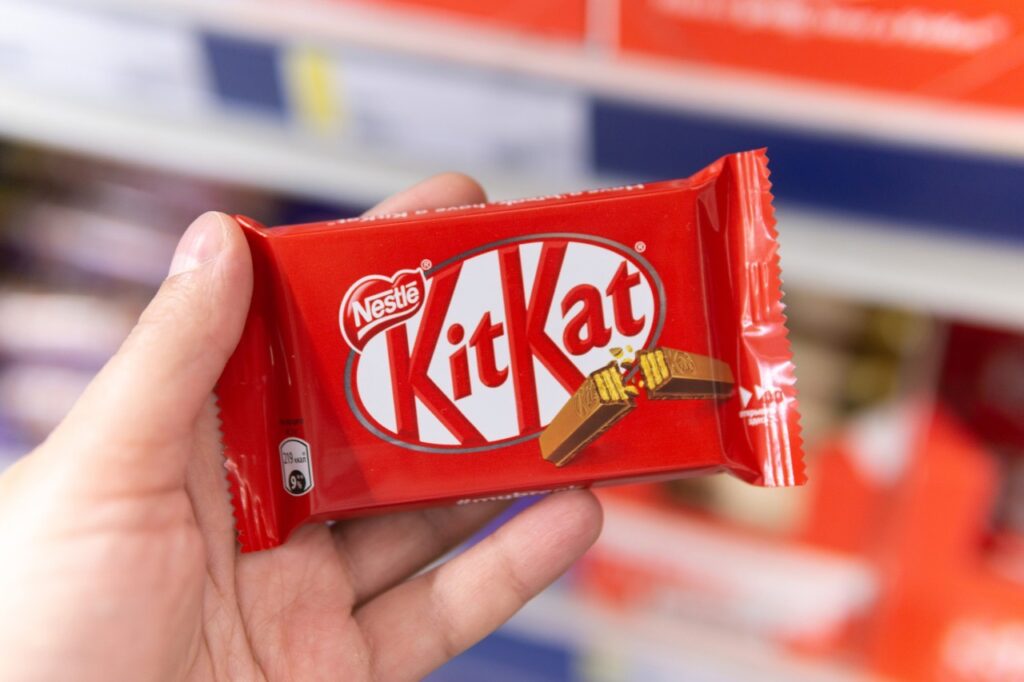
Balance is what defines KitKat. The combination of crisp wafer and smooth chocolate coating created a reliable texture that stayed consistent for years and made it easy for consumers to recognize with every bite.
Changes in chocolate sourcing and formulation in some regions have led to slight differences in sweetness and coating thickness. The wafer-to-chocolate ratio can feel slightly altered compared to earlier versions, especially for longtime fans.
These are subtle changes, but they matter. When a product depends on precision, even small shifts can affect the overall experience. Over time, those differences become easier to notice with repeat purchases.
5. Mars Bar
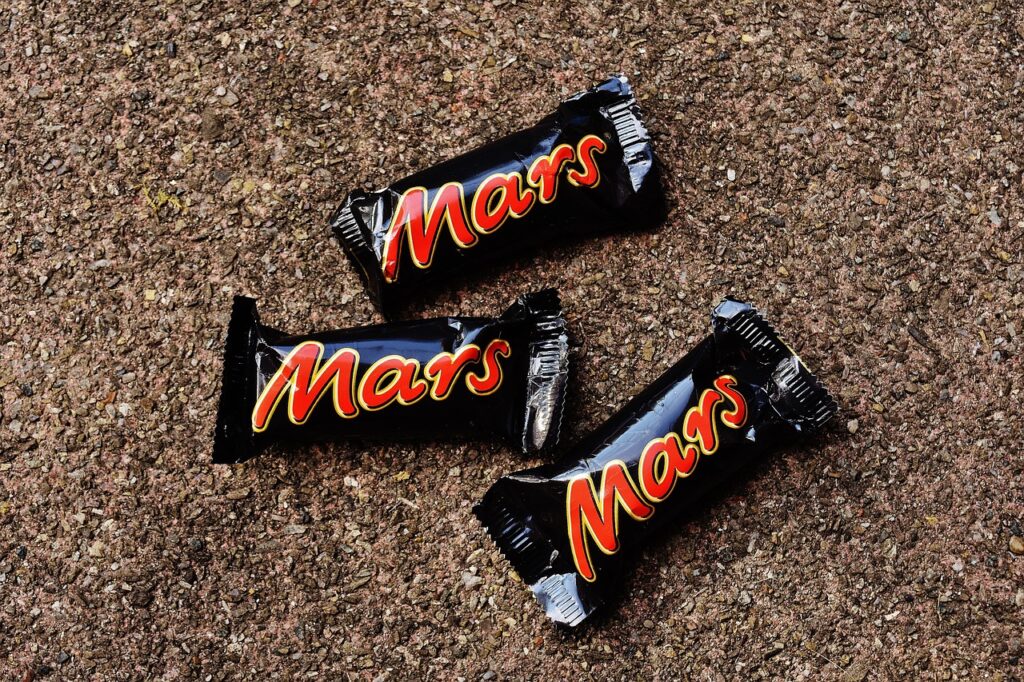
Consistency has always been central to Mars Bar. The blend of nougat, caramel, and chocolate created a predictable and satisfying texture that many consumers relied on for years and came to expect with every purchase.
Over time, ingredient adjustments and portion changes have affected that balance. Some consumers feel the chocolate has become slightly sweeter, while the nougat feels a bit different in texture and density than before.
These gradual shifts do not redefine the product, but they influence how it is perceived. When expectations are built over years, even minor changes can stand out and affect overall enjoyment for longtime buyers.
6. Snickers
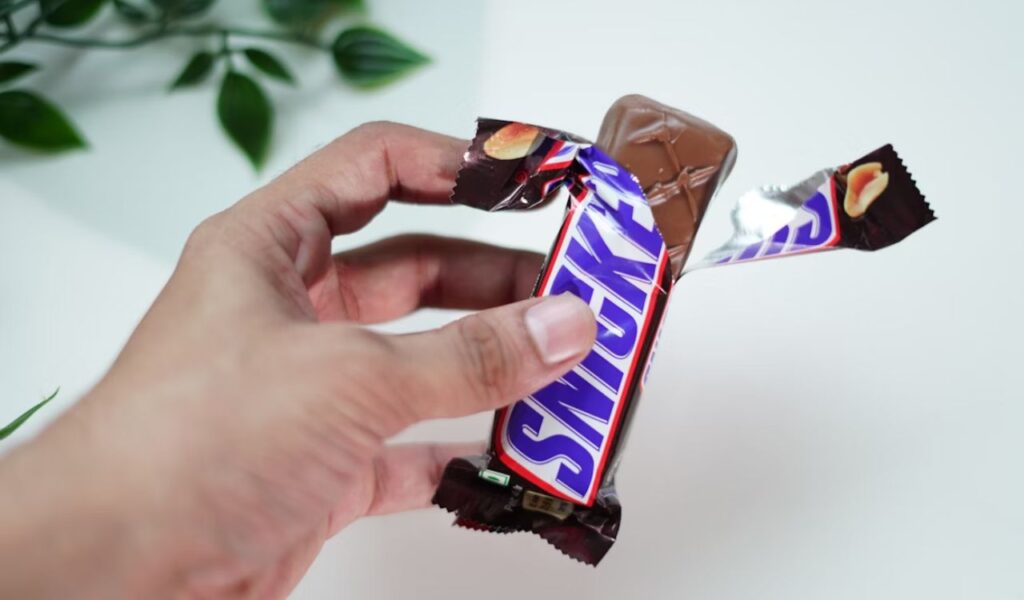
Familiarity is what makes Snickers so widely recognized. The mix of peanuts, caramel, nougat, and chocolate has remained largely consistent, giving it a dependable identity across markets and generations of consumers.
However, small changes in ingredient sourcing and formulation have occurred. Some consumers notice differences in caramel softness or peanut distribution, which slightly alter the texture and overall bite experience.
The bar still delivers its signature combination, but the details feel less precise. For a product known for reliability, even small variations can become noticeable over time and repeated consumption.
7. Hershey’s Milk Chocolate
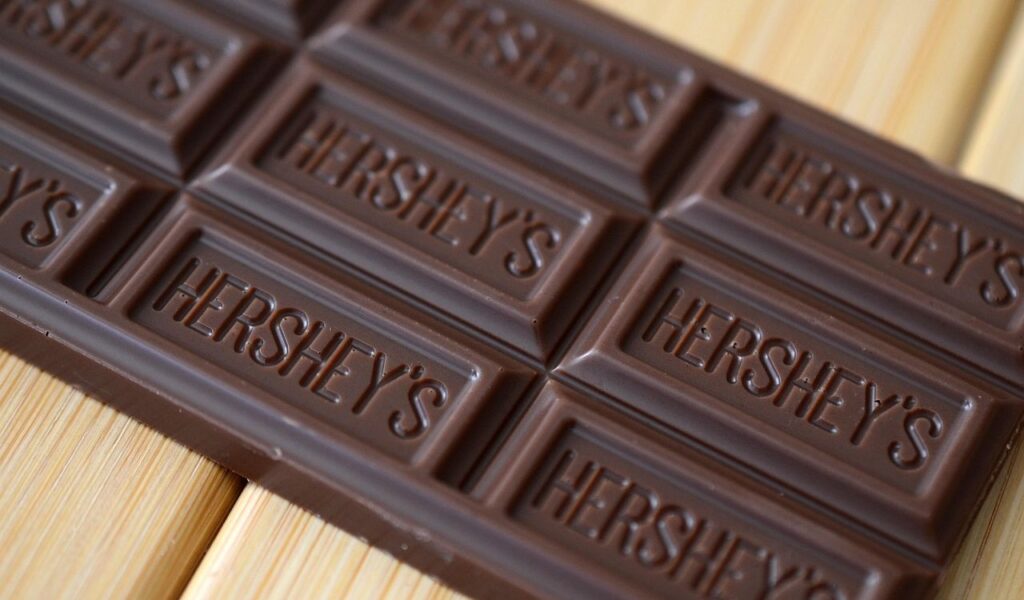
Distinct flavor is what defines Hershey’s Milk Chocolate. Its slightly tangy note, linked to its milk processing method, has always set it apart from smoother European-style chocolates and created a unique identity.
Over time, adjustments in ingredients and production have led to mixed reactions. Some consumers feel the chocolate has become sweeter and less complex, with subtle changes in texture and melt quality as well.
The brand remains iconic, but expectations have evolved. As tastes change, even small shifts in formulation can influence how the chocolate is experienced and remembered by regular buyers over time.
8. Milky Way
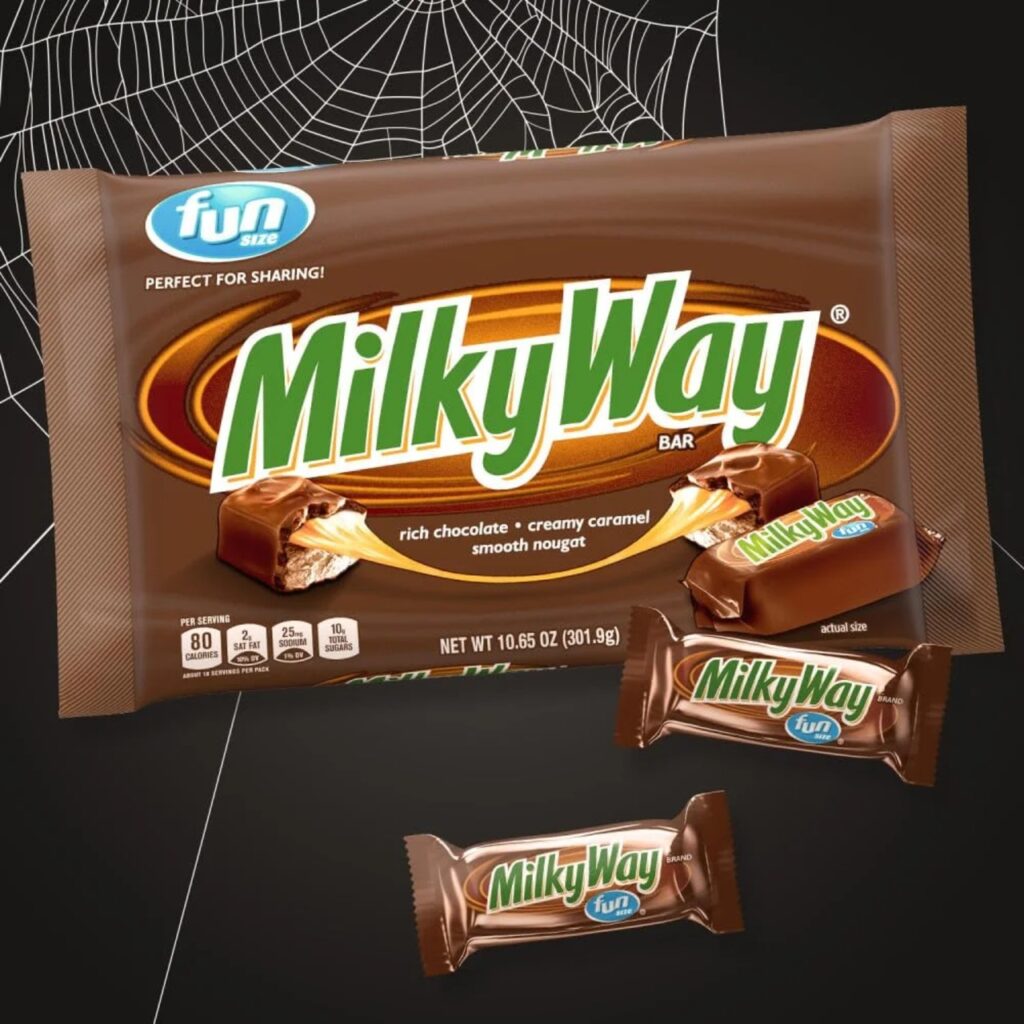
Lightness once made Milky Way feel different from heavier candy bars. The soft nougat and caramel created a texture that felt easy to eat and less dense compared to similar products in the same category.
Changes in formulation and portion size have gradually altered that balance. Some versions feel sweeter and slightly heavier, which changes how the bar is perceived during consumption and aftertaste.
These adjustments are small but cumulative. Over time, they affect how the product compares to its earlier version. For longtime fans, the difference becomes more noticeable with repeated purchases and familiarity.