11 Classic American Meals That Began as Budget Food During Hard Times

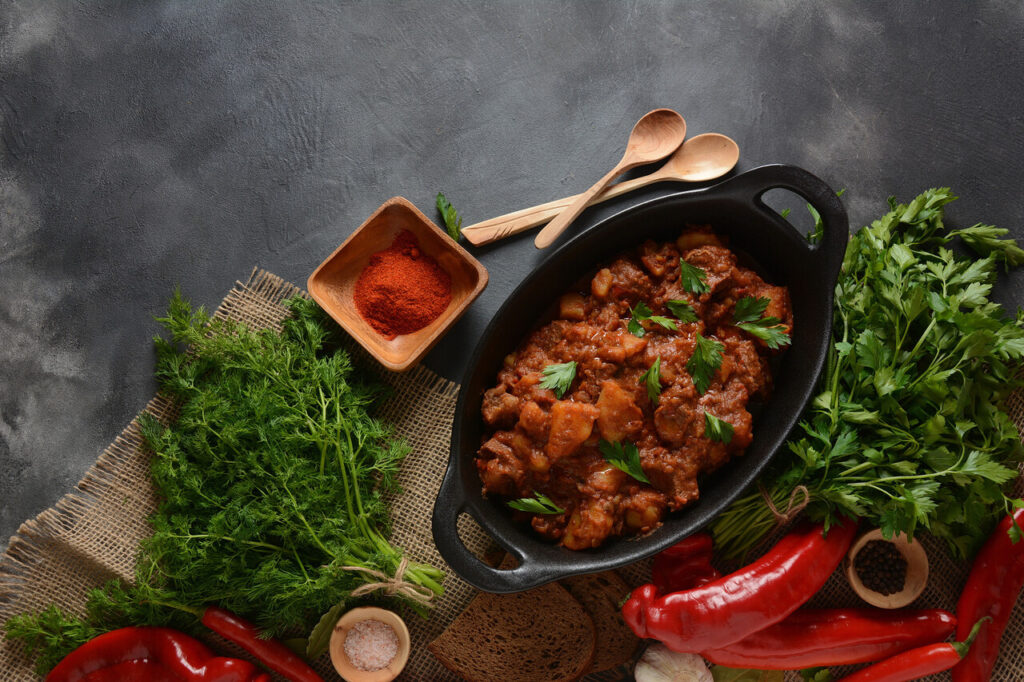
Hard times shaped some of America’s most enduring meals. When budgets were tight and ingredients scarce, home cooks relied on cheap staples, smart substitutions, and clever techniques to make food stretch. The result was a lineup of dishes that filled plates without emptying wallets. Many of them still show up today, not because we have to make them, but because they taste like comfort and common sense.
1. Meatloaf Turned Kitchen Scraps Into Something That Felt Like Dinner
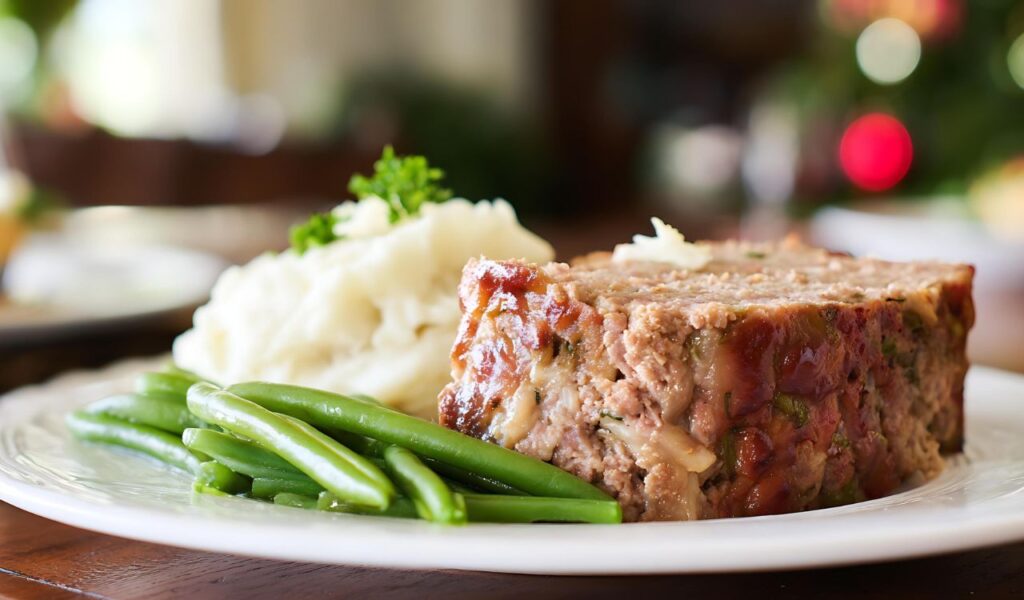
Meatloaf was never meant to be glamorous. It was born from thrift. Families mixed small amounts of ground beef with breadcrumbs, oats, crushed crackers, or even leftover vegetables to stretch every ounce of protein. During the Great Depression and later rationing periods, that stretch mattered. Breadcrumbs trapped juices and made the loaf feel bigger and more filling, which meant fewer grocery runs and more satisfied bellies. Baking it in one pan also saved fuel and time. The result was practical food that sliced neatly and reheated well the next day. What started as a budget trick slowly became comfort food, partly because it was dependable. You could change the seasoning, add ketchup or gravy, and feed a crowd without overspending. That reliability is why it stuck around long after hard times eased.
2. Goulash Made a Single Pound of Beef Feed the Whole Table
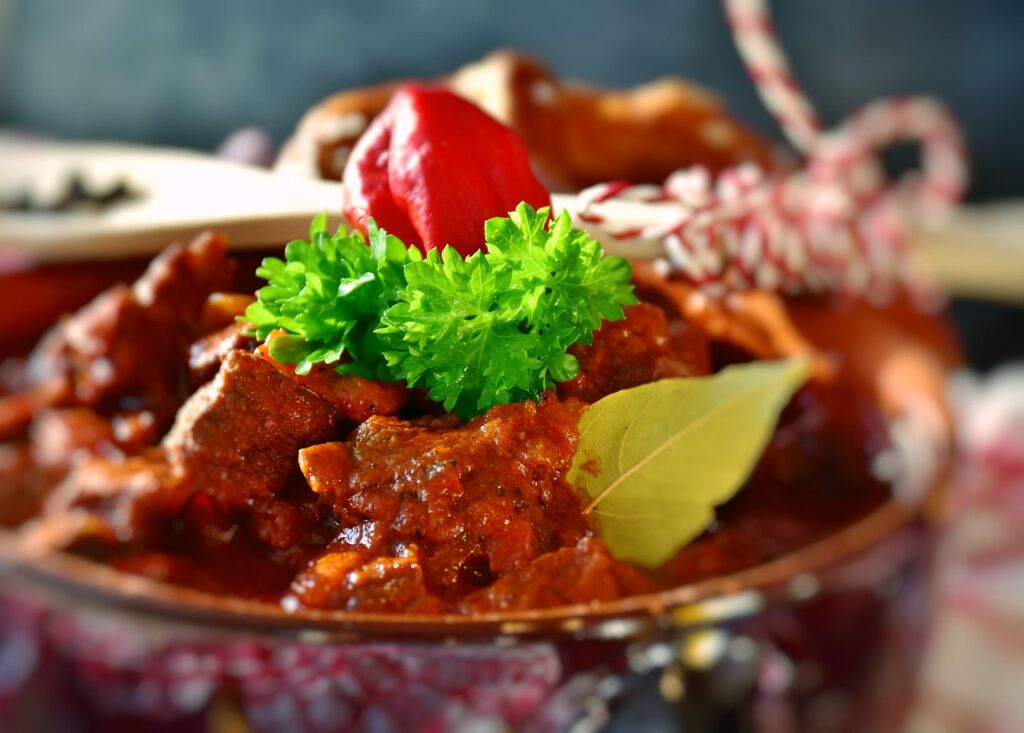
American goulash, sometimes called American chop suey, is less about tradition and more about stretching. Elbow macaroni, canned tomatoes, onions, and a small amount of ground beef simmer together into a thick, saucy pot that feeds many for very little. Pasta was cheap, shelf-stable, and filling, so it did most of the heavy lifting. The meat simply flavored the dish rather than dominating it. Everything cooks in one pot, which saves fuel and minimizes cleanup. That efficiency mattered when money and time were both tight. It also reheated well, which made it ideal for leftovers and lunch pails. Today it reads like a cozy weeknight dinner, but its roots are practical. It solved the everyday problem of how to make a modest pantry look abundant.
3. Cornbread and Beans Proved Two Cheap Staples Could Feel Complete
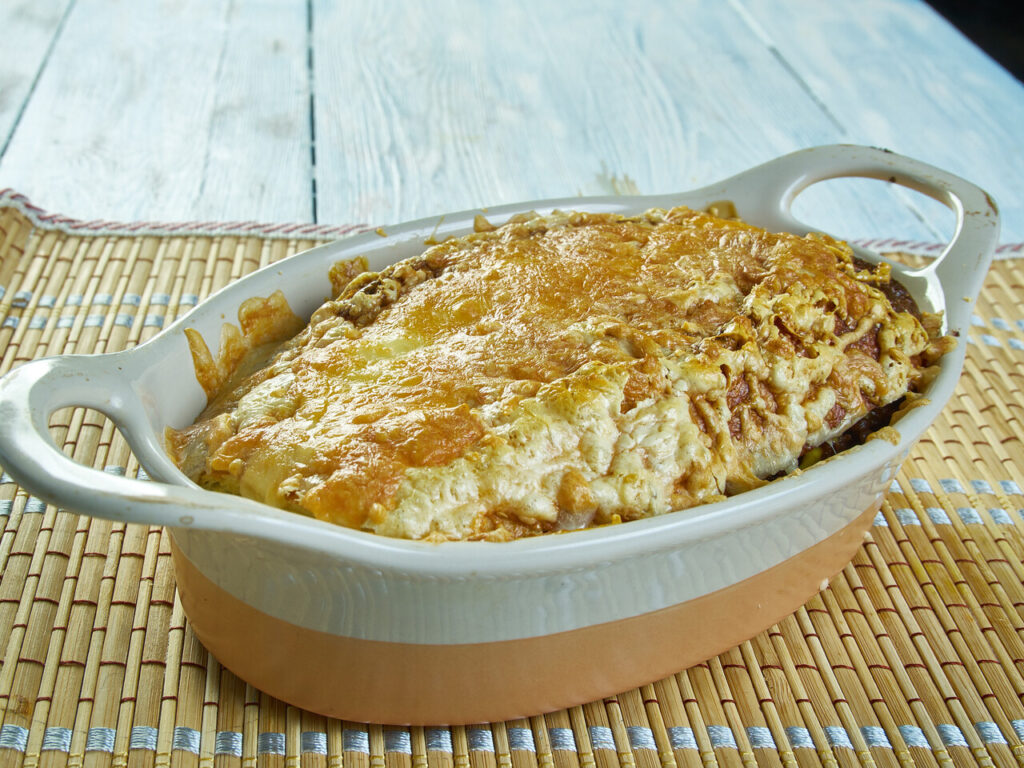
Cornmeal and dried beans were pantry insurance. Both were inexpensive, stored for months, and required little more than water and heat. Together, they formed a balanced meal long before anyone used the phrase complete protein. Beans delivered fiber and protein, and cornbread offered calories and comfort. The pairing was simple enough for any skill level and scaled easily for big families. You could cook a pot of beans in the morning and bake cornbread in the same oven or skillet. The meal felt warm and substantial without relying on costly meat. For many households, this combination showed up several nights a week because it worked. Even now, the appeal is clear. It tastes honest, fills you up, and respects your budget.
4. Potato Soup Turned the Cheapest Vegetable Into Pure Comfort
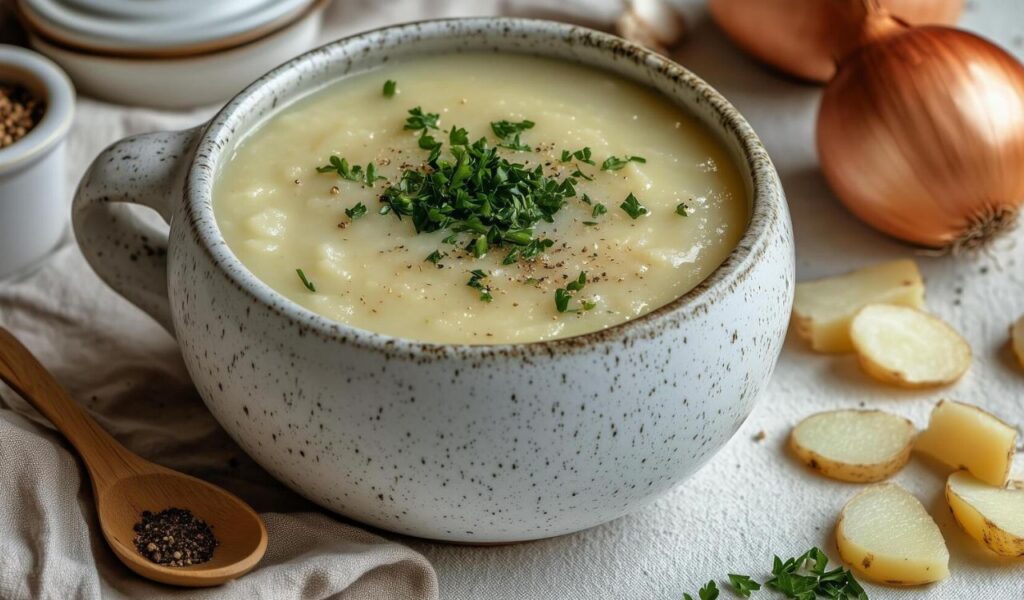
If you wanted to feed a crowd cheaply, potatoes were the answer. They were affordable, widely available, and incredibly filling. Potato soup took that advantage and amplified it. Dice a few potatoes, add onion, broth, maybe milk or a bit of fat, and you have a hearty pot that feels richer than it costs. The starch naturally thickens the broth, so there is no need for extra ingredients. During lean years, even scraps like bacon drippings or leftover vegetables could deepen the flavor. The soup stretched easily with water and still tasted satisfying. It warmed cold kitchens and provided real staying power. That combination of cost and comfort explains why potato soup became a staple rather than just a side dish.
5. Biscuits and Gravy Built a Full Meal From Pantry Basics
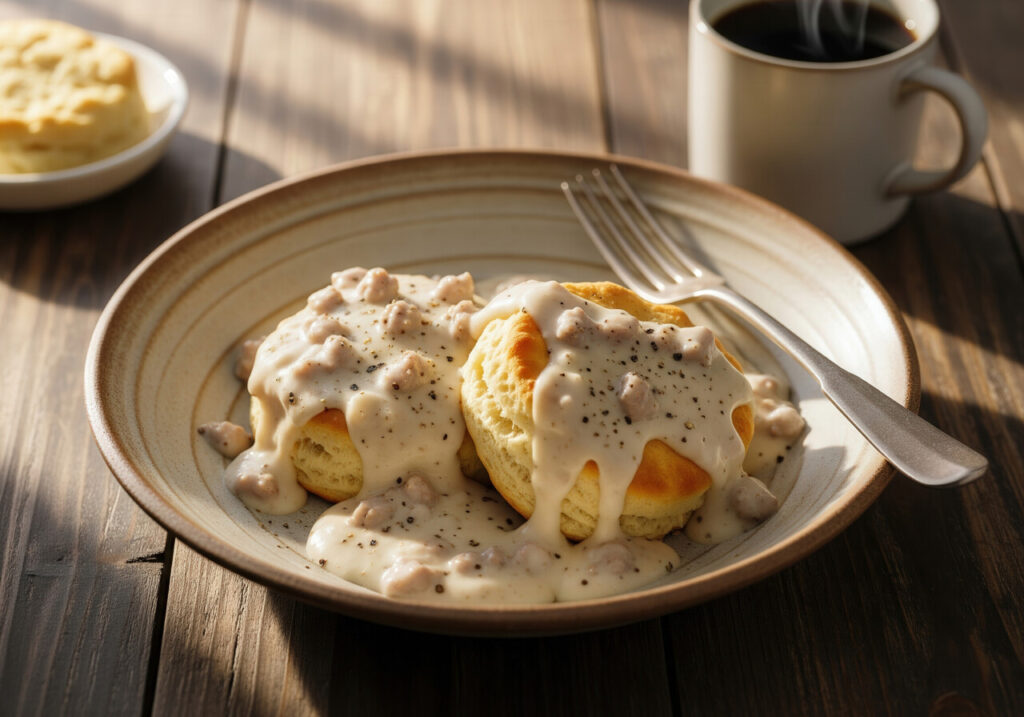
Flour, fat, and milk can do a lot. With those three, you get biscuits. Add sausage drippings and a little more flour, and you have gravy. That’s the entire logic behind biscuits and gravy. It was a way to turn basic, inexpensive staples into a hot, filling breakfast that kept people fueled for physical work. The gravy made use of every bit of fat, so nothing went to waste. Even when meat was scarce, the flavor carried through the sauce. The dish comes together quickly and feeds many, which makes it perfect for large households. What began as a necessity eventually became a tradition. Today, it feels indulgent, but its roots are practical and economical.
6. Macaroni and Cheese Stretched Dairy Into a Crowd Pleaser
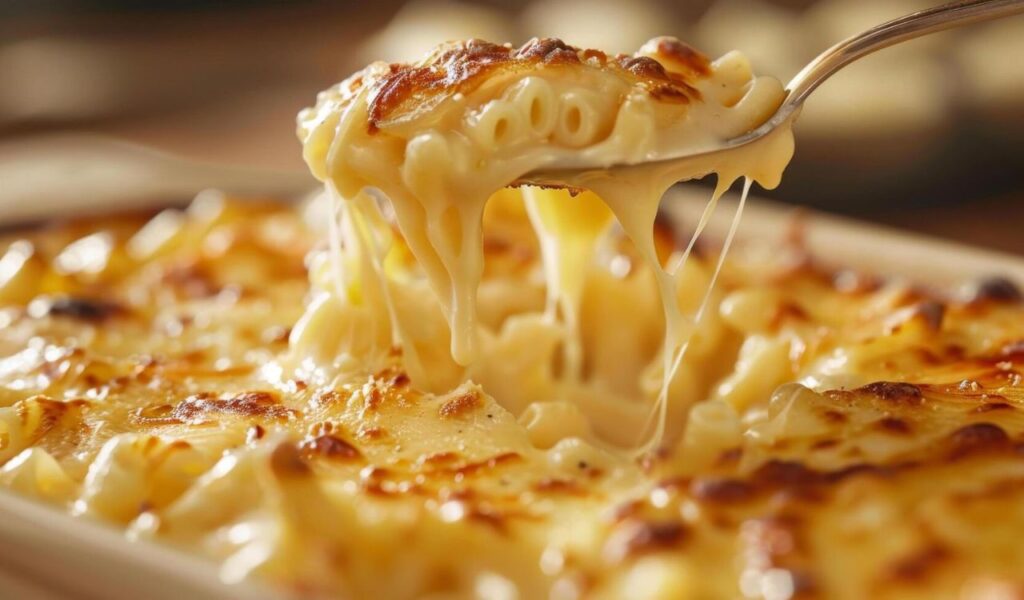
Macaroni and cheese has always been about value. Dry pasta was cheap and lasted forever on the shelf. Cheese, even in small amounts, delivered strong flavor and richness. Combine the two, and you get a dish that tastes more luxurious than its cost suggests. During hard times, cooks used evaporated milk, powdered cheese, or a simple roux to stretch dairy further. The starch from the pasta helped thicken everything into a creamy sauce, so you needed less cheese than you might think. It also baked well, which meant you could make a big pan and serve multiple meals. That efficiency turned it into a household favorite. It is still one of the easiest ways to feed a family on a tight budget.
7. Peanut Butter Sandwiches Delivered Protein Without the Price Tag

When meat became expensive or scarce, peanut butter stepped in. It is shelf-stable, affordable, and surprisingly rich in protein and calories. Spread on bread, it created an instant meal that required no cooking and almost no cleanup. For families juggling multiple jobs or limited fuel, that convenience mattered. Peanut butter also kept well without refrigeration, which reduced waste. Kids could pack it for school, adults could take it to work, and it still tasted satisfying hours later. The simplicity is the point. Two slices of bread and a spoonful of peanut butter solved hunger quickly. That reliability helped it become a staple rather than a last resort.
8. Fried Cabbage Turned an Overlooked Vegetable Into a Filling Side
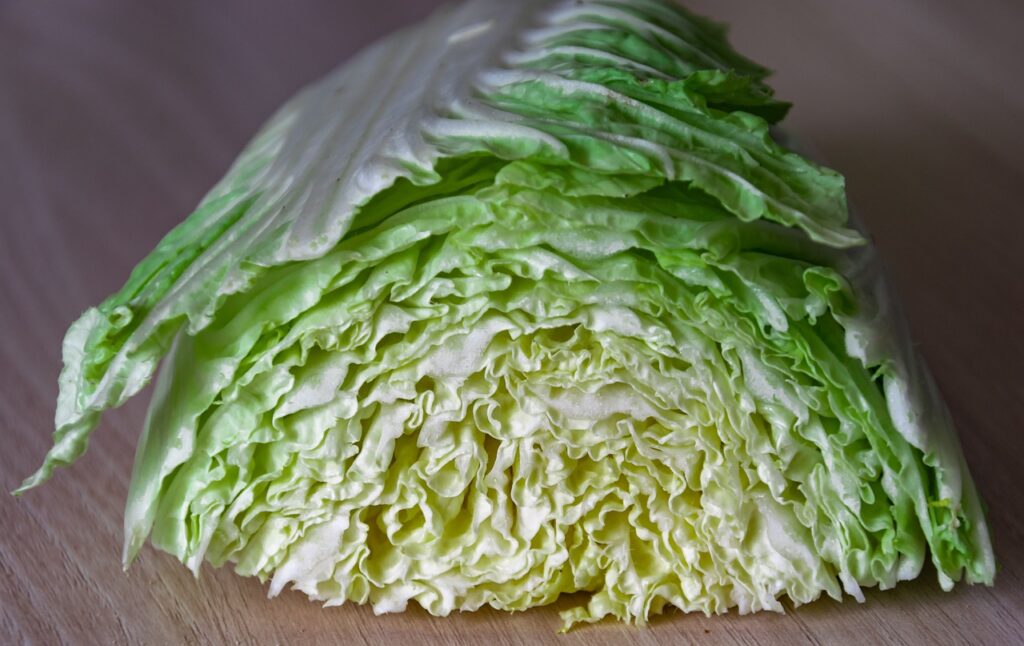
Cabbage is inexpensive, lasts a long time in the fridge, and shrinks dramatically when cooked. That made it ideal for tight budgets. Frying or sautéing cabbage with onions and a little fat transforms it from bland to deeply savory. Even small additions like bacon scraps or sausage drippings could flavor an entire pan. Because it cooks down so much, one head feeds several people. During lean years, that efficiency was gold. It also pairs easily with cornbread, beans, or potatoes, stretching a meal further without extra cost. The dish proves that technique matters as much as ingredients. With heat and seasoning, a humble vegetable becomes satisfying comfort food.
9. Chicken and Dumplings Stretched a Single Bird Beyond Its Limits
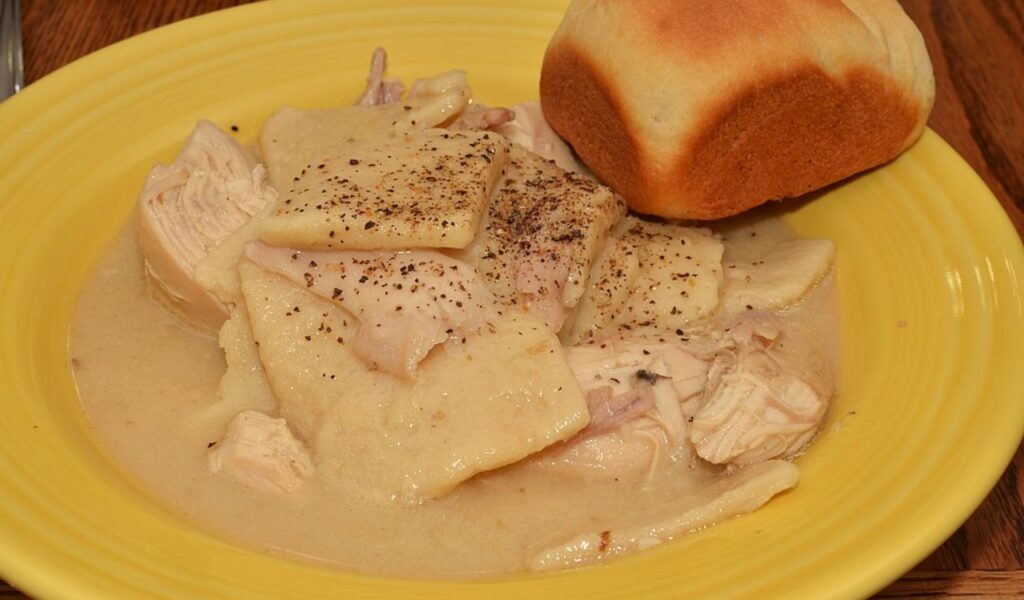
A whole chicken can go a long way if you use it wisely. Chicken and dumplings takes that idea seriously. The bird is simmered to make broth, the meat is shredded, and simple dough dumplings are added to bulk up the pot. The dumplings soak up flavor and add substance without much expense. Flour and water do most of the work. The result feels hearty and rich, even though the meat is modest. It also makes use of every part of the chicken, which reduces waste and lowers cost. For families watching every dollar, this dish provided both nourishment and comfort. That efficiency is why it remains a beloved classic.
10. Sloppy Joes Stretched Ground Beef With Sauce and Smarts
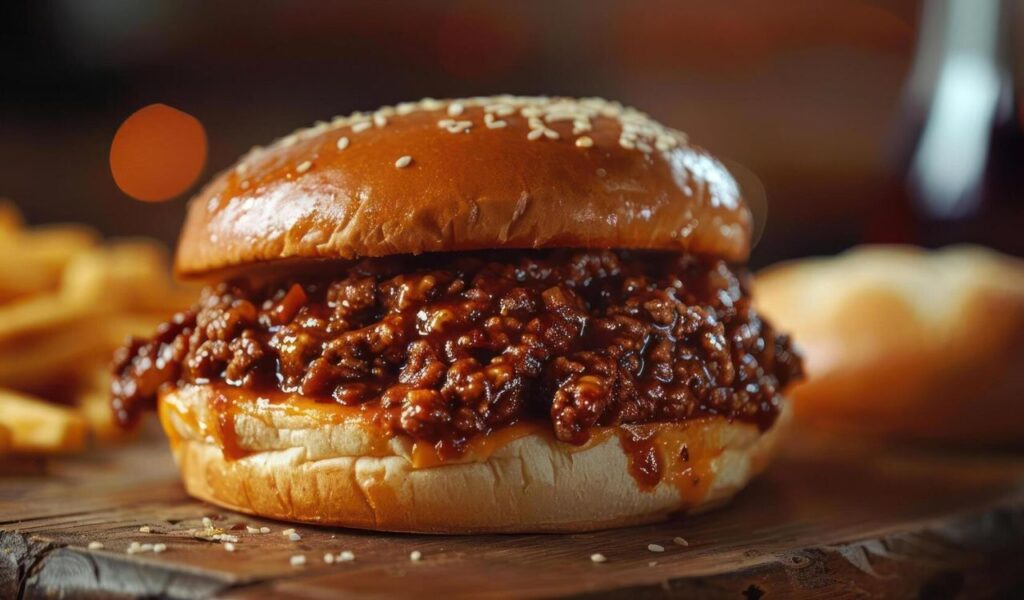
Sloppy Joes are a lesson in stretching protein. Ground beef cooks with onions, tomato sauce, and seasonings, creating a saucy mixture that feels generous even when the meat portion is small. The sauce adds bulk and flavor, so you can feed more people with less beef. Served on simple buns, the meal is portable and quick to assemble. That made it popular in school cafeterias and busy homes alike. It also relies on pantry staples, which keeps costs predictable. The messy look hides a practical strategy. It is designed to maximize every ounce of meat while still tasting bold and satisfying. That balance of thrift and flavor keeps it relevant today.
11. Beans and Cornbread Casserole Combined Staples Into One Hearty Dish
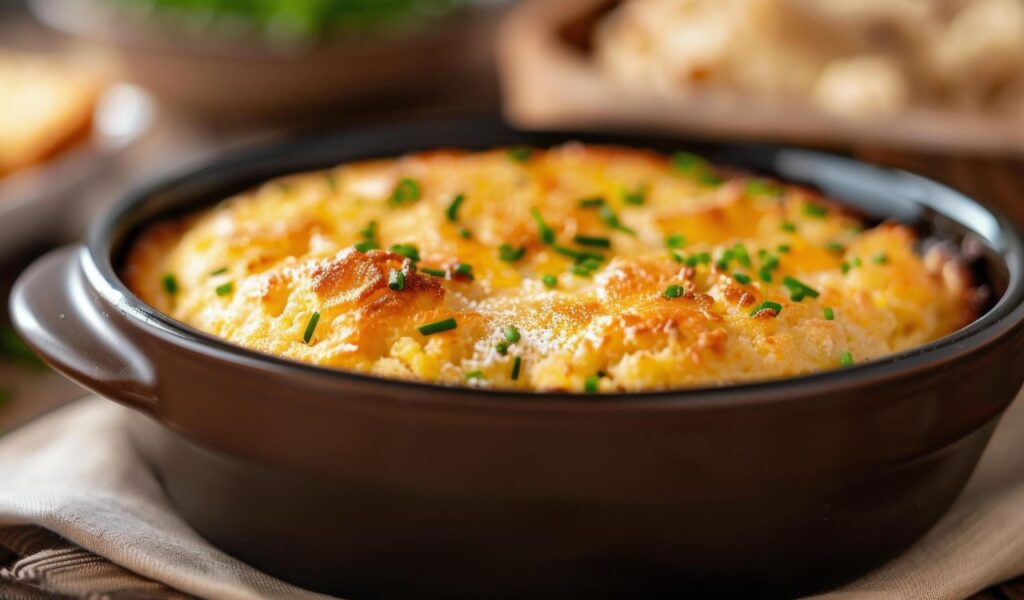
Layering beans with a cornbread topping turned two cheap staples into a complete meal. The beans provide protein and fiber, while the cornbread adds structure and calories. Baking everything together saves time and fuel, which mattered when both were limited. The cornbread crust soaks up the bean juices, creating a cohesive dish that tastes richer than its parts. It also travels well and reheats easily, making it practical for leftovers or community meals. Casseroles in general became popular during tough economic periods because they stretch ingredients and simplify cooking. This one is a perfect example. It proves that smart combinations can feel abundant even when resources are tight.