13 Food Labels That Mislead Shoppers Into Thinking Products Are Healthier Than They Are

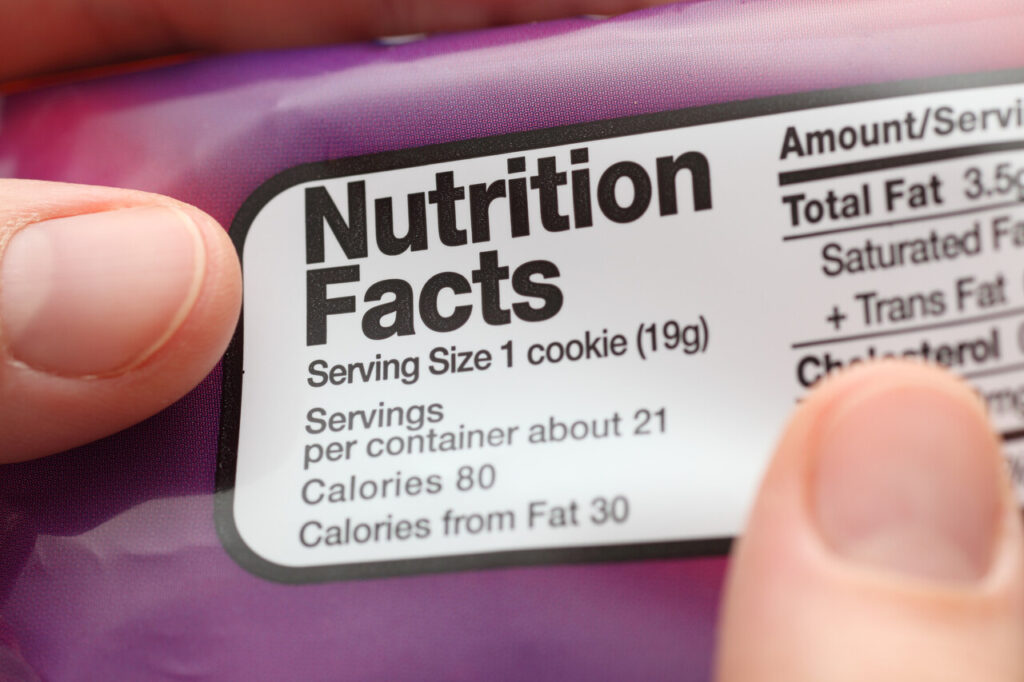
Walk down any grocery aisle, and you’ll see the same quiet trick repeated over and over. A handful of friendly words on the front of a package, sugar-free, natural, light, organic, and suddenly a processed snack feels like a smart choice. Here’s the problem. Most of those labels are technically true but strategically vague. They highlight one small benefit while hiding everything else that matters. Once you understand how food labeling rules actually work, you start to see how easily shoppers get nudged into buying products that aren’t healthier at all. What this really means is simple. The front of the box sells you a story, but the nutrition panel tells the truth.
1. Sugar-Free Often Means Sweetened in Disguise Rather Than Truly Healthier

Here’s the thing. Sugar-free sounds like the gold standard, like you’re sidestepping every dietary concern in one move. But legally, sugar-free only means a product contains less than 0.5 grams of sugar per serving. It does not mean unsweetened, low-calorie, or metabolically neutral. Many of these foods rely on sugar alcohols, artificial sweeteners, or high-intensity substitutes that still affect cravings and digestion. Some even add extra fat or starch to compensate for lost flavor and texture. That’s why sugar-free cookies or candy can end up with nearly the same calorie count as the regular version. You are trading one ingredient for a chemistry experiment, not necessarily improving nutrition.
2. Fruit-Flavored Rarely Means There Is Real Fruit Inside
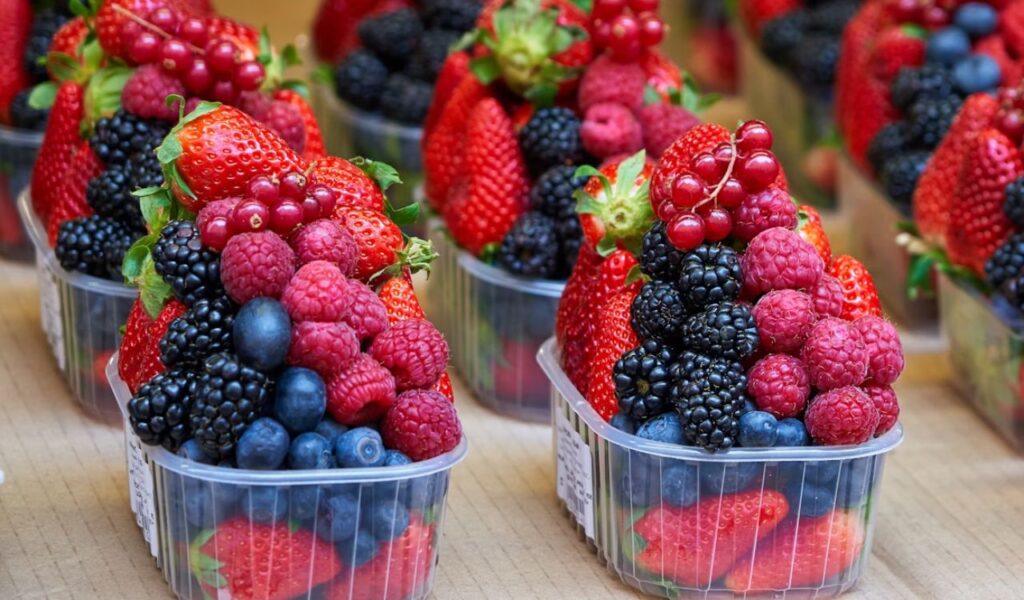
Fruit-flavored packaging leans heavily on pictures of berries, oranges, or tropical slices to imply freshness. In reality, fruit-flavored often means exactly what it says, flavor, not fruit. That flavor may come from artificial compounds or concentrates with little to no actual produce involved. You will often find these products contain refined sugar, corn syrup, and coloring, while the fruit content is negligible. Gummies, drinks, and snack bars use this label to create a healthy halo, but nutritionally, they resemble candy. If the ingredient list does not show whole fruit or puree near the top, the fruit connection is mostly marketing theater rather than meaningful nourishment.
3. Gluten-Free Gets Treated Like a Wellness Badge Even When It Is Junk Food
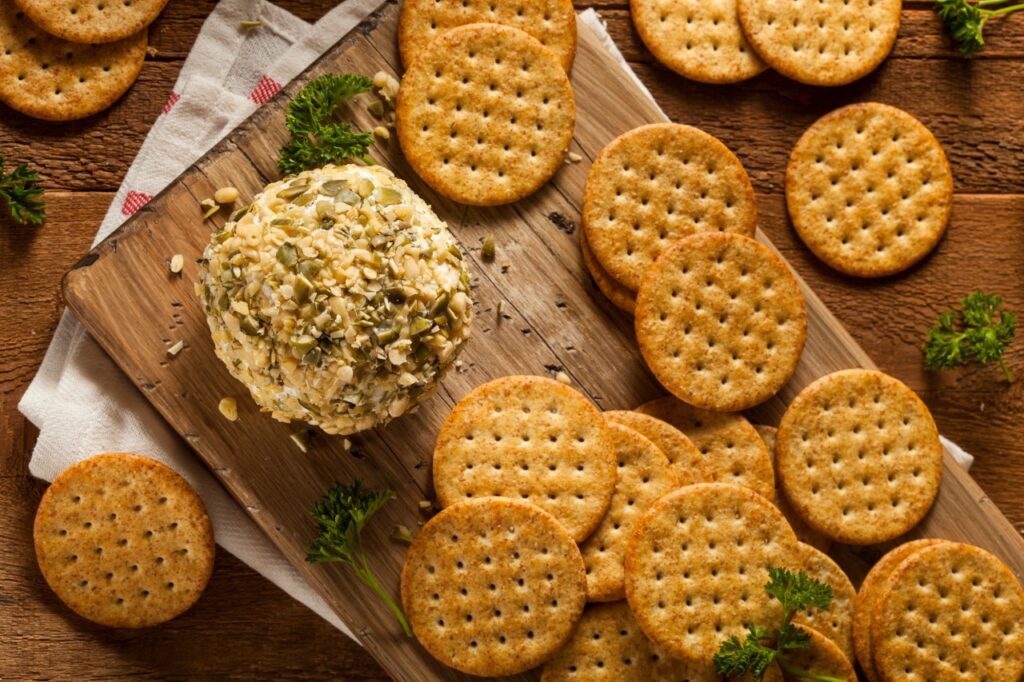
For people with celiac disease or gluten intolerance, gluten-free labeling is essential. For everyone else, it has become shorthand for healthier, which is misleading. Many gluten-free breads, crackers, and baked goods swap wheat for refined rice flour, potato starch, and tapioca starch. These alternatives can be lower in fiber and higher on the glycemic index. That means faster blood sugar spikes and less satiety. You often end up with a product that is more processed than the original. Unless you medically need to avoid gluten, the label does not guarantee better nutrition and can sometimes mean the opposite.
4. Light Only Means Lighter Than Something Else, Not Actually Light

Light feels like a promise of fewer calories or less guilt. Technically, it only means the product has fewer calories or less fat compared to its standard version, often about 25 percent less. That difference can still leave you with a food that is high in sugar, sodium, or additives. Light salad dressings, for example, may cut fat but add sugar and thickeners to keep the texture appealing. Light chips might be slightly lower in fat, but still easy to overeat. The term is relative, not absolute. It compares two versions of the same product, not the product against a healthy baseline.
5. Low-Calorie Can Hide Other Nutritional Tradeoffs You Would Never Notice
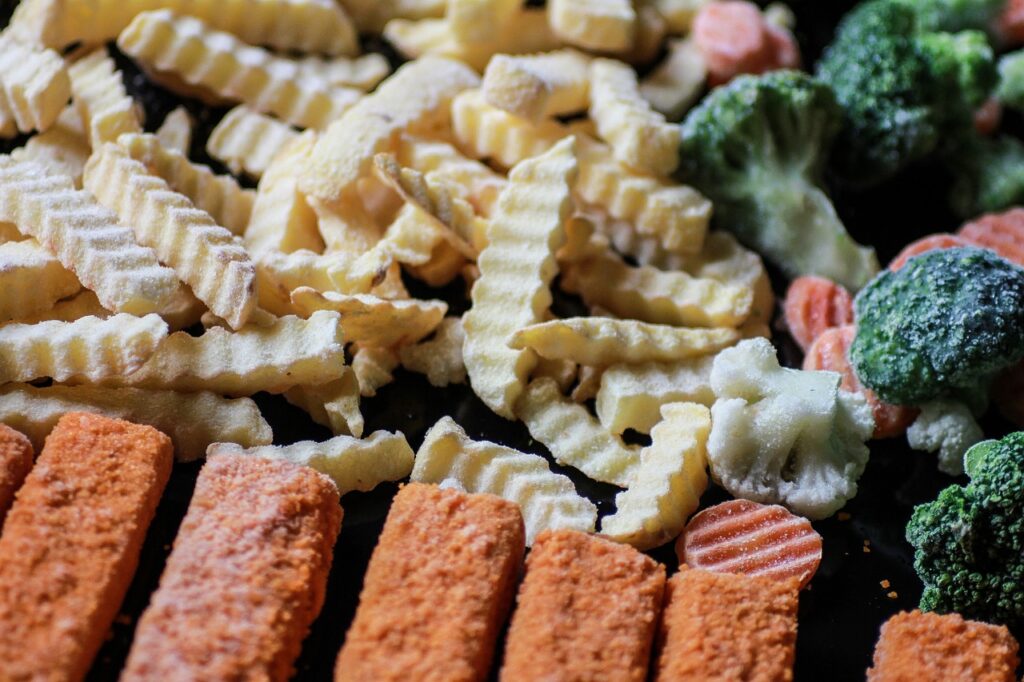
Low-calorie products focus attention on one number while distracting from everything else. Yes, they meet a specific calorie threshold per serving, but those servings are often tiny and unrealistic. A frozen meal might claim low calorie while packing in sodium levels that cover half your daily limit. Snack bars may be low-calorie yet loaded with refined carbs and little protein or fiber. When calories drop, flavor has to come from somewhere, usually salt, sweeteners, or processing tricks. So you save calories on paper but lose out on satisfaction and overall balance, which often leads to eating more later.
6. Low-Carb Has No Strict Definition, So It Can Mean Almost Anything
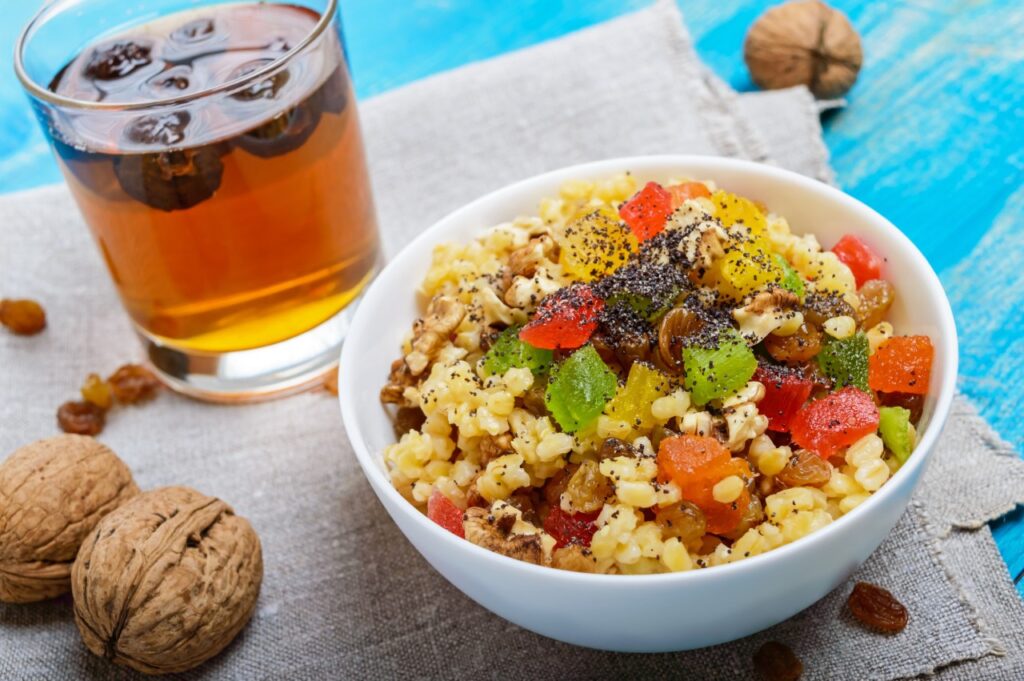
Unlike terms that are regulated by clear standards, low-carb is loosely defined and mostly marketing-driven. A company can label a product low-carb even if the difference from the regular version is minor. Worse, many low-carb foods replace carbohydrates with saturated fats, processed protein isolates, or artificial ingredients to mimic texture. You might cut carbs, but increase other things you did not intend to. The label says nothing about quality. A low-carb cookie is still a cookie. Without checking the full nutrition panel, you are trusting a vague phrase that has no consistent rules behind it.
7. Made With Whole Grains Often Means Mostly Refined Flour
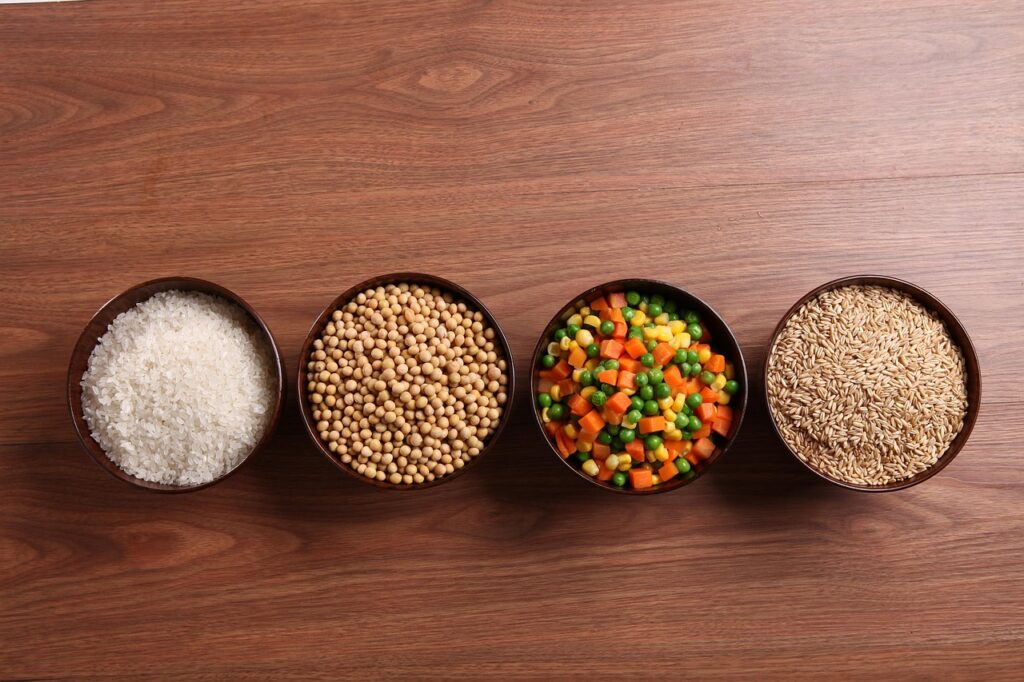
This phrase sounds wholesome and earthy, like a loaf baked from hearty grains. But made with whole grains can mean there is only a small amount mixed into mostly refined flour. Legally, even a token percentage qualifies. You might see whole grains listed after enriched wheat flour on the ingredient list, which means the refined stuff dominates. The bread may look darker because of added coloring like molasses or caramel. True whole-grain products usually say 100 percent whole grain or whole wheat as the first ingredient. Without that, the label is more about suggestion than substance.
8. Multigrain Sounds Nutritious Even When Every Grain Is Refined
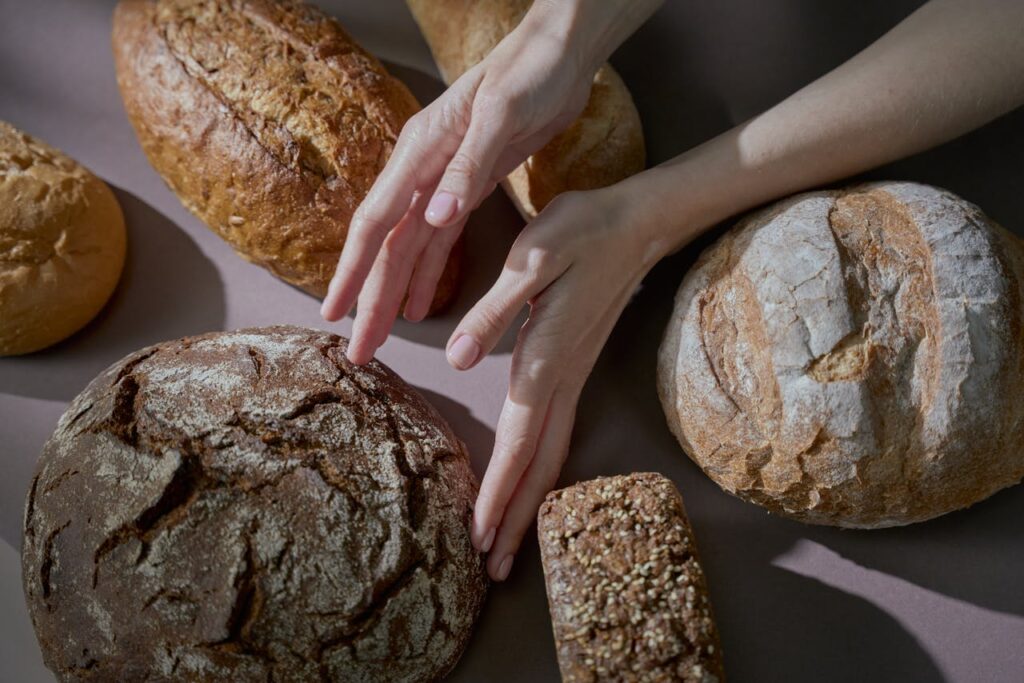
Multigrain feels impressive because it suggests variety. Multiple grains must be better than one, right? Not necessarily. Multigrain simply means more than one type of grain was used. Those grains can all be refined and stripped of fiber and nutrients. You might get white wheat flour, corn flour, and rice flour altogether, which changes very little nutritionally. The word creates an illusion of complexity and health without guaranteeing any whole or minimally processed ingredients. It is a textbook example of how language can sound healthy while saying almost nothing useful.
9. Natural Has No Real Standard Yet Carries Huge Emotional Weight
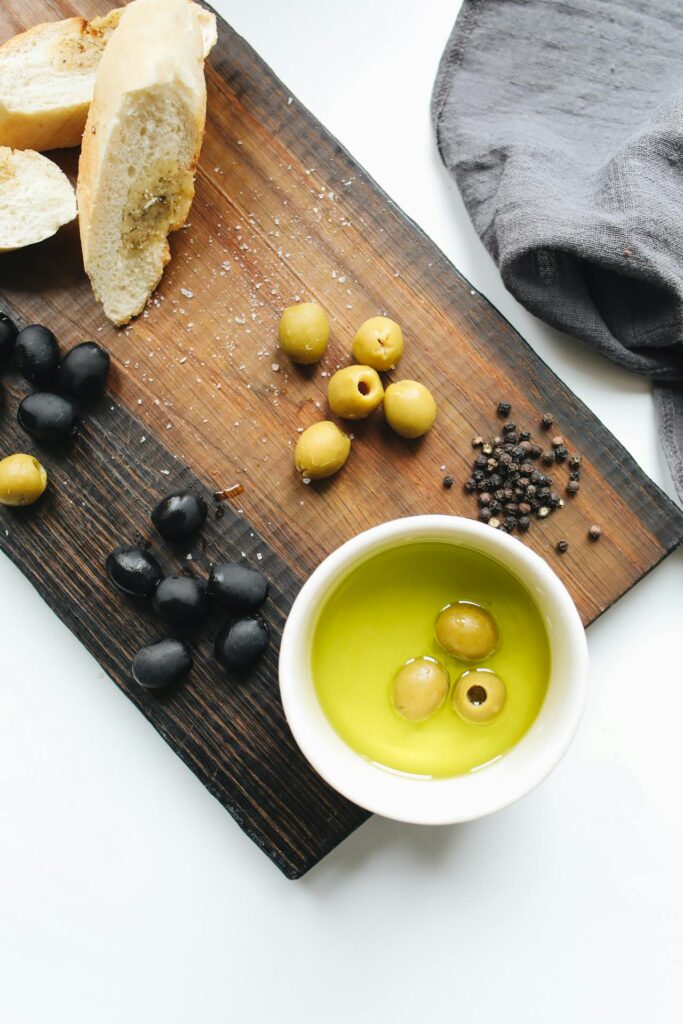
Natural might be the most powerful and least meaningful word in the grocery aisle. There is no strict, universal definition that prevents heavy processing or synthetic additives. A natural snack can still be made in a factory with stabilizers and flavor enhancers. The term taps into our instinct to trust anything that feels close to nature, but legally, it is often just a branding choice. Two products with identical ingredients might differ only because one uses the word natural. Without formal standards, it functions more as a vibe than a verified claim about quality or nutrition.
10. No Cholesterol Often Highlights Something That Was Never There Anyway
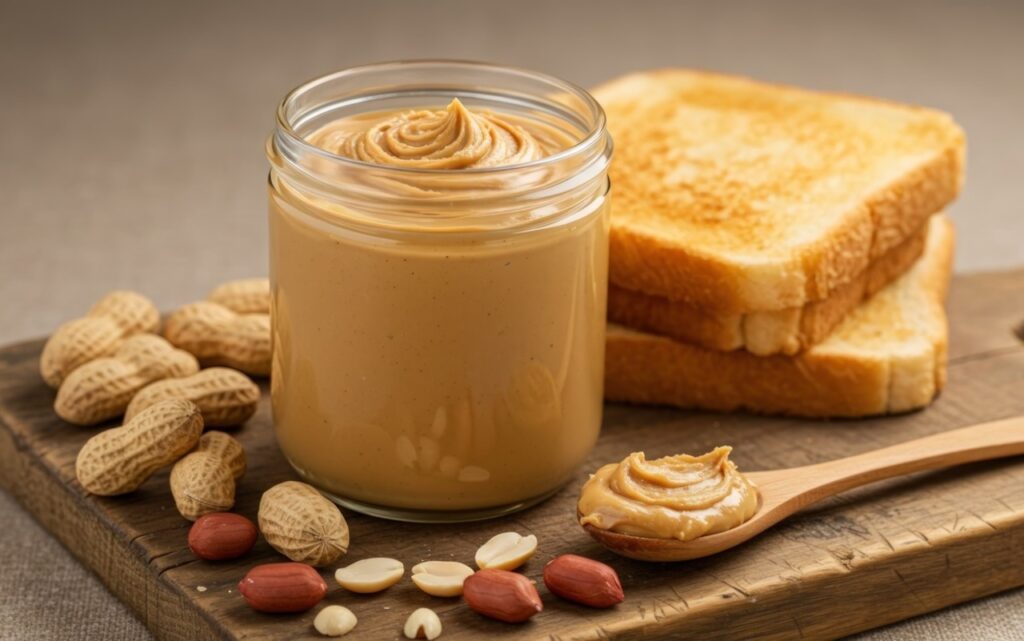
This one is almost comical once you notice it. Plant foods like peanut butter, vegetable oils, or crackers never contained cholesterol to begin with, because cholesterol comes from animal products. Yet packaging proudly states no cholesterol as if it is a special benefit. It is technically true but nutritionally irrelevant. It distracts shoppers from things that matter more, like added sugars or unhealthy fats. The label plays on the fear of cholesterol without adding useful information. It is a classic case of emphasizing an absence that existed all along just to look healthier.
11. Non-GMO Gets Treated as Healthier Even Though It Is Not a Nutrition Claim
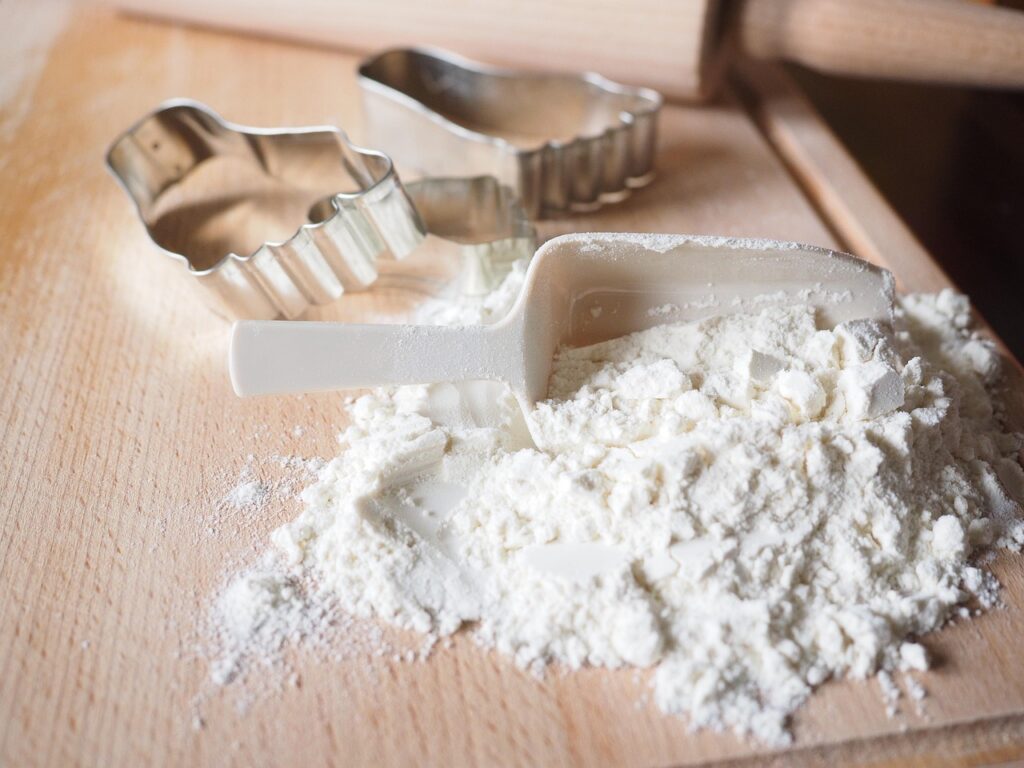
Non-GMO is about how crops are grown, not how nutritious the final food is. A cookie made with organic, non-GMO sugar and flour is still a cookie. The label does not change calorie density, fiber, or vitamin content. For shoppers concerned about agricultural practices, it can be meaningful. For health outcomes, it tells you very little. Companies know the term feels safer and cleaner, so it often appears on highly processed snacks. It becomes a moral signal rather than a nutritional one, which can mislead people into thinking the product is automatically better for them.
12. No Nitrates or Nitrites Added Can Still Mean Similar Preservatives Were Used
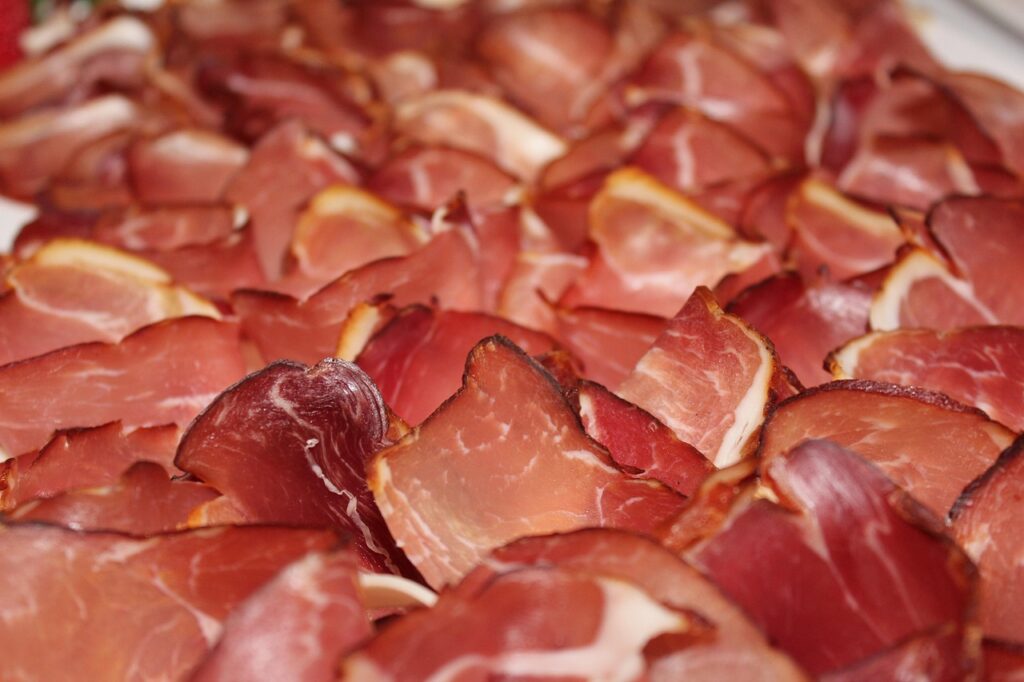
Processed meats often display no nitrates or nitrites added to suggest a cleaner product. The catch is that many use celery powder or other natural sources that contain the same compounds. Chemically, the body treats them similarly. The label exploits the idea that natural equals safer, even when the preservation method works in nearly the same way. You are not necessarily avoiding what you think you are avoiding. It is more of a wording workaround than a meaningful difference in how the meat was cured or how it behaves nutritionally.
13. Organic Does Not Automatically Mean Lower Calories or Healthier Choices
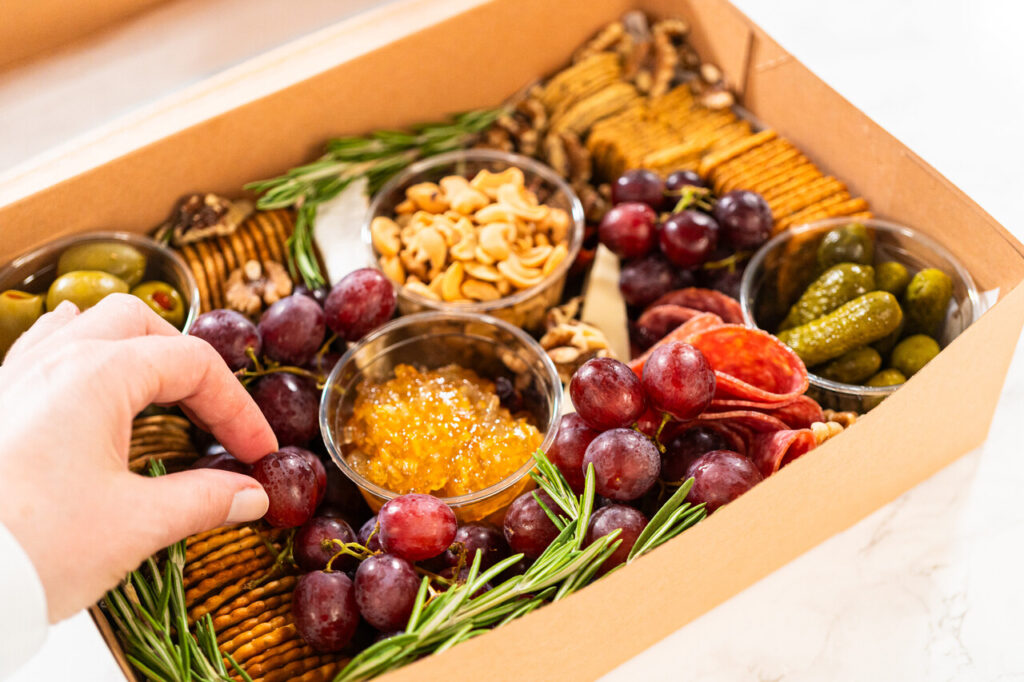
Organic standards regulate how ingredients are grown and processed, limiting certain pesticides and synthetic inputs. That can matter for environmental or farming reasons. But nutritionally, an organic cookie and a regular cookie are still very similar. Organic sugar is still sugar. Organic chips still contain fat and salt. The label can create a strong health halo that encourages overconsumption because people feel virtuous buying it. While organic farming has benefits, it is not a shortcut to healthy eating. You still have to read the nutrition panel and treat the food for what it is, not what the label suggests.