10 Grocery Brands Shoppers Avoid for Questionable Ingredients


Grocery aisles are packed with familiar logos, yet more shoppers are pausing to read ingredient labels before tossing items into their carts. Growing awareness around additives, artificial colors, preservatives, and heavy processing has changed how people judge everyday brands. This does not mean every product is unsafe, but it does explain why trust has become more selective. Some well known grocery companies still rely on formulations that feel outdated to label conscious consumers. Understanding which brands raise the most questions can help shoppers make choices that better match their personal standards without feeling overwhelmed.
1. Kraft Heinz
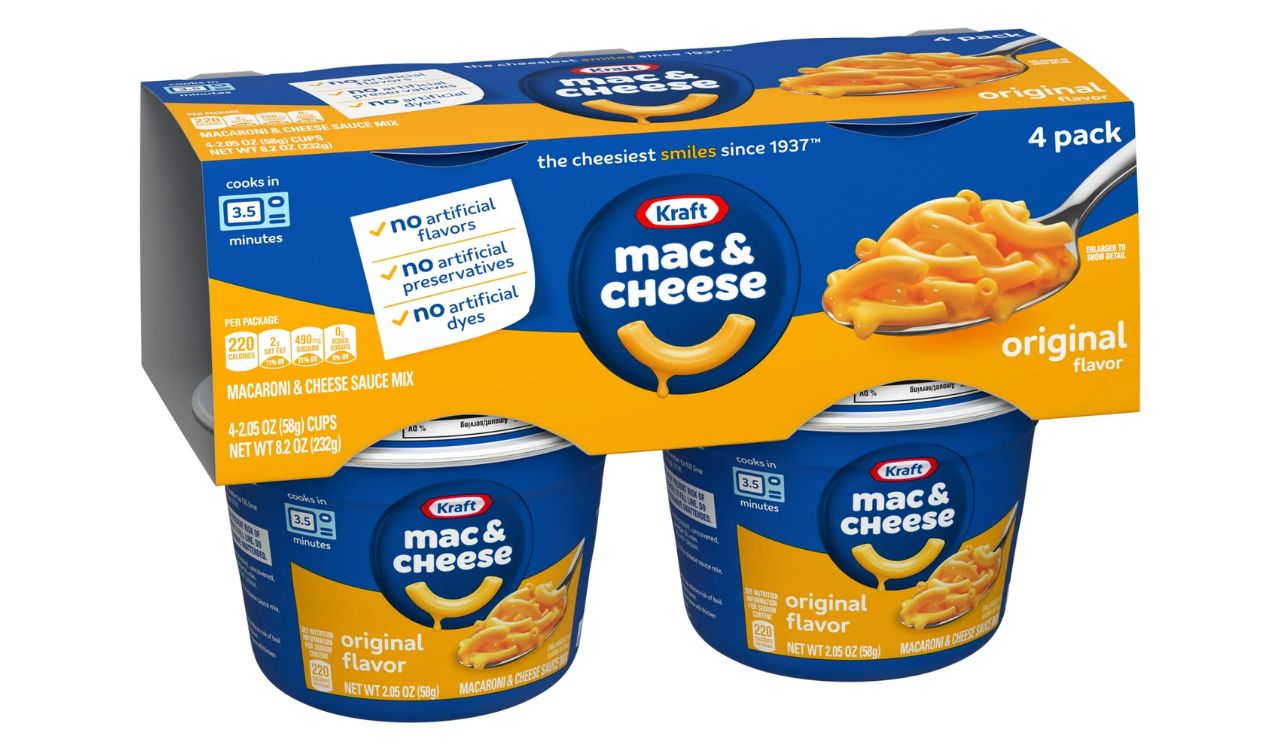
Kraft Heinz is often flagged by shoppers who carefully read labels because several of its classic packaged foods rely on artificial colors, preservatives, and highly processed ingredients. Products like boxed macaroni, flavored sauces, and certain dressings may contain artificial dyes or additives added mainly for appearance and shelf life. While the company has removed some artificial ingredients from select lines, many legacy products still reflect older formulations. For shoppers prioritizing shorter ingredient lists or minimally processed foods, this inconsistency across product lines is a common concern, especially when similar alternatives exist with simpler formulations.
2. General Mills
General Mills appears on many shopper watch lists due to ingredients used in some cereals, snack bars, and baking mixes. Certain products include artificial colors, flavor enhancers, or added sugars that exceed what many nutrition focused consumers prefer. Although the company has made public commitments to reformulate some items, progress varies by product and region. Families shopping for everyday breakfast or pantry staples often find they must check each label closely. This extra effort is why General Mills is sometimes avoided by shoppers seeking consistent ingredient standards across a brand’s full lineup.
3. Kellogg’s
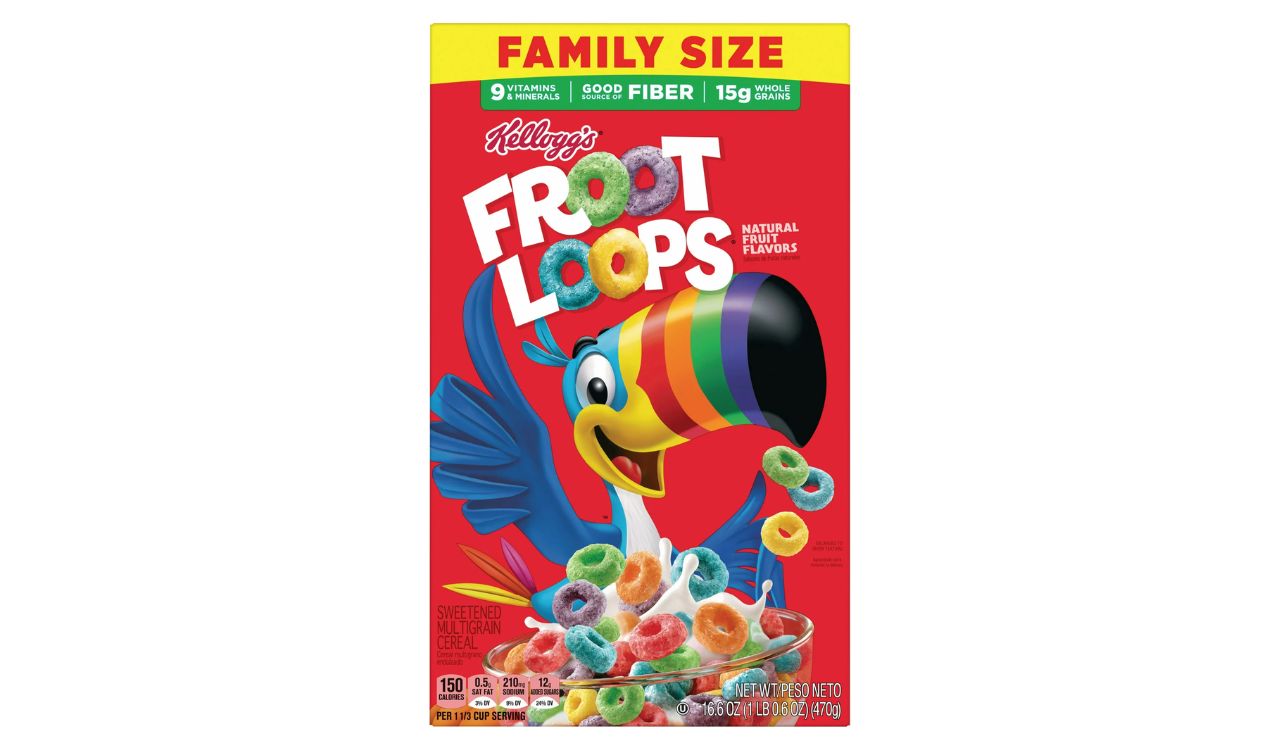
Kellogg’s has faced ongoing criticism for the use of artificial colors and flavorings in some cereal and snack products. While not every item contains these additives, popular options aimed at children have historically included synthetic dyes and high sugar content. Health conscious shoppers often compare ingredient panels and find wide variation between similar Kellogg’s products. Although the brand has announced gradual changes, many consumers remain cautious. The need to double check each box rather than trusting the brand name alone contributes to why some shoppers choose alternatives with clearer ingredient philosophies.
4. Nestlé
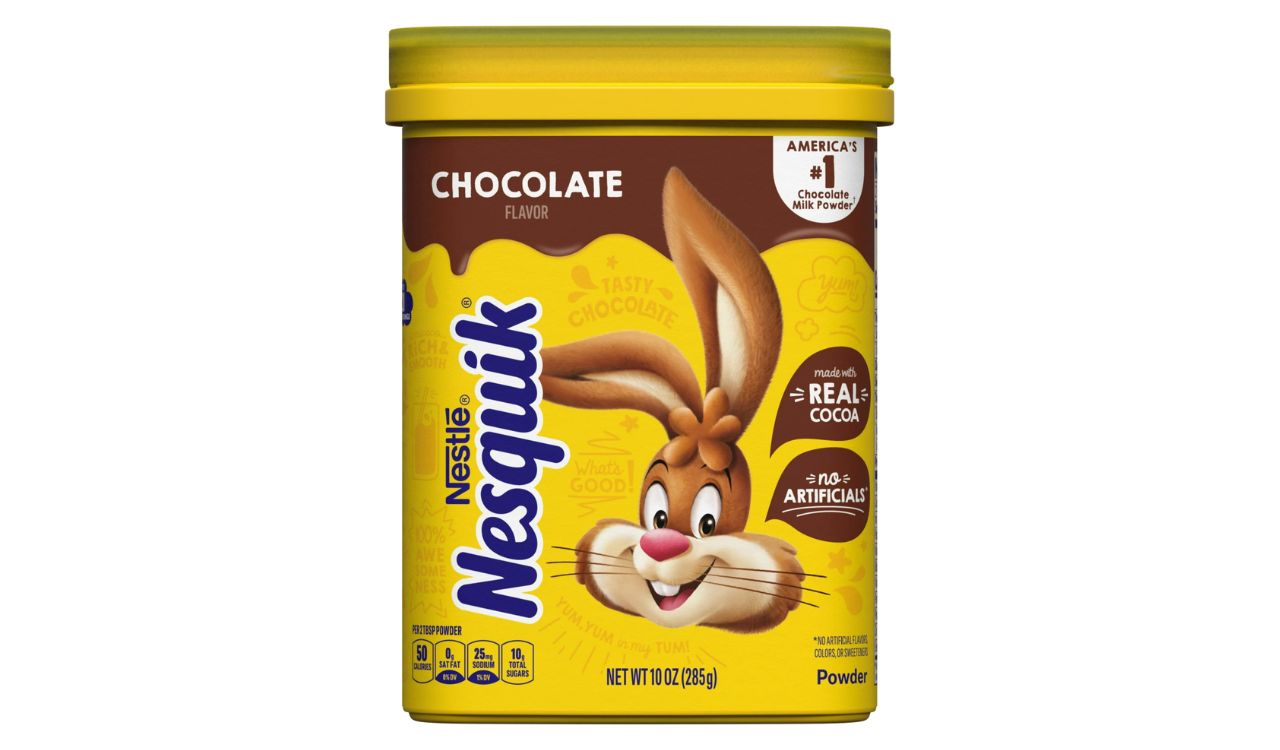
Nestlé’s massive global portfolio includes everything from frozen meals to candy and beverages, which makes ingredient consistency a challenge. Shoppers raise concerns about certain products that include artificial flavors, preservatives, or palm oil sourced from environmentally sensitive regions. While Nestlé has introduced cleaner label options and transparency initiatives, these changes do not apply universally. Consumers who aim to limit ultra processed foods often find Nestlé products require careful screening. The brand’s scale and mixed progress on reformulation keep it on the radar of ingredient conscious buyers.
5. PepsiCo (Frito-Lay)
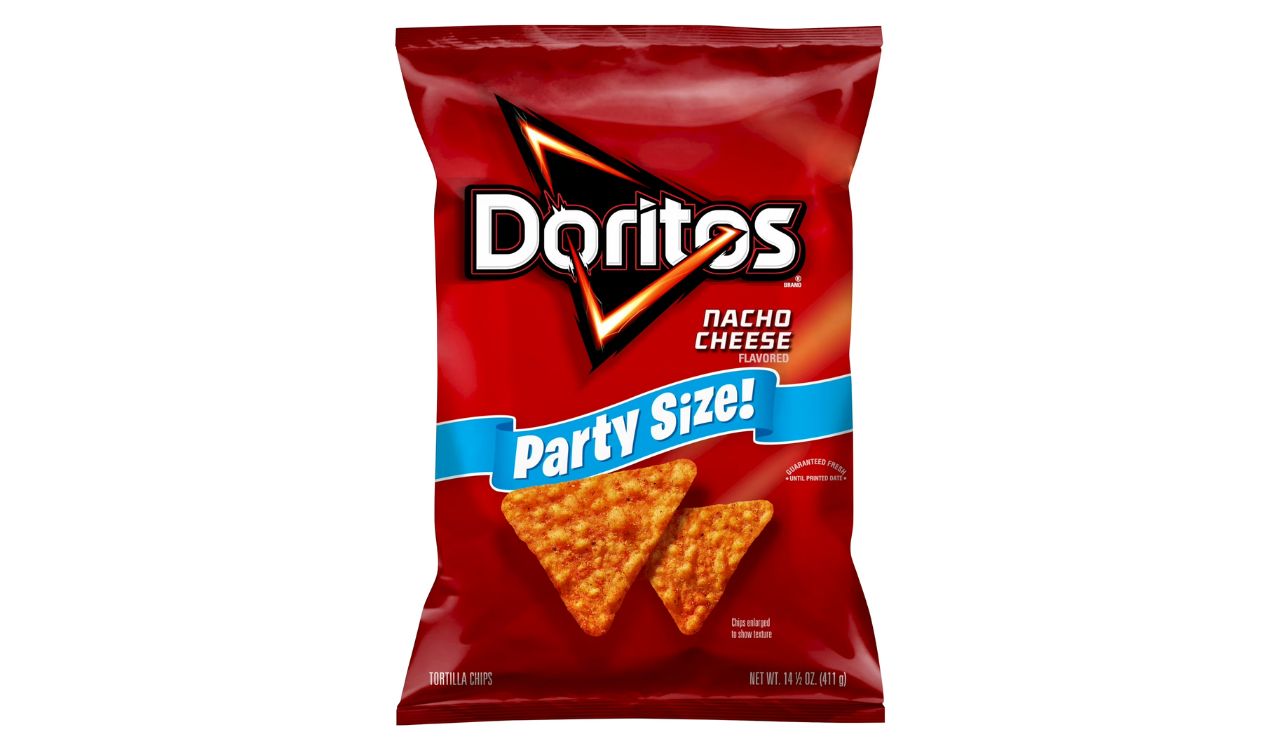
Frito-Lay snack products are frequently criticized for ingredient choices such as artificial flavors, color additives, and high sodium levels. Chips and flavored snacks may also contain preservatives designed to extend shelf life rather than improve nutrition. Although PepsiCo has rolled out better for you lines, the core snack offerings remain largely unchanged. Shoppers who focus on whole food ingredients often feel these products offer little transparency or nutritional value. This gap between newer health focused messaging and traditional formulations drives skepticism among label readers.
6. The Coca-Cola Company

Coca-Cola is commonly avoided by shoppers concerned about ingredient quality due to the heavy use of added sugars, artificial sweeteners, and color additives in many beverages. Even diet versions often rely on synthetic sweeteners that some consumers prefer to avoid. While the company offers water, tea, and reduced sugar options, its flagship drinks dominate shelf space. For shoppers trying to reduce ultra processed intake, the brand represents a category where moderation or avoidance feels easier than constant comparison across similar sugary or artificially sweetened products.
7. Campbell’s

Campbell’s soup products are often scrutinized for sodium content and the use of flavor enhancers or preservatives in shelf stable varieties. While some lines feature simpler recipes, many classic canned soups rely on ingredients designed to preserve taste over long storage periods. Consumers seeking fresher or less processed meals may find the ingredient lists longer than expected for everyday comfort foods. Although Campbell’s has expanded organic and low sodium options, shoppers still need to distinguish carefully between newer offerings and traditional formulations.
8. Tyson Foods
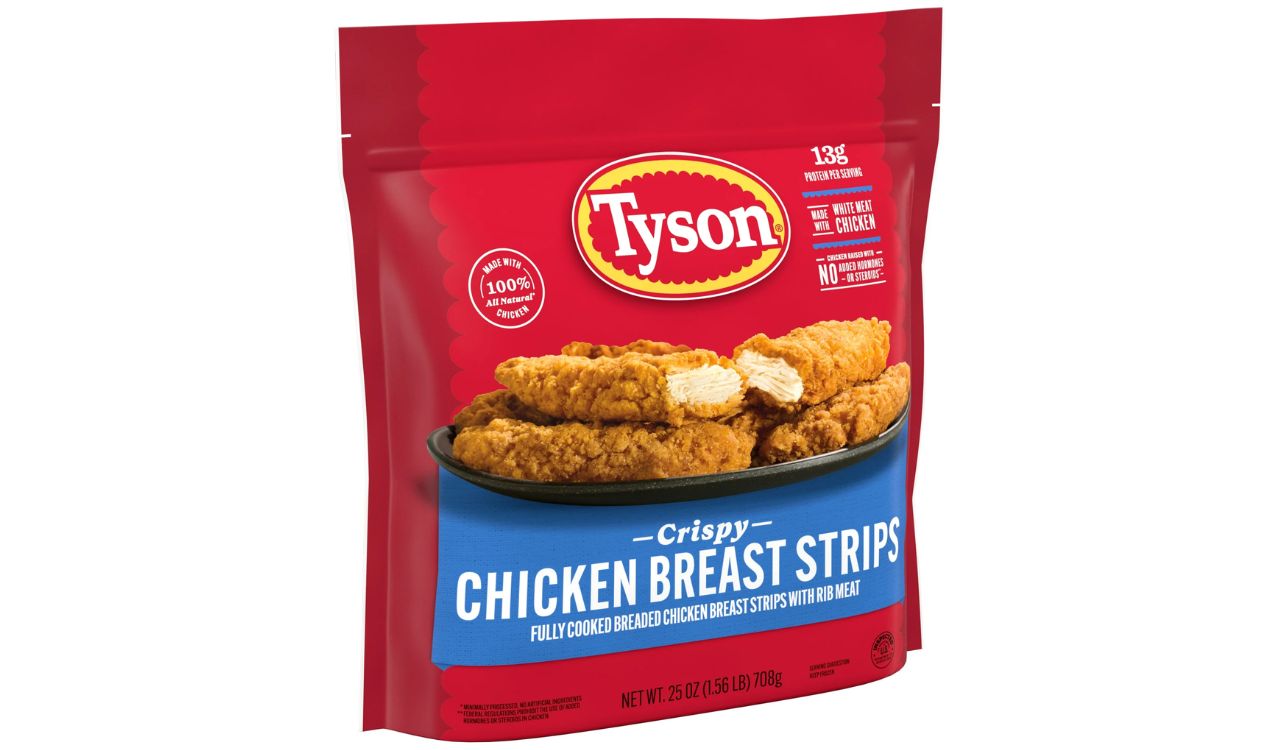
Tyson Foods draws attention from shoppers concerned about processed meats and poultry products. Items such as frozen nuggets, breaded chicken, and prepared meats may include preservatives, added sodium, or flavor enhancers. Some consumers also raise questions about production practices alongside ingredient lists. While Tyson sells plain cuts with minimal ingredients, its convenience focused products are more controversial. Shoppers aiming for simple protein sources often feel they must bypass much of the brand’s packaged lineup to meet their personal ingredient standards.
9. Hormel
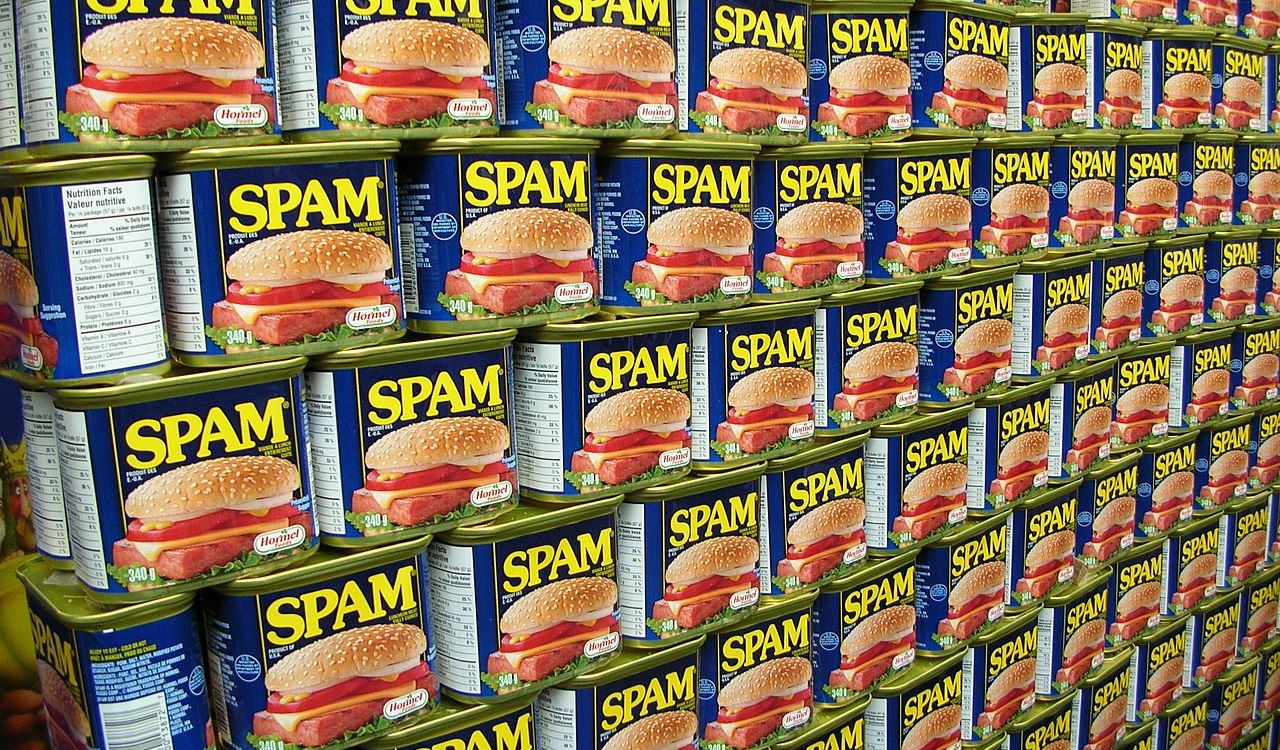
Hormel is frequently mentioned in discussions about questionable ingredients due to its processed meat products. Bacon, deli meats, and canned items may contain preservatives like sodium nitrite, along with added sugars or flavorings. Although these ingredients are legally approved, some shoppers choose to limit them based on personal health preferences. Hormel has introduced natural and no preservative added lines, but they sit alongside traditional products. This mix leaves consumers uncertain unless they carefully verify each label before purchasing.
10. Mondelez International
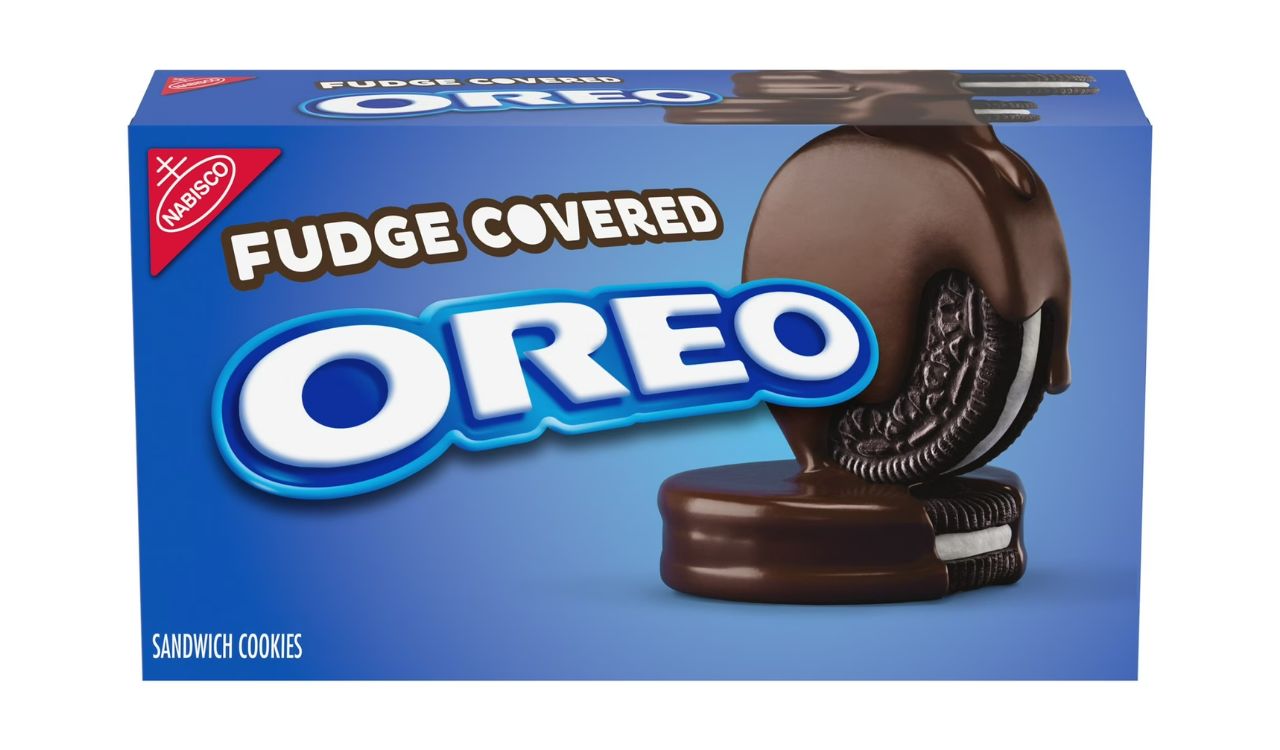
Mondelez brands, including cookies, crackers, and snack cakes, often rely on refined sugars, artificial flavors, and color additives to maintain taste and appearance. Shoppers looking for everyday snacks with recognizable ingredients may find these products heavily processed. While Mondelez has made efforts to reduce certain additives in specific regions, changes are uneven across its portfolio. Ingredient-conscious consumers often see the brand as an occasional treat rather than a pantry staple, choosing smaller producers with clearer ingredient commitments instead.