11 Grocery Picks That Have Dropped in Price Recently


Grocery prices have felt unpredictable over the past few years, but Grocery shopping has felt unpredictable for many households, with prices rising quickly and relief seeming slow to arrive. Recently, though, subtle shifts have begun to show up on store shelves. Improved harvests, eased supply chain pressure, and cooling inflation have helped bring down costs for certain everyday food categories. While savings still vary by location and timing, national data points to several common grocery picks costing less than they did months ago. Knowing which items are trending downward can help shoppers plan meals more strategically, adjust shopping habits, and stretch food budgets without sacrificing routine staples.
1. Eggs

Egg prices have declined significantly compared to earlier peaks, largely due to improved supply conditions. After avian flu outbreaks disrupted production and drove prices higher, egg-laying flocks have gradually recovered. According to consumer price index data, egg prices have eased as inventories stabilized and wholesale costs fell. While prices can still fluctuate seasonally, shoppers in many regions are seeing cartons priced noticeably lower than last year. This makes eggs a more budget friendly source of protein again, especially for families who rely on them for breakfast, baking, and quick meals throughout the week.
2. Chicken Breast

Boneless, skinless chicken breast has become more affordable in recent months as poultry supply increased and feed costs moderated. Industry reports show that chicken production rebounded after earlier constraints, helping reduce pressure on retail prices. Compared to red meat, chicken has also benefited from steadier demand patterns, which helped keep pricing competitive. Shoppers may notice better deals in both fresh and frozen sections, particularly on family sized packs. This shift makes chicken breast an appealing option for cost conscious meal planning without sacrificing protein quality or versatility.
3. Wheat Flour
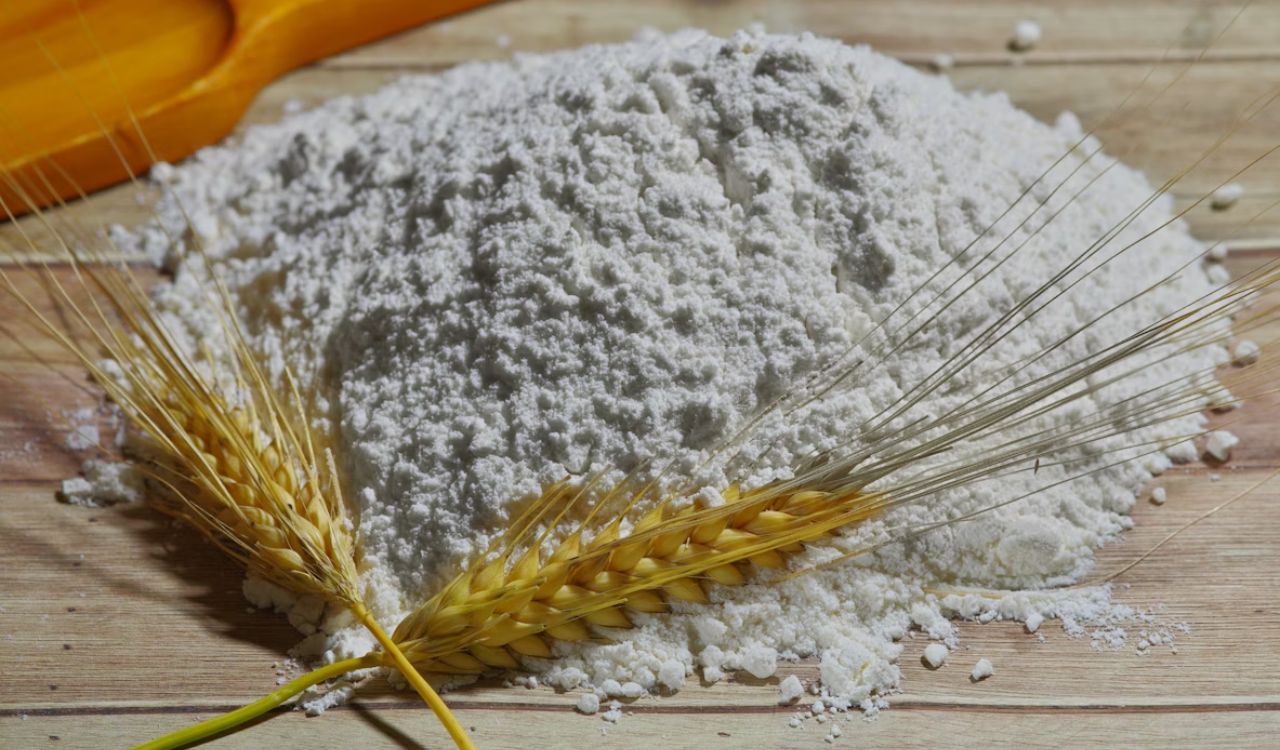
Wheat flour prices have softened following improved global harvest conditions and easing transportation costs. Earlier price spikes were linked to weather disruptions and international trade concerns, but more stable production has helped calm the market. Retail flour prices often lag behind commodity trends, yet recent consumer data shows gradual declines on store shelves. Home bakers and households that cook from scratch may find flour more affordable than it was a year ago. This drop can add up for families who regularly bake bread, pastries, or homemade meals.
4. Sugar

Sugar prices have shown signs of cooling after periods of volatility tied to weather and export restrictions in major producing countries. As supply conditions improved and global markets adjusted, retail sugar prices began to ease. While still higher than historical averages, recent consumer price data indicates a downward trend compared to earlier highs. Shoppers who bake frequently or prepare homemade beverages and desserts may notice modest savings. Even small price drops matter for pantry staples like sugar that are purchased repeatedly over the course of the year.
5. Frozen Vegetables
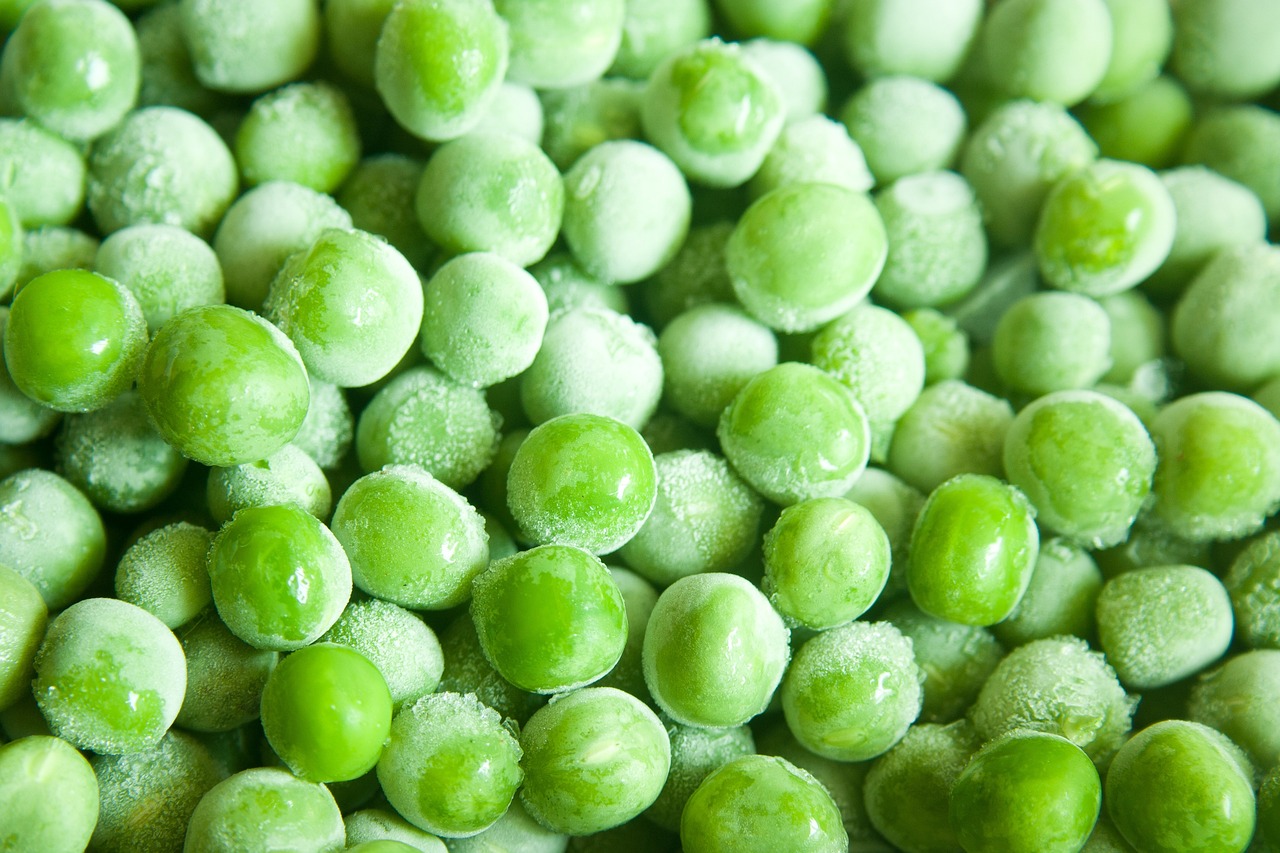
Frozen vegetables have become more affordable as processing and transportation costs stabilized. Unlike fresh produce, frozen options are less sensitive to short term weather issues, which helps keep pricing steadier. Recent pricing data shows slight declines across popular items such as peas, corn, and mixed vegetable blends. These products also reduce food waste since they last longer in the freezer. For shoppers trying to balance nutrition and budget, frozen vegetables now offer a reliable and cost effective alternative to fresh produce during periods of price fluctuation.
6. Milk

Milk prices have eased as dairy production increased and feed costs for farmers declined. Consumer price reports indicate that average retail milk prices are lower than earlier peaks seen during periods of higher inflation. While prices vary by region and brand, many shoppers are seeing gradual relief at the checkout line. Milk remains a staple for households with children and for those who cook or bake regularly. Even small decreases can make a noticeable difference over time, especially for families purchasing multiple gallons each week.
7. Pasta
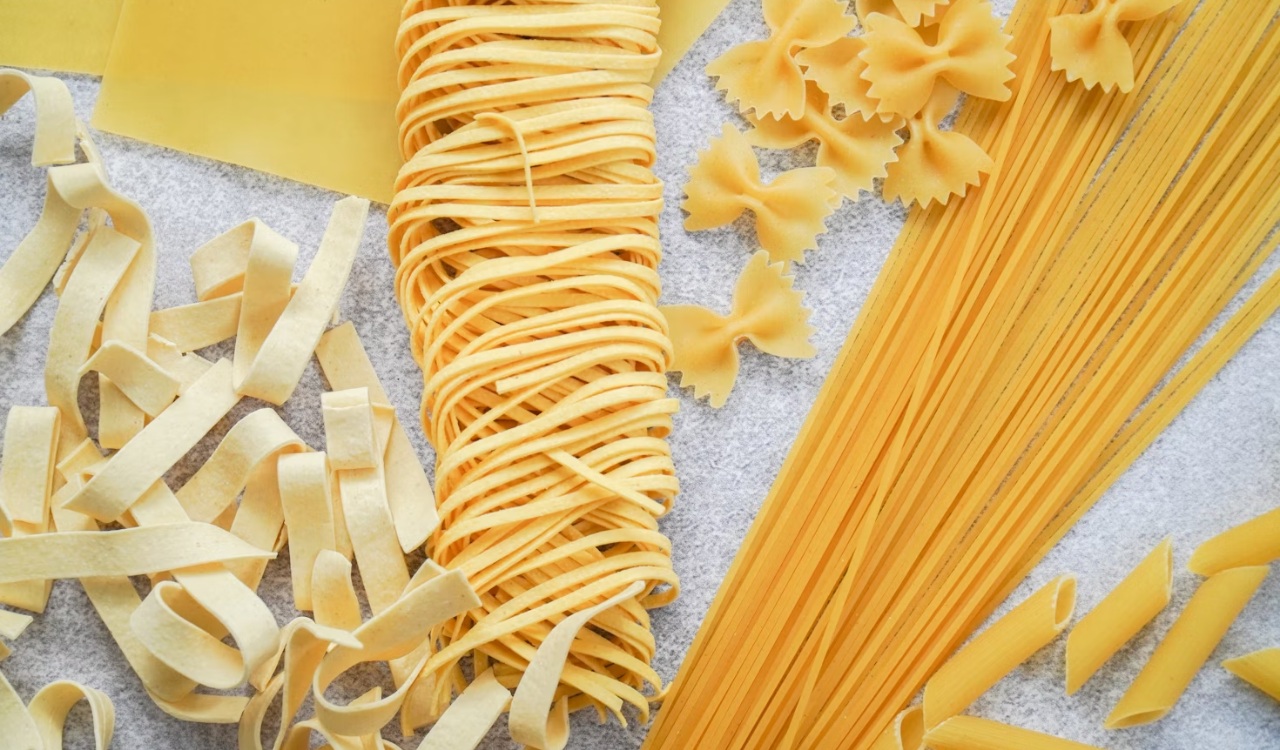
Pasta prices have declined alongside improvements in wheat supply and reduced manufacturing pressures. Earlier increases were driven by higher energy and ingredient costs, which have since moderated. Retail data now shows pasta products costing less than they did during recent inflation spikes. Shelf stable foods like pasta are also subject to competitive pricing among brands, which can accelerate price reductions. This makes pasta a practical option for affordable meals, especially when paired with seasonal vegetables or simple sauces for low cost, filling dishes.
8. Peanut Butter

Peanut butter prices have softened following improved peanut harvests and steadier processing costs. Earlier price hikes were linked to drought conditions and higher input expenses, but more favorable growing seasons helped boost supply. Recent consumer data suggests that jars of peanut butter are now priced lower in many stores compared to last year. As a pantry staple that offers protein and healthy fats, peanut butter is a popular choice for families. These price adjustments help make it easier to keep this versatile food stocked.
9. Rice
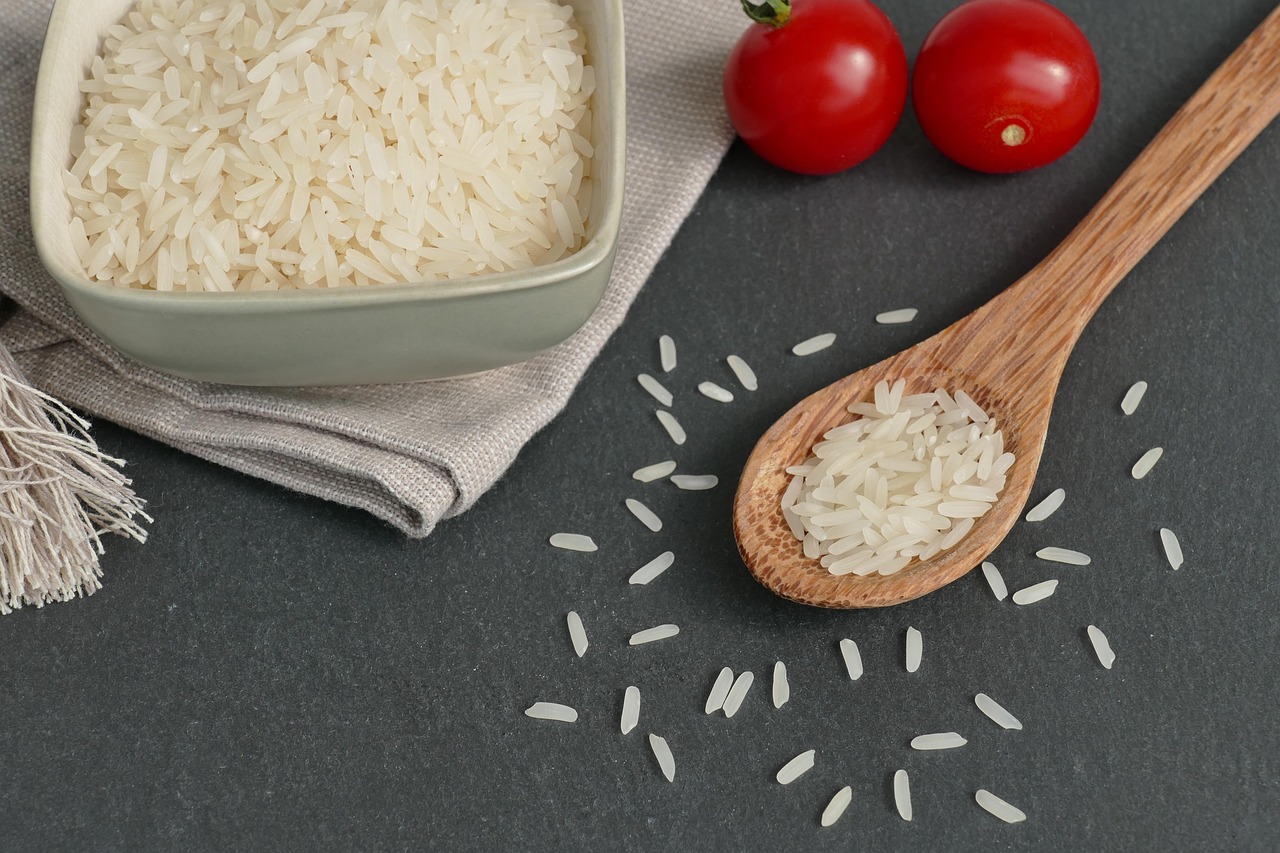
Rice prices have shown modest declines after supply concerns eased in key producing regions. While global rice markets remain sensitive to weather and export policies, recent data indicates improved availability. Retail prices often reflect these changes gradually, but shoppers may notice lower prices on common varieties such as long grain or jasmine rice. Rice is a foundational ingredient in many cuisines and households, making even small savings meaningful. For families relying on rice as a regular staple, this downward trend offers welcome budget relief.
10. Cooking Oil

Cooking oil prices have decreased as global vegetable oil markets stabilized. Earlier spikes were driven by supply disruptions and higher transportation costs, but improved production helped ease prices. Consumer reports now show gradual declines in commonly used oils such as canola and vegetable oil. Since cooking oil is used across countless recipes, price reductions can impact overall grocery spending more than expected. Shoppers who cook at home frequently may benefit from restocking during this period of softer pricing and improved availability.
11. Breakfast Cereal

Breakfast cereal prices have begun to level out and decline slightly as grain costs moderated and supply chains normalized. While not all brands reflect the same changes, overall pricing data shows cereals costing less than during peak inflation periods. Promotions and increased competition have also contributed to better deals on store shelves. For families purchasing cereal regularly, these reductions can ease weekly grocery bills. Choosing larger boxes or store brands may amplify the savings as prices continue to stabilize across this category.