11 Japanese Dining Etiquette Rules Every Food Lover Should Know

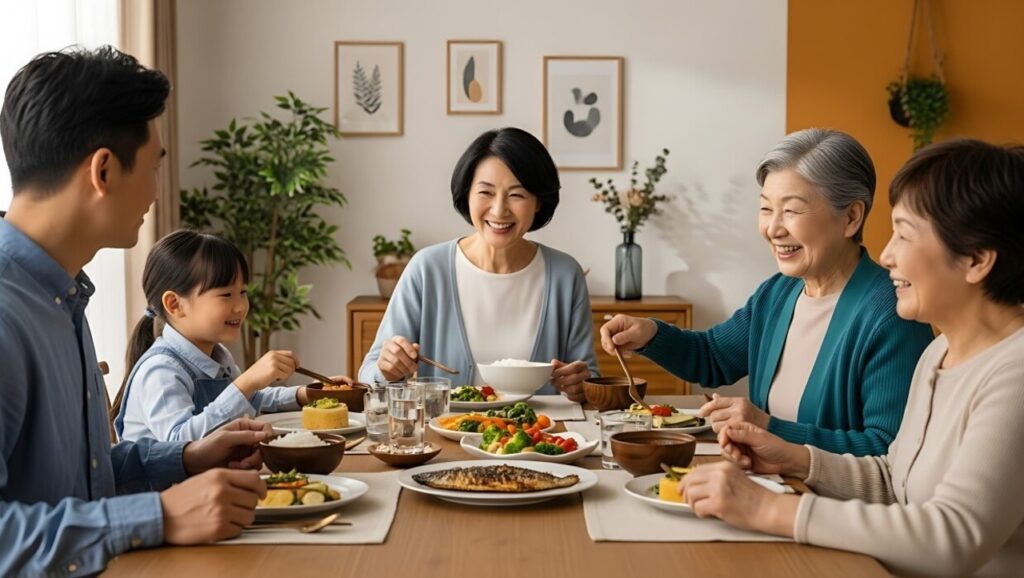
Japanese food culture is about far more than taste. Every meal follows a quiet rhythm shaped by respect, balance, and centuries of tradition. From how chopsticks are held to the words spoken before and after eating, these customs reveal how deeply food is valued in Japan. Understanding these dining rules does not make meals feel restrictive. Instead, they help you relax into the experience, avoid common missteps, and connect more naturally with the people around you. Whether you are eating in a small home kitchen or a bustling restaurant, knowing these etiquette basics turns a simple meal into a meaningful cultural exchange.
1. Saying “Itadakimasu” Before the First Bite
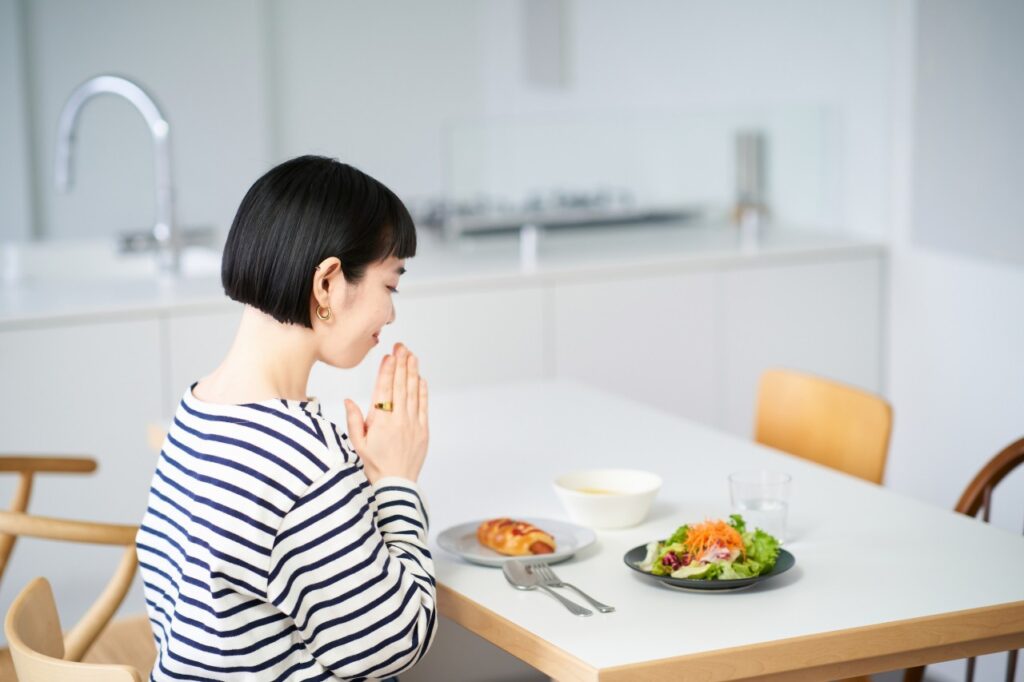
A Japanese meal begins with intention, not appetite. Saying itadakimasu before eating is a small pause that carries deep meaning. It acknowledges the life of the ingredients, the labor of farmers and fishers, and the care of the cook. This phrase is rooted in Buddhist and Shinto values that emphasize respect for nature and effort. It is spoken whether the meal is homemade, store-bought, or served in a restaurant. Children are taught this habit early, making it second nature rather than a formal rule. The phrase also serves a practical purpose by signaling that everyone at the table is ready to begin together. Skipping it does not offend, but saying it shows awareness of Japanese values.
2. Ending the Meal With “Gochisousama.”
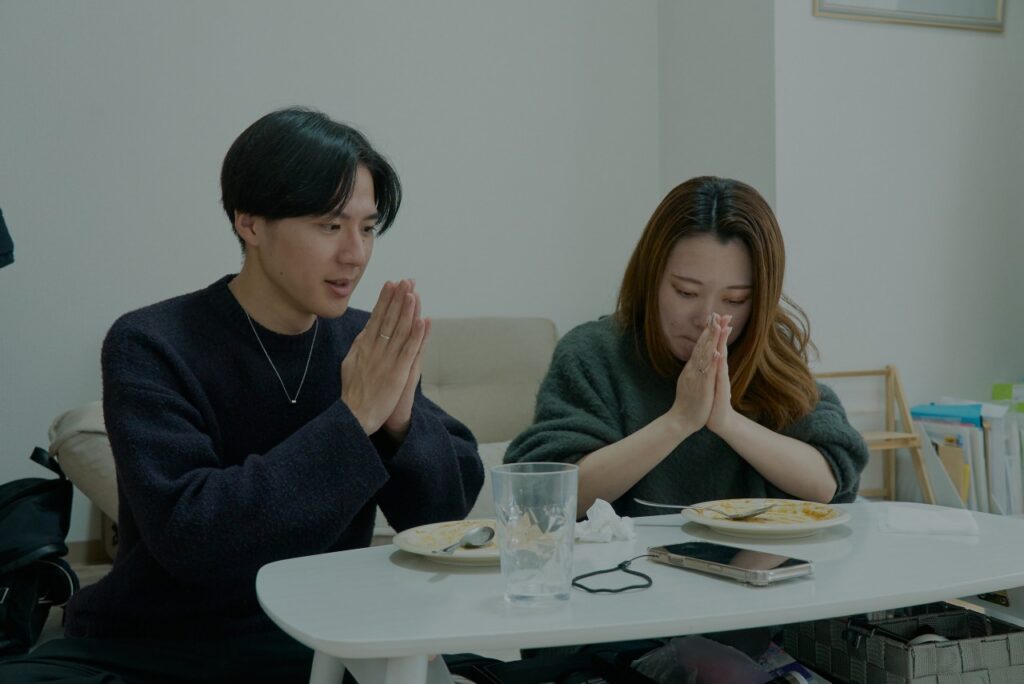
Where itadakimasu opens the meal, gochisousama deshita gently closes it. This phrase thanks the entire chain behind the food, from preparation to service. It is said after finishing, often with a slight bow, and can be directed to hosts, restaurant staff, or even family members. The word itself implies that the meal was a feast, regardless of how simple it was. This reflects a cultural mindset where effort matters more than extravagance. In restaurants, customers often say it when leaving, and staff may respond with a smile. It reinforces mutual respect between diner and provider. The phrase also signals that you are done eating, which helps avoid awkwardness in shared settings.
3. Keeping Chopsticks Out of Rice
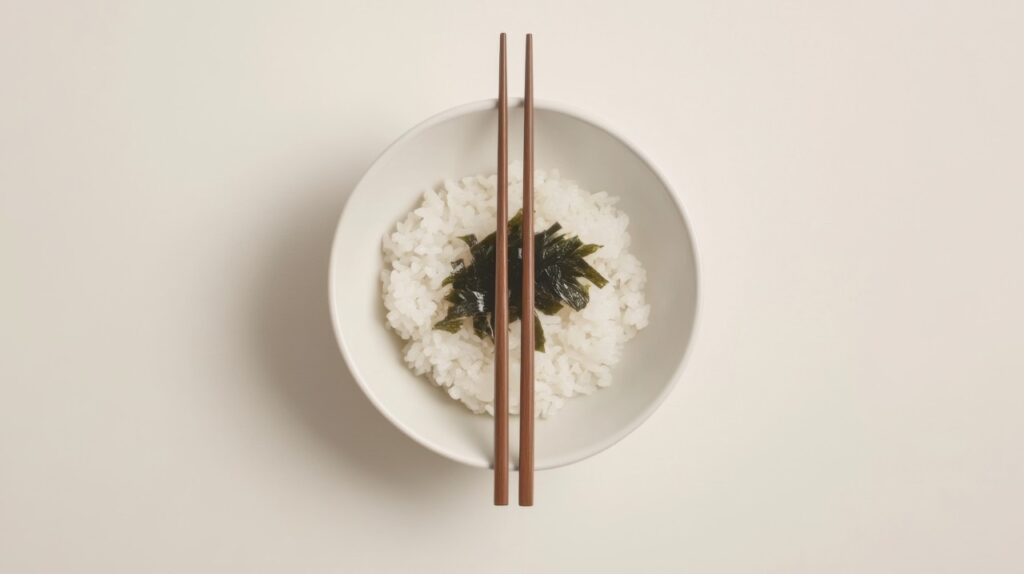
One of the most serious dining taboos in Japan involves chopsticks and rice. Sticking chopsticks upright into a bowl of rice closely resembles a ritual performed at funerals, where rice is offered to the deceased with incense. Because of this association with death, the gesture is considered deeply inappropriate at the table. Even joking about it makes people uncomfortable. Chopsticks should be placed on a chopstick rest, across a bowl, or neatly beside the plate when not in use. This rule applies everywhere, from homes to restaurants. The importance of this custom highlights how closely daily life and ceremonial practices are linked in Japan.
4. Avoiding Chopstick-to-Chopstick Passing
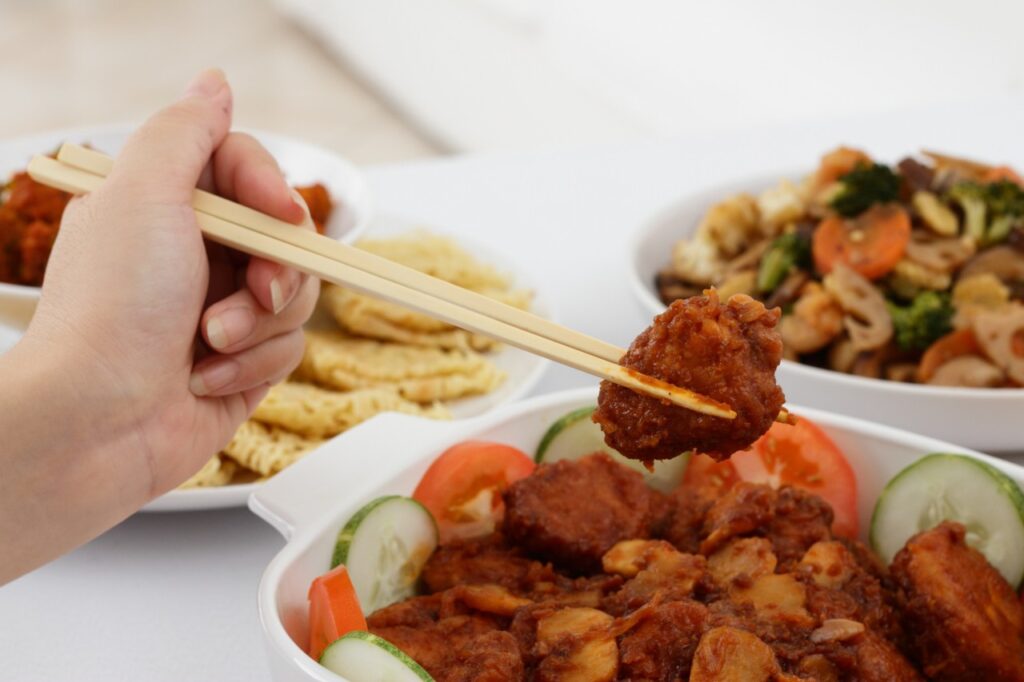
Passing food directly from one pair of chopsticks to another is another action tied to funeral customs. After cremation, family members use chopsticks to pass bone fragments into an urn. Because of this, the same motion at the dining table is considered disturbing. When sharing food, the correct approach is to place the item on a small plate or let the other person pick it up themselves. In group meals, this rule becomes especially important, as shared dishes are common. Restaurants may even provide serving chopsticks to avoid confusion. This custom reflects how strongly symbolic gestures matter in Japan. What may seem like a harmless shortcut can carry heavy meaning.
5. Bringing Bowls Up Instead of Leaning Down
Japanese dining favors neat, controlled movements. Instead of bending toward the table, diners lift bowls of rice or soup closer to their mouth. This practice helps prevent spills and keeps the posture upright. It is also tied to traditional table settings, where meals are often eaten at lower tables. Lifting bowls makes eating more comfortable and precise. However, large plates are usually left on the table, so knowing what to lift and what to leave shows good awareness. This habit is taught early and is widely practiced. It signals attentiveness and care, rather than haste. Leaning over food can appear careless or rushed.
6. Slurping Noodles Without Embarrassment
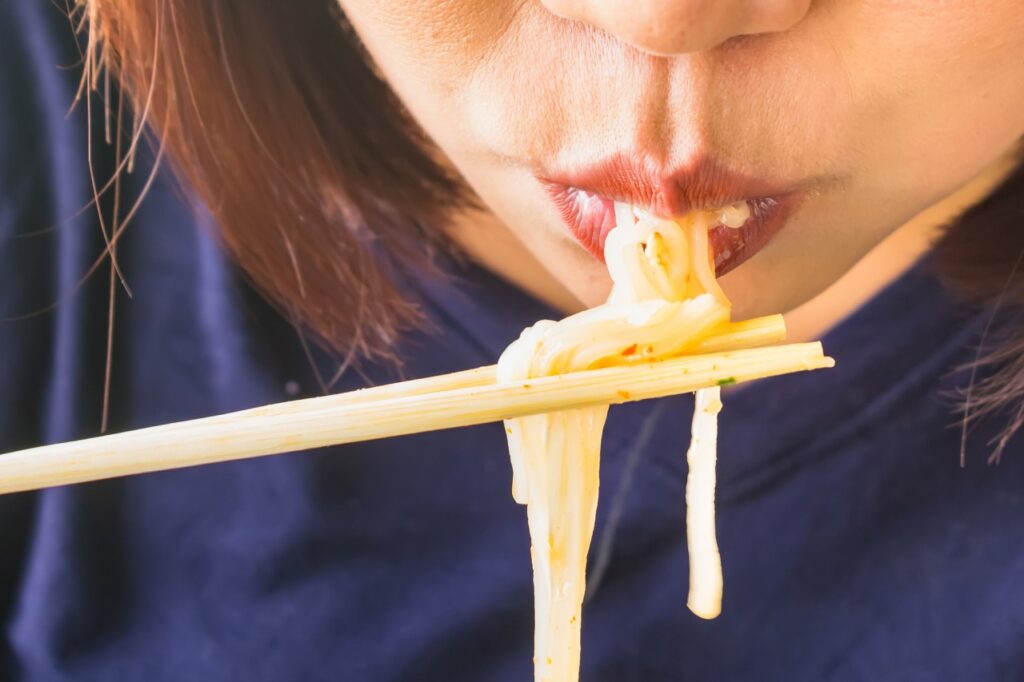
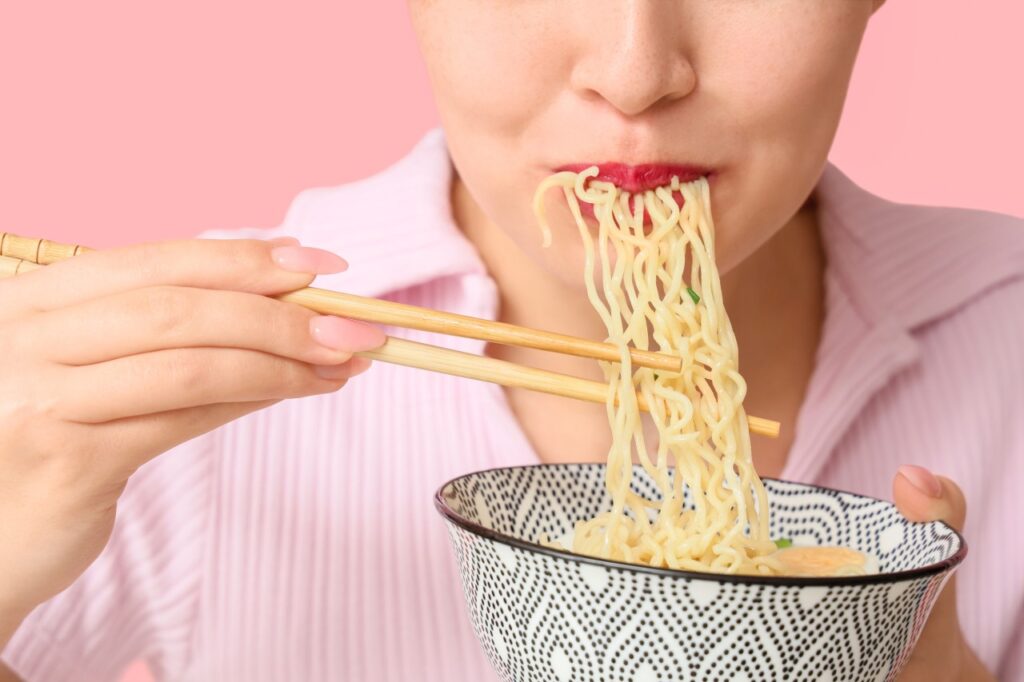
In Japan, silence is not always golden at the table, especially when noodles are involved. Slurping ramen, soba, or udon is completely acceptable and often encouraged. The sound signals enjoyment and appreciation. Practically, slurping also helps cool hot noodles and enhances aroma, which is a key part of the eating experience. Unlike in many cultures, trying to eat noodles quietly can feel awkward or overly stiff. This exception highlights how etiquette adapts to the food itself. Not all noise is welcome, but noodle slurping is a well-understood and accepted sound. Visitors often feel relieved to learn this rule.
7. Using the Clean End of Chopsticks for Sharing
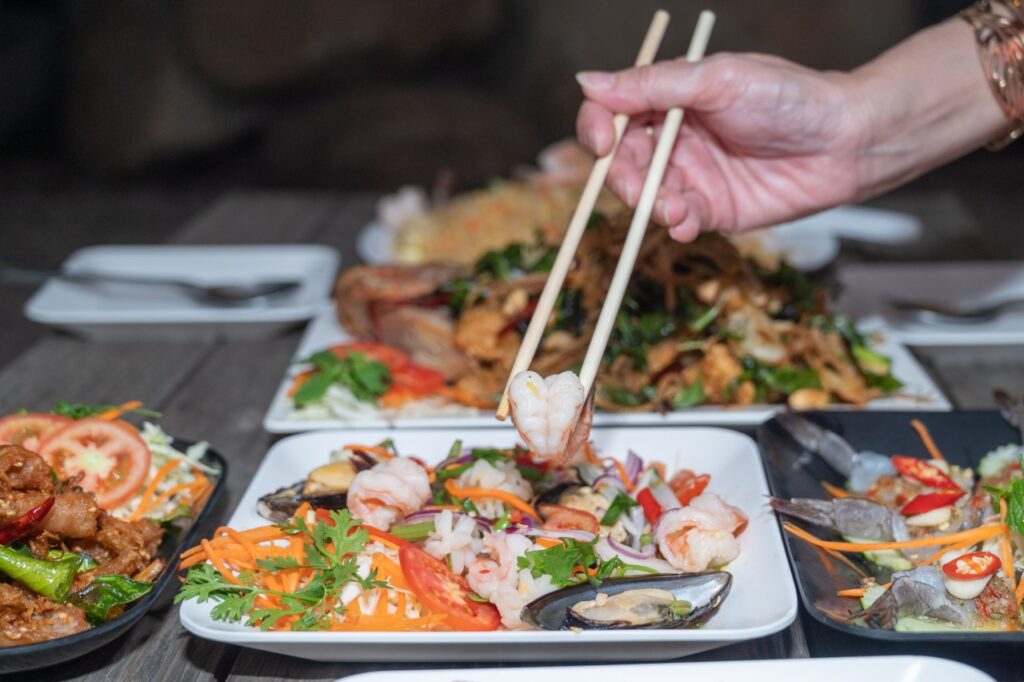
Shared dishes are common in Japanese meals, especially in family or group settings. To keep things hygienic, diners are expected to flip their chopsticks and use the untouched end when taking food from a communal plate. This prevents saliva from mixing and shows consideration for others. Some restaurants provide separate serving chopsticks, which should always be used when available. This practice reflects Japan’s strong emphasis on cleanliness and mutual respect. It also helps meals flow smoothly without awkward reminders. Even though it is a subtle gesture, people notice it. Using the correct end of chopsticks communicates awareness and thoughtfulness.
8. Not Rubbing Disposable Chopsticks Together
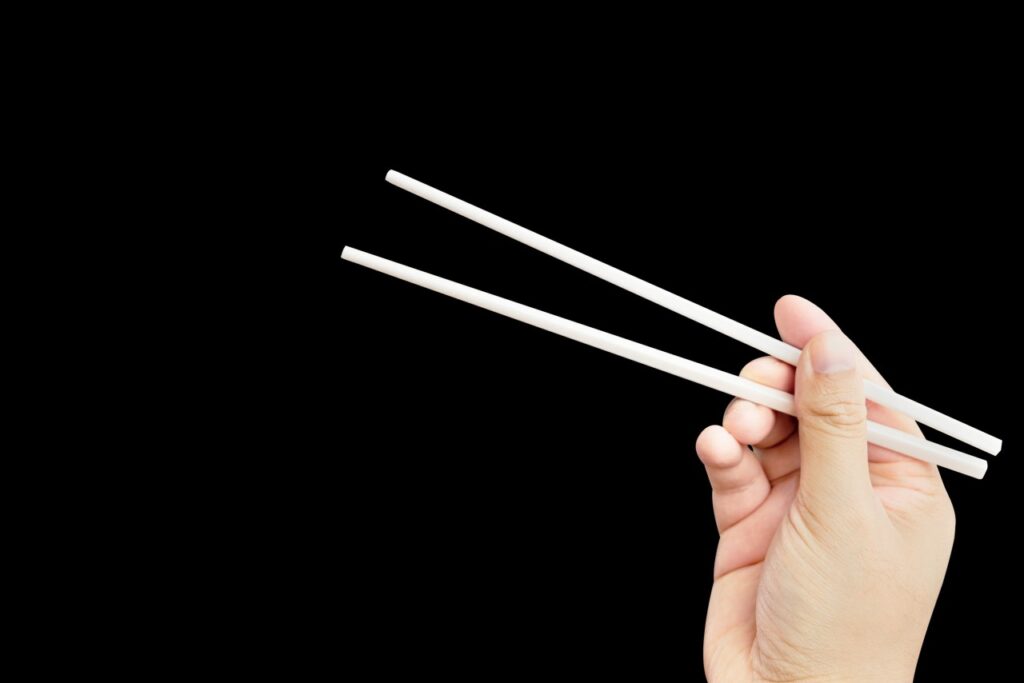
Disposable chopsticks may seem casual, but how you handle them still matters. Rubbing them together after splitting them apart implies that they are cheap or poorly made. This can be taken as an insult to the restaurant or host. In Japan, even inexpensive eateries take pride in presentation and quality. The correct approach is to separate the chopsticks cleanly and begin eating. If there are small splinters, brushing them off discreetly is acceptable. This rule highlights how manners often focus on unspoken signals. A simple gesture can communicate judgment without words. Being mindful of this shows appreciation for the dining experience, regardless of price or setting.
9. Finishing What You Take
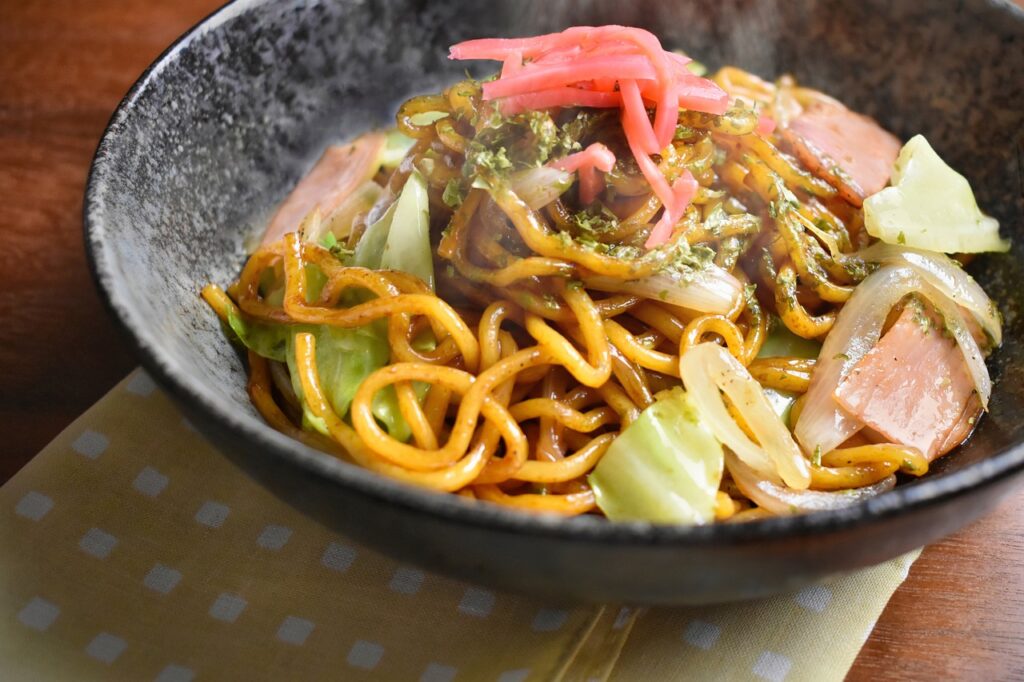
Japanese food culture places a strong emphasis on avoiding waste. Taking more than you can eat and leaving leftovers is discouraged. This value comes from historical periods when food was scarce, and effort was never taken lightly. Today, it remains a sign of respect to finish what you serve yourself. If you are unsure about a dish, taking smaller portions is the polite choice. Leaving a small amount of rice is sometimes acceptable, but intentionally wasting food is not. Finishing your meal signals gratitude and satisfaction. It also honors the time and resources that went into producing the food.
10. Pouring Drinks for Others First
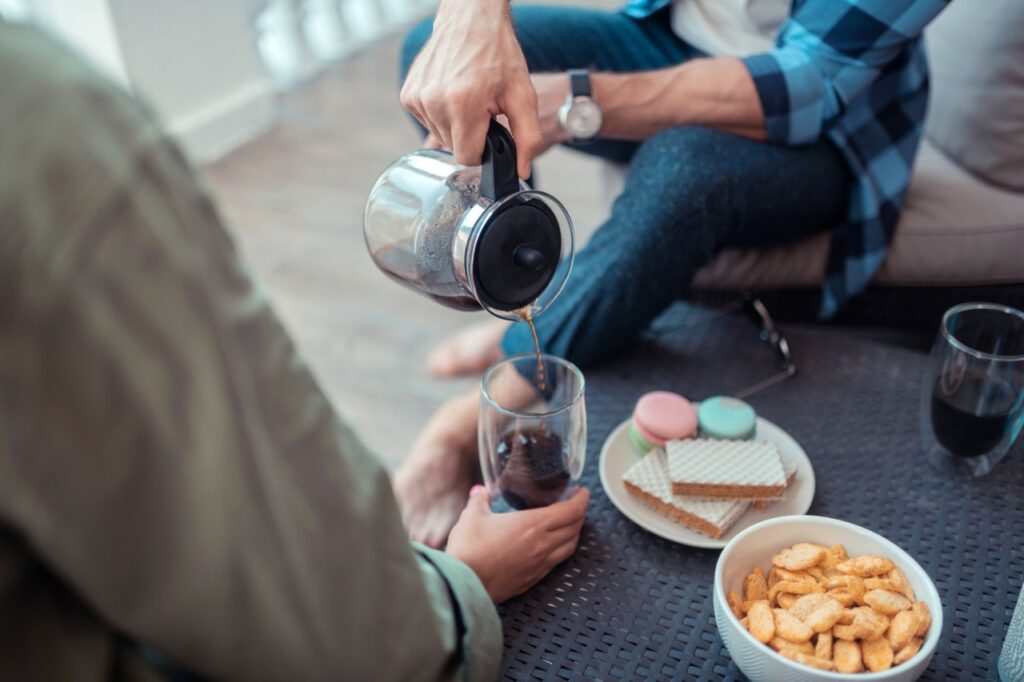
In social settings, especially when alcohol is involved, pouring drinks is a shared responsibility. It is polite to pour for others and allow them to pour for you. This custom encourages attentiveness and interaction. Watching the level of someone’s glass and offering a refill shows care and awareness. Pouring your own drink can appear self-focused, particularly in formal or group situations. This practice is common in work dinners and celebrations. It creates a sense of connection and equality among diners. The act itself is simple, but the meaning behind it reinforces social harmony. Being mindful of others’ glasses helps maintain a smooth and respectful atmosphere.
11. Keeping Movements and Volume Under Control
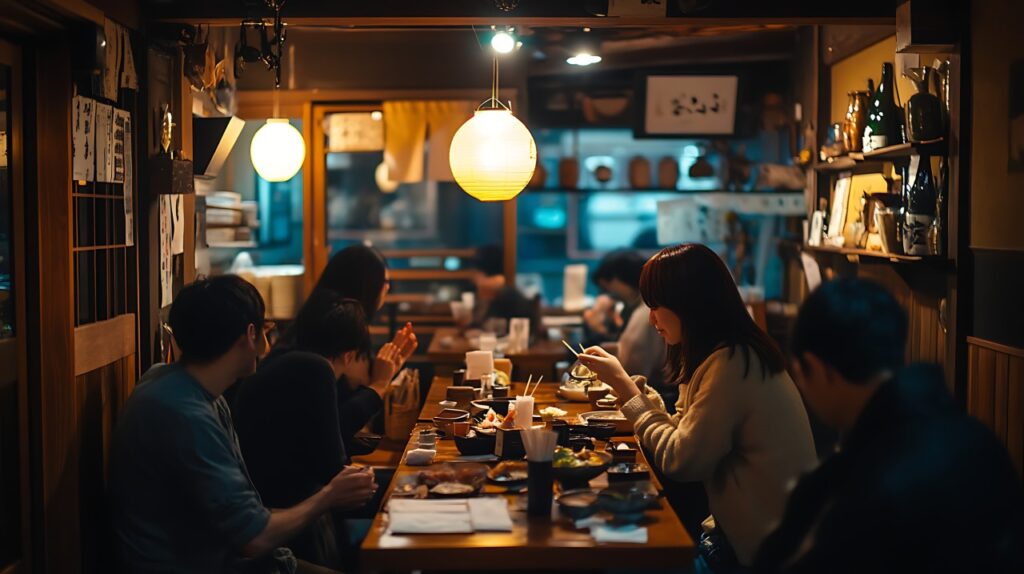
Japanese dining spaces value calm and balance. Loud talking, exaggerated gestures, or pointing with chopsticks can disrupt the atmosphere. Meals are meant to be enjoyed without drawing unnecessary attention. This does not mean silence is required, but moderation is key. Controlled movements reflect self-awareness and respect for shared space. Even in busy restaurants, people tend to keep their voices measured. This creates a more comfortable environment for everyone. Understanding this helps visitors adjust their behavior naturally. By keeping gestures subtle and volume reasonable, diners show that they respect both the food and the people around them.