7 Drinks That Can Clog Your Sink If You Dump Them


Most people think sink clogs come from obvious mistakes like food scraps or grease, but some of the biggest plumbing problems start with drinks that seem harmless. Liquids feel safe to pour down the drain, especially when you are cleaning up after a meal or emptying a glass. The trouble is that many beverages contain fats, sugars, starches, seeds, or powders that behave very differently once they leave your sink. As they cool, settle, or mix with residue already inside your pipes, they begin to stick, thicken, and trap debris. Over time, this slow buildup narrows water flow and turns routine cleanup into an expensive repair.
1. Greasy Soup Broth
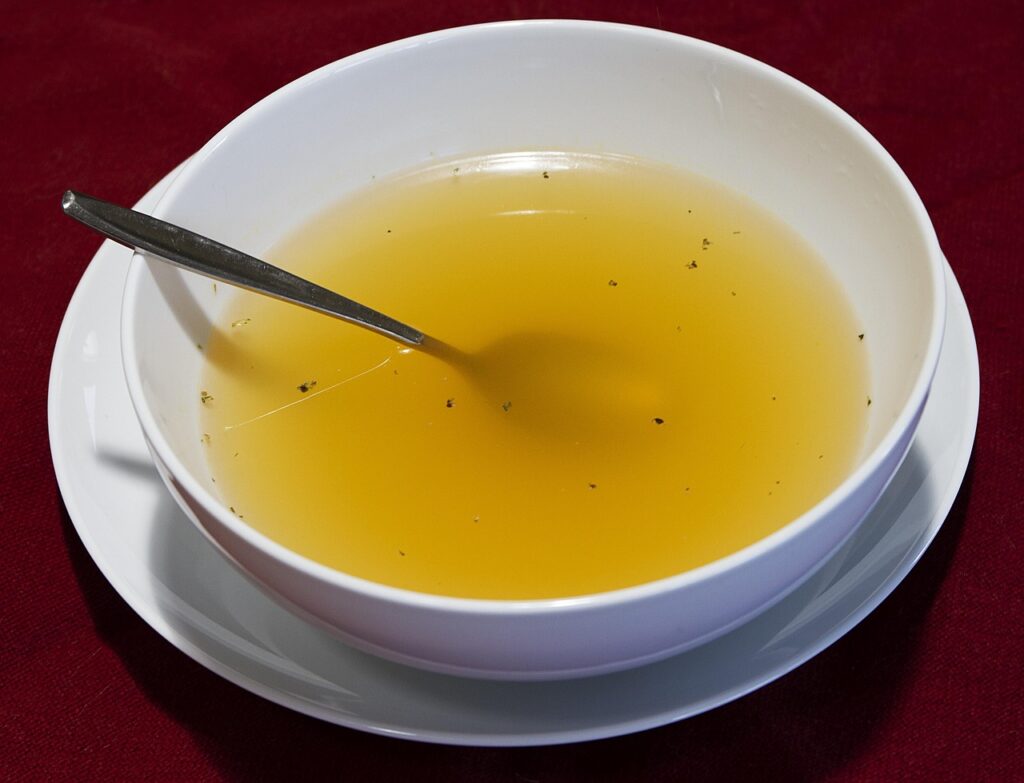
Liquid does not always mean drain safe, and greasy soup broth is a common example. While it may look harmless when warm, broth made from meat, bones, or butter contains fats that behave very differently once they cool. When poured down the sink, those fats begin to solidify inside pipes, clinging to pipe walls and narrowing the passage over time. This buildup does not happen all at once, which is why many people do not connect the clog to the habit. As more grease coats the interior, it traps food particles and debris that would normally wash away. Older plumbing and pipes with bends are especially vulnerable. Even small amounts poured repeatedly can create a stubborn blockage.
2. Coffee Grounds Slurry
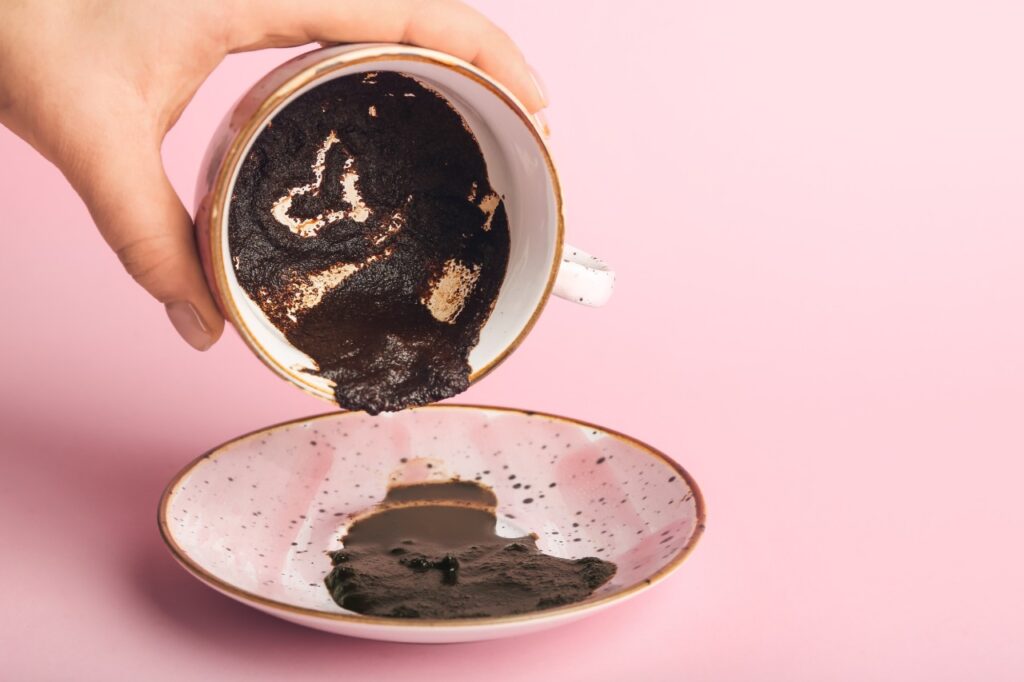
Coffee grounds are often mistaken for a drain-friendly substance because they look fine and grainy. In reality, they are one of the most common causes of kitchen sink clogs. When coffee grounds are rinsed down the drain, they do not dissolve. Instead, they settle and compact, forming a dense sludge that sticks easily to the grease already lining the pipes. Over time, this mixture hardens and restricts water flow. The problem is worse when grounds are mixed with water into a slurry, as the liquid helps them travel deeper into the plumbing before settling. Garbage disposals do not solve the issue. They simply break grounds into smaller particles that still clump together.
3. Hot Chocolate or Cocoa Mix

Hot chocolate feels like a simple liquid, but its ingredients tell a different story once it enters your pipes. Cocoa mix contains sugars, milk solids, and sometimes oils that thicken as they cool. When poured down the sink, especially in large amounts, these components can coat pipe walls in a sticky film. This film acts like glue, catching other particles that pass through later. Over time, what started as a sweet drink turns into a dense blockage. Powdered mixes are particularly problematic because they can clump when exposed to water, creating paste-like deposits inside plumbing. Even homemade hot chocolate made with dairy and chocolate can contribute to buildup.
4. Smoothies with Seeds or Pulp
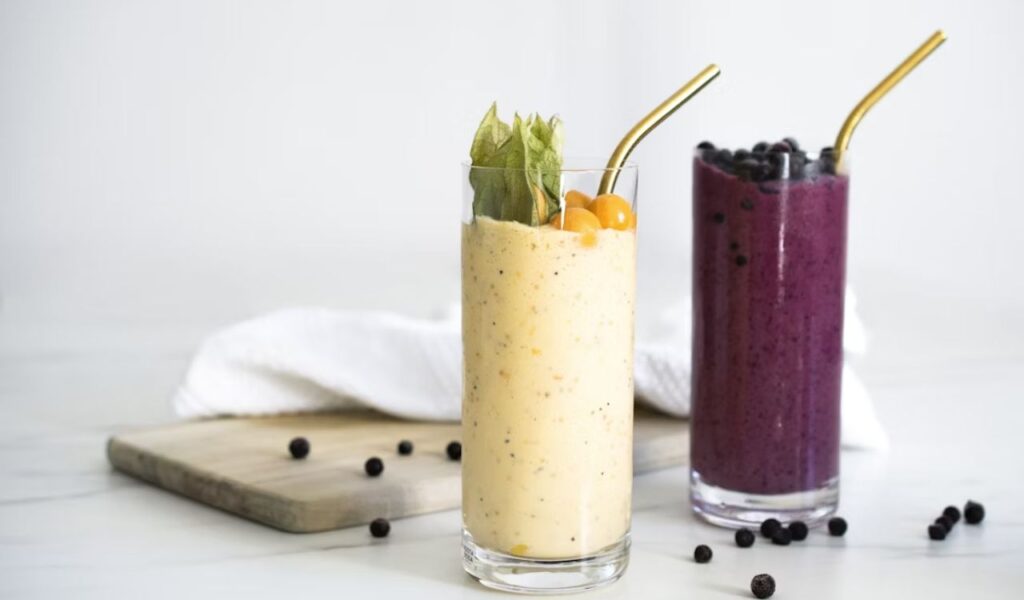
Smoothies are packed with healthy ingredients, but those same ingredients can be rough on your sink. Seeds from berries, fibrous pulp from fruits, and thick vegetable matter do not break down easily in plumbing. When poured down the drain, these solids can settle in bends and traps, especially if the smoothie is thick. Over time, they combine with grease and soap residue to form stubborn clogs. Chia seeds and flax seeds are especially risky because they absorb water and expand, increasing their volume inside pipes. Even blenders that finely process ingredients cannot eliminate this issue. The safest practice is to scrape leftover smoothies into the trash before rinsing the container.
5. Leftover Gravy
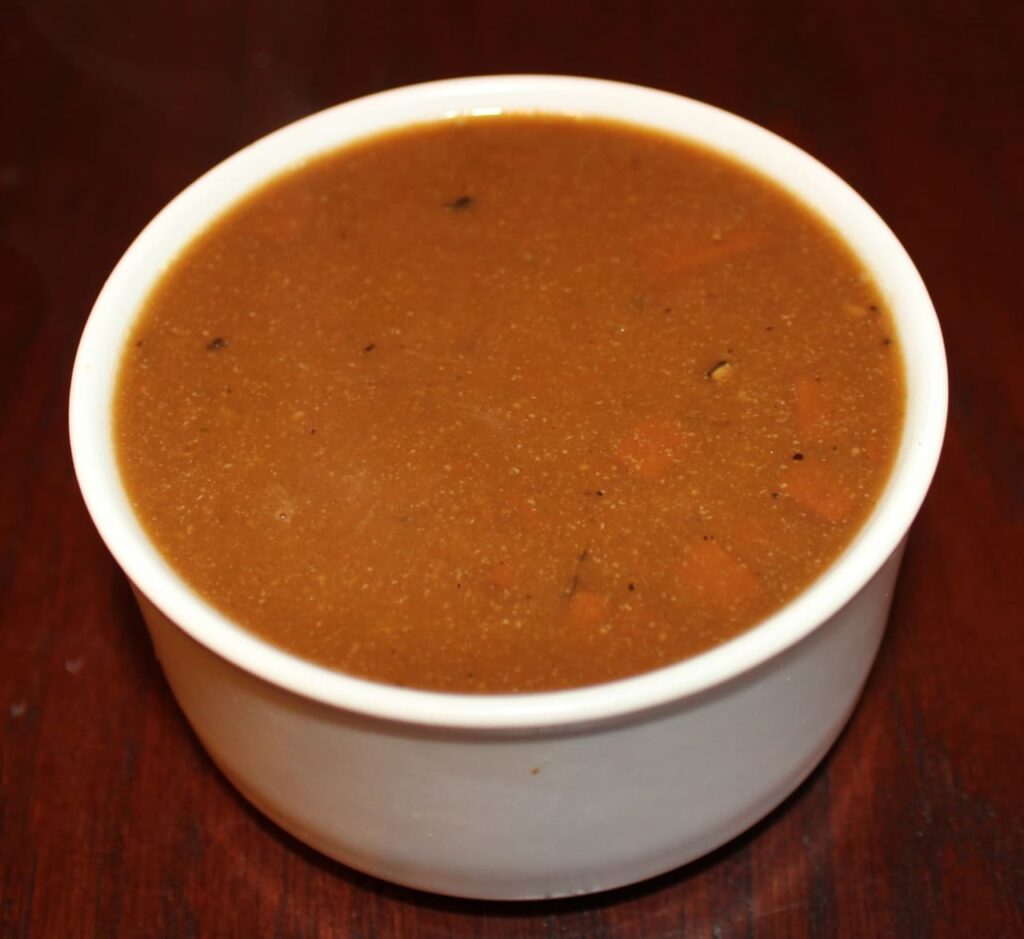
Gravy is designed to thicken, and that quality is exactly what makes it dangerous for drains. Made with fats, flour, or starches, gravy changes texture as it cools. When warm, it flows easily. Once inside cooler pipes, it thickens and sticks to surfaces. This creates a coating that traps food scraps and accelerates clog formation. Flour-based gravies are particularly problematic because starches swell when exposed to water, increasing their ability to block flow. Even meat drippings diluted with water can cause trouble over time. Pouring gravy down the sink after a large meal is a common habit, especially during holidays, which is why post holiday plumbing issues are so common.
6. Milkshakes or Melted Ice Cream

Milkshakes and melted ice cream may look harmless once liquefied, but they contain high levels of fat, sugar, and dairy proteins. These ingredients thicken as they cool and can coat the inside of pipes with a sticky residue. Dairy fats solidify at lower temperatures, which makes them prone to clinging inside plumbing. Sugar adds another layer of trouble by creating a surface that traps debris. When these drinks are poured down the sink, especially in repeated small amounts, they slowly reduce pipe diameter. The result is sluggish draining that seems to appear without warning. This is especially common in kitchen sinks connected to dishwashers, where temperature changes speed up the buildup.
7. Protein Shakes with Thick Add-Ins
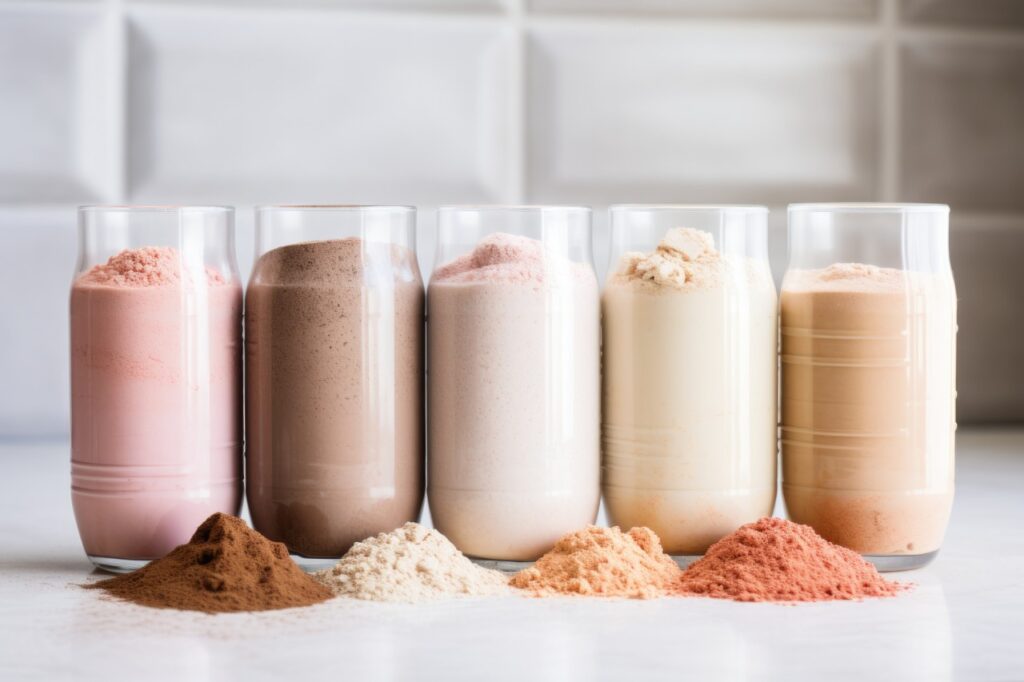
Protein shakes often contain powders, nut butters, oats, or fiber supplements that are designed to thicken when mixed. These same properties make them risky for drains. When poured down the sink, undissolved powders and thick additives can settle in pipes rather than washing away. Many protein powders absorb moisture and swell, increasing their ability to clog narrow sections of plumbing. Nut butters add fats that stick to pipe walls, while oats and fiber act like sponges. Even when diluted with water, these drinks can leave residue behind. Over time, repeated disposal creates buildup that restricts flow.