10 Brisket Rules Pros Mock Home Cooks For

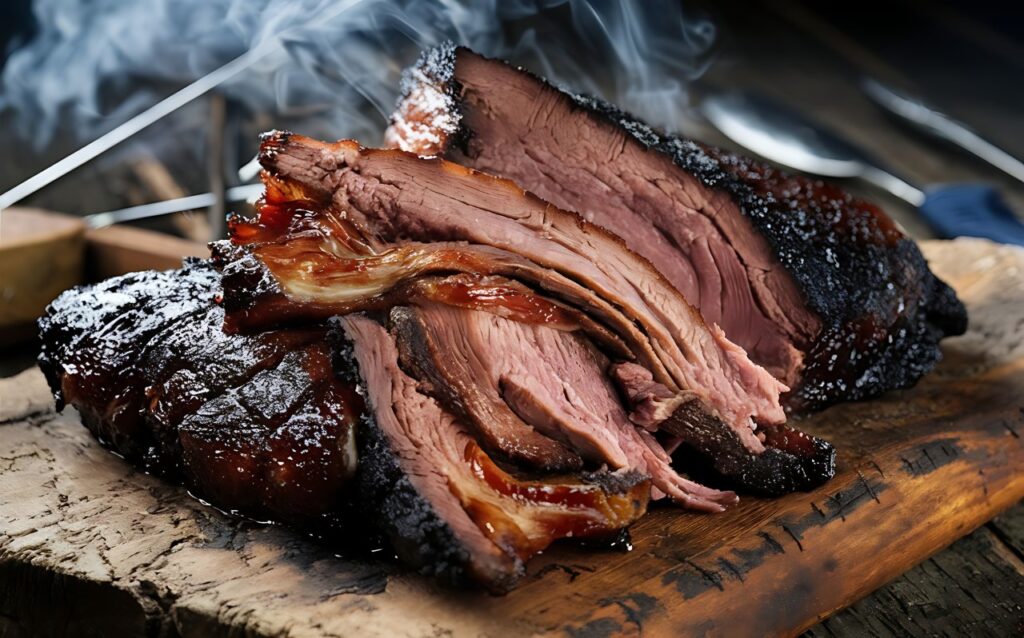
Brisket exposes every shortcut a cook tries to take. It rewards patience and fire control, but it punishes guesswork fast. That is why pros often shake their heads at common habits that seem harmless yet quietly ruin results.
Most mistakes are not about effort. They come from following rules that sound right but ignore how brisket actually behaves. Muscle structure, fat rendering, airflow, and rest matter far more than rigid formulas.
These are the rules pros mock because they see the same failures repeatedly. Learn why they fall apart, and brisket becomes less intimidating and far more rewarding to cook well.
1. Cooking by Time Instead of Temperature
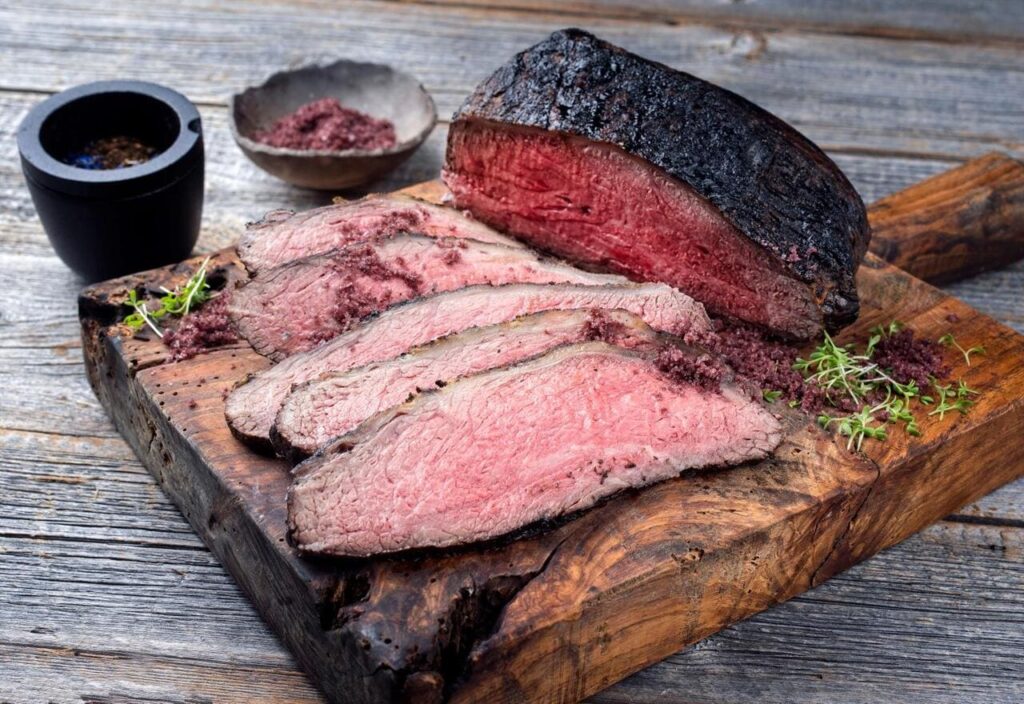
Brisket does not care about the clock. It responds only to internal temperature and how slowly connective tissue breaks down. Pros mock-timed cooks because two briskets of the same weight can behave very differently depending on fat content, thickness, and pit conditions.
A brisket may reach tenderness early or stall for hours. When cooks rely on minutes instead of probe feel and temperature, they often pull the meat too soon or let it dry out chasing a schedule. The result is either tight and chewy or crumbly and overcooked.
Experienced pitmasters cook by feel, watching how the probe slides into the flat and point. Time is only a rough reference. Treating it as a rule guarantees inconsistent results.
2. Trimming Too Much Fat
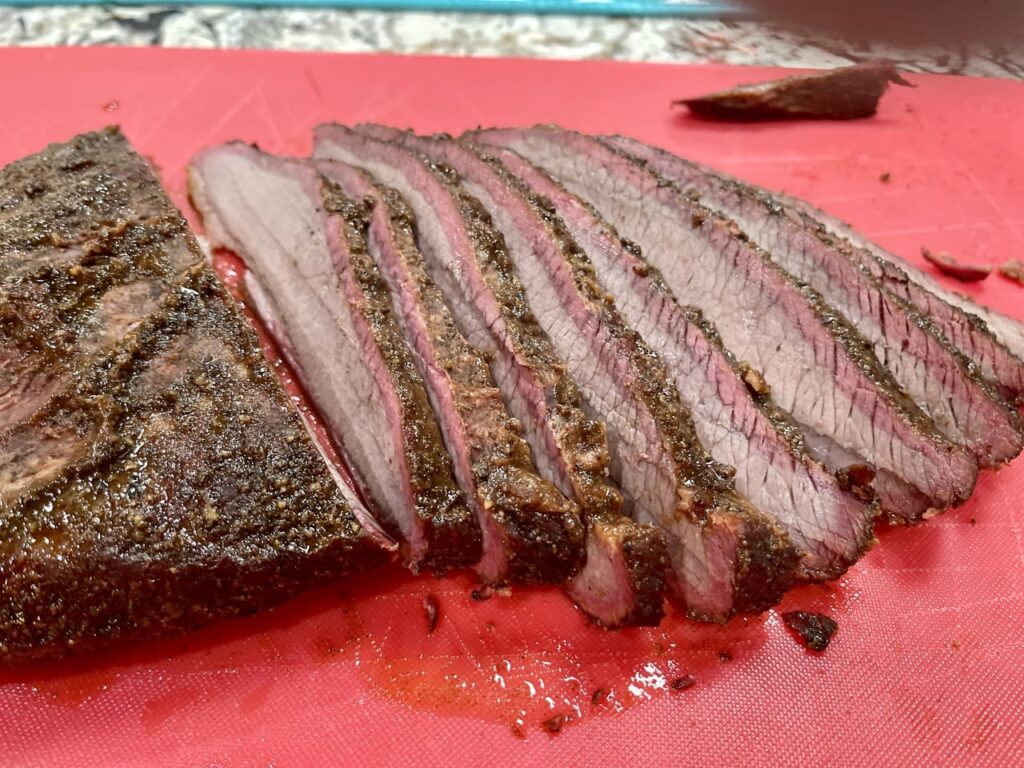
Overtrimming is one of the fastest ways to ruin a brisket. Fat protects the meat from direct heat, slows moisture loss, and contributes to flavor as it renders. When home cooks carve it down aggressively, they strip away that natural insulation.
Without enough fat, the flat dries out long before collagen fully breaks down. The meat cooks unevenly, developing tough edges and a hollow mouthfeel. No sauce or wrap can fully recover what excessive trimming removes.
Pros trim with restraint. They shape the brisket for airflow but leave enough fat to do its job. Cutting too much is not precision. It is self-sabotage.
3. Not Trimming Enough Fat
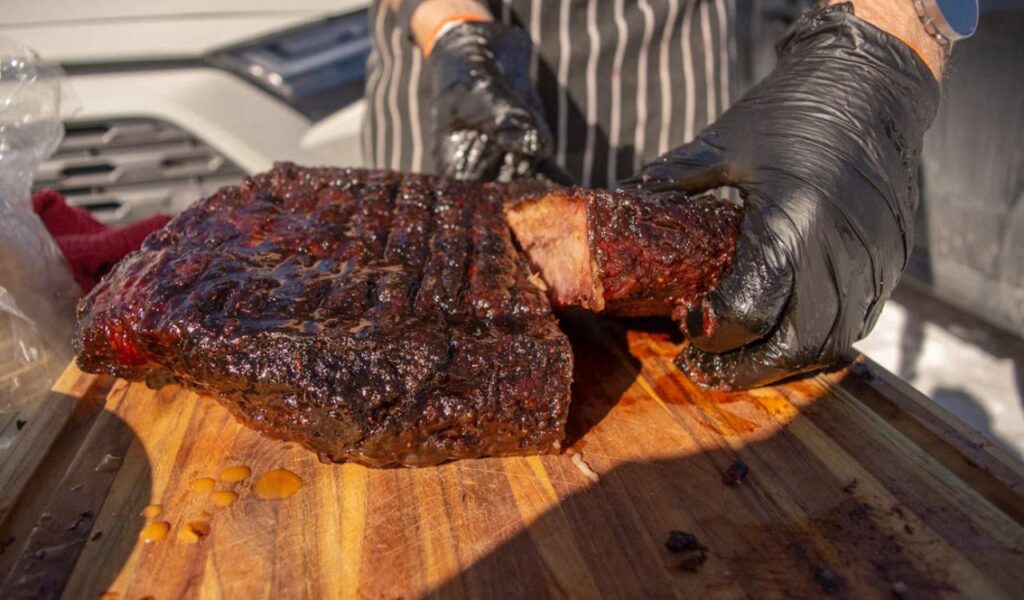
Leaving too much fat on a brisket causes problems that are easy to miss early on. Thick, uneven fat acts as insulation, blocking heat from reaching the meat. Instead of rendering, the fat stays firm and separates from the muscle.
When fat does not render, seasoning and smoke cannot penetrate. This creates bland bites and uneven cooking, with some areas underdone while others overcook. Large fat pockets make timing unpredictable.
Professionals trim with purpose. Fat is kept thin and even so it renders properly and protects the meat without blocking heat. Skipping trimming leads to greasy texture and uneven flavor.
4. Wrapping Too Early
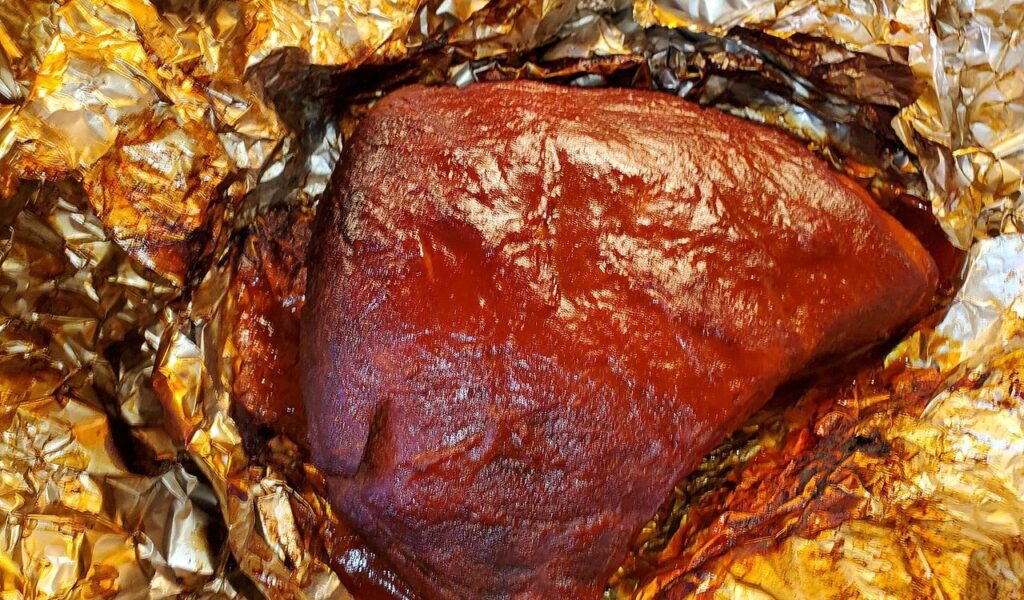
Early wrapping usually comes from fear rather than strategy. Cooks see dark bark forming and rush to protect the brisket before it finishes absorbing smoke or setting structure. That decision interrupts critical surface development.
Wrapping too soon traps moisture against the meat, softening bark and forcing the brisket to steam instead of smoke. Flavor compounds dilute, and the exterior texture turns spongy. At this stage, internal fat has not yet rendered enough to benefit from enclosure.
Professionals wait until the bark is firm and the stall has done its work. Wrapping is used to protect progress, not rush it. Using it early trades depth and texture for speed, which shows in the final slices.
5. Never Wrapping at All
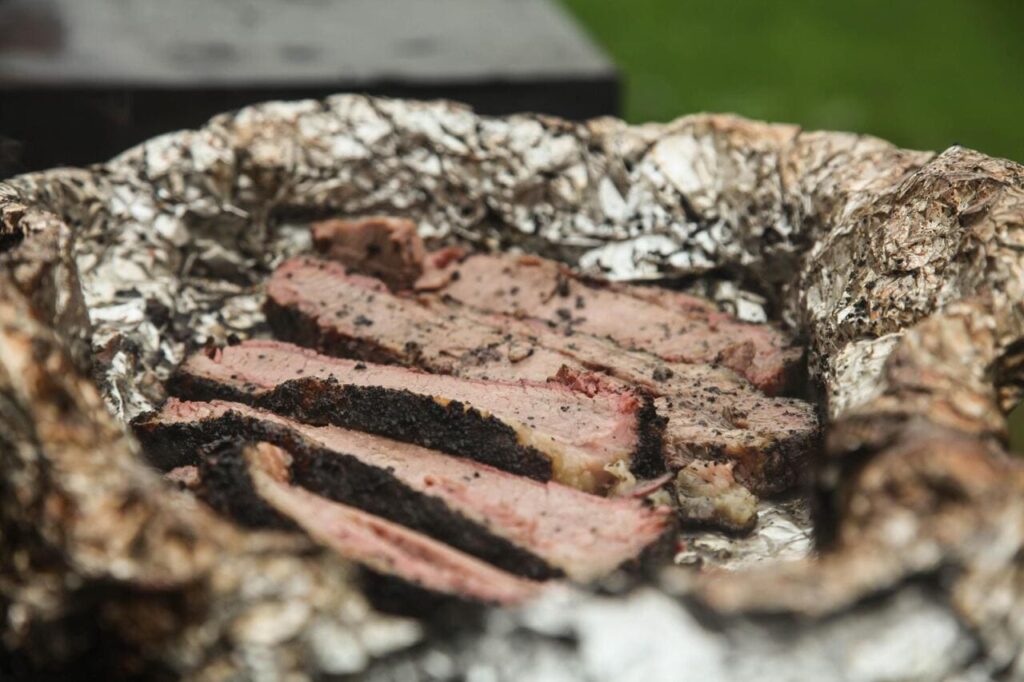
Refusing to wrap can be just as damaging as wrapping too soon. While some briskets finish well unwrapped, many dry out during long stalls when exposed to constant airflow. The flat suffers first because of its low fat content.
As internal fat renders, moisture escapes rapidly. Even if the brisket reaches target temperature, it may lose juiciness along the way. Bark alone cannot shield the meat indefinitely during extended cooks.
Professionals stay flexible. Wrapping is applied when the brisket needs protection or help pushing through the stall. Treating no-wrap as a rule ignores what the meat is signaling and leads to preventable dryness.
6. Constantly Opening the Smoker
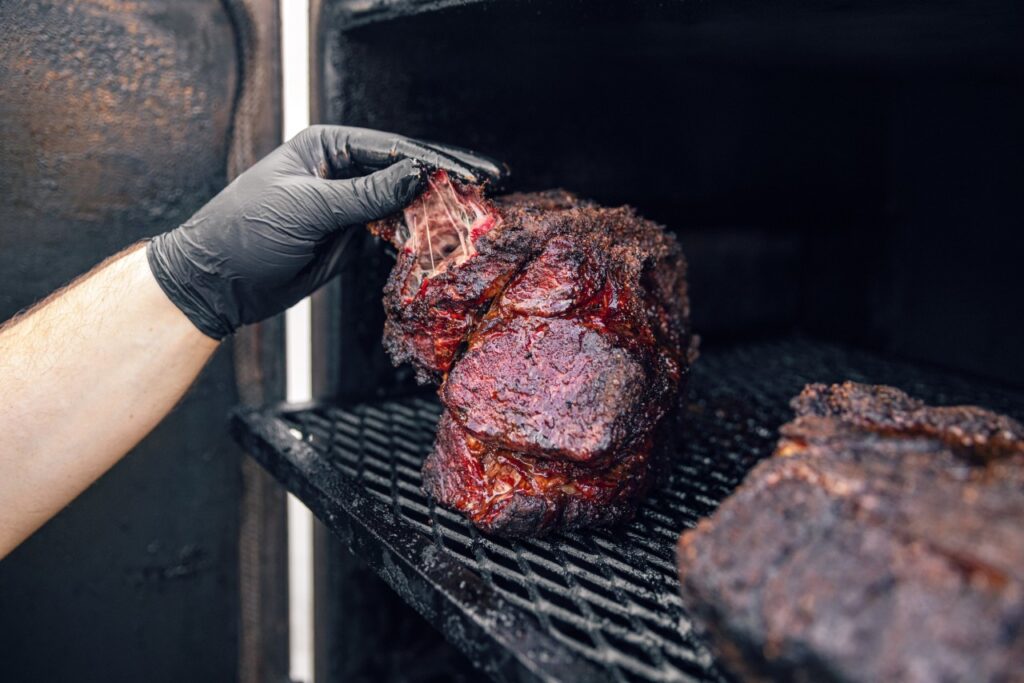
Every time the smoker is opened, heat and airflow collapse instantly. Temperatures drop, combustion weakens, and the fire must rebuild itself from scratch. Home cooks who check brisket repeatedly extend cooks without realizing why.
Repeated peeking prolongs the stall and dries the surface. Smoke quality suffers as fires struggle to recover, producing inconsistent combustion. What feels like careful monitoring becomes constant disruption.
Pros trust their setup. They monitor temperatures remotely and open the smoker only when necessary. Stability, not visibility, is what cooks brisket evenly and efficiently.
7. Chasing Smoke Instead of Clean Fire
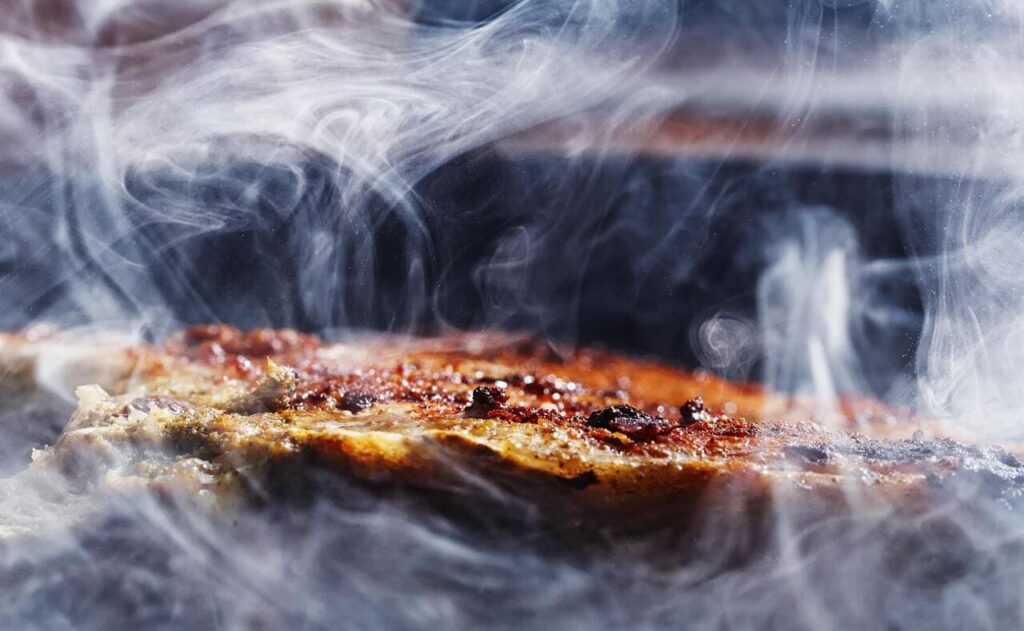
Heavy smoke may look impressive, but it quickly ruins brisket flavor. Thick white smoke carries bitter compounds that coat the meat early. New cooks often add more wood chasing aroma or color, not realizing the damage happens long before the brisket looks done.
Dirty smoke is a combustion issue, not seasoning. Smoldering wood lacks oxygen and releases harsh chemicals that penetrate the meat. Once absorbed, those bitter flavors cannot be fixed by resting or trimming.
Professionals focus on clean fire, not visible smoke. Thin blue smoke signals proper combustion and airflow. Good brisket flavor comes from balance and control, not heavy smoke.
8. Slicing Immediately After Cooking
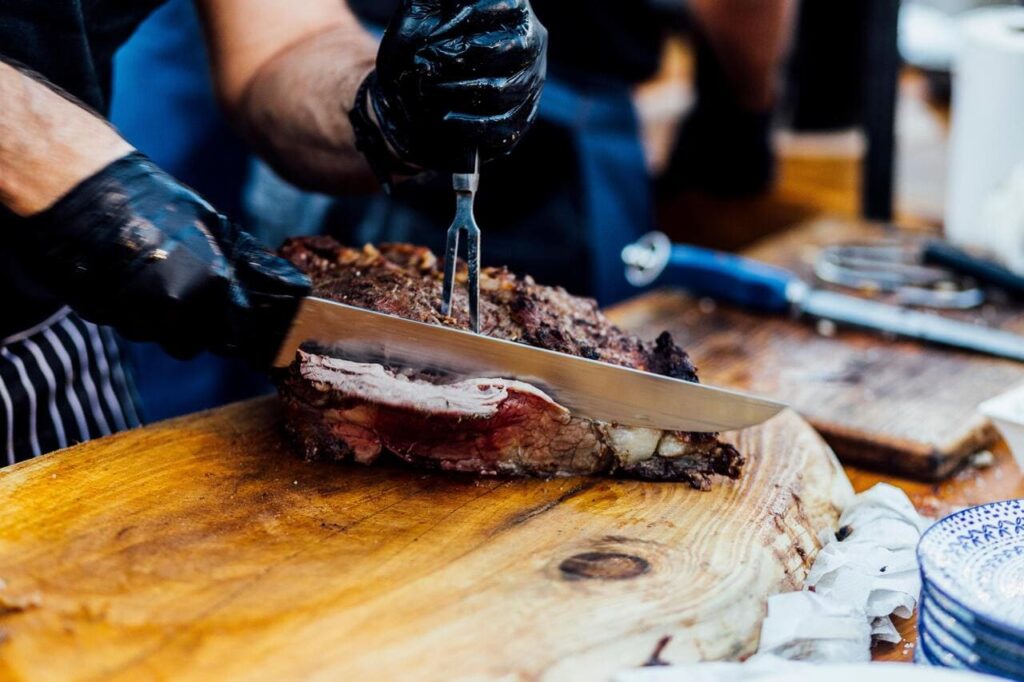
A brisket fresh off the smoker is still under internal pressure. Heat keeps juices moving rapidly through the meat, and muscle fibers remain tense. Cutting immediately forces moisture out onto the board instead of letting it redistribute inside the brisket.
The slices may appear juicy at first, but they dry out within minutes. Collagen has not fully settled, so texture suffers and the meat tightens as it cools. What should be tender becomes disappointing fast.
Professionals treat resting as part of the cook, not an optional pause. Allowing temperature to drop stabilizes structure and moisture. Skipping that step sacrifices tenderness and juiciness for impatience.
9. Cutting With the Grain
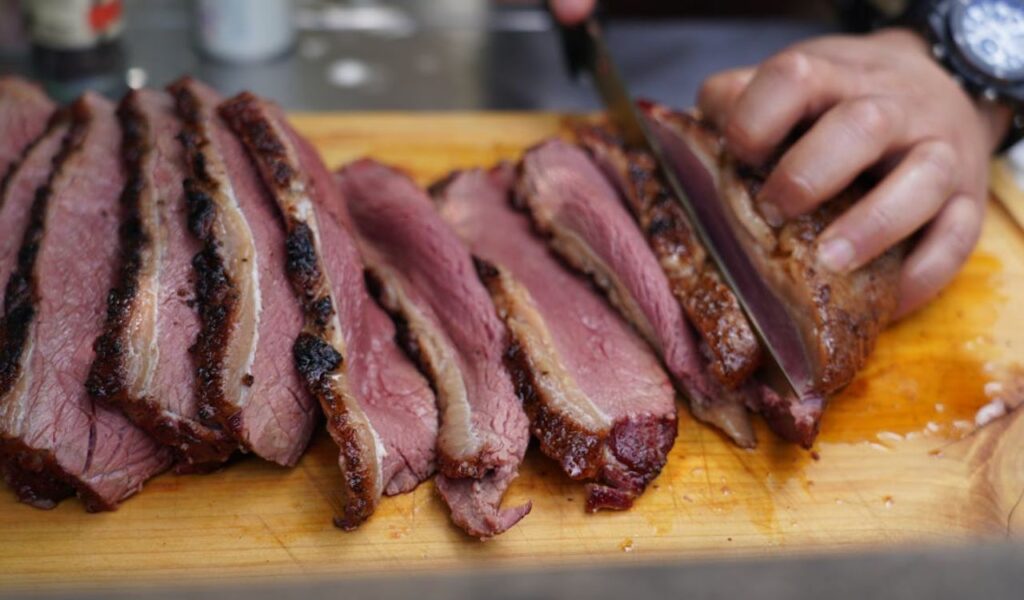
Cutting brisket with the grain leaves long muscle fibers intact, making each bite chewy regardless of how well the meat was cooked. It is one of the most common mistakes made after hours of careful smoking and temperature control.
The challenge comes from brisket anatomy. The flat and point run in different directions, which confuses many cooks. Ignoring grain orientation wastes proper trimming, fire management, and timing in seconds.
Experienced pitmasters identify grain direction before cooking and adjust slicing accordingly. Cutting against the grain shortens muscle fibers, delivering tenderness that reflects the effort put into the cook.
10. Treating Flat and Point the Same
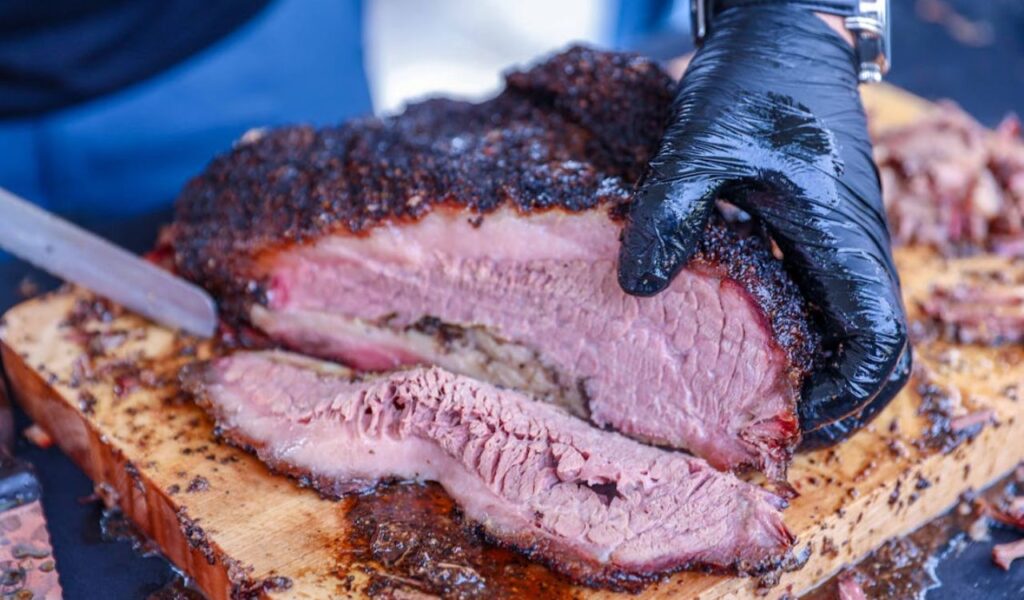
The flat and point are different muscles with different behaviors. The flat is lean and vulnerable to moisture loss, while the point is fatty and far more forgiving. Treating them the same ignores how each section responds to heat.
When cooked identically, imbalance is inevitable. The flat often dries out while the point remains under-rendered. Each muscle absorbs heat, renders fat, and softens collagen at a different pace.
Professionals adjust trimming, wrapping, and slicing for each section. Treating the brisket as a single uniform cut ignores its structure and turns manageable differences into preventable failures.