Why Sweetgreen Lost Its Cool with Younger Diners

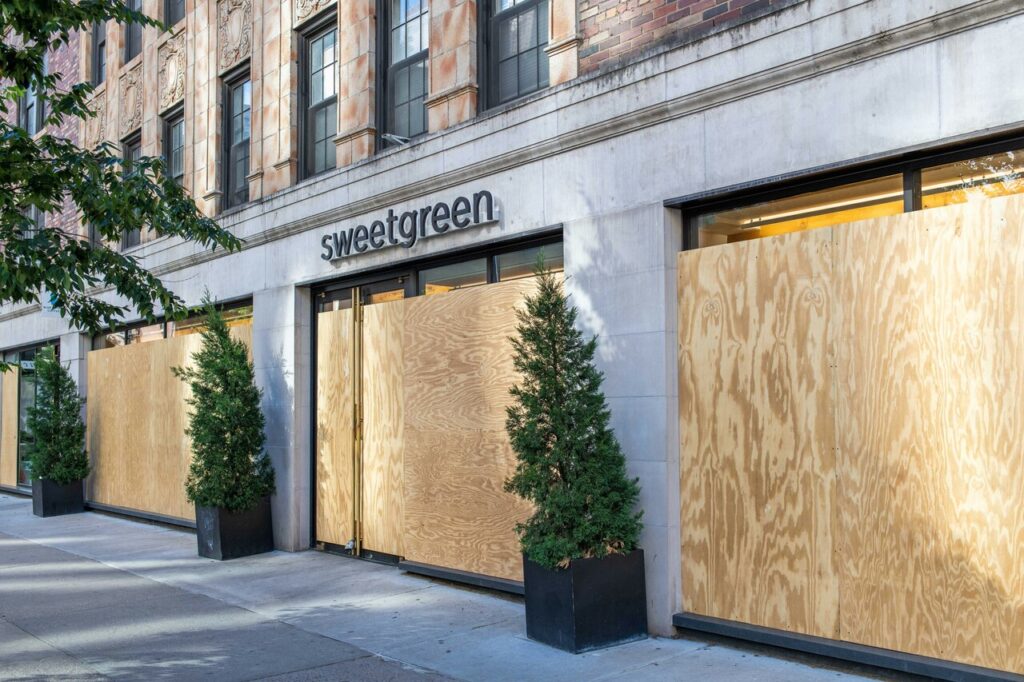
Sweetgreen was once the fast-casual brand younger diners lined up for, drawn in by its clean design, wellness promise, and cultural cachet. But as economic pressure reshaped spending habits and expectations around value shifted, that appeal began to fade. Higher prices, changing tastes, and growing competition have made the brand feel less essential to a generation now focused on affordability and usefulness. What happened offers a clear look at how quickly “cool” can change in food culture. Relevance now depends on meeting practical needs rather than projecting identity. The shift highlights how consumer priorities evolve faster than brand narratives.
The Sweetgreen Boom and Brand Identity

Sweetgreen began as a fresh face in fast casual, capturing the zeitgeist of the early 2010s with bright, health-oriented salads and a minimalist brand aesthetic that appealed to urban, health-minded Millennials and Gen Z. Early on, Sweetgreen positioned itself as more than a restaurant: it was a lifestyle choice that aligned with clean eating, sustainability, and an aspirational workday routine. In many ways, Sweetgreen helped define what fast casual could be when it fused convenience with a carefully curated image of wellness and purpose. Eating there signaled awareness and taste. The experience extended beyond the food. Image and values mattered equally.
For years, the chain’s blend of fresh greens, seasonal produce, and customizable bowls felt innovative and exciting, especially for younger consumers who valued freshness and transparency. The company’s rapid expansion into major metropolitan areas reflected that early success. Sweetgreen’s brand partnerships, tech collaborations, and minimalist stores projected a modern persona that fit digital culture. But as trends shifted and competitors emerged with similar offerings or stronger value, the sheen began to wear off, leaving Sweetgreen’s once-powerful identity challenged in a crowded marketplace.
The Shift in Consumer Spending
Sweetgreen’s challenges with younger diners coincide with broader shifts in consumer spending, especially among Gen Z and younger Millennials facing economic pressures that have tightened discretionary budgets. Fast-casual chains like Sweetgreen saw significant same-store sales declines as consumers grew more price sensitive and prioritized value over brand cachet. Sales slumped sharply in key markets, with younger diners cutting back on dining out more than older cohorts. Economic uncertainty reshaped everyday spending decisions. Eating out became more selective and infrequent. Cost awareness increased across demographics.
Economic factors such as student loan repayments, slower wage growth, and rising living costs have disproportionately affected diners in their 20s and 30s, making everyday premium purchases less appealing. As a result, many in this demographic are opting for cheaper alternatives like low-cost fast food, grocery meals, or home-cooked options that provide more calories and perceived value for the money. What once felt like a premium treat now feels like a needless expense to a generation balancing tight budgets with the high cost of living. This shift in spending behavior has directly undercut traffic and frequency at Sweetgreen stores.
Perception and Value Challenges

A central issue in Sweetgreen’s struggle with younger diners is the perception of value. While the brand built itself around premium, fresh ingredients and community-minded messaging, many diners increasingly view its pricing as unjustified for what they receive. Average meal prices often exceeded expectations of affordability, particularly when compared with alternatives offering more volume. As inflation hit and customers became more cost-conscious, Sweetgreen’s price point began to feel out of step. Premium branding amplified scrutiny. Every dollar spent felt evaluated. Portion size mattered more. Ingredient quality alone stopped convincing.
Competitors offering similar customization at lower prices started attracting the diners that Sweetgreen once owned. Fast food chains leaned into promotions that blurred the line between value and quality. Deep discounts and bundled meals shifted expectations of what a “good deal” looked like. Against that backdrop, Sweetgreen’s bowls felt comparatively expensive. Once value perception erodes, winning it back becomes difficult. Competition intensified rapidly. Promotions trained consumers to wait. Loyalty weakened under pressure. Alternatives felt smarter financially. Sweetgreen lost pricing authority.
Menu Strategy and Operational Missteps
Sweetgreen’s early appeal rested on menu simplicity that highlighted fresh produce and clarity of choice. Over time, it introduced changes aimed at broadening appeal but increased complexity. New items, larger protein portions, and experimental offerings raised costs and strained operations. Some additions proved difficult to execute consistently across locations. Operational friction diluted the customer experience. Complexity crept in quietly. Speed became inconsistent. Labor demands increased. Execution varied by store. Simplicity gave way to strain. What once felt streamlined began to feel fragmented.
Rather than streamlining, some menu changes blurred Sweetgreen’s identity as a straightforward lunch option. When core items felt expensive without delivering standout satisfaction, diners began questioning repeat visits. Loyalty program adjustments also failed to clearly enhance value. Without obvious benefits, engagement softened. Strategy drift made priorities less clear. Customers noticed an inconsistency. Expectations were not met reliably. Confusion replaced confidence. Familiarity no longer guarantees satisfaction. Trust slowly weakened. Value perception became fragmented across visits. Small disappointments accumulated into hesitation.
Brand Relevance and Marketing Fatigue
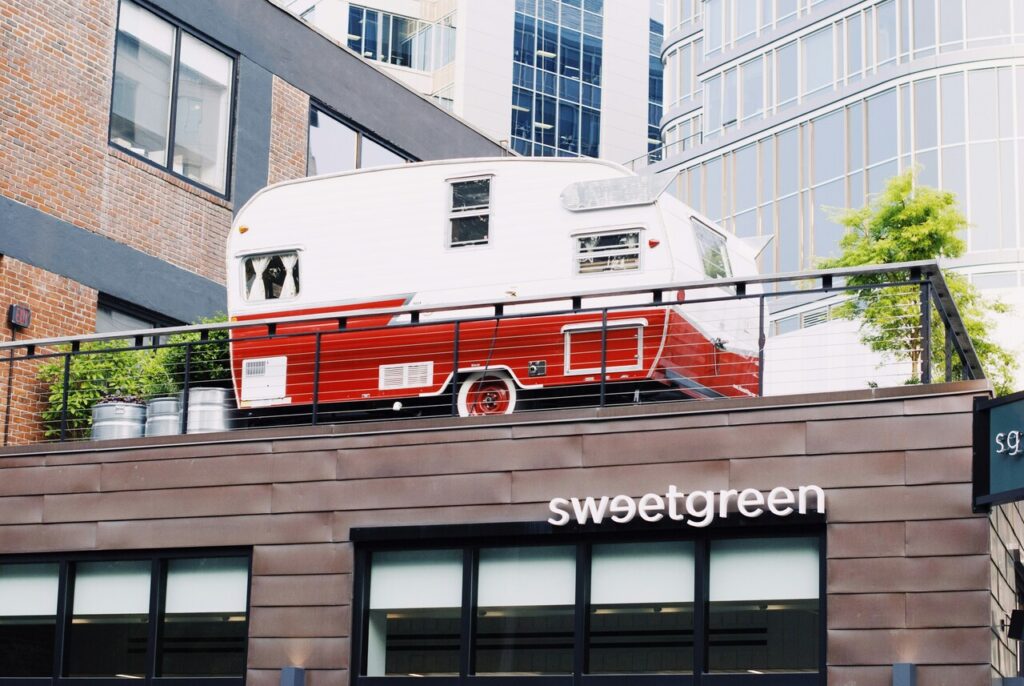
At its peak, Sweetgreen functioned as a cultural signal tied to wellness, productivity, and urban aspiration. Its branding blended food with fashion, music, and tech-driven experiences. For a time, this approach resonated strongly with younger professionals. But cultural tastes evolve quickly. What once felt fresh can age rapidly. Aspirational tone began to feel forced. Messaging stayed static while culture moved. Younger audiences grew skeptical. Authenticity standards changed. Coolness became harder to claim. Trends shifted faster than campaigns could adapt. Relevance required more than aesthetics.
What had been aspirational branding increasingly read as outdated or performative. Younger diners began favoring brands that felt practical and unpretentious. The emphasis shifted toward usefulness and honesty. Sweetgreen’s image struggled to adjust. Marketing without clear value felt hollow. Tone matters deeply now. Utility outweighs polish. Earnest branding faces scrutiny. Identity must evolve with the audience. Sweetgreen lagged behind sentiment. Perception drift widened the disconnect. Repositioning became more urgent than refinement. Brand meaning needed recalibration. Messaging had to earn trust rather than assume it.
Impact on Sales and Financial Performance
Value concerns and brand fatigue surfaced clearly in Sweetgreen’s financial results. Same-store sales declined as traffic slowed. Pricing pressure squeezed margins. Cost controls became harder to balance with quality commitments. Growth momentum stalled. Numbers reflected sentiment. Traffic loss compounded quickly. Recovery proved difficult. Financial signals mirrored consumer hesitation. Stability weakened quarter by quarter. Short-term fixes failed to reverse the trend. Confidence eroded alongside performance metrics. Financial strain limited strategic flexibility. Each quarter increased pressure to act decisively.
Stock performance followed the same downward trajectory. Investors responded to slower growth and uncertain positioning. Core markets softened simultaneously. Heavy reliance on younger diners amplified vulnerability. Financial stress underscored the need for change. Market confidence faded. Expansion plans faced scrutiny. Expectations reset lower. Performance gaps widened. Long-term outlook required adjustment. Strategic clarity became a priority for recovery. Sustained improvement depended on regaining trust across stakeholders. Investors looked for proof, not promises. Credibility became as important as growth projections.
Response Strategies and Future Positioning
Sweetgreen’s leadership has acknowledged the challenges and signaled course correction. Pricing structure is under review to clarify entry points. New formats and menu ideas are being tested. Leadership aims to restore frequency. Execution remains critical. Change is underway. Direction is being reassessed. Flexibility has increased. Risk tolerance has shifted. Results will take time. Internal alignment will be tested as changes roll out. Measured execution will matter more than speed. Small wins will need to compound to regain momentum. Credibility will hinge on delivery rather than announcements.
Loyalty programs and targeted promotions are also evolving. The challenge lies in balancing value with brand integrity. Sweetgreen must avoid racing to the bottom. Strategic clarity will determine success. Alignment with reality is essential. Relevance must be rebuilt. Value must be visible. Messaging must simplify. Experience must improve. Trust must be earned again. Customers will judge actions rather than intentions. Consistency will rebuild confidence over time. Clear incentives will matter more than brand language. Simplicity will reduce friction at decision points. Follow-through will determine whether loyalty returns.
What Younger Diners Want Today

Younger diners now prioritize affordability, fullness, and convenience. Healthy food still matters, but price dominates decision-making. Meals must justify cost immediately. Portability and speed matter more than ethos. Choices are pragmatic. Calories per dollar matter. Ease outweighs symbolism. Function beats form. Spending feels strategic. Loyalty is conditional. Financial pressure shapes everyday decisions. Brands are evaluated through a cost-benefit lens. Emotional appeal alone no longer closes the gap. Value must be obvious at first glance. Hesitation often means a lost purchase. Clear pricing and portion clarity reduce friction at checkout.
Customization remains important, but so does predictability. Promotions, combos, and clear value signals attract attention. Practical formats outperform aspirational ones. Sweetgreen must adapt its offering and communication. Relevance depends on realism. Dining choices reflect pressure. Brands must meet reality. Idealism has limits. Utility wins trust. Sweetgreen faces a defining test. Adaptation must be visible, not theoretical. Messaging must align with lived experience. Execution will determine whether relevance is restored. Consistency will reinforce credibility. Results will matter more than intent.
References
- Sweetgreen: Part Of A Trend In Sustainable Food- wbur.org
- Sweetgreen: Overhyped or Underrated?- NEIRAD.org
- Sweetgreen: ‘Romaine’-ing Sustainable While Scaling- Digital Initiative.org