
What Real Corn Soup Should Taste Like When Sweet Corn Is Done Right

Great corn soup is a flavor test for sweet corn itself. When it’s done right, the sweetness tastes milky and natural, backed by savory depth, not sugar. The texture should be silky and lightly thick from blended corn, with whole kernels left in for bite. A gentle base, restrained aromatics like ginger and pepper, and a small acidic finish keep the bowl bright instead of flat. Here’s what real corn soup should taste like, and the method choices that get it there. The best versions taste clean and corn-forward, with seasoning supporting the grain instead of competing with it.
The Gold Standard
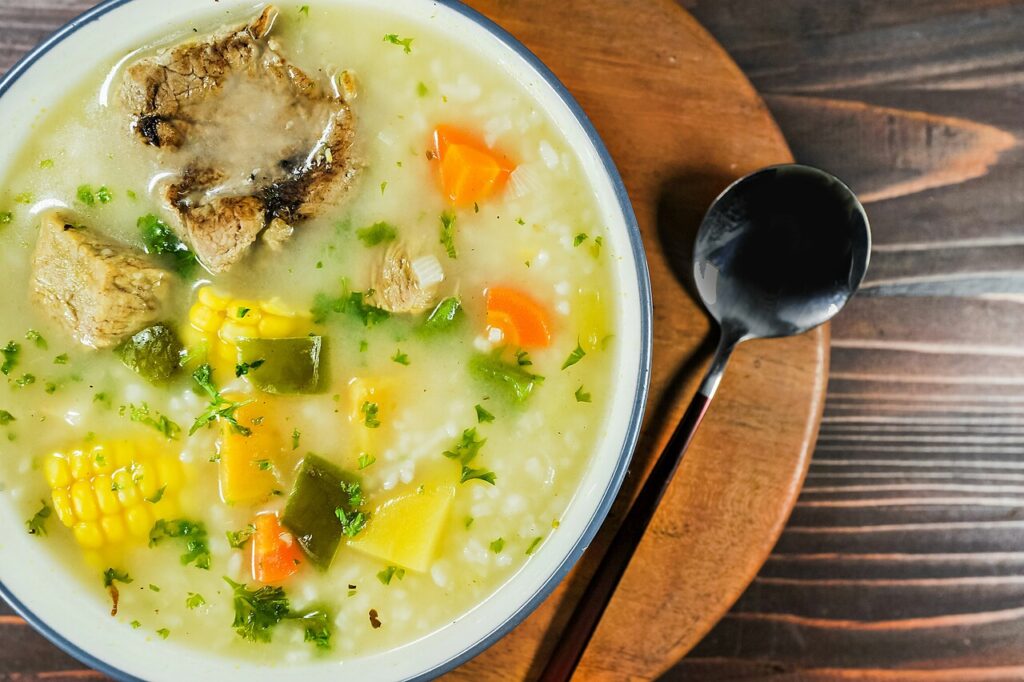
Real corn soup is not meant to taste like sweetened hot water with a few floating kernels. When it’s done right, the flavor should feel layered and distinctly “corn,” almost like the aroma released when a fresh cob is cut open. The sweetness should read as natural and milky, not candy-like, and it should be supported by savory depth so the soup tastes complete rather than one-note. A good bowl has a gentle richness that comes from the corn itself and from careful building, not from heavy cream hiding weak flavor. A faint roasted note can show up when kernels are sautéed first. Salt should make the sweetness taste clearer, not louder. The finish should stay clean instead of turning sugary.
Texture is part of that standard, too. The body should feel silky and lightly thick, with enough weight to coat a spoon, but not so thick that it turns gluey. Whole kernels should still show up as a contrast, giving little pops of sweetness and bite. The aroma should be clean and inviting, often lifted by pepper, ginger, or a finishing acidity that keeps the soup from tasting flat. When these three targets line up, the soup tastes like sweet corn at its peak, not like a shortcut. A well-made bowl never feels starchy on the tongue. The kernel bite should stay tender, not rubbery. Even a simple garnish can make the corn aroma feel brighter.
Corn That Delivers
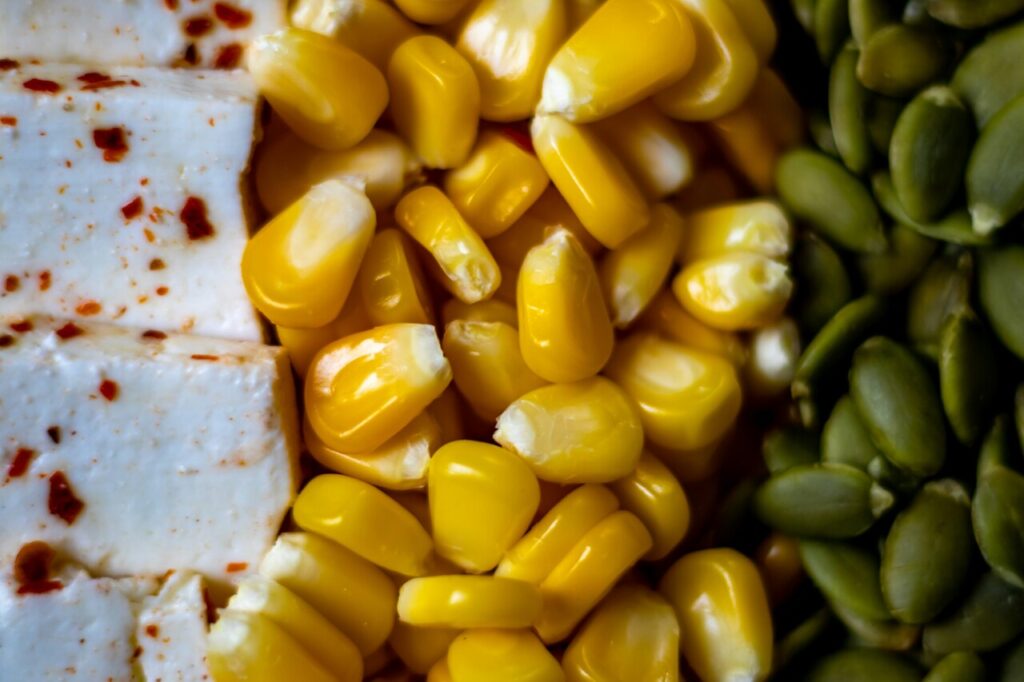
Corn soup can only be as good as the corn going into it, and “sweet corn” varies more than most people realize. Fresh corn at peak season tends to deliver a brighter, milkier sweetness and a deeper aroma. Frozen corn can be excellent because it is often processed soon after harvest, but it still benefits from being cooked thoughtfully so it tastes like corn rather than generic sweetness. The key is choosing tender kernels, because older, tougher corn can taste starchy and dull in soup. Freshness often shows in how juicy the kernels feel when cut. Sweeter corn also tends to smell more like warm buttered corn.
The cob itself is an underrated flavor tool. Corn’s deepest flavor is not only in the kernels but also in the cob, where aromatic compounds linger. Simmering cobs briefly in water or stock builds a base that tastes more like real corn, even before any kernels are blended. This “corn stock” approach makes the soup taste fuller without adding extra salt or fat. It also helps frozen corn taste more dimensional, because the soup gets that unmistakable fresh-corn perfume that kernels alone may not provide. Keeping the simmer gentle prevents bitterness from developing. A short steep can be enough to pull out sweetness and aroma.
The Base Choice
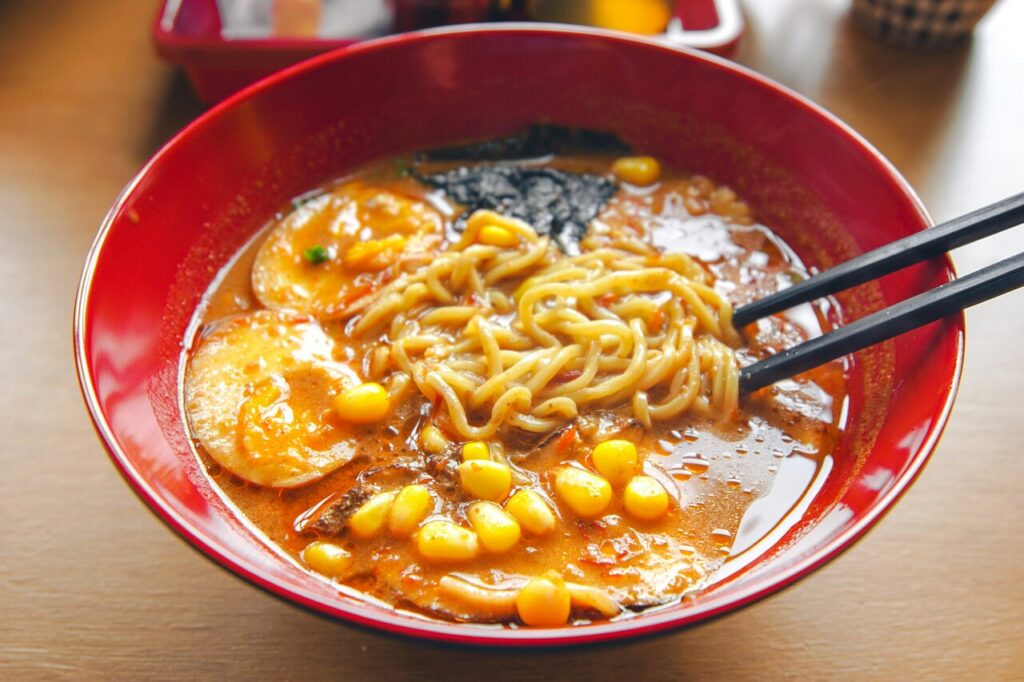
Corn soup becomes memorable when the base supports corn instead of competing with it. Water can work, but it often produces a lighter soup that depends heavily on seasoning to taste satisfying. A mild vegetable stock adds body and savory background, and even a simple broth can help the corn taste rounder. The important rule is to keep the base gentle. Strong stocks can overpower corn’s delicate sweetness and make the soup taste more like “stock with corn” rather than corn soup. A neutral base also keeps the soup’s color bright and appealing. Overly salty stock can make the sweetness taste muted. Choosing a lighter stock keeps the corn flavor forward.
Butter can add a subtle, nutty richness that pairs naturally with corn’s sweetness, especially when used to sauté aromatics before liquid is added. Even a small amount can make the soup feel smoother and more restaurant-like. Seasoning should stay balanced. Black pepper adds warmth, ginger adds brightness, and salt should be used carefully so it lifts sweetness without making the soup taste sharp. A base built with restraint leaves room for corn to stay the headline flavor. Spices should be added early enough to bloom but not burn. A restrained base makes the final soup taste clean and not greasy.
The Restaurant Texture
Restaurant-style corn soup often feels creamy even when there is no heavy cream involved, and the trick is how the corn is used. Blending a portion of the cooked corn creates natural thickness because corn contains starch that emulsifies into the liquid. This builds body while keeping the flavor purely corn-forward. A good method is to blend most of the corn into a smooth purée, then stir in the remaining whole kernels at the end to keep the texture lively. Blending also spreads a particular sweetness evenly through the bowl. Straining can create an even silkier feel if a very smooth texture is preferred.
Thickening should be controlled and minimal. Cornstarch slurry is commonly used because it thickens quickly and creates a glossy finish, but too much can make the soup sticky or gummy. The goal is a light, spoon-coating thickness that still feels like soup, not sauce. The best texture usually comes from a combination: corn purée for natural body, plus a small slurry only if needed to fine-tune the final feel. That balance keeps the soup silky and clean instead of heavy. Slurry should be mixed with cold water so it disperses smoothly. Once the sheen appears, the heat can be lowered to protect the texture.
The Flavor Builders
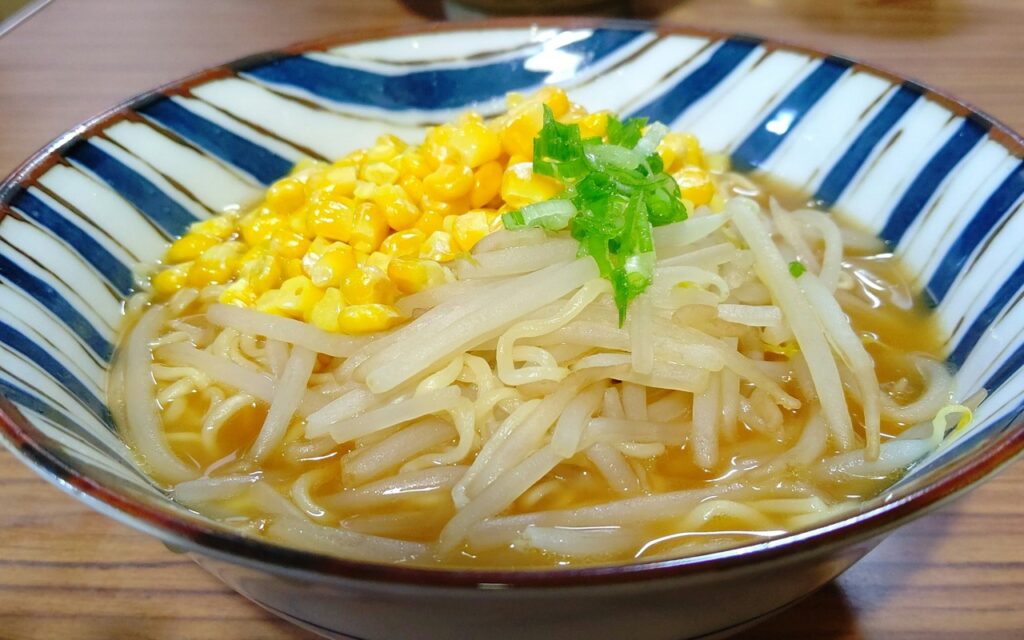
Corn soup tastes more “real” when sweetness is anchored by savory aromatics. Ginger and garlic are common because they bring warmth and fragrance without overwhelming the corn. Used in small amounts, they sharpen the soup’s profile and make it taste more dimensional, especially when cooked briefly in butter or oil before liquid is added. Pepper plays a similar role. It adds gentle heat and a warm finish that keeps the sweetness from tasting dull. A little ginger can make the corn taste fresher rather than spicier. Garlic works best when softened, not browned. Pepper should be noticeable but not dominate the aroma.
A small touch of acidity can be the difference between a soup that tastes pleasant and one that tastes bright and finished. Vinegar or lemon juice used sparingly at the end can lift the corn’s natural sweetness and make the whole bowl taste fresher. The key is restraint, because too much acid can turn the soup harsh and mask corn’s milky notes. A well-built corn soup tastes sweet, savory, and lightly spicy, with a clean finish that invites another spoonful. Acid should be added a drop at a time and tasted quickly. The right amount makes the soup taste less heavy. It also helps balance butter and starch without changing the soup’s identity.
The Signature Finish
The best corn soup has a glossy mouthfeel that feels smooth and comforting without being heavy. That gloss often comes from proper thickening and from stirring the soup gently after it thickens, so the starches stay evenly distributed. It also comes from avoiding overcooking after thickening, which can make the soup tighten and lose its silkiness. A finished bowl should feel cohesive and light, not pasty. Gentle heat preserves the fresh corn aroma at the end. Overboiling can make the soup taste dull. A smooth finish should cling slightly without leaving a thick film. Fresh herbs should be added at the last moment so they stay vivid.
Garnishes should add contrast and freshness. A scatter of spring onion, coriander, or finely chopped herbs can brighten the aroma instantly. Extra black pepper on top can add a warm edge that complements the sweetness. Serving temperature matters as well. Corn soup tastes best when served hot enough to release aroma but not boiling, because excessive heat can mute the delicate corn fragrance. The finish is where the soup shifts from homemade to polished, even with simple ingredients. A drizzle of butter can add shine without making it oily. Even a few whole kernels on top can signal texture before the first spoonful.
Common Missteps
The most common failure in corn soup is flat sweetness. This happens when corn is bland, when the soup is diluted with too much water, or when the base is not built with enough savory backbone. Adding sugar can make it taste sweeter, but it rarely makes it taste more like corn. The better fix is improving corn intensity by using a corn purée, simmering cobs for flavor, and balancing with salt, pepper, and aromatics so the sweetness tastes natural rather than added. Sugar can also push the soup toward a dessert-like flavor. A better fix is reducing excess liquid or adding more puréed corn. Seasoning should be adjusted so the soup stays balanced.
Too much cornstarch can create a gummy, glue-like soup that coats the mouth unpleasantly. Overcooking the kernels can also dull flavor and make the soup taste tired, because sweet corn’s fresh notes fade with long heat. Another issue is adding slurry and then boiling hard, which can make the soup thicken unevenly and lose its glossy finish. The best corn soup respects timing: cook the corn just until tender, thicken lightly, and stop once the texture is right. Hard boiling can also make the soup foam and look less appealing. Stopping at the right thickness is easier than trying to thin a gluey soup later.
Storage and Reheat

Corn soup often thickens as it cools because starch continues to set. That is normal, but it can surprise people the next day when the soup looks too dense. Reheating gently is important because aggressive boiling can make the texture tighten and can reduce that clean corn aroma. A small splash of water or stock can loosen the soup back to a spoonable consistency without washing out flavor. Warming slowly also helps prevent scorching at the bottom. Stirring keeps the starches evenly mixed as the soup loosens. Adding liquid in small amounts protects the original flavor balance. Gentle heat keeps herbs and aromatics from turning bitter.
Keeping kernels crisp is harder after storage because they soften as they sit in liquid. One way to preserve contrast is to hold back some kernels and add them fresh during reheating, or to briefly warm them separately before stirring in. Stirring well while reheating also helps prevent separation, especially if the soup was thickened with starch. With careful reheating, corn soup can still taste bright and sweet the next day, with a texture that feels smooth instead of heavy. Freshly added kernels bring back that pop that makes the soup feel lively. A final taste check can confirm salt and acidity before serving again.
References
- Creamy Corn Soup – Think Healthcare.org
- Corn: A versatile, nutritious choice – Mayo Clinic Health.org
- Corn Soup – Cook For Your Life.org