12 Infamous Fried Chicken Styles That Spark Endless Debate

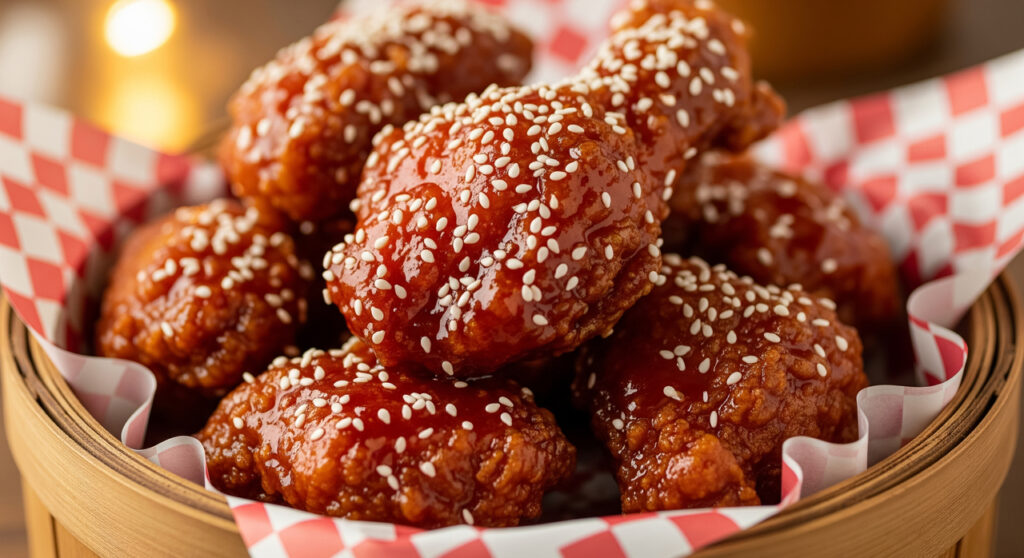
Fried chicken may look simple on the surface, but every region, culture, and kitchen brings its own rules, loyalties, and strong opinions to the table. Some styles chase blistering heat, others obsess over crunch, while a few lean into sweetness, smoke, or rich gravy. Tiny differences in breading, oil temperature, marinade time, and seasoning balance can completely change how the chicken eats and how people judge it. Texture matters just as much as flavor. A coating that stays crisp too long can feel dry, while a sauce soaked crust can frustrate crunch lovers. What this really means is fried chicken becomes personal fast. Everyone carries a mental benchmark tied to memory, culture, or comfort, which is why debates over the best style never really cool down.
1. Nashville Hot Chicken
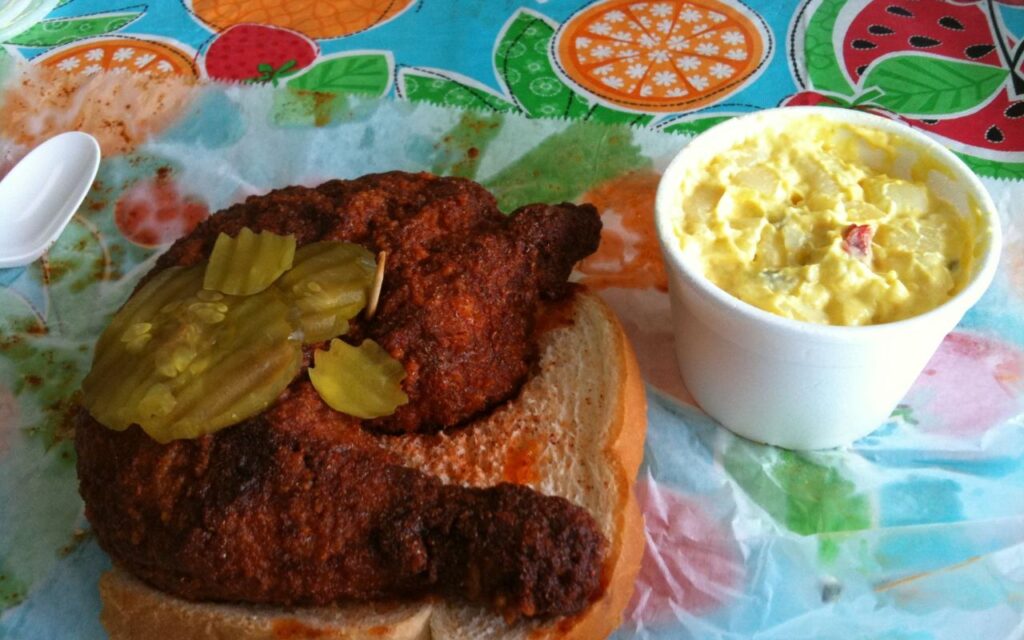
Heat is the whole point of Nashville hot chicken, and that’s exactly why it divides people so fiercely. The chicken is traditionally fried, then coated in a cayenne-heavy oil paste that sinks into every crack of the crust. Some versions add brown sugar, garlic, and paprika for balance, but the burn remains front and center. Fans love the adrenaline rush and the way the spice cuts through the richness of the fried coating. Critics argue the heat overwhelms the chicken itself and masks subtle seasoning. Texture also becomes part of the debate since the spicy oil softens the crust slightly over time. Served on white bread with pickles, it’s meant to be messy, bold, and unapologetic. What really fuels debate is consistency. Heat levels vary wildly between restaurants, making one person’s perfect burn another person’s regret.
2. Korean Double Fried Chicken
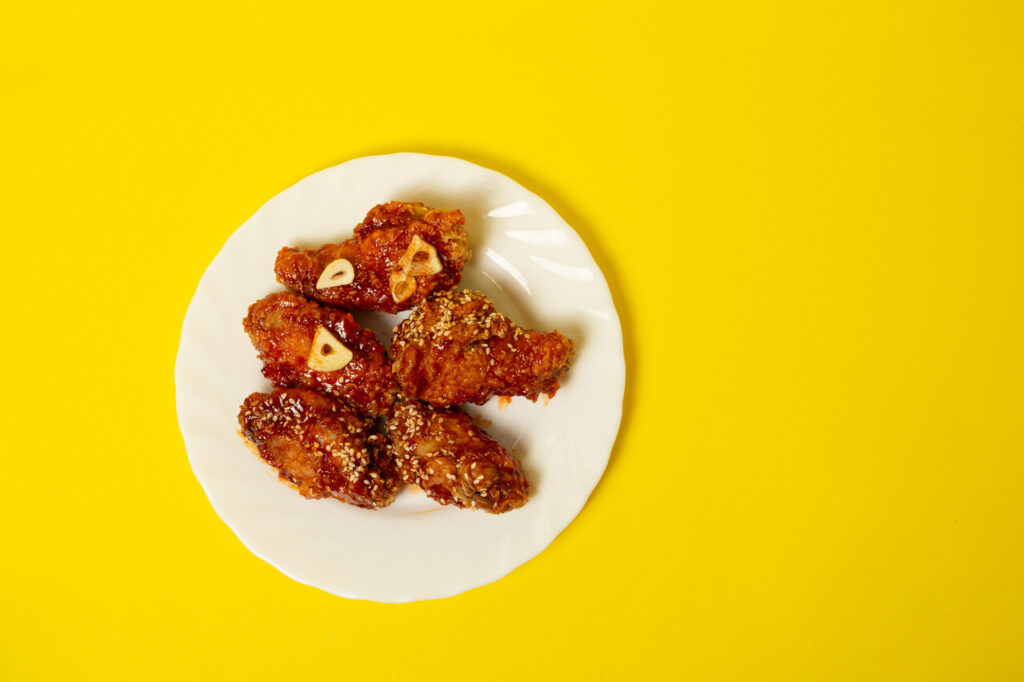
Crispness defines Korean fried chicken, especially the double-fried method that removes moisture and creates a glassy, crackling crust. The coating is often thin, sometimes built with starch rather than heavy flour, which keeps the chicken light rather than greasy. Sauces add another layer of controversy. Sweet soy garlic, gochujang chili glaze, or sticky honey chili transform the chicken into something closer to candy than comfort food for some eaters. Supporters love the balance of crunch, sweetness, and umami. Traditionalists argue that the sauces overpower the meat or turn it into a dessert-like snack. Portion size and boneless versions also spark debate, since the dish often feels more like bar food than a meal. Texture perfection is what wins people over, but flavor expectations determine whether someone stays loyal or skeptical.
3. Buffalo Style Fried Chicken
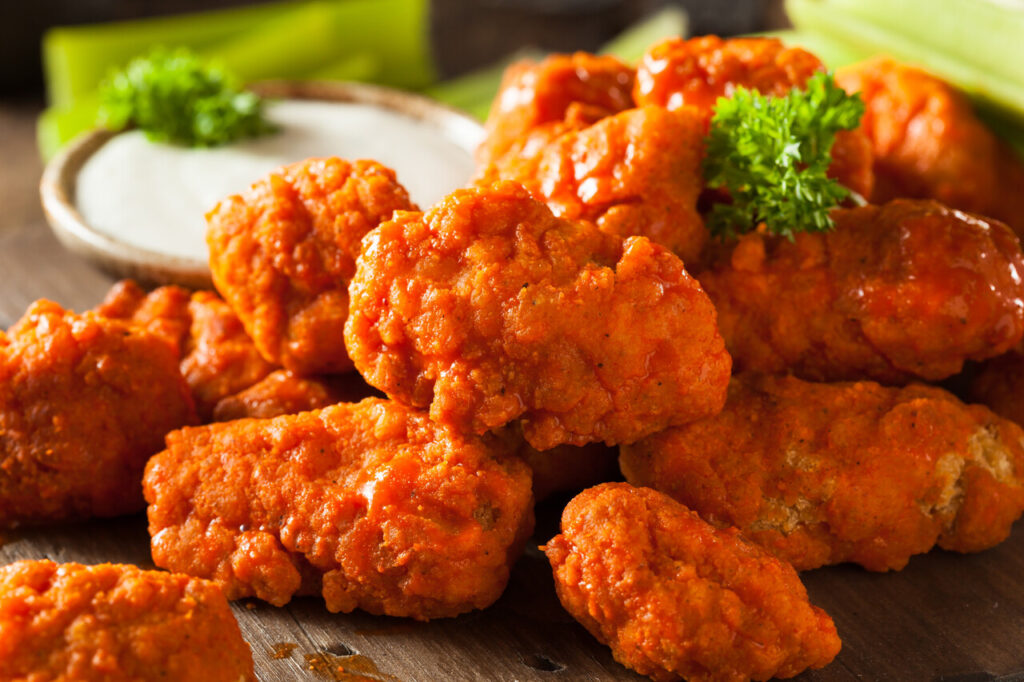
Buffalo-style fried chicken lives at the intersection of vinegar heat, butter richness, and crispy skin. Originating from Buffalo wings, the sauce relies on cayenne pepper hot sauce emulsified with butter to create a sharp, tangy bite. Some love how the acidity wakes up the palate and cuts through fat. Others find it one-note or too sour, especially when drenched heavily. Another point of contention is sogginess. Once sauced, the crisp crust softens quickly, which frustrates texture-focused diners. Blue cheese versus ranch dressing adds fuel to the debate, turning sides into loyalty tests. Bone-in wings versus boneless versions create another divide. For many, Buffalo chicken is nostalgic game day comfort. For others, it lacks depth compared to spice blends or slow-marinated styles.
4. Southern Buttermilk Fried Chicken
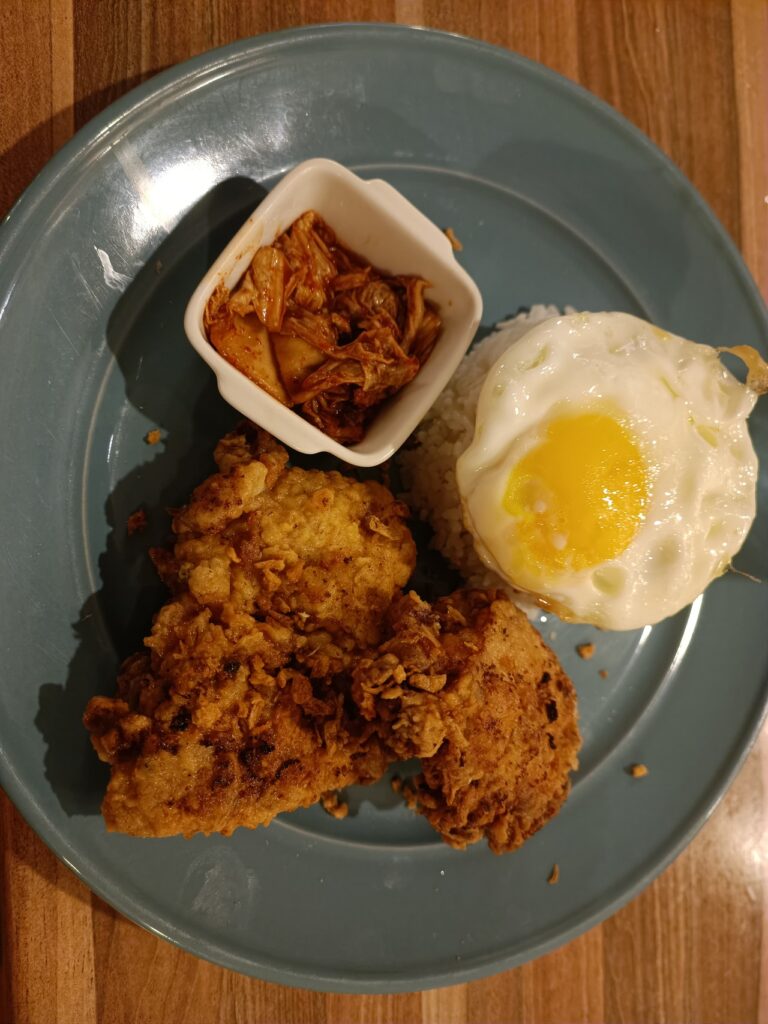
Southern fried chicken represents tradition, patience, and seasoning discipline. Buttermilk marinades tenderize the meat while adding subtle tang, and seasoned flour builds a thick, crunchy crust. The debate comes from technique differences. Some swear by cast-iron frying for even heat retention, while others prefer deep fryers. Spice level varies regionally, ranging from mild pepper to heavily seasoned blends. Purists argue the chicken should stand on its own without sauces. Others enjoy honey, hot sauce, or gravy. The thickness of the crust also divides opinions, with some preferring shatteringly crisp coatings and others favoring lighter breading. Timing matters too, since overcooking dries the meat quickly. Southern fried chicken earns loyalty because it feels comforting and familiar, but that same familiarity creates endless arguments about whose version is truly correct.
5. KFC Original Recipe Fried Chicken
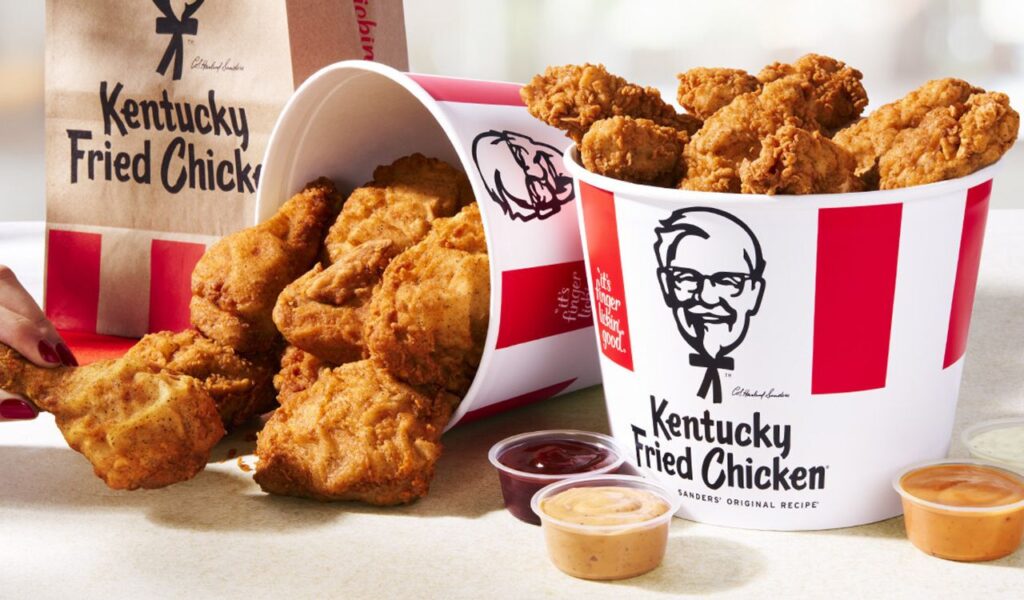
KFC’s Original Recipe is one of the most recognizable fried chicken profiles in the world, built around a secret blend of herbs and spices. Fans appreciate its consistency, accessibility, and nostalgic flavor tied to childhood meals and road trips. Critics argue the seasoning can taste overly salty or processed compared to fresh restaurant versions. Texture inconsistency also fuels debate, as moisture levels vary between locations and holding times. Some love the pressure-fried technique that locks in juiciness, while others miss the crunch of traditional open fryer methods. The exact spice blend mystery keeps people guessing and replicating at home. For some, KFC represents comfort and reliability. For others, it symbolizes mass production overshadowing craftsmanship.
6. Popeyes Spicy Fried Chicken
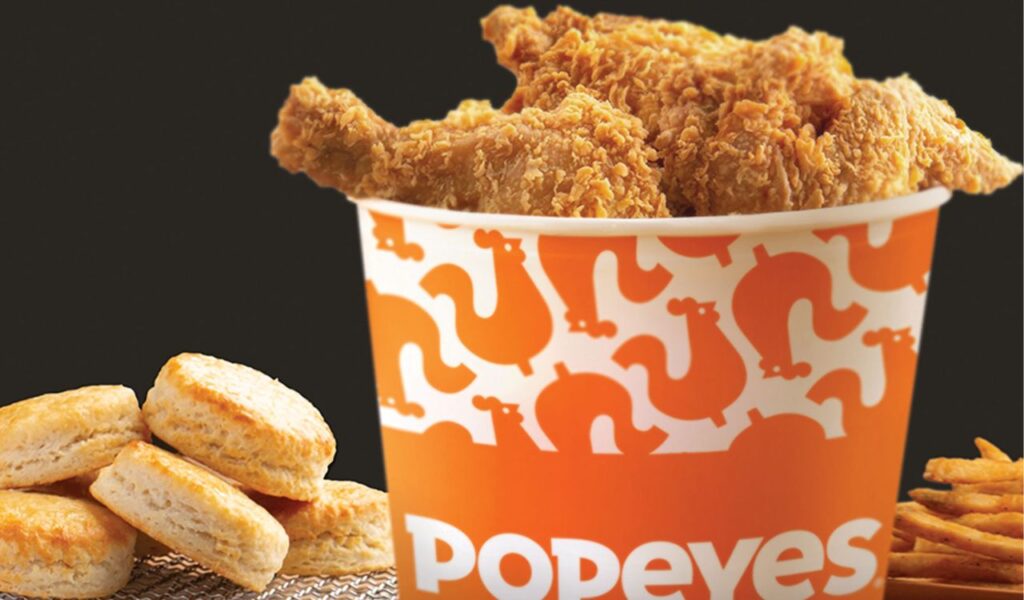
Popeyes spicy chicken leans heavily into Cajun-inspired seasoning, bringing black pepper, paprika, garlic, and chili heat into the breading itself rather than just the sauce. Supporters praise its bold flavor penetration and crunchy coating that stays crisp longer than many competitors. Skeptics find the spice uneven or overly salty, depending on batch and location. The famous chicken sandwich intensified debates about bun softness, pickle balance, and sauce application. Fry oil freshness also impacts flavor perception significantly. Popeyes tends to push savory intensity rather than sweetness, which appeals to spice lovers but alienates those who prefer milder comfort food. The brand’s aggressive flavor profile creates passionate loyalty and equally passionate criticism.
7. Japanese Karaage
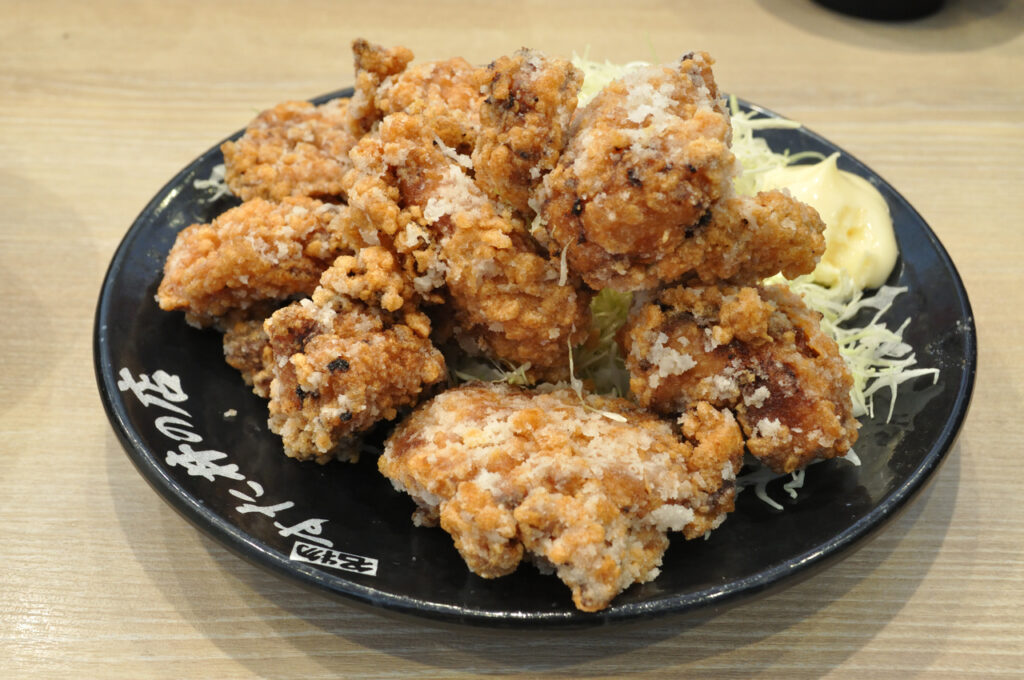
Karaage uses bite-sized chicken marinated in soy sauce, ginger, garlic, and sometimes sake before being lightly dusted with starch and fried. The result is juicy meat with a delicate crisp shell rather than heavy breading. Fans love the clean flavor, subtle seasoning, and snackable portions. Critics argue it lacks boldness or crunch compared to thick American coatings. Karaage cools quickly and loses crispness faster than some styles, which affects takeaway quality. Dipping sauces like Kewpie mayo or lemon wedges divide opinion on whether they enhance or distract from the marinade. Karaage emphasizes balance and restraint, which appeals to purists but leaves spice seekers wanting more intensity.
8. Taiwanese Popcorn Chicken
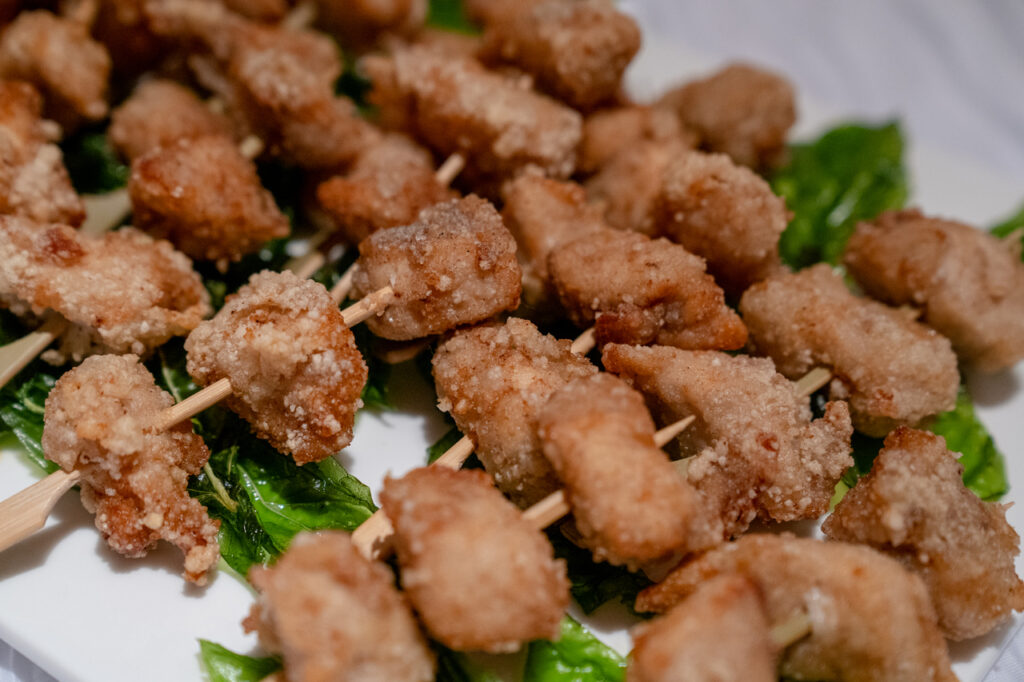
Taiwanese popcorn chicken features small chunks of chicken coated in sweet potato starch, fried until crunchy, and tossed with fried basil, garlic, and chili powder. The aroma alone makes it a street food favorite. Supporters love the explosive crunch, herbal fragrance, and salty spice dusting. Critics find the seasoning overpowering or overly oily when improperly fried. Portion size and snack format spark debate over whether it qualifies as a full meal. Texture consistency varies widely between vendors, leading to uneven experiences. The basil element divides eaters who either crave its perfume or dislike its bitterness when overfried. Popcorn chicken delivers sensory intensity that excites some and overwhelms others.
9. Peri Peri Fried Chicken
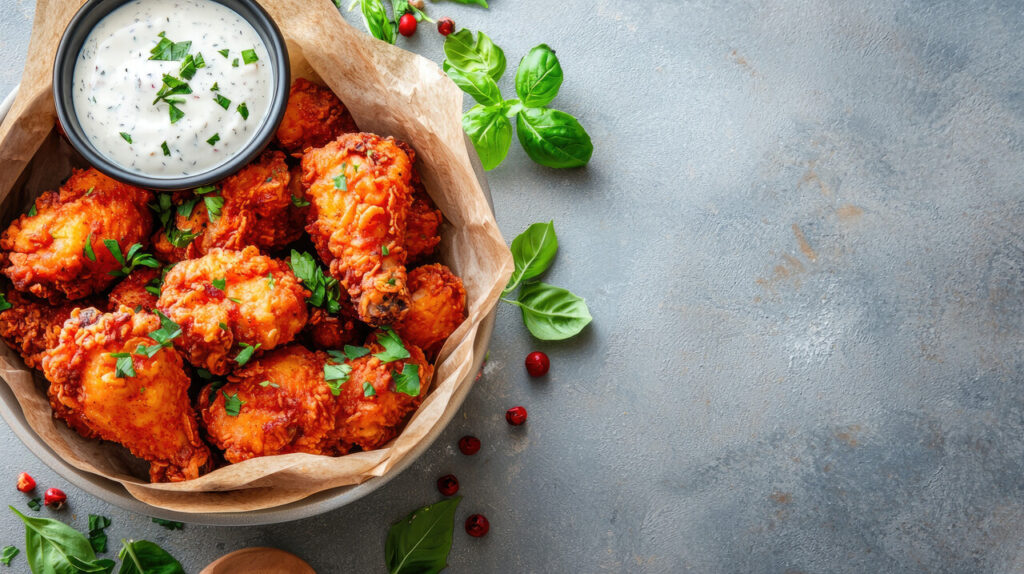
Peri peri chicken blends African bird’s eye chili heat with citrus acidity, garlic, and herbs. When fried, the marinade penetrates the meat while the sauce finishes it with tangy fire. Fans enjoy the layered spice complexity and lingering warmth rather than blunt heat. Critics find it too acidic or sharp, especially when heavy vinegar dominates. Sauce application timing affects texture, sometimes softening the crust. Heat tolerance varies widely, making consistency difficult for chains and home cooks alike. Peri peri appeals to adventurous palates seeking brightness and punch, but its assertiveness turns off those who prefer mellow comfort flavors.
10. Jerk Spiced Fried Chicken
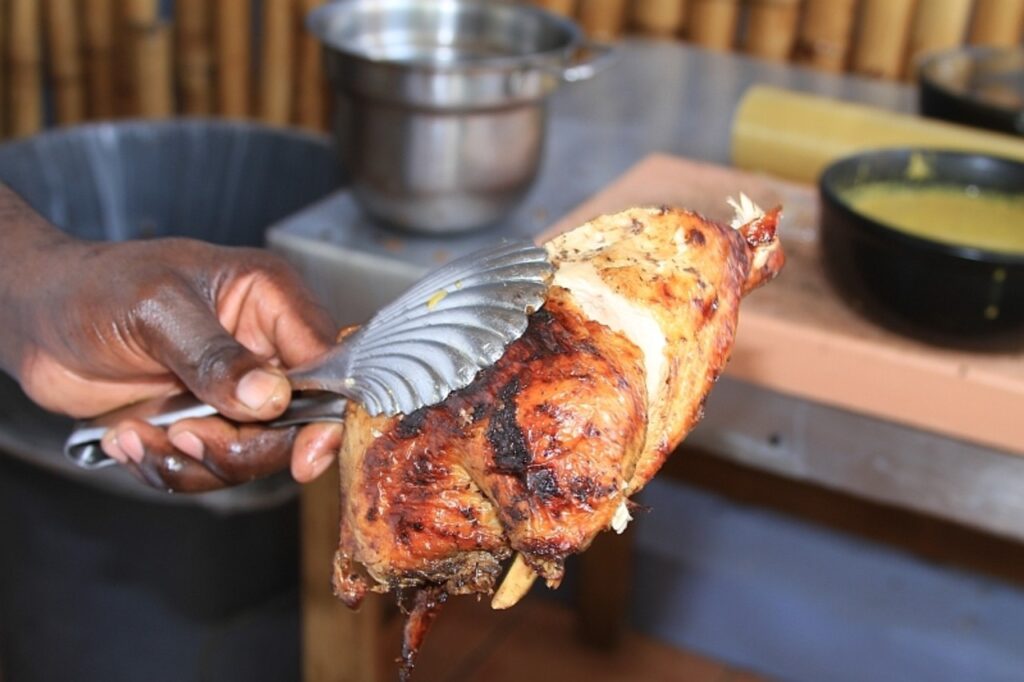
Jerk seasoning brings Scotch bonnet peppers, allspice, thyme, garlic, and smoky depth into fried chicken. The flavor is aromatic, spicy, and earthy all at once. Fans love the bold complexity and cultural heritage behind the spice blend. Critics find the heat unpredictable and the spice blend too aggressive for fried formats. Achieving proper balance requires careful marination and controlled frying to avoid burning spices. Smoke elements sometimes overpower the chicken if mishandled. Jerk fried chicken rewards skill and patience but punishes shortcuts, which explains why experiences vary widely and opinions remain split.
11. Chicken and Waffles Style Fried Chicken
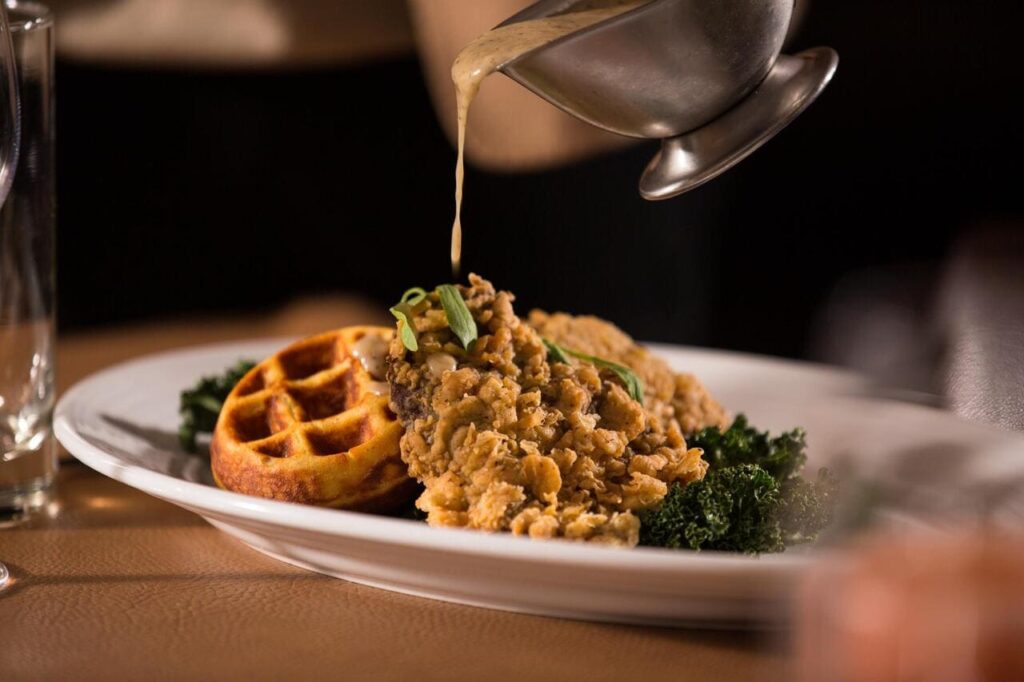
Chicken and waffles combine savory fried chicken with sweet waffles, syrup, or honey. Fans celebrate the contrast between salty crunch and sugary softness, enjoying the indulgent flavor collision. Critics argue the sweetness distracts from the chicken and turns the meal into dessert territory. Portion heaviness and calorie load also spark concern. Texture balance matters greatly, since soggy waffles or dry chicken quickly ruin the pairing. Regional versions vary from spicy fried chicken to mild batters, creating inconsistent expectations. Chicken and waffles thrive on novelty and comfort, but the sweet-savory crossover remains polarizing.
12. Maryland Fried Chicken with Gravy
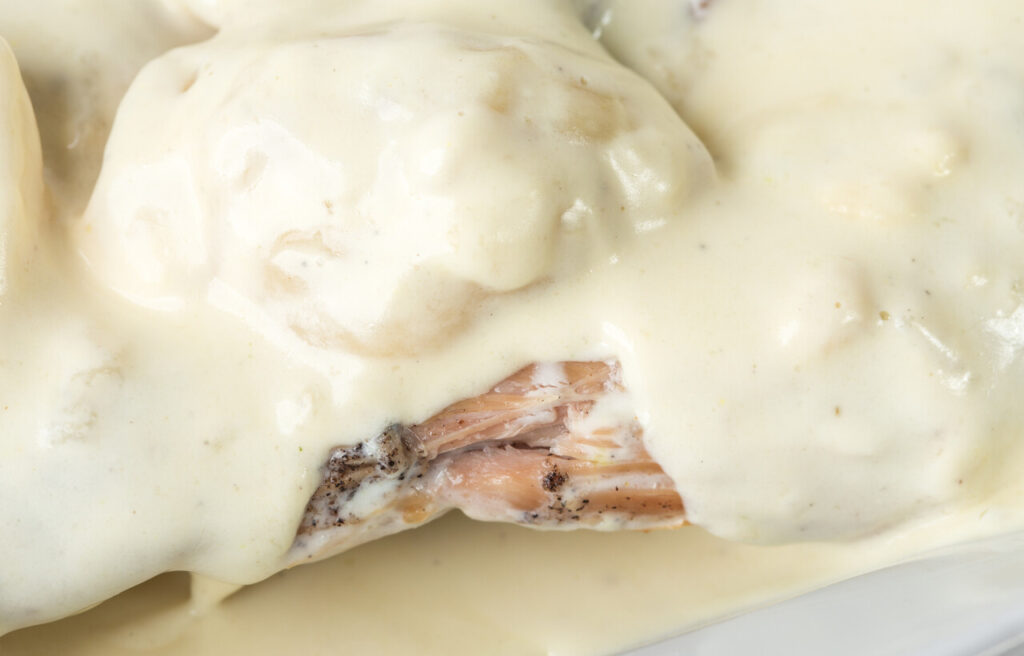
Maryland fried chicken features pan-fried chicken finished with cream gravy rather than dry crust. The chicken is often dredged lightly and cooked in butter or lard before the gravy absorbs the drippings. Supporters enjoy the rich, savory sauce and moist texture. Critics miss the crunchy bite associated with fried chicken and find the gravy heavy. The dish leans toward skillet comfort rather than crisp snack food, which shapes expectations. Proper seasoning and gravy thickness require skill to avoid blandness or grease. Maryland style emphasizes warmth and nostalgia but divides those who equate fried chicken strictly with crunch.