11 Classic Deep Fried Southern Dishes We Rarely See Today

Southern deep-fried dishes once told the story of daily life. They were born from necessity, shaped by local harvests, and perfected through repetition rather than recipes. Frying was not about indulgence alone, but about making the most of what was available, stretching ingredients, and feeding families well. These dishes appeared at weeknight tables, church suppers, and community gatherings, woven into routines that valued practicality and flavor equally. As cooking habits changed and convenience foods took over, many of these classics slowly slipped away. What remains are memories of meals that felt honest, filling, and deeply tied to place.
1. Fried Green Tomatoes
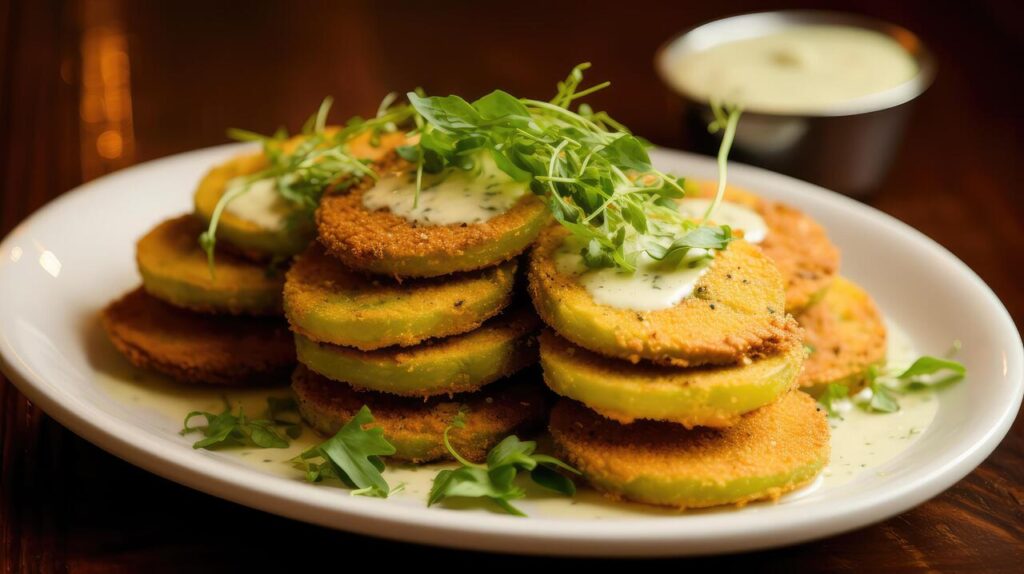
Fried green tomatoes were never meant to be a novelty. They existed because Southern cooks worked with what the land provided, especially at the end of the growing season when tomatoes had not yet ripened. Sliced thick, coated in cornmeal or flour, and fried in hot fat, they transformed sharp acidity into a balanced, crisp bite. The coating sealed in moisture while adding texture, making the dish both satisfying and economical. Fried green tomatoes fit naturally into a culture that valued seasonality and resourcefulness. As grocery stores made ripe tomatoes available year-round and home gardens declined, green tomatoes became harder to find.
2. Fried Chicken Livers
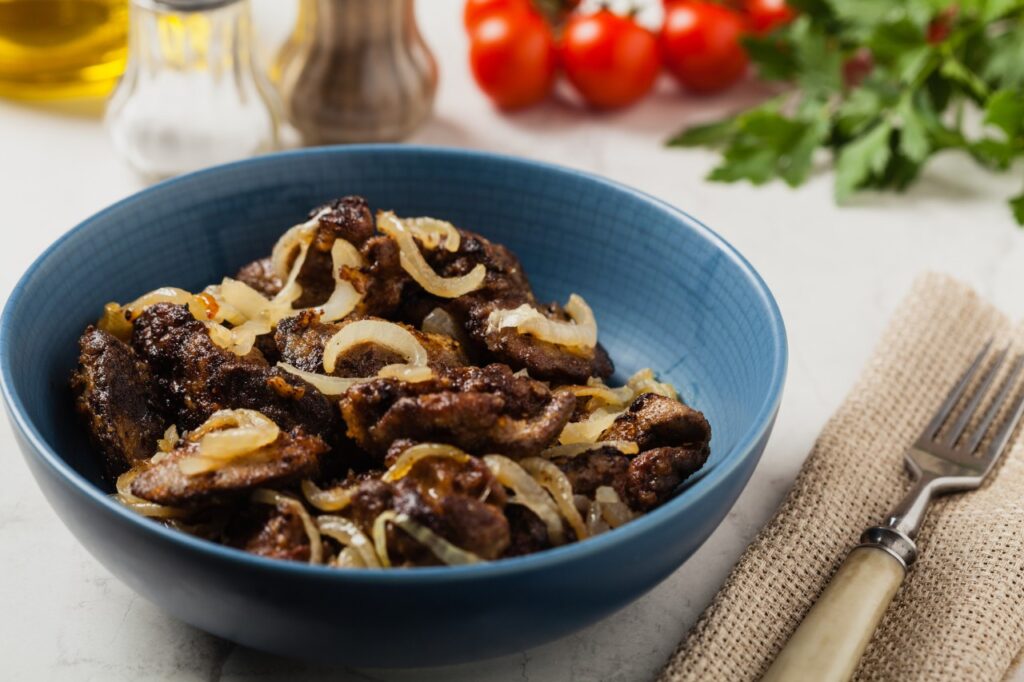
Fried chicken livers were a common sight on Southern tables because they offered richness, nutrition, and affordability. Livers cook quickly, developing a crisp exterior while remaining soft inside. Their strong flavor appealed to cooks who valued depth over subtlety, especially when paired with gravy or hot sauce. This dish thrived during times when wasting food was unthinkable, and organ meats were respected. As eating habits changed and lean muscle cuts became more popular, liver fell out of favor. Many younger diners associated it with hardship rather than comfort. Today, fried chicken livers remain beloved by those who grew up with them but are rarely introduced to diners.
3. Chicken Fried Steak
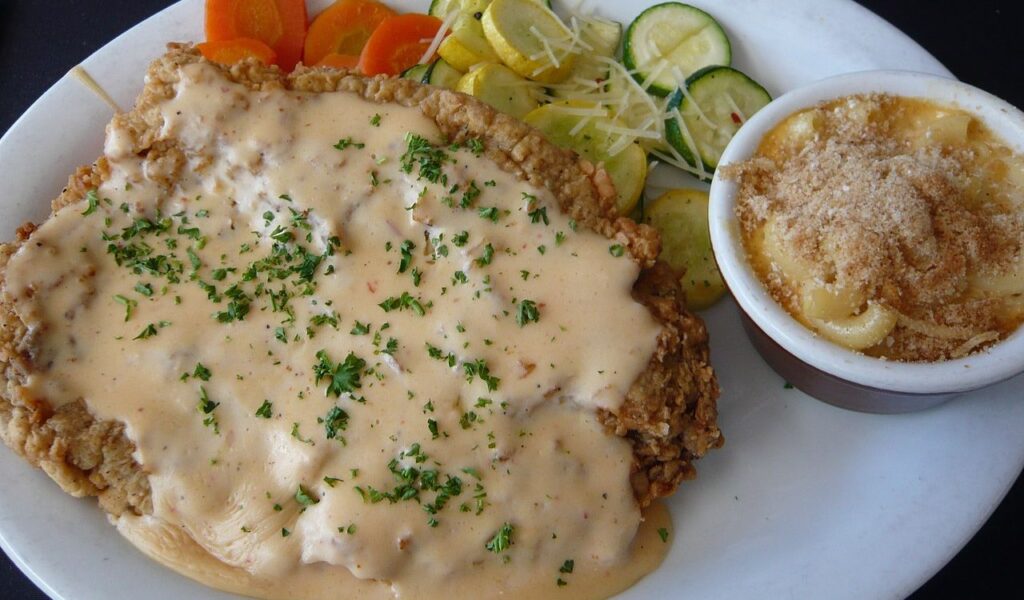
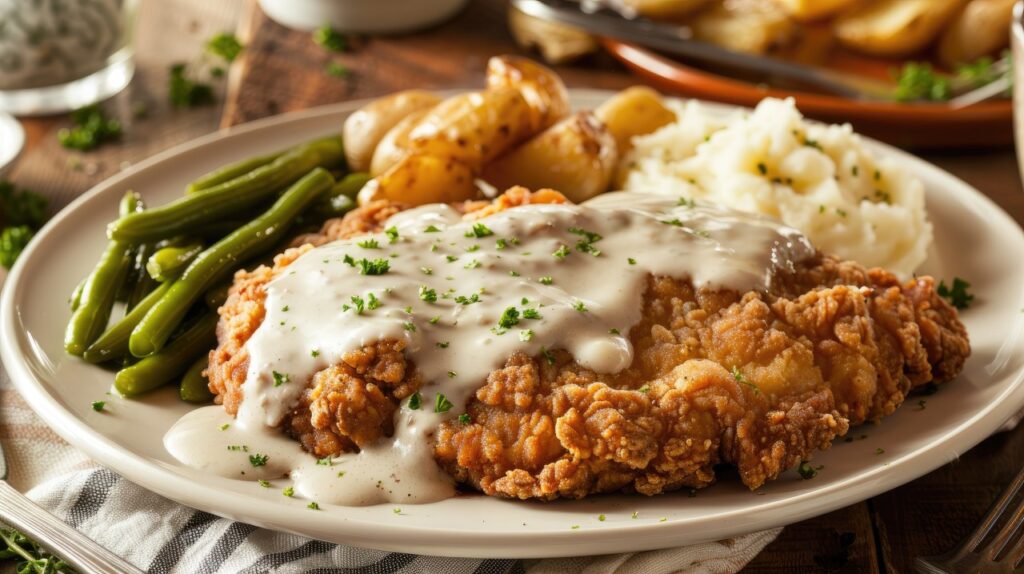
Chicken-fried steak reflects Southern ingenuity applied to tougher cuts of beef. Meat was tenderized, breaded, and fried to mimic fried chicken, then topped with cream gravy to add moisture and richness. This process turned inexpensive cuts into filling meals that fed families well. The dish became a diner staple because it delivered comfort and consistency. Over time, its heaviness clashed with modern preferences for lighter meals. Preparation also requires time, space, and cleanup, making it less appealing for busy households. While still available in select diners, chicken-fried steak has shifted from a weekly meal to an occasional indulgence.
4. Fried Okra
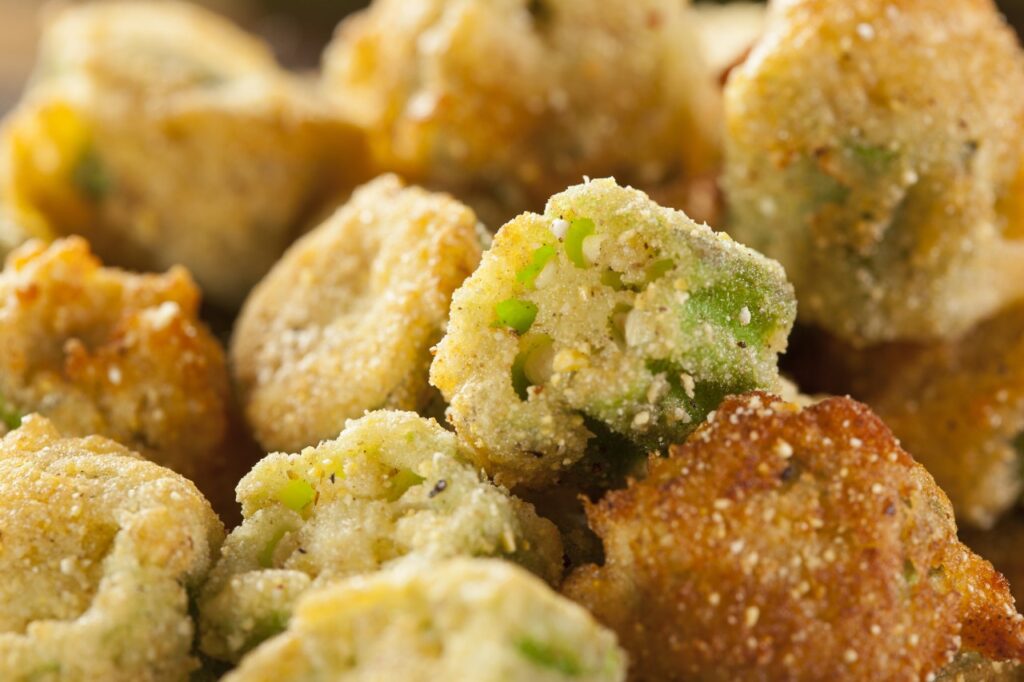
Fried okra solved a practical problem while creating something craveable. Okra grows abundantly in warm climates and can become slippery when cooked, but frying eliminates that texture. Sliced okra coated in cornmeal becomes crisp, nutty, and easy to eat. It was a natural side dish for meat-heavy meals and could be made in large batches. As frozen vegetables and packaged sides replaced seasonal cooking, the effort of slicing and frying okra lost appeal. Many people today only encounter okra in limited forms, often missing this preparation entirely. Fried okra’s decline mirrors the shift away from garden-driven meals.
5. Fried Catfish
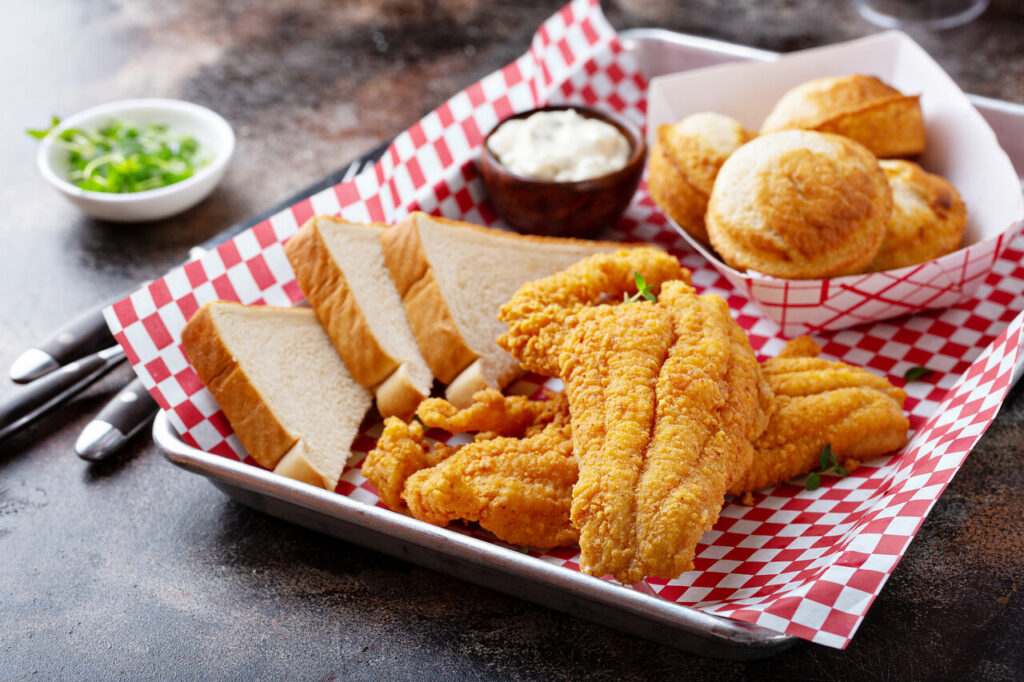
Fried catfish once thrived in Southern regions where rivers, lakes, and ponds made the fish abundant, affordable, and fresh. Light breading, usually cornmeal-based, allowed the mild flavor of the fish to remain front and center while hot oil created a crisp exterior. Catfish fries were not just meals but social events, often held outdoors and shared among neighbors. These gatherings reinforced the dish’s role as community food rather than restaurant fare. As local fishing declined and regulations tightened, fresh catfish became harder to source consistently. Commercial suppliers replaced local catches, often altering texture and taste.
6. Hush Puppies
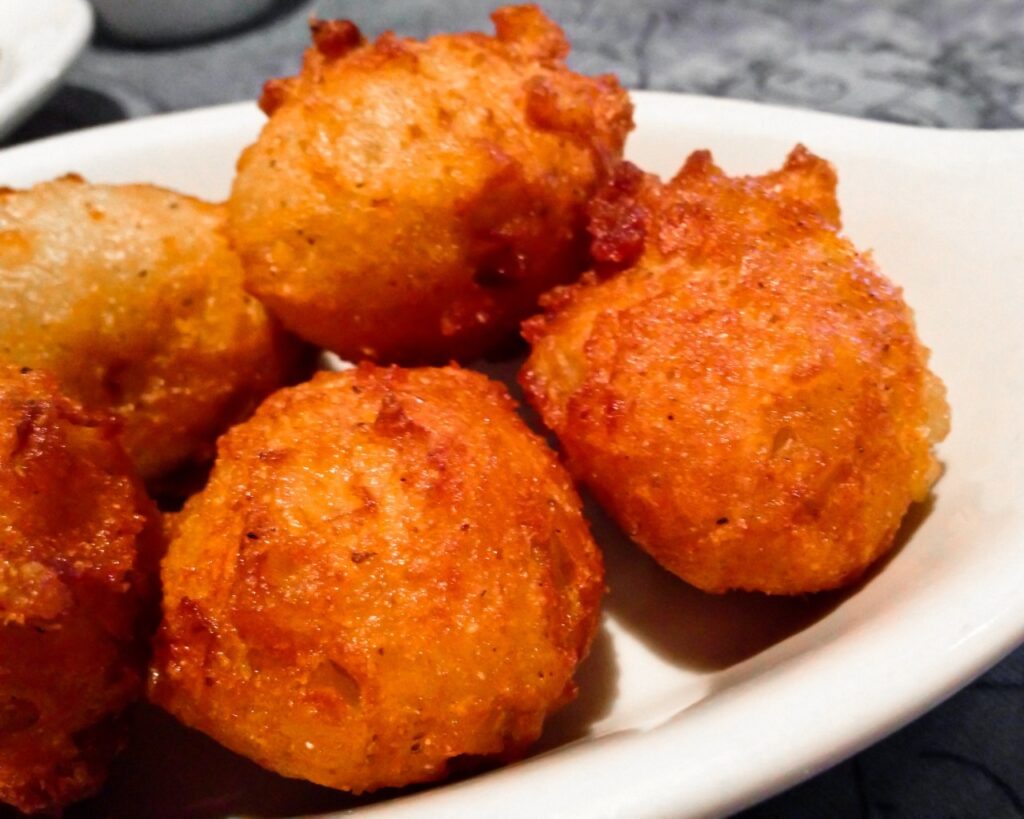
Hush puppies began as a practical and economical solution, using leftover cornmeal batter fried while cooking fish or meat. Crisp on the outside and tender inside, they added bulk and comfort to meals without additional cost. Their simplicity made them ideal for feeding large groups, especially at fish fries and family gatherings. Hush puppies required little planning, relying on pantry staples and hot oil already in use. As home frying declined and meals became more streamlined, these small cornmeal fritters lost their everyday role. Today, they appear mainly as restaurant sides rather than homemade staples.
7. Fried Apple Pies
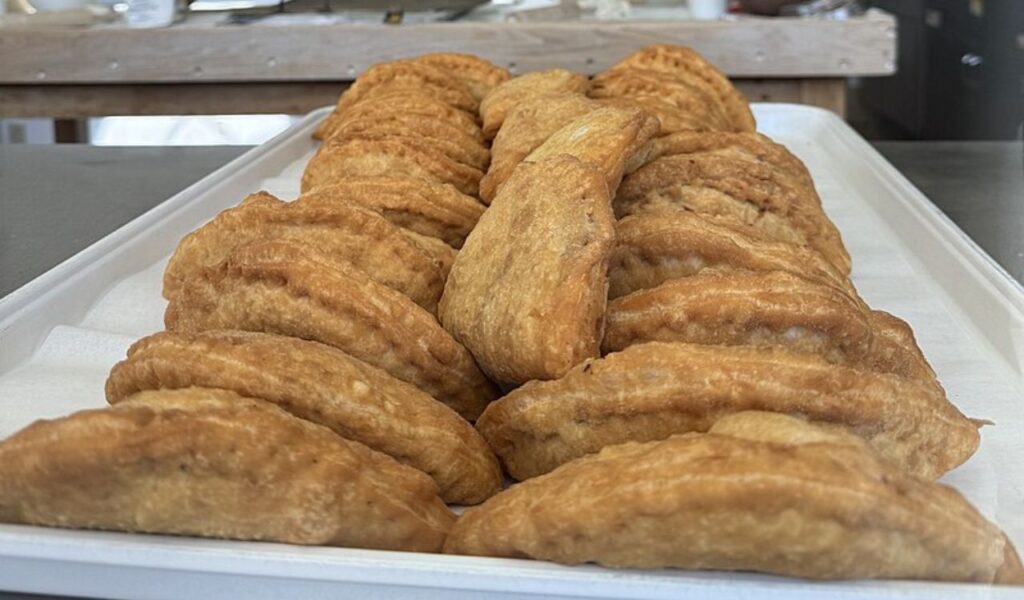
Fried apple pies were designed for practicality as much as pleasure. Apples were plentiful, inexpensive, and stored well, making them ideal for hand-held desserts. Frying sealed the filling inside a sturdy crust that stayed intact without refrigeration, perfect for long workdays or travel. These pies served as both dessert and sustenance, often tucked into lunch pails. As baking replaced frying and packaged sweets became widely available, fried pies faded from daily life. Health concerns and preparation time also played a role. Today, fried apple pies survive mostly in memory, family traditions, and regional bakeries, representing a time when desserts were expected to be portable.
8. Hoecakes
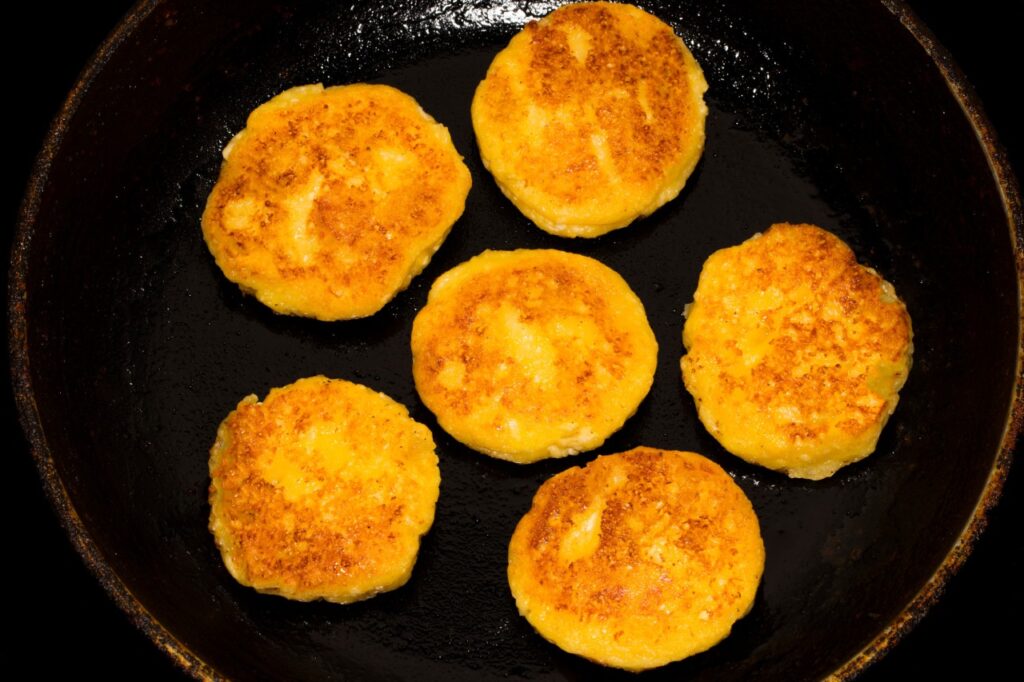
Hoecakes, also known as fried cornbread, were born from necessity and simplicity. Cornmeal mixed with water or milk was fried into thin cakes, providing quick energy with very few ingredients. They paired easily with savory foods like beans and meat, but could also be eaten with syrup or honey. Hoecakes thrived when corn was a dietary foundation in Southern households. As wheat flour became widespread and packaged bread replaced scratch cooking, hoecakes gradually lost relevance. Their plain nature made them easy to overlook in an era of variety and convenience. Yet hoecakes remain an important reminder of how foundational corn once was.
9. Fried Pork Brains
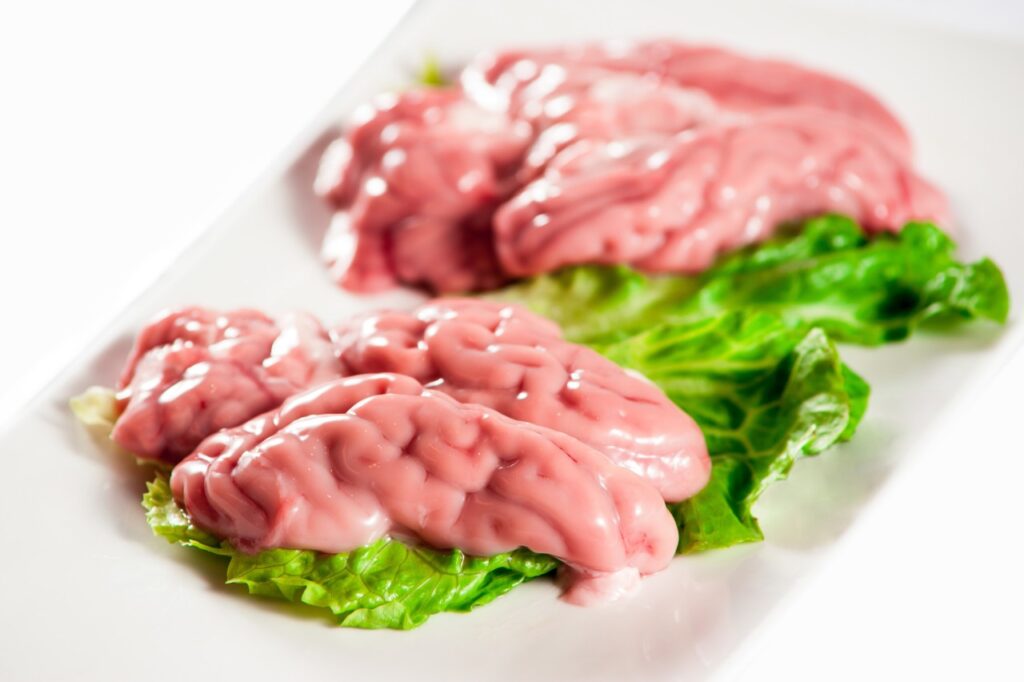
Fried pork brains were once valued for their nutrition, richness, and thrift. When animals were butchered, little went to waste, and brains were considered a practical source of fat and protein. Lightly battered and fried, they developed a delicate exterior with a soft interior texture. As tastes shifted away from organ meats and concerns about food safety grew, dishes like this disappeared. Modern meat processing removed pork brains from common markets, making them unfamiliar to newer generations. What was once everyday food became taboo or forgotten. Today, fried pork brains exist largely as a historical reference, symbolizing a no-waste approach to cooking in Southern food traditions.
10. Fried Yellow Squash
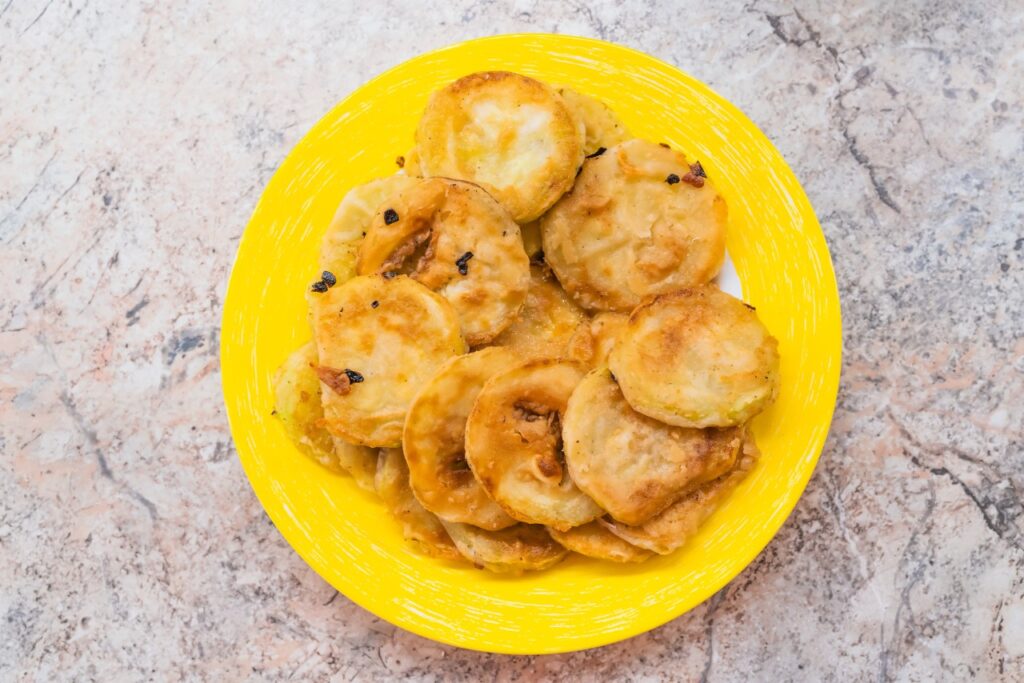
Fried yellow squash celebrated peak summer abundance, especially when gardens produced more than households could easily use. Thin slices were coated lightly and fried quickly, creating a crisp, golden side dish that highlighted freshness. The preparation was simple, but timing mattered, as squash needed to be young and firm to avoid excess moisture. As vegetables became available year-round and home frying declined, fried squash lost its place at everyday meals. Modern shopping habits favor convenience over seasonality, which works against dishes that depend on peak produce. Though still cherished by those who remember it, fried yellow squash rarely appears on menus today.
11. Fried Oysters
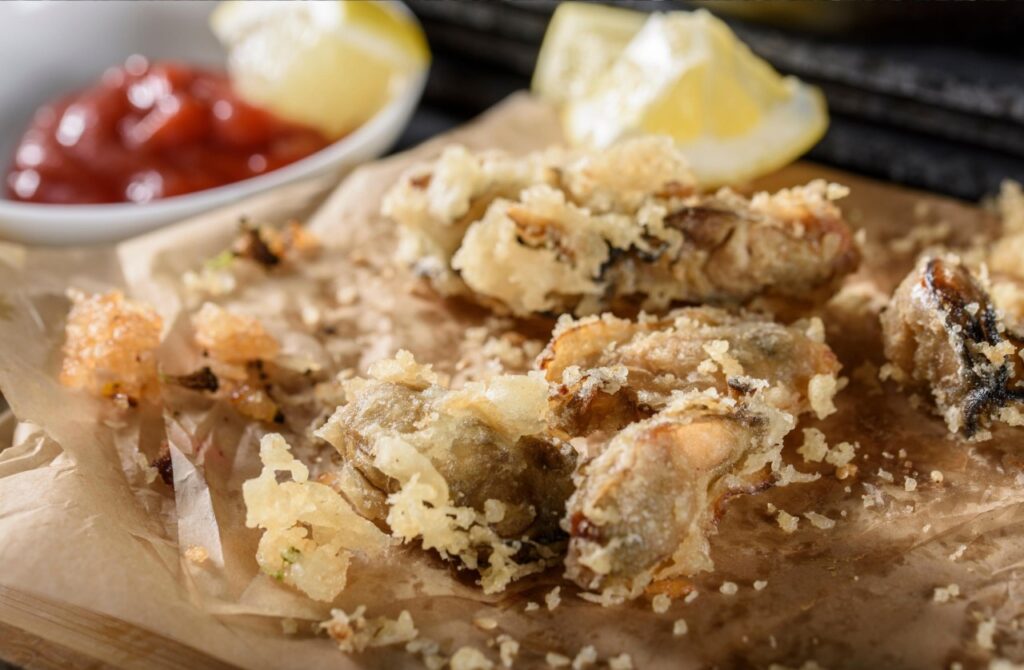
Fried oysters were once affordable staples along Southern coasts, where oysters were plentiful and freshly harvested. Light breading allowed their briny flavor to shine, while frying added crunch and warmth. They were eaten casually, often shortly after harvest, and did not carry the luxury status they do today. Overfishing, environmental changes, and rising costs shifted oysters from everyday food to a premium item. Proper preparation requires freshness and care, which limits home cooking. As a result, fried oysters moved from family tables to restaurant menus. Their transition from staple to specialty mirrors broader changes in seafood access, sustainability, and regional food traditions.