11 Restaurant Foods That Look Amazing Online but Taste Totally Disappointing

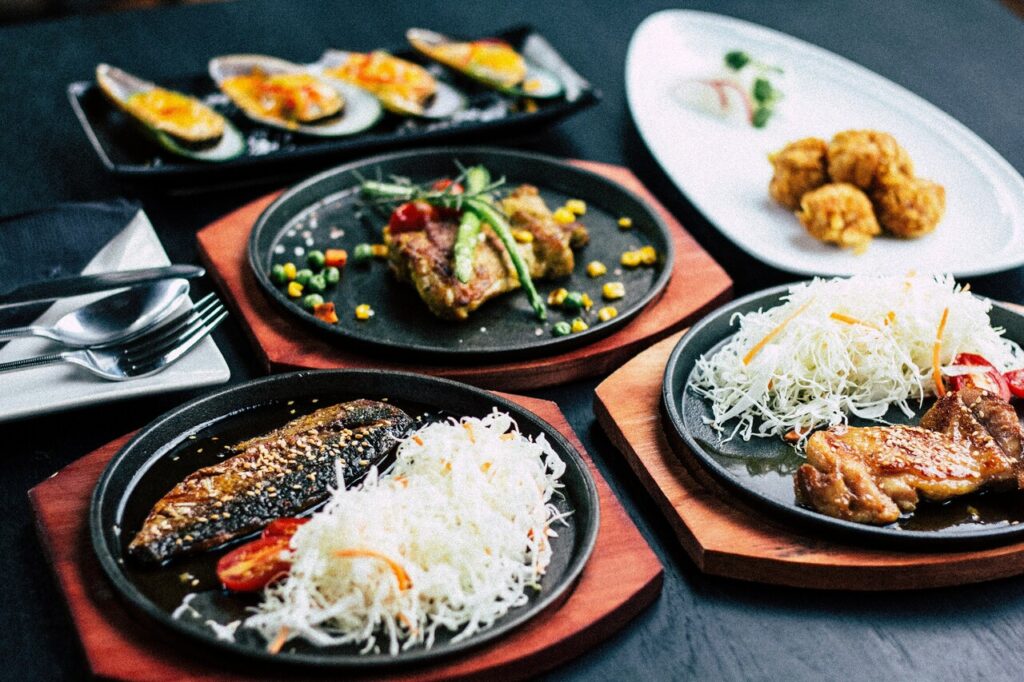
Social media has turned restaurant food into visual entertainment, where dramatic plating, oversized portions, and colorful toppings grab attention long before flavor enters the conversation. Many viral dishes are built to impress cameras, stacking height, and spectacle overbalance and texture, which often leads to disappointment at the table. Diners arrive expecting unforgettable bites, only to discover that photogenic food does not always translate into satisfying meals once the eating actually begins.
1. Overloaded Cakes
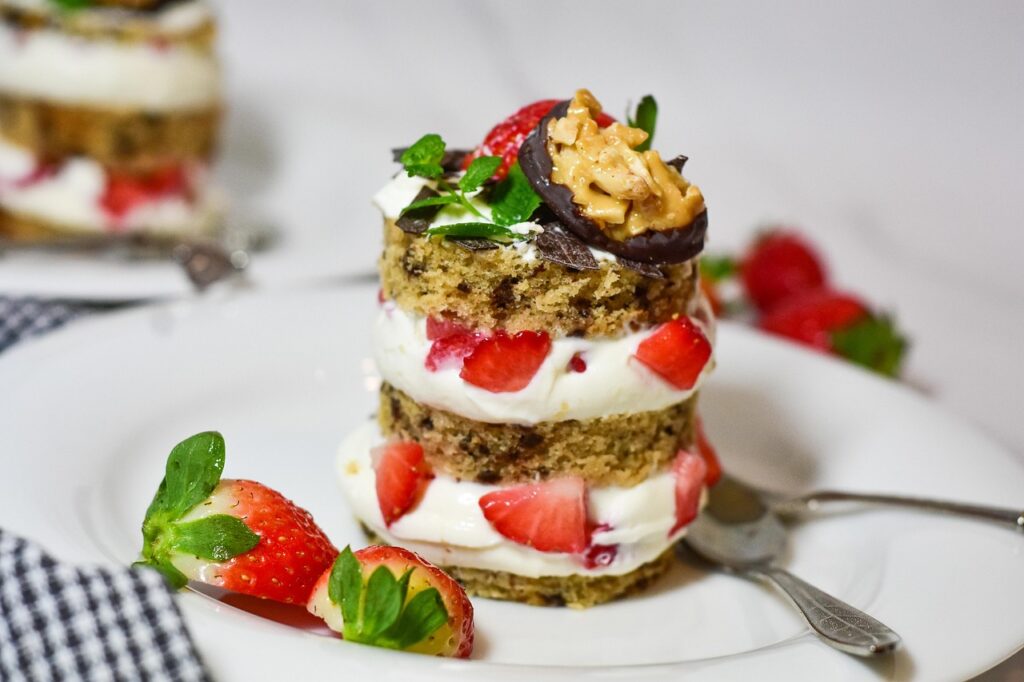
Some cakes are designed more for cameras than for forks, and overloaded celebration cakes prove that point. These towering desserts arrive covered in frosting swirls, candy shards, cookies, dripping sauces, and decorations.
The problem appears once slicing begins. Heavy decoration often overwhelms the cake itself, and layers can turn dry because stability matters more than softness. Eating also becomes messy.
Slices collapse under the weight of decorations, and guests peel off toppings to make portions manageable. The cake succeeds visually, yet the eating experience feels secondary, revealing how social media presentation sometimes overshadows flavor and texture.
2. Towering Milkshakes
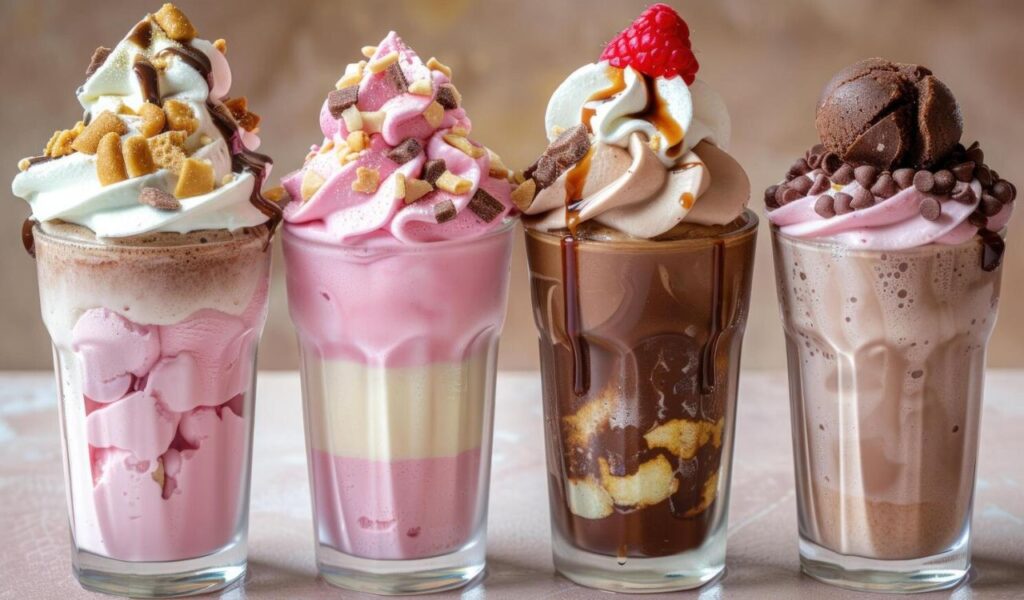
Milkshakes stacked with donuts, cookies, and candy explode across social media feeds because they look outrageous, yet drinking them proves less fun than photographing them. Restaurants design these shakes to appear dramatic, often piling desserts on top of already thick drinks.
Oversized toppings melt or fall off quickly, and the shake underneath can be either too thick to sip or too sweet to enjoy for more than a few sips. Temperature also works against them.
Diners end up dismantling toppings before drinking, which defeats the novelty. What looks like an unforgettable treat online often becomes a messy, overly sweet drink that few people truly enjoy finishing.
3. Giant Food Art Burgers
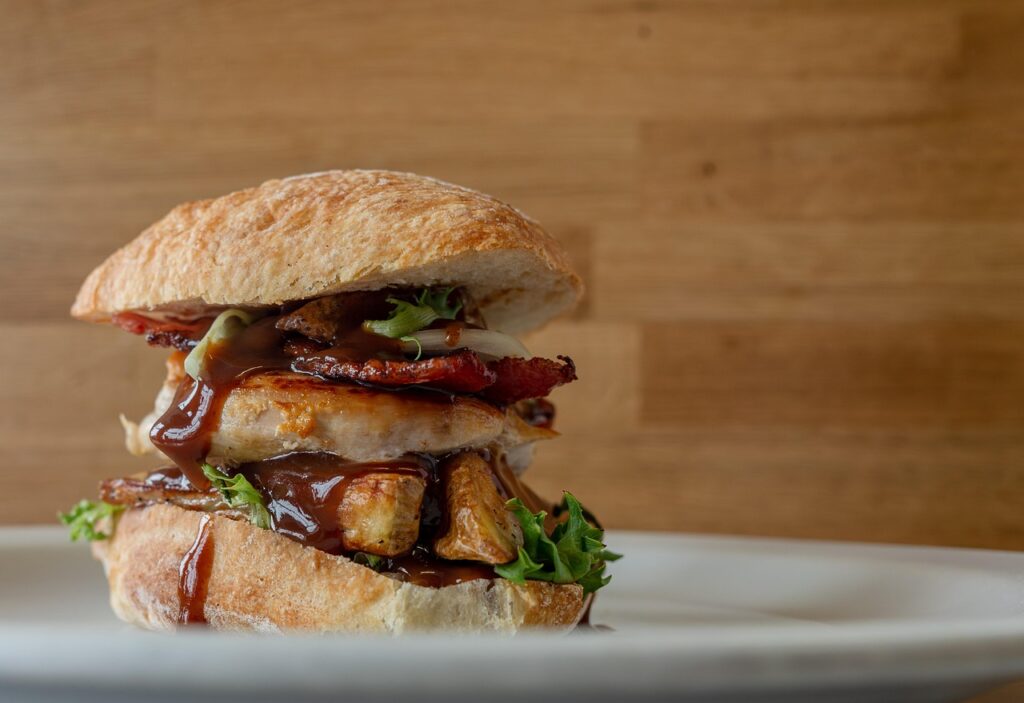
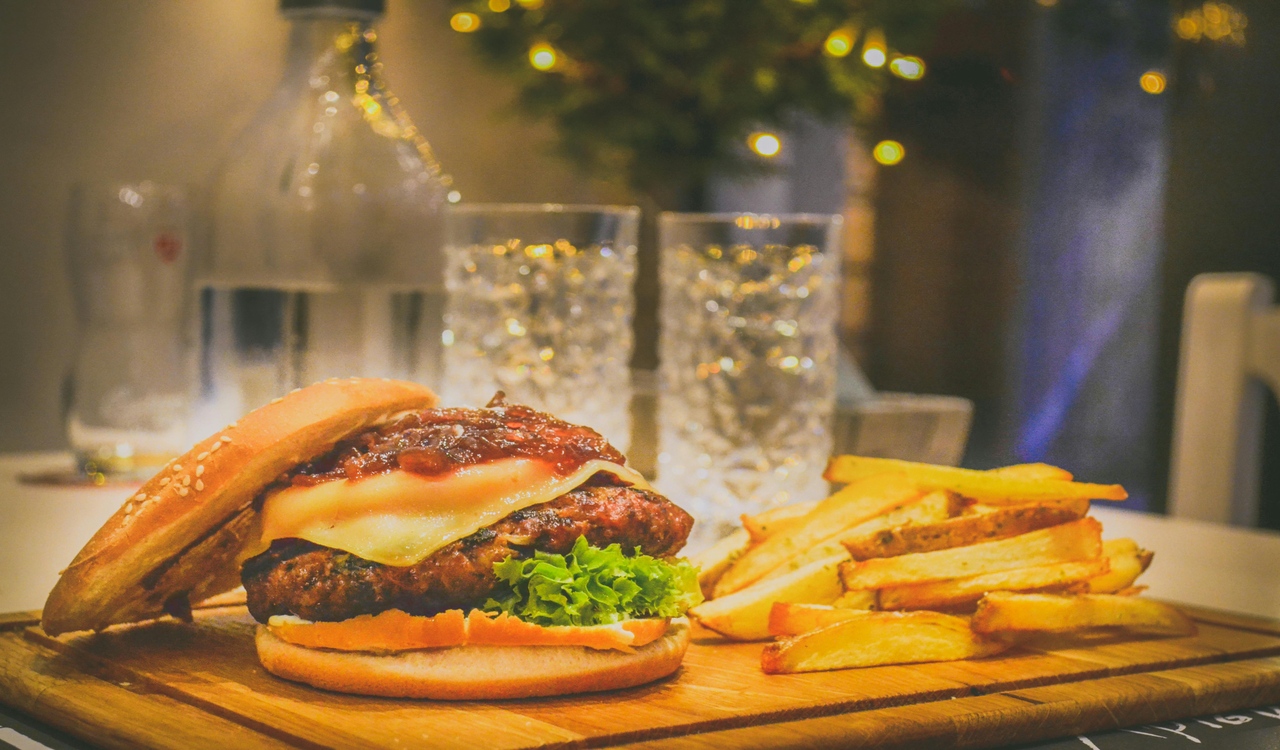
Sky-high burgers packed with multiple patties, sauces, and toppings look impressive on screens, yet they challenge basic eating mechanics. Many restaurants stack ingredients for visual impact rather than flavor balance or practicality.
Burgers collapse under their own weight, buns soak through, and uneven cooking occurs when thick patties cook inconsistently. Diners struggle to bite through layers, often resorting to knives and forks for something meant to be handheld.
Flavor balance also suffers. Too many toppings compete rather than complement, and sauces overwhelm meat rather than enhancing it. While photos showcase spectacle, the actual eating experience feels messy and less satisfying than simpler, well-built burgers.
4. Sushi Pizza
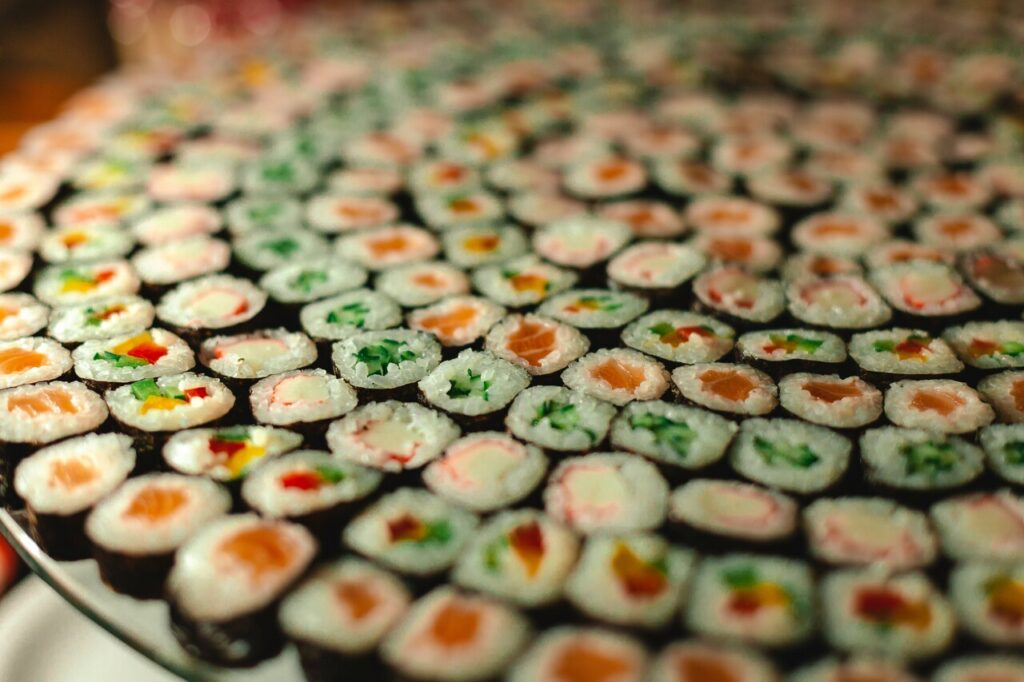
Sushi pizza photographs beautifully, with colorful fish, sauces, and garnishes layered on crisp rice bases, yet texture often disappoints in practice. The concept mixes sushi flavors with pizza presentation, prioritizing appearance over how sushi normally tastes.
The fried rice base frequently becomes greasy or chewy rather than crisp, and toppings sometimes slide off before reaching the mouth. Sushi traditionally emphasizes freshness and clean flavors, but frying alters that balance, making dishes feel heavier.
Unlike traditional sushi bites designed for balance in a single piece, sushi pizza requires slicing or picking apart components. The novelty attracts curiosity online, yet many diners feel the dish sacrifices sushi’s simplicity for visual appeal.
5. Massive Seafood Towers
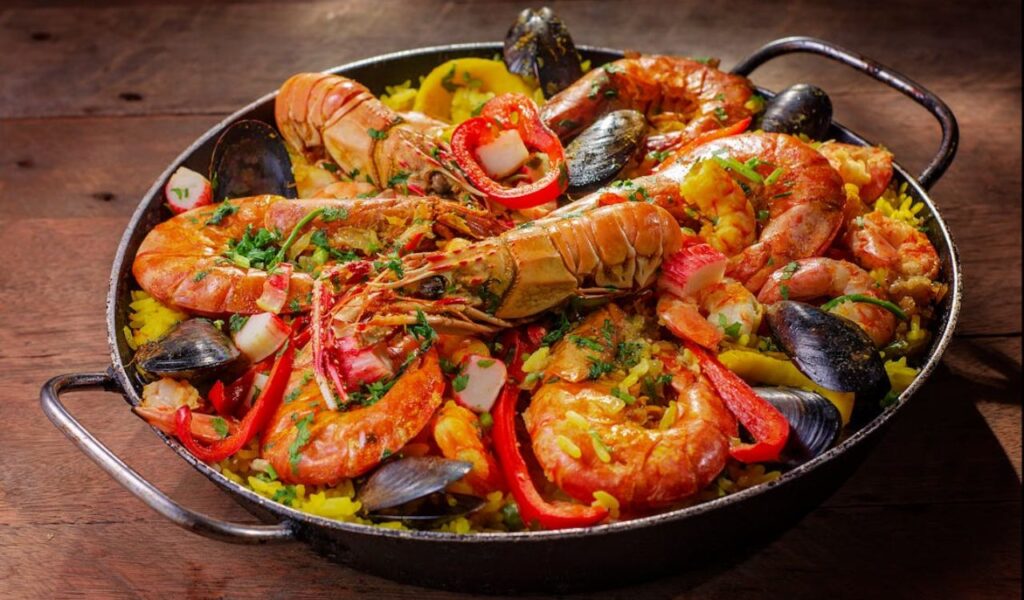
Seafood towers stacked with oysters, shrimp, crab, and lobster create dramatic centerpieces perfect for photos, yet they often struggle to maintain freshness across every component. These towers aim to impress visually rather than guarantee peak quality in each bite.
Seafood quality drops quickly once plated. Ice melts, shellfish warm, and delicate textures suffer during long photo sessions or slow table service. Some components may taste excellent while others feel rubbery or bland due to timing.
Towers encourage ordering for spectacle rather than appetite, leaving diners overwhelmed or wasting food. What looks luxurious online sometimes turns into an uneven tasting experience where quantity overshadows quality.
6. Fried Mac and Cheese Balls
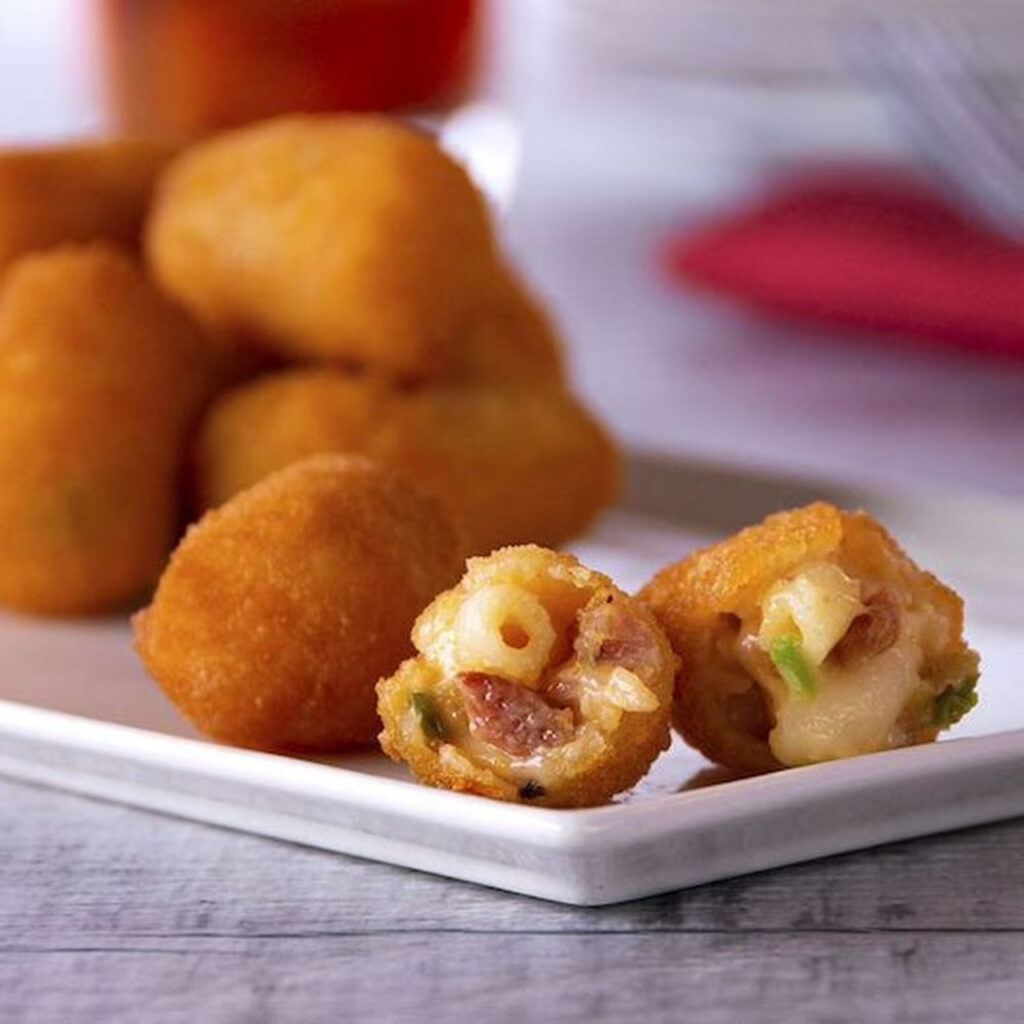
Fried mac and cheese balls look like perfect comfort bites online, promising creamy pasta wrapped in crunchy coating, yet reality often leans heavier than expected. The dish photographs well thanks to golden crusts and cheese pulls that attract attention.
The disappointment often comes from texture. Thick breading and deep frying add heaviness, and the interior sometimes lacks seasoning, leaving bites tasting oily rather than cheesy or rich. After a few pieces, diners often feel full rather than satisfied.
These bites cool quickly, turning centers dense instead of creamy. While social media highlights gooey cheese stretches, the actual eating experience can feel greasy and repetitive rather than comforting.
7. Bacon-Corn Fritters
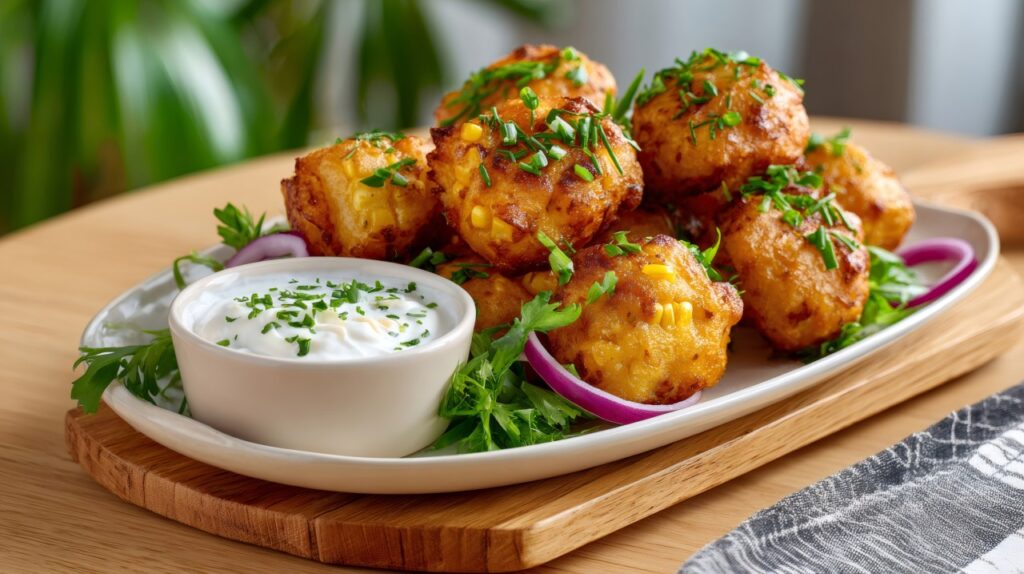
Bacon-corn fritters promise indulgence with crispy edges and savory fillings, and online images show perfect golden bites ready for dipping. Yet flavor often falls flat compared with expectations created by presentation.
Many versions lean too heavily on batter, muting both corn sweetness and bacon flavor. Frying also introduces excess oil, making fritters feel heavy rather than crisp and light. Without careful seasoning, bites taste bland despite rich ingredients.
Dipping sauces try to compensate, yet sauce-heavy eating hides rather than fixes the imbalance. What looks like a playful appetizer online sometimes becomes forgettable at the table, especially when diners expect a stronger contrast between sweetness and saltiness.
8. Orange Chicken Plates
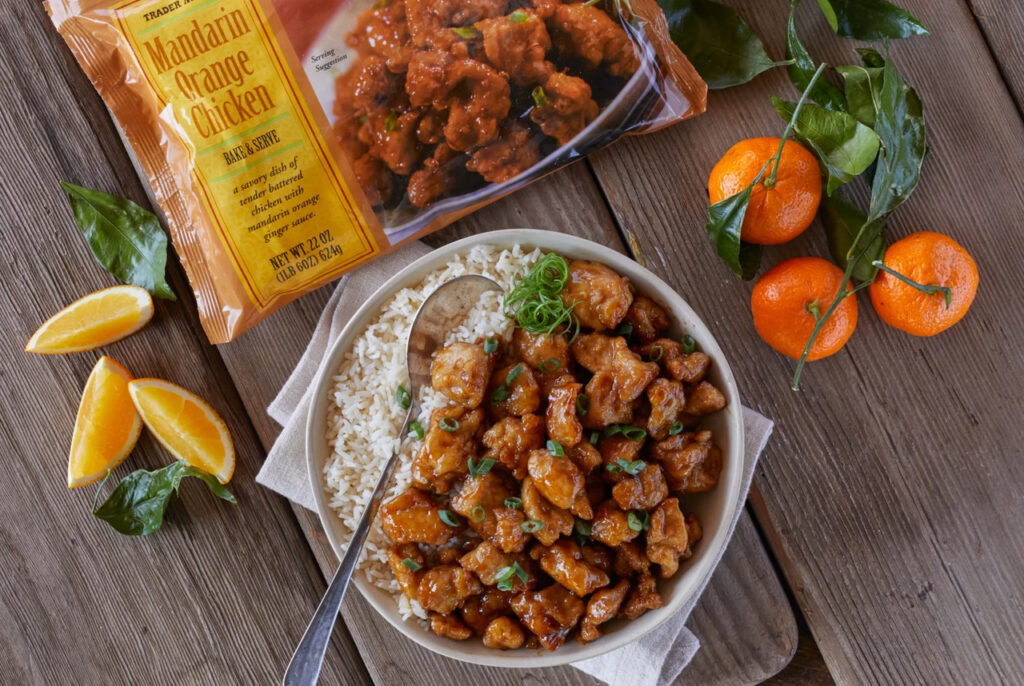
Bright orange chicken plates photograph beautifully under restaurant lighting, yet sweetness often overwhelms flavor once tasted. The glossy coating appeals visually, making dishes appear vibrant and appetizing in promotional images.
Texture problems commonly follow. Fried chicken pieces may lose crispness while sitting in sauce, becoming soggy before reaching the table. Excess sugar also masks citrus notes, leaving the dish tasting one-dimensional rather than tangy.
Portions further complicate enjoyment. Large servings encourage overeating, yet flavor fatigue sets in quickly due to sweetness. While photos promise bold flavor, diners often find themselves craving balance rather than more sauce-coated bites.
9. Avocado Eggrolls
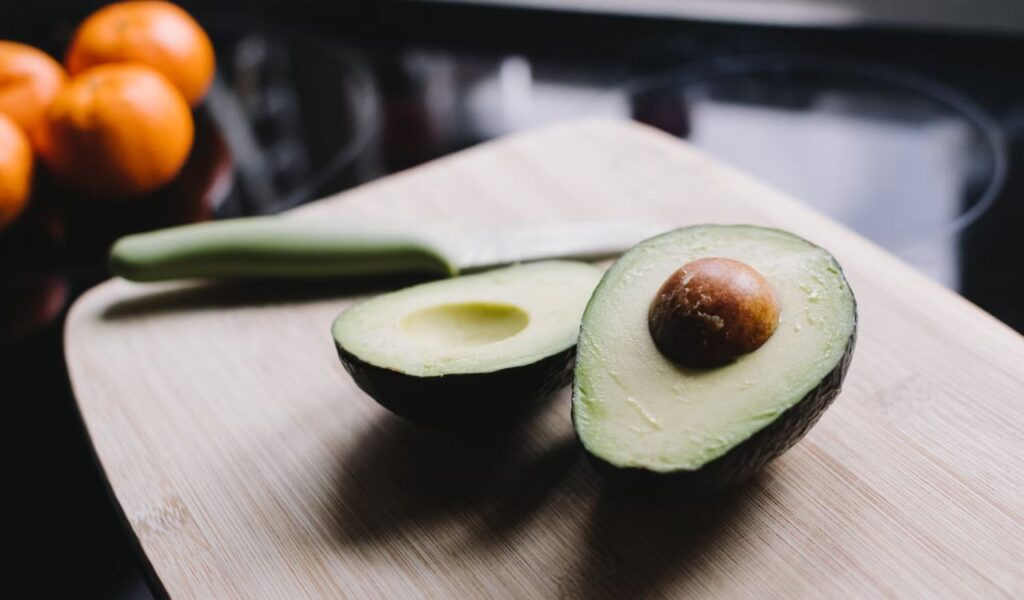
Avocado eggrolls attract attention because they blend familiar comfort food with trendy ingredients, creating photogenic slices that show green filling wrapped in golden crust. Presentation makes them seem lighter than typical fried appetizers.
However, avocado’s mild flavor often disappears once fried, leaving mainly crispy wrapper and dipping sauce. Without strong seasoning, bites feel bland despite appealing ingredients. Texture also shifts as warm avocado softens quickly.
Sauce becomes essential for enjoyment, which shifts focus away from the eggroll itself. What looks like a creative fusion dish online sometimes feels underwhelming in flavor, proving that novelty ingredients alone cannot guarantee satisfying taste.
10. Rainbow Bagels
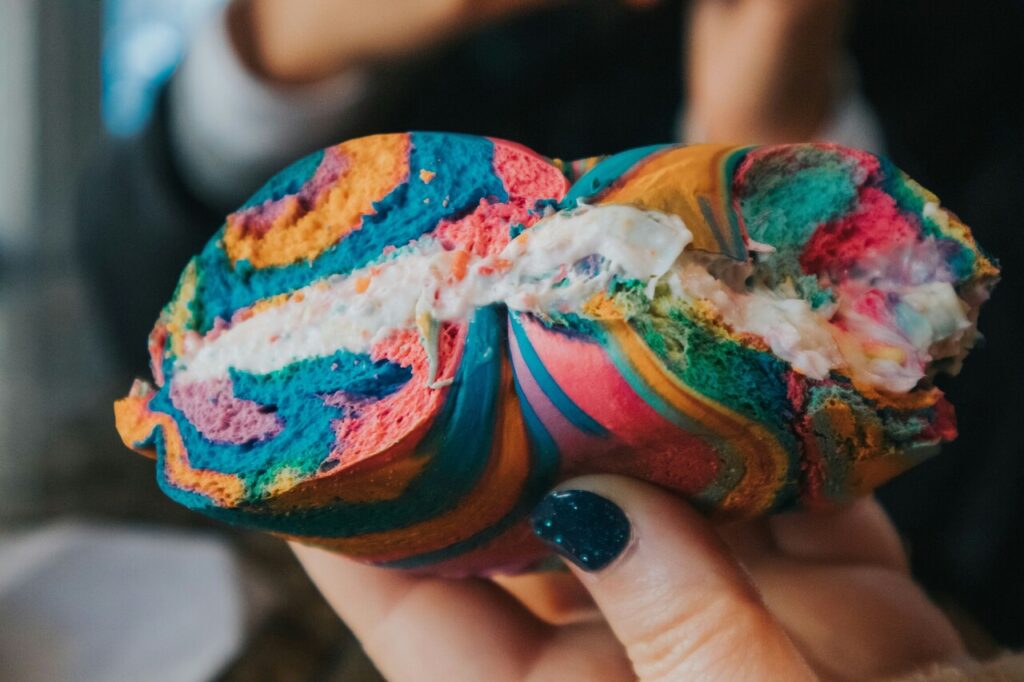
Rainbow bagels became social media sensations because their bright, swirling colors stand out instantly in photos, making them look playful and irresistible online. Bakeries showcase cross sections bursting with neon hues, encouraging customers to share pictures before even taking a bite.
Taste, however, often feels secondary. Many versions rely on standard sweet dough tinted with food coloring, offering little flavor difference from a plain bagel.
Bagels meant to highlight color may sacrifice chewiness or freshness, becoming dense or overly soft. What looks like a joyful breakfast treat on screens often becomes an average, slightly sweet bagel that feels more fun to photograph than actually to eat.
11. Gold-Covered Desserts
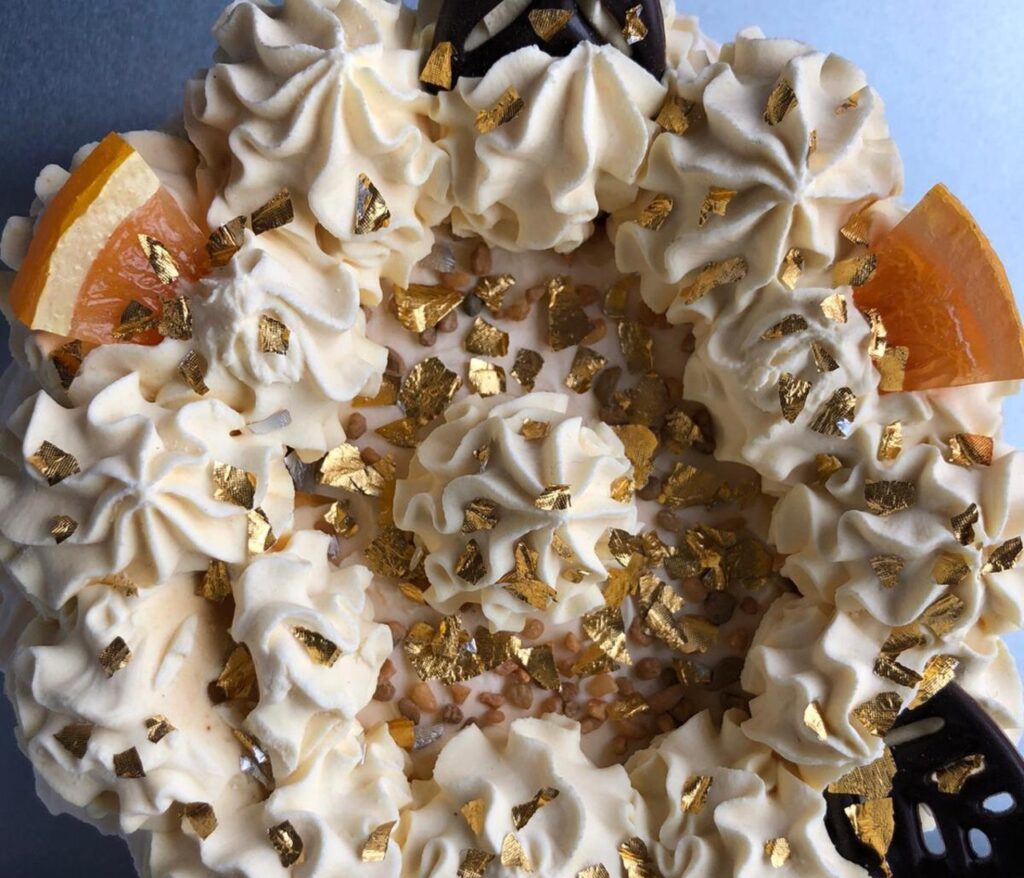
Gold-covered desserts dominate online feeds because edible gold instantly signals luxury, making dishes look extravagant and expensive even before diners taste them. Restaurants plate these items dramatically, knowing the visual spectacle drives attention and social sharing.
Once the novelty fades, diners realize they are paying extra for appearance rather than improved taste or texture. Underneath the gold coating often sits a standard dessert that could taste identical without the flashy layer.
The mismatch between expectation and reality creates disappointment. These dishes succeed online because they look luxurious, yet at the table, they reveal how presentation sometimes overshadows what truly matters: flavor and cooking quality.