11 Grocery Items That Became Shockingly Expensive for No Good Reason

Grocery prices have climbed so fast that many shoppers feel whiplash at the checkout line. What makes it more frustrating is that some everyday foods have become expensive without clear improvements in quality, quantity, or nutrition. These are not luxury items or specialty imports. They are basic staples people have relied on for years. In many cases, temporary disruptions set the stage for long-term price increases that never fully reversed. Understanding which foods rose sharply and why they stayed high helps explain why grocery budgets feel tighter even when buying the same familiar items week after week.
1. Eggs
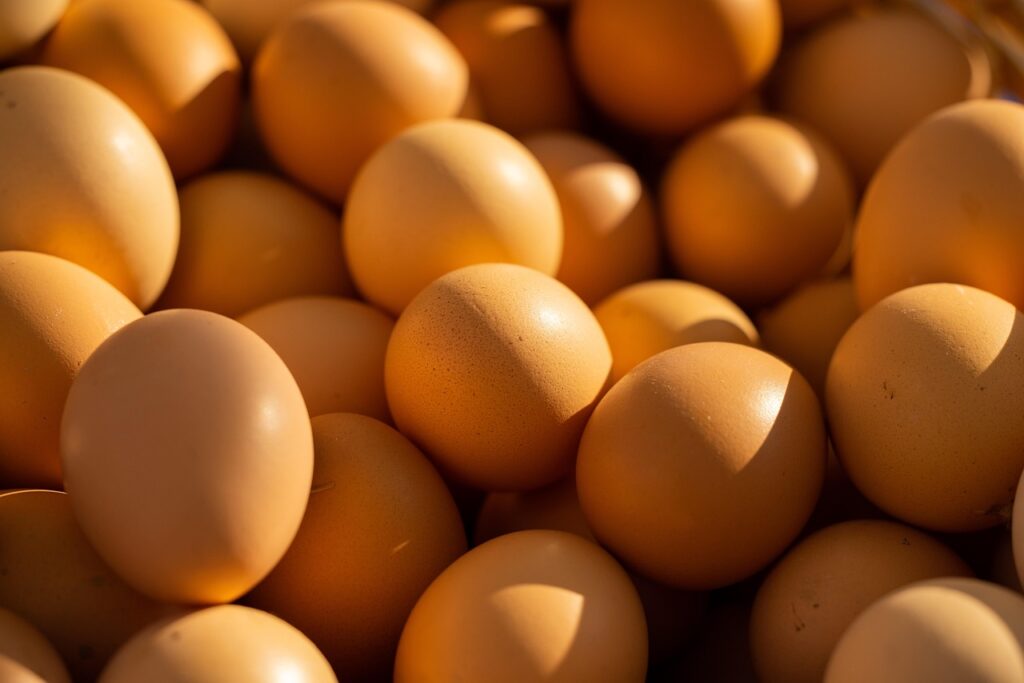
Eggs were once the definition of an affordable staple, relied on for quick meals, baking, and inexpensive protein. Their recent price spikes surprised many shoppers because the increases often lingered even after the most visible supply disruptions eased. While outbreaks and feed costs played a role at certain points, prices in many stores stayed elevated far longer than shoppers expected. Packaging sizes did not change, quality did not noticeably improve, and production methods largely remained the same. What changed was pricing behavior. Eggs became a product where temporary shocks seemed to reset expectations permanently.
2. Bottled Water

Bottled water’s rising cost feels especially puzzling because the product itself is simple. In many cases, it is filtered municipal water packaged in plastic bottles and transported short distances. Despite minimal ingredient costs, prices climbed steadily, especially for branded, flavored, or enhanced varieties. Marketing plays a large role here. Bottled water is sold as lifestyle, wellness, or purity rather than hydration alone. That framing allows prices to rise without obvious resistance. At the same time, package sizes and quality remain unchanged. The cost increase is not tied to scarcity or improved filtration.
3. Breakfast Cereal
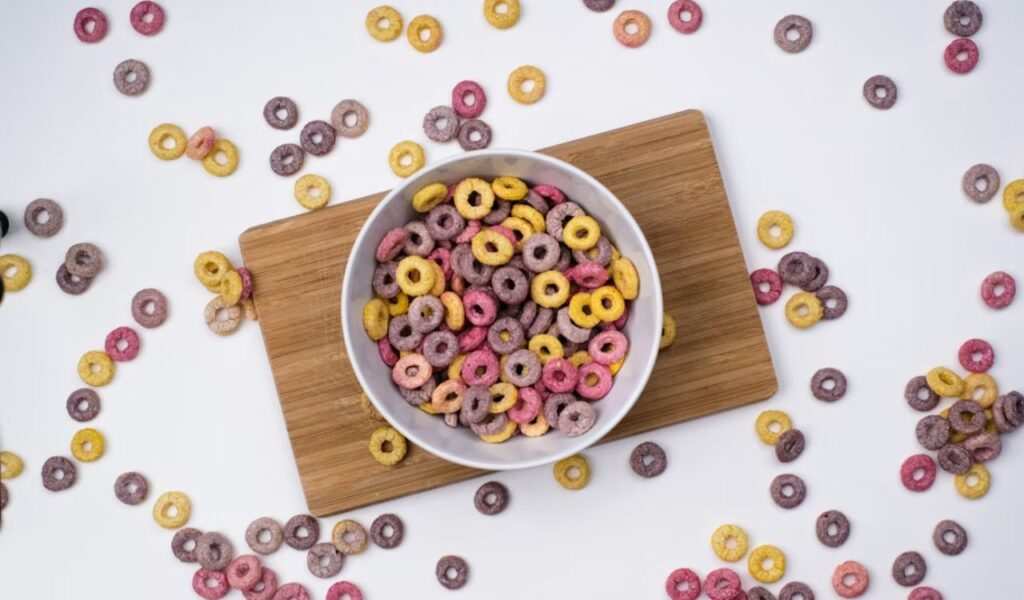
Breakfast cereal became more expensive in a way that feels deliberate rather than accidental. Boxes quietly shrank while shelf prices increased, pushing the cost per ounce higher. Ingredient costs alone do not fully explain the shift, as many cereals rely on inexpensive grains and sweeteners. Packaging, marketing, and distribution costs rose, but not enough to justify the full increase shoppers see. Cereal brands leaned heavily on brand loyalty, knowing families would continue buying familiar products. At the same time, nutrition did not improve, and serving sizes often stayed unrealistic. The result is a product that costs more, lasts fewer breakfasts, and delivers the same experience.
4. Snack Chips
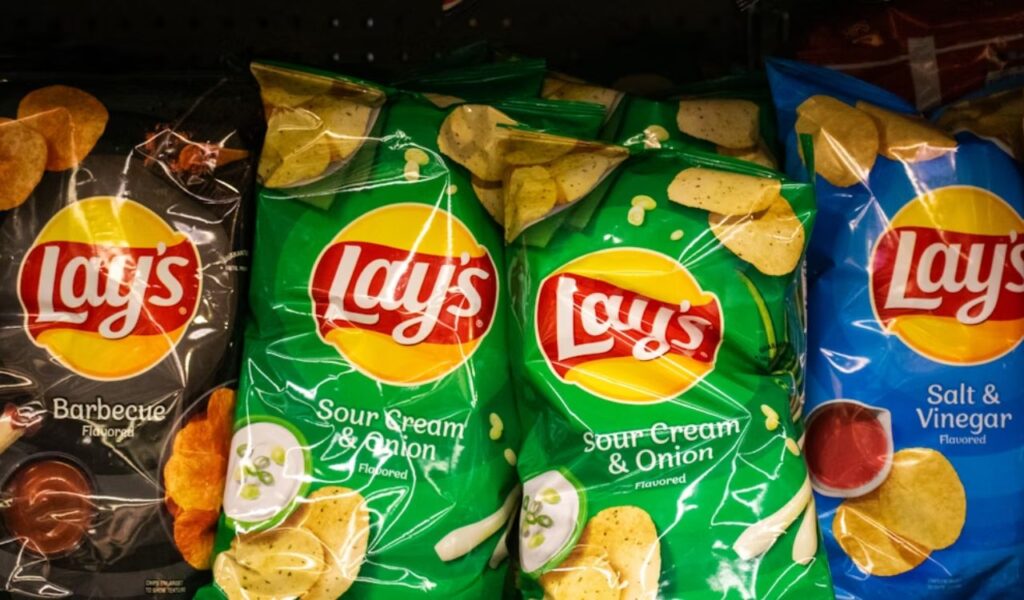
Snack chips became a textbook example of paying more for less. Bags grew lighter while prices crept upward, often without obvious label changes. Air filled packaging made it difficult for shoppers to spot the difference until the bag was opened at home. Ingredient costs, mainly potatoes or corn and oil, did rise at times, but pricing often stayed high even when commodity prices eased. Chips also benefit from impulse buying, which reduces price sensitivity. Shoppers feel the impact because snack foods are frequent purchases. Over time, buying fewer ounces for more money adds up. The frustration is not just cost but transparency. The product did not improve, but the value quietly declined.
5. Cooking Oils

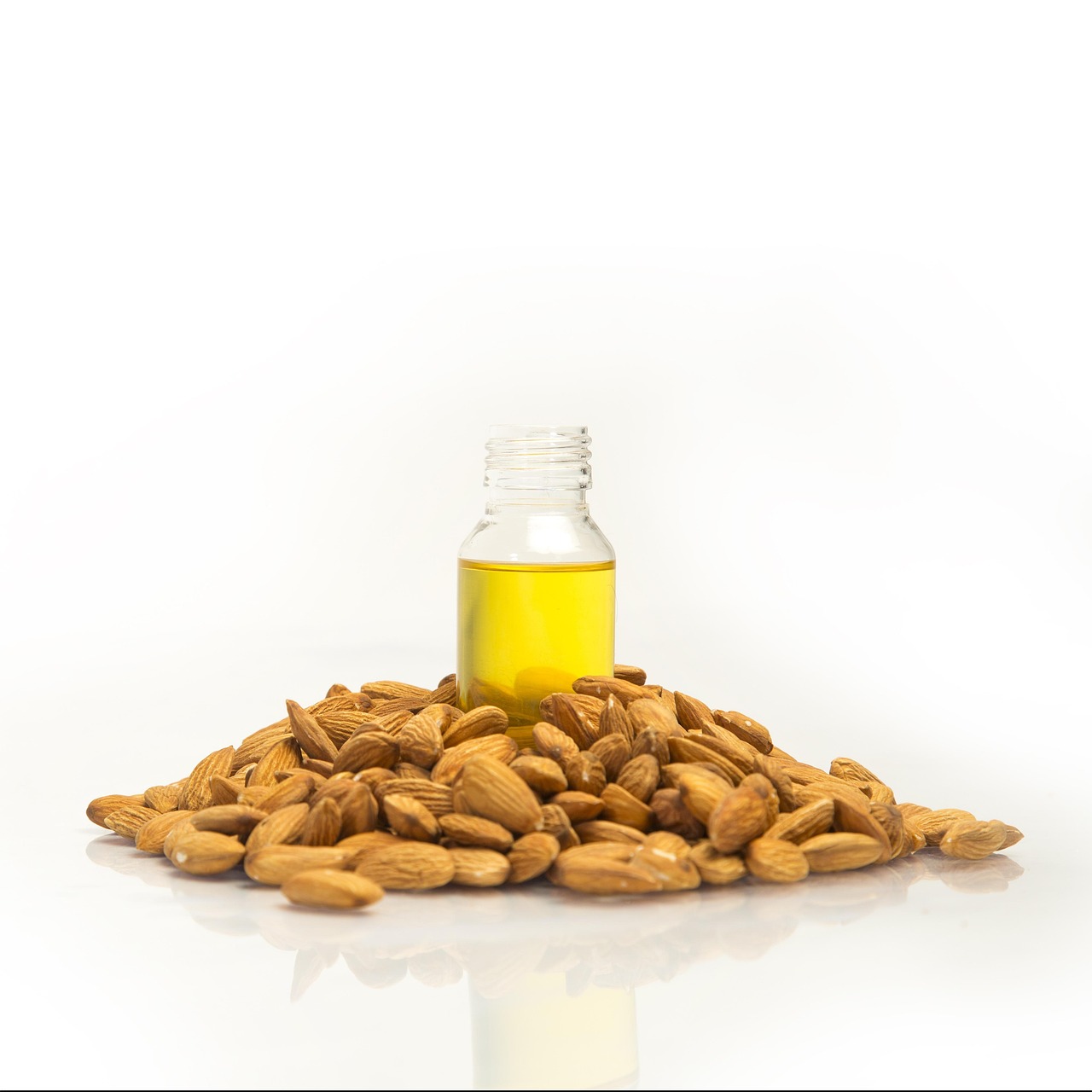
Cooking oils experienced sharp price increases that stuck around longer than expected. Global supply disruptions and crop issues initially drove prices higher, but in many markets, prices did not fall back when conditions improved. Bottle sizes remained the same, but promotions disappeared and shelf prices stayed elevated. For home cooks, oil is not optional. It is used daily for frying, roasting, and baking. That makes sustained price hikes more noticeable. The issue is not that oils cost more during a crisis, but that the reset seemed permanent. Shoppers pay more for the same oil, sourced and processed the same way, without any added benefit or quality upgrade.
6. Peanut Butter
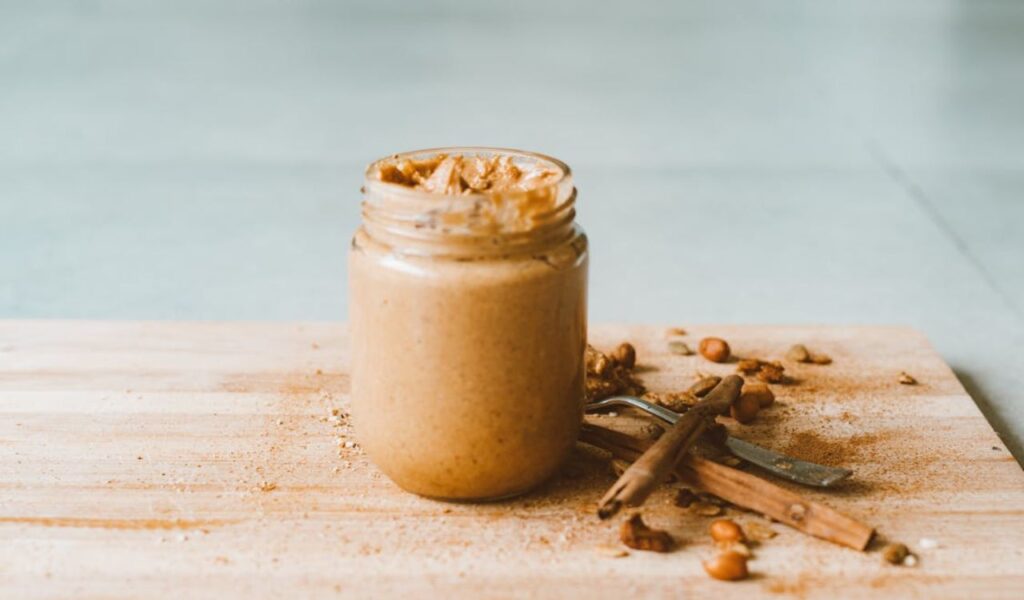
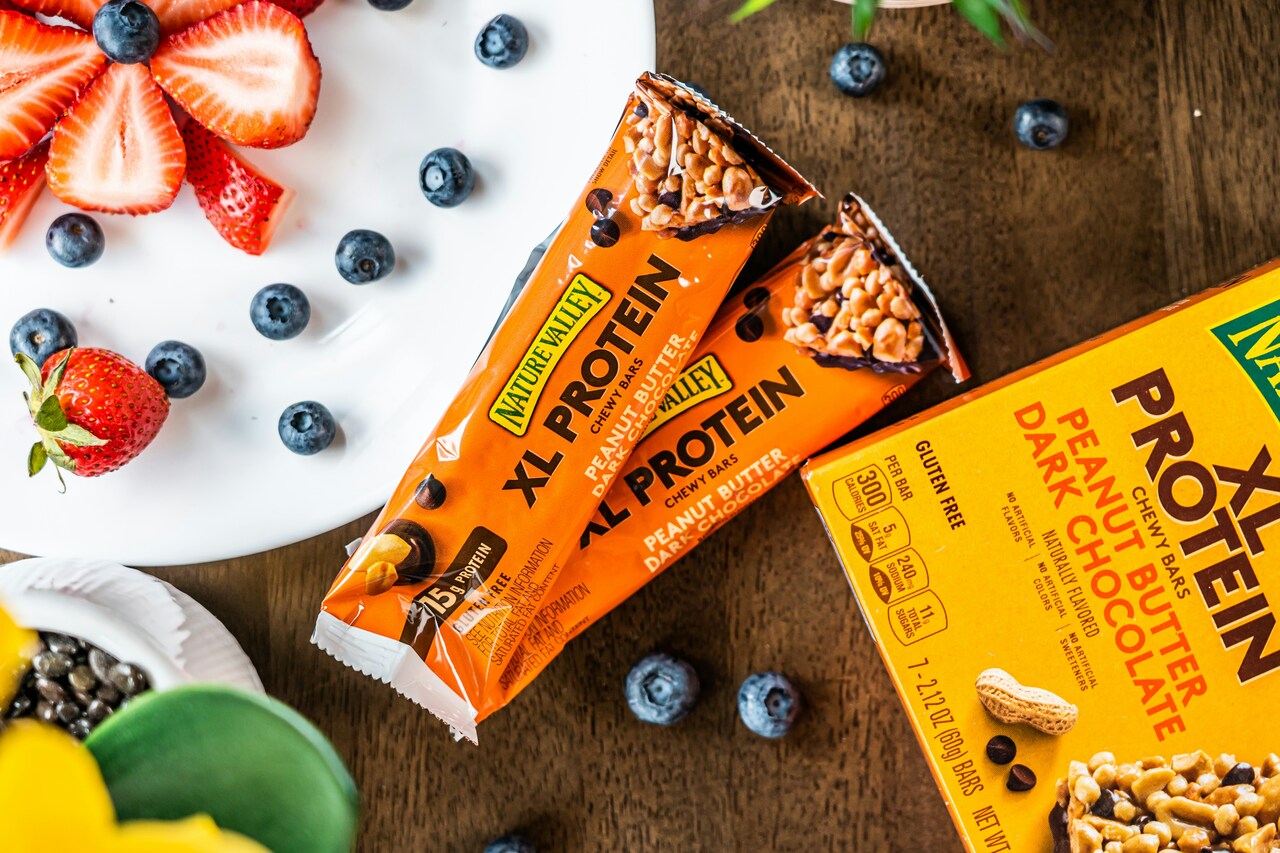
Peanut butter was long considered one of the most cost-effective sources of protein. Its price increases feel especially unfair because peanuts themselves are relatively inexpensive and widely grown. While packaging and transportation costs rose, peanut butter prices climbed faster than many comparable spreads. Jar sizes sometimes stayed the same, but the cost per ounce increased steadily. For families that rely on peanut butter for sandwiches, snacks, or baking, this shift changed grocery math. Nothing about the product improved. Texture, ingredients, and shelf life remained identical. The only difference was the price.
7. Frozen Pizza
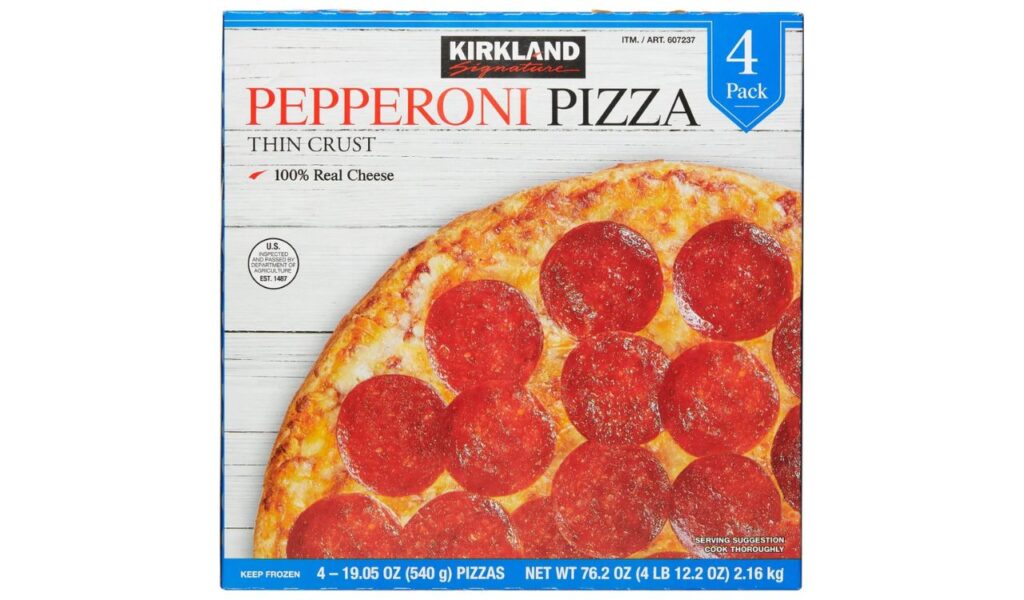
Frozen pizza once existed as a budget friendly alternative to takeout. Over time, prices rose until some frozen pizzas now cost nearly as much as delivery. This shift is hard to explain because frozen pizza relies on inexpensive ingredients and large scale production. While energy and transportation costs increased, the final price often outpaced those changes. Quality did not improve in proportion to cost. Portion sizes stayed similar, and ingredient lists remained familiar. Shoppers notice because frozen pizza’s main appeal is affordability. When that disappears, the category loses its purpose. Paying premium prices for a product designed as a convenience compromise feels unreasonable.
8. Condiments
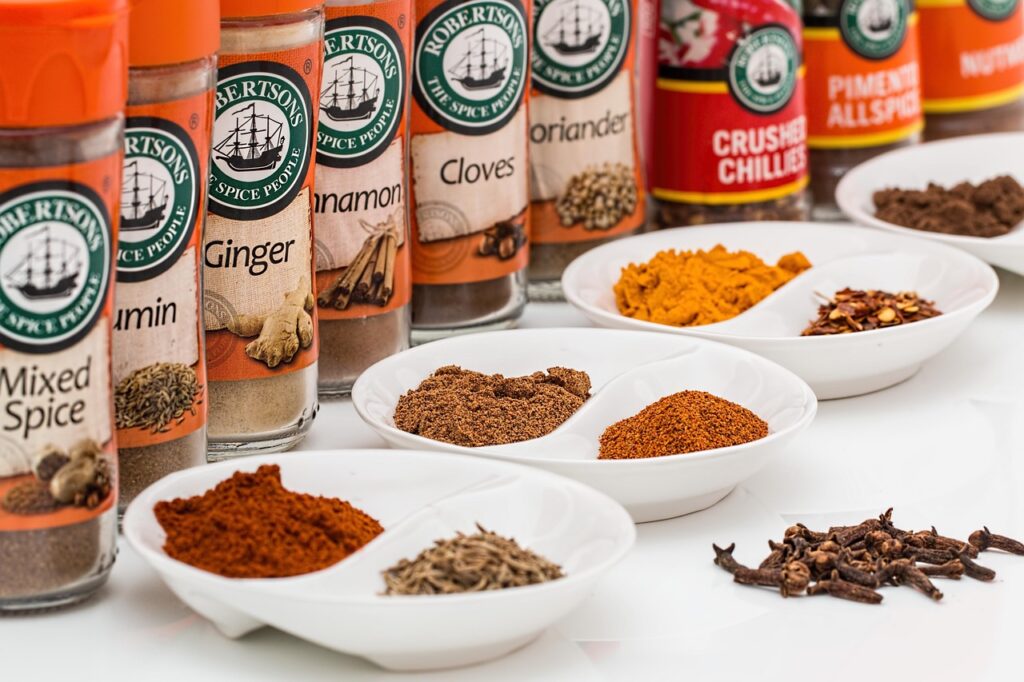
Condiments quietly became more expensive without drawing much attention at first. Ketchup, mayonnaise, and sauces are purchased infrequently, so price increases slip by unnoticed until replacement time comes. When shoppers finally restock, the jump feels abrupt. Bottles may shrink slightly or stay the same size while costing more. Ingredient costs for vinegar, tomatoes, or oil alone do not fully explain the rise. Branding and market dominance play a role, allowing companies to raise prices without losing customers. Since condiments are perceived as necessities rather than indulgences, shoppers often absorb the cost.
9. Bread
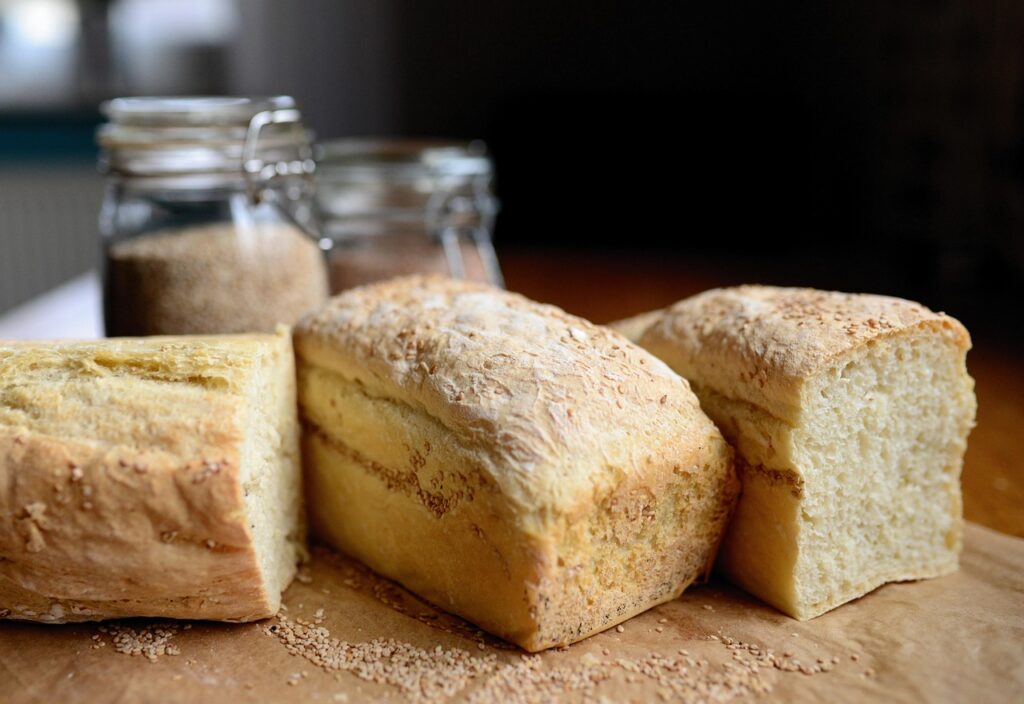
Bread price increases feel particularly strange because bread relies on simple, well-established ingredients. Flour, yeast, and water have not undergone radical changes. While energy and labor costs rose, bread prices climbed faster than many shoppers expected. Loaf sizes generally stayed the same, but promotions became less frequent. For households that buy bread weekly, the cumulative impact is noticeable. Bread used to be one of the most predictable items on the grocery list. When its price rises sharply, it signals broader issues with pricing behavior rather than production cost alone. Shoppers feel they are paying more simply because they must.
10. Coffee Creamers
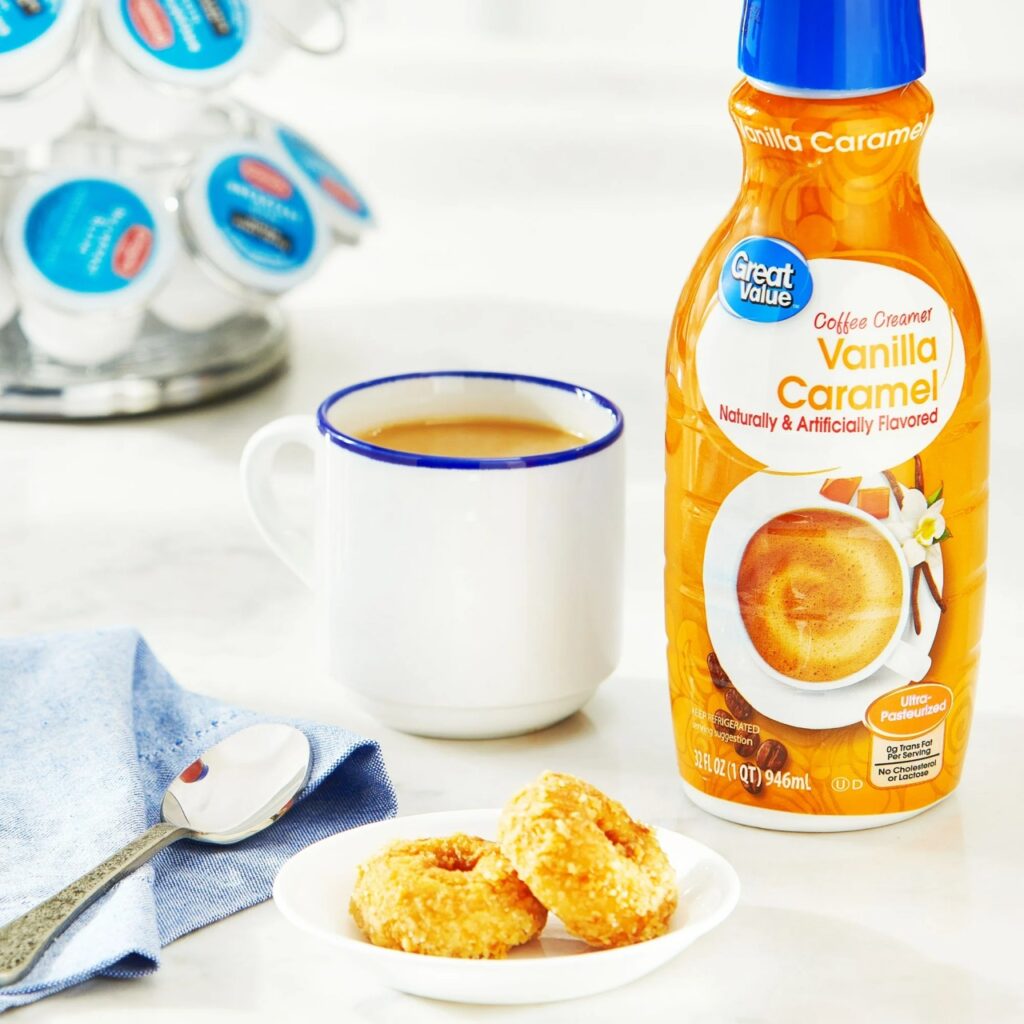
Coffee creamers rose in price faster than coffee itself, which feels backwards to many consumers. Creamers often contain water, sugar, oil, and flavoring, making their cost structure relatively low. Yet shelf prices climbed rapidly, especially for non-dairy and flavored varieties. Branding played a major role, positioning creamers as indulgent lifestyle products rather than simple add-ins. Bottle sizes rarely changed, and ingredient quality stayed consistent. For daily coffee drinkers, this increase is unavoidable and frequent. Paying more every week for the same splash of creamer highlights how convenience and habit allow prices to rise without resistance.
11. Canned Soup
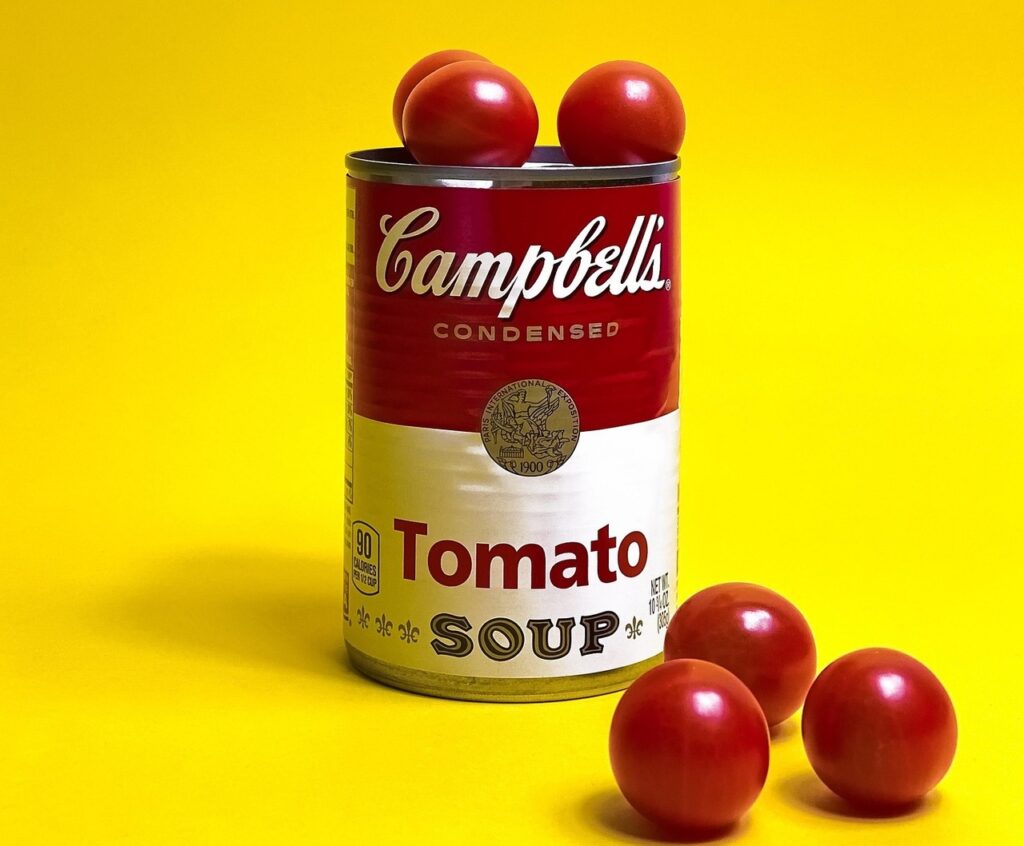
Canned soup is shelf stable, mass produced, and designed for affordability, which makes its rising price feel unjustified. Ingredient lists remain largely unchanged, relying on water, vegetables, starches, and modest protein. While metal can costs fluctuated, the increase shoppers see often goes beyond packaging alone. Portion sizes did not grow, and nutritional profiles did not improve. Canned soup used to be a fallback option for tight budgets or quick meals. As prices climbed, that role weakened. Shoppers notice that canned soup offers no added convenience or quality improvements to explain the higher cost. It simply costs more to deliver the same experience.