10 Beef Cooking Myths That Might Actually Be True

Beef has been cooked for centuries, yet it remains one of the most misunderstood ingredients in the kitchen. Passed-down advice, half-remembered rules, and so-called kitchen myths often blur the line between fact and fiction. Some ideas sound outdated, others feel too simple to be true, and a few are dismissed outright without a second thought. Yet when examined closely, many of these beliefs are grounded in real cooking science and practical experience. Understanding how heat, fat, muscle fibers, and time actually affect beef can completely change the way it turns out on your plate. Knowing which myths hold truth can mean the difference between tough beef and a truly satisfying meal.
1. Searing Beef Really Does Improve Flavor
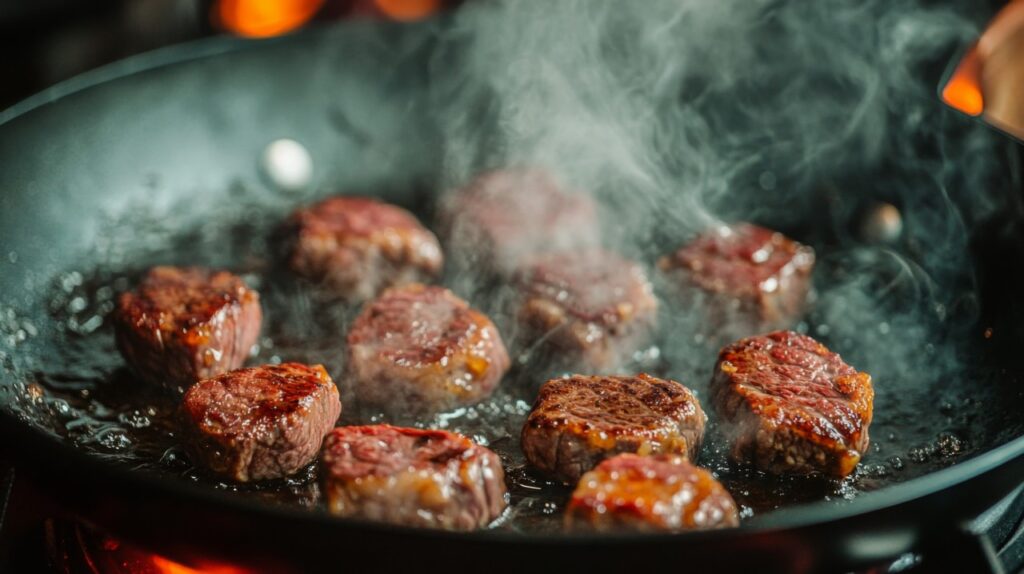
Searing beef is often dismissed as cosmetic, but the science behind it explains why the flavor difference is real. When beef hits high heat, the surface undergoes the Maillard reaction, a chemical process between amino acids and sugars that creates hundreds of new flavor compounds. These compounds are responsible for the deep, savory taste people associate with well-cooked beef. Searing also dries the surface slightly, which concentrates flavor rather than sealing in juices as commonly believed. While moisture still moves within the meat, the browned crust adds contrast and complexity that cannot be replicated with low heat alone.
2. Letting Beef Rest After Cooking Makes a Difference
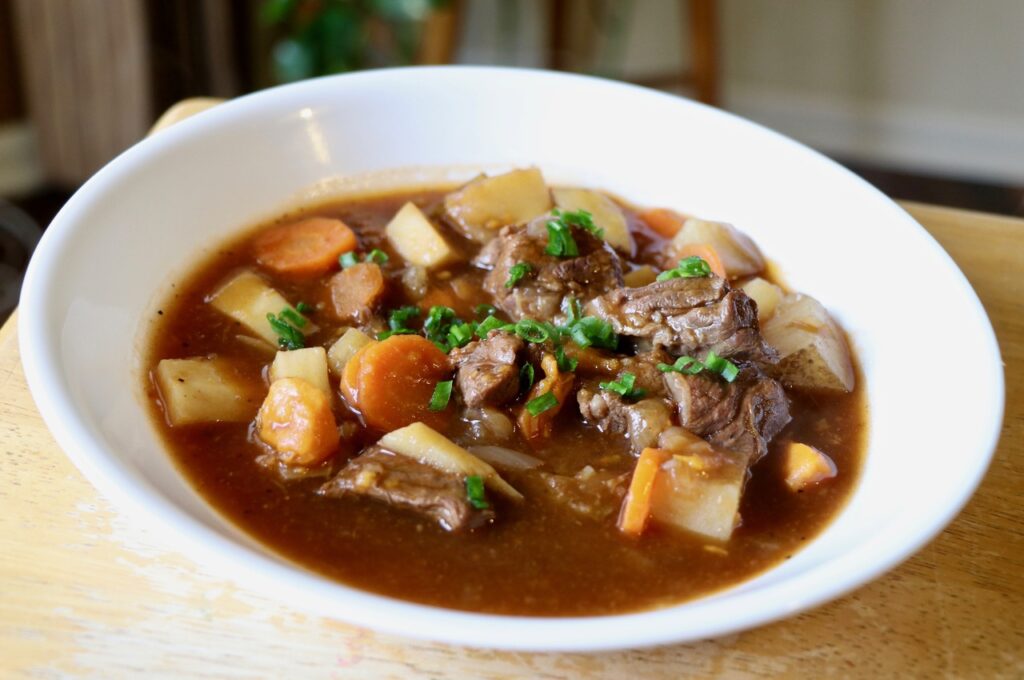
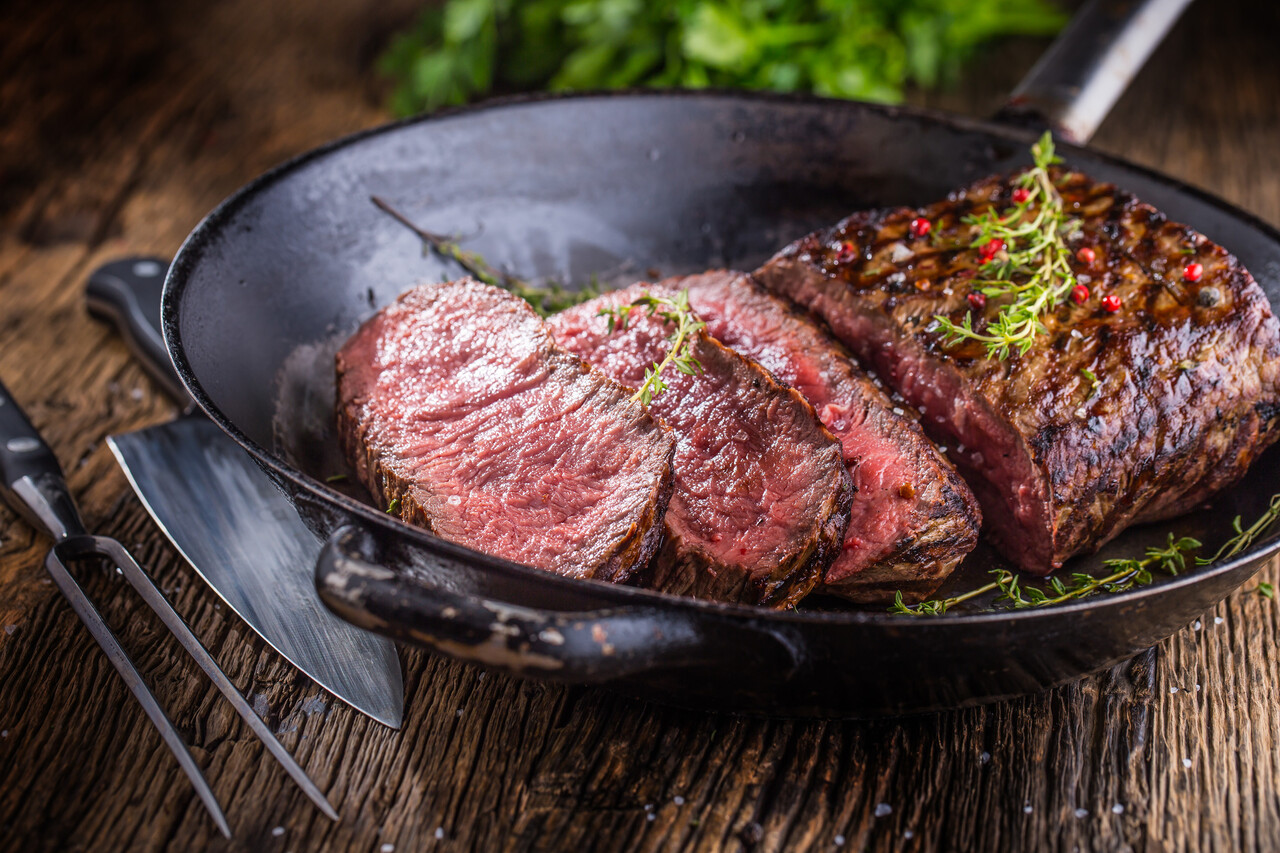
Resting beef after cooking is not about magic redistribution, but it does improve eating quality. During cooking, muscle fibers contract and push moisture toward the center of the meat. If sliced immediately, that liquid escapes onto the plate. Allowing beef to rest gives fibers time to relax slightly, reducing moisture loss when cut. The temperature also equalizes, finishing the cooking process gently without additional heat. This results in a juicier bite and a more even texture. Resting does not increase total moisture, but it keeps more of it inside the meat. Even a short rest improves tenderness and mouthfeel, especially for steaks and roasts.
3. Marbling Really Does Make Beef Taste Better
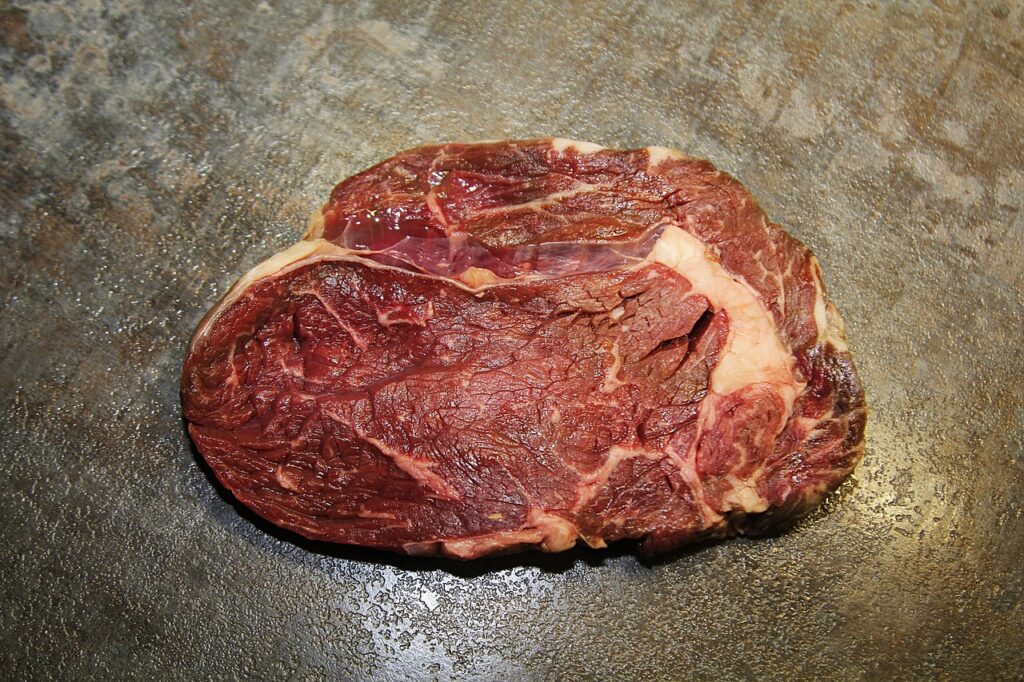
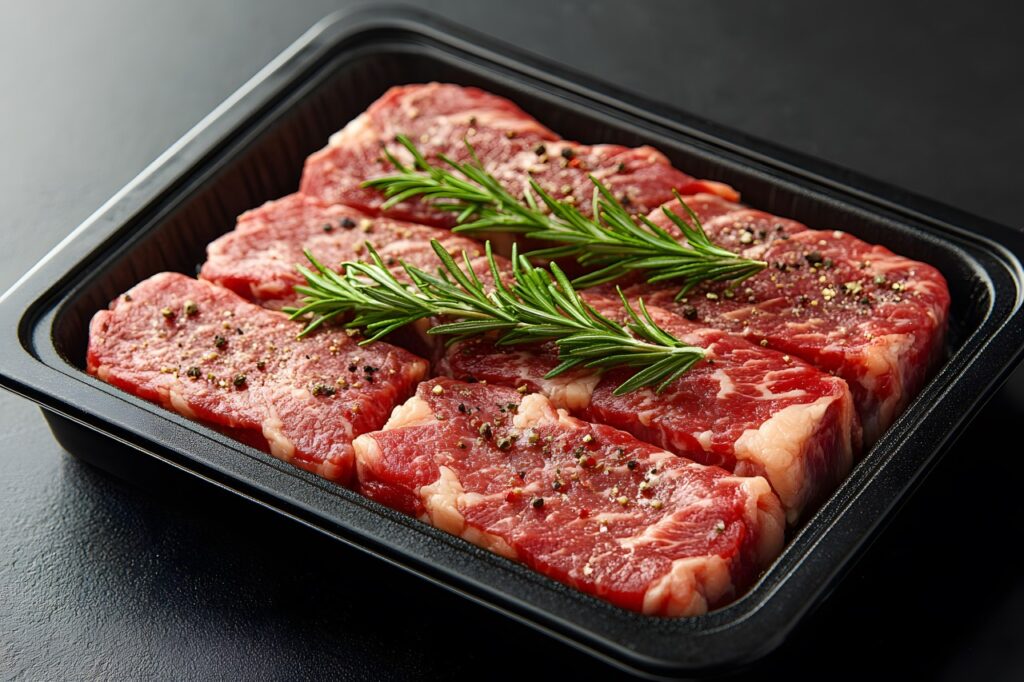
Marbling is not just a visual appeal; it directly influences flavor and texture. The intramuscular fat melts as beef cooks, lubricating muscle fibers and slowing moisture loss. This creates a richer taste and a softer bite compared to lean cuts. Fat also carries flavor compounds more efficiently than water, meaning marbled beef delivers stronger beefiness even with minimal seasoning. During cooking, melted fat fills gaps between fibers, improving perceived tenderness. This is why two steaks cooked identically can taste dramatically different based on marbling alone. While lean beef has its place, marbled cuts consistently provide a fuller, more satisfying eating experience.
4. Salting Beef Before Cooking Can Improve Texture
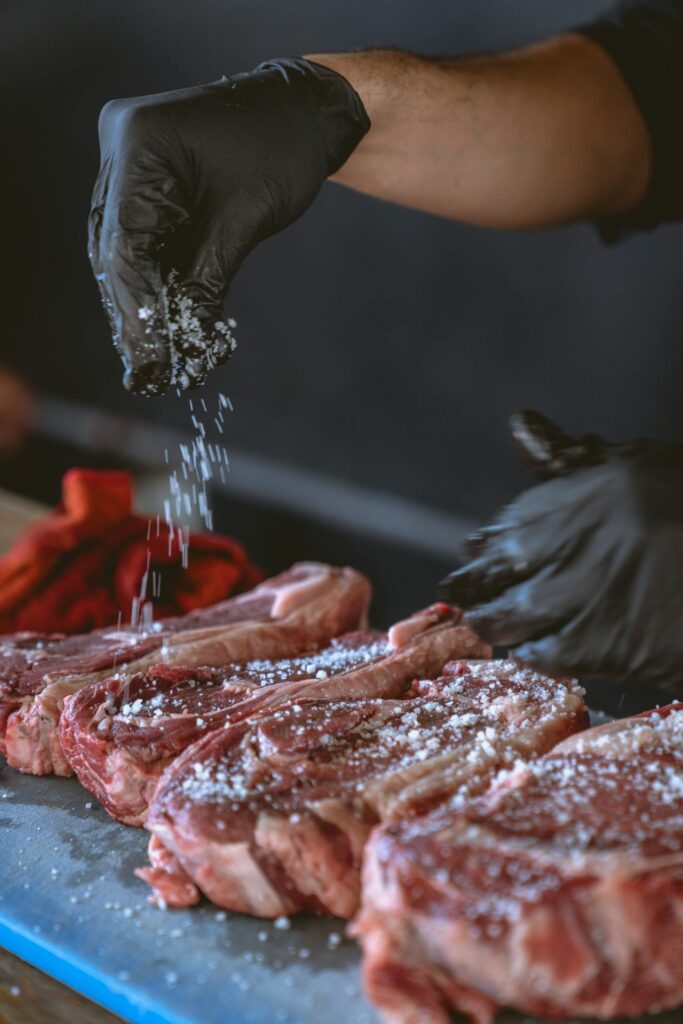
Salting beef ahead of time works because of how salt interacts with protein. Initially, salt draws moisture to the surface, which can look like a mistake. Given time, the moisture dissolves the salt and is reabsorbed into the meat. Salt then alters muscle proteins, allowing them to retain more water during cooking. This leads to beef that is better seasoned throughout and less likely to dry out. Proper timing matters. Salting too late only seasons the surface, while salting too early without enough time can create uneven texture. When done correctly, pre-salting enhances flavor, tenderness, and moisture retention.
5. Overcooking Beef Really Does Make It Tough
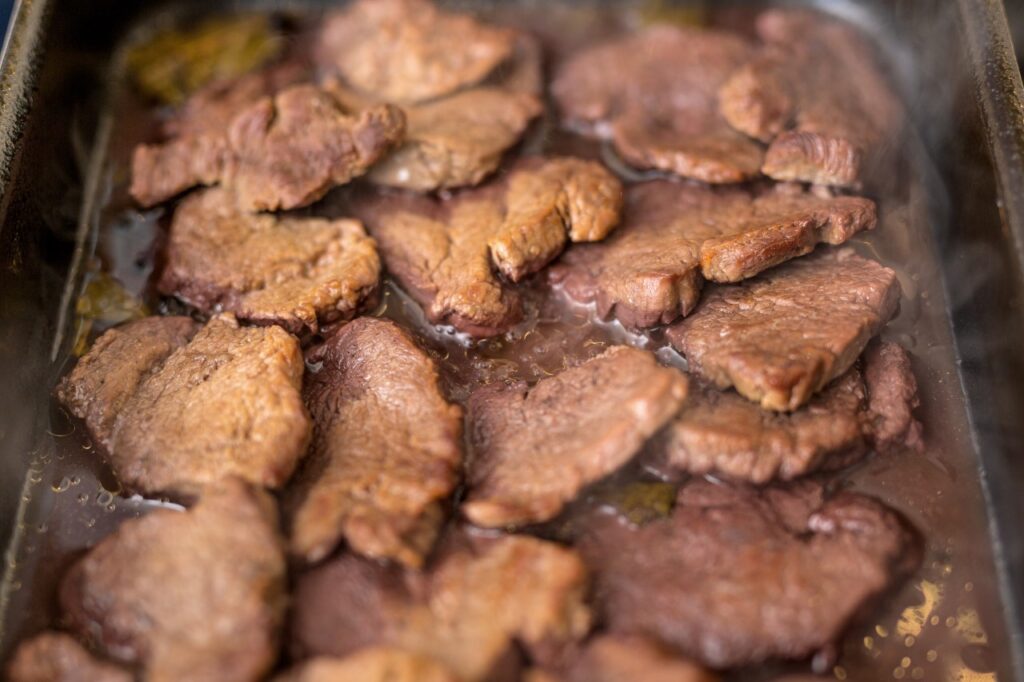
Beef becomes tough when heat is applied beyond what the cut can tolerate. Muscle fibers tighten as temperature rises, squeezing out moisture. At the same time, connective tissue shrinks rapidly before it has time to break down. This combination leads to dryness and resistance when chewing. Lean cuts suffer quickly because they lack fat to buffer moisture loss. Even fatty cuts can become unpleasant if pushed too far. Overcooking also dulls flavor by driving out aromatic compounds. While some cuts benefit from long cooking, they require low heat and moisture. High heat for too long almost always results in tougher beef.
6. Slow Cooking Is Best for Tough Cuts
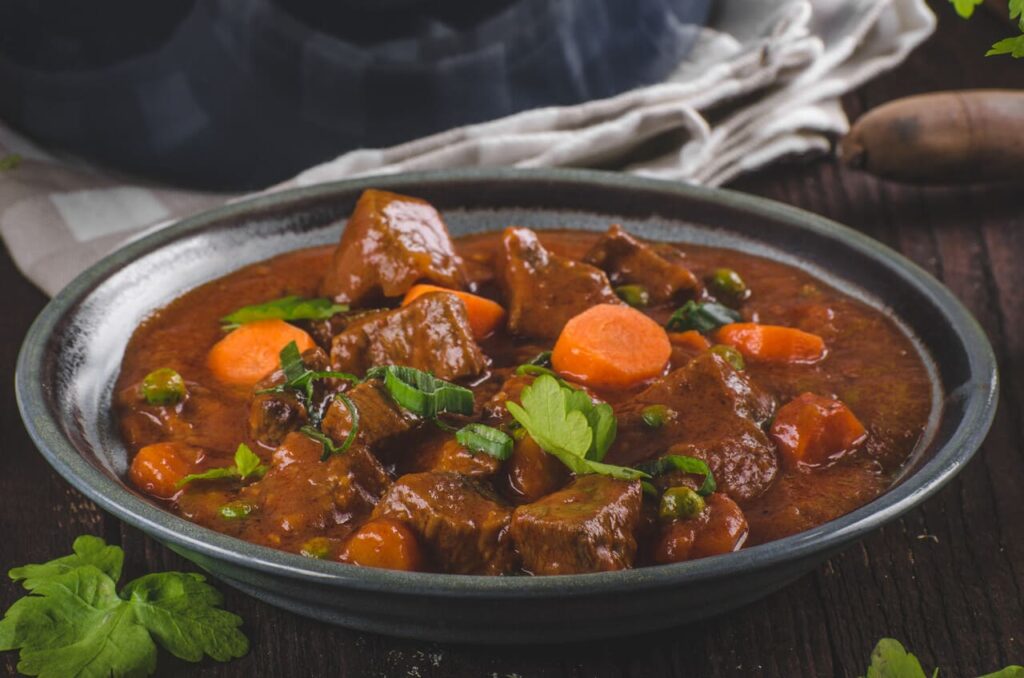
Tough cuts come from well-used muscles that contain more connective tissue. Slow cooking works because collagen breaks down into gelatin when held at low temperatures for extended periods. This process transforms chewy fibers into tender, silky meat. Moisture and time are essential. High heat causes connective tissue to tighten before it can soften. Slow cooking allows the structure to relax gradually. The result is beef that pulls apart easily and feels rich without being greasy. This is why brisket, chuck, and shank perform better in slow methods. The technique aligns with the biology of the meat rather than fighting it.
7. Grass-Fed Beef Can Taste Different Than Grain-Fed

Grass-fed beef often tastes different because diet affects fat composition. Grass-fed cattle produce fat with higher levels of omega fatty acids and different aromatic compounds. This can create flavors described as earthy or mineral-forward. Grain-fed beef tends to have more intramuscular fat, which leads to milder flavor and a softer texture. Neither is inherently better, but they behave differently in the kitchen. Grass-fed beef cooks faster and dries out more easily due to lower fat content. Understanding these differences helps cooks adjust heat and timing to get the best results from each type.
8. Room-Temperature Beef Cooks More Evenly
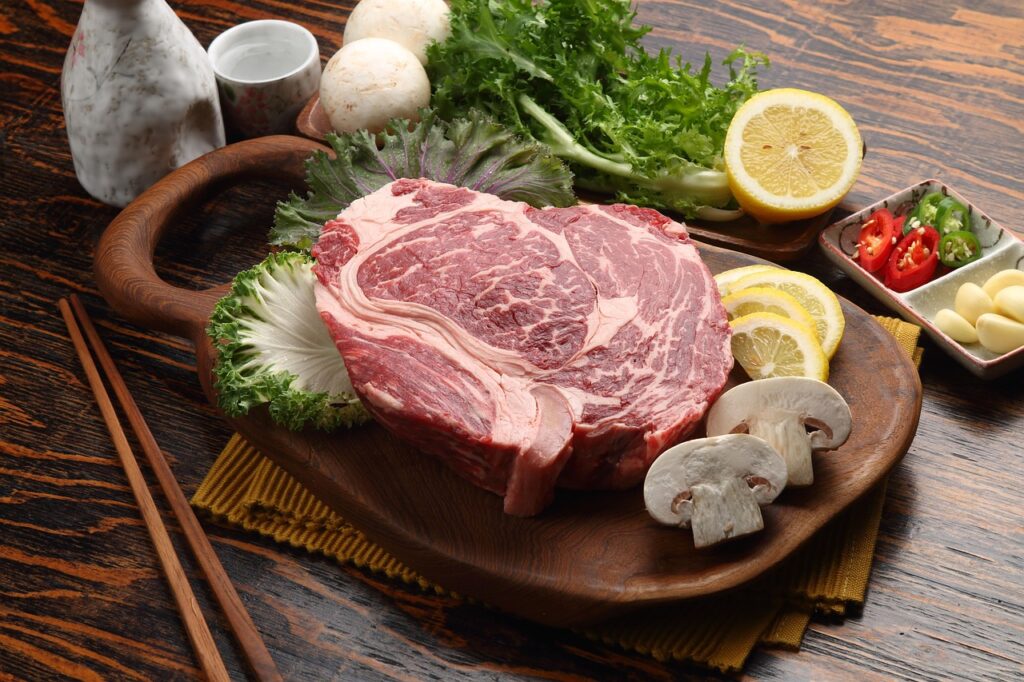
Allowing beef to warm slightly before cooking helps reduce temperature shock. Extremely cold meat placed on high heat can overcook on the outside before warming through the center. Bringing beef closer to room temperature promotes more even cooking and better browning. This does not make the meat unsafe, as the exposure time is brief. Instead, it improves control. The interior reaches target temperature more predictably, reducing the risk of an overdone exterior. This practice is especially helpful for thick cuts where even doneness is harder to achieve. It also makes timing more forgiving, giving cooks better results with less guesswork.
9. Using a Meat Thermometer Prevents Ruined Beef
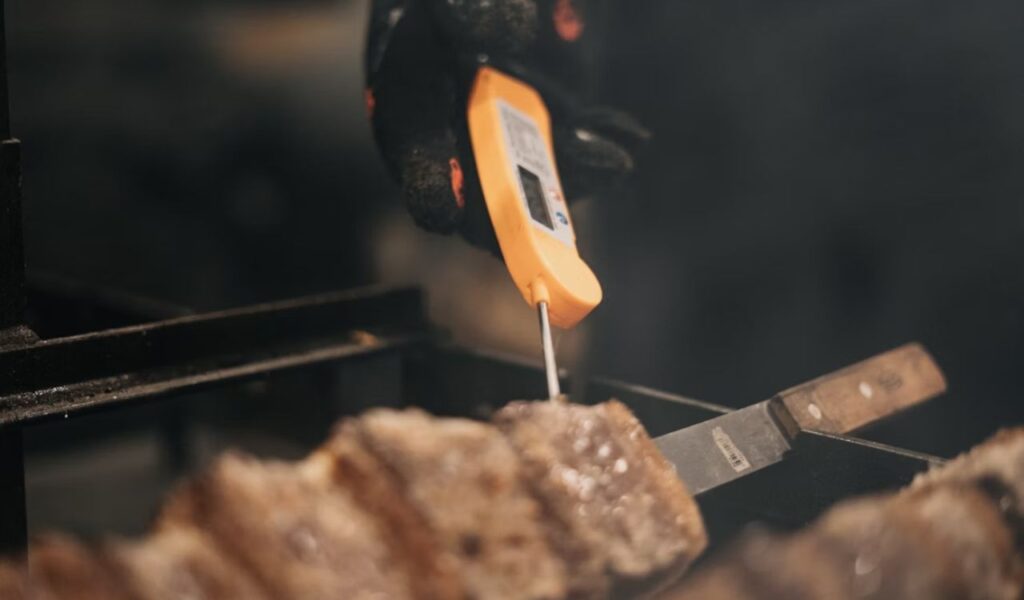
A meat thermometer removes guesswork from beef cooking. Visual cues and timing vary widely depending on thickness, cut, and heat source. Temperature provides objective accuracy. Beef changes texture rapidly within small temperature ranges, especially in steaks. A thermometer allows precise removal at the ideal moment, preventing overcooking. It also improves consistency across multiple pieces. Resting can then finish cooking gently. For large cuts, thermometers ensure safety without sacrificing quality. This tool protects both flavor and texture, making it one of the most effective ways to improve beef results.
10. Cutting Beef Against the Grain Makes It More Tender
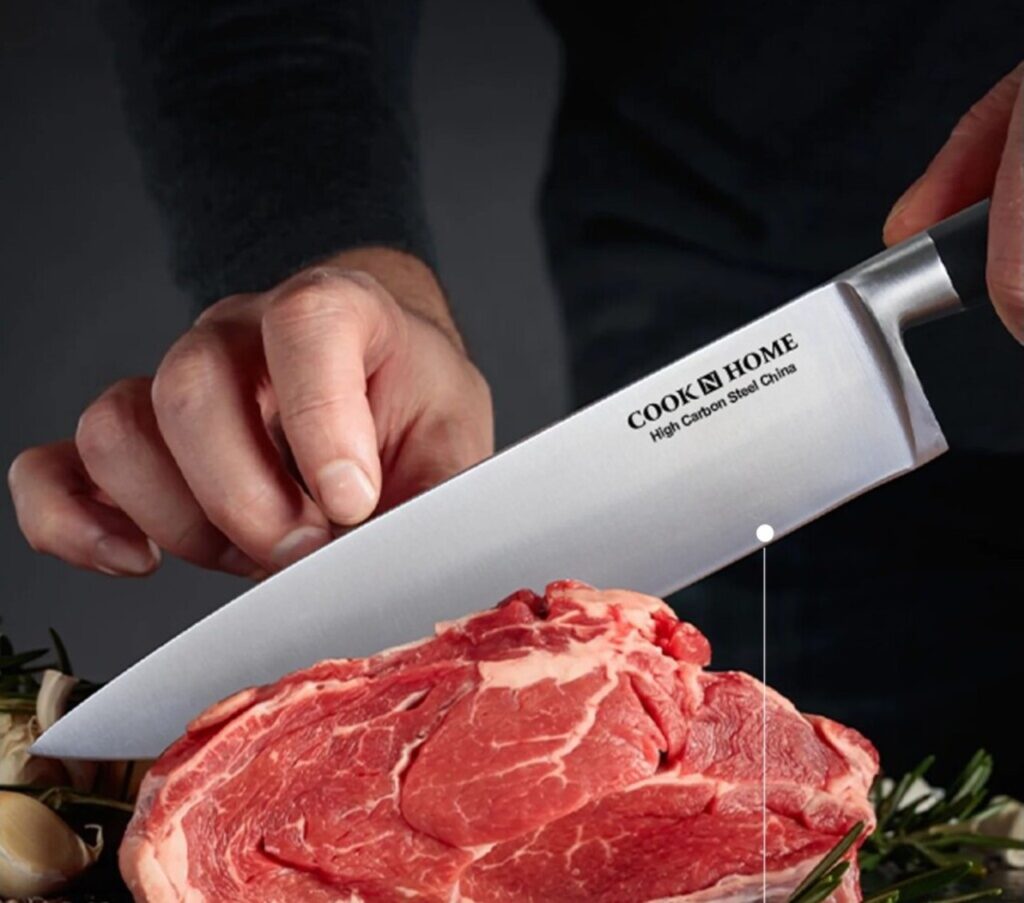
Muscle fibers run in one direction, and slicing along them leaves long strands that resist chewing. Cutting against the grain shortens these fibers, making each bite easier to break down. This does not change the meat itself, but it dramatically changes perception. Tough cuts benefit most, but even tender steaks improve when sliced correctly. Identifying grain direction before cooking makes this step easier. This simple technique requires no special tools and delivers immediate improvement in tenderness. It is one of the most reliable ways to make beef feel softer without altering the cooking method.