Why Tea Lovers Claim January as Their Favorite Month


For tea lovers, January holds a special kind of magic. As winter settles in and routines slow down after the holidays, tea naturally takes center stage as a source of warmth, comfort, and quiet ritual. It’s no coincidence that January is recognized as National Hot Tea Month, a time when hot cups feel most satisfying and meaningful. From health and wellness benefits to global traditions and cozy daily habits, January offers everything tea lovers cherish, turning the coldest month into their favorite. Shorter days encourage slower moments that pair perfectly with brewing and sipping. Tea becomes less of a beverage and more of a daily anchor during winter.
The Birth of Tea Month
Tea lovers see January not just as a cold month but as an annual moment built around a simple ritual that warms the spirit. National Hot Tea Month officially takes place in January, an idea born in the United States in the early 2000s to celebrate tea culture when cooler weather increases its enjoyment. The concept was developed by individuals and small businesses who wanted to shine a spotlight on tea, long overshadowed by coffee’s popularity. The timing was intentional, capturing a season when people are more likely to reach for hot beverages as the world outside feels brisk and frosty. January naturally invites reflection and slower habits.
The history of the celebration shows that it was never meant to be just fun but also educational, encouraging people to explore teas they might never try otherwise. What began as a grassroots effort has grown into a recognized occasion among tea brands, cafes, and communities that use the month to share appreciation for tea’s diversity. Organizations and tea lovers alike host tastings, share recipes, and talk about tea’s role in culture, health, and everyday life. In essence, January as Tea Month honors the beverage itself and the people who find comfort and connection in every cup. It also gives tea a dedicated moment of recognition.
Winter Warmth and Comfort

There is something innately soothing about holding a warm cup of tea when the air outside feels crisp and cold. In January, many people come off the holidays and face months of winter weather ahead, and tea becomes a source of comfort, warmth, and routine. Unlike iced beverages that dominate warmer months, hot tea meets the human need for heat and relaxation, making it especially appealing when temperatures drop. The act of sipping warmth provides physical comfort and an emotional sense of calm, creating a ritual many enjoy daily throughout January. That ritual becomes grounding. It adds stability to winter days.
Beyond physical relief from cold, tea drinking in winter carries a cozy cultural association. People link warm drinks with slowing down, comforting evenings, and restorative pauses in the day. Whether it’s early morning steam rising from a mug or a bedtime cup to signal rest, these rituals anchor routines during a season when daylight is short and days feel long. In a broader sense, the warmth of tea becomes a companion through the winter months, reinforcing why tea lovers often claim January as their favorite time to celebrate this timeless beverage. Tea fills the quiet moments of winter. It becomes part of the daily rhythm.
Tea’s Seasonal Health Benefits
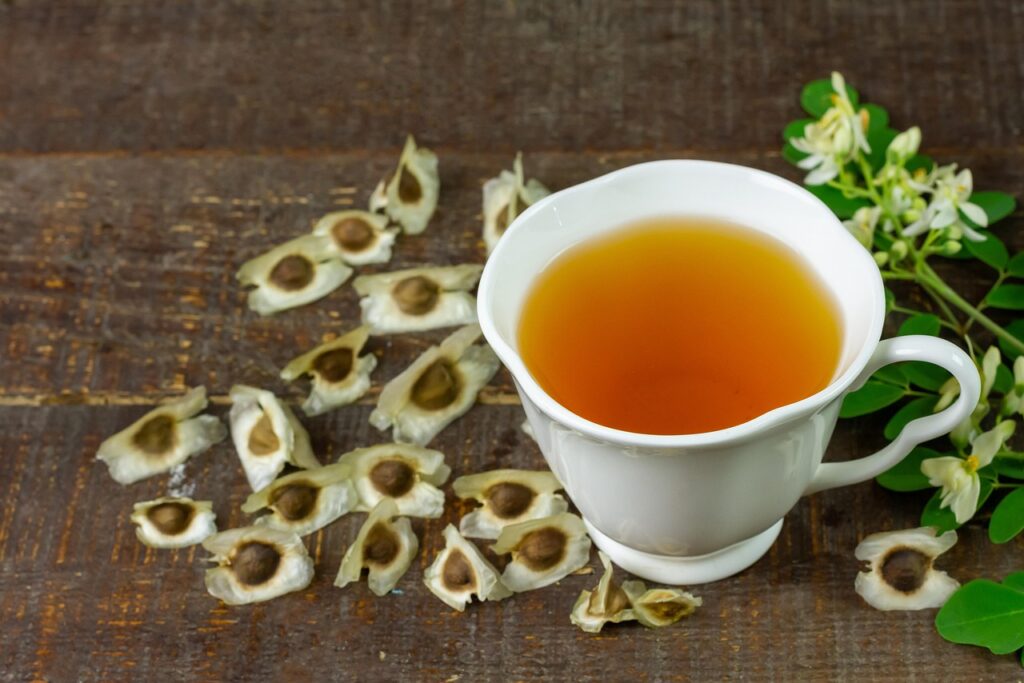
When winter arrives, the body’s needs shift, and many people look for beverages that support wellness as well as warmth. Tea, especially hot tea, fits these seasonal needs in several ways. Hydration remains important in winter, even though cold weather can dull thirst; sipping tea helps maintain fluid balance throughout the day. Herbal teas like ginger or chamomile offer soothing properties, while green and black teas provide antioxidants that are linked with overall health benefits, helping the body stay resilient during cold and flu season. Warm liquids are easier to consume in cold weather. Tea encourages steady hydration.
Tea’s natural warmth can help ease minor throat irritation or provide comfort during a stuffy, chilly day. Certain teas, such as peppermint, can support digestion, while others are associated with calming effects that help with stress and sleep patterns. Though research varies on the extent of these benefits, the sensation of warmth and routine of tea drinking undeniably contribute to many people’s sense of wellbeing in January. For tea lovers, these functional aspects make the beverage more than just flavorful; it becomes a comforting ally through winter’s challenges. The benefits feel practical, not forced. They align naturally with winter needs.
Cultural and Global Traditions
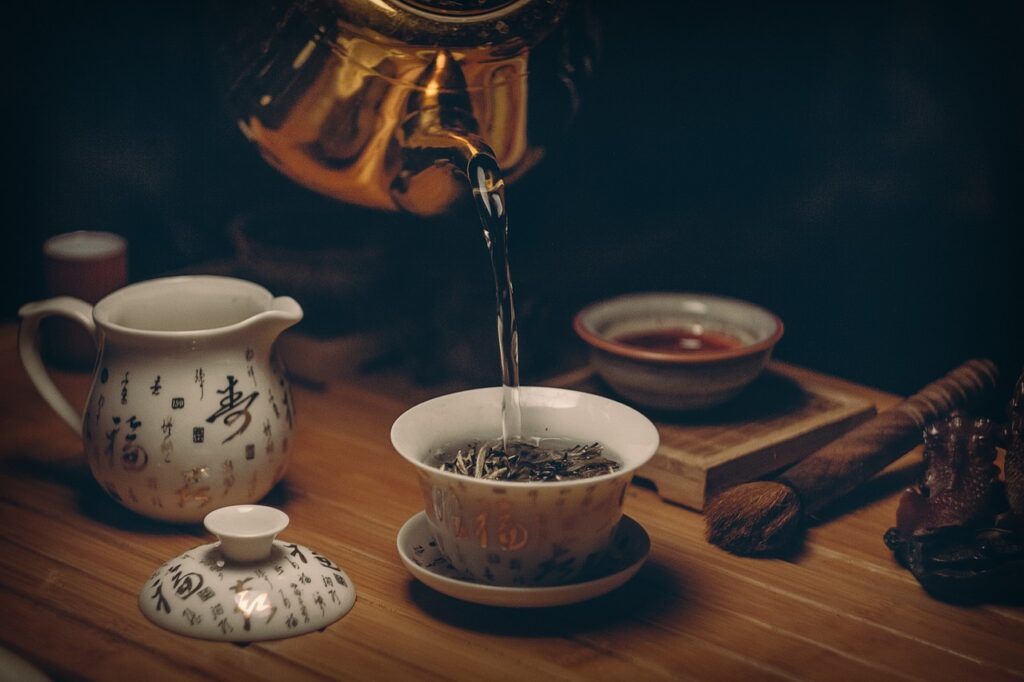
Tea is one of the most widely consumed beverages in the world, with rich traditions built around it across diverse cultures. In Japan, tea ceremonies formalize the preparation and serving of matcha, turning tea into an art form rooted in mindfulness and respect. In the United Kingdom, afternoon tea is an institution where conversation, small bites, and elegant teacups define a social ritual. These varied practices show how tea adapts to cultural contexts yet consistently represents connection and pause. Across cultures, tea often marks moments of care and hospitality. Its rituals create shared experiences that outlast the cup itself.
In many parts of Asia, hot tea is consumed year-round but gains renewed significance in cooler months, serving as a bridge between body and environment. In North Africa, mint tea is shared among friends and family as a gesture of hospitality. Even in places where tea drinking is casual, the winter months accentuate tea’s role as a social and cultural anchor. These traditions enrich January’s celebration of tea, reminding enthusiasts that the drink they enjoy locally connects to centuries-old global practices. It carries meaning beyond taste. January amplifies these shared customs. It brings global habits into focus.
Tea Drinking Trends in January
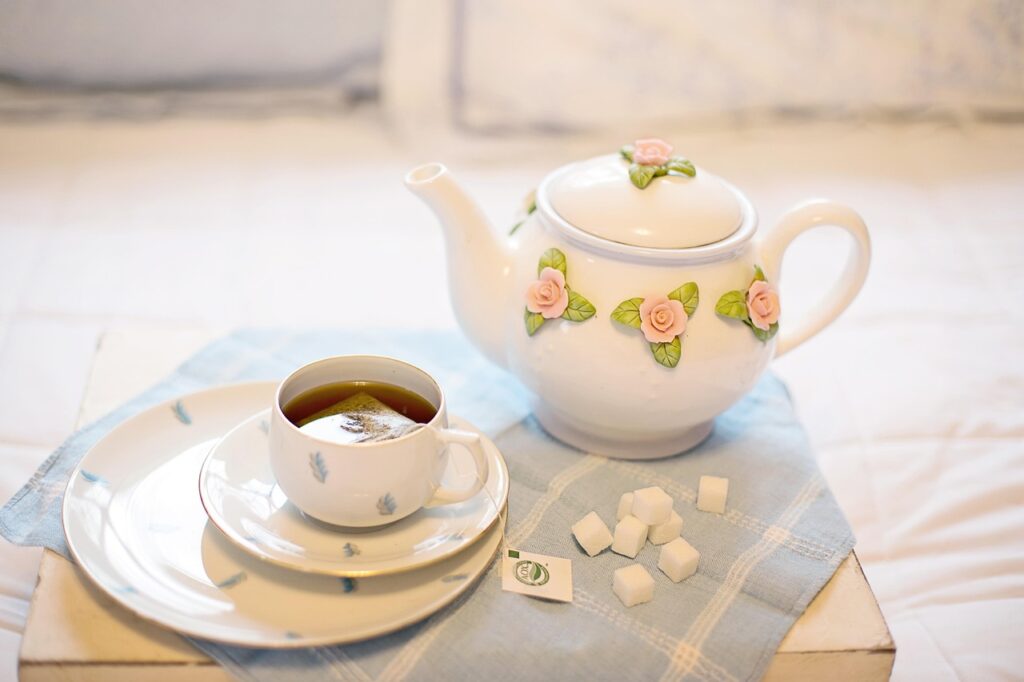
January sees noticeable shifts in how people engage with tea, partly because the holiday season is over and routines reestablish themselves. Many tea brands report increased interest in hot tea varieties during this time of year, with consumers seeking both familiar classics and new blends. Comforting flavors like chai, spiced black teas, and soothing herbal blends often rise in popularity, as they align with winter preferences. The seasonal shift also encourages experimentation, with tea shops introducing limited-time blends designed to celebrate the month. Curiosity grows during this reset period. Tea becomes a tool for exploration.
Another trend is that people use January to reset habits, and tea becomes part of that wellness focus. Instead of sugary drinks or heavy beverages common during holidays, tea offers a lighter, flavorful alternative. From matcha lattes to green teas with citrus notes, the variety of tea types embraced in January reflects how drinkers adapt their choices to both taste and intention. Tea lovers leverage this month to explore and expand their tea repertoire, making January a dynamic and flavorful season for tea culture. Intentional drinking shapes these choices. Tea aligns with mindful consumption.
How to Celebrate Tea Month
Celebrating Tea Month can be as simple or as involved as you prefer, and many people find joy in integrating small rituals into their daily schedule. One easy way to mark the occasion is to try a new tea variety each day throughout January, sampling flavors from black to herbal, floral to smoky. Cupping sessions, where you taste several teas side by side, can turn a casual habit into an educational experience. Hosting a tea tasting with friends or family also adds a social element that deepens appreciation. Shared experiences enhance enjoyment. Tea becomes a point of connection. These moments encourage slower, more mindful breaks in busy days.
Tea Month also encourages creative pairings with food and moments. Warm tea with fresh pastries or seasonal fruit complements both sweet and savory dishes. Some people dedicate a specific time each afternoon to tea as a break from work or a moment of reflection, reinforcing a positive routine. Workshops, online events, and tea-related gatherings further expand how enthusiasts celebrate. Whether alone or with community, these activities make January feel like more than a calendar month; it becomes a meaningful period centered around warmth, taste, and connection. Celebration does not require complexity. Intention is enough.
Common Myths About Tea
Despite tea’s long history and widespread use, several misconceptions persist about what tea can and cannot do, especially in relation to winter health. One common belief is that tea alone can prevent illness, but while some teas contain antioxidants, they should complement rather than replace balanced nutrition and medical guidance. Another myth is that tea dehydrates you; in fact, tea contributes to daily fluid intake much like water does. Understanding these nuances helps tea lovers enjoy their beverage with clarity and realistic expectations. Knowledge prevents overreliance. It supports informed enjoyment.
Some people also assume that all teas are created equal when it comes to health benefits. In reality, the nutritional and functional qualities vary by type and preparation. Caffeine content, for instance, differs between black, green, and herbal teas, which can influence energy and relaxation differently. Separating folklore from fact allows drinkers to appreciate tea for what it truly offers: flavor, warmth, ritual, and modest wellness support. This grounded perspective enhances enjoyment without overestimating tea’s powers. Balanced understanding strengthens appreciation. Tea becomes reliable, not exaggerated.
Tea Industry and Community Impact

Tea Month does more than celebrate a beverage; it also energizes the tea industry and communities around it. Tea shops, cafes, and local roasters often use January to launch new blends, offer tastings, or provide educational content that attracts both longtime tea lovers and curious newcomers. These promotions support small businesses and stimulate interest in specialty teas that might otherwise go unnoticed. The heightened focus on tea during January creates economic and cultural buzz that benefits entire supply chains from growers to retailers. Seasonal attention drives engagement. Visibility helps sustain the industry.
Community engagement around tea extends to social media, local events, and collaborative initiatives that bring people together. Tea festivals, online discussions, and tasting clubs reflect how a simple drink can build connections. Awareness campaigns sometimes tie into charitable causes or educational efforts, shining attention on tea agriculture, sustainability, and the heritage of tea-growing regions. In this way, Tea Month becomes a catalyst for camaraderie, commerce, and cultural exchange, reinforcing why many tea lovers see January as their favorite month. Tea becomes a shared language. Community grows around the cup.
References
- Tea drinkers claim January as their moment – fooddrinklife.com
- Tea drinkers claim January as their moment – tpimediagroup.org