11 Grocery Items That Can Be Dangerous If Handled Wrong

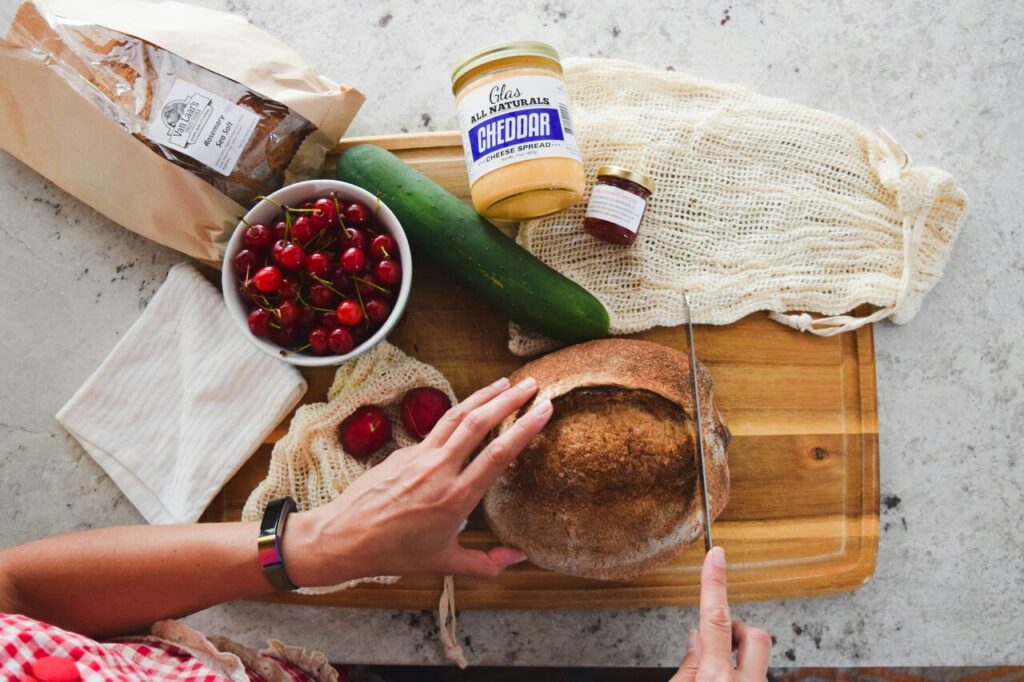
Most grocery items feel safe the moment they are brought home, but many can become dangerous if handled the wrong way. Bacteria are invisible, fast-growing, and often spread through simple mistakes like poor storage, cross-contamination, or leaving food out too long. From raw proteins to cooked leftovers and even reusable bags, food safety depends on everyday habits rather than obvious warning signs. Understanding where risks come from helps reduce illness, protect vulnerable family members, and turn routine kitchen practices into safer, more confident choices.
1. Raw Poultry
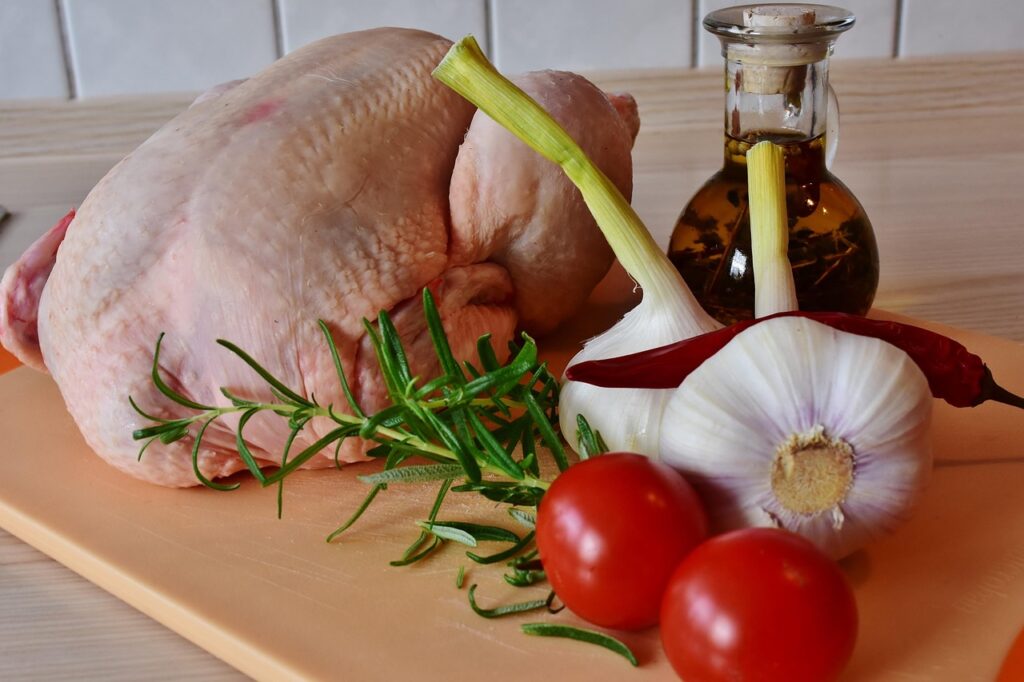
Raw poultry is one of the most common sources of foodborne illness in home kitchens, largely because it is so easy to mishandle without realizing it. Chicken and turkey often carry harmful bacteria that are invisible and odorless, so freshness cannot be judged by smell alone. The biggest risk comes from cross-contamination. Juices from raw poultry can spread bacteria to countertops, cutting boards, utensils, and even hands. If those surfaces are not cleaned thoroughly, the bacteria can transfer to foods that will not be cooked again. Proper handling starts the moment poultry enters the kitchen.
2. Raw Eggs
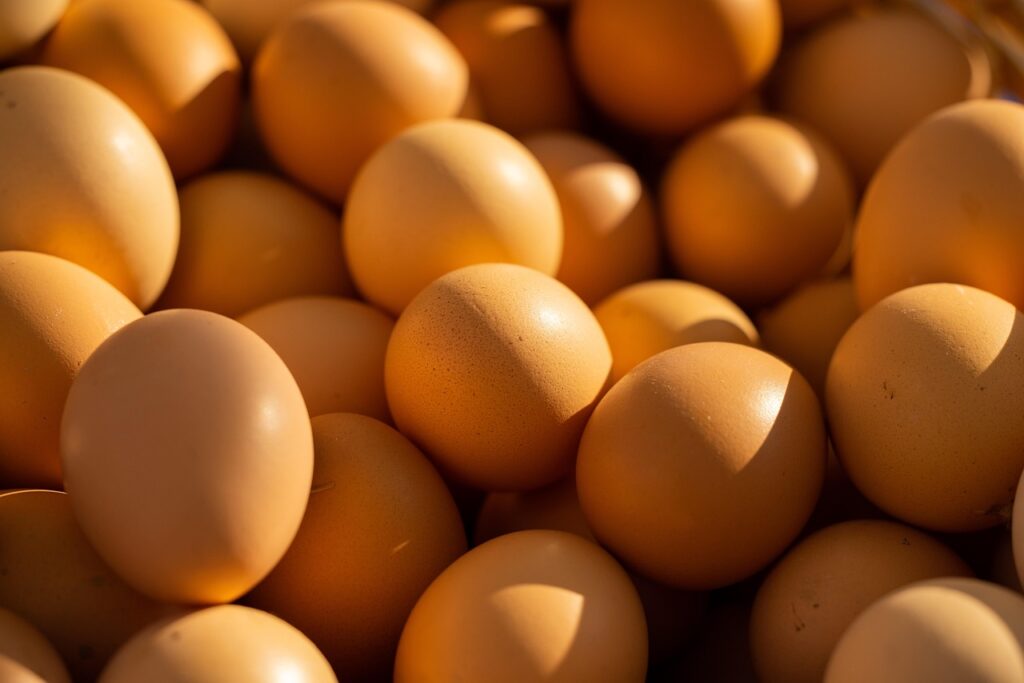
Raw eggs seem harmless, but they can pose serious risks when handled incorrectly. Bacteria may be present on the shell or inside the egg, especially if the shell has tiny cracks that are hard to see. When eggs are cracked on the edge of a bowl or countertop, bacteria on the shell can be pushed into the egg itself. Leaving eggs unrefrigerated for extended periods increases the risk even further. Recipes that use raw eggs, such as homemade dressings or desserts, can be especially risky for children, older adults, and people with weakened immune systems. Clean utensils and surfaces help prevent bacteria from spreading beyond the egg itself.
3. Raw Beef and Pork
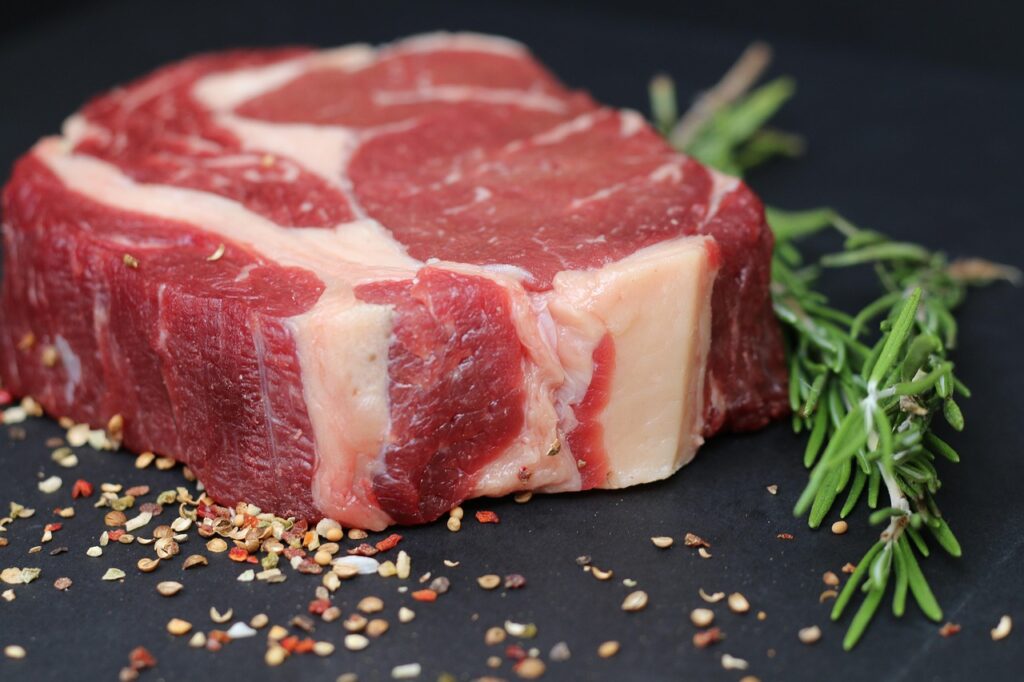
Raw beef and pork require careful handling because harmful bacteria can live on the surface and sometimes within the meat. Grinding meat increases the risk because bacteria can spread throughout the product rather than staying on the outside. Undercooking is one of the most common mistakes, particularly with ground meat, which should always be cooked thoroughly. Improper thawing is another issue. Leaving meat out on the counter allows bacteria to multiply rapidly. Raw beef and pork should be thawed in the refrigerator. Clean storage, proper thawing, and accurate cooking temperatures are essential to keeping these proteins safe.
4. Seafood
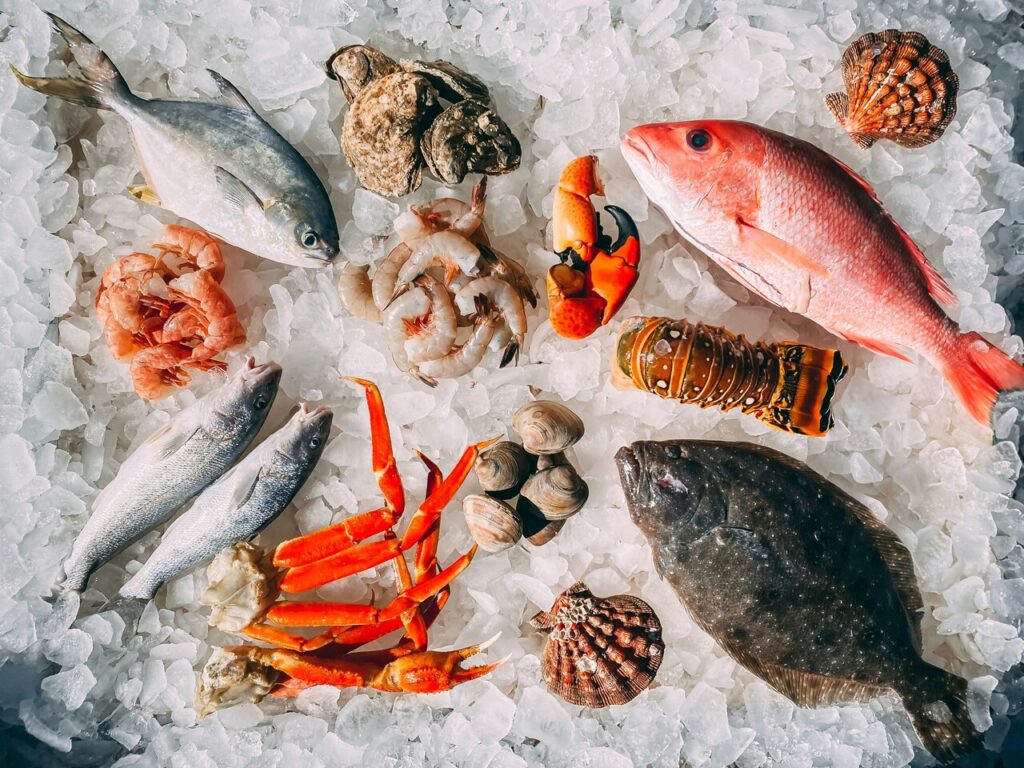
Seafood can be dangerous if it is not kept cold and handled with care. Fish and shellfish spoil quickly, and bacteria can multiply rapidly when temperature control slips. Some seafood may also contain natural toxins that are not destroyed by cooking if the product is already compromised. Raw seafood used for dishes like sushi requires especially strict handling and sourcing. Even cooked seafood can become unsafe if left out too long or stored improperly. Safe seafood handling means buying from reputable sources, keeping it cold from store to fridge, cooking thoroughly when required, and avoiding cross-contamination with other foods.
5. Dairy Products
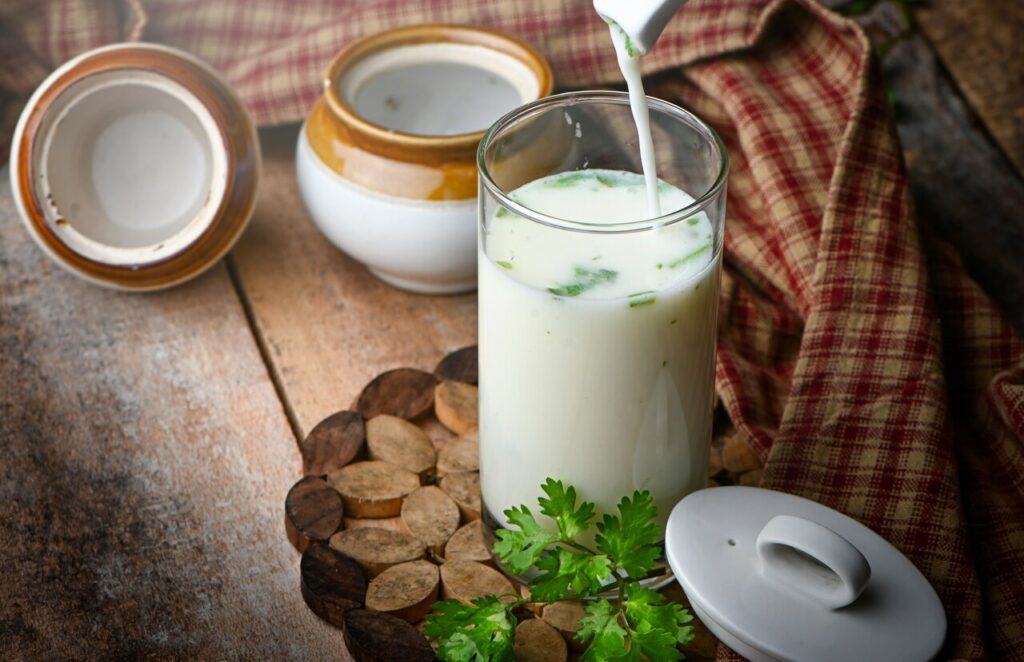
Dairy products are highly sensitive to temperature changes and can become unsafe quickly when mishandled. Milk, cream, yogurt, and soft cheeses support bacterial growth if left out of refrigeration for too long. Even short periods at warm temperatures can allow bacteria to multiply to dangerous levels. Using the same utensil for multiple dairy products or dipping used spoons back into containers can also introduce bacteria. Mold growth is another concern, especially with soft cheeses. While some hard cheeses can be trimmed safely, soft dairy products should be discarded at the first sign of spoilage.
6. Cut Fruits and Vegetables
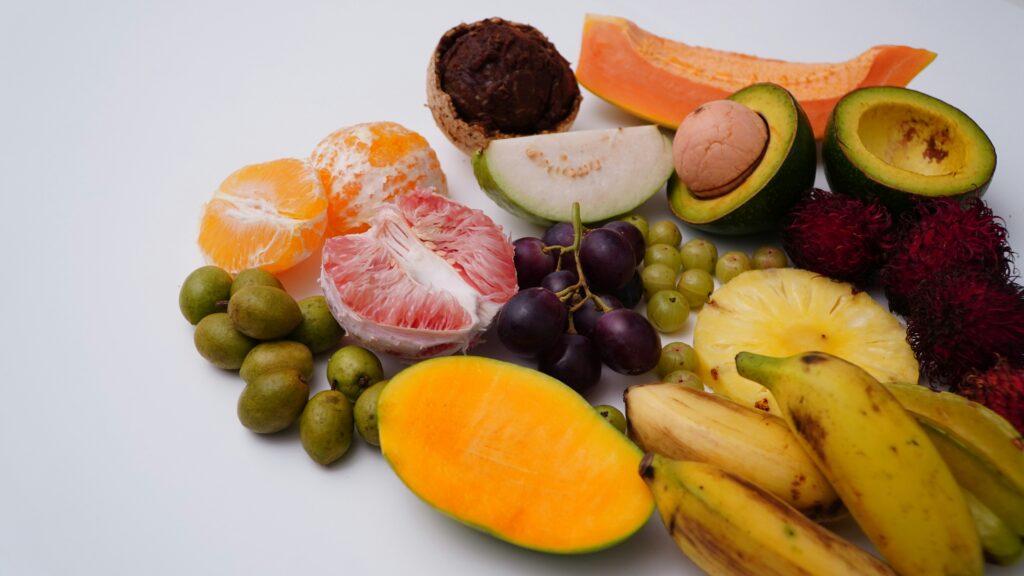
Once fruits and vegetables are cut, peeled, or cooked, they become far more vulnerable to bacterial growth. The protective outer skin is removed, exposing moist surfaces where bacteria can thrive. Cut produce left at room temperature for extended periods is a common cause of foodborne illness. Washing produce before cutting is important, but washing after cutting does not remove all risks. Storage matters just as much as preparation. Cut fruits and vegetables should be refrigerated promptly in clean containers. Cross-contamination can also occur if cutting boards or knives used for raw meat are reused without proper cleaning.
7. Cooked Rice and Pasta
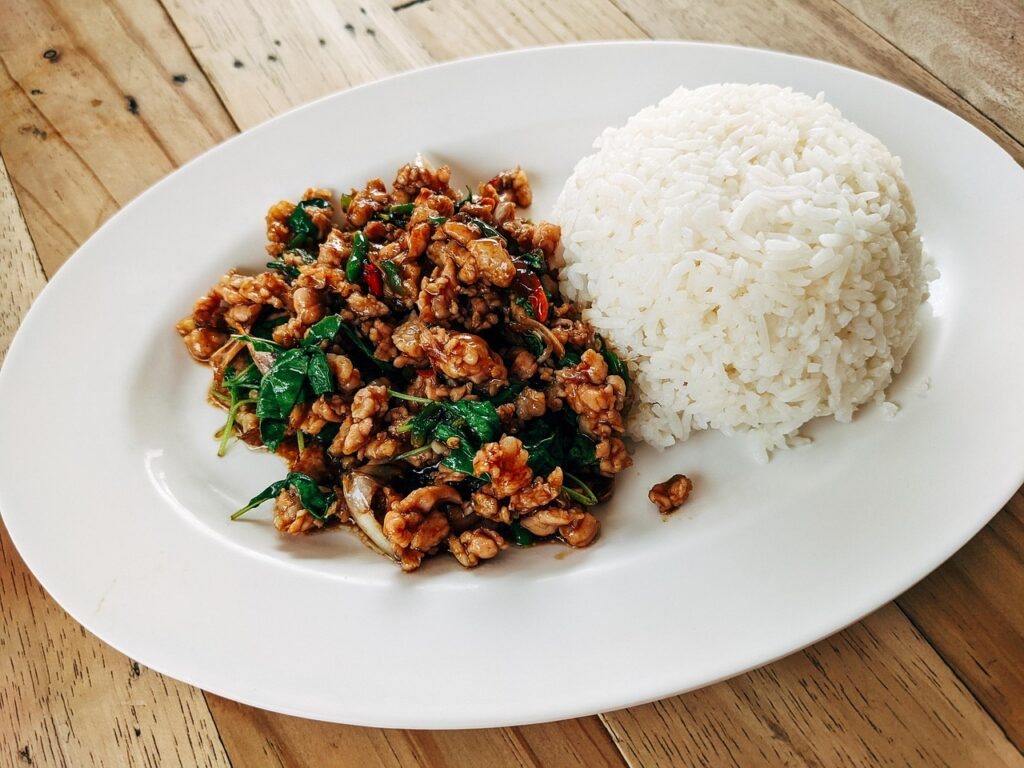
Cooked rice and pasta are often overlooked as potential hazards, but they can become dangerous if handled improperly. Certain bacteria can survive cooking and produce toxins when starchy foods are left at room temperature. These toxins cannot always be destroyed by reheating. The biggest risk comes from letting cooked rice or pasta sit out for hours before refrigeration. To reduce risk, these foods should be cooled quickly and stored in the refrigerator within a short time after cooking. Reheating should be done thoroughly, and leftovers should not be kept for too long. Understanding that cooked grains are not automatically safe is key to preventing illness.
8. Prepared Salads and Sandwiches
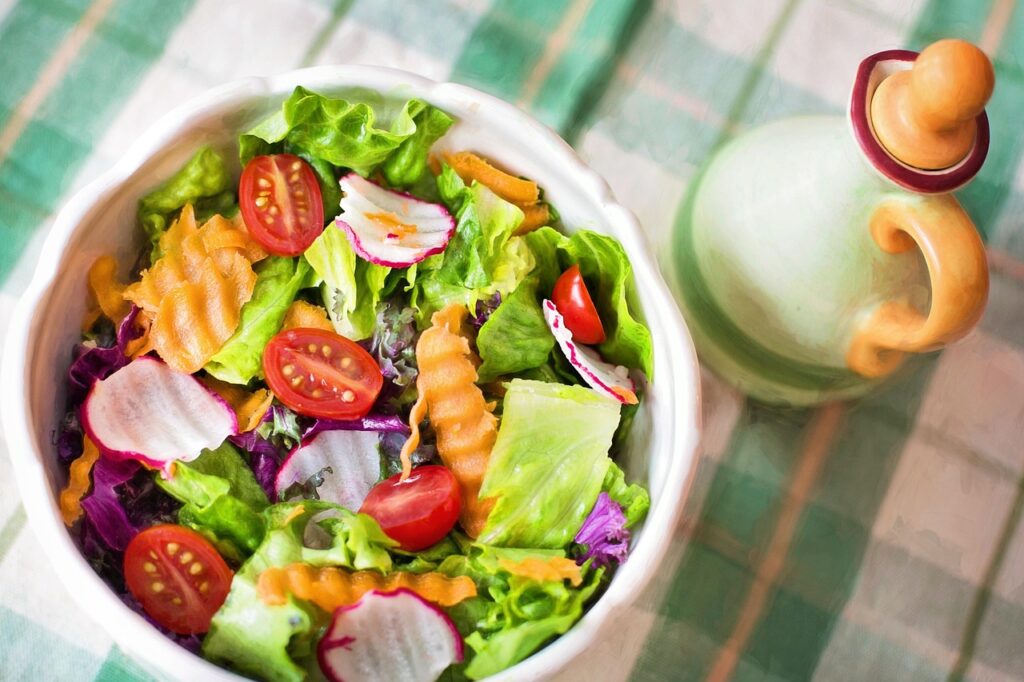
Prepared salads and sandwiches combine multiple ingredients, which increases the risk of contamination. Items like mayonnaise, eggs, meat, and dairy all require careful temperature control. If any one component is mishandled, the entire dish can become unsafe. These foods are often eaten cold, meaning there is no final cooking step to kill bacteria. Leaving prepared salads or sandwiches out during gatherings or travel can allow bacteria to grow rapidly. Clean preparation surfaces, cold storage, and timely consumption are essential. When in doubt, it is safer to discard these foods rather than risk illness.
9. Raw Sprouts
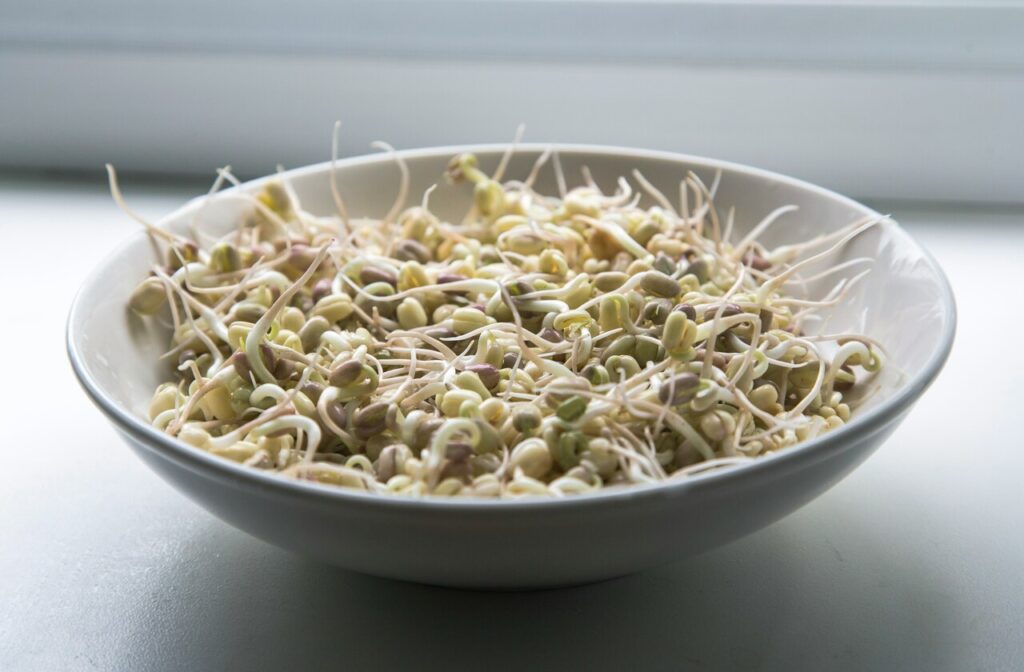
Raw sprouts are particularly risky because the conditions used to grow them are also ideal for bacterial growth. Even careful washing does not reliably remove bacteria once sprouts are contaminated. Because they are often eaten raw, there is no cooking step to reduce risk. This makes them especially dangerous for vulnerable populations. Sprouts may look fresh and clean while still harboring harmful bacteria. Cooking sprouts thoroughly reduces the risk. Understanding that appearance is not a reliable safety indicator is important when handling sprouts at home. Extra caution is essential when serving sprouts to children, older adults, or pregnant individuals.
10. Unpasteurized Milk and Juices
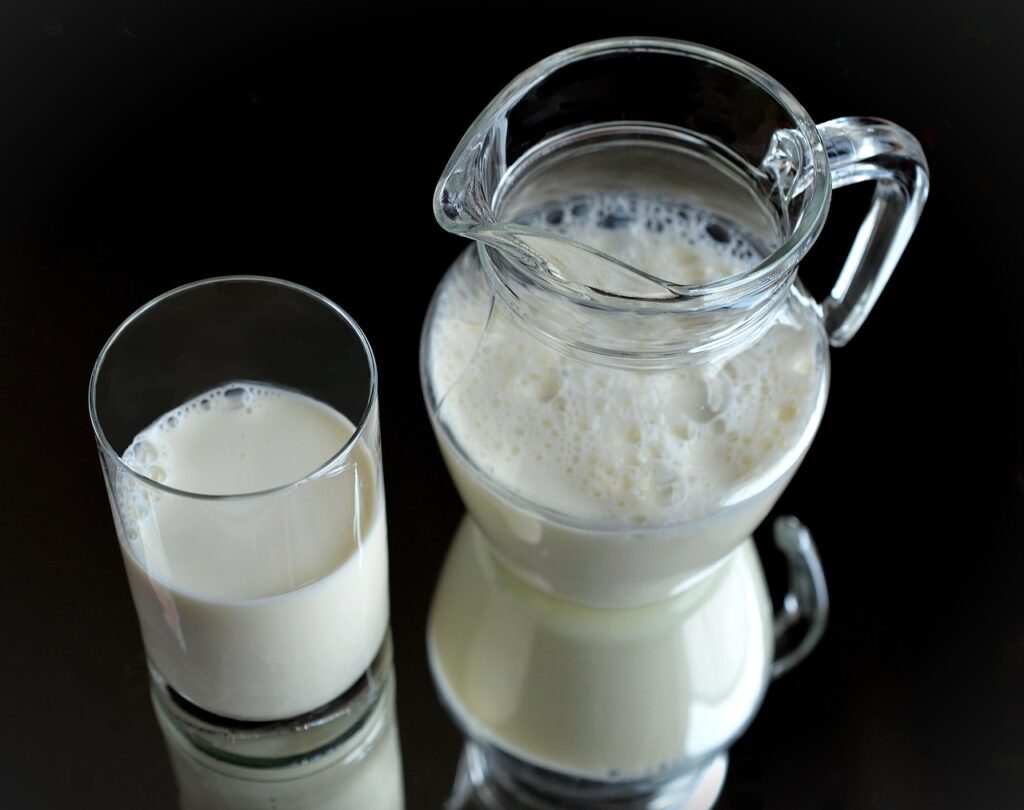
Unpasteurized milk and juices bypass a key safety step that kills harmful bacteria. While some people seek them out for perceived health benefits, these products carry a higher risk of foodborne illness. Pathogens that would normally be eliminated during pasteurization can remain present. Improper refrigeration increases the danger even more. These products are particularly risky for children, pregnant individuals, older adults, and those with weakened immune systems. Safe handling includes strict refrigeration and awareness of who should avoid these foods altogether. The absence of pasteurization means there is little margin for error.
11. Reusable Grocery Bags
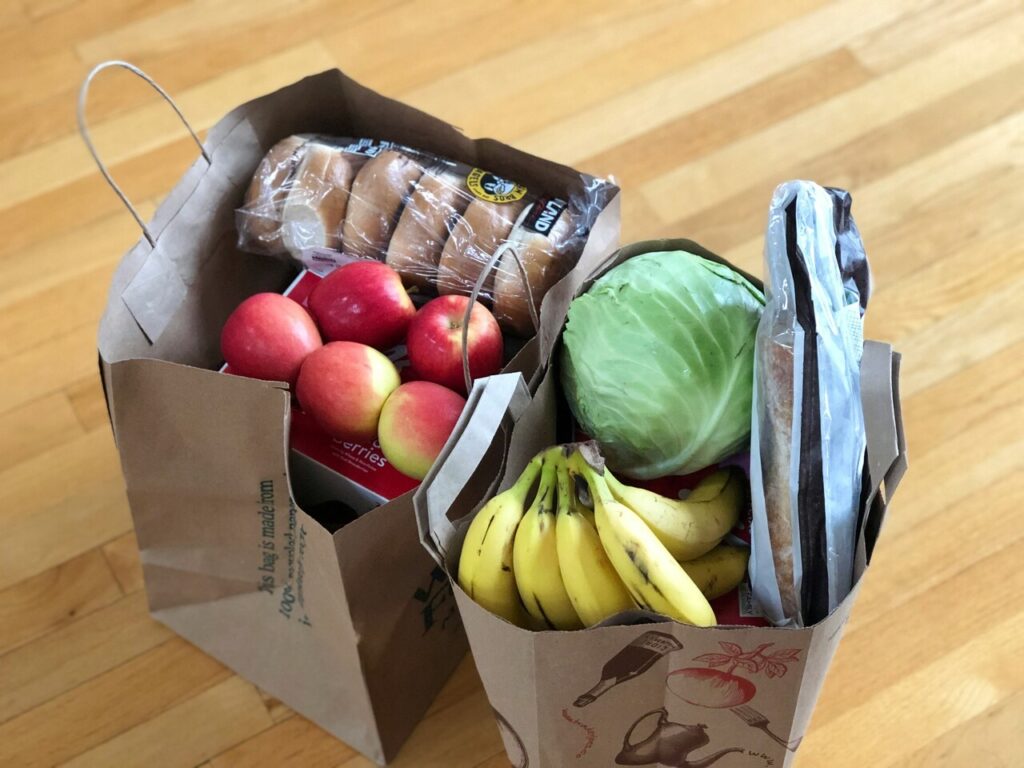
Reusable grocery bags may not seem like food items, but they can become a hidden source of contamination. Bags used for raw meat, produce, and ready to eat foods can carry bacteria from one shopping trip to the next. Without regular washing, bacteria can multiply and transfer to fresh groceries. Moisture trapped in bags increases this risk. Using the same bag for food and non-food items can also spread contamination. Washing reusable bags frequently and separating bags by food type helps reduce risk. Food safety does not stop at the kitchen counter, and clean transport matters just as much as clean preparation.