9 Gourmet Burger Makeovers That Change the Classic but Don’t Improve It

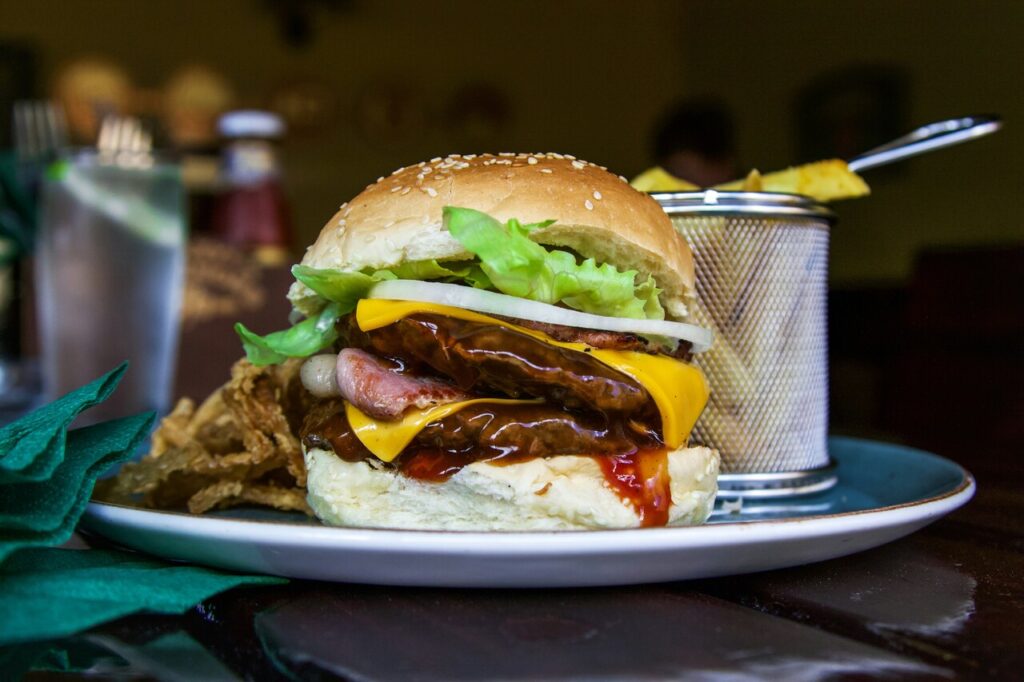
Burgers have always thrived on simplicity. A well-seasoned beef patty, a soft toasted bun, and a few carefully chosen toppings create a balance that has remained popular for decades. As burger culture evolved, many restaurants began experimenting with gourmet upgrades meant to make the classic sandwich feel more modern or creative. Some of these ideas can be enjoyable, but others add complexity without truly improving the flavor. From unusual buns to overloaded toppings, certain burger makeovers change the experience without making the burger better.
1. Lettuce Wrap Burgers
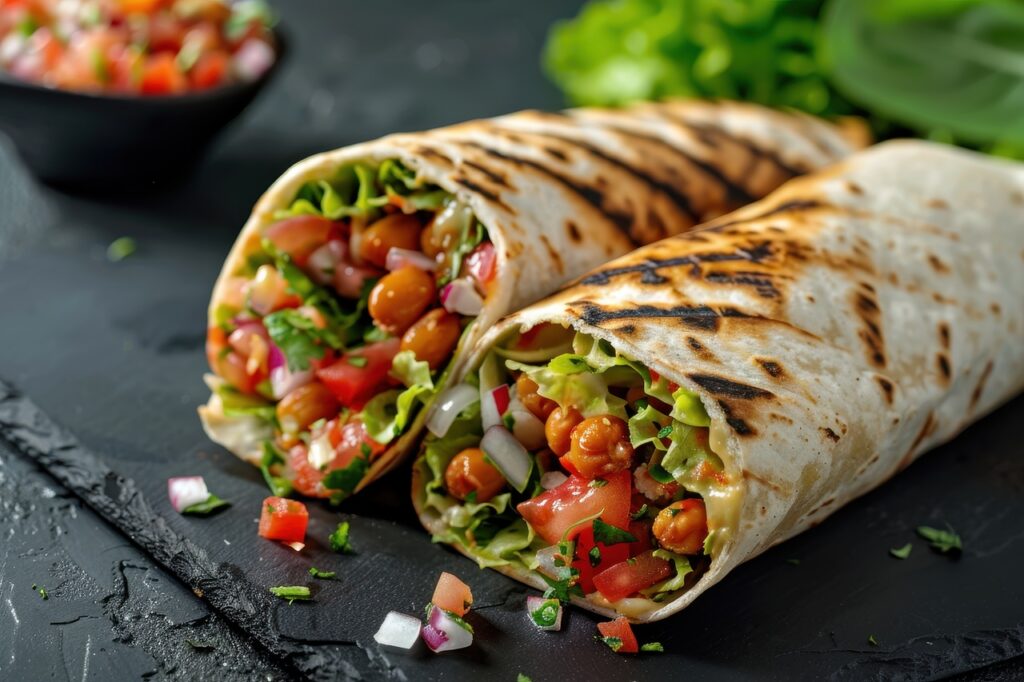
Few foods depend on structure as much as a burger. The classic combination of a toasted bun, a juicy beef patty, and simple toppings works partly because the bread holds everything together while adding a soft, slightly sweet contrast to the meat.
The challenge with lettuce-wrapped burgers is that the swap removes an important part of the eating experience. Crisp lettuce leaves often struggle to contain the patty, sauces, and toppings, which can cause the burger to fall apart while being handled.
Bread contributes more than just structure. A toasted bun absorbs juices from the meat and sauces while adding mild sweetness and warmth that complement the beef. Without it, the burger can feel less cohesive and slightly diluted in flavor.
2. Plant-Based Replacing Beef
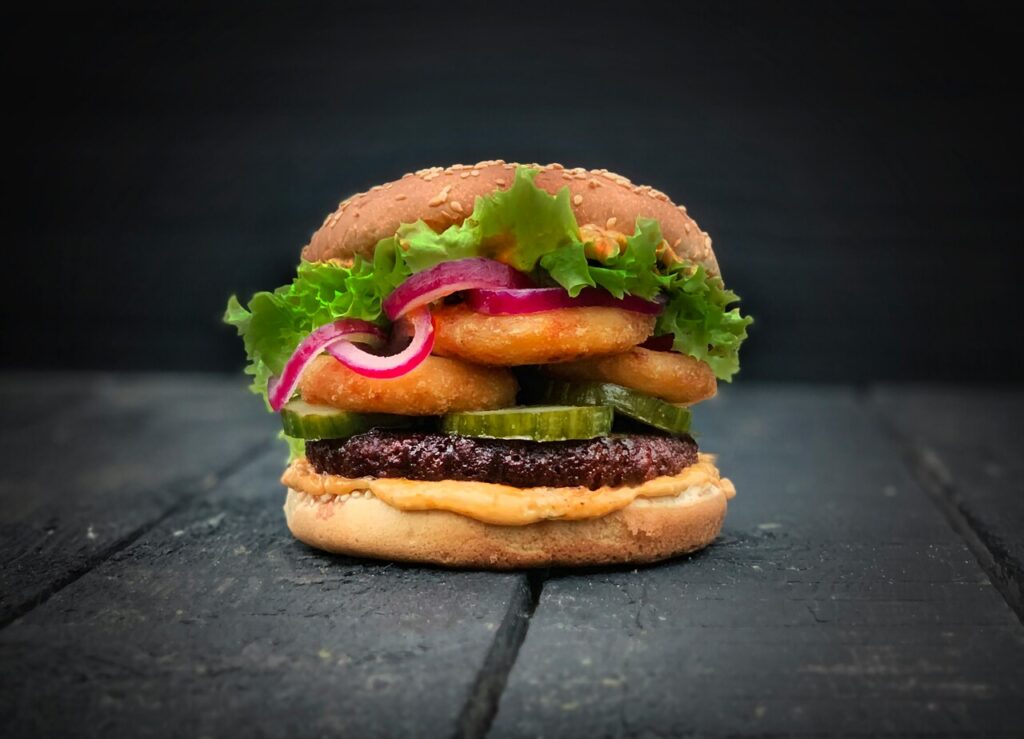
Burgers built around ground beef have long been valued for their rich flavor and satisfying texture. The fat in beef melts during cooking, creating juiciness and helping develop the savory crust that many people associate with a great burger.
While these substitutes aim to mimic meat, they often require extra ingredients and processing to hold their shape and achieve a similar texture. Beans, grains, and plant proteins are blended with binders and seasonings before being formed into patties that can be grilled.
The result can be enjoyable, but it rarely replicates the natural depth of flavor that develops when beef browns on a hot surface. This can leave the burger feeling like a different dish rather than an improved version of the original.
3. Gourmet Cheese Overload
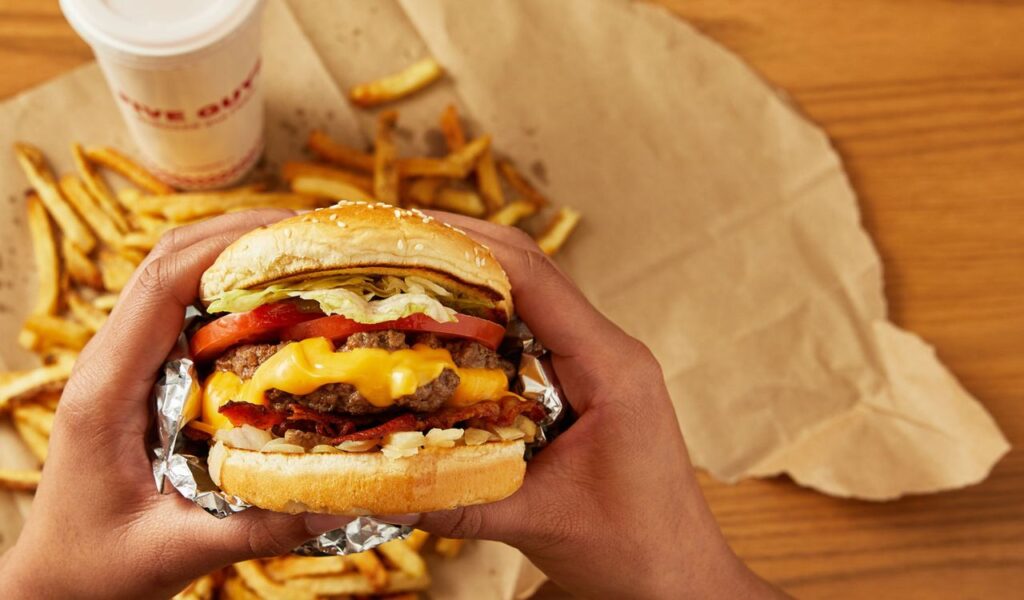
Cheese has always played a simple but important role in burgers. A slice of cheddar or American cheese melts smoothly over the patty, adding creaminess and a touch of salt that enhances the beef.
The problem appears when several cheeses are stacked together in an effort to make the burger feel more luxurious. Instead of complementing the meat, the flavors can become overwhelming and compete with each other.
A burger works best when each ingredient supports the others rather than fighting for attention. When too many cheeses are added, the balance shifts away from the beef, which is meant to remain the central flavor.
4. Exotic Fusion Sauces
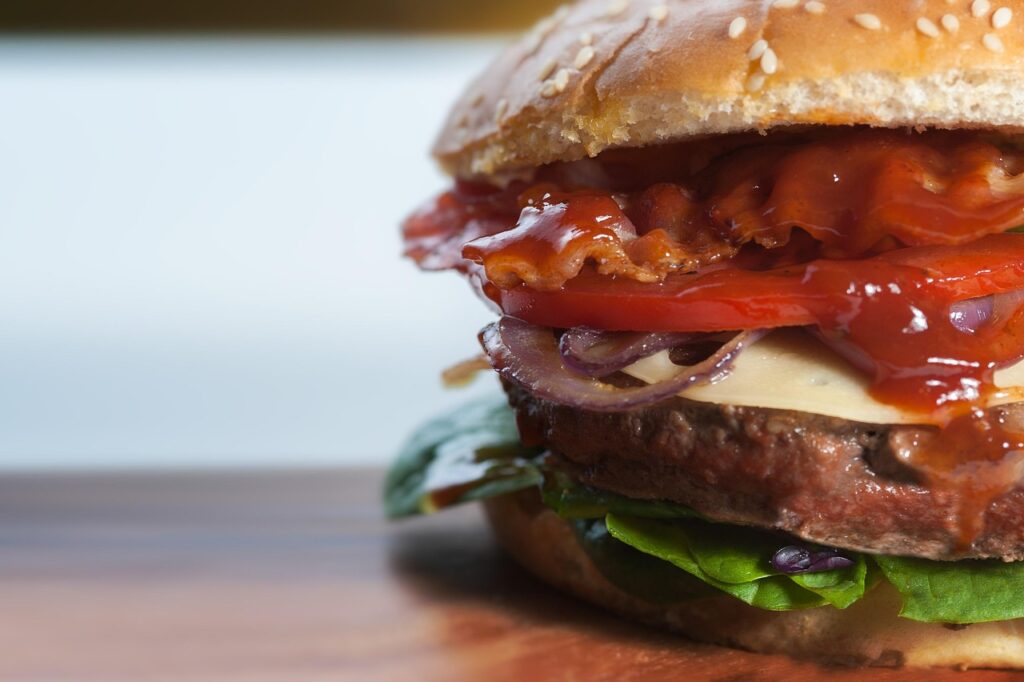
Sauces can transform a burger with only a small amount of effort. Traditional options like ketchup, mustard, and mayonnaise have lasted for decades because they enhance the meat without overpowering it.
These may include ingredients like spicy aioli, sweet chili glaze, miso spreads, or tangy fruit-based sauces. While they add novelty, they can also complicate the flavor profile of a burger.
The challenge is that many of these sauces introduce bold flavors that dominate the entire bite. Instead of highlighting the grilled patty and toasted bun, the sauce becomes the main taste.
5. Sweet Elements Like Jam or Fruit Relish
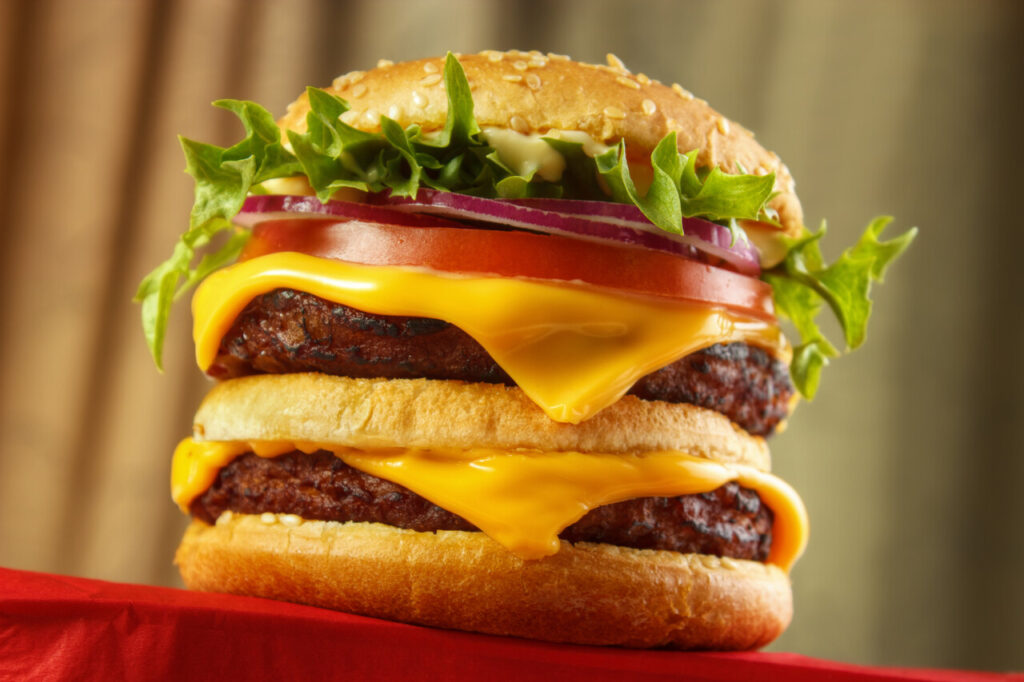
Sweet toppings have become a common way to give burgers a gourmet twist. Chefs often add ingredients like onion jam, fruit chutney, or berry-based relishes in an attempt to create contrast against the savory meat.
While the contrast can be interesting, it often changes the identity of the burger more than it improves it. Sweet spreads tend to coat the patty and blend with the juices, creating a flavor that leans closer to dessert-like sweetness rather than savory richness.
Burgers traditionally rely on savory depth and mild acidity to keep the taste balanced. When sweetness becomes the dominant note, the burger can feel less hearty and less satisfying.
6. Premium or Unusual Burger Buns
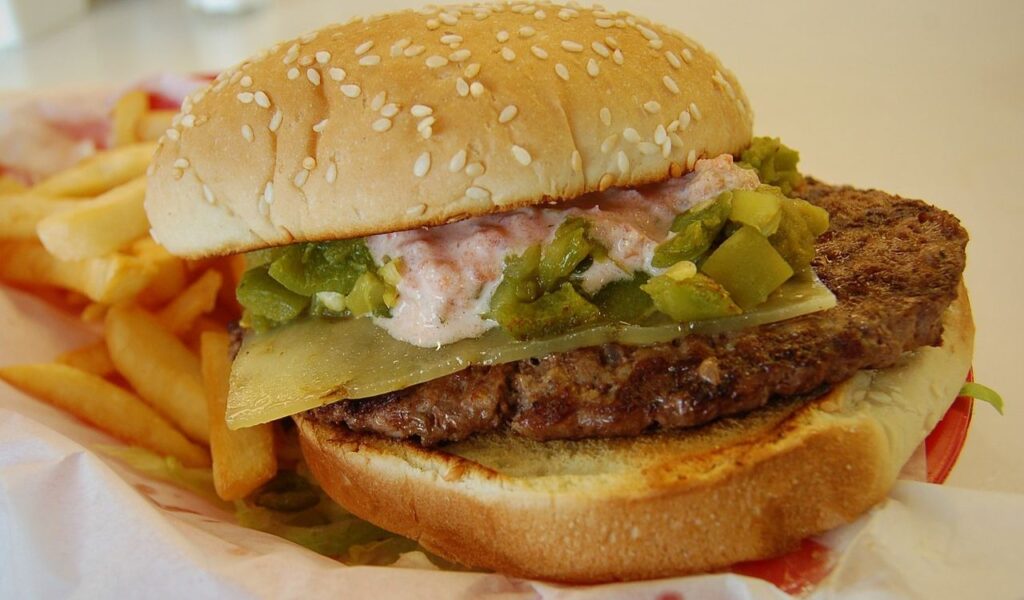
The bun is one of the most overlooked elements of a good burger. A classic sesame or brioche bun is designed to be soft enough to bite through easily while strong enough to hold the patty and toppings.
Examples include pretzel buns, charcoal colored buns, oversized artisan loaves, or even donuts used as bread substitutes. While these choices attract attention, they often change the texture of the burger in ways that make it harder to enjoy.
The best buns act as a supportive base rather than a dominant ingredient. When the bread becomes too dense, sweet, or large, it competes with the meat instead of complementing it.
7. Gourmet Mushroom Burgers
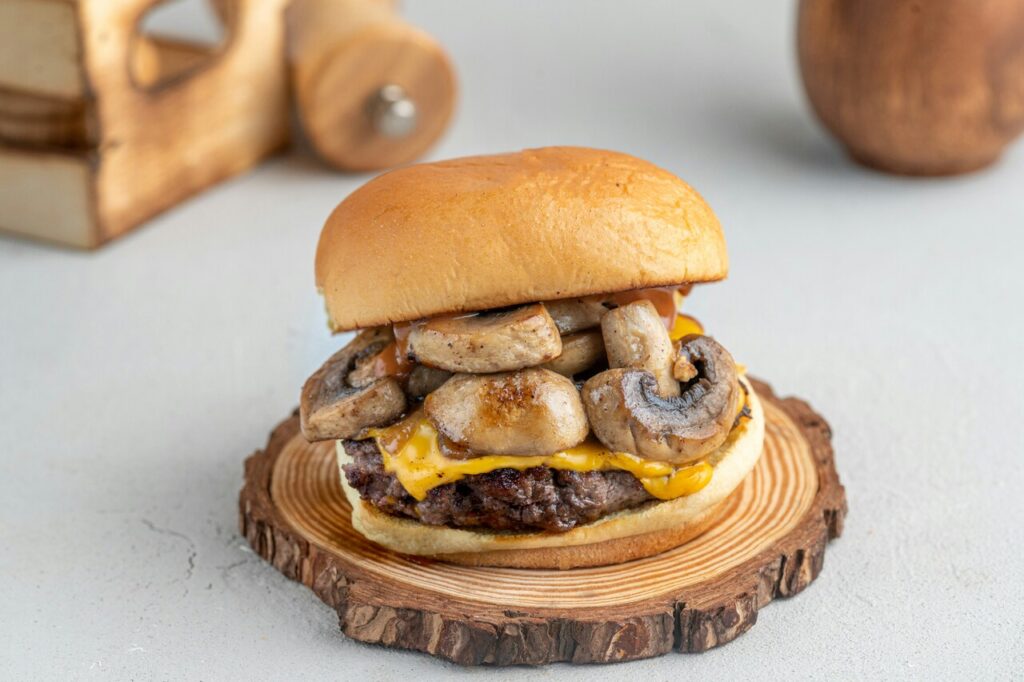
Some modern burgers replace the meat entirely with large vegetable components such as grilled mushrooms, roasted eggplant, or stacked vegetable patties. These versions are often marketed as gourmet or healthier alternatives to the traditional beef burger.
While vegetables can add great flavor to many dishes, they behave differently when used as the central element of a burger. Mushrooms and other vegetables release moisture while cooking, which can make the sandwich feel softer and less structured.
Because burgers rely heavily on a juicy but firm patty, replacing it with vegetables changes the texture significantly.
8. Instagram-Style Cheese Pull Burgers
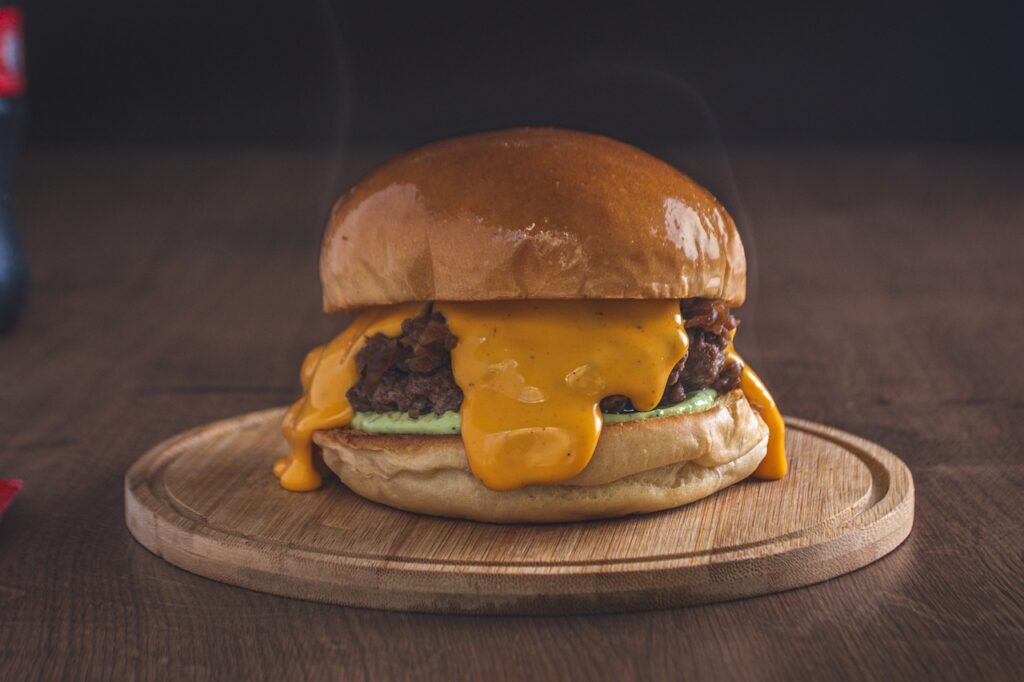
In the age of social media, burgers are often designed to look impressive in photos and videos. One trend involves creating dramatic cheese pulls by layering large amounts of melted cheese inside or on top of the burger so it stretches when the sandwich is pulled apart.
Achieving this effect usually requires extra cheese slices, thick cheese sauces, or special preparation to keep the cheese extremely molten. The burger is sometimes built mainly to create that visual moment rather than to maintain a balanced flavor.
While the cheese pull looks appealing on camera, it can overwhelm the rest of the ingredients during eating.
9. Overloaded Multi-Layer Gourmet Burgers

Modern burger menus often compete by offering towering creations filled with numerous toppings. These burgers may include multiple patties, several cheeses, fried ingredients, sauces, and vegetables stacked into a tall structure.
The main issue with this approach is practicality. A burger that becomes too tall is difficult to hold and eat comfortably.
A classic burger succeeds because it keeps the balance between meat, bread, and toppings simple. Instead of highlighting the quality of the beef and the freshness of the ingredients, the burger becomes an oversized combination of competing flavors.