11 Warming Lentil Soups Stews and Dals for Cold Days

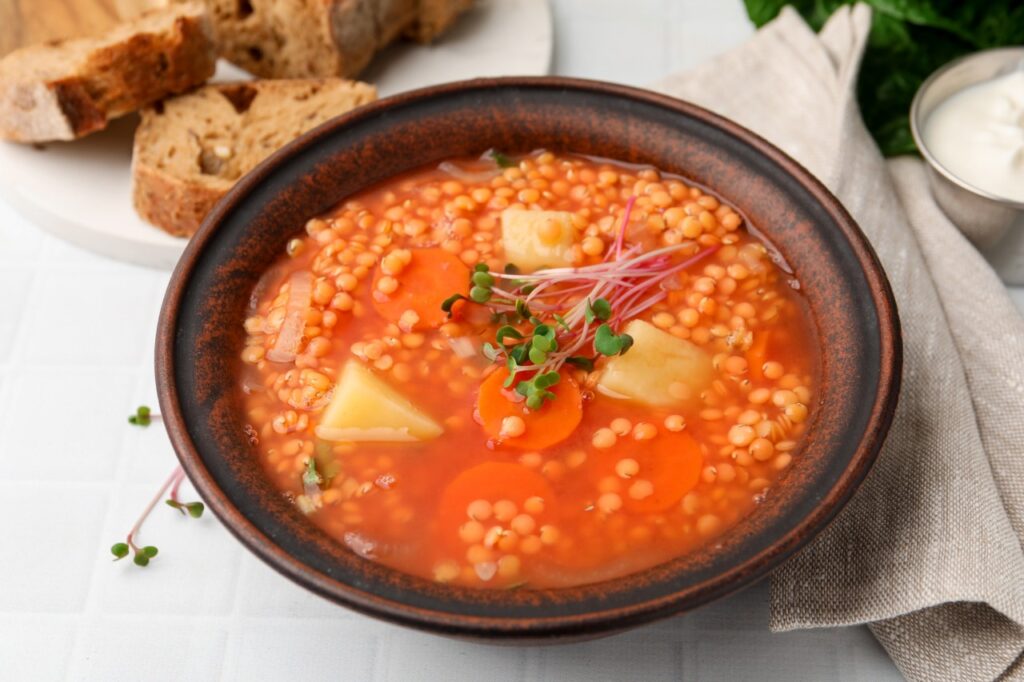
When the cold settles in, few things feel as comforting as a warm bowl of lentils simmered to perfection. Across cultures, lentil soups, stews, and dals have long been relied on to provide steady warmth, lasting fullness, and quiet nourishment during colder months. These dishes are not about excess or complexity. They are built on simple ingredients, thoughtful seasoning, and techniques that allow flavor to deepen slowly. Each recipe in this collection offers a different kind of comfort, from silky dals to thick, slow-cooked stews, all designed to warm the body and calm the mind when temperatures drop.
1. Classic Red Lentil Soup
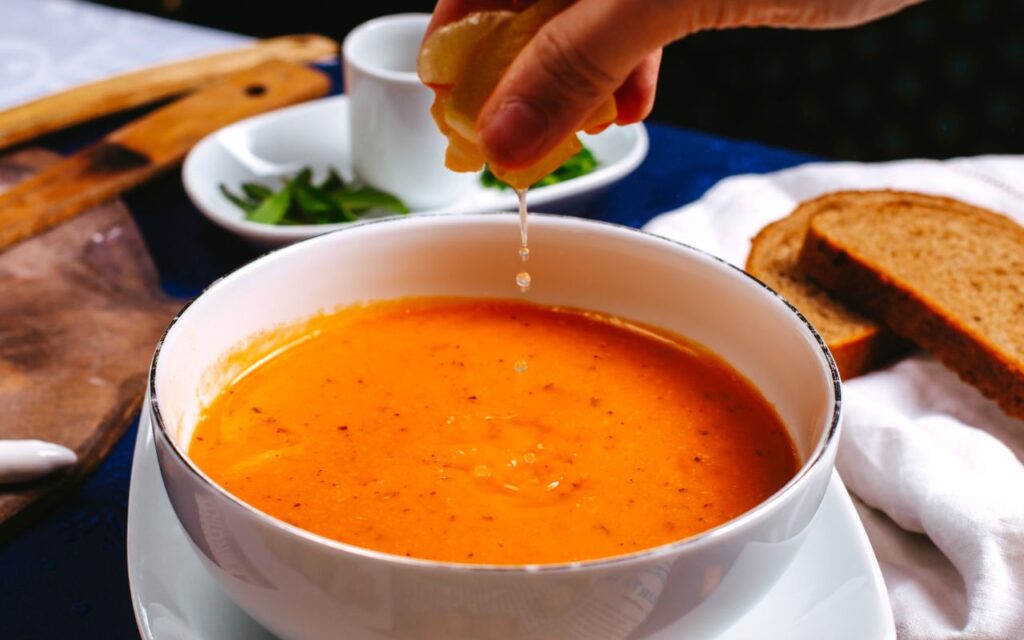
Red lentil soup earns its place as a cold-weather staple because it delivers warmth quickly and efficiently. Red lentils cook faster than most varieties and soften into the broth, creating a naturally thick texture without added cream. This makes the soup both filling and easy to digest. Onion and garlic build a savory base, while cumin and black pepper provide gentle heat that warms the body without overwhelming it. A small amount of acid, often lemon, sharpens the flavor and keeps the soup from tasting flat. Nutritionally, red lentils are rich in plant protein, iron, and fiber, which helps stabilize energy levels on cold days.
2. Hearty Lentil and Vegetable Stew
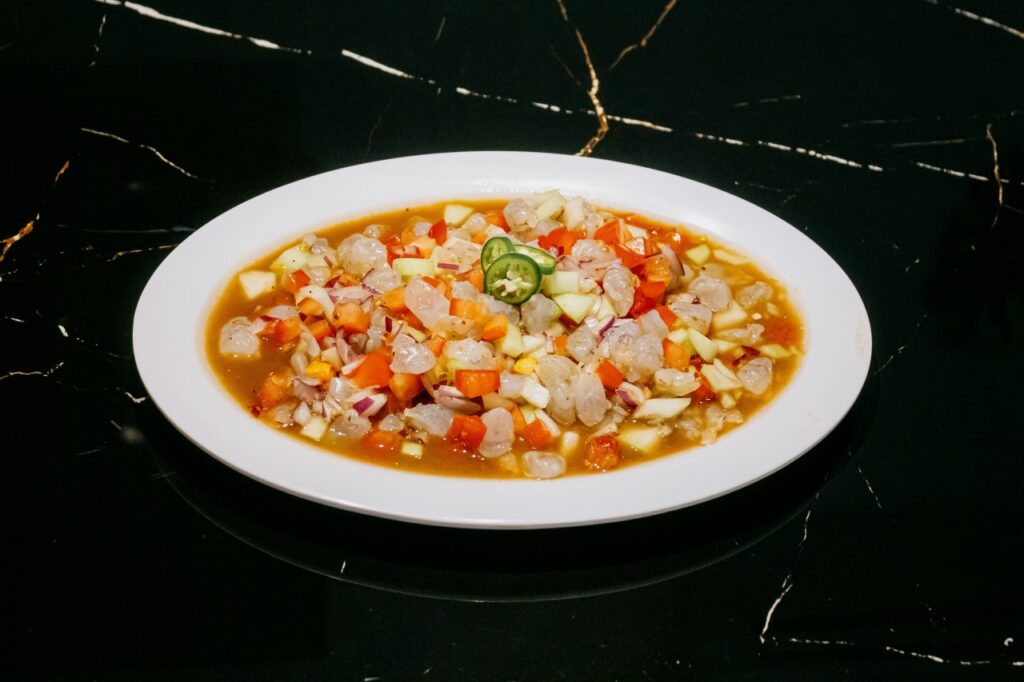
A lentil and vegetable stew is built for long, cold evenings when you want a meal that feels grounding. Green or brown lentils hold their shape during slow cooking, giving the stew a satisfying bite rather than a mushy texture. Root vegetables like carrots and potatoes release natural sugars as they simmer, deepening flavor and adding body without heavy fats. Herbs such as thyme or bay leaf provide warmth and depth rather than sharp spice. The slow simmer allows starches and proteins to blend into a thick, spoon-coating broth that holds heat well. This stew delivers fullness thanks to fiber and complex carbohydrates, making it useful in winter when the body burns more energy staying warm.
3. Spiced Indian Masoor Dal
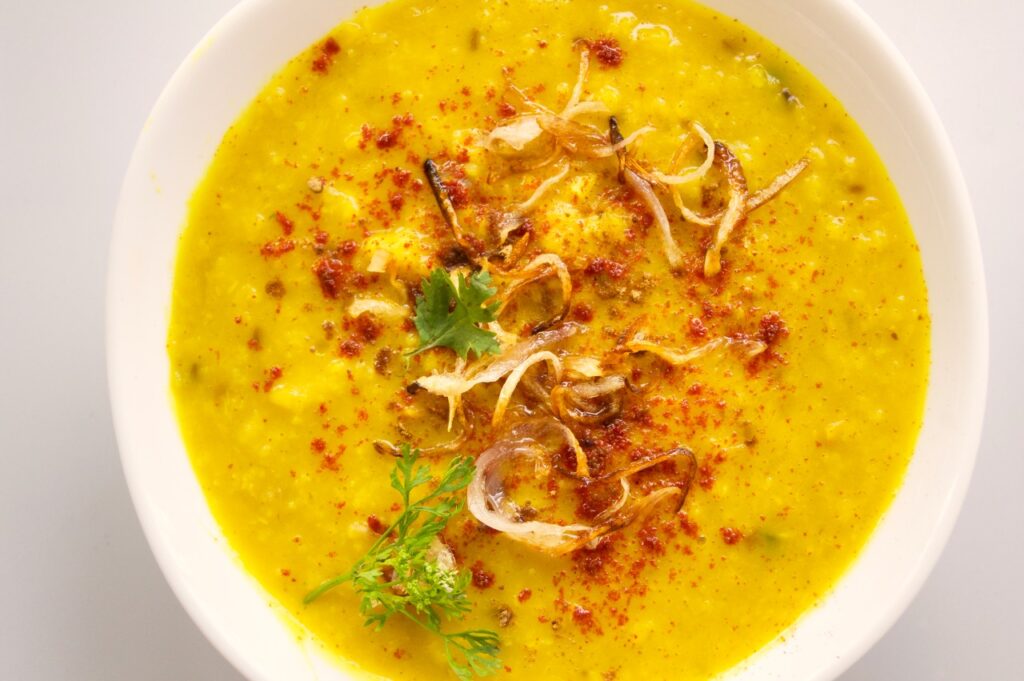
Masoor dal is comfort food designed for colder seasons. The dish starts with red lentils cooked until soft, which makes it gentle on digestion while still deeply nourishing. Turmeric adds earthy warmth and anti-inflammatory benefits, while cumin and ginger stimulate digestion and improve circulation. Garlic brings richness without heaviness. The final tempering of hot oil and spices releases aromatic compounds that intensify flavor and heat without increasing spice level. This method makes the dal feel warm the moment it is served. Masoor dal is high in protein and iron and low in fat, which explains why it has long been relied on as a daily winter staple in many households.
4. Smoky Lentil and Tomato Soup
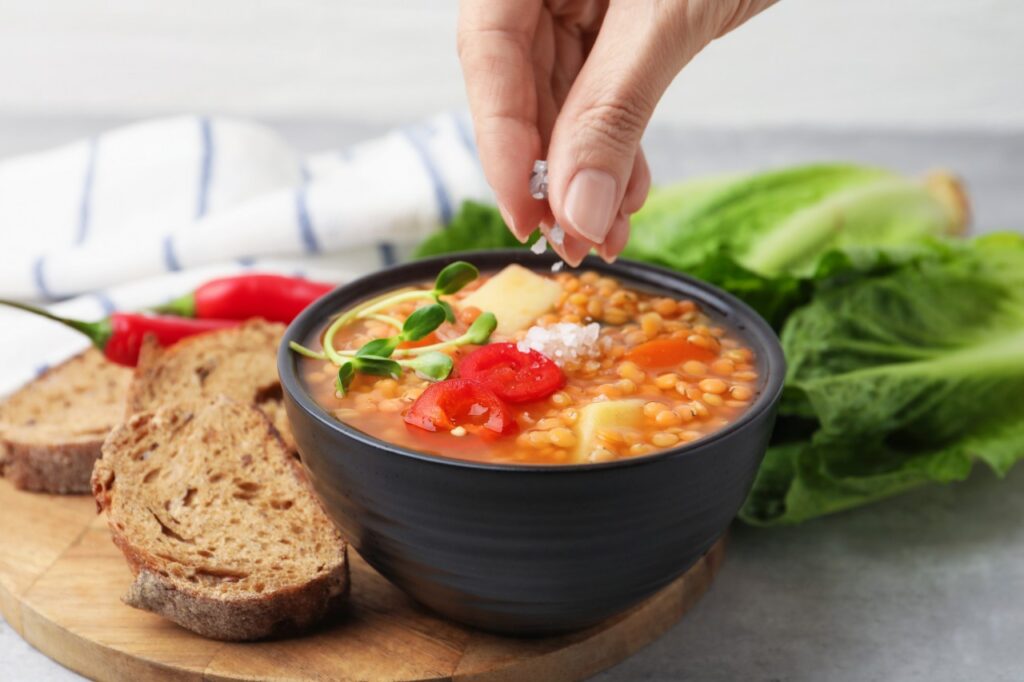
Smoky lentil and tomato soup stands out because it warms through depth rather than spice. Tomatoes contribute acidity that brightens the soup while helping the body absorb iron from lentils more effectively. Smoked paprika or similar spices add a slow, lingering warmth that feels especially comforting in cold air. Lentils thicken the broth naturally, creating a hearty texture that holds heat longer than thinner soups. The combination of smoke and tomato mimics the richness of long-cooked dishes without needing hours on the stove. From a nutritional standpoint, this soup delivers antioxidants from tomatoes alongside fiber and protein from lentils, making it both satisfying and restorative.
5. French-Style Lentil Stew
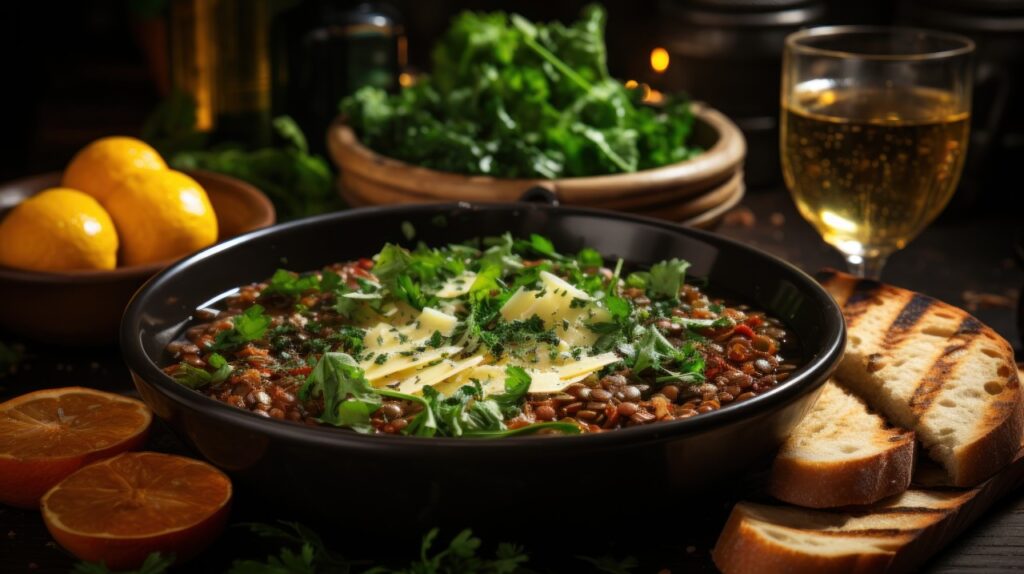
French-style lentil stew focuses on restraint and structure, which makes it ideal for cold days when you want steady comfort rather than intense spice. Lentils du Puy or similar firm varieties stay intact, giving the stew a pleasant chew. Aromatics like onion, celery, and carrot create a savory foundation, while thyme and bay leaf add warmth through herbal depth. A small amount of acidity, often vinegar or mustard, sharpens the dish and keeps it from feeling heavy. The stew’s moderate thickness allows heat to linger without feeling dense. This style of lentil stew is nutritionally balanced, offering protein, fiber, and minerals in a form that is filling but not overwhelming.
6. Creamy Coconut Lentil Dal
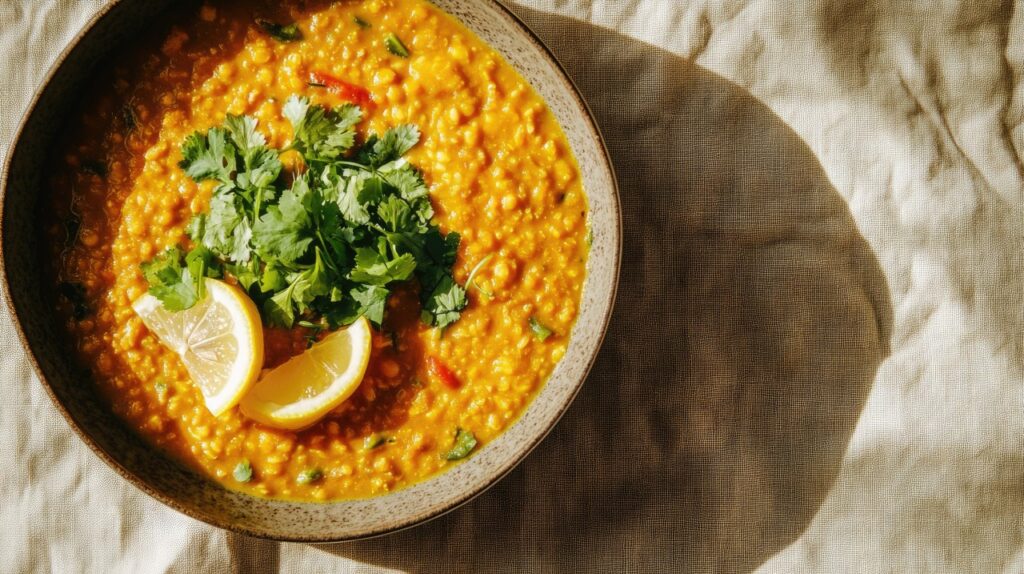
Coconut lentil dal delivers warmth through richness rather than heat. Coconut milk adds fat, which helps the body retain warmth and feel satisfied longer in cold weather. Lentils absorb the creamy liquid, creating a smooth, cohesive texture that feels comforting with every bite. Spices like coriander and ginger bring gentle heat that spreads slowly rather than hitting sharply. This balance makes the dish suitable even for those sensitive to spice. From a nutritional view, the combination of plant protein and healthy fats supports energy and satiety during the winter months. The dal also thickens as it cools, which helps it stay warm longer after serving.
7. Lentil and Spinach Soup
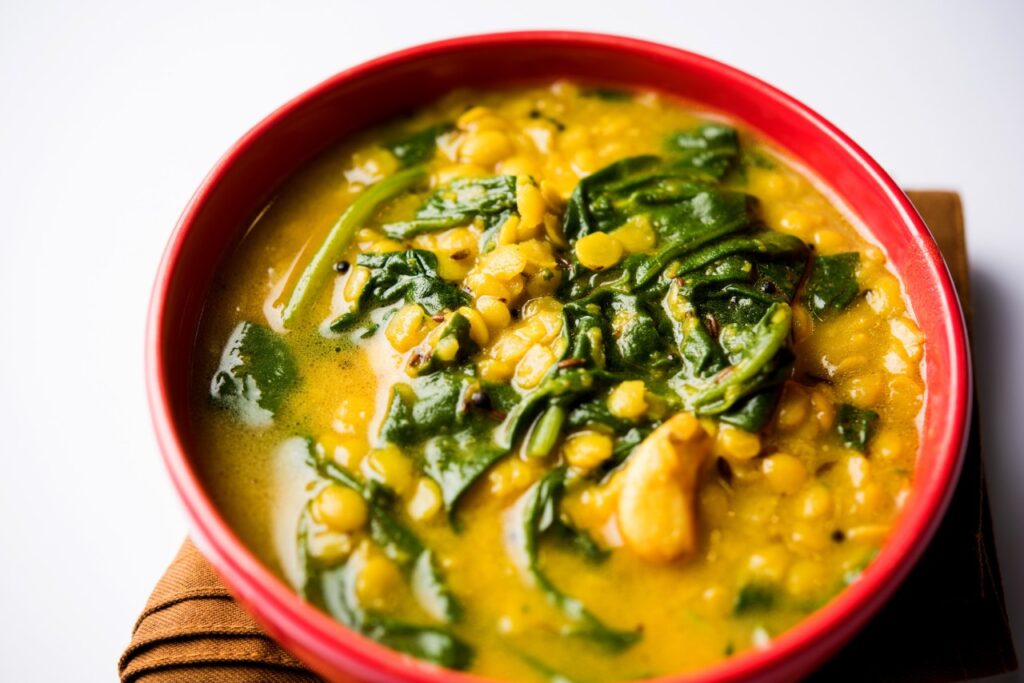
Lentil and spinach soup is warming without being heavy, which makes it useful when cold weather calls for comfort but not excess. Lentils provide body and heat retention, while spinach adds minerals and freshness that prevent the soup from feeling dense. The greens soften into the broth, contributing nutrients without dominating the texture. Mild spices like black pepper or cumin gently warm the palate. The broth stays light enough to sip while still delivering protein and fiber. Spinach adds iron and vitamin C, supporting circulation and immune function during colder months. This soup works well as a daily winter meal because it warms the body while still feeling clean and balanced.
8. Slow-Cooked Lentil and Mushroom Stew
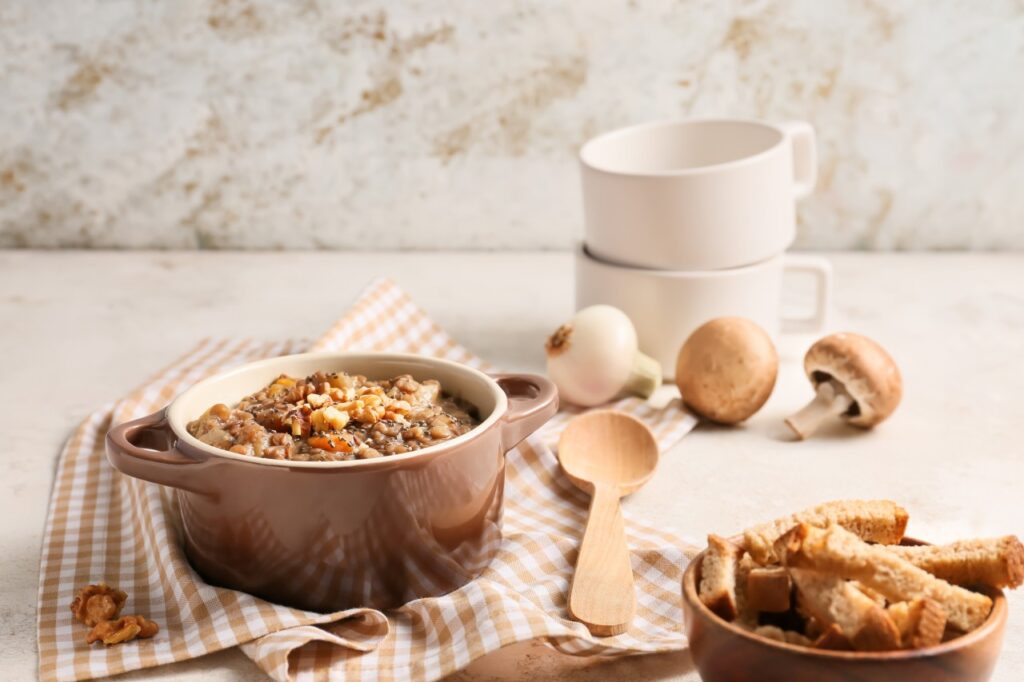
This stew relies on time rather than spice to create warmth. Mushrooms release glutamates as they cook, giving the stew a deep savory flavor that feels especially satisfying in cold weather. Lentils thicken the broth and provide structure, while herbs add steady warmth. Slow cooking allows moisture to evaporate gradually, concentrating flavors and creating a dense, heat-holding texture. The result is a stew that feels rich without relying on animal fats. Nutritionally, mushrooms contribute minerals and umami compounds, while lentils supply protein and fiber. This combination creates a filling, warming meal that stays satisfying long after the bowl is empty.
9. Yellow Lentil Dal with Garlic
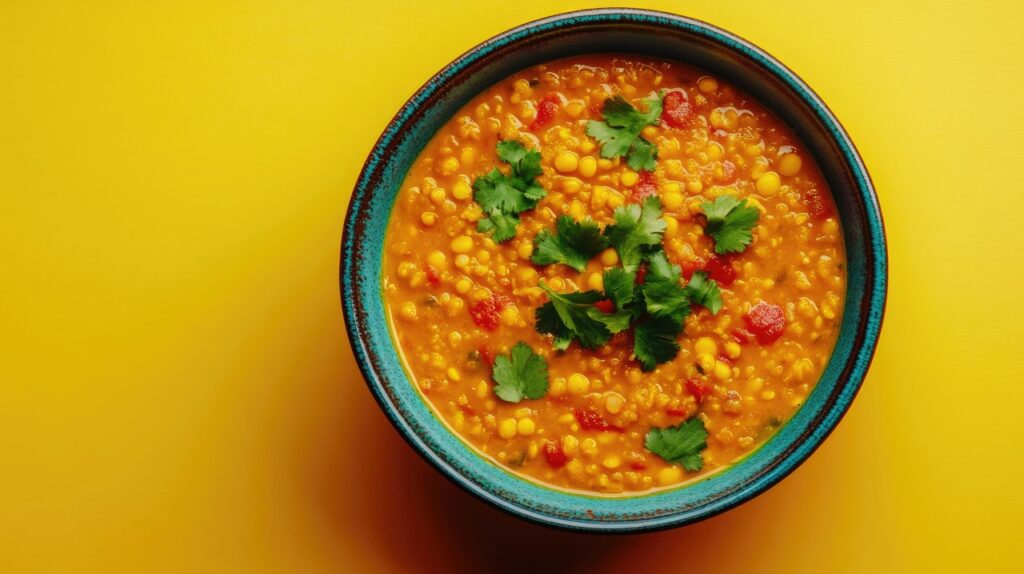
Yellow lentil dal is one of the most direct forms of warmth you can put in a bowl. Yellow lentils cook into a smooth, porridge-like consistency that is easy to digest and comforting in cold weather. Garlic, when lightly fried, releases compounds that enhance circulation and add depth without sharpness. Cumin supports digestion and provides gentle heat. The simplicity of the ingredients allows each one to do its job effectively. This dal delivers protein, potassium, and fiber in a form that the body absorbs easily. It is especially useful during winter when heavier foods can feel tiring. The warmth here comes from balance, not intensity.
10. Lentil and Sweet Potato Curry

This curry warms through contrast. Sweet potatoes bring natural sweetness that balances spices and deepens as they cook. Lentils provide thickness and protein, turning the curry into a full meal rather than a side. Spices like cumin and chili create internal warmth, while the starch from sweet potatoes helps the dish retain heat longer. The texture becomes thick and spoonable, ideal for cold evenings. Sweet potatoes are rich in complex carbohydrates and beta-carotene, supporting energy and immune health during winter. Combined with lentils, the dish offers slow-burning fuel that keeps you warm and satisfied without feeling heavy or greasy.
11. Rustic Lentil and Barley Soup
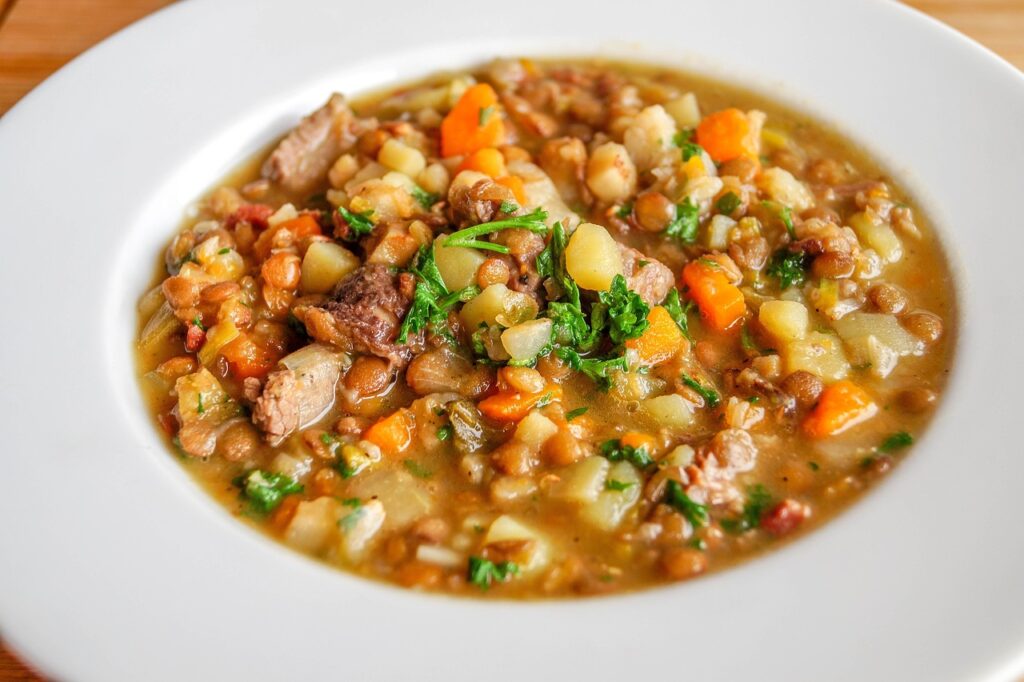
Rustic lentil and barley soup is built for endurance. Barley releases starch as it cooks, thickening the broth and helping it hold heat for longer periods. Lentils add protein and structure, while vegetables contribute flavor and nutrients. The soup simmers into a cohesive, hearty texture that feels substantial with every spoonful. Barley’s slow-digesting carbohydrates provide steady energy, which is especially useful in cold weather. This soup warms both through temperature and through fullness, making it ideal for long winter days. It is practical, nourishing, and deeply comforting in a way that feels honest and sustaining rather than indulgent.