14 High End Restaurants Known for Quality and Pricey Checks

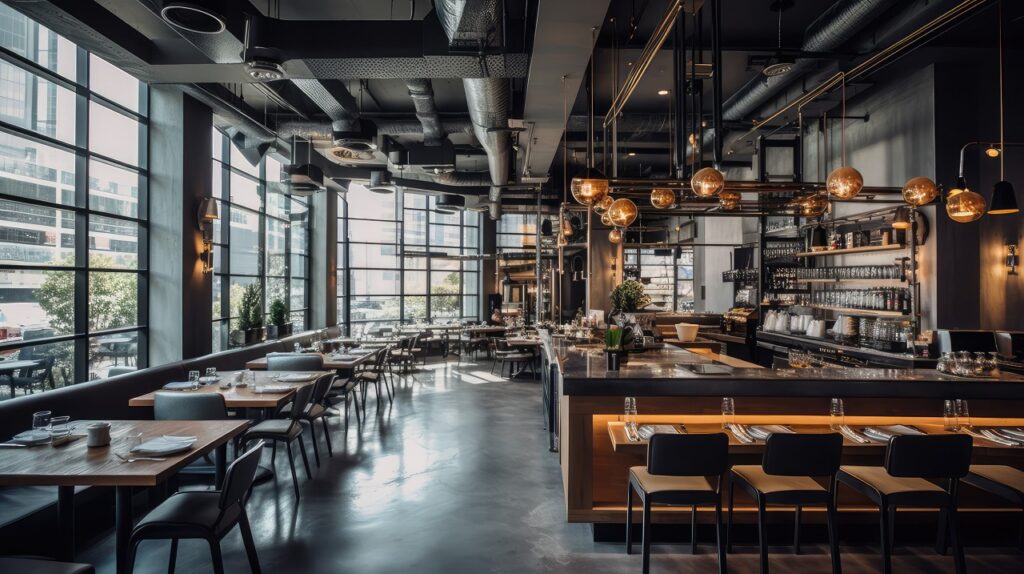
Luxury dining is not defined by price alone. It is shaped by discipline, sourcing, patience, and an almost obsessive respect for ingredients. At the world’s most celebrated high-end restaurants, every decision carries weight, from where a vegetable is grown to how long a sauce is reduced. These kitchens invest heavily in skilled labor, rare products, and systems that allow consistency at the highest level, night after night. The result is an experience that feels calm, deliberate, and deeply considered rather than flashy or rushed. Expensive checks reflect far more than what appears on the plate.
1. Restaurant Guy Savoy
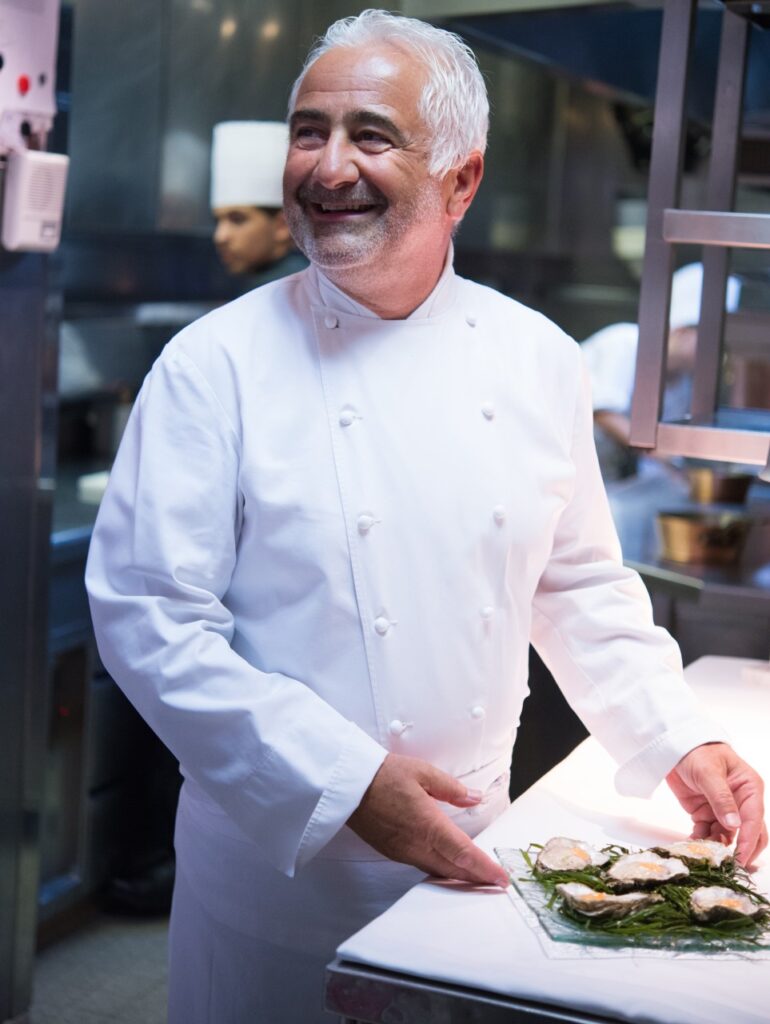
Luxury at Guy Savoy is built around one idea: flavor should feel complete before it feels impressive. This Paris institution is famous for sauces that are treated as centerpieces rather than supporting elements. Stocks are reduced patiently, seasoned with precision, and paired to enhance rather than overpower the main ingredient. Ingredients are sourced at peak quality, often from long-standing artisan suppliers, which drives costs upward before cooking even begins. Service is calm, polished, and deeply knowledgeable, designed to guide rather than rush. Portions are intentionally balanced to maintain focus across a multi-course tasting.
2. Le Bernardin
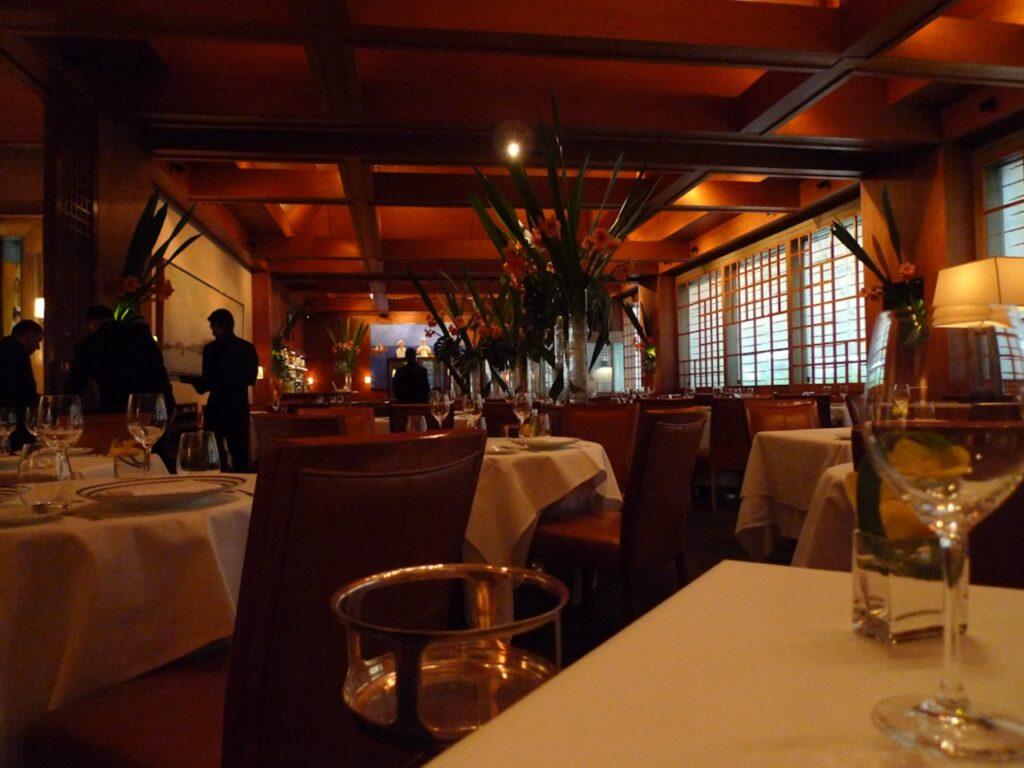
Le Bernardin proves that restraint can be just as costly as excess. Its reputation rests on an uncompromising approach to seafood quality, with fish sourced globally and handled to preserve natural texture and flavor. Cooking techniques are minimal but exact, often involving precise temperature control to maintain purity. Sauces are refined and light, designed to support the fish rather than compete with it. The kitchen rejects anything less than pristine, which results in higher waste and cost. Service operates with quiet efficiency, and the dining room maintains a serene pace. Guests pay for consistency, sourcing discipline, and decades of mastery focused almost entirely on the sea.
3. Osteria Francescana

Osteria Francescana charges for ideas as much as ingredients. Each dish is rooted in Italian tradition but reshaped through technique, memory, and artistic intent. Classic recipes are deconstructed, refined, and rebuilt with modern precision, requiring testing and skill. Ingredients often come from small regional producers, supplying limited quantities at premium prices. Portions may appear modest, but the intellectual and technical effort behind them is immense. The experience unfolds like a narrative, with pacing designed to keep diners engaged without overwhelm. The cost reflects originality, cultural depth, and the time required to transform familiar flavors into something new.
4. Masa
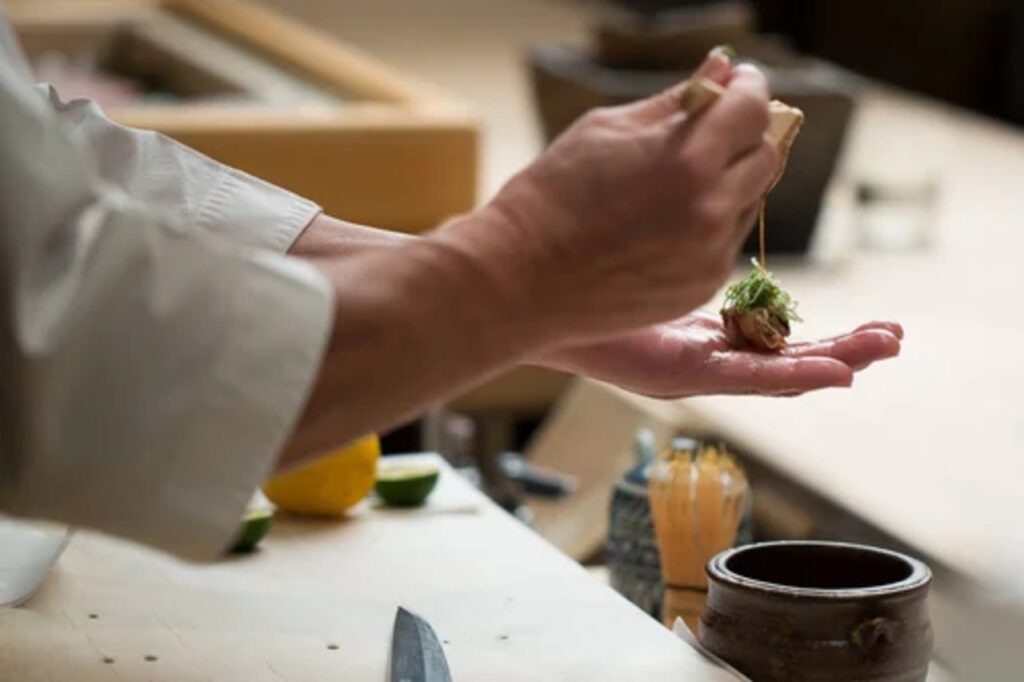
Masa operates on a philosophy of absolute purity, and that standard is expensive to maintain. Nearly all seafood is flown directly from Japan, often arriving within hours of preparation. Rice is seasoned according to humidity and temperature each day, requiring constant adjustment. There are no shortcuts, substitutions, or menu choices, which increases waste and limits flexibility. The counter-only setting demands total attention from the chef, who prepares each piece by hand in real time. Silence and focus are encouraged to respect the process. Guests pay for rarity, discipline, and a level of ingredient control that few restaurants in the world attempt.
5. The French Laundry

The French Laundry treats consistency as a craft rather than a given. Ingredients are sourced daily, many from the restaurant’s own gardens, which allows complete control over freshness but increases labor costs. Techniques are classical and demanding, requiring extensive training and repetition. Every plate must match an exact standard regardless of season or staffing. Service is structured, attentive, and paced to support long tasting menus without fatigue. Small details, from tableware to bread service, are carefully curated. The high price reflects the effort required to maintain perfection night after night in one of America’s most influential kitchens.
6. Per Se
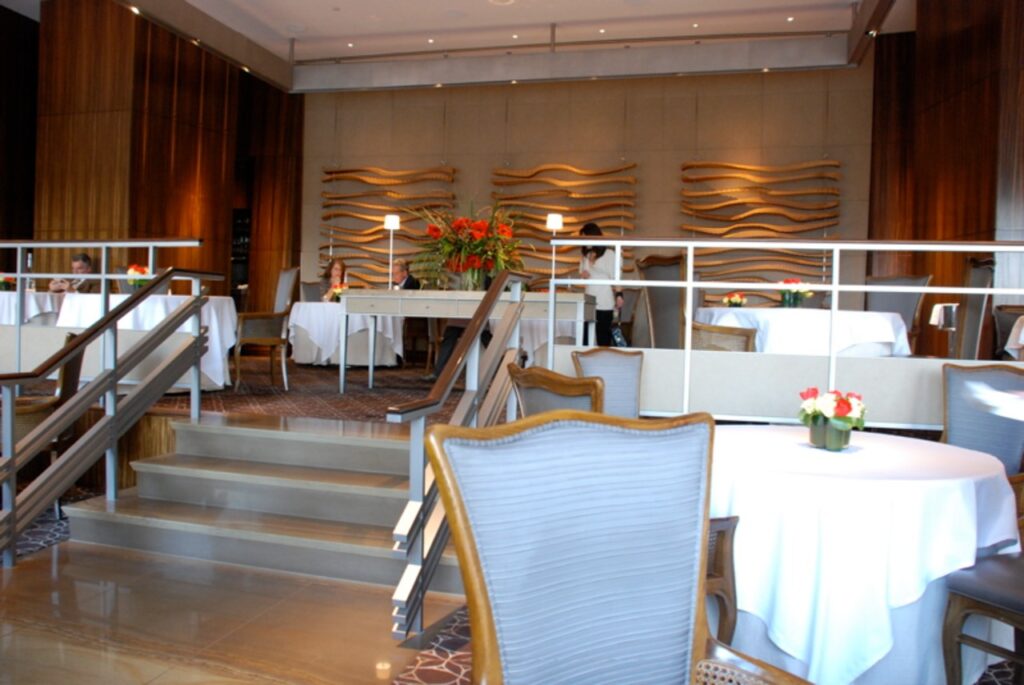
Per Se delivers luxury through precision and predictability. The kitchen follows strict systems that ensure every guest receives the same level of excellence. Ingredients are selected for consistency rather than novelty, often sourced from trusted suppliers at premium cost. Cooking techniques prioritize clarity and balance, avoiding extremes that could disrupt the experience. The dining room experience is tightly choreographed, from timing between courses to synchronized service. Views, acoustics, and table spacing are intentionally designed. Guests are paying for reliability, refinement, and the reassurance that nothing is left to chance.
7. Arpège

Arpège challenges expectations by making vegetables the most expensive part of the meal. Many ingredients are grown in Alain Passard’s own biodynamic gardens, which limits yield but enhances flavor. Vegetables are harvested at precise moments and prepared with techniques traditionally reserved for meat. This approach requires deep agricultural knowledge and constant experimentation. Dishes appear simple, yet demand careful seasoning and timing. The cost reflects farming investment, labor-intensive prep, and the rarity of vegetables treated at this level. Arpège proves luxury can come from restraint when quality is absolute.
8. Alain Ducasse au Plaza Athénée
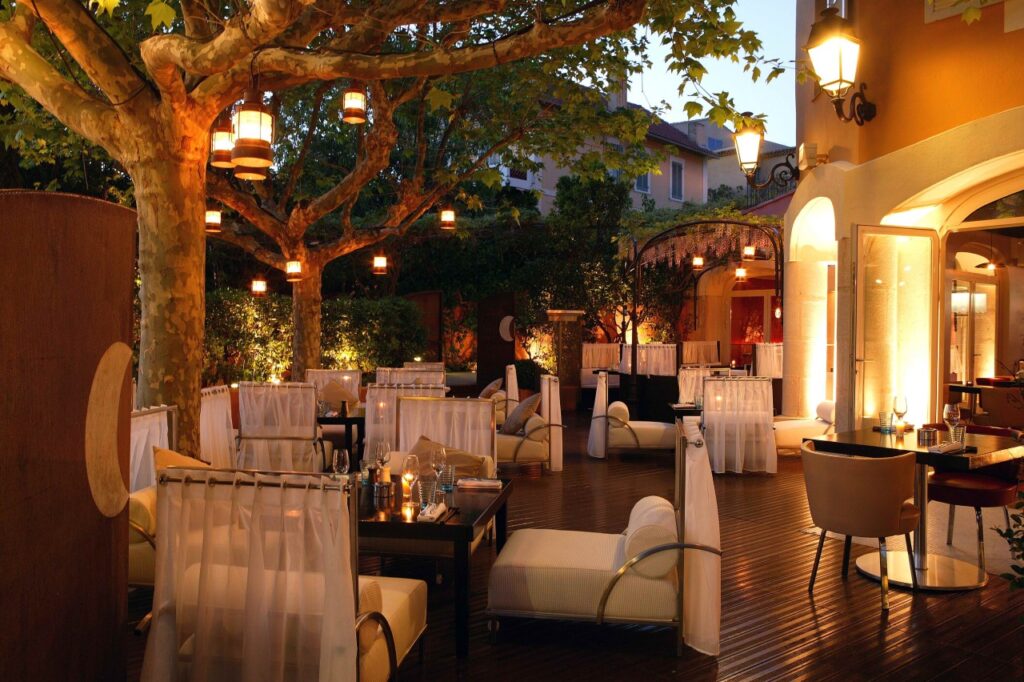
This restaurant defines luxury through control and environment. The cuisine focuses on natural flavors, often reducing fat and emphasizing purity, which demands flawless ingredients. Seafood and produce are sourced with strict criteria, often at a higher cost, to meet sustainability and quality standards. The setting itself adds to the price, located within one of Paris’s most prestigious hotels. Service is formal yet fluid, requiring extensive staff training. Wine offerings are rare and meticulously stored. The final bill reflects not only the food but the precision, location, and standards upheld at every level.
9. Narisawa
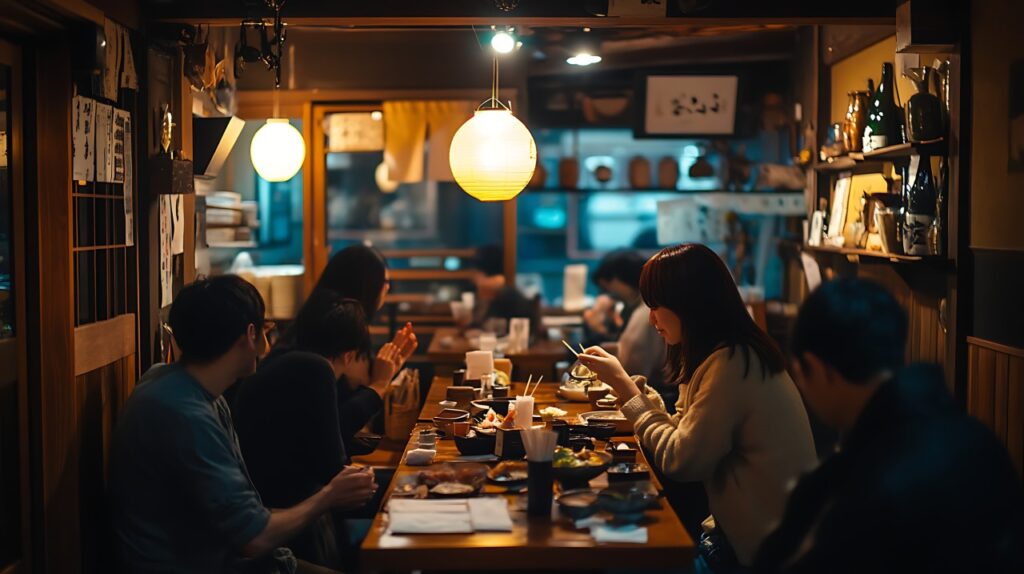
Narisawa blends culinary technique with environmental philosophy. Ingredients are sourced from specific regions across Japan, often in limited quantities tied to season and climate. Some dishes involve fermentation or live preparation, requiring advanced knowledge and careful monitoring. The menu changes frequently, increasing research and testing costs. Presentation is intentional but understated, focusing on natural beauty. Guests are paying for innovation grounded in sustainability, along with the technical skill needed to execute such concepts safely and consistently. It is fine dining that values ecology as much as elegance.
10. Sukiyabashi Jiro

Sukiyabashi Jiro is expensive because it allows no margin for error. The menu is fixed, and the pace is controlled to serve sushi at its precise ideal temperature. Fish selection is obsessive, with purchases made daily based on quality rather than cost. Rice preparation is treated as a lifelong discipline. The small space limits revenue, but ensures focus and consistency. There is no performance or excess, only repetition and mastery. Guests pay for decades of refinement and an experience shaped entirely around the perfection of a single craft. Even the timing between each piece is calculated to ensure texture and flavor peak at the exact moment it reaches the diner.
11. Eleven Madison Park

Eleven Madison Park maintains luxury through discipline and storytelling. Despite its plant-based menu, costs remain high due to complex techniques and produce sourcing. Ingredients are often rare or seasonal, requiring preservation methods. Courses are designed to unfold with intention, supported by detailed service and explanation. The dining room experience emphasizes comfort, pacing, and hospitality. Extensive staff training ensures consistency. Guests are paying for creativity, structure, and a redefinition of luxury that relies on effort rather than animal products. Behind the scenes, planning and collaboration elevate ingredients into dishes that feel thoughtful and balanced.
12. Restaurant Gordon Ramsay
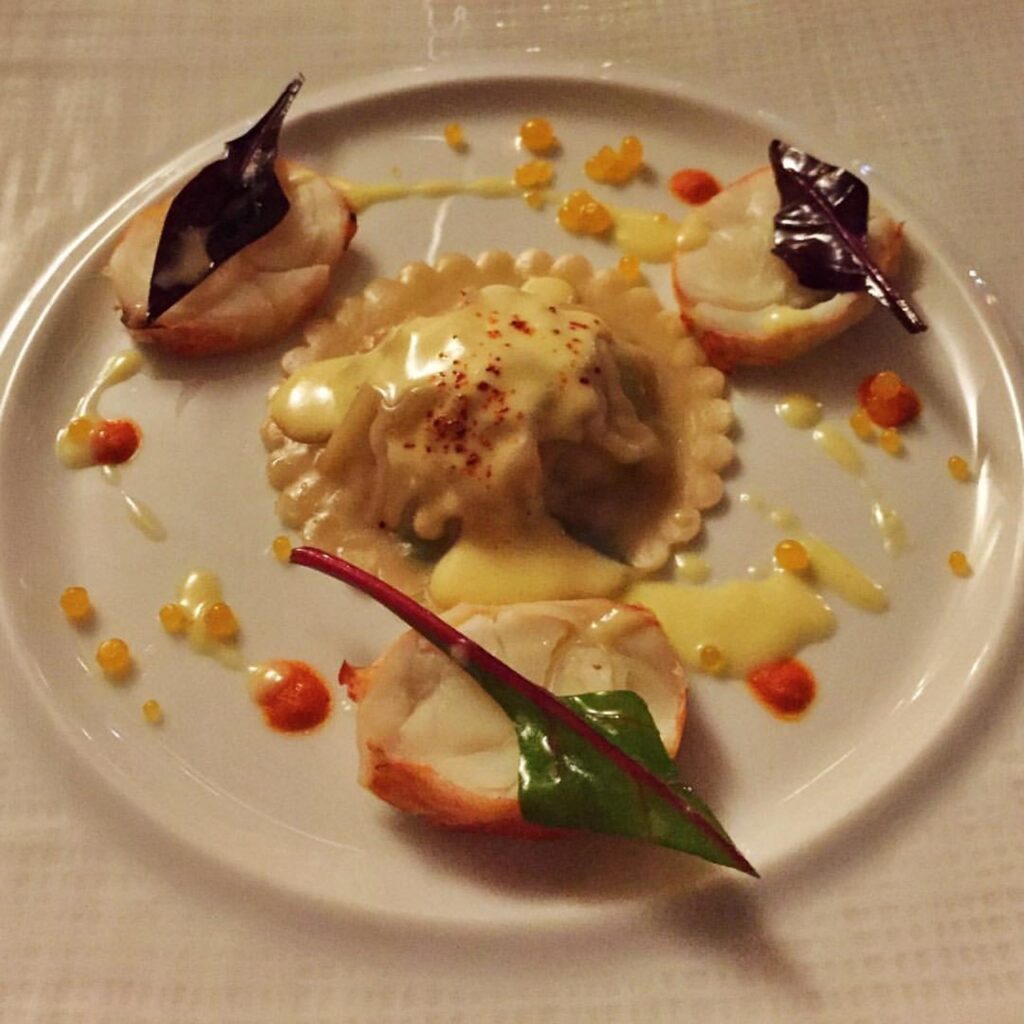
This restaurant reflects classic fine dining values refined over decades. Ingredients are selected for quality and familiarity, often sourced from top European suppliers. Techniques are traditional but demanding, requiring precision and discipline. Sauces, stocks, and proteins are prepared with strict attention to detail. Service is formal, measured, and professional. The dining room prioritizes calm and order. The high price reflects consistency, reputation, and the expectation that every visit meets an established standard of excellence. Diners are paying for confidence, knowing the experience will be flawless rather than surprising.
13. Azurmendi
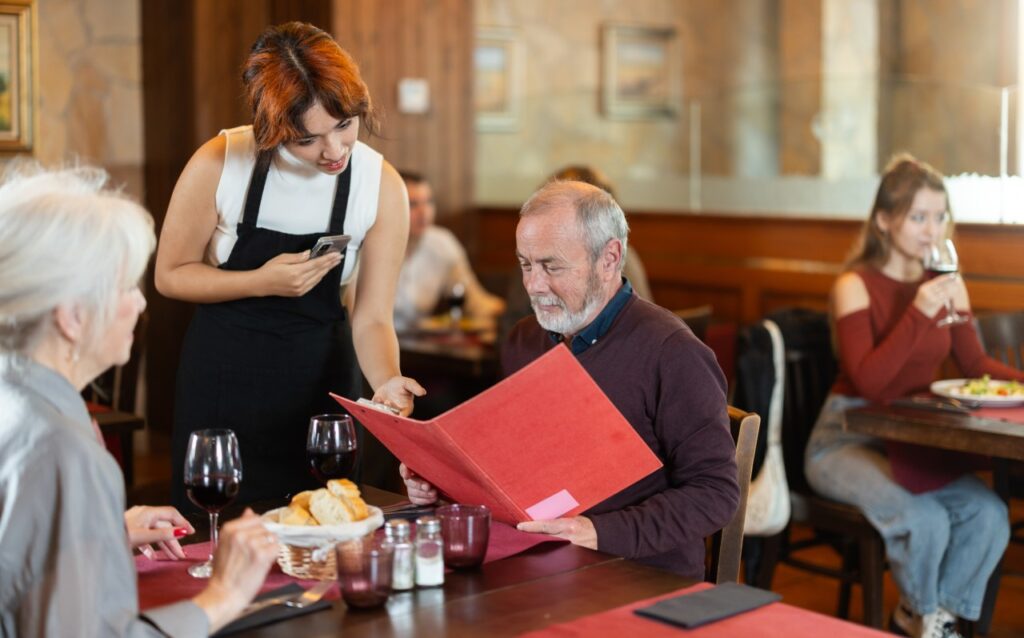
Azurmendi combines culinary innovation with architectural investment. The building itself is designed to support sustainability, increasing operational costs. Ingredients are locally sourced, often requiring collaboration with small producers. Techniques are experimental, involving research, testing, and specialized equipment. The menu emphasizes progression, moving diners through varied textures and temperatures. Service is educational and attentive. Guests pay for innovation, sustainability, and the infrastructure required to support both at a world-class level. Every course reflects a balance between technical ambition and respect for the surrounding landscape.
14. Mirazur
Mirazur draws its value from place and season. Many ingredients come directly from the restaurant’s terraced gardens, harvested daily to capture peak flavor. Menus shift frequently, increasing planning and preparation demands. Techniques emphasize freshness and balance rather than heavy manipulation. The location adds cost, perched above the Mediterranean with limited access. Service is warm yet precise, reflecting the kitchen’s philosophy. Guests pay for immediacy, terroir, and a dining experience shaped by landscape as much as technique. The meal feels inseparable from its setting, making timing and seasonality central to its appeal.