11 Restaurant Meals That Shrunk Without Changing the Plate Size

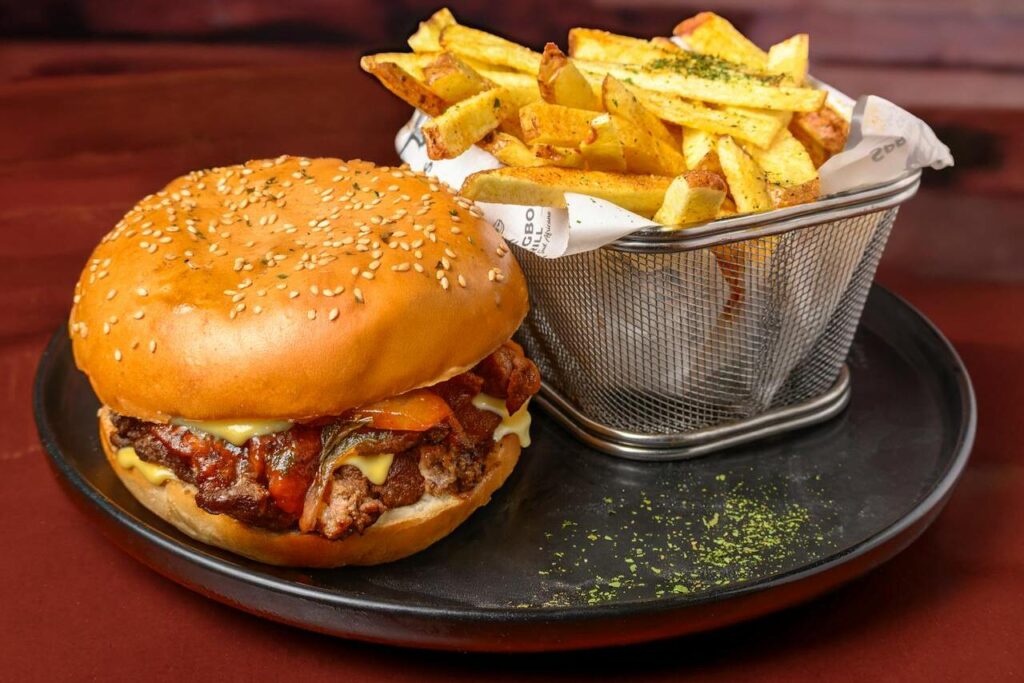
Restaurant portions rarely shrink all at once. They change quietly, hidden by clever plating, wider bowls, and taller stacks. Plates stay the same size even as the food on them gets lighter, so everything still looks generous at first glance.
Rising ingredient costs and tighter margins push restaurants to adjust portions without obvious cuts. Instead of smaller plates, kitchens rely on visual balance, strategic slicing, and filler ingredients to preserve the look of abundance while reducing weight.
This list looks at restaurant meals that seem unchanged but deliver less than they once did. It explains how presentation shapes perception, and why diners often feel something is missing even when the plate looks full.
1. Pasta Bowls
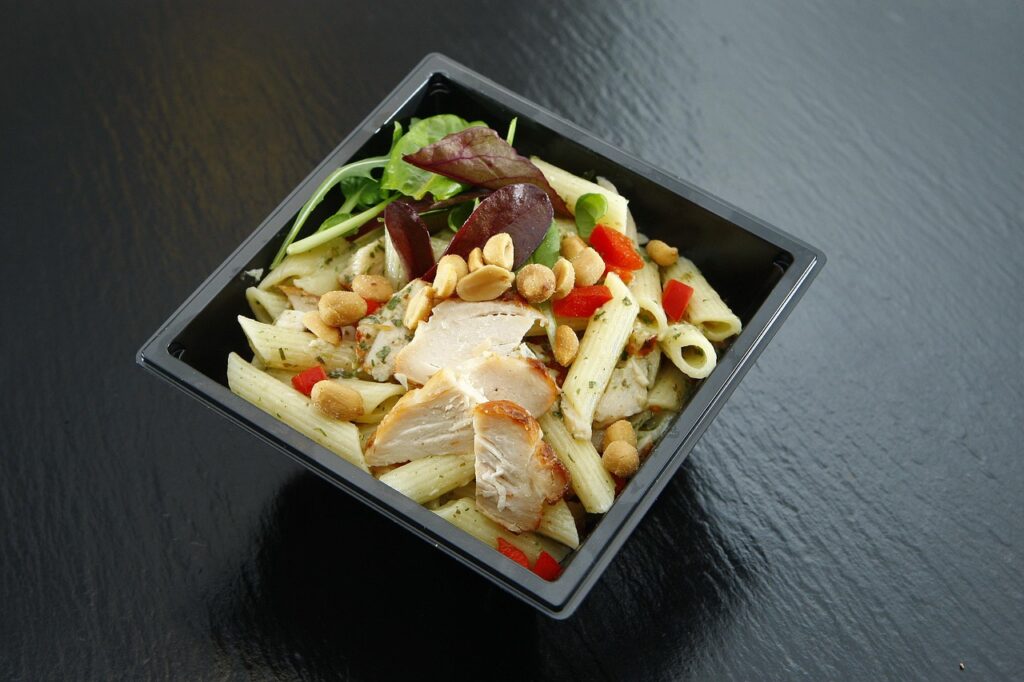
Pasta portions rarely disappear outright. Instead, they are reshaped. Restaurants often reduce the actual volume of noodles while increasing sauce thickness, garnish, or bowl depth. Taller plating makes a smaller serving look generous, even when the base ingredient has quietly shrunk.
Heavier sauces cling to plates and visually fill space, while herbs, cheese, or oil drizzles draw attention away from the pasta itself. Wide bowls also spread strands outward, creating the illusion of abundance without adding weight.
Diners leave feeling full enough, but regulars notice the difference. The satisfaction comes faster, and leftovers disappear, not because appetite changed, but because the portion did.
2. Steak Entrées
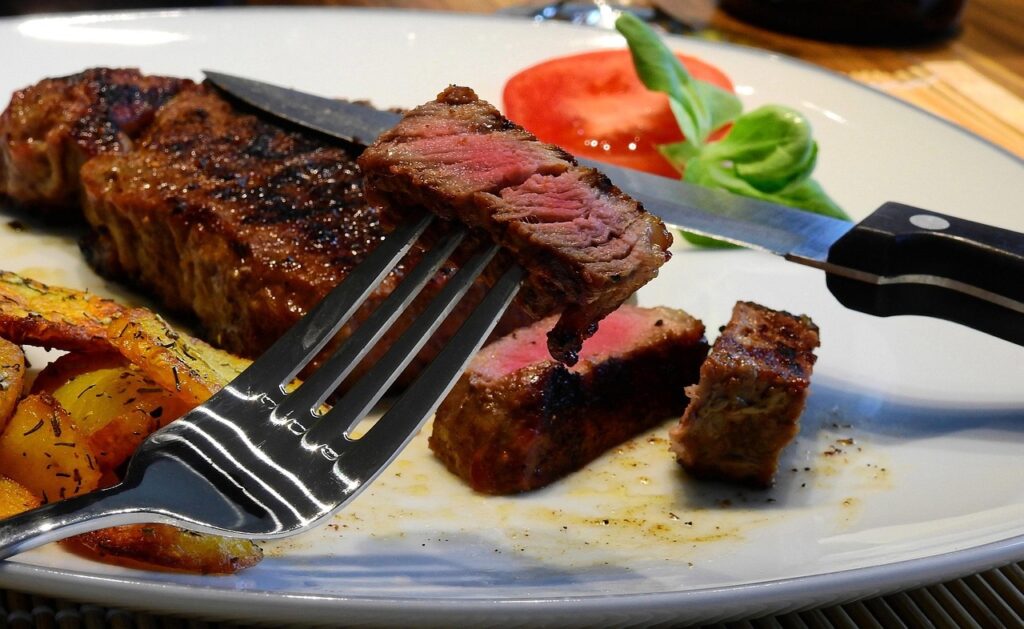
Steak portions rarely shrink in obvious ways. Instead of cutting width, restaurants reduce thickness. Thinner steaks cost less, cook faster, and still look substantial once plated. When paired with sauces or sides, the plate feels full even though the protein itself has quietly lost weight.
Presentation helps maintain the illusion. Steaks are often sliced before serving, spreading across more surface area and making thickness harder to judge. Sauces are spooned generously, and sides expand to visually balance the plate.
The difference shows up in texture. Thinner cuts lose the satisfying chew and internal juiciness people expect, leaving diners feeling less full despite familiar flavors.
3. Burger Plates
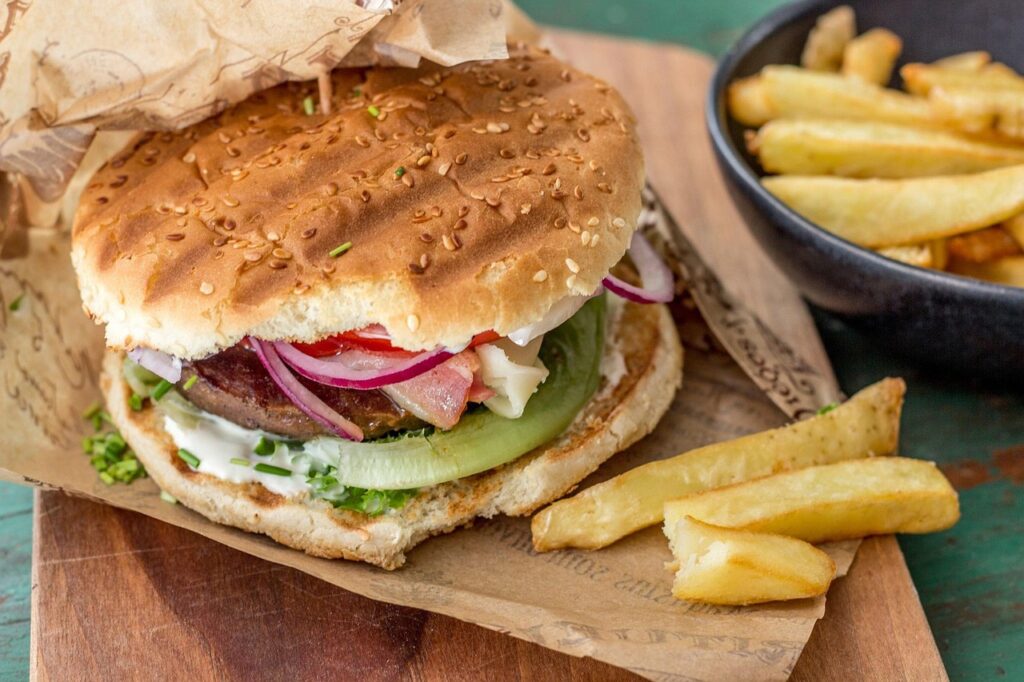
Burger shrinkage hides inside the build. Patties lose ounces while buns remain the same size, making the burger look unchanged at first glance. Height replaces heft as stacking becomes the focus. Visual balance masks the smaller core.
Extra toppings add bulk without protein. Lettuce, sauces, and pickles increase volume, while thicker buns occupy space the patty once filled. The visual impression stays indulgent. Substance quietly drops.
Regular customers notice the change in satiety. Burgers disappear faster, and fullness fades sooner, even though the plate still looks loaded and familiar. The eating experience feels shorter.
4. Breakfast Omelets
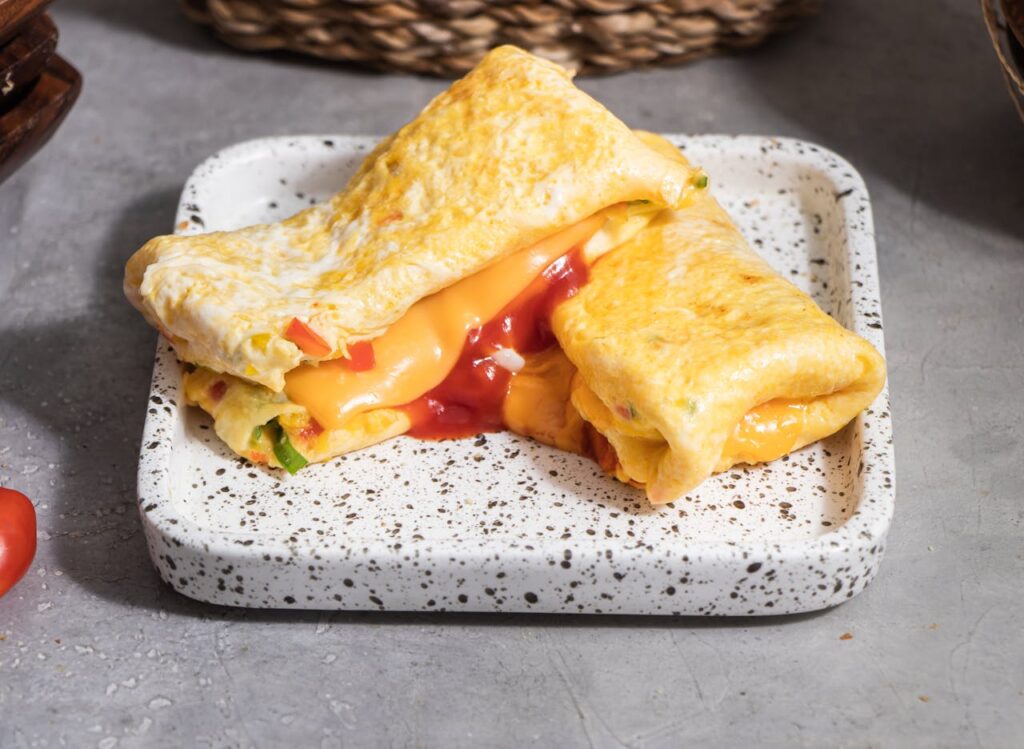
Omelets rarely shrink in obvious ways. Restaurants often reduce egg count and stretch the dish with vegetables, airier folding, and wider plating. The omelet still fills the plate and looks generous, but its actual weight and protein content quietly drop.
Eggs provide density, structure, and lasting fullness. When replaced with mushrooms, onions, spinach, or peppers, volume increases while substance decreases. The texture becomes softer and less filling.
Diners often feel satisfied at first, then hungry sooner. The plate size stays the same, but the nutritional balance shifts, making the breakfast feel lighter and shorter-lived.
5. Fish Fillets
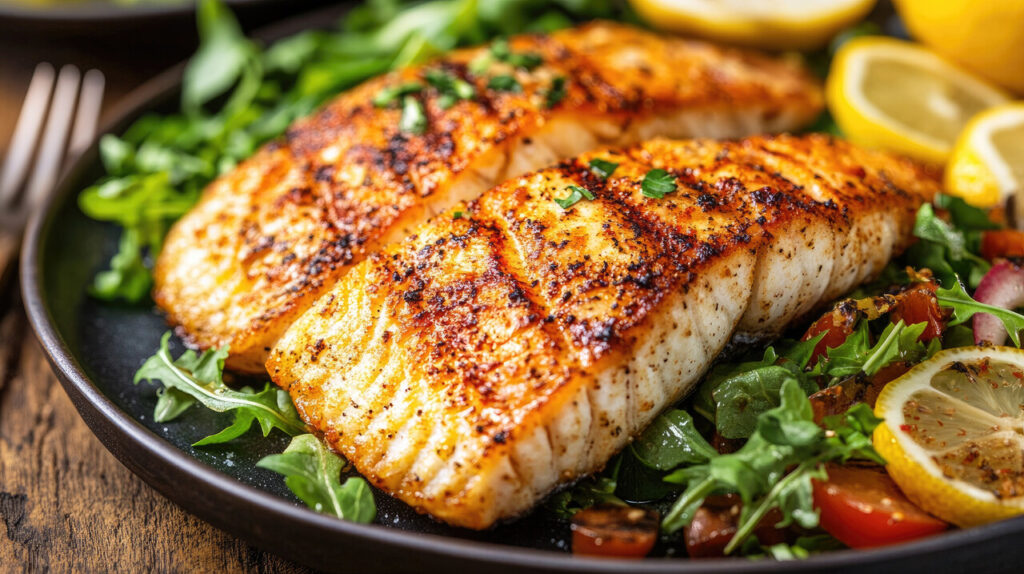
Fish portions tend to shrink through trimming rather than obvious downsizing. Fillets are cut leaner and plated diagonally to exaggerate length, which makes the portion appear larger at first glance. Presentation suggests abundance even when actual protein weight has been reduced.
Sauces, grains, and vegetables are arranged to frame the fish and draw attention outward. Crispy coatings add surface bulk without increasing protein, especially in fried or pan-seared dishes where batter expands visual size.
Once eaten, the difference becomes clear. The fillet finishes quickly, leaving the plate feeling lighter and the meal less filling than diners expect.
6. Rice Bowls
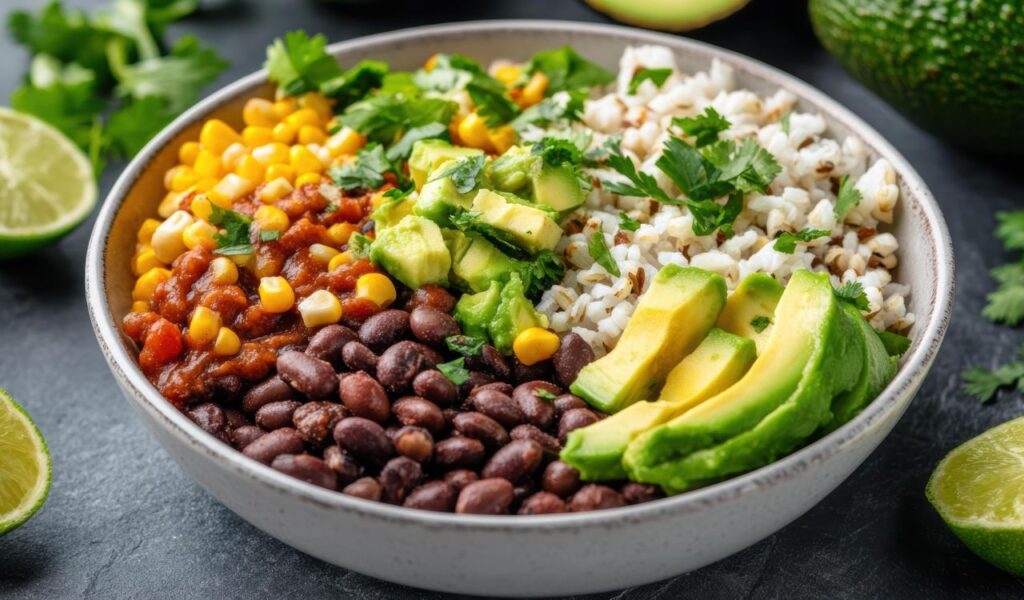
Rice bowls shrink by replacing density with color and contrast. Greens, slaws, and pickled vegetables now occupy space once filled by rice, creating visual variety while reducing overall weight. The bowl still looks full, but it delivers fewer calories and less staying power.
Rice is filling and affordable, but portion control goals and rising costs have shifted bowls toward lighter fillers. Texture changes from hearty and grounding to crisp and airy, altering how satisfying the meal feels.
Customers enjoy the brightness and crunch, but longtime fans notice the bowl no longer holds them as long. Fullness fades sooner than it once did.
7. Chicken Parm
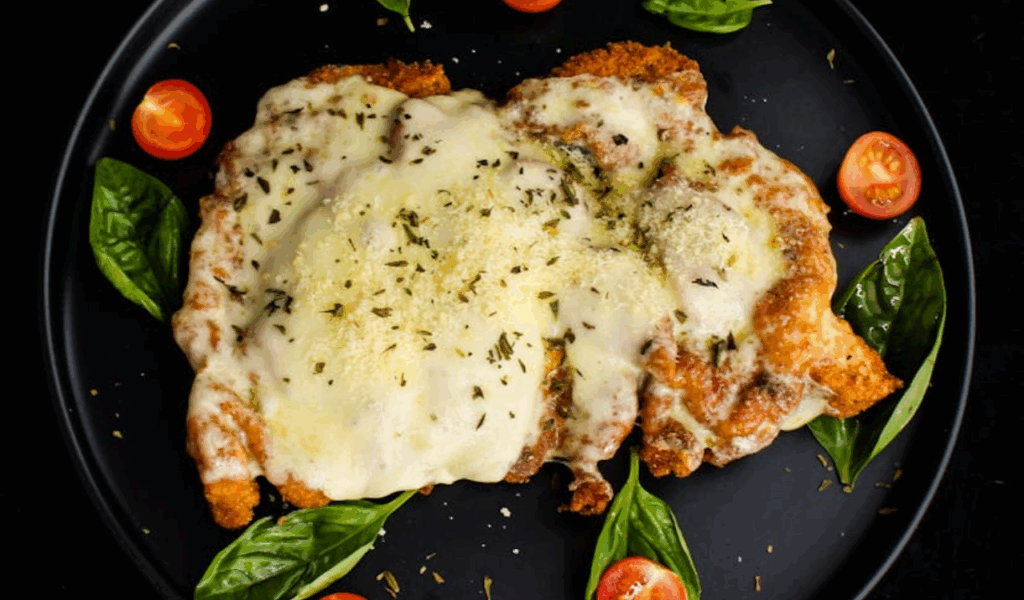
Chicken Parmesan shrinks through thinning rather than obvious size reduction. Cutlets are pounded flatter, breaded more heavily, and covered in sauce to mask the loss of meat. The plate looks familiar, but the protein core is noticeably smaller.
Breading increases surface area at a lower cost than chicken. Sauce adds visual weight and moisture, but it does not replace the filling power of meat. Texture shifts toward soft and uniform instead of hearty.
Diners still see a generous dish, yet the chicken disappears faster than it used to. The meal feels less substantial despite unchanged presentation.
8. Nacho Platters
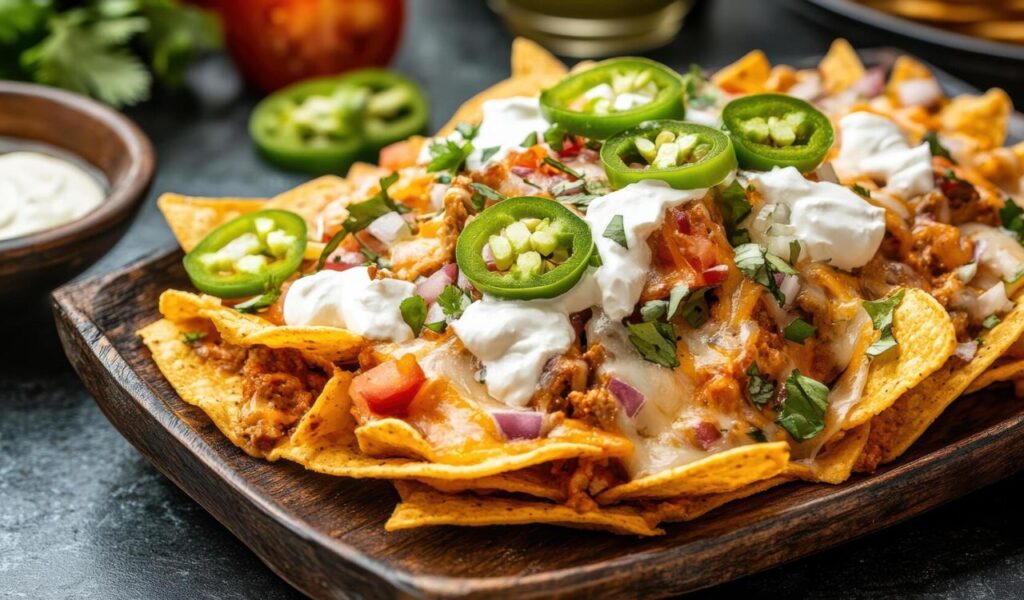
Nacho platters rarely shrink by taking food away outright. Instead, restaurants redistribute the balance. Chips multiply while cheese and protein are spread thinner across the surface. Strategic layering ensures the first few bites feel generous, creating the impression of abundance before the plate is fully explored.
As eating continues, the illusion weakens. Toppings disappear faster than chips, leaving large areas uncovered. Cheese placement becomes more important than quantity, with heavier coverage concentrated near the top or center of the pile.
Guests often notice the change only near the end. The platter still looks large, but the substance runs out long before the chips do, leaving fullness short of expectation.
9. Taco Plates
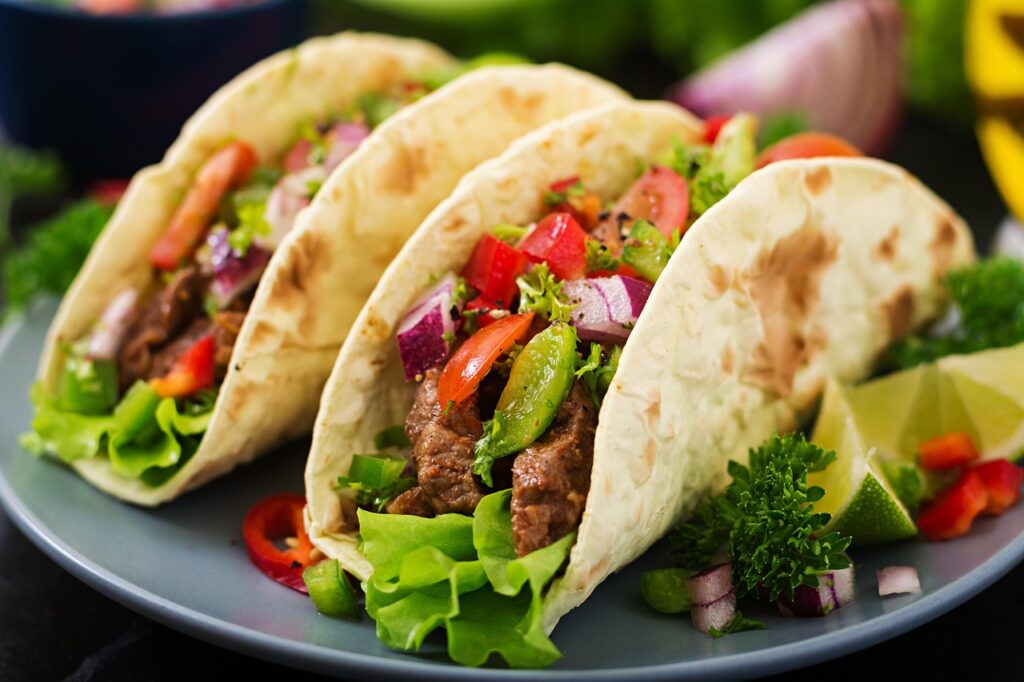
Taco plates shrink quietly through restraint rather than obvious cuts. Tortillas become slightly smaller, fillings lighter, and plates larger to preserve a generous appearance. Added sides help keep the presentation busy and visually satisfying.
Protein is spread thinner and extended with lettuce, sauces, or slaws. Each taco looks complete on its own, but the total weight and protein drop when viewed across the plate. The balance shifts from substance to display.
The meal feels satisfying at first glance, yet hunger returns sooner. The plate never changed, but the tacos no longer anchor the meal the way they once did.
10. Salads with Protein
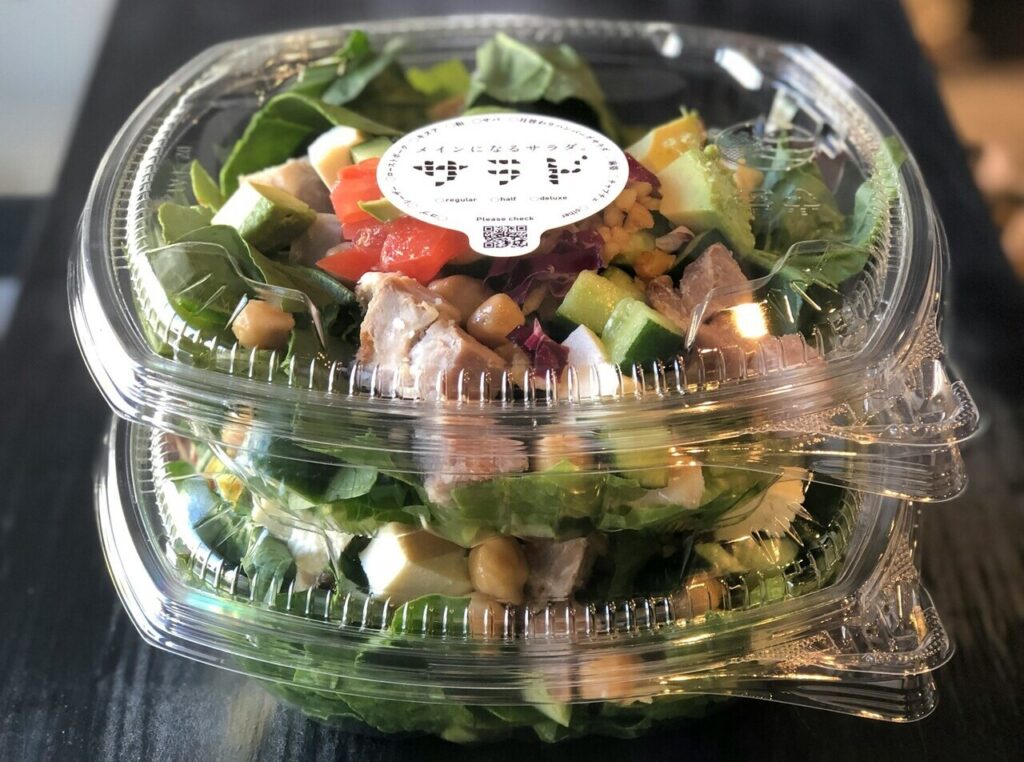
Protein salads often shrink through technique rather than obvious portion cuts. Chicken or steak is sliced thinner and spread across greens, creating the impression of abundance without adding real mass. The eye reads coverage as quantity even when protein weight drops.
Dressings, seeds, and crunchy toppings add flavor and calories but little protein. These extras increase visual interest while shifting the salad away from real satiety. The bowl feels full, but the substance is reduced.
Diners usually notice after finishing. The salad looks substantial, yet fullness fades quickly because the protein impact is lower than expected. The plate stayed full, but hunger returned sooner.
11. Dessert Plates
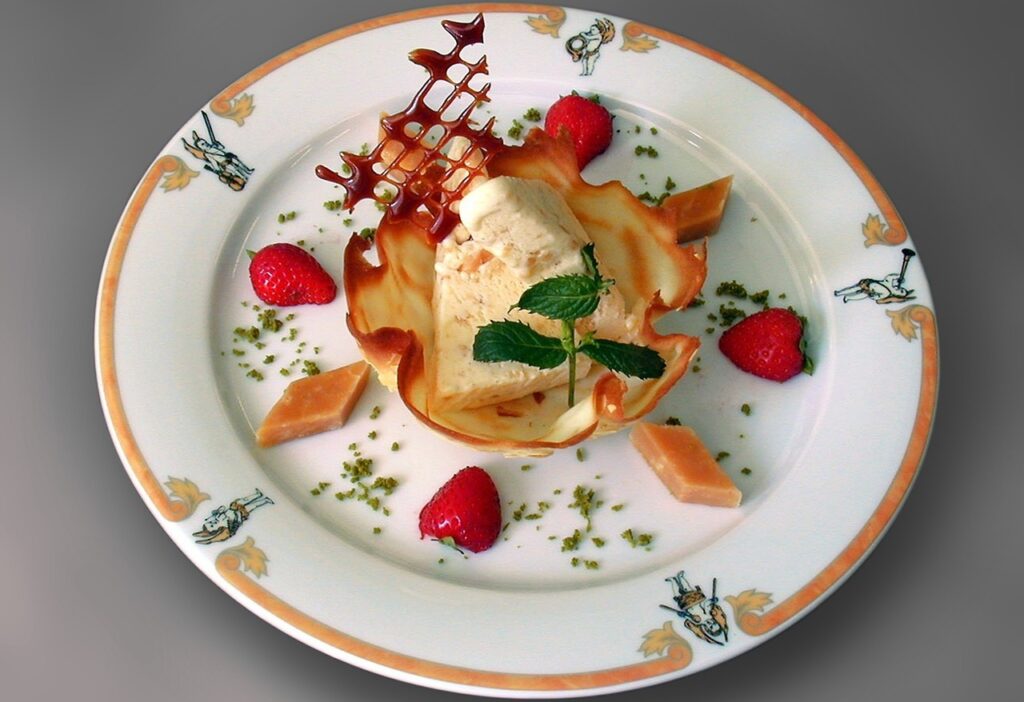
Dessert portions shrink by building upward instead of outward. Smaller slices are stacked with sauces, crumbs, or decorative garnishes to create height and drama. Vertical presentation replaces actual portion weight while keeping the plate visually impressive.
Large plates amplify the illusion. Space frames the dessert and draws attention to design rather than size, making the serving feel intentional rather than reduced. Careful plating shifts focus from quantity to aesthetics.
The experience remains enjoyable but noticeably shorter. Diners savor the presentation and first bites, yet the last bite arrives sooner than memory suggests. Satisfaction comes from appearance, not from portion size.