12 Foods Americans Say Were Better Before Recipe Updates


Some foods don’t just taste different now, they feel different. One bite can spark the sense that something has changed, even when the label looks familiar. That quiet letdown fuels many conversations about recipes that used to be better.
Over time, popular foods have been reformulated to meet health goals, cut costs, extend shelf life, or streamline production. Small ingredient swaps and processing changes can noticeably alter flavor, texture, and aroma, even when people can’t pinpoint why.
This list looks at foods Americans often say lost something along the way. Not out of nostalgia, but by examining how recipe updates reshaped the eating experience, people remember enjoying more.
1. Breakfast Cereals
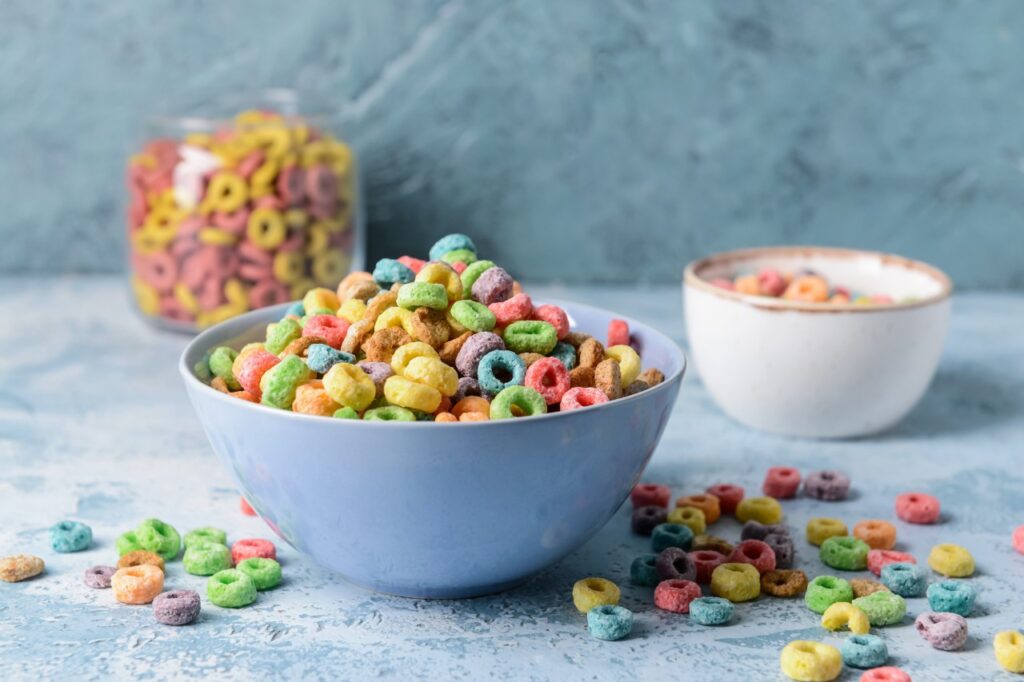
Breakfast cereals were once built around texture and indulgence. Many classic versions used higher sugar coatings, malt flavorings, and refined grains that delivered crunch and immediate flavor. Over time, recipe updates aimed at lowering sugar and adding whole grains changed how cereals behave in milk and on the tongue.
Reducing sugar alters more than sweetness. Sugar affects browning, crispness, and aroma, so even small cuts can make flakes soften faster or taste flatter. Grain substitutions also change how cereals absorb moisture, often dulling the snap people remember.
While nutrition labels may look better today, longtime eaters often miss the balance between crunch and sweetness that made these cereals feel special rather than functional.
2. Chocolate Bars
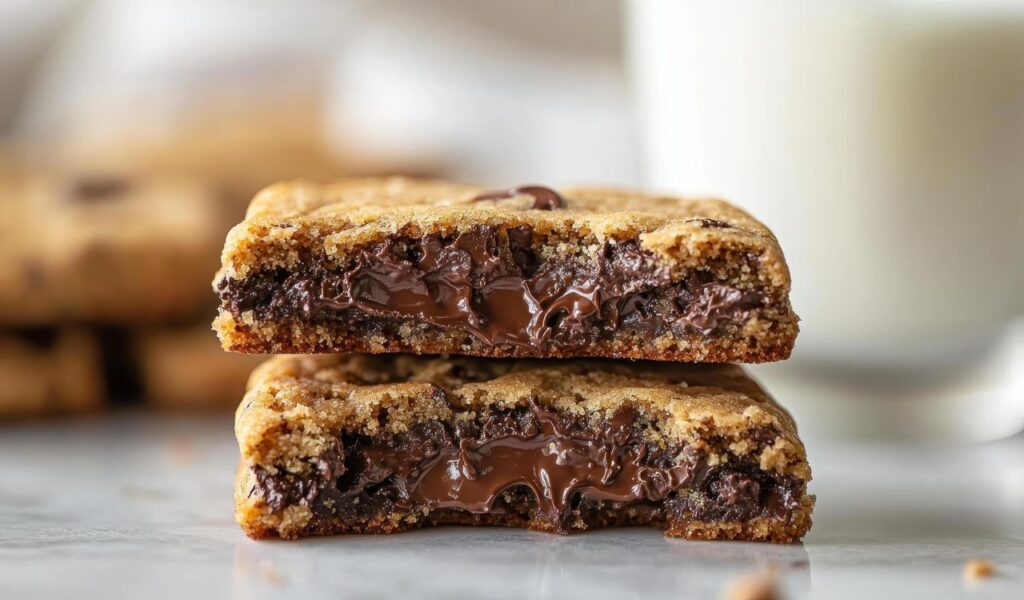
Chocolate bars are sensitive to even minor ingredient shifts. Changes in cocoa content, milk solids, or fat sources can noticeably affect flavor depth and melt. Many reformulations replaced cocoa butter with alternative fats to control cost and shelf stability.
These swaps influence mouthfeel. Cocoa butter melts at body temperature, creating a smooth finish, while substitutes can feel firmer or waxier. Emulsifier changes also affect how chocolate releases flavor as it melts.
To frequent buyers, the result feels less rich and less aromatic. Even when sweetness stays similar, the overall experience often feels thinner than earlier versions.
3. Frozen Pizza

Frozen pizza once prioritized heartiness over efficiency. Thicker crusts, heavier cheese layers, and richer sauces defined many early favorites. As production scaled, recipes shifted toward lighter toppings and thinner bases to reduce cost and bake more evenly.
Cheese blends changed to improve melt consistency and control oil separation. Sauce formulas were adjusted for longer freezer life, often reducing herb intensity or tomato brightness.
These practical changes improved reliability but altered flavor balance. Fans often say newer versions feel less filling and less satisfying, even when cooking instructions stay the same.
4. Soft Drinks
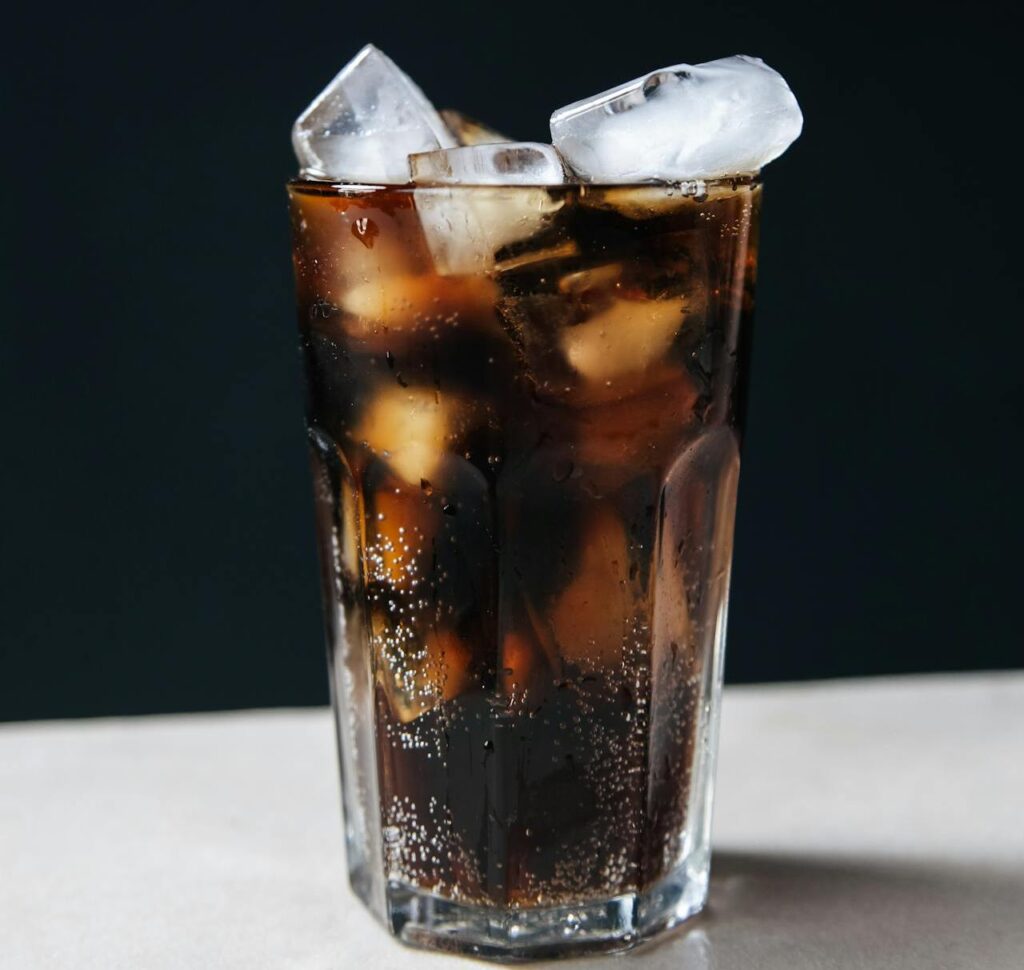
Soft drinks are tightly calibrated systems. Small changes in sweeteners, acids, or flavor oils can noticeably alter taste. Many updates followed health concerns, ingredient sourcing issues, or regional regulations rather than consumer demand.
Switching sweeteners affects more than the sweetness level. It changes how flavors linger, how sharp the drink feels, and how carbonation is perceived. Some consumers describe newer formulas as thinner or more acidic.
Because people form strong sensory memories around drinks, even subtle tweaks stand out. What feels like nostalgia is often a real shift in balance.
5. Ice Cream

Ice cream quality depends on milkfat, air content, and stabilizers, not just flavor. Older recipes used higher cream levels and fewer additives, creating a denser scoop with a slower, creamier melt. This structure allowed flavors to develop as the ice cream warmed.
Modern versions are often reformulated for shelf stability and transport. Lower milkfat reduces richness, while added stabilizers control ice crystals during storage. When overused, these stabilizers soften structure and mute natural creaminess.
The result is ice cream that lasts longer but melts faster and feels lighter. Many longtime fans notice the change, describing newer versions as smoother yet less indulgent than they remember.
6. Canned Soups
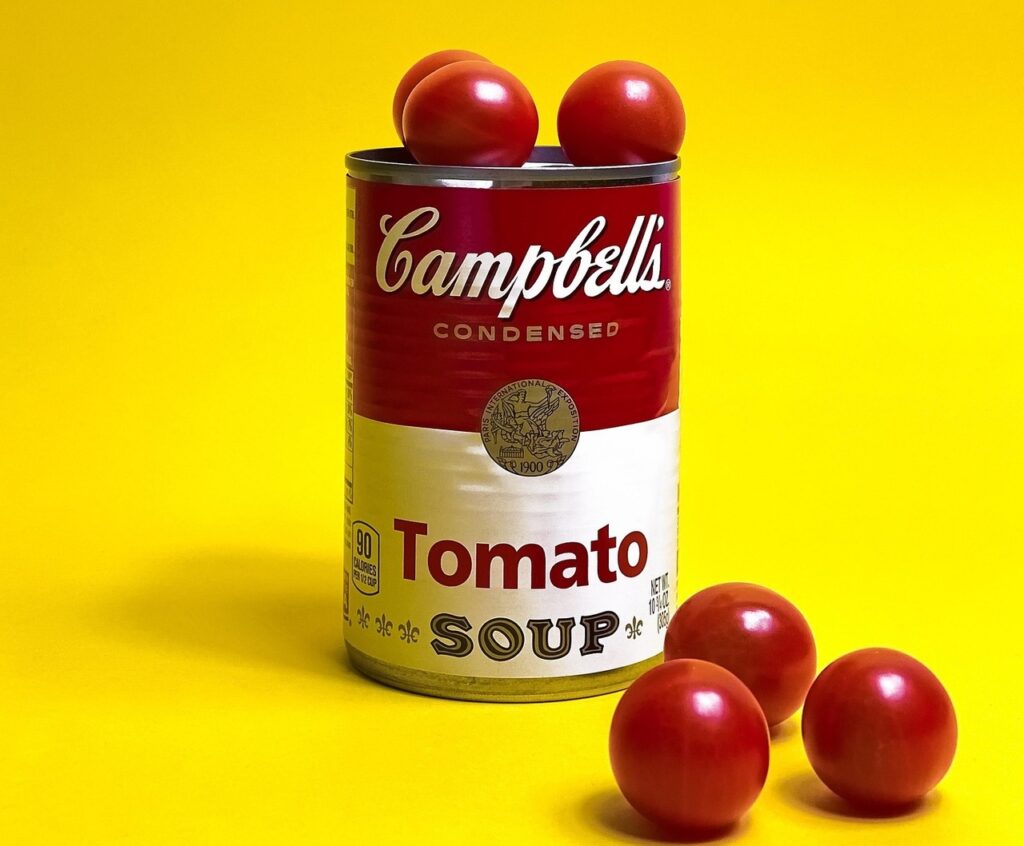
Canned soups once relied on salt and fat to create depth and warmth. Sodium reductions removed key flavor carriers, often without fully replacing their role. This changed how broths build body and linger on the palate.
To compensate, manufacturers use starch thickeners and flavor enhancers. These help texture but do not fully restore the complexity salt provided. Heat processing also weakens herbs and aromatics over time.
Many consumers say newer soups taste cleaner but less comforting. Compared with older versions, they often feel thinner and less filling, especially to those who remember richer recipes.
7. Fast-Food Burgers

Fast-food burgers changed as chains focused on cost control, consistency, and nutrition goals. Leaner beef, smaller patties, and updated cooking oils altered juiciness and aroma. These changes made burgers easier to standardize but reduced richness and moisture.
Fat plays a central role in flavor development. Lower fat content affects browning reactions and how juices are retained during cooking, resulting in patties that taste drier even when cooked correctly. Bun formulas were also adjusted to extend shelf life, changing softness and chew.
The final product feels cleaner and less messy, but also less indulgent. Many longtime customers notice that modern burgers satisfy hunger without delivering the same sensory payoff as earlier versions.
8. Boxed Mac and Cheese
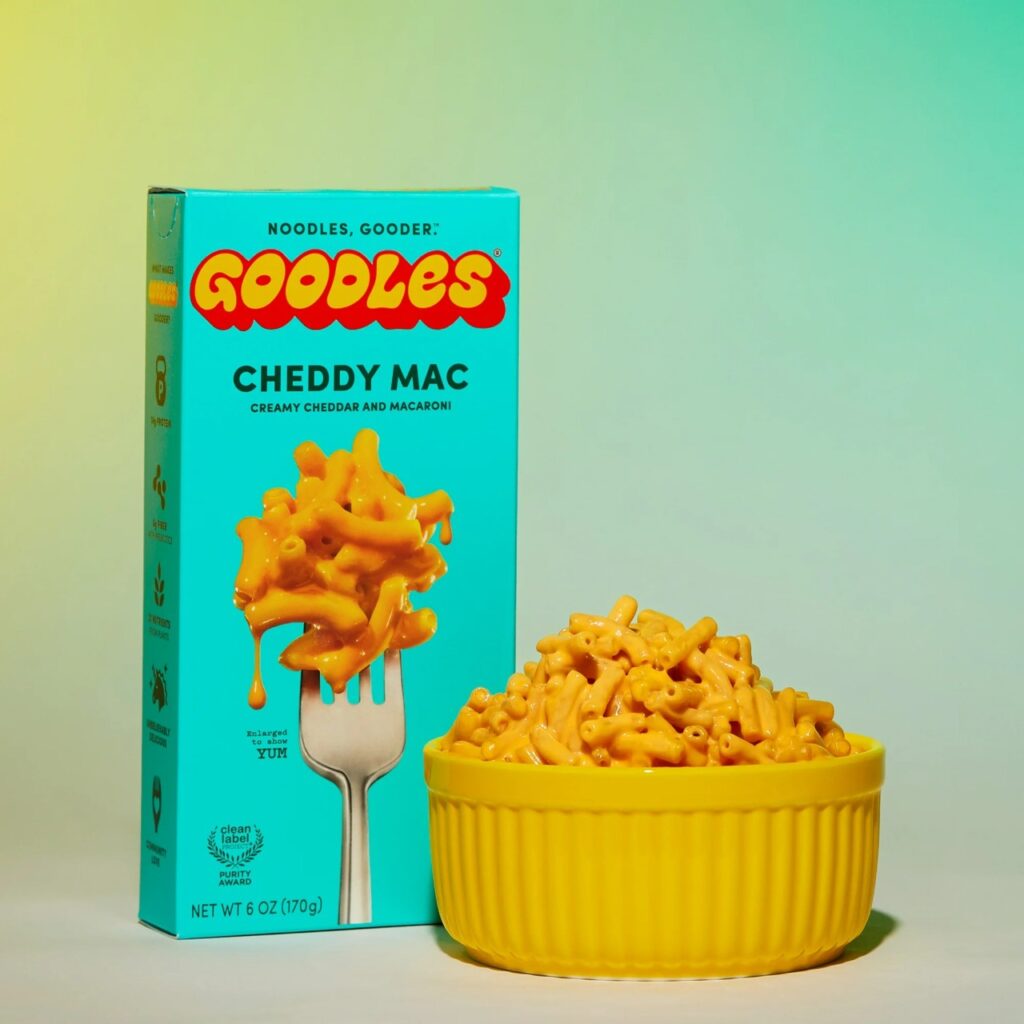
Boxed mac and cheese relied on a carefully engineered cheese powder that balanced fat, salt, and emulsifiers. Recipe updates removed artificial colors and adjusted dairy components, altering how the sauce thickens and coats pasta during cooking.
Color played a psychological role as well. Bright orange sauces signaled richness, so muted tones subtly changed how creamy the dish felt, even when texture remained similar. Changes in emulsifiers also affected how smoothly the sauce binds.
Fans often say newer versions taste milder. That reaction reflects real shifts in fat content, seasoning intensity, and mouthfeel rather than nostalgia or imagination.
9. Snack Chips

Snack chips are highly sensitive to oil type and seasoning density. Many brands switched oils for stability or nutrition messaging, which changed aroma and how flavors release during chewing. Seasoning levels were often reduced to control sodium. These adjustments subtly reshaped how bold the first bite feels.
Oil helps seasoning cling to the chip surface. When oil content drops, seasoning adhesion weakens, producing a cleaner but quieter taste. Flavor hits faster but fades sooner. The experience becomes sharper but less lasting.
Crunch usually remains intact, but longtime eaters frequently miss the boldness and lingering savor that once defined their favorite chips. The memory is tied to flavor depth, not just texture.
10. Baked Snack Cakes

Baked snack cakes depend on sugar, fat, and preservatives to stay soft. Reformulations reduced certain fats and sweetness, changing how moisture is retained within the crumb. This altered both texture and perceived freshness. Even small cuts can shift mouthfeel.
Preservative updates also influence aging. Some newer cakes dry faster or lose aroma sooner, even when packaging looks identical. The structure remains intact, but flavor intensity fades more quickly. Freshness feels shorter lived.
Consumers often describe modern snack cakes as less indulgent. That shift reflects deliberate formulation changes designed to meet new standards rather than a decline in baking skill. The goal moved from pleasure to compliance.
11. Salad Dressings
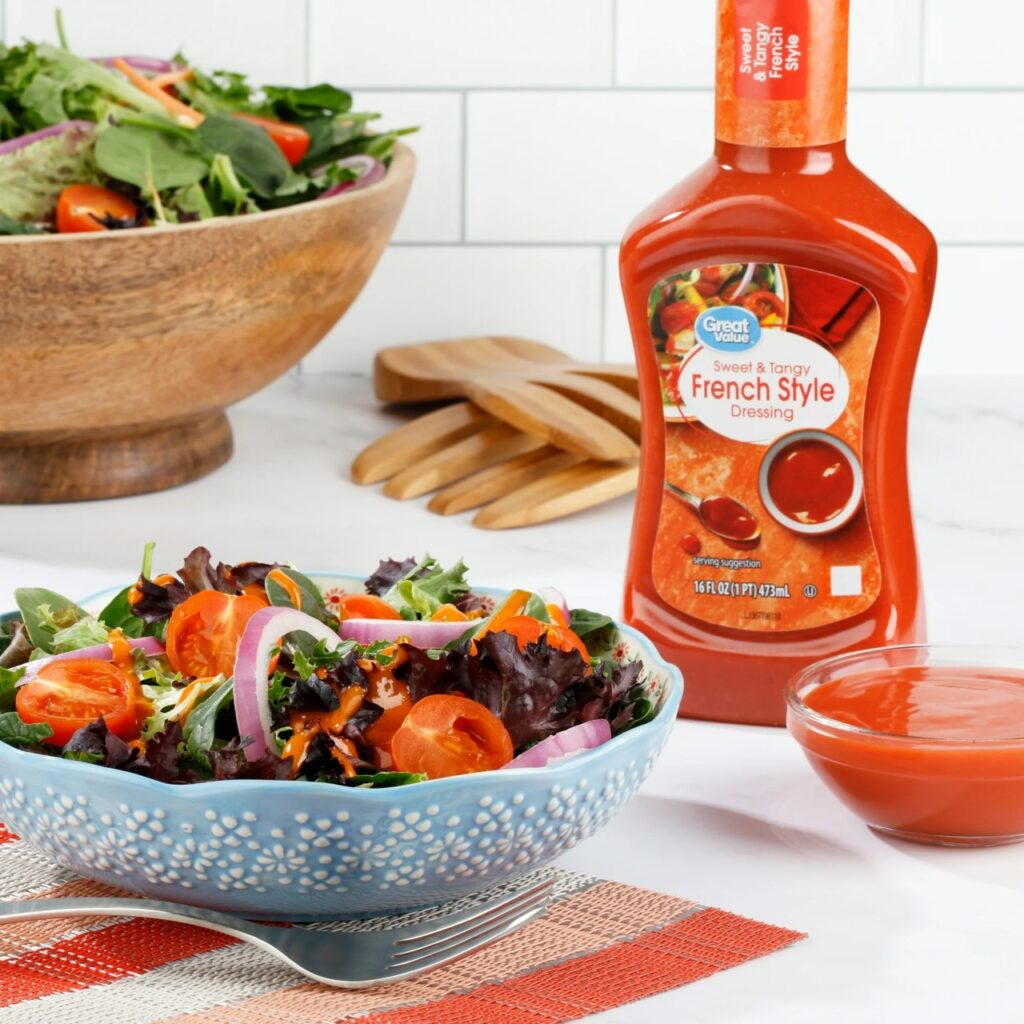
Salad dressings were widely reformulated to reduce sugar and fat. These changes affect viscosity, mouthfeel, and balance, often producing thinner textures in place of the creamy body people expect. Texture plays a major role in satisfaction.
Sugar once softened acidity and rounded flavor. When it is reduced, vinegar and citrus notes become sharper, changing how dressings interact with greens and vegetables. Bitterness can stand out more.
Many shoppers notice newer dressings taste brighter but less complete. The freshness is there, but the richness that once tied flavors together is diminished. Balance is harder to achieve.
12. Candy Gummies

Gummy candies rely on gelatin, sugars, and acids to control chew and flavor release. Recipe updates replaced gelatin with alternative gelling agents or adjusted coloring systems, changing structure and elasticity. Texture differences are immediately noticeable.
Many alternatives create a firmer or less springy bite. Flavor release can feel slower or muted because the candy breaks down differently in the mouth. Chewing requires more effort.
Fans often say newer gummies are less fun to chew. That response reflects genuine structural changes rather than simple nostalgia. Enjoyment is tied to resistance and bounce.