12 Cost-Saving Ingredient Swaps Changing Classic American Recipes

Rising grocery prices are reshaping how classic American meals are prepared at home. Many cooks now rely on smart ingredient swaps that lower costs while keeping familiar flavors intact. From switching proteins to using frozen produce and pantry staples more creatively, these changes help families stretch budgets without giving up comfort foods they love. Such practical substitutions reveal how modern kitchens adapt traditional recipes to meet today’s financial realities without sacrificing satisfaction.
1. Ground Turkey Instead of Ground Beef
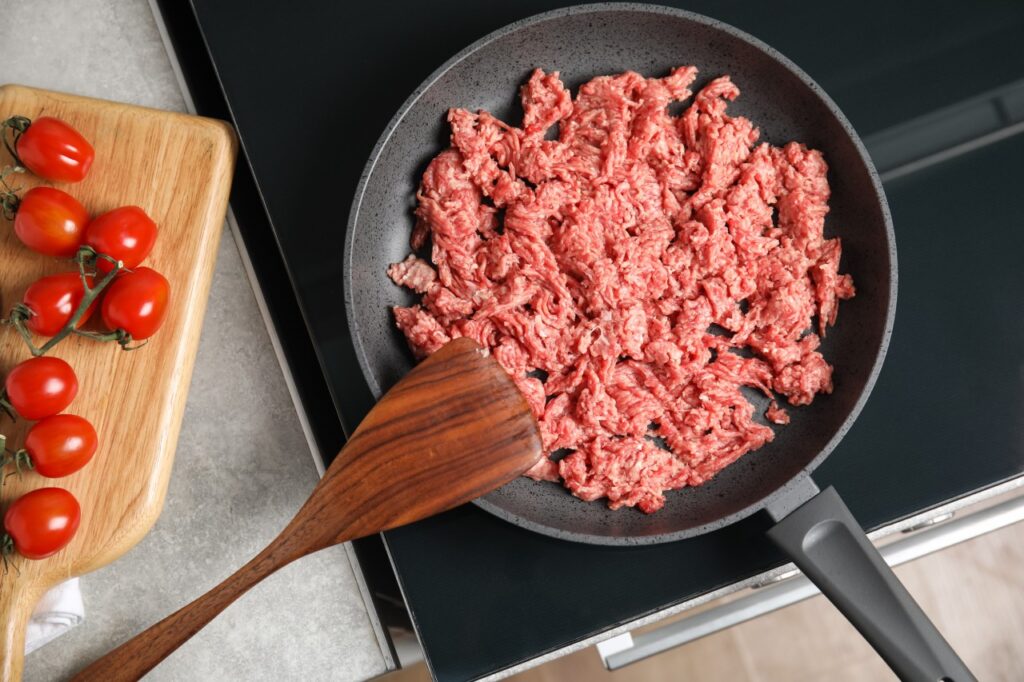
Ground turkey increasingly replaces ground beef in classic American dishes as a cost-saving and leaner alternative. Swapping turkey also decreases saturated fat, a point many families appreciate, though taste and texture will differ from what beef delivers.
Turkey typically costs less per pound because it is simpler to raise and distribute at scale. While beef markets fluctuate with feed costs and export demand, poultry remains more stable. Substitutions can stretch groceries further without emptying wallets.
Despite these benefits, ground turkey lacks the richness many expect from beef. Recipes sometimes require added seasonings, fats, or sauces to recapture depth. Yet for households prioritizing affordability, turkey stands as a practical swap that maintains protein content.
2. Bone-In Chicken Pieces Instead of Boneless Breasts

Bone-in chicken is one of the most effective swaps for cost savings in many American kitchens. Boneless, skinless breasts built the reputation of lean and convenient dinner options. Bone-in thighs, drumsticks, and quarters deliver similar protein for substantially less money.
Beyond price, bone-in chicken offers deeper flavor thanks to marrow and connective tissue that enrich stews and roasted dishes. Slow cooking bone-in pieces also yields tender meat that often outperforms dry, boneless cuts in texture and moisture. Economical cooking methods like braising maximize taste without demanding premium ingredients.
Critics sometimes note that bone-in pieces require more prep and are less convenient to eat. From weeknight dinners to Sunday roasts, choosing bone-in cuts stretches grocery dollars while preserving the comfort and familiarity of classic poultry recipes.
3. Beans Instead of a Portion of Meat

In staple meals like chili, tacos, and casseroles, substituting beans for part of the meat budget has become a practical and nutritious strategy. Many cooks find that combining beans with smaller amounts of meat maintains familiar textures while reducing cost.
Beans also deliver nutritional upsides, offering complex carbohydrates, vitamins, and minerals that complement meats’ protein contributions. In stretches of tight budgets, this swap provides a cost buffer while preserving overall dietary balance.
While a full bean substitution alters some classic recipes, families often report satisfaction with the blend of flavors and textures. Chili with half beef and half beans still feels hearty, and tacos with meat-bean mixtures stretch ground beef effectively.
4. Canned Tuna or Salmon Instead of Fresh Fish

Fresh fish offers bright flavor and delicate texture, yet it often comes with a price tag that can strain grocery budgets. These pantry staples allow households to enjoy fish meals without the expense of fresh fillets.
Advances in canning technology preserve nutrients and flavor surprisingly well. While texture differs from freshly grilled or baked fish, canned options pair exceptionally well with familiar American dishes when blended with mayonnaise, herbs, or pasta.
For budget-minded cooks, this swap offers reliable nutrition and minimal waste. This cost-effective alternative keeps seafood part of the diet even when fresh options sit outside the reach of typical grocery budgets.
5. Frozen Vegetables Instead of Fresh
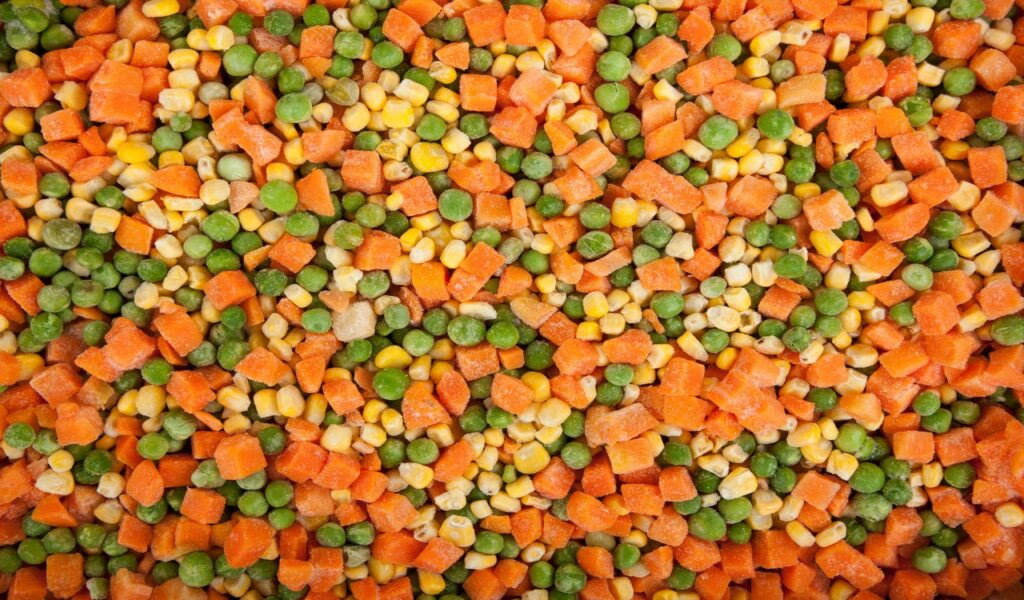
Frozen vegetables have become mainstays in many kitchens, not only because they cost less than some fresh produce but also because they reduce food waste. Farmers freeze produce at peak ripeness, locking in nutrients and allowing families to access vegetables year-round.
Unlike fresh produce that can spoil before use, frozen bags can stay in the freezer for weeks, letting cooks add portions as needed. In dishes like stir-fries, soups, and casseroles, frozen veggies perform reliably, maintaining texture and flavor with minimal fuss.
While some diners note subtle differences in texture or brightness compared with fresh produce. For households balancing cost and health, this swap ensures vegetables remain regular parts of meals.
6. Spinach Instead of Basil for Pesto
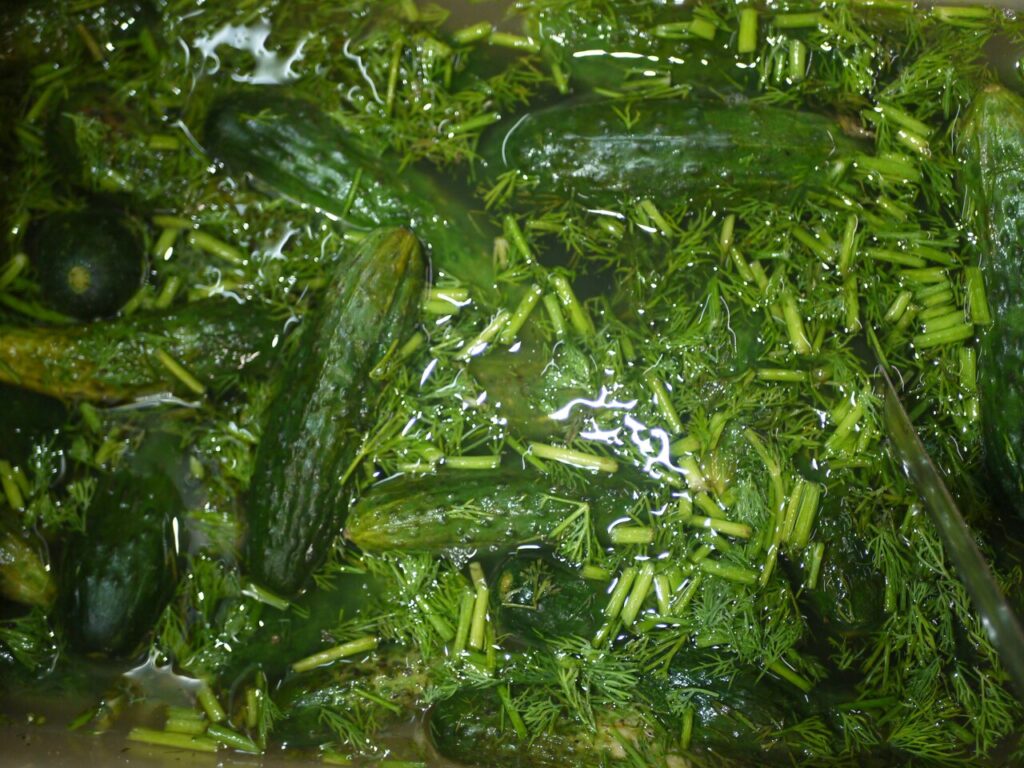
Traditional pesto relies on basil’s aromatic leaves, but the herb’s price and short shelf life make it a luxury for budget cooks. Swapping in spinach for basil preserves the green vibrancy of the classic sauce while keeping costs far lower.
Spinach pesto retains its familiar color and nutritional value. While not identical to basil in intensity, spinach provides a cost-effective base that allows more frequent pesto preparation and broader use in pasta, sandwiches, and dips.
For many home cooks, this swap expands creative kitchen options without compromising comfort or flavor. By choosing greens that cost less per bunch and hold up better in storage, families enjoy pesto-style dishes more often.
7. Aquafaba Instead of Eggs

Aquafaba, the liquid left over from cooked chickpeas, has gained popularity as an egg substitute for baking and cooking. As a plant-based alternative, aquafaba foams and binds similarly to egg whites without the associated cost of a dozen eggs.
In recipes like meringues, batters, and certain cakes, aquafaba’s unique properties mimic egg behavior while keeping grocery bills lower. This plant-based swap aligns with rising interest in flexible cooking.
Although some chefs note slight differences in texture compared with real eggs, many home bakers appreciate aquafaba’s consistency and budget friendliness. As egg prices fluctuate with market conditions, this swap offers kitchen resilience without sacrificing access to familiar baked goods.
8. Frozen Berries Instead of Fresh in Smoothies

Smoothies have become a hallmark of health-oriented meals, yet fresh berries often command premium prices, especially when not in season. Freezing preserves antioxidant levels, fiber, and vitamins, making them excellent for blended drinks.
Frozen berries also improve smoothie texture by chilling the mixture quickly, reducing the need for ice that can dilute flavor. The convenience of measuring and storing bags of berries removes stress from meal prep, allowing families to incorporate fruit daily.
For budget-minded households, this swap creates more predictable meal planning. Smoothies taste vibrant and maintain nutritional value while saving money, making frozen berries a sensible alternative that keeps fruit-based comfort foods within reach.
9. Vegetable Oil Instead of Olive Oil for Everyday Use

Olive oil occupies a prized place in kitchens worldwide for its distinct flavor and health reputation. Many cooks now reserve olive oil for salads and finishing dishes while using vegetable oil for everyday sautéing and baking.
Vegetable oils like canola or sunflower provide a cost-efficient substitute with a high smoke point, making them suitable for frying, roasting, and general cooking tasks. While it lacks olive oil’s distinct taste, vegetable oil performs reliably.
This swap helps families stretch grocery budgets while preserving special occasions for premium ingredients. By using affordable oils for routine cooking, households make strategic ingredient choices without sacrificing performance in everyday meals.
10. Turkey Mince in Place of Beef or Pork in Meatballs

Turkey mince has emerged as a popular substitute in meatballs and related dishes that were once dominated by beef or pork. Its lighter flavor and lower price make turkey a practical choice in daily cooking, helping families balance cost with lean protein needs.
In sauces, casseroles, and baked dishes, turkey mince absorbs herbs and spices well, delivering satisfying results. While beef and pork offer richer fat content, turkey’s mild profile adapts easily to seasoning adjustments.
For budget-wise cooks, turkey mince extends meal options without compromising texture or portion size. This swap reflects wider trends in kitchen economics that emphasize protein flexibility while maintaining familiarity in classic comfort recipes.
11. Parmesan Rinds or Cheaper Cheese Alternatives
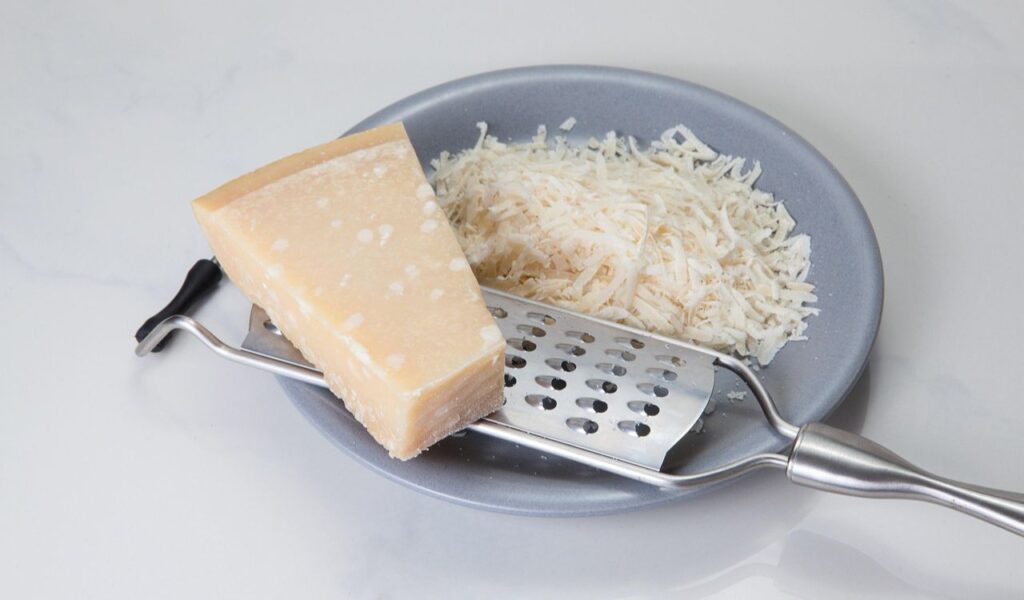
Parmesan cheese adds bold flavor to many Italian-inspired dishes, but its price can discourage liberal use. Saving parmesan rinds from previous meals and incorporating them into stocks or sauces reduces waste while infusing rich umami.
Using cheese rinds in soups or sauces extracts flavor with minimal additional expense, transforming kitchen scraps into valuable seasoning components. Choosing less expensive aged cheeses still delivers complexity without the premium price tag.
For cooks balancing flavor and budget, these swaps maintain the essence of familiar dishes while adapting to price sensitivities. Creative use of available cheese resources demonstrates how small choices can reshape kitchen economics without sacrificing taste.
12. Homemade Stock Instead of Store-Bought Cubes
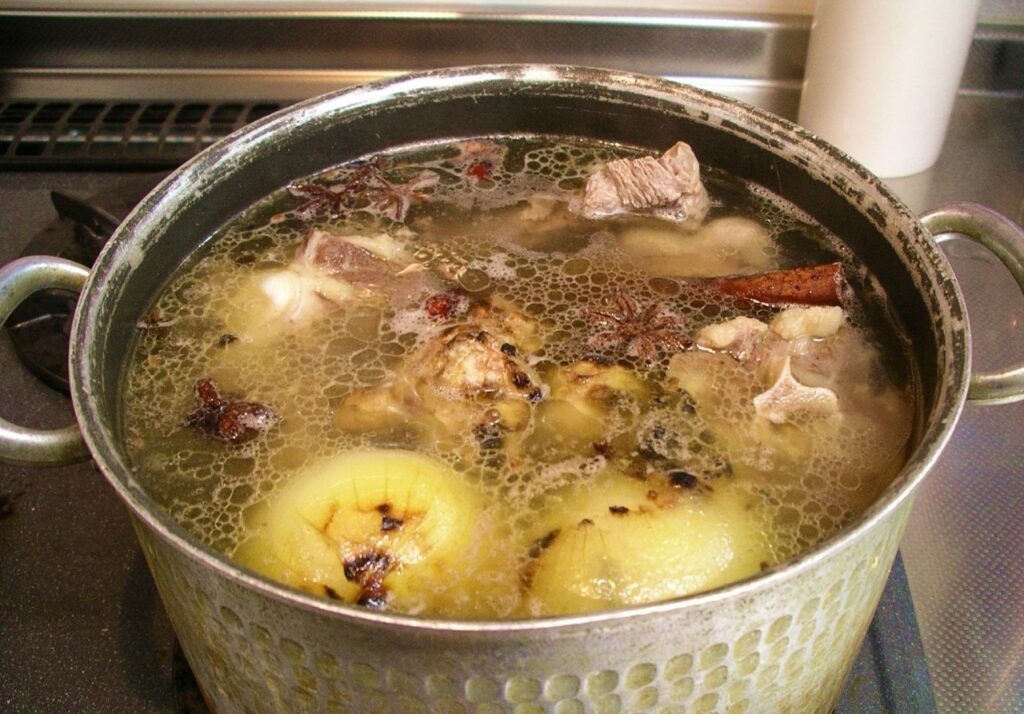
Homemade stock from vegetable scraps, chicken bones, or beef trimmings offers a flavorful and affordable alternative to store-bought stock cubes or cartons. Preparing stock at home captures rich flavor nuances that pre-packaged options sometimes lack.
Collecting and simmering leftover bones, onion skins, celery ends, and herb stems yields a deeply savory liquid that elevates soups, stews, sauces, and grains. This practice reduces waste and turns what would be discarded into a valuable ingredient.
While stock cubes remain convenient, homemade stock delivers superior flavor at a lower cost. For budget-aware cooks, this swap showcases how simple behavior changes in the kitchen improve both economical and culinary outcomes.