9 Reasons Your Organic Food is Not as Clean as the Label Claims

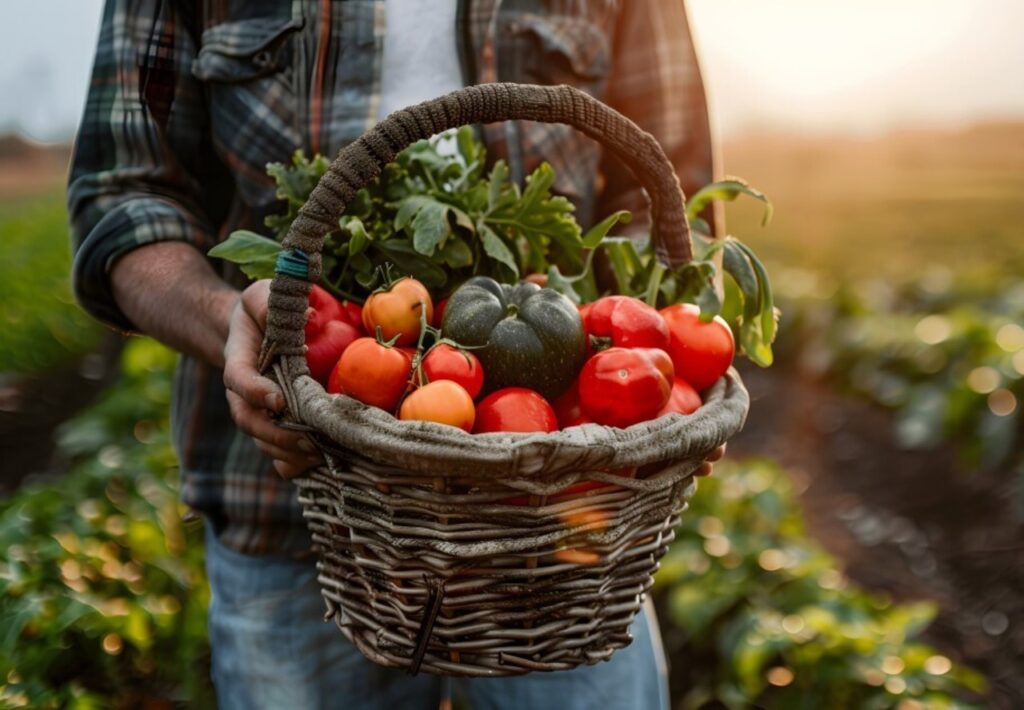
Organic labels suggest purity and food that feels closer to nature. Many shoppers choose them, expecting fewer chemicals, cleaner practices, and produce that feels safer right away. That trust is understandable and often well-intended.
But organic farming is still farming. Crops face pests, disease, legacy soil contamination, long supply chains, and shared handling facilities. Managing those realities requires approved inputs, certifications, and logistics that are more complex than the label implies.
This list looks past the green seal to explain where expectations and reality quietly diverge. Not to discredit organic food, but to clarify what the label does and does not guarantee beyond the farm.
1. Organic Pesticides Are Still Used
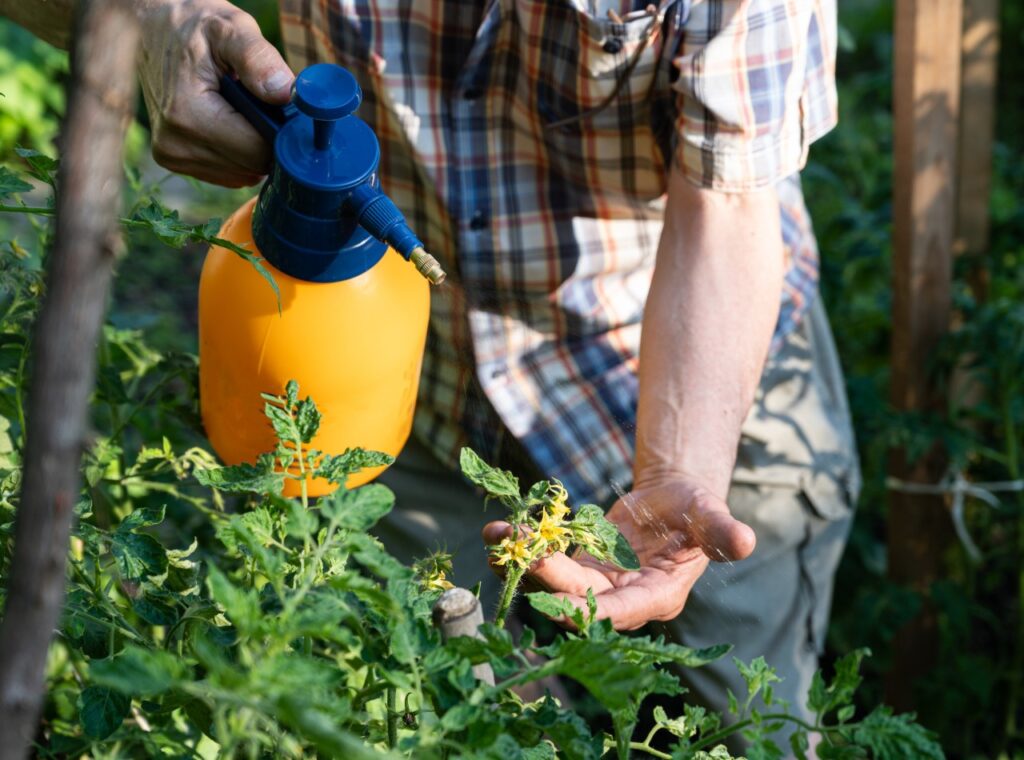
Organic does not mean chemical-free. Farmers following organic standards apply approved substances to control pests and disease. Many are naturally derived but concentrated and intentionally sprayed, including copper compounds, pyrethrins, neem extracts, and spinosad.
These substances are regulated differently from synthetic pesticides and reflect trade-offs between environmental impact, human safety, and effectiveness. Because they are applied deliberately, organic produce can still carry residues that matter to some consumers and ecosystems.
Organic-approved also does not mean harmless in every situation. Impact depends on dose, persistence, and effects on non-target insects, soil organisms, and water systems.
2. Drift and Neighboring Fields Create Cross-Contamination
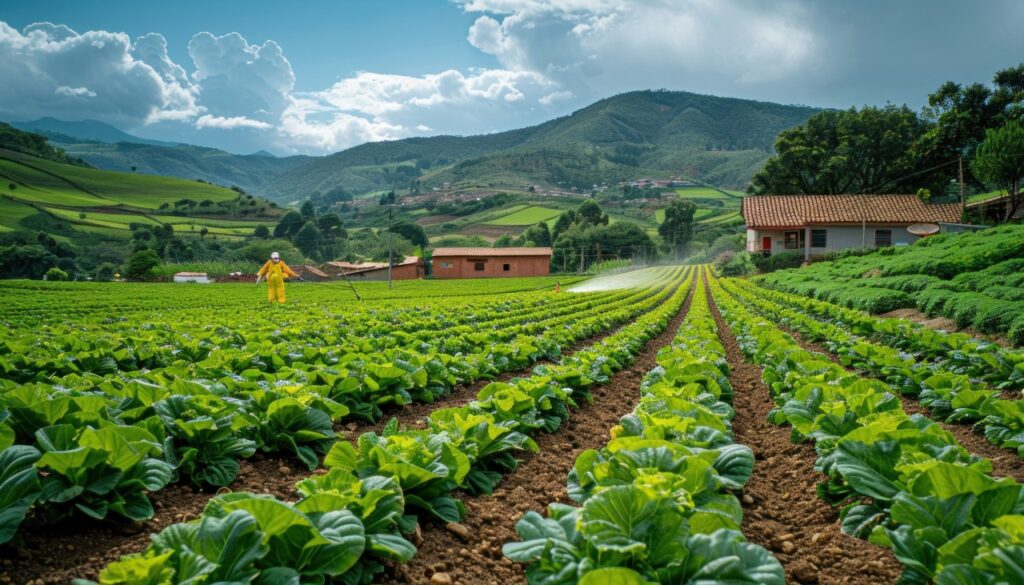
Organic fields rarely exist in isolation. Pesticide drift from nearby conventional farms can move through wind, spray bounce, or water runoff and settle on certified organic crops. This movement challenges the idea that farm boundaries fully protect organic fields.
Drift can happen suddenly after nearby spraying or slowly over time in mixed farming regions. Buffer zones and regulations reduce risk, but they cannot stop all movement, especially during unpredictable weather conditions.
Farmers and certifiers manage drift through testing, documentation, and communication. Still, in areas with dense agriculture, the possibility of outside contamination remains a real and ongoing concern.
3. Old Chemicals Can Linger in Soil
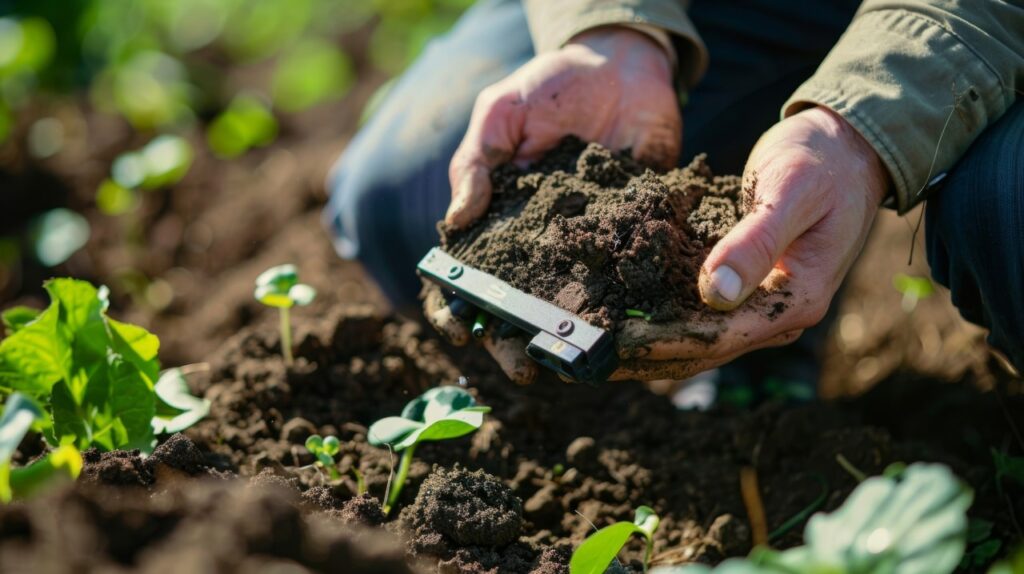
Soil carries a record of past farming practices. Some synthetic pesticides and their breakdown products persist for years, releasing residues that crops can absorb even after a farm transitions to organic methods. Present harvests can still reflect earlier chemical use.
How long these chemicals last depends on the compound, climate, and soil biology. Certain substances resist microbial breakdown, especially in colder or drier soils. Poor drainage and low organic matter can extend their persistence.
This explains why organic certification requires multi-year transition periods. Legacy chemicals are a reason land is not instantly clean once practices change. Time and biological activity are needed to reduce older residues.
4. Organic Doesn’t Mean Untreated, It Means Different Inputs
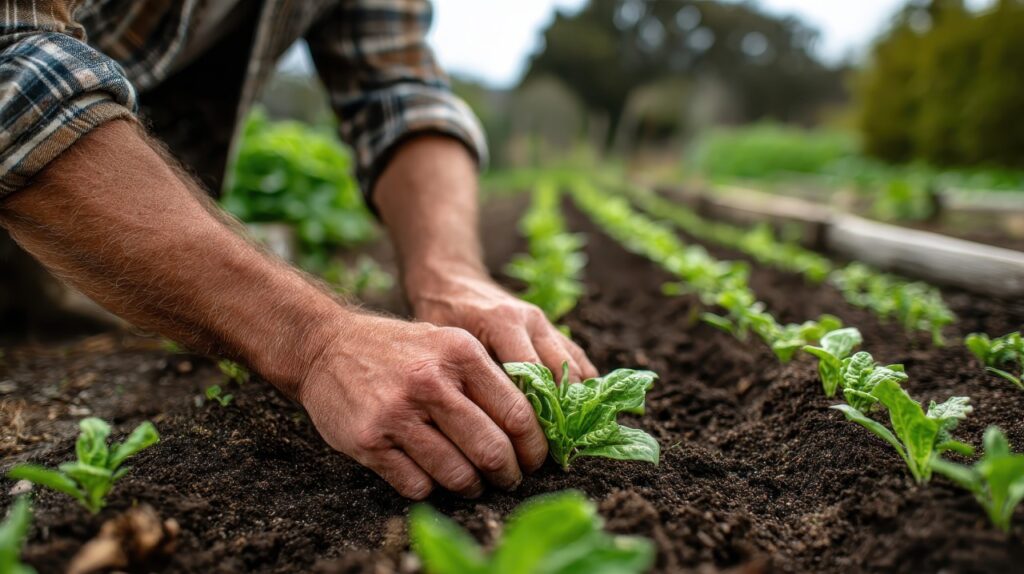
Organic farming still requires active crop protection. Farmers manage pests, disease, and weeds using approved inputs, biological controls, and mechanical methods instead of conventional synthetic chemicals. Without intervention, crop losses would rise.
Some organic-approved materials are broad in effect or remain active in the environment. Others can affect beneficial insects or soil organisms if overused, creating trade-offs rather than eliminating risk.
Choosing organic changes which risks are accepted, not whether risk exists. It reduces reliance on certain synthetics but still involves deliberate intervention. The difference lies in the tools used.
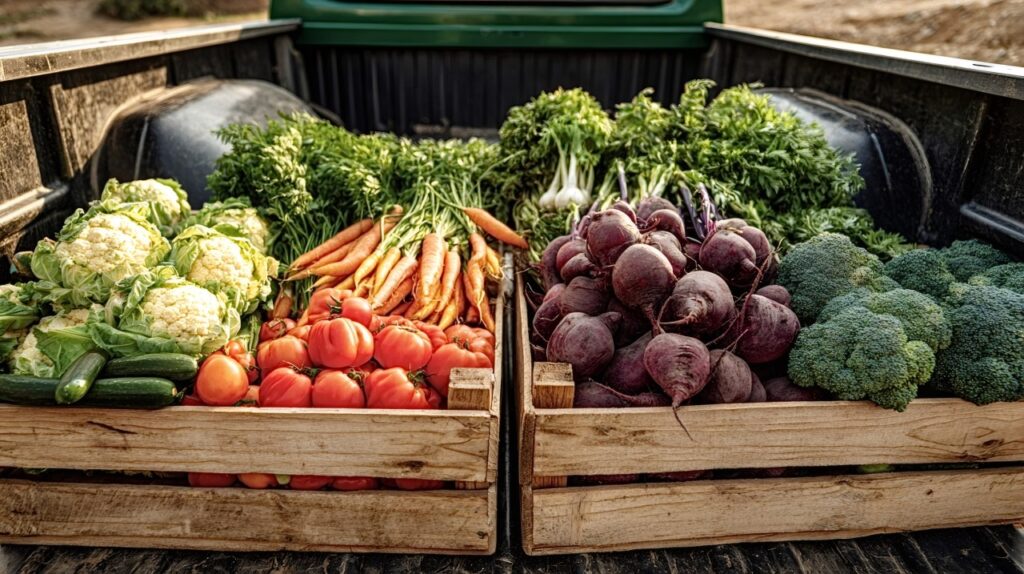
Farming is only the first step. After harvest, organic produce often moves through packing houses, trucks, and storage facilities that also handle conventional food. Shared equipment can transfer residues if cleaning is incomplete. These steps happen far from the farm itself.
Not all facilities have the same infrastructure or separation protocols. Smaller operations may struggle to fully isolate organic products during busy harvest periods. Time pressure can limit thorough sanitation between loads.
Because of this, the organic label reflects farm practices more than post-harvest handling. Supply-chain hygiene plays a major role in final cleanliness. What happens after harvest can shape the end result as much as growing methods.
6. Certification Rules and Enforcement Have Gaps
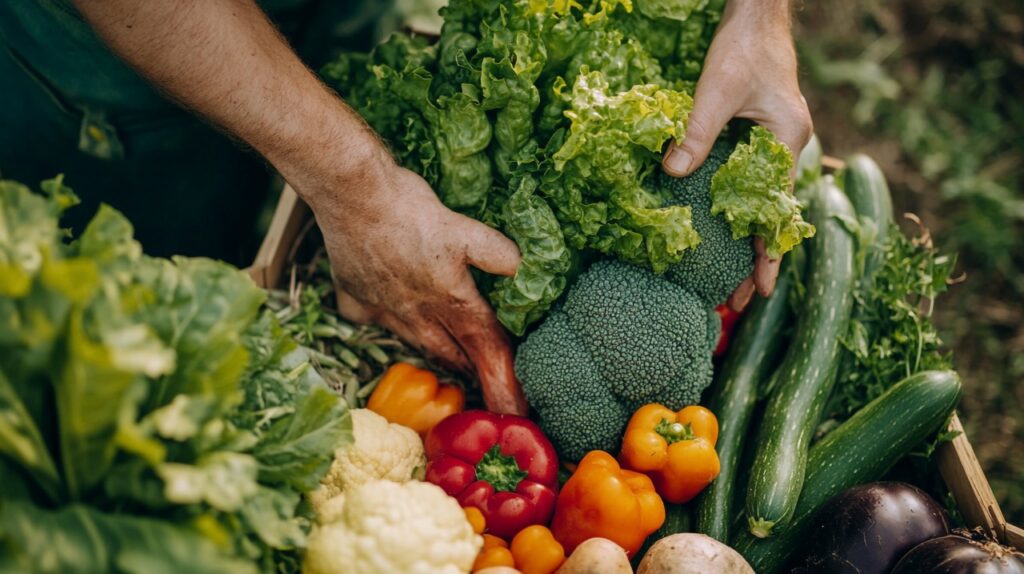
Organic certification relies on inspections and records, not constant testing of every shipment. Rules vary by country, and enforcement depends on inspection frequency, funding, and traceability systems. This creates uneven oversight across regions.
Certification includes exceptions, transition periods, and inspector judgment. In complex supply chains, these factors can create room for error or misrepresentation. Documentation accuracy becomes especially important in these cases.
Oversight has improved in recent years, but no system is flawless. Certification signals standards were followed, not that problems are impossible. It reflects compliance, not perfection.
7. Natural Inputs Can Be Harmful When Misused
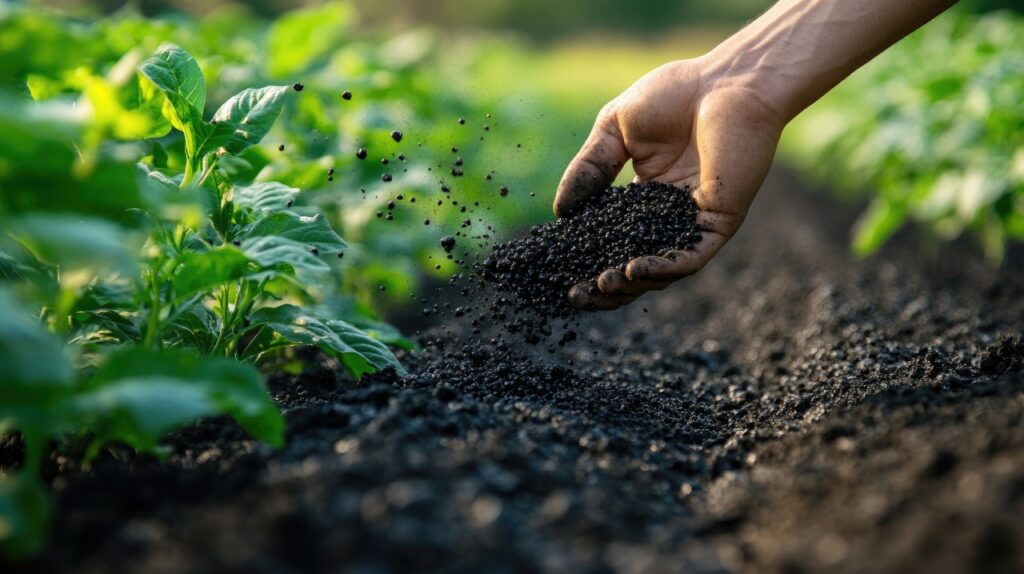
Natural origin does not guarantee low impact. Many organic-approved substances are biologically active and can affect insects, soil life, or water systems if applied heavily or repeatedly. Dose and frequency strongly influence outcomes.
Farmers must balance effectiveness with environmental protection. Overuse increases risk, even with approved materials, which is why organic systems emphasize careful timing and moderation. Misuse can undermine long-term soil health.
Knowing how often and why an input is used matters more than whether it is labeled natural. Context determines whether an input helps or harms an ecosystem.
8. Imported Organic Goods Can Be Harder to Verify
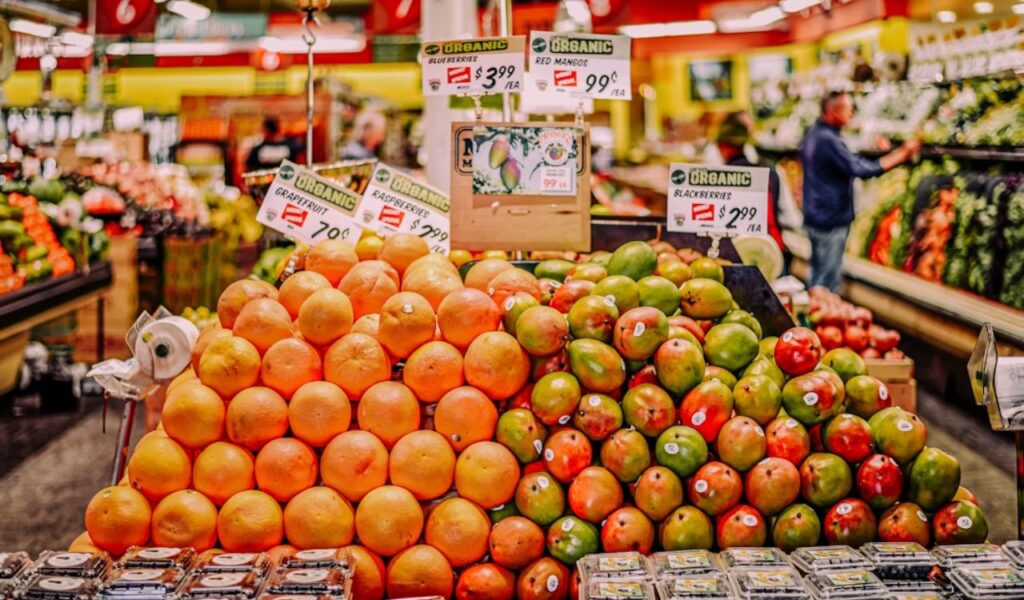
Global supply chains complicate organic verification. Imported products often pass through multiple handlers, brokers, and certification systems before reaching store shelves. Each transfer increases reliance on paperwork rather than direct, physical oversight.
Inspection standards and enforcement resources vary widely by region. This makes fraud and mislabeling harder to detect, especially in long or opaque supply chains. Distance weakens accountability and slows corrective action.
For stricter assurance, shorter supply chains help reduce uncertainty. Transparent sourcing and local oversight improve traceability more effectively than labels alone.
9. Cleanliness Depends on Handling, Water, and Hygiene
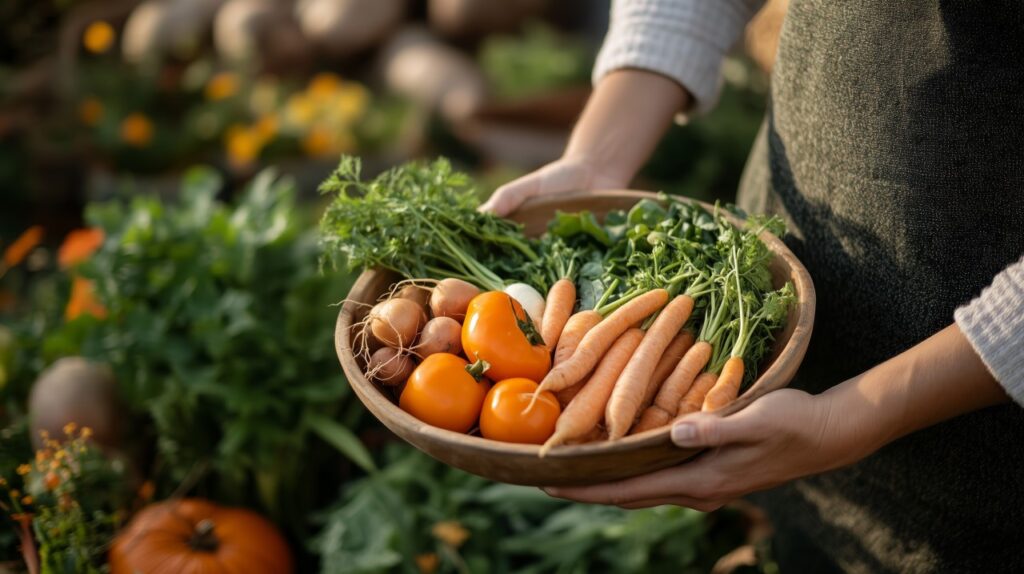
Clean food depends on more than how it is grown. Water quality, worker hygiene, storage temperature, and sanitation strongly influence contamination risk. These factors affect all food, whether organic or conventional. Small lapses can undo good farming practices.
Many food safety problems arise from handling rather than pesticide use. A well-managed conventional operation can sometimes produce cleaner food than a poorly managed organic one. Oversight and training matter deeply.
Organic labels describe farming inputs, not cleanliness. Post-harvest practices remain critical to safety. Clean food depends on systems, not symbols.