8 Weird Canned Foods From Around the Globe That Will Make You Gag

Canned foods usually feel safe and familiar. They sit quietly on pantry shelves, valued for convenience and long shelf life, and rarely spark curiosity. Most people expect them to be predictable and unremarkable.
Around the world, though, cans hold far more than simple meals. They preserve intense smells, unusual textures, and ingredients that challenge cultural comfort zones. Preservation doesn’t soften these foods; it often amplifies their most extreme qualities.
These eight examples show how global food traditions meet modern packaging. Some are celebrated delicacies, others survival staples, but all reveal how strongly culture shapes what we consider edible.
1. Surströmming (Sweden)

Surströmming is one of those foods that announces itself before you ever see it. The canned herring is lightly salted and left to ferment for months, allowing bacteria to break down proteins and release powerful sulfur compounds. The can continues to build pressure over time, which is why bulging tins are common and opening them indoors is strongly discouraged.
The smell is the main shock. It is often compared to rotten eggs or spoiled dairy, yet the fish itself is not unsafe when properly prepared. Canning preserves the fermentation rather than stopping it, locking in both flavor and odor.
Despite its reputation, surströmming is deeply traditional. It is typically eaten outdoors with flatbread, potatoes, and onions. For locals, it represents heritage and seasonal ritual, even if outsiders struggle to get past the smell.
2. Balut (Philippines)
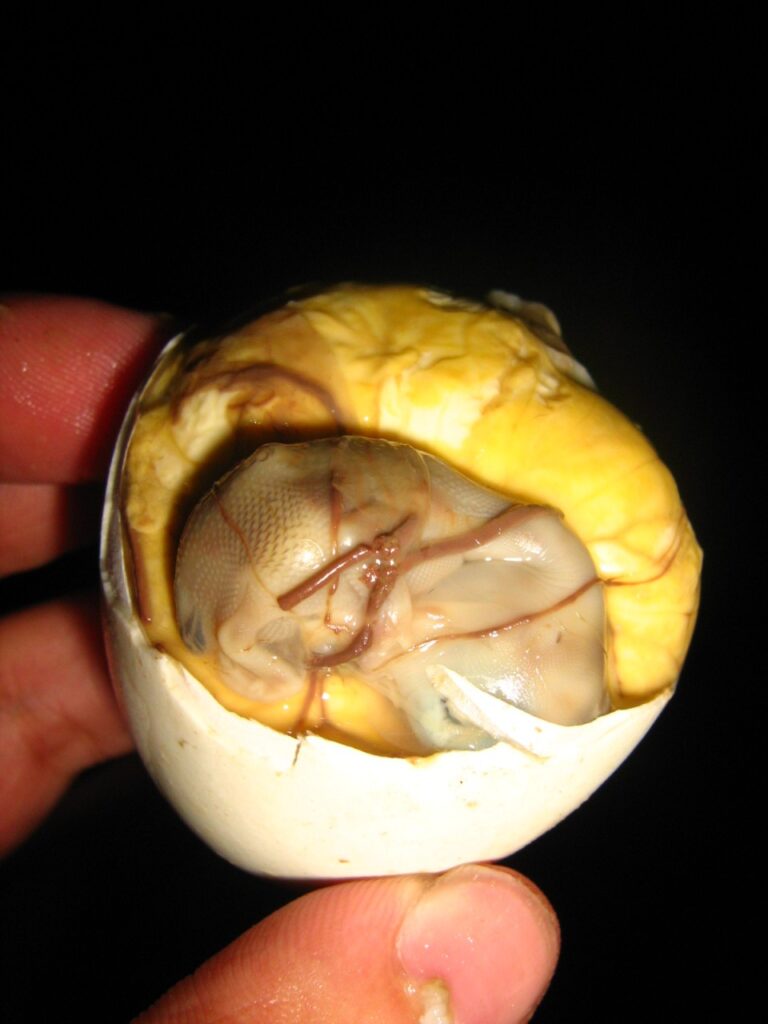
Balut challenges expectations from the moment the shell is cracked. It is a fertilized duck egg incubated until the embryo partially develops, then cooked and eaten directly. Inside, textures range from broth-like liquid to firm yolk and visible embryonic features, depending on incubation time.
In the Philippines, balut is everyday street food valued for being filling, affordable, and energizing. It is often eaten at night and seasoned simply with salt or vinegar. The shock many outsiders feel is tied more to appearance than to flavor.
Preserved or jarred balut exists for wider distribution, but strict handling is essential. The same warm conditions that allow embryo growth can also support bacteria if hygiene fails. What feels extreme to some is normal nourishment to others.
3. Silkworm Pupae (South Korea)

Silkworm pupae, known as beondegi, are a common Korean snack with a long history. They are a byproduct of silk production and are often canned or steamed for convenience. When heated, they release a strong aroma that many describe as earthy or sulfur-like, which can be surprising to first-time eaters.
Texture plays a major role. The outer shell is firm while the inside is soft and slightly creamy. Seasonings like soy sauce, garlic, or chili are often added to balance the flavor and make the snack more approachable.
Beyond taste, beondegi is nutritionally dense, providing protein and fats with a small environmental footprint. Canning extends shelf life but can intensify smell, making reactions depend heavily on cultural familiarity.
4. Century Eggs (China)
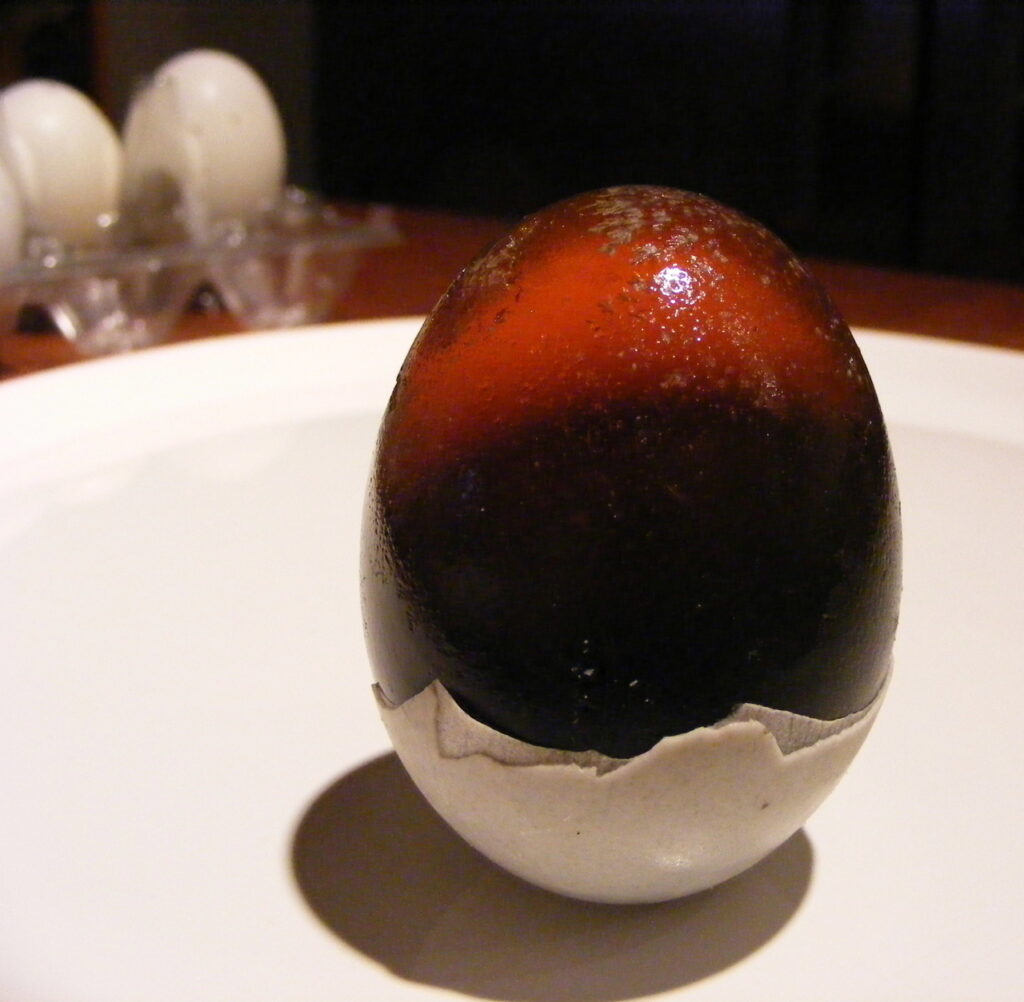
Century eggs are preserved eggs transformed through controlled chemical reactions. Over time, the whites turn dark and jelly-like while the yolks become creamy and pungent. Modern production uses precise methods to ensure safety and consistency, often followed by canning for distribution.
The aroma is sharp and mineral-heavy, which can be intimidating. The flavor, however, is complex and savory rather than spoiled. Century eggs are commonly sliced into congee or cold dishes where their intensity is balanced by mild ingredients.
For those unfamiliar with them, appearance alone can trigger discomfort. Yet in Chinese cuisine, century eggs are respected for their depth and texture. Preservation keeps them stable but removes the cultural context that often helps people appreciate them.
5. Escamoles (Mexico)
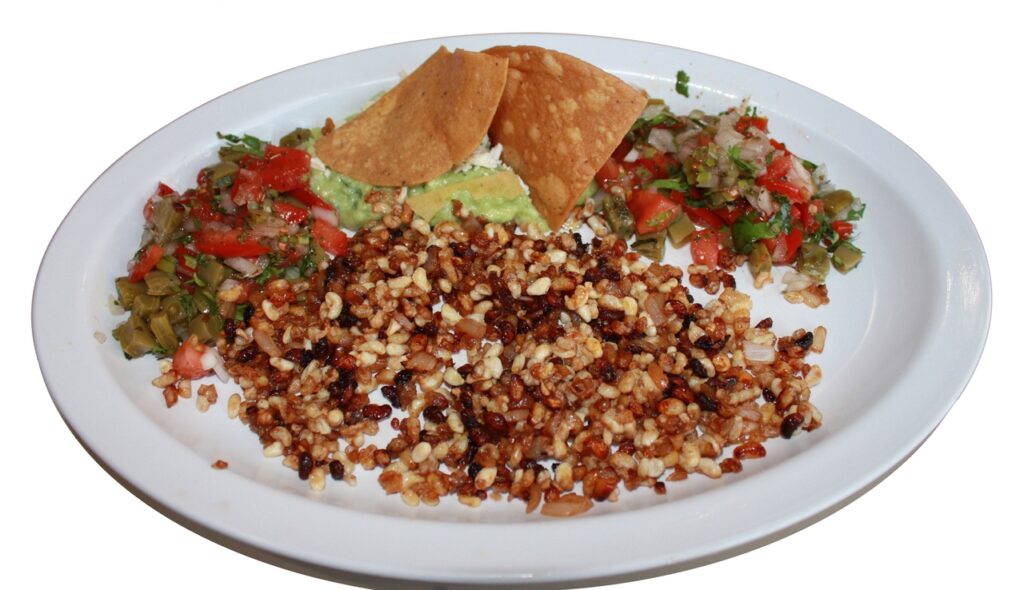
Escamoles are ant larvae harvested from agave roots and long considered a delicacy in Mexico. Traditionally seasonal and labor-intensive to collect, they are prized for their buttery flavor and soft, slightly grainy texture. When canned, escamoles become available year-round.
Cooking usually involves sautéing them with butter, garlic, or chilies, highlighting their richness rather than hiding it. Nutritionally, they provide protein and fats similar to more familiar animal products.
For many outside Mexico, the idea of eating larvae is unsettling. Seeing them preserved in a tin removes the ceremonial and culinary context, turning a respected ingredient into something that feels shocking rather than refined.
6. Tuna Eyeballs (Japan)
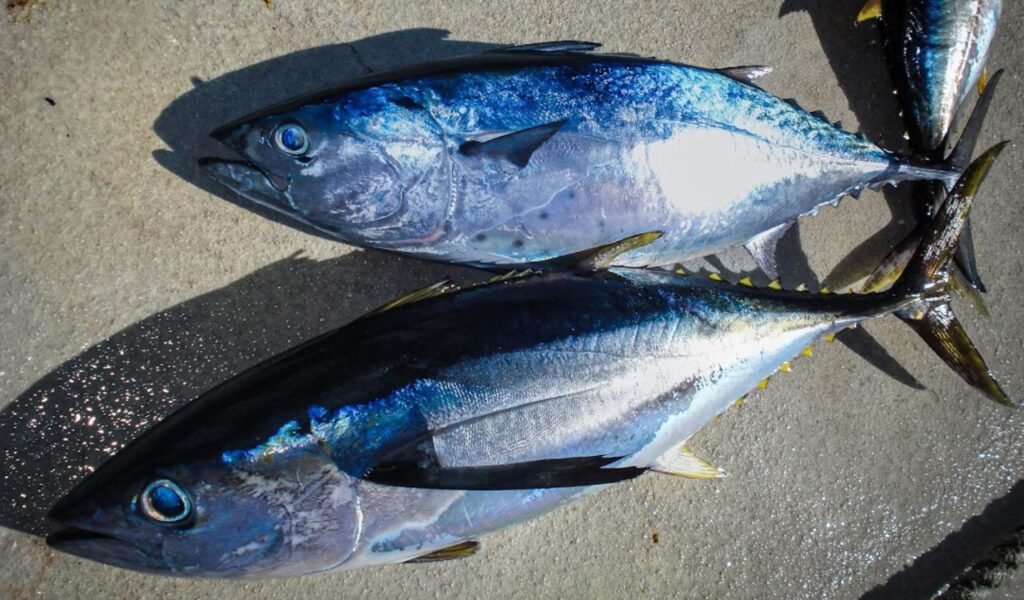
Tuna eyeballs are used as part of whole-fish cooking traditions. Large and gelatinous, they are sometimes sold canned or jarred in brine. When cooked, the texture softens dramatically and the flavor becomes mild, similar to rich fish stock or marrow.
In Japan, using every edible part of the fish reflects respect for resources. Tuna eyeballs contain collagen and fats that contribute to their appeal within traditional dishes.
For many outsiders, the visual impact is the biggest hurdle. Canning makes preparation easier but does not disguise the form. This food highlights how cultural norms define what is considered edible or off-putting.
7. Fried Grasshoppers (Thailand)
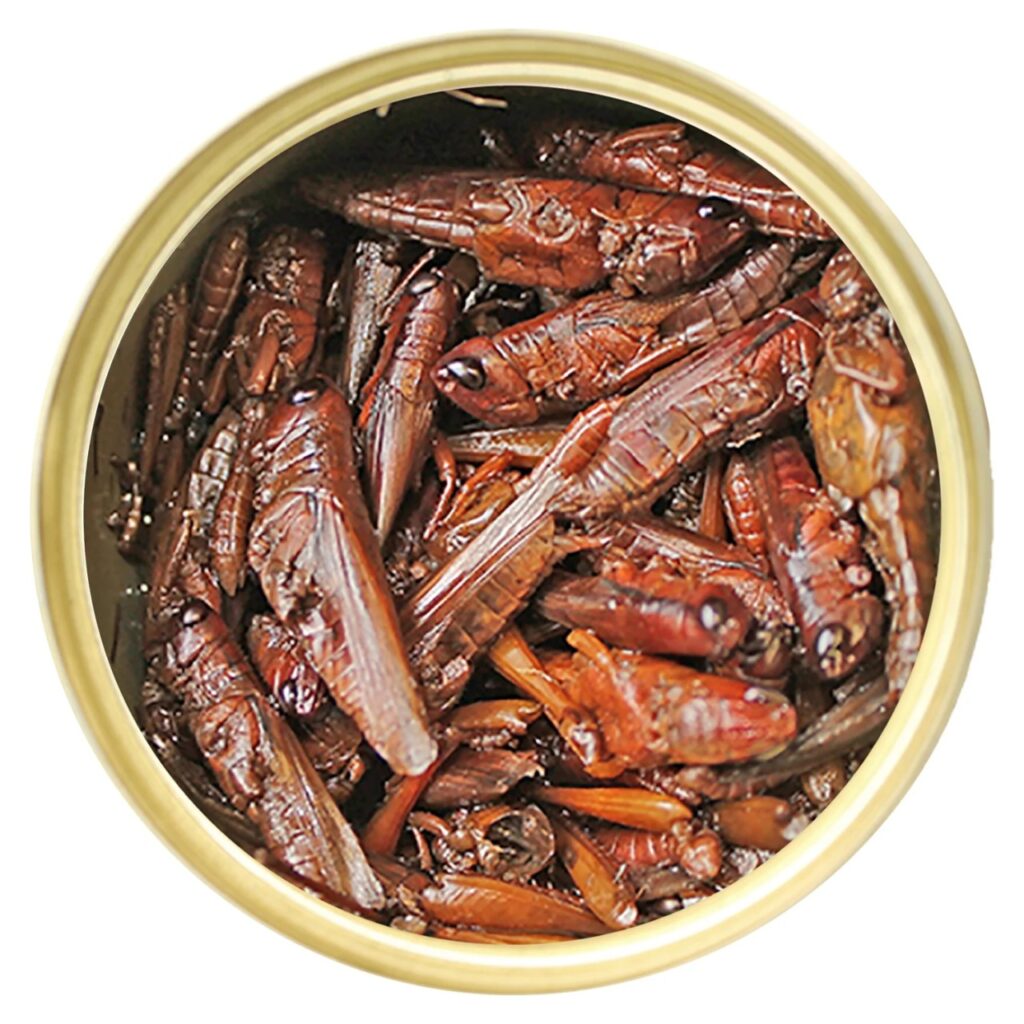
Fried grasshoppers are eaten as snacks in parts of Thailand and are sometimes preserved in cans or jars to extend shelf life. They are seasoned with salt, chili, or lime and valued for their crunch rather than subtle flavor.
Insects are efficient protein sources, requiring far less land and water than livestock. Grasshoppers fit well into local food systems and have been eaten for generations.
For those unfamiliar with insect foods, seeing whole bodies can provoke an immediate gag response. Preservation allows wider distribution, but acceptance still depends heavily on exposure and cultural openness.
8. Cod Liver (Iceland)
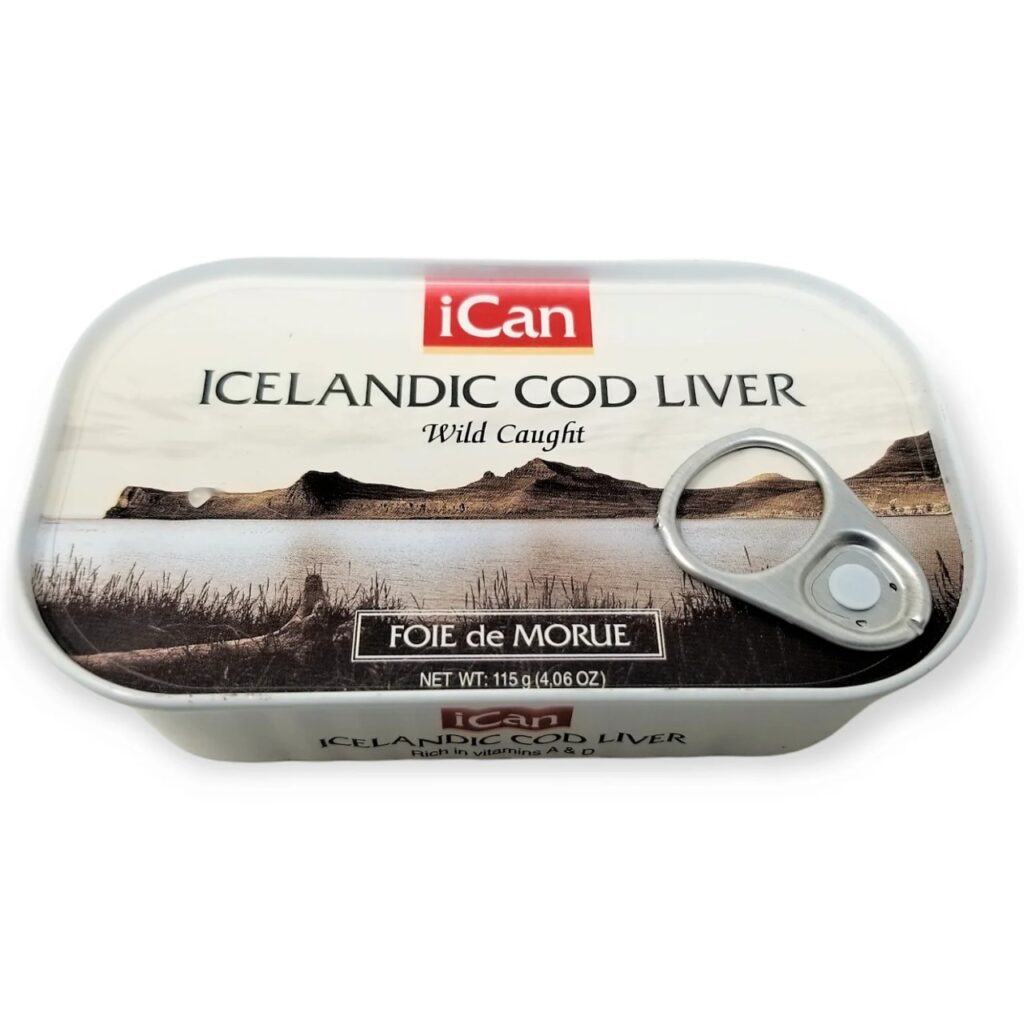
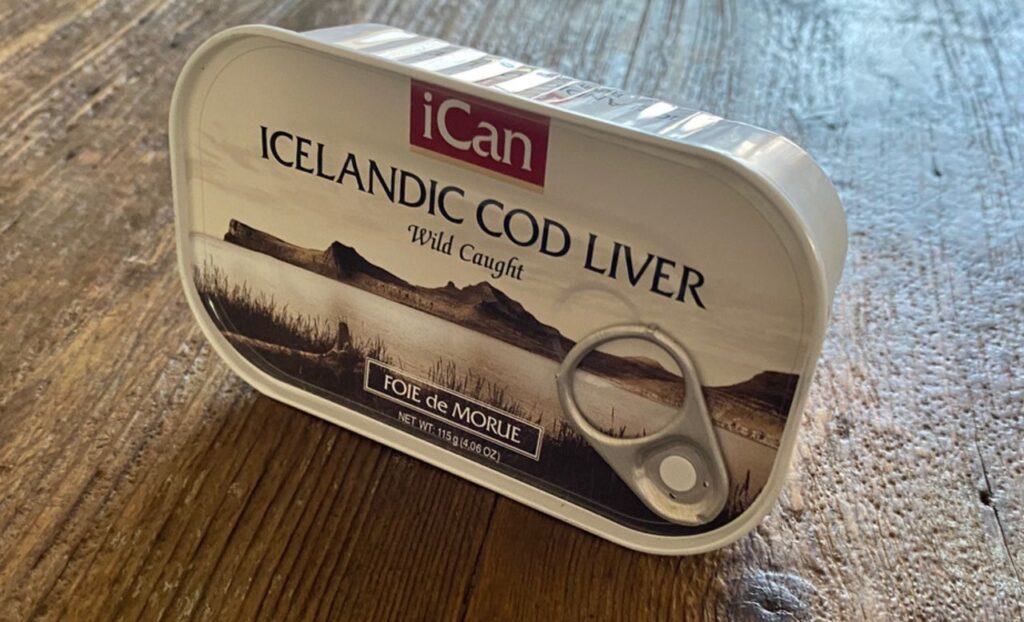
Cod liver is a traditional Icelandic food preserved by canning it in its own oil or brine. The result is a soft, oily product with a strong marine aroma and very rich mouthfeel. Historically, it provided essential nutrients in regions with limited fresh produce.
The liver is especially high in omega fats and fat-soluble vitamins, which explains its role in traditional diets. Texture and intensity set it apart from standard fish products.
For those unaccustomed to organ meats, cod liver can be hard to accept. Yet its continued use reflects practicality and nutrition rather than shock value, even if modern palates find it challenging.