9 Ingredient Decisions That Changed How American Food Feels

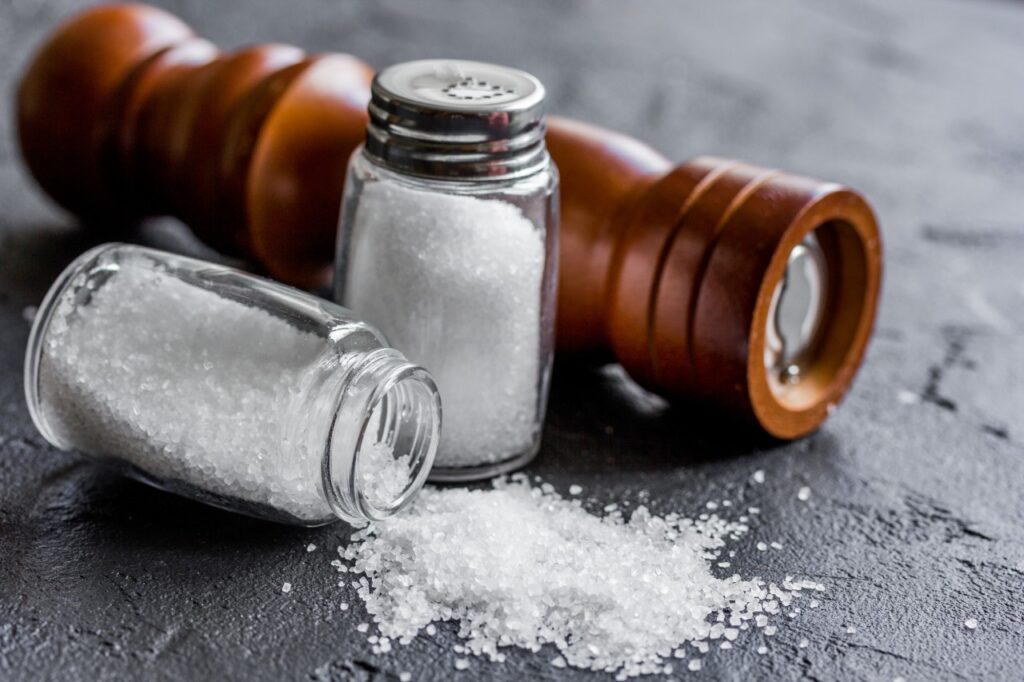
Ingredients rarely make headlines, yet they quietly reshape how food feels in your mouth. A swap in sweetener, a new stabilizer, or a different fat source can change texture long before you notice a shift in flavor.
Over the past few decades, American food manufacturing has leaned into efficiency, shelf life, and consistency. These decisions solved real problems, from spoilage to cost control, but they also adjusted how foods melt, spread, thicken, and linger.
This list looks at the ingredient choices that subtly transformed everyday eating. Not with dramatic overhauls, but with small, strategic changes that permanently altered how familiar foods feel on the palate.
1. High-Fructose Corn Syrup

Sweetness in America shifted quietly when high-fructose corn syrup became a dominant sweetener. Unlike granulated sugar, HFCS is a liquid blend of glucose and fructose that mixes seamlessly into sodas, sauces, and baked goods.
Because it is already dissolved, it distributes evenly and delivers sweetness quickly across the palate. Its cost stability and ease of transport made it attractive for large-scale production, especially in beverages.
The change did not just affect nutrition debates. It subtly altered mouthfeel and sweetness perception, creating products that often taste smoother and more immediately sweet than those made with crystalline sugar.
2. Hydrogenated Oils
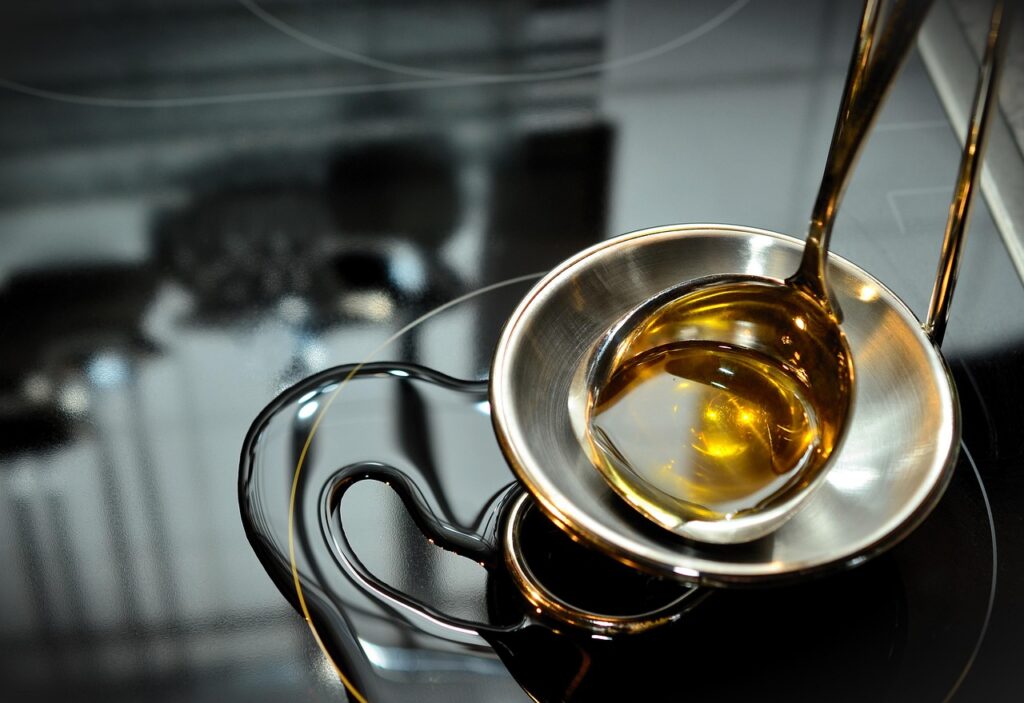
Texture became more engineered when hydrogenated oils entered mainstream food production. By adding hydrogen to vegetable oils, manufacturers created semi-solid fats that resist spoilage and remain stable at room temperature.
These fats transformed baked goods. Frostings held their shape, crackers stayed crisp, and packaged pastries maintained softness for extended periods. The structure was reliable and consistent across batches.
Compared to traditional butter or lard, hydrogenated oils produce a smoother, sometimes waxier mouthfeel. The shift changed how many processed foods feel on the tongue, even before health concerns reshaped their use.
3. Corn-Based Thickeners
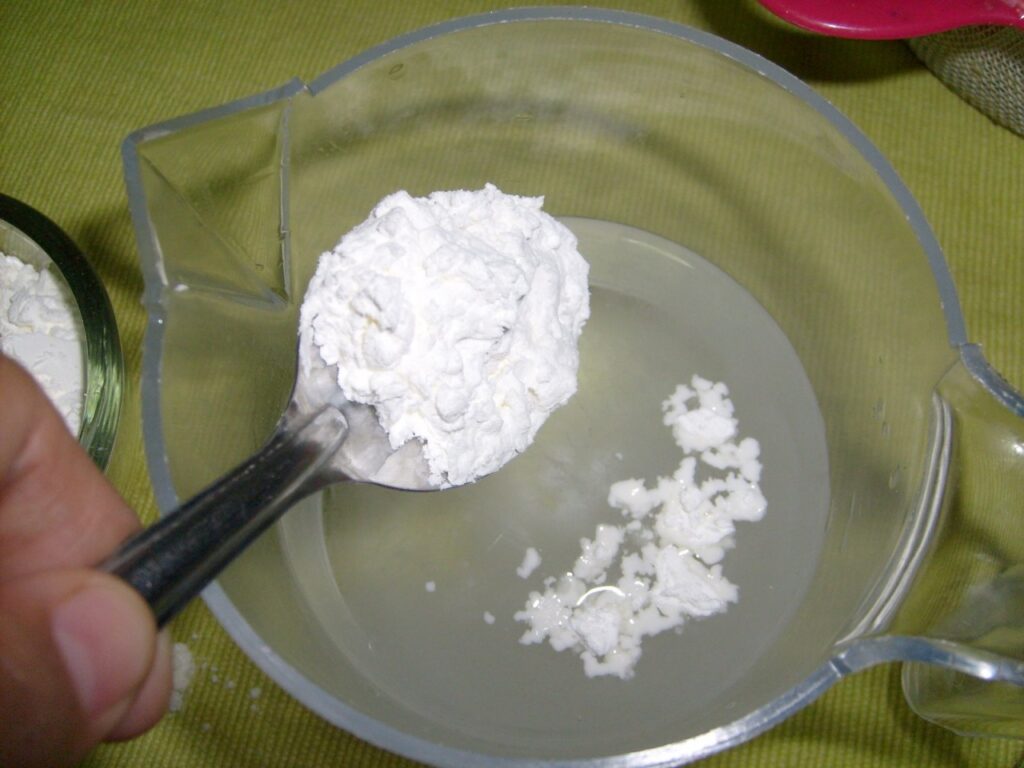
Thick sauces once depended on time. A flour-based roux had to cook gently, and reductions required steady simmering to concentrate flavor while building body. Texture and depth developed together through heat and patience.
Cornstarch and modified food starch simplified that equation. When mixed with liquid and heated, they thicken quickly and predictably, creating gloss and viscosity within minutes. This reliability made them ideal for large-scale production.
The efficiency is undeniable. Yet starch-based thickening often produces a smoother, slightly gel-like texture that can feel less layered than sauces built through longer cooking and gradual flavor concentration.
4. Soy Lecithin
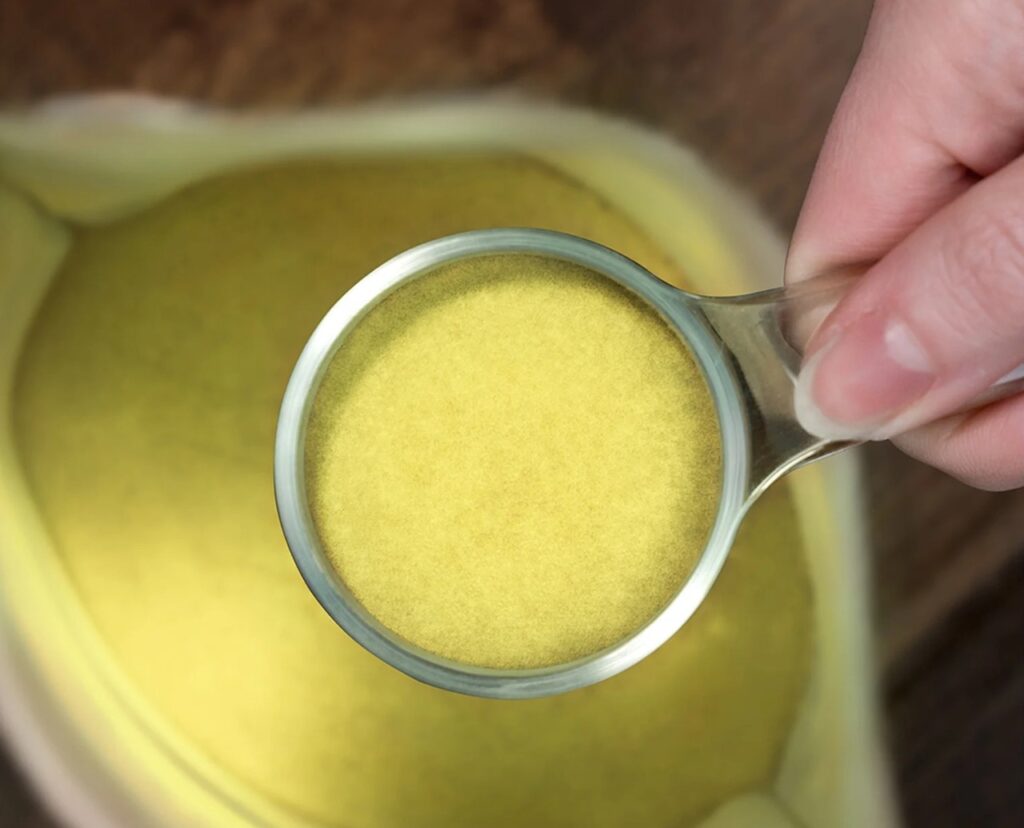
Soy lecithin works quietly behind the scenes. As an emulsifier, it allows fat and water to remain evenly blended, preventing separation in chocolate, margarine, dressings, and baked goods. This stability is essential for products that must travel and sit on shelves.
In chocolate manufacturing, lecithin reduces viscosity during mixing and molding. That efficiency can allow producers to use slightly less cocoa butter while maintaining smooth flow and consistent texture from batch to batch.
Even in small amounts, lecithin affects mouthfeel. Chocolate may feel silkier yet melt at a slightly different rate, subtly influencing how cocoa flavors spread and how long they linger.
5. Artificial Vanilla Flavor
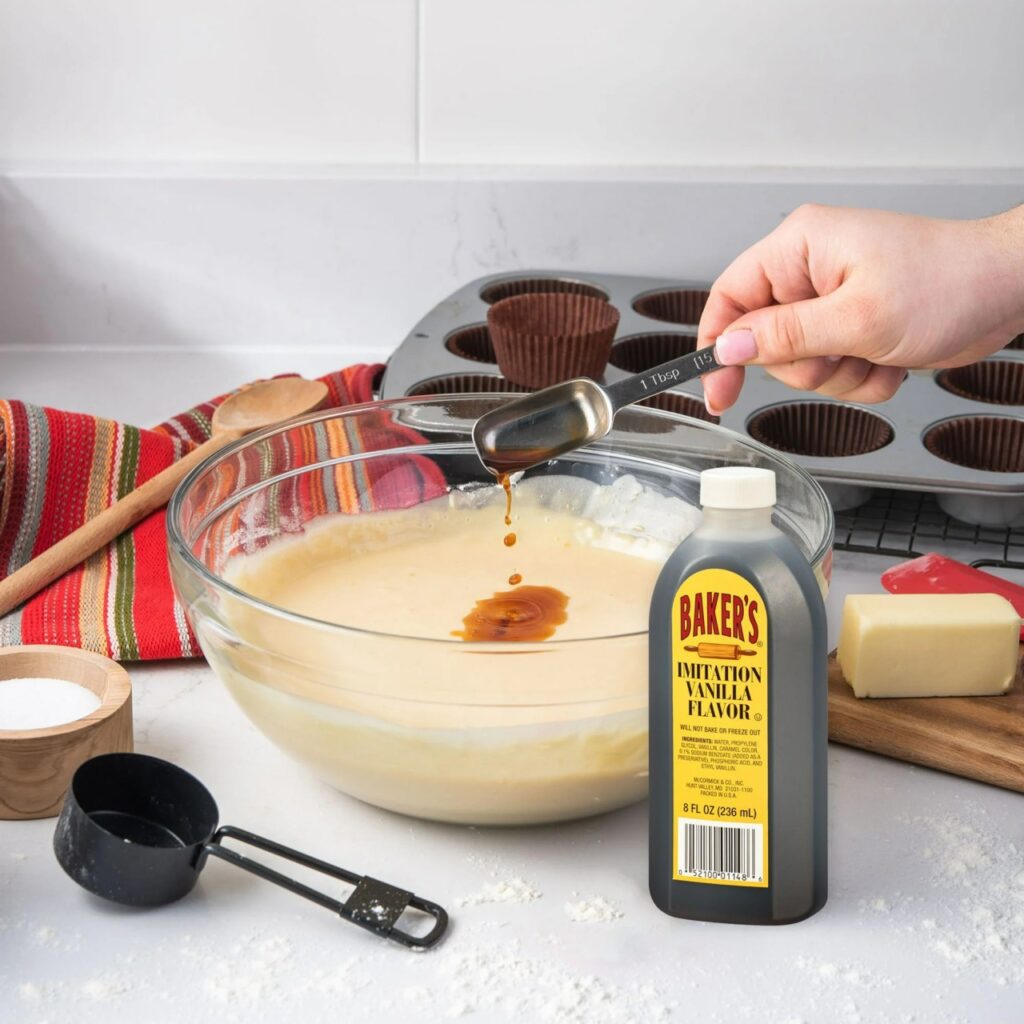
Vanilla flavor became more uniform when synthetic vanillin replaced or supplemented natural extract in many products. Vanillin reproduces the primary aromatic compound found in vanilla beans at a fraction of the cost.
Natural vanilla extract contains hundreds of additional compounds that contribute depth, warmth, and faint floral notes. Artificial versions focus on a narrower chemical profile, emphasizing a clear and direct sweetness.
The taste is familiar and consistent. However, foods flavored mainly with synthetic vanilla often feel sharper and less layered than those made with full-spectrum vanilla extract.
6. Whey Protein Additions
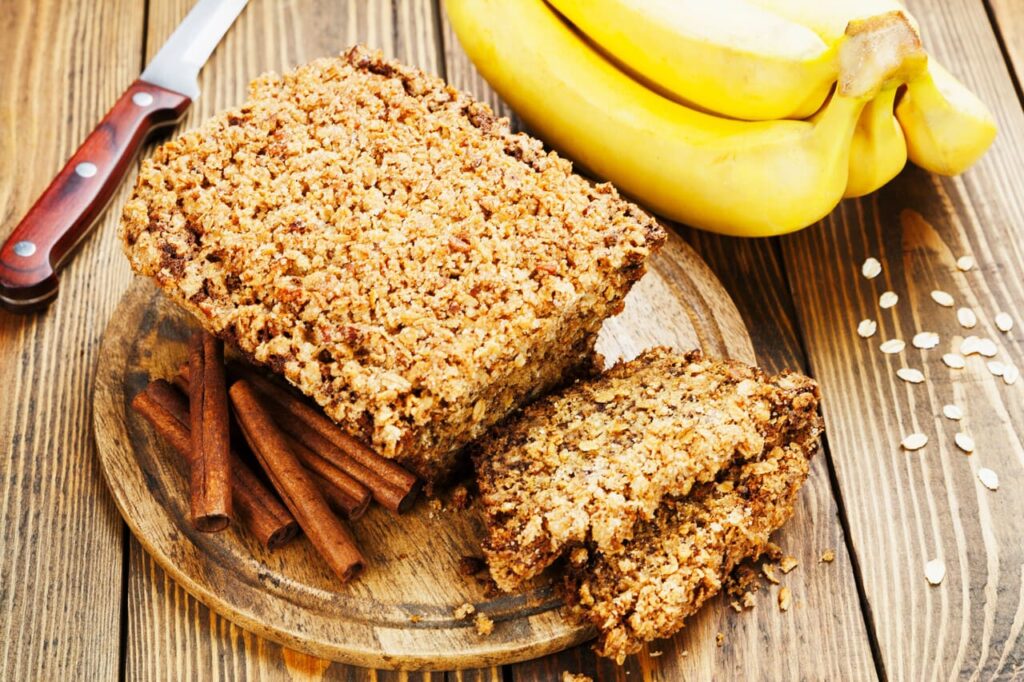
Protein fortification reshaped the structure of many packaged foods. Whey protein, a byproduct of cheese production, is now blended into breads, cereals, snack bars, and drinks to raise protein content without dramatically increasing volume.
In baked goods, whey competes for moisture and interacts with gluten networks. This can tighten crumb structure, reduce tenderness, and create a slightly denser or firmer bite compared to traditional formulations.
The nutritional appeal is clear for consumers seeking higher protein. Yet that boost often changes chew and mouthfeel, subtly altering how familiar foods break apart and feel during eating.
7. Xanthan Gum
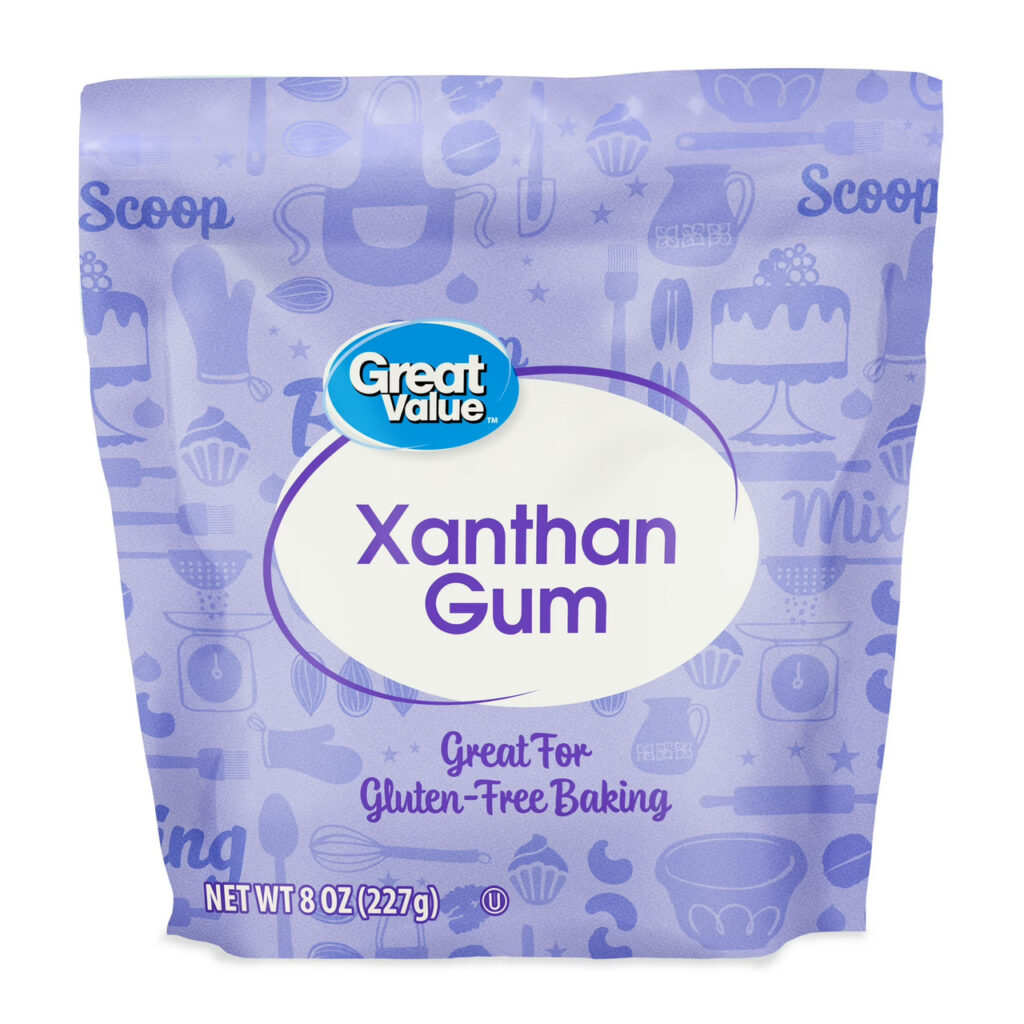
Xanthan gum delivers thickness with remarkable efficiency. Produced through fermentation, it stabilizes mixtures and prevents separation even in small quantities and across temperature shifts.
In salad dressings and sauces, it creates a uniform, clingy texture that coats ingredients evenly. In gluten-free baking, it replaces some of the elasticity normally provided by gluten, helping dough hold structure.
Its performance improves shelf stability and consistency. However, xanthan produces a cohesive, slightly elastic viscosity that feels different from flour-based thickeners, influencing how foods spread and sit on the palate.
8. Non-Dairy Creamers
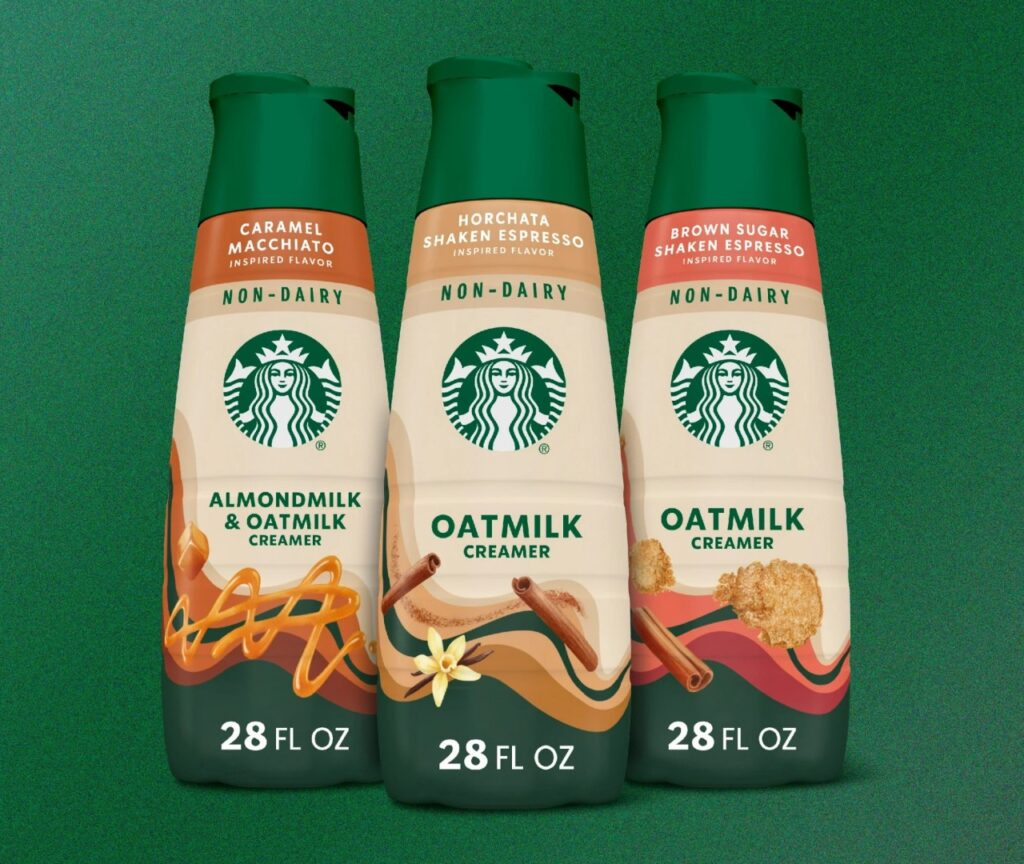
Non-dairy creamers were designed for practicality. Made from vegetable oils, corn syrup solids or other sweeteners, and emulsifiers, they remain shelf-stable and resist spoilage far longer than fresh dairy cream.
Unlike real cream, which relies on milk fat and proteins to create a natural emulsion in hot coffee, non-dairy versions depend on added stabilizers to stay blended. These ingredients control separation and ensure a uniform appearance in every cup.
They lighten coffee and add sweetness consistently. However, the texture can feel thinner or slightly slick compared to dairy cream, subtly changing how the beverage coats the palate and how long richness lingers after each sip.
9. Reduced-Sodium Formulas
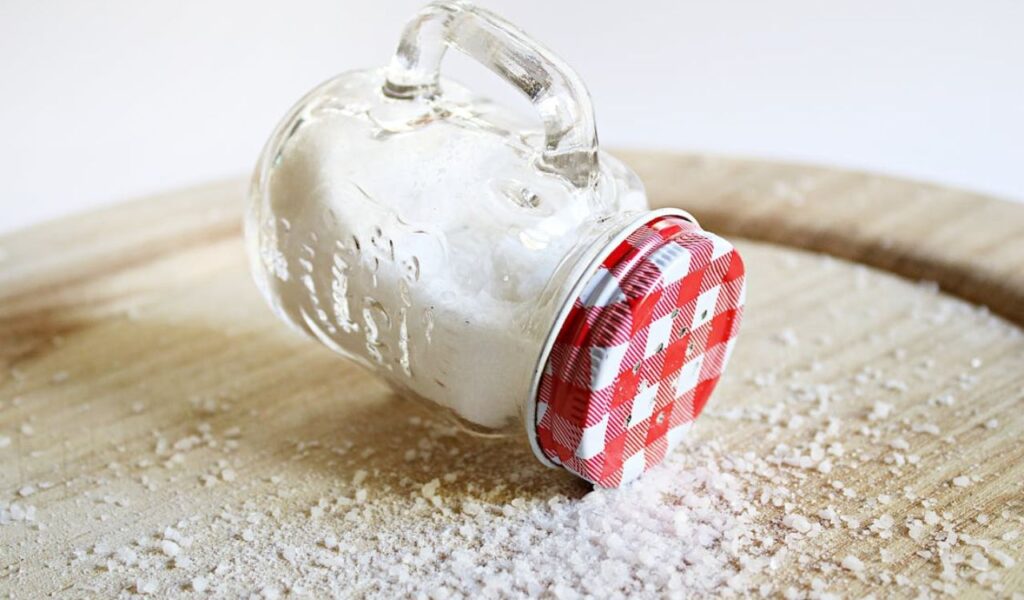
Salt shapes more than saltiness. It enhances sweetness, suppresses bitterness, and strengthens savory notes by influencing how taste receptors respond to other compounds present in food.
When manufacturers lower sodium levels, those interactions shift. Even if the ingredient list remains largely the same, flavors may seem less integrated because salt helps amplify and connect individual taste elements.
The result often feels cleaner but also milder. Reduced sodium does not simply trim intensity. It alters the structure of flavor perception, softening the boldness many consumers associate with classic packaged foods.