Changing Work Patterns Are Quietly Disrupting Traditional Breakfast Food Demand


Breakfast has long been considered a fixed part of the daily routine, but that structure is beginning to shift. Changing work patterns, flexible schedules, and evolving lifestyles are altering how people approach their first meal of the day. Many consumers are moving away from traditional sit-down breakfasts toward quicker, more adaptable options. Others are skipping breakfast altogether or replacing it with snacks and beverages. These subtle changes are quietly reshaping demand across the food industry, signaling a broader transformation in how morning eating habits are defined.
The Decline of the Morning Routine

Mornings no longer follow the same predictable rhythm they once did. Traditional breakfast habits were built around fixed schedules, where people woke up, prepared a meal, and ate before leaving home. Today, that structure has weakened as work patterns become more flexible. Without a strict start time, many people no longer feel the need to sit down for a full breakfast. This shift has quietly reduced the importance of morning meals in daily routines. The absence of routine changes how people think about their first meal. It also reduces the likelihood of consistent breakfast habits. This shift reflects broader lifestyle changes.
Flexible schedules have introduced variability into everyday behavior. Some people wake up later, while others begin work immediately after getting out of bed. This change leaves little room for preparing or eating a traditional meal. Instead of planning breakfast, people often delay eating until they feel hungry. This shift moves breakfast away from being a fixed event. It becomes something optional rather than essential. The idea of breakfast as a daily ritual is slowly fading. This change affects how food is purchased and consumed. People adapt their eating habits to match their schedules. This flexibility reshapes consumption patterns.
The decline of routine also impacts food categories linked to breakfast. Items that require preparation or time are used less frequently. Consumers are less likely to commit to a meal that feels structured. Instead, they look for flexibility in their choices. This behavioral shift reduces demand for traditional breakfast formats. It signals a broader change in how meals are defined. Morning eating is becoming more adaptable. This flexibility continues to reshape demand patterns. Products must now fit into changing routines. Convenience becomes a key factor in selection. Traditional formats struggle to stay relevant.
The Rise of On-The-Go Eating

Morning eating is becoming faster and more practical. As schedules tighten or become unpredictable, people look for foods that fit into a limited time. Portable options such as bars, pastries, and ready-to-drink beverages are becoming more common. These foods require little preparation and can be consumed while commuting or working. Convenience has become the primary driver of breakfast choices. Speed is now more important than tradition. This shift is changing what people consider a suitable morning meal. Eating becomes part of movement rather than a separate activity. Consumers prioritize ease over preparation.
The appeal of on the go eating lies in its simplicity. Consumers do not need to plan or prepare in advance. A quick purchase or grab from the kitchen is enough to start the day. This ease makes portable foods more attractive than traditional meals. It also aligns with changing work habits where time is less structured. Eating becomes something that fits into other activities rather than a separate event. This integration into daily life increases the demand for convenience. Minimal effort becomes a key advantage. Consumers prefer options that require no preparation. This behavior supports growth in ready-to-eat products.
Food companies have responded by expanding portable product options. Packaging is designed for easy handling and quick consumption. Products are marketed as efficient solutions for busy mornings. This focus on convenience continues to drive growth in this category. It reflects a shift in priorities among consumers. Practicality now outweighs routine. This trend is expected to continue as lifestyles evolve. Innovation focuses on portability and ease of use. Product design supports mobility and flexibility. Brands emphasize speed and accessibility. This approach aligns with changing consumer needs.
The Breakfast Skipping Trend
Skipping breakfast is becoming more common across different age groups. Many people no longer feel the need to eat immediately after waking up. Changes in sleep patterns and work schedules contribute to this behavior. Some individuals prefer to delay eating until later in the day. This shift reduces the importance of breakfast as a mandatory meal. It changes how food demand is distributed across the day. Morning consumption is no longer guaranteed. Eating patterns become more flexible. Hunger cues replace fixed routines. This change reflects evolving lifestyles. Breakfast becomes optional rather than essential.
Time pressure also plays a role in this trend. Busy mornings leave little opportunity for meal preparation. Instead of rushing to eat, people choose to skip breakfast altogether. This decision is often practical rather than intentional. It reflects changing priorities in daily routines. Convenience and time management take precedence over traditional eating patterns. This behavior continues to influence food consumption habits. Efficiency becomes more important than routine. People prioritize tasks over meals. This shift reduces reliance on structured eating. It also affects overall food demand.
In some cases, breakfast is replaced by smaller alternatives. Coffee, smoothies, or light snacks become substitutes for a full meal. These options provide enough energy without requiring time or effort. This shift further reduces demand for traditional breakfast foods. It highlights a move toward flexibility in eating habits. Breakfast is no longer a fixed requirement. It becomes one of many optional eating moments. Light consumption replaces full meals. Beverage-based options gain popularity. Quick energy sources become more common. Busy schedules often push people toward quicker and more convenient choices in the morning.
The Snackification Shift
Breakfast is no longer limited to a single meal format. Instead, it is being replaced by multiple smaller eating occasions. This trend, often described as snackification, changes how people approach food in the morning. Rather than sitting down for a full meal, individuals consume smaller portions throughout the day. This approach fits better with flexible schedules. It allows people to eat when convenient rather than at a fixed time. This shift is redefining the concept of breakfast. Eating becomes more frequent and less structured. Portion sizes become smaller. Flexibility becomes a key advantage. This pattern supports modern lifestyles.
Snack-based eating offers greater flexibility and variety. Consumers can choose different items depending on their preferences and timing. This approach reduces the need for traditional breakfast foods. It also increases demand for snack products that can be consumed at any time. The boundaries between meals and snacks are becoming less clear. Breakfast foods are no longer limited to morning consumption. This change expands how products are used. Variety becomes more important than routine. Consumers explore multiple options. This behavior supports product diversification. It also increases demand for versatile foods.
The snackification trend also influences product development. Companies are creating items that can serve multiple purposes. Foods are designed to be suitable for both meals and snacks. This versatility makes them more appealing to modern consumers. It reflects a shift in how people define eating occasions. Breakfast is becoming part of a broader pattern of flexible consumption. This trend continues to reshape demand across categories. Innovation focuses on adaptability. Products are designed for multiple uses. Brands emphasize flexibility in marketing. Manufacturers are also adjusting portion sizes and packaging to match this behavior.
The Cereal Decline

Traditional breakfast staples are experiencing a gradual decline in demand. Packaged cereals, once a dominant part of morning routines, are now used less frequently. Changing habits has reduced the need for foods that require preparation and a dedicated eating time. Consumers are moving toward options that are quicker and easier to consume. This shift has impacted sales of traditional breakfast products. It reflects a broader change in consumer behavior. Demand shifts toward convenience-focused items. Traditional formats lose relevance. Consumption patterns continue to evolve. This trend affects product categories.
Cereal consumption is also affected by changing preferences. Many people are looking for foods that provide higher energy or nutritional value. Traditional cereals may not always meet these expectations. As a result, consumers explore alternatives that better align with their needs. This includes protein-rich snacks and ready-to-eat options. These alternatives fit more easily into modern routines. They also require less effort to prepare. Nutrition becomes a key decision factor. Consumers seek functional benefits from food. This shift influences product choices. It drives innovation in new categories.
The decline of cereals highlights a larger transformation in breakfast habits. Foods that once defined the morning meal are losing relevance. Consumers are prioritizing convenience and flexibility over tradition. This change is reshaping the breakfast category. It signals a move toward more adaptable eating patterns. Traditional formats continue to lose ground. New options are taking their place. Market dynamics continue to shift. Consumer behavior drives these changes. Brands must adapt to remain relevant. This transition shapes future trends.
The Work From Anywhere Effect

Work patterns have shifted significantly with the rise of remote and flexible jobs. Many people no longer follow a strict schedule that separates home and work life. This change has a direct impact on when and how breakfast is consumed. Without a commute or fixed start time, morning routines become more relaxed. People may begin working immediately after waking up. This reduces the likelihood of a structured meal. Work begins earlier in the day. Meals become secondary to tasks. Routine becomes less defined. This shift affects eating habits. It also reduces the distinction between personal and work time.
Eating habits now blend with work activities. Some individuals eat while checking emails or attending virtual meetings. This multitasking approach changes how meals are experienced. Breakfast becomes less about routine and more about convenience. It fits into the flow of work rather than standing apart from it. This integration affects the types of foods people choose. Quick and easy options become more appealing. Eating becomes a background activity. Attention shifts away from meals. Convenience drives food choices. This pattern continues to grow. It also reduces the importance of dedicated meal breaks.
The work-from-anywhere model also introduces variability in eating patterns. Some people eat earlier, while others delay meals until later in the morning. This flexibility reduces the consistency of breakfast consumption. It creates new demand patterns that are harder to predict. Food companies must adapt to these changes. The traditional breakfast window is no longer fixed. It continues to expand and shift. Timing becomes less predictable. Consumption varies throughout the day. This variability challenges traditional models. It reshapes market demand. It also complicates forecasting for food businesses.
The Generational Divide
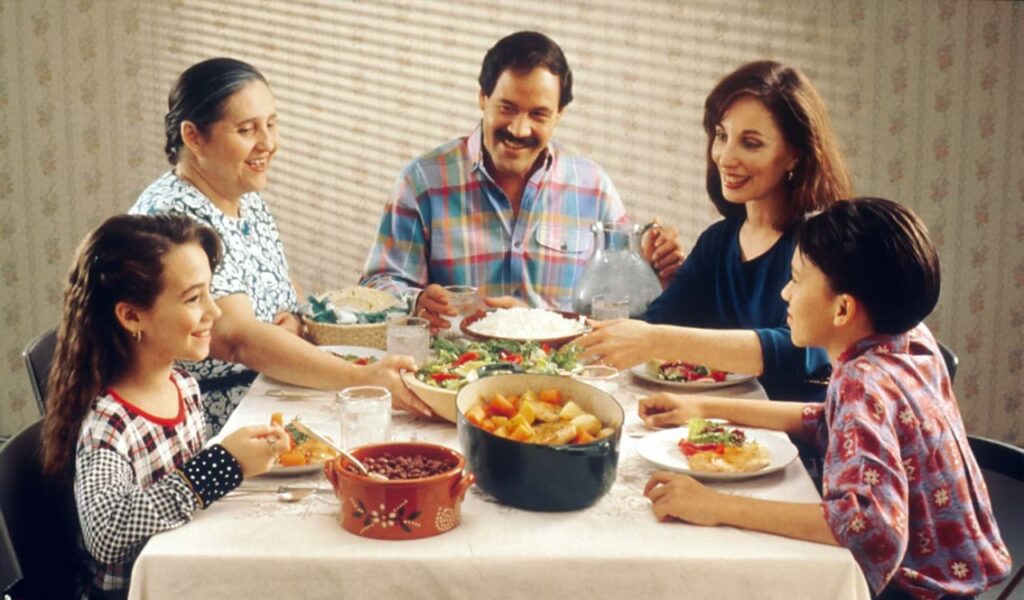
Different age groups approach breakfast in different ways. Younger consumers tend to favor flexibility and convenience over tradition. They are more likely to skip meals or replace them with snacks. This behavior reflects broader lifestyle changes. It also shows a shift in how meals are perceived. Breakfast is no longer seen as essential by all groups. This difference creates variation in demand. Younger consumers prioritize speed. They value convenience over routine. This shift influences market trends. It drives changes in product offerings. It also encourages experimentation with new formats.
Older consumers often maintain more traditional habits. They are more likely to follow structured routines and eat a full breakfast. However, even this group is gradually adapting to changing patterns. Convenience is becoming important across all age groups. The influence of modern lifestyles affects everyone to some extent. This creates a gradual shift rather than a sudden change. Traditional habits evolve in accordance with the changing times. Older consumers adopt new behaviors slowly. This transition reflects broader trends. It shapes long-term demand patterns. It also highlights the gradual pace of behavioral change.
The generational divide highlights the evolving nature of food consumption. Preferences are shaped by lifestyle, work patterns, and cultural influences. Younger consumers are driving much of the change. Their habits influence product development and marketing strategies. This shift will continue to shape the future of breakfast. It reflects a broader transformation in eating behavior. Market trends follow younger preferences. Brands adapt to changing expectations. Innovation targets new habits. This evolution continues to influence the industry. It also signals future shifts in consumption patterns.