The Moment American Fast Food Stopped Competing on Taste and Started Competing on Something Else Entirely

There was a time when fast food chains competed on one simple idea: who could make the most satisfying burger, fries, or shake. Taste was the main reason customers chose one brand over another.
But over the years, that focus began to shift. As chains expanded, lifestyles changed, and technology reshaped how people ordered and ate, new priorities took over.
Speed, convenience, price, and brand familiarity started to matter just as much, if not more, than flavor itself. What emerged was a different kind of competition, one where taste became just one part of a much larger strategy.
When Taste Stopped Being the Main Selling Point
Fast food did not begin as a compromise on flavor. Early chains built their reputations on simple menus that delivered consistent and satisfying taste. Burgers, fries, and shakes were designed to be craveable, with recipes that focused on freshness and balance rather than complexity.
In the early years, competition centered on who could make the best version of a familiar item. Small differences in seasoning, cooking methods, and ingredient quality mattered a great deal. Customers returned because they preferred how one chain’s food tasted over another’s.
Over time, expansion began to change that focus. As chains grew into national and global brands, maintaining an identical taste across thousands of locations became more difficult. Standardization started to prioritize consistency over standout flavor.
At the same time, menus became more complex. Adding new items required processes that worked at scale, which often meant simplifying recipes. This reduced variation but also limited how distinctive the food could be.
Gradually, taste stopped being the only way to compete. It remained important, but it was no longer the main battleground. Other factors began to take on a larger role in attracting and retaining customers.
The Rise of Speed and Convenience
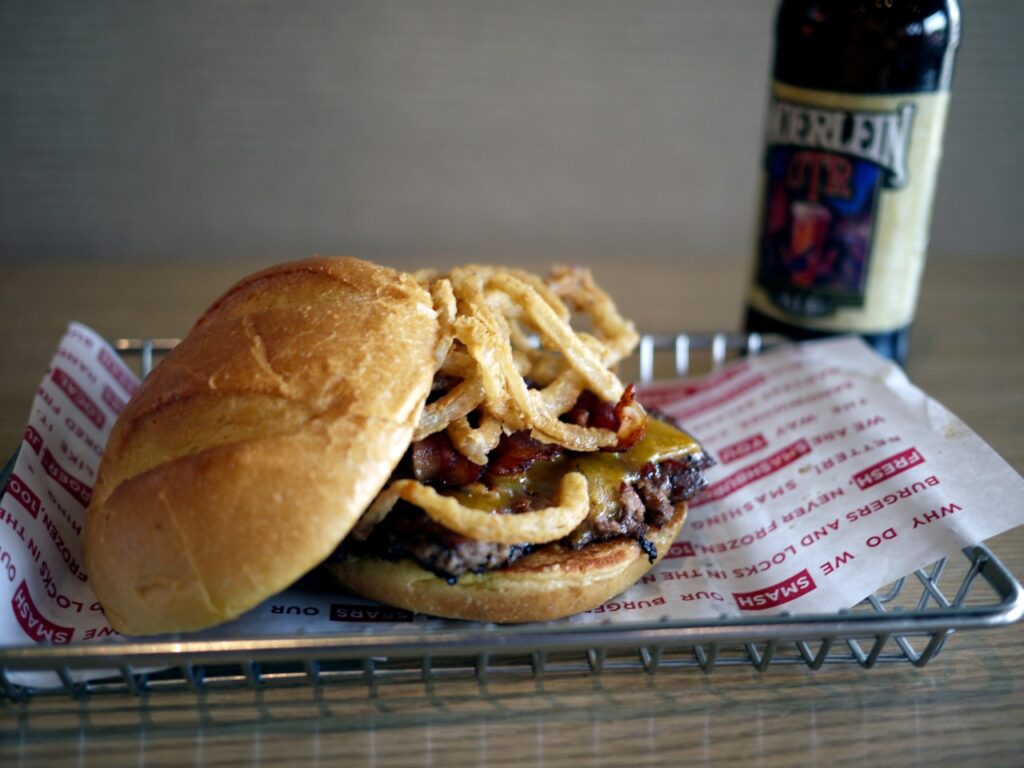
The biggest shift in fast food came when speed became a defining feature. Drive-thrus allowed customers to order and receive food without leaving their cars, which changed expectations around convenience. This made quick service just as important as taste.
As lifestyles became busier, convenience started to outweigh flavor in many decisions. People valued getting food quickly, especially during workdays or long commutes. Fast food chains responded by optimizing operations for speed and efficiency.
Kitchens were redesigned to reduce preparation time. Ingredients were prepped in ways that allowed faster assembly, even if it meant sacrificing some freshness. The goal became delivering food as quickly as possible without disrupting consistency.
Delivery services added another layer to this shift. Food now had to travel, which meant it was often eaten later than intended. This reduced the emphasis on peak flavor and increased the focus on reliability.
Speed and accessibility became central to the fast food identity. Customers began to expect convenience as a standard feature. Taste remained relevant, but it was no longer the primary driver of choice.
The Era of Value and Portion Size
At a certain point, price became one of the most important competitive tools. Fast food chains introduced value menus and promotional deals to attract cost-conscious customers. This shifted attention away from taste and toward affordability.
Portion size also became a key selling point. Larger servings created the perception of better value, even if the quality remained the same. Customers began to compare meals based on quantity as much as flavor.
Pricing strategies encouraged repeat visits. Limited-time deals and bundled meals made it easier for customers to justify frequent purchases. This created a cycle where value drove demand more than taste alone.
To maintain low prices, chains adjusted ingredients and preparation methods. This often meant using cost-effective components that could be produced at scale. While this ensured consistency, it sometimes affected flavor quality.
Over time, value became a defining part of fast food competition. Customers expected meals to be affordable and filling. Taste remained a factor, but it was balanced against price and portion.
Marketing Took Center Stage
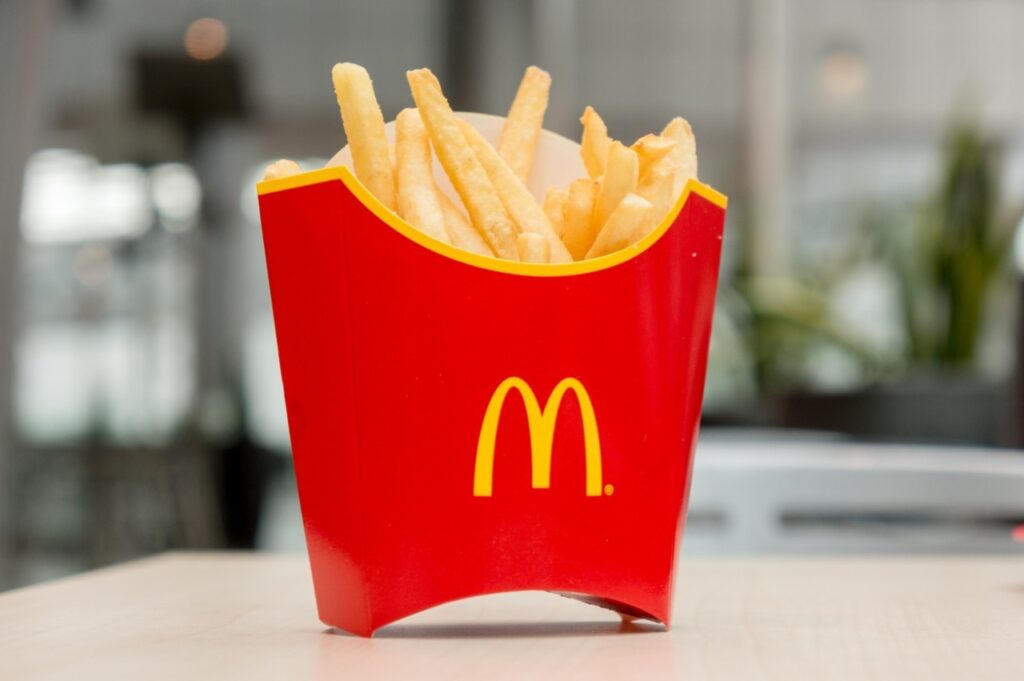
As competition increased, marketing became a powerful differentiator. Fast food brands invested heavily in advertising to build recognition and loyalty. Campaigns focused on identity, lifestyle, and emotional connection rather than just taste.
Branding created familiarity that influenced customer choices. Recognizable logos, slogans, and packaging made certain chains feel dependable. This familiarity often outweighed small differences in flavor.
Promotions and limited-time offers added excitement. New menu items were introduced not just for taste but for their ability to generate attention. This kept brands relevant in a crowded market.
Nostalgia also became a key tool. Chains revisited classic items or highlighted their history to connect with customers emotionally. This strategy reinforced loyalty even when the food itself did not change significantly.
Marketing shifted the focus from product to perception. The experience of choosing a brand became as important as the meal itself. Taste remained part of the equation, but it was no longer the central message.
The Modern Fast Food Strategy
Today, fast food competition is shaped by technology and data. Mobile apps, online ordering, and loyalty programs influence how customers interact with brands. These tools focus on convenience, personalization, and speed.
Data allows chains to understand customer behavior in detail. This information is used to optimize menus, pricing, and promotions. Decisions are increasingly driven by patterns rather than purely by culinary considerations.
Digital ordering has also changed expectations. Customers now prioritize ease of use and quick access over other factors. A smooth ordering experience can be just as important as the food itself.
Location and accessibility continue to play a major role. Chains compete to be present where customers need them, whether through physical outlets or delivery platforms. This ensures constant availability.
The modern fast food model is built on multiple factors working together. Taste is still important, but it shares the spotlight with convenience, value, and experience. This shift defines how the industry competes today.