13 Restaurant Trends That Spark Mixed Reactions From Diners

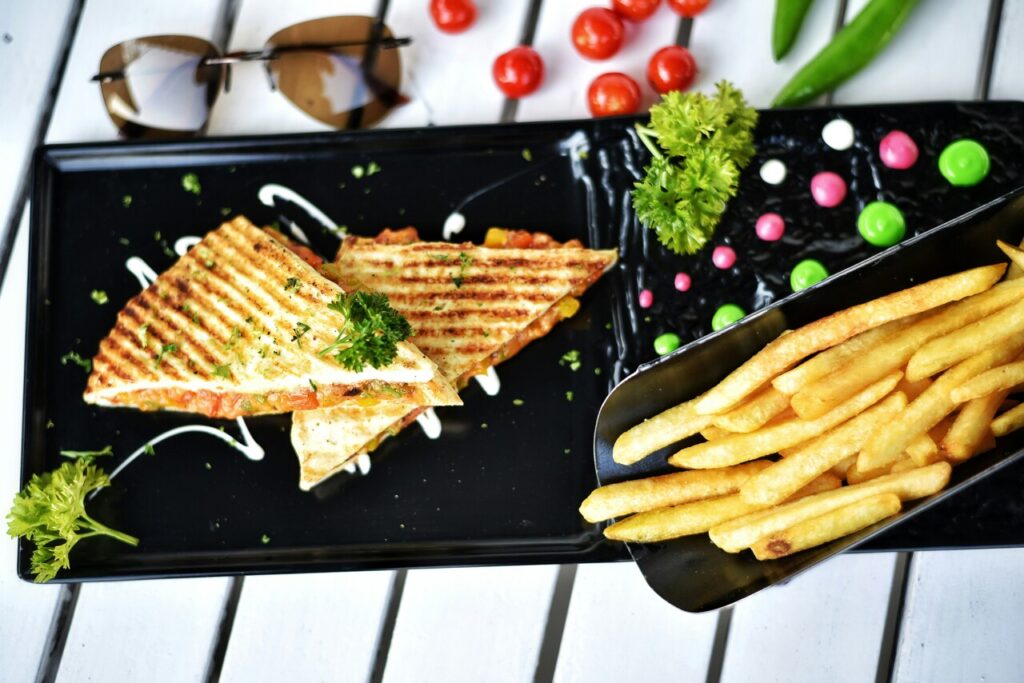
Restaurants are evolving rapidly as new technology, changing customer habits, and global trends reshape how food is prepared and served. From automation and delivery-focused models to sustainability and personalized experiences, the industry is exploring new ways to stay competitive. While many of these trends offer clear benefits, they do not always appeal to every diner. Some improve convenience but reduce human interaction, while others focus on innovation at the cost of simplicity. Understanding these shifts helps explain why certain restaurant trends receive both praise and criticism.
1. Ghost Kitchens and Virtual Restaurants
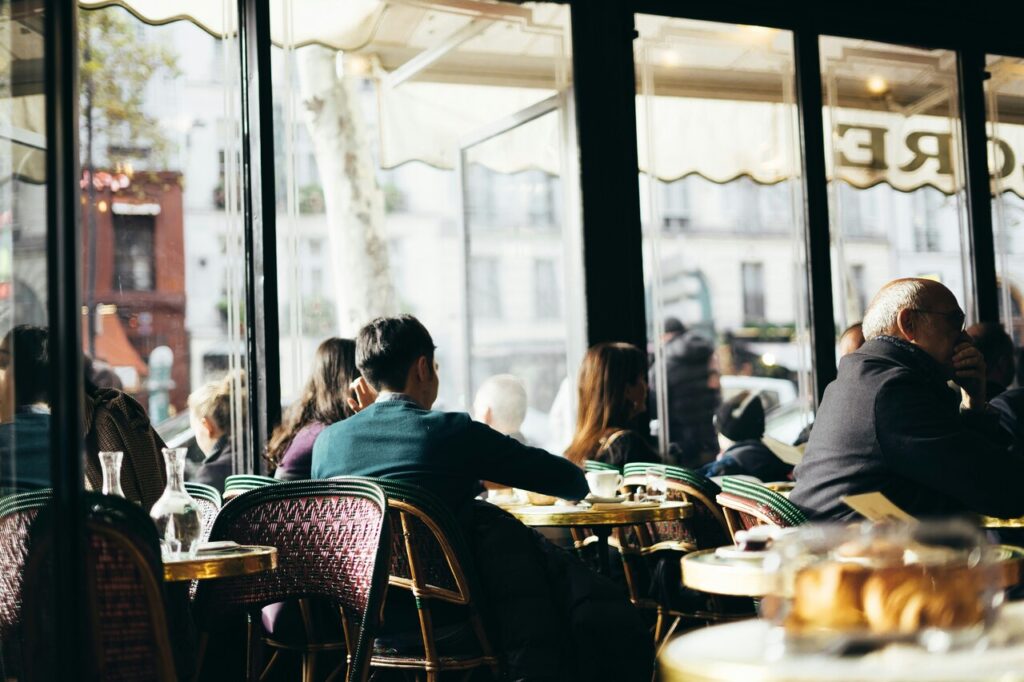
Not every restaurant you order from actually has a dining room anymore. Ghost kitchens operate behind the scenes, preparing food exclusively for delivery under one or multiple brand names.
The convenience of this model comes with a tradeoff. Customers often cannot see where or how their food is prepared, which can create uncertainty about quality and consistency.
Dining has traditionally been about more than just the food. The atmosphere, service, and overall experience play a major role in how people perceive a meal. When those elements are removed, the interaction becomes purely transactional, which is why reactions to ghost kitchens remain mixed.
2. Contactless Ordering and QR Code Menus
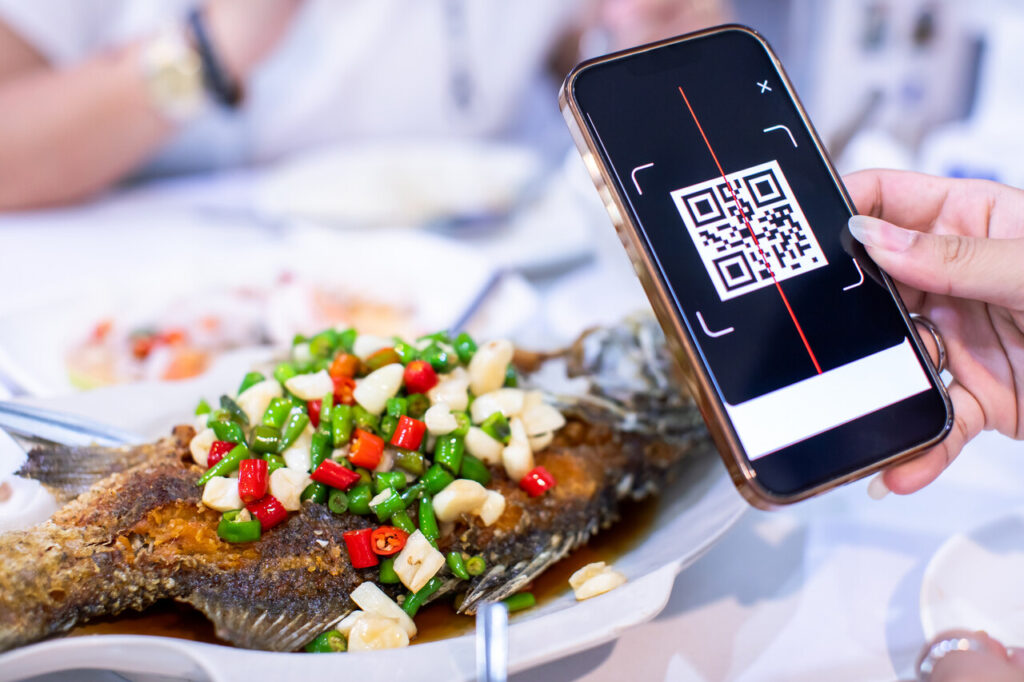
Scanning a code to view a menu has become a common part of dining in many restaurants. QR code menus gained popularity as a way to reduce physical contact and streamline ordering, allowing customers to browse items directly on their phones.
While the system is efficient, it is not always convenient for every diner. Some people prefer a physical menu that is easy to read and share, especially in group settings.
Menus have always been a key part of the dining experience, offering a clear and accessible way to explore options. When that experience shifts entirely to a screen, it can feel less personal and slightly disconnected, even if it improves speed and efficiency.
3. AI and Automated Customer Service
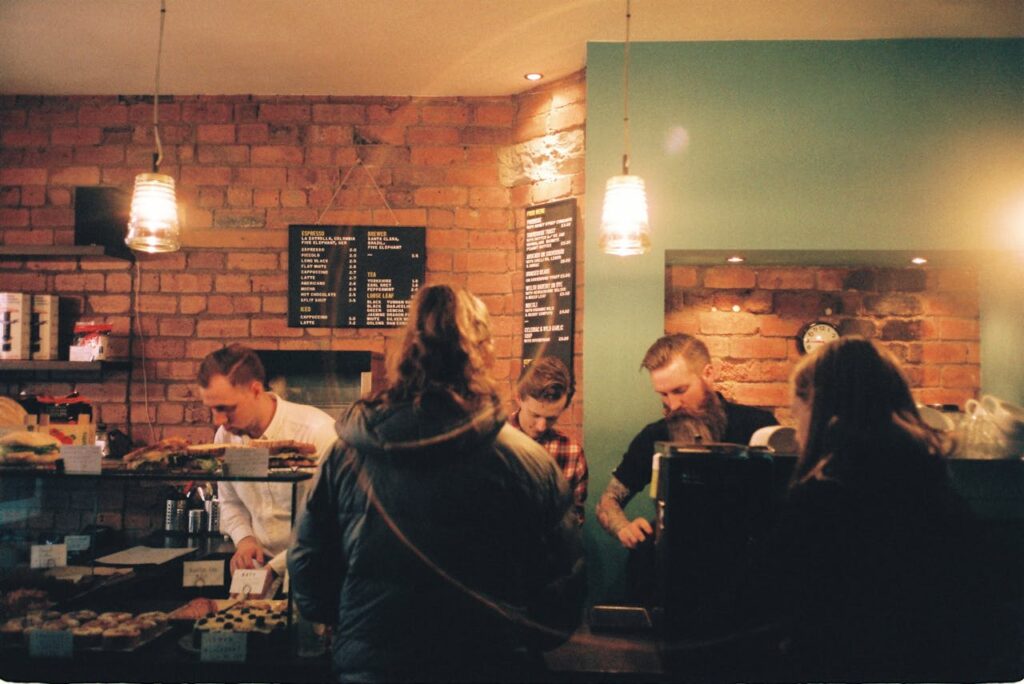
Artificial intelligence is increasingly being used in restaurants to handle tasks like taking orders, answering customer questions, and managing reservations. Chatbots and voice systems can process requests quickly and operate without breaks.
The challenge is that automated systems do not always handle complex or specific requests well. Misunderstandings can occur when customers try to customize orders or ask detailed questions about ingredients and preparation.
Service in restaurants has traditionally relied on human interaction, where staff can adjust based on tone, preference, and situation. When that interaction is replaced with automation, it can feel less flexible and less attentive, which is why opinions on this trend often vary.
4. Robot-Assisted Cooking and Service
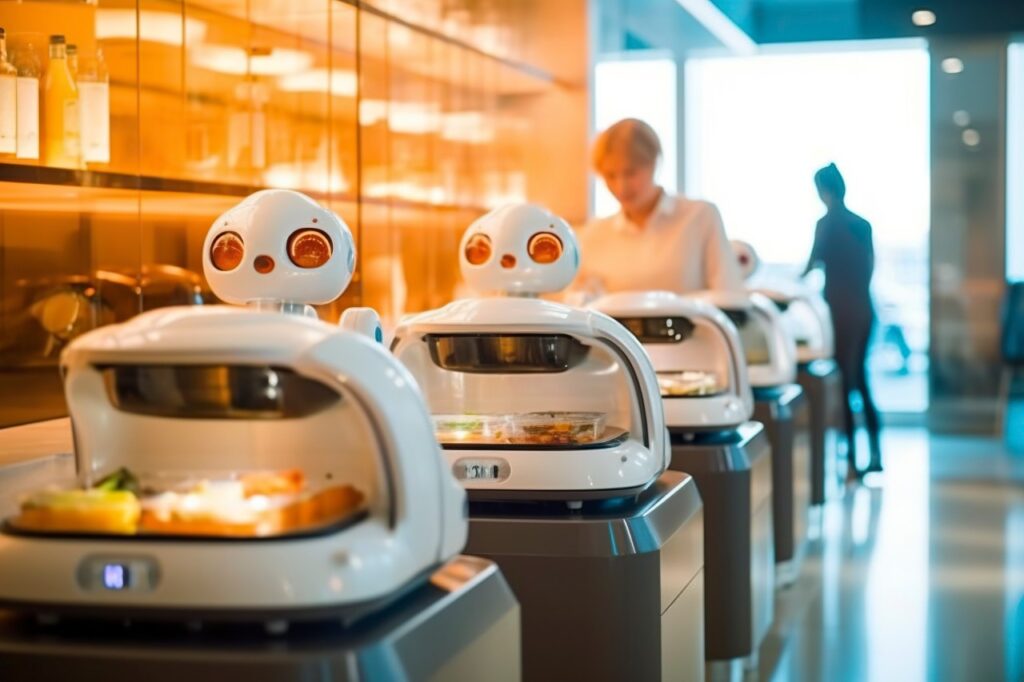
Some restaurants are beginning to use robots to assist with cooking and serving food. These machines can handle repetitive tasks such as flipping burgers, frying items, or delivering dishes to tables, which helps maintain consistency.
Despite the novelty, not all diners are comfortable with this level of automation. The presence of robots can make the environment feel less warm or welcoming compared to a space staffed entirely by people.
Food preparation has long been associated with craftsmanship and human skill. When machines take over visible parts of the process, it can change how diners connect with the meal, even if the final product remains consistent.
5. Heavy Reliance on Food Delivery Apps

Food delivery apps have transformed how people access restaurant meals. With a few taps, customers can order from a wide range of places without leaving their homes, making dining more convenient than ever.
However, relying heavily on these platforms can affect both the restaurant and the customer experience. Delivery fees, longer wait times, and food that travels poorly can reduce overall satisfaction.
Meals are often designed to be enjoyed fresh and immediately after preparation. When they are packaged and transported over time, the texture and temperature can change, which is why some diners feel that delivery does not fully capture the intended experience.
6. Data-Driven Personalization and Recommendations
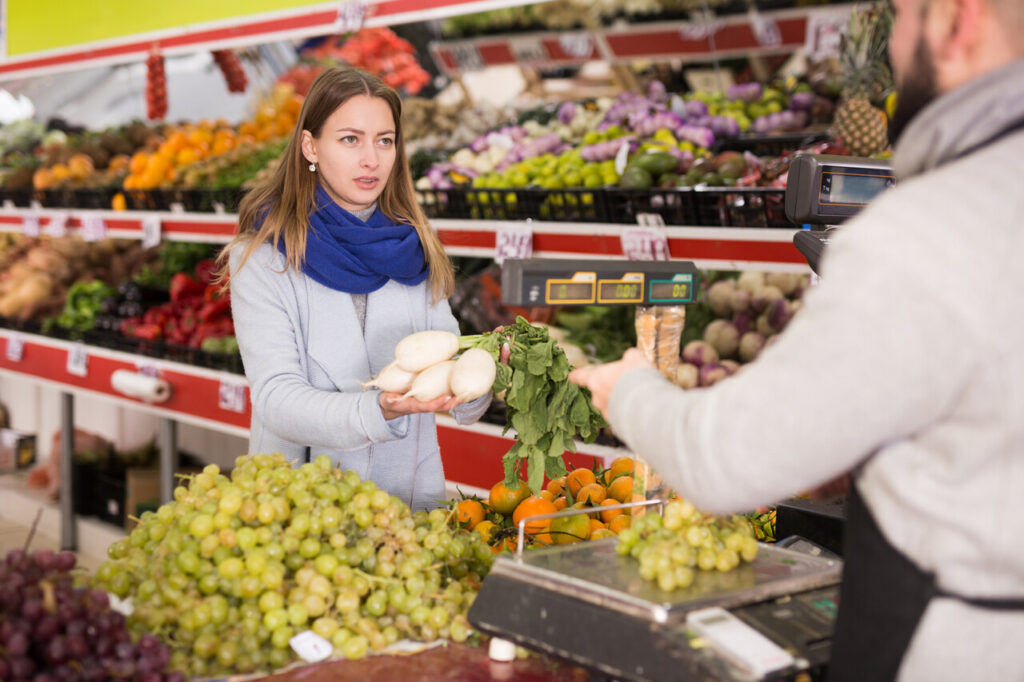
Restaurants are increasingly using data to understand customer preferences and suggest menu items. Loyalty programs and digital ordering systems track past purchases to offer personalized recommendations.
While this can make ordering faster, it also raises concerns about privacy and over-reliance on algorithms. Some diners may feel uncomfortable knowing their choices are being tracked and analyzed.
Dining is often about exploration and trying new flavors. When recommendations are based heavily on past behavior, it can limit variety and make the experience feel less spontaneous, which is why reactions to this trend are divided.
7. Self-Service Kiosks and Minimal Staff Interaction
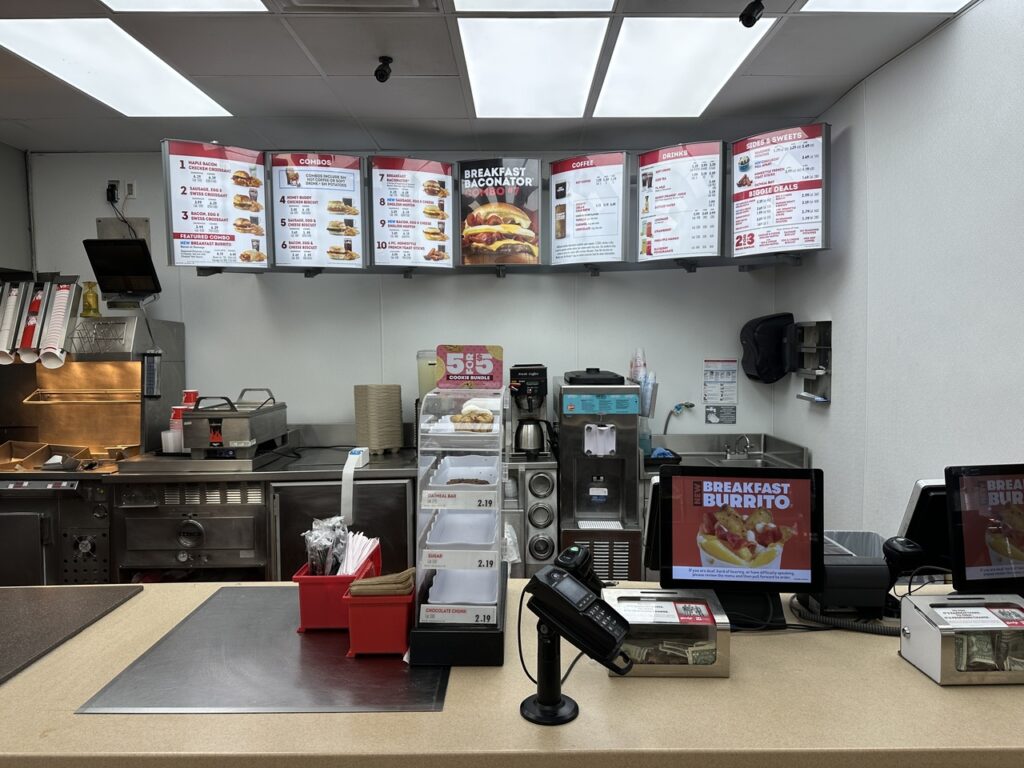
Self-service kiosks allow customers to place orders directly through a screen without interacting with staff. These systems are commonly used in fast food settings to speed up service and reduce wait times.
Although efficient, they can make the ordering process feel less personal. Some customers appreciate the control, while others miss the human interaction that comes with speaking to staff.
Restaurants have traditionally offered guidance through menu choices and customization. Without that interaction, customers may feel less supported when making decisions, especially if they have specific preferences or dietary needs.
8. Sustainable and Zero-Waste Dining Concepts
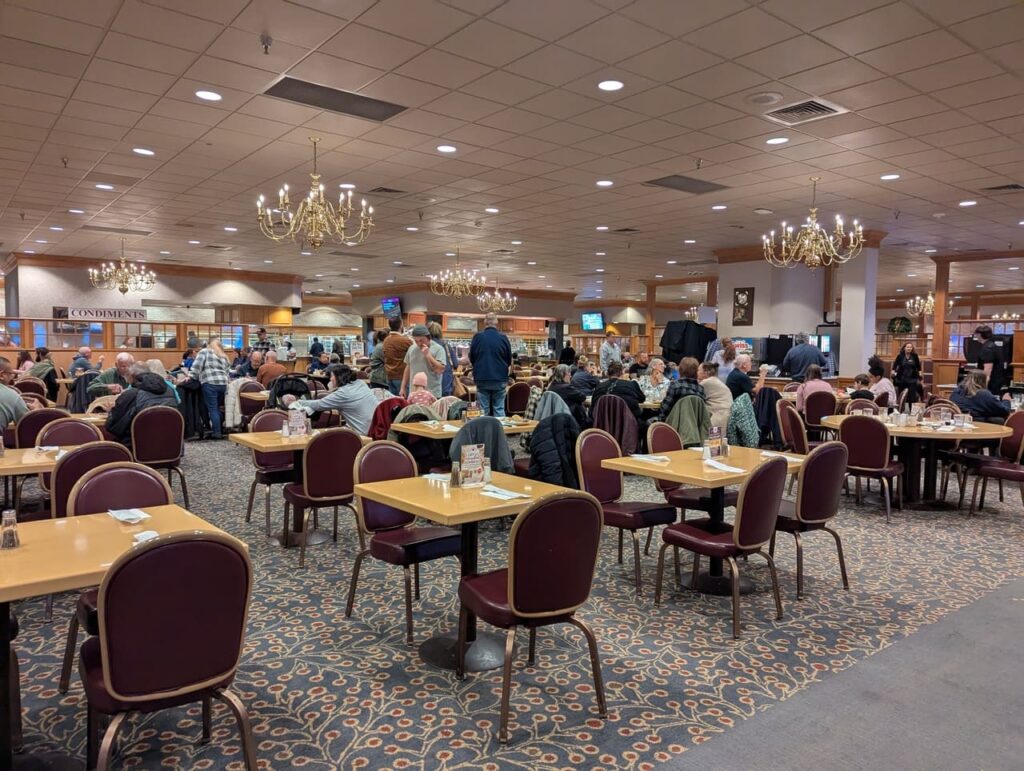
Sustainability has become a major focus in the restaurant industry. Many businesses are adopting practices like reducing food waste, using eco-friendly packaging, and sourcing local ingredients to minimize environmental impact.
While these efforts are widely appreciated, they can sometimes change how food is presented or served. Smaller portions, alternative packaging, or limited menu options may not meet every diner’s expectations.
Balancing sustainability with customer satisfaction can be challenging. While many diners support environmentally conscious practices, they also expect value, convenience, and variety, which can lead to mixed reactions.
9. Plant-Based and Alternative Protein Menus
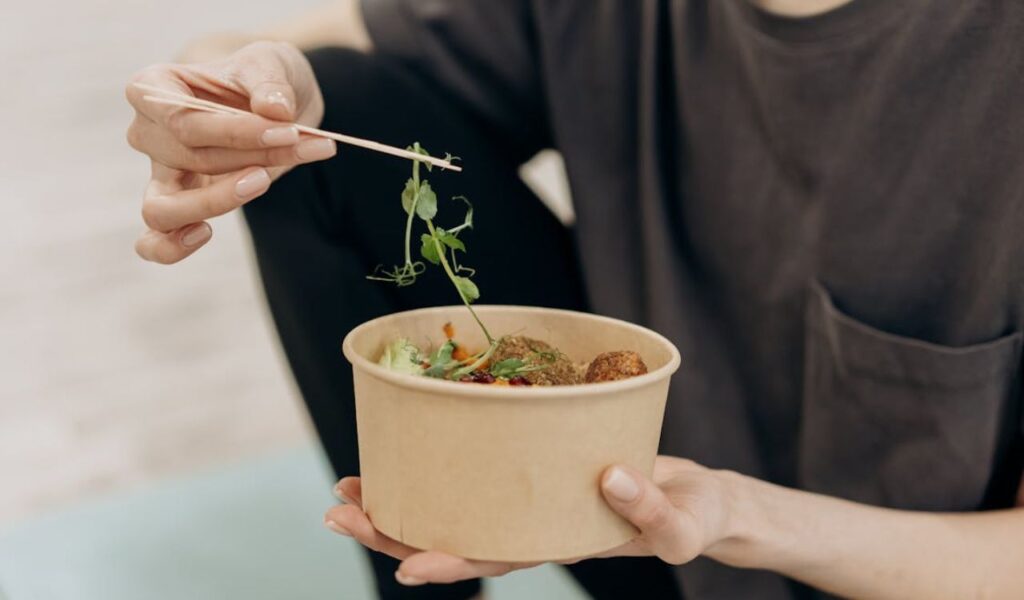
Plant-based menus are becoming more common as restaurants respond to changing dietary preferences. These options aim to provide alternatives to meat using ingredients like legumes, grains, and plant proteins.
Some diners welcome the variety, while others feel that these items do not fully match the taste or texture of traditional dishes. The experience can vary depending on how well the ingredients are prepared and seasoned.
The challenge lies in meeting expectations. When plant-based dishes are compared directly to meat-based versions, even small differences become noticeable, which is why opinions on these menus can differ widely.
10. Experiential Dining and Themed Events

Restaurants are increasingly focusing on creating unique experiences through themed decor, interactive elements, or special events. These concepts aim to make dining more memorable and engaging beyond just the food.
While many people enjoy the novelty, others may find it distracting. Loud environments, elaborate presentations, or constant activity can take attention away from the meal itself. This can reduce the overall dining experience for those who prefer a calmer setting.
Dining preferences vary from person to person. Some enjoy immersive experiences, while others prefer a calm and simple setting, which explains why this trend often receives mixed responses.
11. Subscription-Based Dining Models
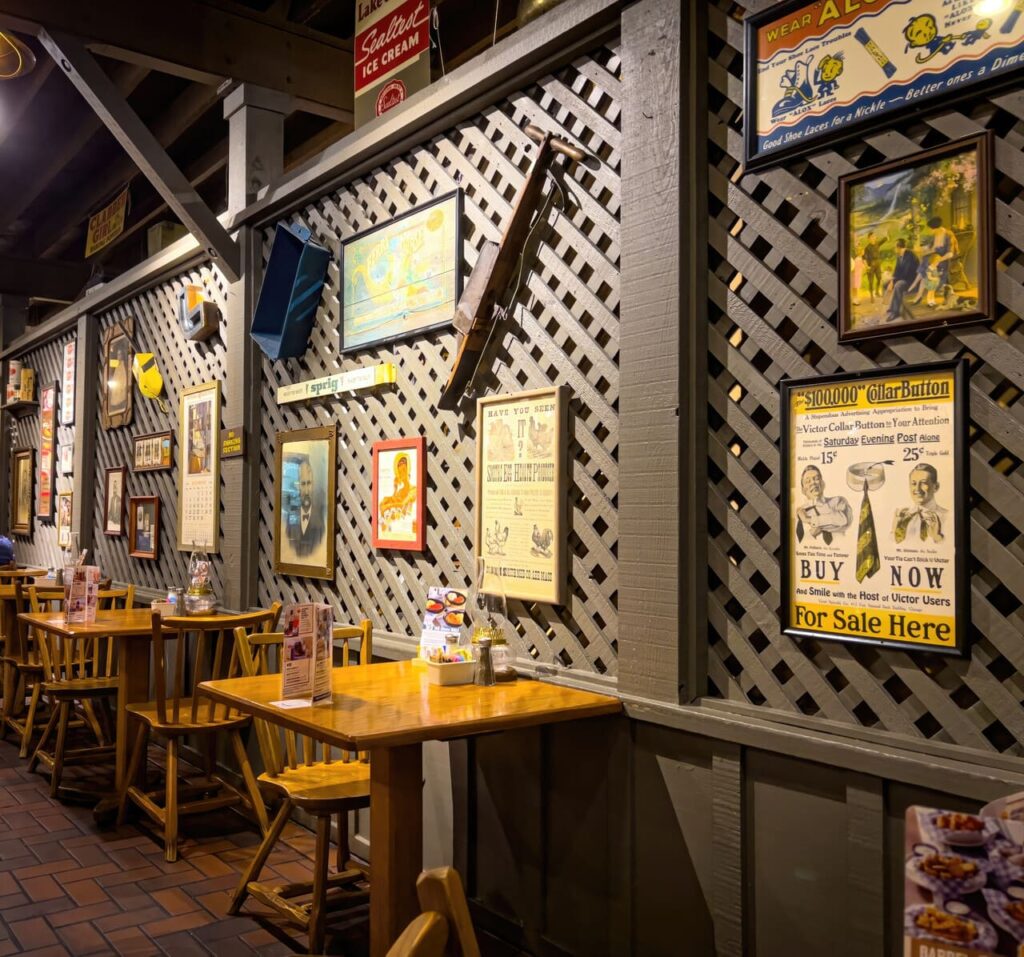
Some restaurants are experimenting with subscription models where customers pay a monthly fee for perks such as discounts, exclusive items, or a set number of meals. This approach is designed to build loyalty and encourage repeat visits.
For diners, the value of these programs depends on how often they visit the restaurant. Those who do not use the benefits regularly may feel that the subscription is not worth the cost.
Traditional dining is typically based on paying per visit. Introducing a subscription changes that relationship, which can feel appealing to some customers but unnecessary to others.
12. Social Media-Driven Menu Items
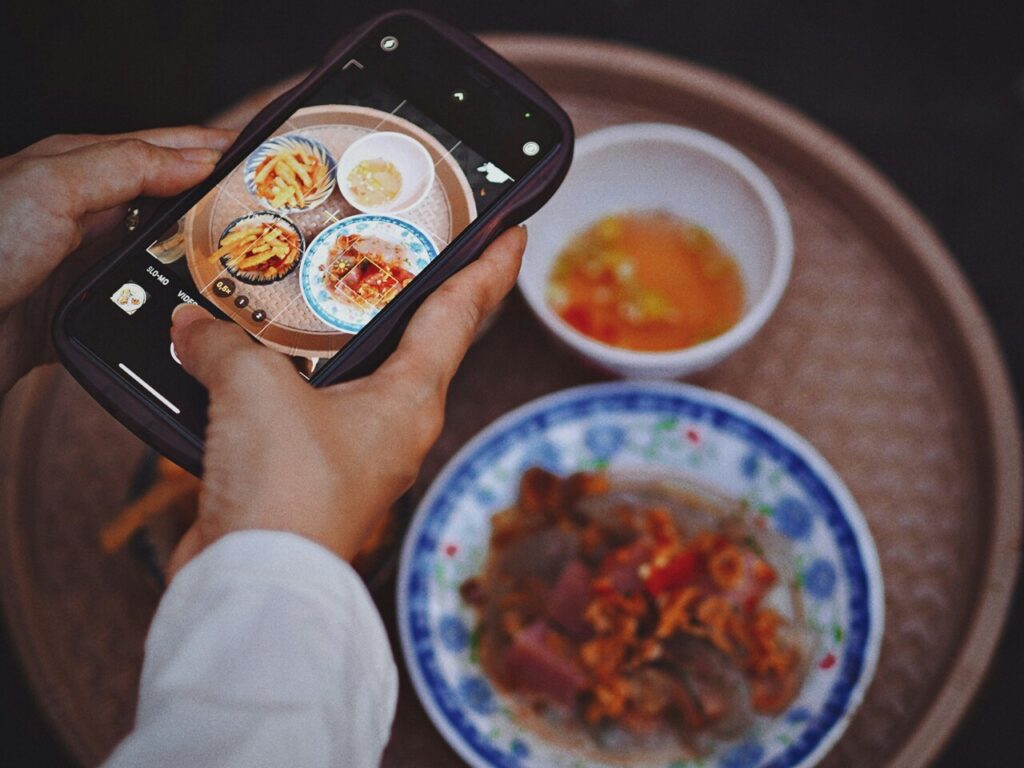
Many restaurants now create menu items specifically designed to attract attention on social media. These dishes often feature bold colors, unusual combinations, or visually striking presentations that photograph well.
While they can draw in new customers, the focus on appearance sometimes outweighs the focus on flavor. Some dishes look impressive but do not always deliver the same level of satisfaction when eaten. This imbalance can leave customers feeling disappointed after the initial excitement fades.
Food has always been judged primarily by taste and quality. When visual appeal becomes the main priority, it can shift expectations and lead to mixed reactions from diners.
13. Smart POS and Fully Integrated Tech Systems
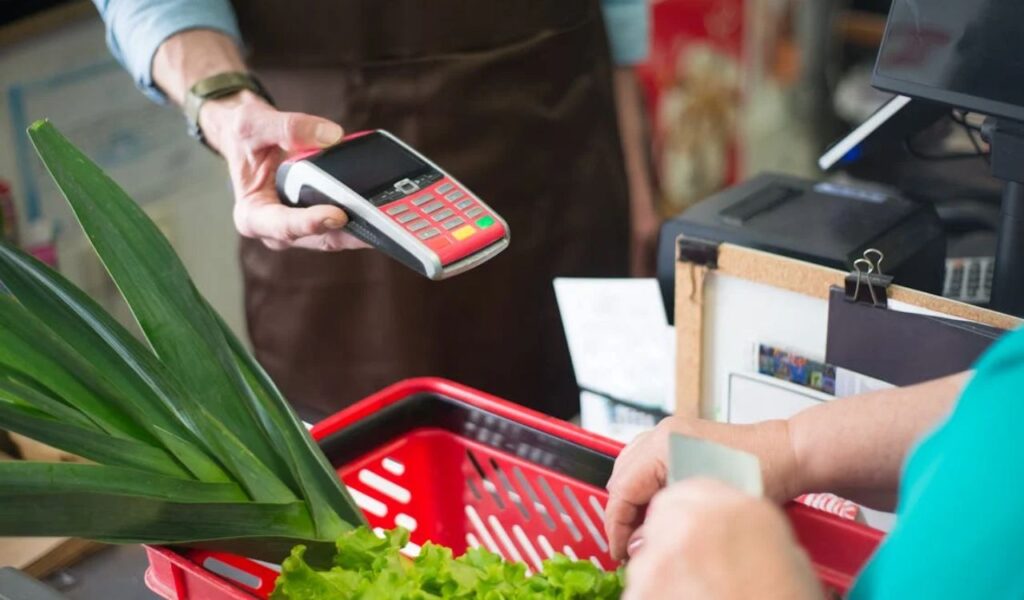
Modern restaurants are adopting advanced point of sale systems that connect ordering, payments, inventory, and customer data into a single platform. These systems help streamline operations and improve efficiency behind the scenes.
From a customer perspective, the technology can sometimes feel intrusive or overly complex. Digital receipts, automated prompts, and multiple payment steps can make the process feel less straightforward.
While these systems benefit restaurant management, diners often value simplicity and ease. When technology becomes too visible in the experience, it can create friction instead of convenience.