
Oreo Just Changed Its Recipe and Here’s What Fans Will Notice First


Few snack brands carry as much nostalgic weight as Oreo, a cookie that has been a pantry staple for more than a century. In early 2026, Oreo launched a version called Oreo Zero Sugar, the first time the classic sandwich cookie has been reimagined without traditional sugar. This isn’t a minor variation like a seasonal flavor or a limited holiday edition. Instead, it’s a fundamental shift in the cookie’s composition, driven by changing consumer priorities around sugar intake. Oreo Zero Sugar uses a blend of sugar alternatives like maltitol, sucralose, and acesulfame potassium to replicate sweetness while removing sugar entirely.
What’s striking is how close this new formulation comes to the original’s taste. Early testers noted that the crunchy texture of the wafer and the familiar sweetness of the creme come through strongly, with none of the chemical aftertaste many people fear from sugar-free products. The manufacturers can now soften the blow of sugar reduction while preserving what fans recognize as “classic Oreo.” It’s a testament to modern food engineering and a clear signal that Oreo is willing to adapt one of its most iconic recipes to meet evolving health trends without losing the essence that made the cookie beloved.
What’s Changed in the Classic Oreo
The most noticeable change in Oreo Zero Sugar isn’t visible at first glance; it’s hidden in the ingredients list. For generations, sugar has been central to the taste and structure of sweet baked goods. Its granules influence not just sweetness but texture, moisture retention, and even color. In Oreo Zero, Maltitol provides bulk and sweetness, while sucralose and acesulfame potassium boost sweet perception without the calories. This combination helps maintain the cookie’s signature snap and creamy filling, which many might find surprising given how difficult sugar-free cookie formulations have been in the past.
Packaging has changed, too. Instead of the classic pull-open cardboard sleeve familiar to Oreo shoppers for decades, Zero Sugar cookies come in resealable stand-up bags with small packs of two cookies each. That design choice isn’t just about aesthetics. Stand-up, portioned packaging means the cookies stay fresh longer once opened, a practical benefit when you’re snacking on sugar-free treats that might be shared or carried in lunchboxes. For loyal Oreo fans who grew up tearing open traditional sleeves, this dual shift in both recipe and packaging marks a thoughtful consideration of how people actually eat and store their cookies today.
Fans Will Taste the Difference First
When a beloved recipe changes, the first reaction from many people is instinctive: they take a bite. That’s exactly how early tasters described their experience with Oreo Zero Sugar. Despite initial skepticism, after all, sugar plays a critical role in sweetness perception. Many found the cookie delightful on first bite, with crisp wafers and creamy filling that felt remarkably close to the original. Some testers even noted that the sugar-free version tasted slightly sweeter than classic Oreos due to the blend of sweeteners used. The texture held up well, avoiding the chalky finish that sometimes plagues sugar-free treats.
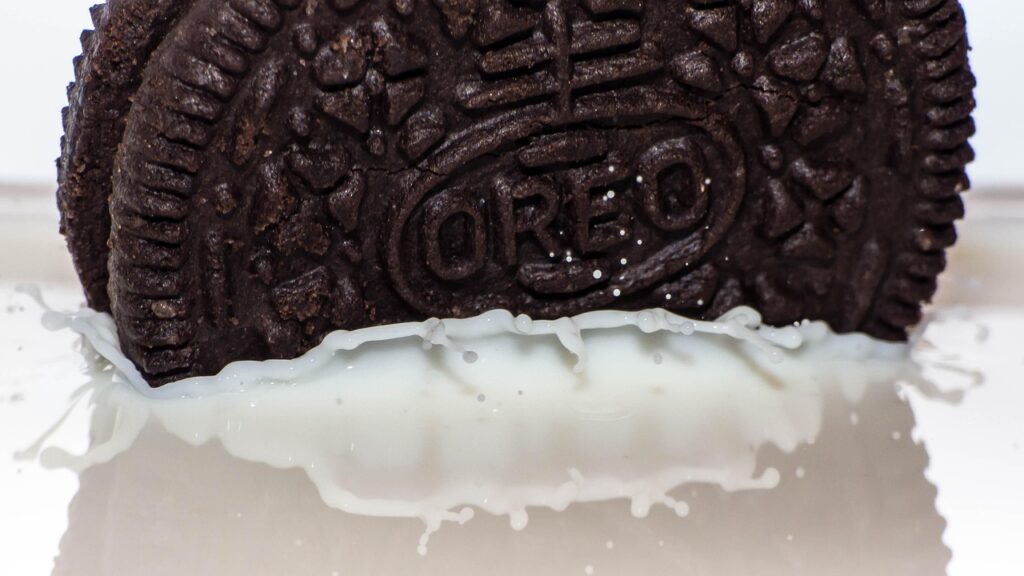
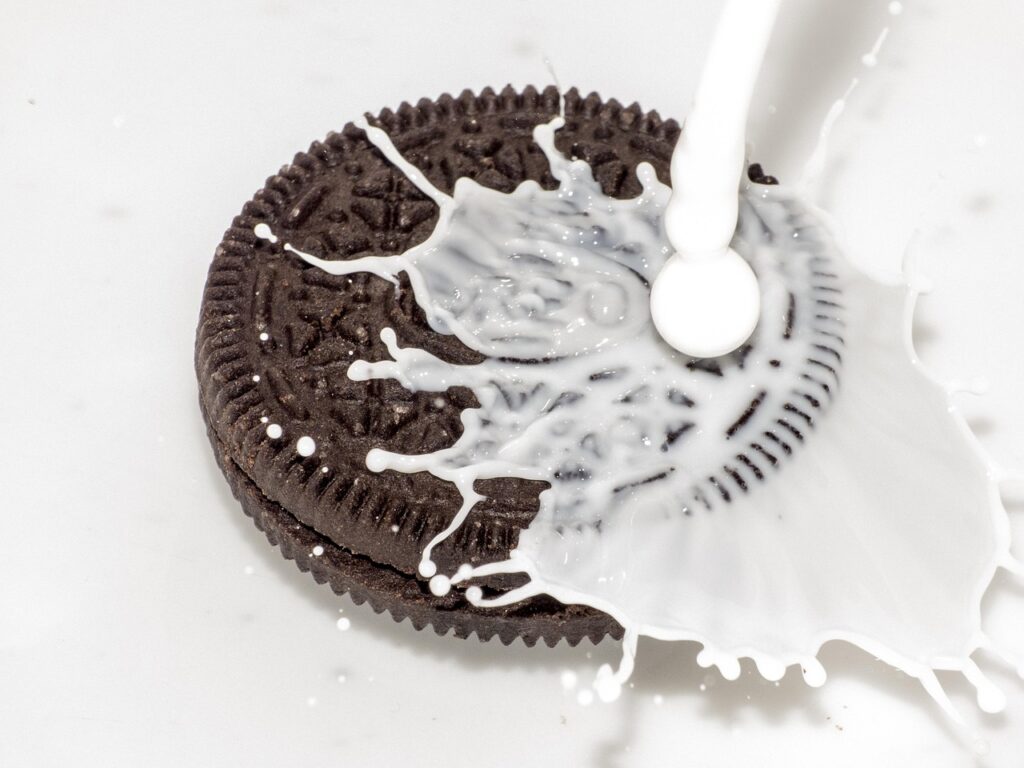
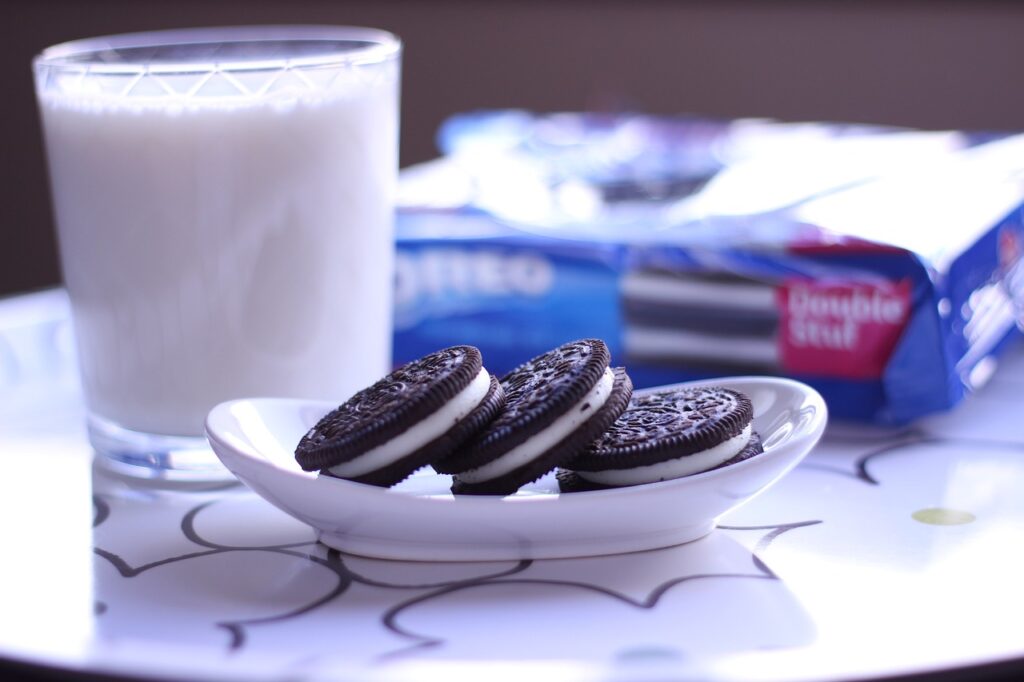
Texture remains a critical part of the Oreo experience, especially for fans who dunk their cookies in milk. The crunchy contrast between the wafer and the creme did not suffer, and the cookie holds up similarly in milk, which is a key quality many Oreo enthusiasts test instinctively. The fact that a sugar-free version can stand up to milk without falling apart or becoming mushy speaks to how thoroughly the recipe was engineered. For many fans, that will be the first thing they notice: familiar crunch, familiar dunkability, and a sweetness that feels true to the brand, even if it comes from new ingredients.
How the Filling Has Been Tweaked
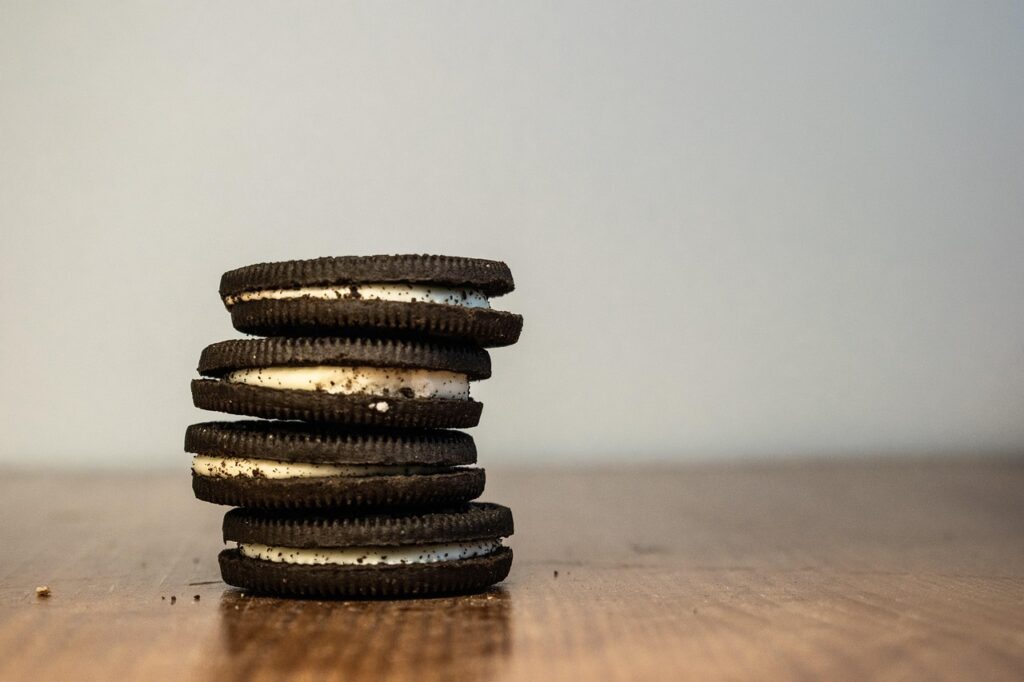
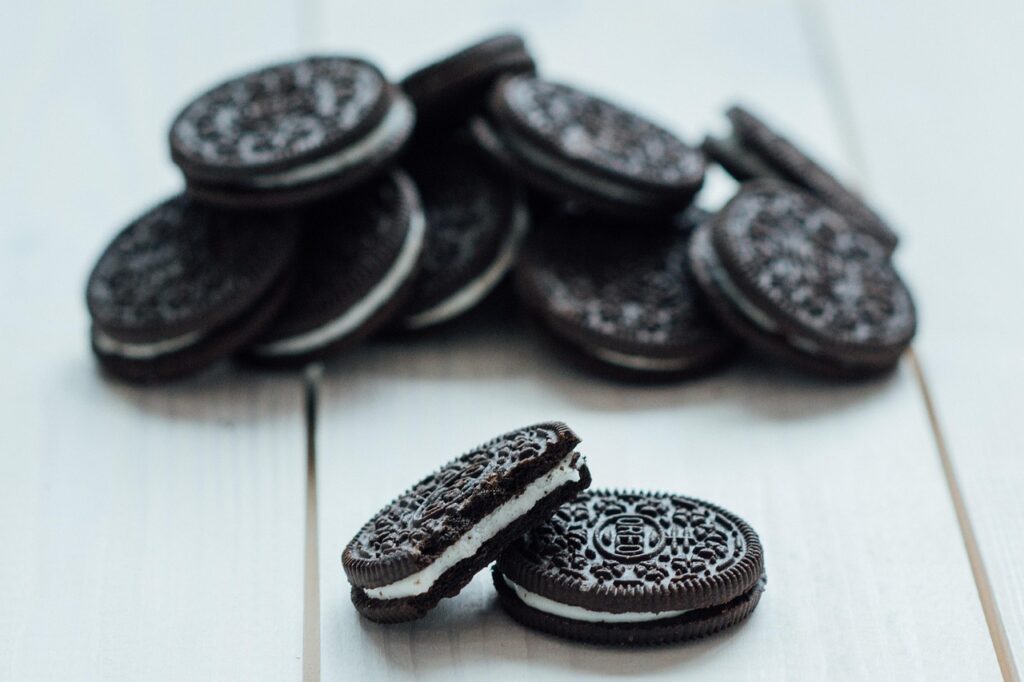
The creme filling in an Oreo is arguably as iconic as the chocolate wafer itself, and it presented unique challenges in re-formulating a sugar-free version. Replacing it without compromising texture or mouthfeel required careful balancing of alternative sweeteners and bulking agents. What helps the new Zero Sugar version succeed is the use of combinations like polydextrose, which adds body and mimics sugar’s physical properties, together with sweeteners that provide flavor without calories. This approach prevents the filling from feeling thin or waxy, a common flaw in reduced-sugar confections.
This means the new filling may actually come across slightly different to some palates: a bit more pronounced in sweetness and perhaps perceptibly smoother in texture, since sugar substitutes can produce a slightly different melt point and mouthfeel. Instead of replicating sugar exactly, the recipe appears to lean into the strengths of modern sugar alternatives, yielding a filling that’s recognizable yet subtly distinct. Oreo fans who have grown up with the classic creme will likely detect this nuanced difference. Over time, however, many tasters report that the adjustment fades as the overall balance of wafer and filling remains intact.
A Beloved Flavor Returns
While the Zero Sugar Oreo ushers in a new era for the cookie’s core recipe, Oreo is also leaning into nostalgia by bringing back one of its most cherished limited-edition flavors. After more than a decade off shelves, Cookie Dough Oreos are returning for a limited time starting December 22, 2025. In their original launch, these cookies paired the classic Oreo sandwich with a cookie-dough flavored creme tucked between chocolate chip wafers. Oreo has doubled down on that concept by using actual chocolate chip cookies as the wafer surrounding the familiar cookie-dough creme filling, giving fans a deeper and more immersive cookie-in-a-cookie experience.
Nostalgic flavors like this serve multiple roles for a brand. They celebrate Oreo’s history while also reigniting passion among fans who remember the initial launch fondly. Limited returns like these often spark excitement and social media buzz, with long-time followers sharing memories and predictions about which classic will come back next. The return of Cookie Dough Oreos isn’t just a marketing stunt; it acknowledges an active fan community that has been vocal about wanting the flavor back for years. Their return feels celebratory, a way of reinforcing Oreo’s connection to its base while the brand experiments with new formats and recipes.
What Makes This Flavor Special
Cookie Dough Oreos hold a unique place in the brand’s lineup because they are not simply a variation on the classic chocolate-creme sandwich. Their original release in 2014 came at a time when Oreo was experimenting with bold, experiential flavors that challenged expectations of what an Oreo could be. The combination of chocolate chip wafers with cookie-dough-flavored creme blurred the lines between two beloved treats: the chocolate sandwich cookie and classic cookie dough. This unexpected union captured attention and quickly became a fan favorite, even if originally released as a limited edition.
The revamped version aims to honor that legacy while making the experience feel even more indulgent. The extra chocolate chips embedded in the chocolate chip wafer add texture and richness, making each bite multi-layered in flavor and mouthfeel. It’s this creative reimagination that keeps fans engaged: rather than simply reissuing the old product, Oreo appears to be enhancing it in ways that respect the original but expand its sensory appeal. For fans who grew up with the original or discovered it later, this return feels like both a nostalgic nod and a fresh treat worth tasting in its own right.
Nostalgia Meets Modern Taste
Oreo’s approach right now isn’t about choosing between tradition and innovation; it’s about harmonizing both. The Zero Sugar cookie represents a response to modern dietary trends, acknowledging that more people want to reduce sugar without sacrificing beloved treats. Research shows that a majority of Americans are interested in lowering sugar intake, creating space for products that deliver familiar flavors with fewer calories. Oreo’s sugar-free initiative reflects that broader shift in consumer priorities, bringing the brand into conversations about familiarity and health without abandoning its heritage.
At the same time, the return of fan-favorite flavors like Cookie Dough shows the company still values the emotional connection people have with specific products from its past. Nostalgia has real power in food culture, especially when a treat is tied to memories of childhood or special occasions. Oreo is tapping into that by balancing new releases with familiar favorites, giving fans reasons to be excited whether they are seeking innovation or comfort. It’s a strategy that keeps the brand relevant for longtime loyalists. This approach suggests Oreo understands that progress does not require abandoning the tastes that helped define its identity.
How Fans Have Responded to Past Changes
Whenever a beloved food product changes, reaction tends to be vocal and immediate. Oreo’s fan community is no different, often sharing opinions, taste tests, and comparisons across social media. Early reactions to rumors of recipe tweaks, especially around fan-favorite limited flavors, have ranged from excitement to cautious optimism, with fans curious about how the revamped versions will honor memories without disappointing expectations. Some discussions even focus on textural differences or which flavor combinations should return next. These conversations show how invested consumers feel in the brand’s history, not just its novelty.
This dialogue is part of what keeps Oreo culturally relevant decades after its debut. Fans bond over personal preferences, recall discontinued flavors they’d love to see again, and debate whether changes are improvements or departures from authenticity. Oreo’s willingness to listen and occasionally bring back nostalgic flavors reinforces its connection with this community. It’s a two-way relationship: the brand introduces innovation, and the audience offers immediate feedback that influences how Oreo evolves moving forward. That ongoing exchange turns product launches into shared events rather than one-way announcements.
What This Means for Oreo’s Future
Taken together, Oreo’s dual approach of introducing Zero Sugar cookies while reintroducing cherished flavors points toward a broader strategy of diversification and responsiveness. Rather than relying on a single product formula, the brand appears committed to expanding its range to meet both nostalgic desires and contemporary tastes. This may include more sugar-free options, limited-edition flavor returns, or entirely new formats that broaden Oreo’s presence beyond the traditional cookie aisle. By doing so, Oreo reduces risk while staying culturally flexible, ensuring it can adapt as eating habits and health priorities evolve.
Fans can reasonably expect Oreo to continue experimenting with creative combinations, packaging formats, and collaborations that reflect cultural moments and dietary shifts. As fans and casual snackers alike encounter more variations, Oreo remains central to conversations about how iconic comfort foods can evolve with times without losing their identity. What hasn’t changed is the brand’s core understanding of its heritage: familiar chocolate wafers and creamy filling remain the foundation even as recipes evolve. That balance of consistency and innovation is likely to guide Oreo’s product roadmap well into the future.
References
- Oreo Just Made a Major Change to Its Recipe—Here’s What You’ll Notice First – simplyrecipes.com
- Oreo is launching 6 new treats this month: Here’s a sweet peek – today.com