9 Packaged Foods That Became Sweeter After Recipe Reformulations

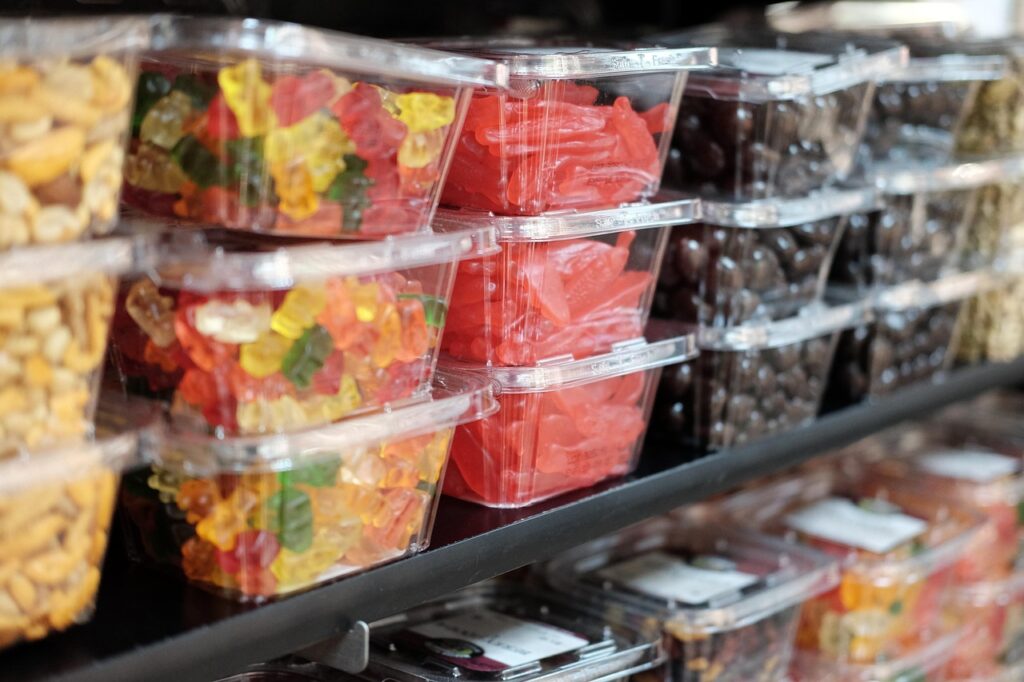
Many packaged foods that once delivered balanced flavors now taste noticeably sweeter, often due to recipe reformulations aimed at boosting appeal and competing with snack-style products. Manufacturers frequently adjust sugar levels or sweetener blends to satisfy evolving taste preferences and maintain shelf appeal. While packaging may look unchanged, flavors have gradually shifted toward dessert-like profiles. These subtle updates reveal how modern food production increasingly leans on sweetness to drive repeat purchases.
1. Confectionery Candy
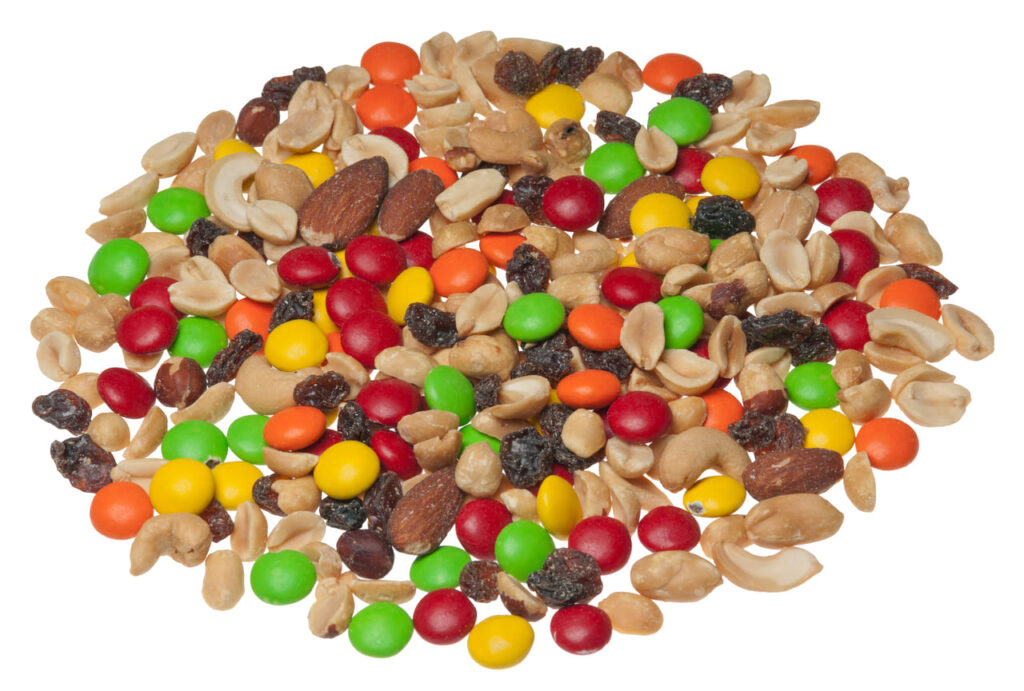
Candy has always been associated with sweetness, yet many packaged confectionery products taste noticeably sweeter than versions sold decades ago. Reformulations often add alternative sweeteners or increase sugar intensity to maintain strong flavor.
Manufacturers also compete for attention in crowded snack aisles where bold flavor wins repeat purchases. Increasing sweetness helps products stand out quickly on the palate, especially among consumers accustomed to highly sweet processed foods from childhood onward.
As a result, candies that once balanced sugar with cocoa or fruit flavors now lean heavily toward sweetness. Shoppers revisiting childhood favorites sometimes find them more sugary than they remember.
2. Ice Cream

Ice cream traditionally relied on cream richness and moderate sweetness to deliver indulgence. Modern packaged varieties, however, often feature sweeter bases or sugar-heavy mix-ins to enhance flavor impact.
Manufacturers frequently adjust sugar levels because sweetness remains noticeable even at very cold temperatures, ensuring products taste flavorful straight from freezers. Add-ins like syrups, cookie chunks, and caramel swirls further amplify sweetness across many popular brands.
Consumers comparing current pints with older recipes often find newer versions taste sweeter overall. Ice cream remains beloved, but reformulations increasingly prioritize bold sweetness to compete in an intensely crowded frozen dessert market.
3. Sweet Biscuits
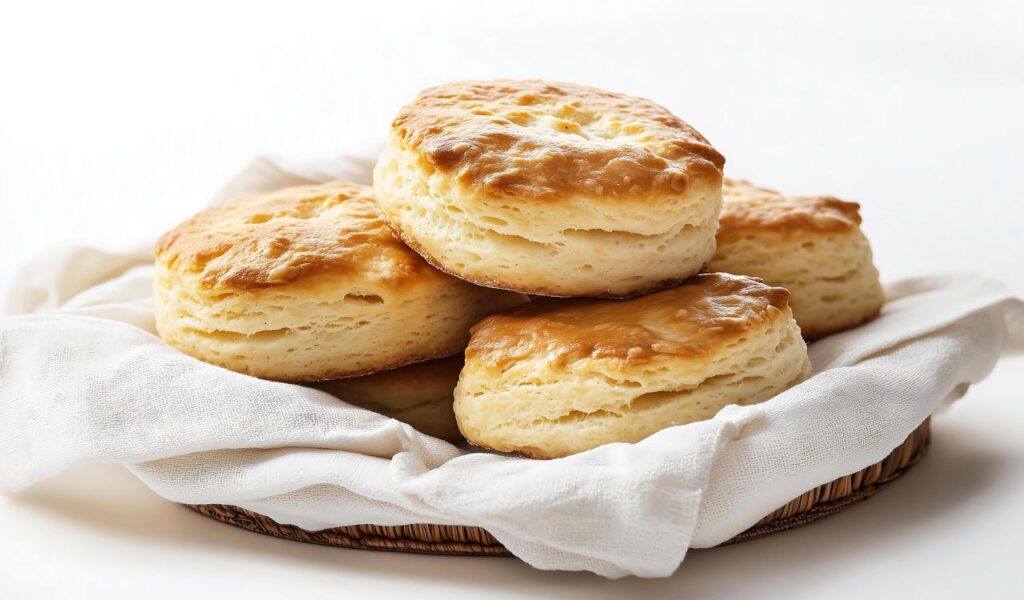
Sweet biscuits, often served with tea or coffee, once offered mild sweetness that complemented beverages without overwhelming flavor. Many packaged versions today taste noticeably sweeter due to recipe updates aimed at increasing snack appeal.
Higher sugar levels also help maintain shelf life and enhance browning during baking, making products look more appealing in packaging. Reformulations frequently add syrups or sweet coatings that deliver stronger flavor immediately.
Regular buyers sometimes observe biscuits tasting closer to dessert cookies than lightly sweet snacks. Although texture remains familiar, sweetness levels often rise over time as manufacturers compete for consumer attention in busy snack aisles.
4. Cookies
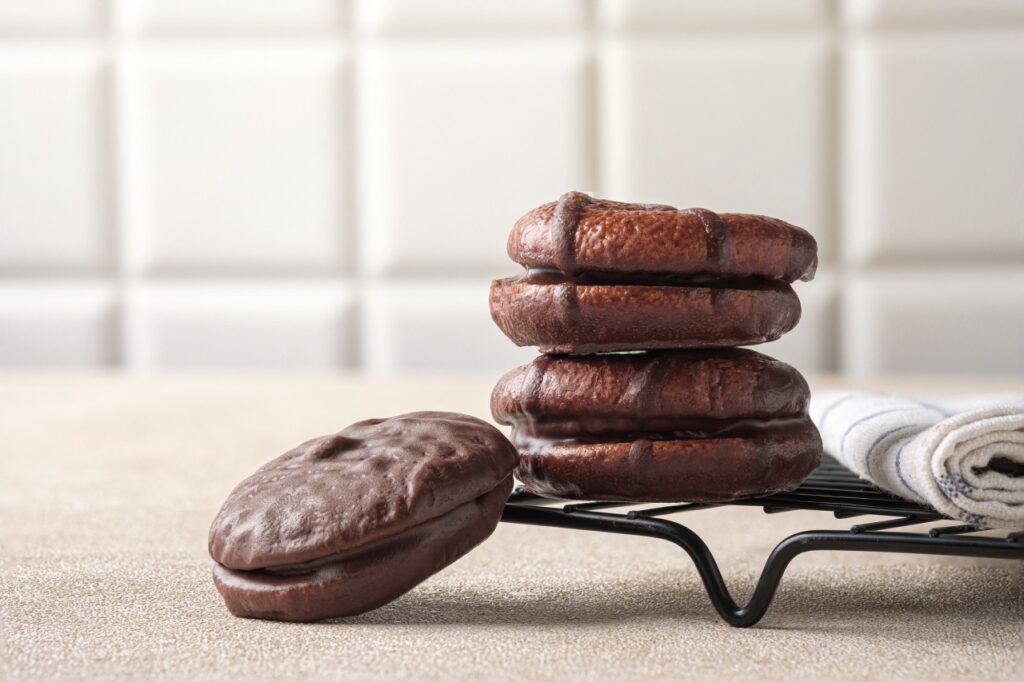
Packaged cookies have gradually shifted toward richer sweetness as brands adjust formulas to compete with bakery-style treats. Increased sugar helps maintain soft texture and enhances flavor perception after extended storage.
Reformulations often include sweetened fillings, coatings, or flavored chips that boost sweetness beyond original recipes. These additions help cookies maintain appeal even as ingredient costs fluctuate or shelf life expectations grow longer.
Customers revisiting familiar cookie brands occasionally note stronger sweetness compared with earlier versions. While still comforting treats, modern packaged cookies often lean further toward indulgence than simpler earlier formulations.
5. Crackers
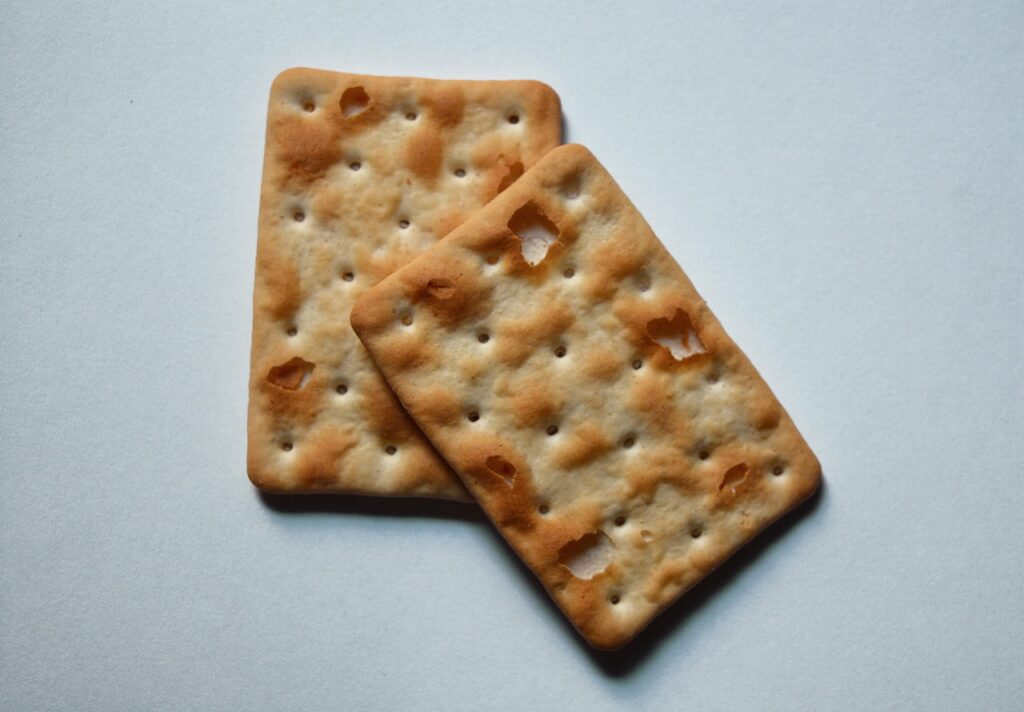
Crackers historically balanced savory and mildly sweet flavors, serving as neutral bases for spreads or cheeses. Over time, many packaged crackers introduced added sugars or honey coatings to broaden snack appeal.
Reformulated varieties often include sweet glazes or flavored dustings designed to compete with snack chips and cookies. Slight increases in sweetness make crackers more appealing as standalone snacks rather than just meal accompaniments.
Returning customers sometimes notice that crackers taste subtly sweeter than before. Although still versatile, sweetness adjustments reflect manufacturers’ efforts to attract snackers seeking flavor intensity without moving fully into dessert territory.
6. Processed Fruit Snacks
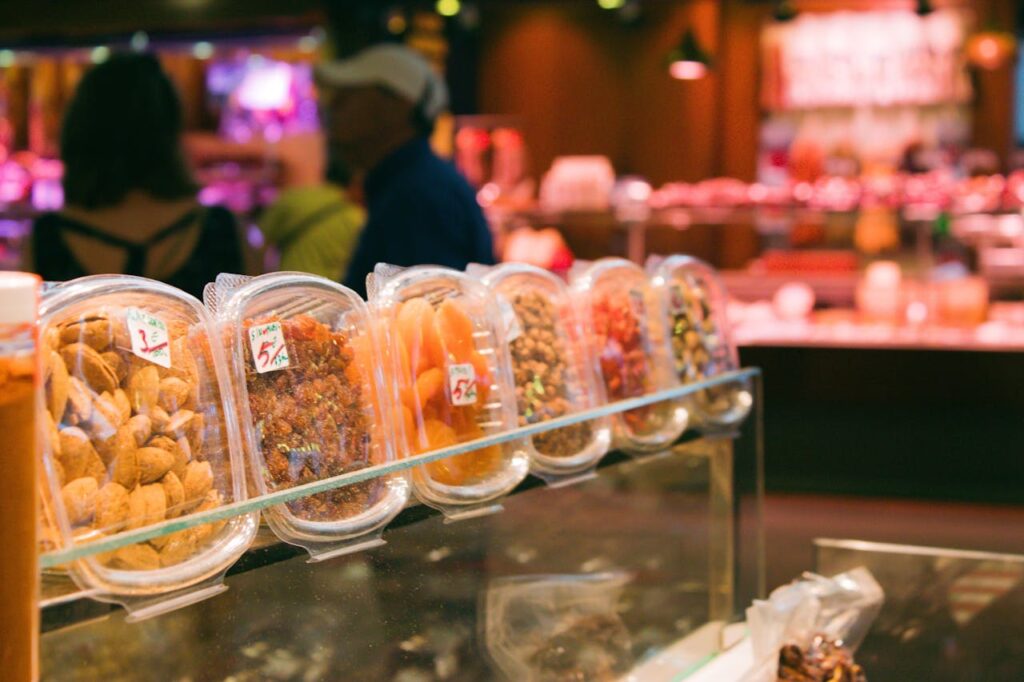
Fruit snacks marketed toward children and families originally emphasized fruit juice concentrates and natural flavors. Many modern versions contain higher sugar or sweetener levels to enhance chewiness and maintain flavor after long storage.
Sugar also stabilizes texture and prevents drying, allowing snacks to remain soft inside sealed packaging. Reformulations often balance fruit content with sweeteners that create a consistent taste across batches.
Parents comparing labels over time frequently discover sugar content rivaling candy. Though marketed as fruit-based treats, sweetness now dominates flavor, making processed fruit snacks taste far sweeter than earlier formulations.
7. Sweetened Vegetable Snacks
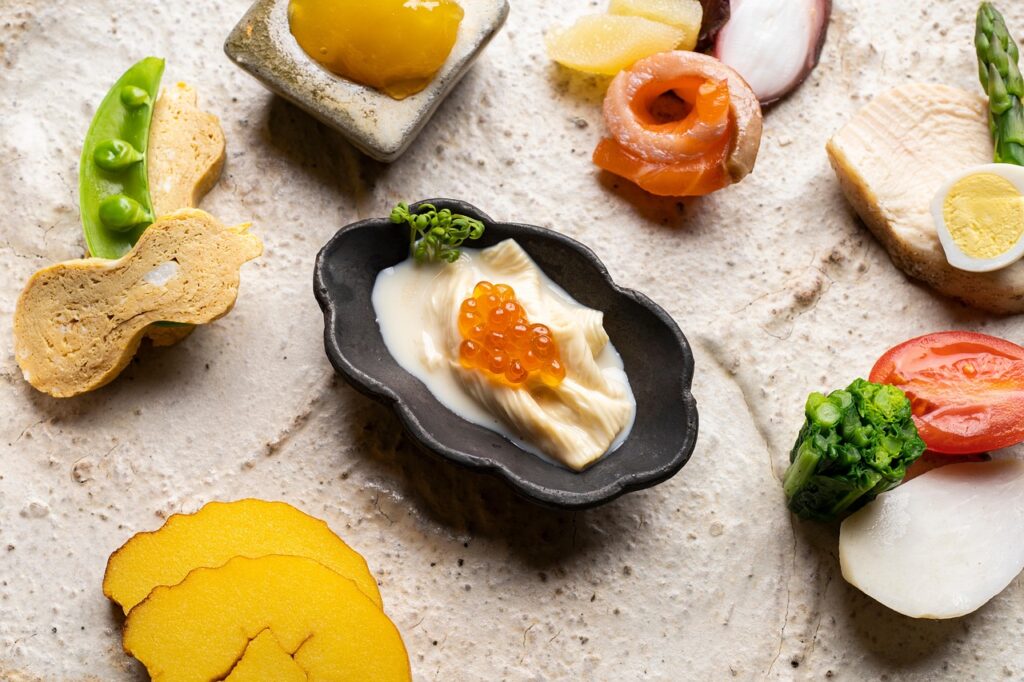
Vegetable-based packaged snacks have grown in popularity as healthier alternatives to chips, yet wide varieties now incorporate sweet coatings or flavor blends to improve taste acceptance among wider audiences.
Manufacturers sometimes add sugar or sweet seasonings to offset bitterness in vegetables like carrots or beets. These additions help snacks appeal to consumers expecting stronger flavors from packaged products.
Shoppers expecting purely savory vegetable snacks sometimes notice unexpected sweetness. Reformulations designed to attract broader markets gradually shift these products toward sweeter flavor profiles, blurring lines between health snacks and indulgent treats.
8. Sweetened Salad Dressings
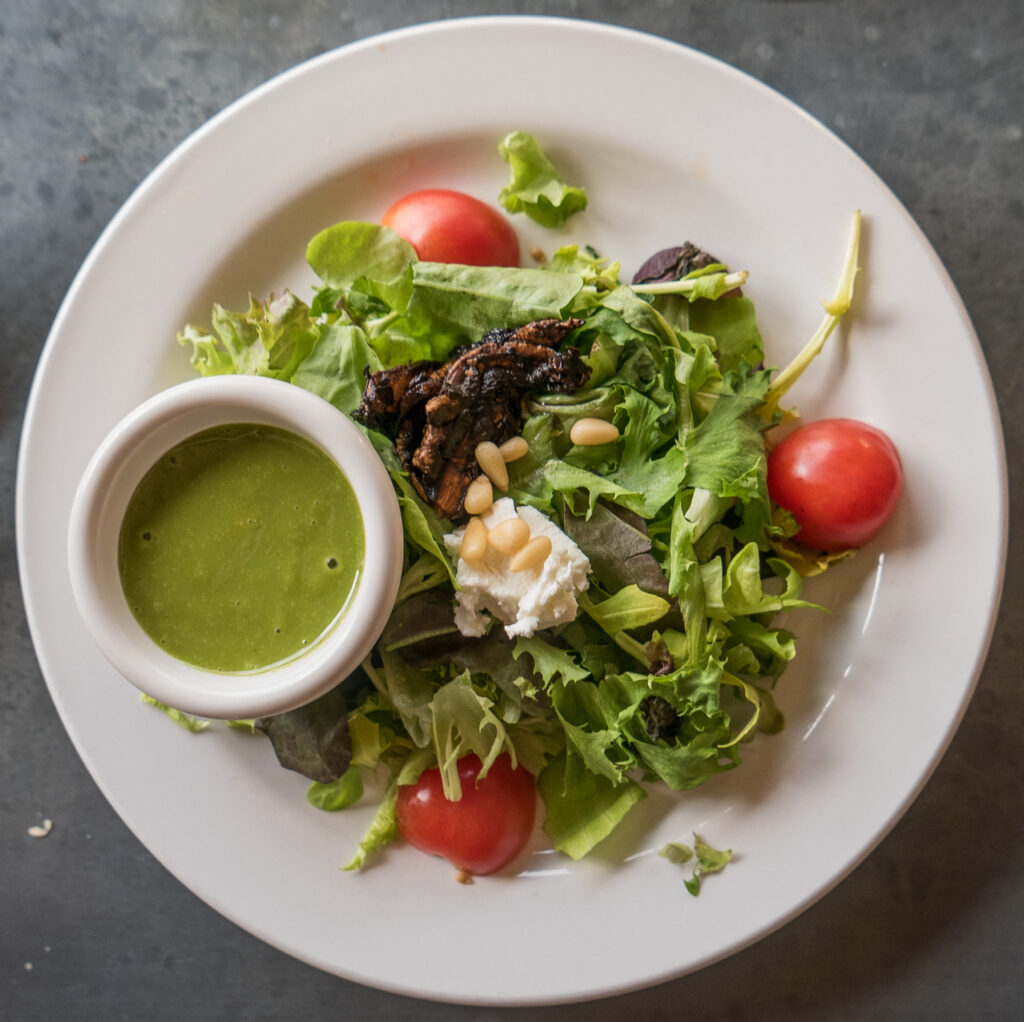
Salad dressings once balanced acidity and oil to complement fresh vegetables, but many packaged versions now include added sugars or sweeteners to appeal to broader taste preferences.
Sugar helps stabilize dressings and soften sharp vinegar notes, creating flavors that feel smoother and more approachable. Reformulations often increase sweetness to compete with creamy sauces and dipping dressings in supermarket aisles.
Consumers returning to familiar brands sometimes notice sweeter flavors overshadowing tangy notes. While dressings remain convenient, many now taste sweeter than earlier recipes intended primarily to enhance vegetable freshness.
9. Packaged Dessert Mixes
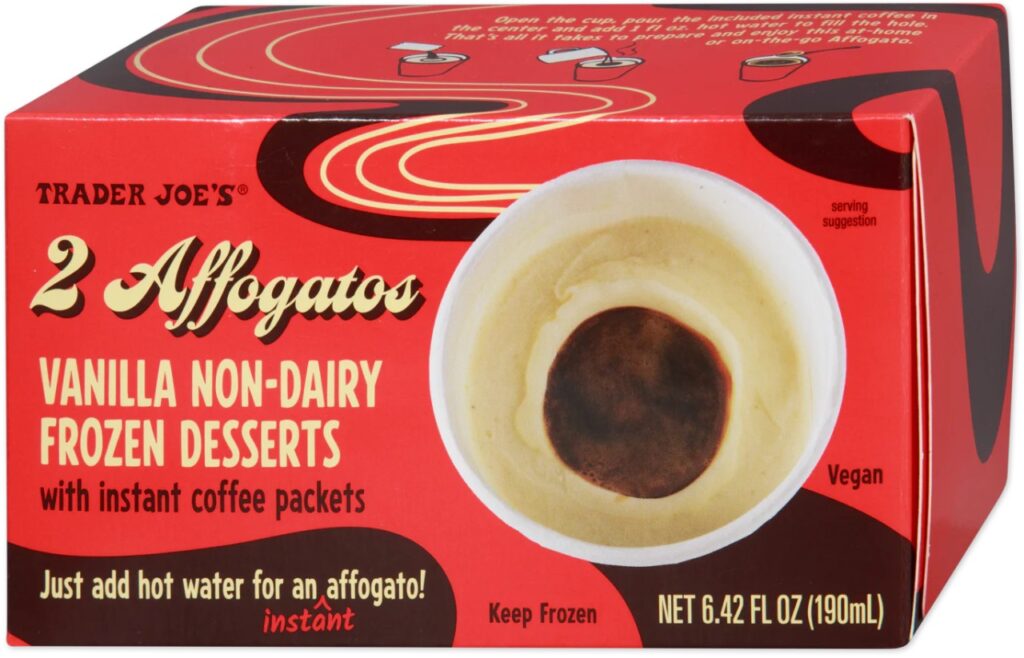
Boxed cake, brownie, and dessert mixes historically delivered moderate sweetness that home bakers could customize. Over time, many mixes incorporated sweeter formulas to guarantee rich flavor regardless of preparation differences.
Higher sugar content helps maintain moist texture and consistent results even when baked under varied household conditions. Reformulations often emphasize indulgence, ensuring desserts taste appealing without requiring added ingredients.
Consumers baking longtime favorites sometimes notice mixes producing sweeter results than remembered. While convenience remains strong, packaged dessert mixes increasingly prioritize sweetness to meet expectations shaped by modern snack and dessert trends.