Why American Coffee Tastes Like Dishwater to the Rest of the World

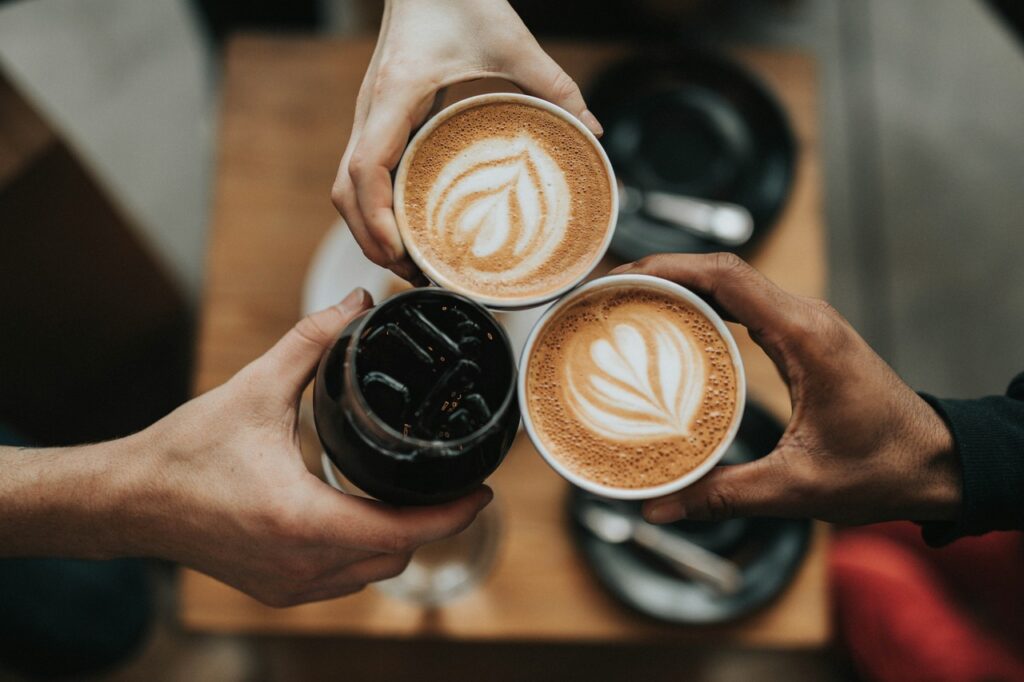
American coffee often surprises international visitors who expect bold, concentrated flavors but instead encounter large, mild brews. The difference comes from roasting traditions, bean quality choices, brewing ratios, and cultural habits that emphasize convenience and caffeine delivery over taste complexity. Meanwhile, many global coffee cultures treat brewing as ritual and craft, focusing on precision and flavor clarity. As specialty coffee grows in the United States, brewing habits are shifting, narrowing the gap between convenience and flavor.
The American Coffee Flavor Issue
Coffee can be many things depending on where someone grew up, but for many people abroad, American coffee often tastes weak, bland, and thin. What some describe as dishwater coffee usually means the beverage lacks depth, aroma, and complexity that other cultures prize. Rather than tasting like a craft drink with balanced acidity and sweetness, it can taste flat or watered down. This perception does not come from a lack of coffee knowledge among American drinkers but from long-standing habits in how coffee is roasted, brewed, and consumed. In many other coffee cultures, flavor intensity is a priority, not just caffeine delivery.
Perception plays a major role in how coffee is judged. When coffee drinkers from Europe, Latin America, or Africa travel to the United States and encounter large brews served over long periods, they often find the flavor profile unfamiliar. Many international coffee traditions emphasize concentrated extraction, careful brewing, and smaller serving sizes, which accentuate the natural flavors of the bean. This difference shapes expectations, and when expectations are unmet, coffee gets dismissed as weak or watery. Understanding these different frameworks helps explain why American coffee culture and international standards often feel at odds.
Roast Style Differences
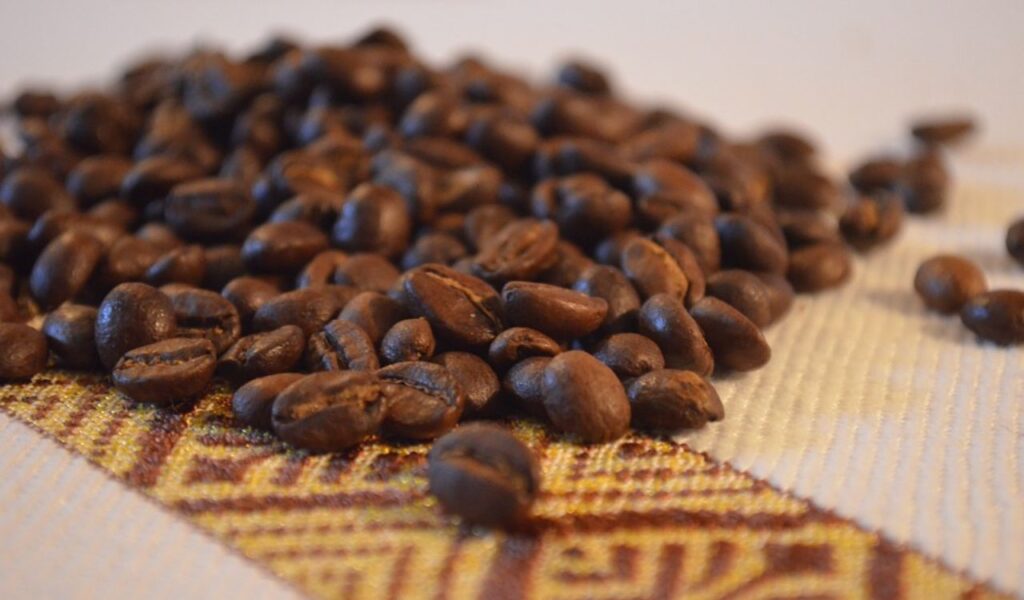
One of the biggest contributors to the perceived flavor difference is roast style. In the United States, many commercial and chain coffee roasters have historically favored darker roasts. Dark roasting pushes beans further in development, producing smoky and sometimes bitter flavors while reducing delicate natural notes. This style became popular partly because darker roasts create uniform flavor across large batches, making consistency easier in mass distribution. For drinkers accustomed to lighter, more nuanced roasts, this darker profile can taste burnt or overly harsh. Dark roasts also mask imperfections in lower-grade beans.
By contrast, much of the world’s specialty coffee scene celebrates lighter to medium roasts that preserve bean characteristics. These profiles highlight acidity, fruitiness, floral tones, and sweetness that reflect growing regions. When compared with heavily roasted coffee, lighter roasts often taste brighter and more complex. The difference is not necessarily about quality but about preference and tradition. Americans historically sought strong flavors, while specialty coffee communities aim for clarity and distinct origin character. Light roasting also helps drinkers appreciate subtle differences between regions.
Bean Selection and Quality
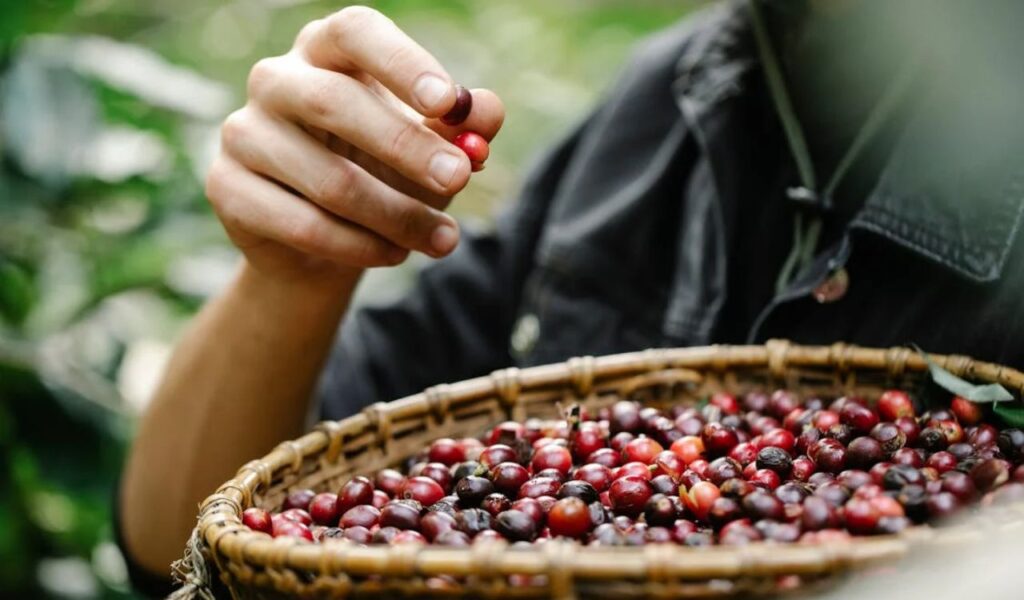
Bean selection strongly influences flavor, and not all coffee beans are equal in quality or character. Many large-scale American coffee producers rely on commodity-grade beans that emphasize supply stability and cost efficiency. These blends sometimes include Robusta beans, which contain more caffeine but often produce harsher flavors compared with higher-grade Arabica varieties. Because commodity beans are cheaper and widely available, they support large distribution networks but may lack distinctive flavor notes. Consumers often remain unaware of differences between bean grades. Cost considerations frequently outweigh flavor in mass production decisions.
Specialty coffee producers focus on carefully sourced Arabica beans grown in regions known for unique flavor characteristics. Countries such as Ethiopia, Colombia, and Guatemala produce beans prized for acidity, sweetness, and aromatic complexity. When processed and roasted thoughtfully, these beans deliver flavors that stand out even without additives. Lower-grade blends, often found in standard drip coffee, tend to taste less vibrant, leading some drinkers to perceive them as weak. Interest in single-origin coffee continues to grow in urban markets. More consumers now explore flavor differences between regions.
Brewing Methods and Strength
Brewing method plays a decisive role in how much flavor ends up in the cup. Standard American drip machines typically use larger water volumes relative to coffee grounds, resulting in milder flavor concentration. While convenient, these machines can produce coffee that tastes diluted if grind size or ratios are not adjusted carefully. Pre-ground coffee also loses aromatic compounds over time, further reducing flavor intensity. The result is a beverage that fills a mug easily but may not deliver strong sensory impact. Busy routines often encourage convenience over precision in brewing. Many households prioritize speed when preparing morning coffee.
Extraction science explains how water dissolves different compounds from coffee grounds at various stages. Proper grind size and brewing time help capture acids, sugars, and oils that contribute body and complexity. When the grind is too coarse or brewing too fast, the water fails to extract enough flavor, creating thin coffee. Brewing traditions in many countries rely on tighter controls to produce concentrated cups that showcase coffee’s character. These methods demonstrate how brewing precision dramatically changes flavor experience. Manual brewing tools are increasingly gaining popularity among enthusiasts. Education around brewing ratios improves home coffee quality.
Cultural Consumption Patterns
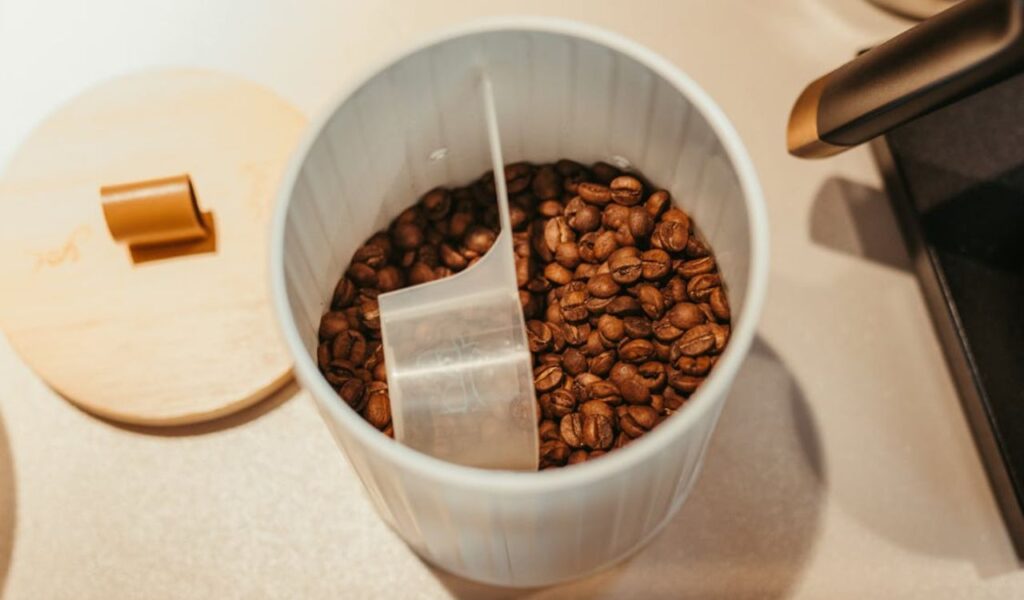
In the United States, coffee often serves as an energy boost rather than a slow-tasting experience. Large takeaway cups suit busy commutes and work routines, where caffeine delivery matters more than flavor evaluation. This practical mindset shapes how coffee is brewed, stored, and consumed daily. Quick refills and prolonged sipping periods naturally lead to milder brewing styles. Office coffee machines often prioritize convenience over taste. Workers frequently drink coffee throughout the day without focusing on flavor. Consumption habits influence preparation quality. As a result, consistency and accessibility often matter more than brewing precision.
Elsewhere, coffee drinking is often tied to social interaction and ritual. Italian espresso culture encourages quick but intense flavor experiences shared at café counters. Scandinavian coffee breaks emphasize relaxed conversation and appreciation of taste. These traditions value aroma, texture, and sensory engagement over volume. When these expectations meet large, mild American cups, the difference feels striking to visitors. Coffee rituals strengthen social connections in many countries. Slow consumption encourages appreciation of brewing craft. Cultural habits strongly shape expectations around flavor intensity.
Global Coffee Traditions Comparison
The rise of automation raises questions about workforce transformation. Rather than eliminating jobs outright, some experts see automation reshaping roles within the kitchen. Chefs may transition from manual labor to roles focused on supervision, quality control, and innovation. The human workforce can develop skills in managing and programming machines, integrating technology with culinary tasks that demand judgment and creativity. Rather than seeing robots as replacements, kitchens can treat them as tools that elevate human capacity.
Other regions emphasize ceremonial or manual brewing traditions. Ethiopian coffee ceremonies celebrate roasting and brewing as social events. Japanese pour-over methods highlight precision and patience to achieve clarity in taste. These approaches transform coffee preparation into performance and craftsmanship. Compared with such traditions, mass-produced drip coffee can appear uninspired to global visitors. Manual brewing traditions encourage appreciation of origin flavors. Cultural pride often centers on local preparation styles. These practices keep coffee deeply tied to community identity.
Water Quality and Grind Size
Water composition significantly affects coffee flavor, even though many drinkers overlook it. Mineral balance influences how flavors dissolve during brewing. Soft or heavily treated tap water may produce flat coffee, while mineral-heavy water can dull delicate notes. Because drip coffee uses large water volumes, any imbalance becomes more noticeable in the final cup. Filtered water often improves flavor consistency at home. Mineral adjustments can enhance extraction quality. Water quality plays a bigger role than many expect. Even small changes in filtration can noticeably shift aroma and clarity.
Grind size determines how quickly water extracts compounds from coffee grounds. Finer grinds slow extraction and enhance flavor concentration, while coarse grinds may leave coffee under-extracted and watery. Fresh grinding also preserves aromatic oils that quickly dissipate once beans are ground. Coffee cultures that emphasize flavor pay careful attention to grind consistency and freshness. These practices directly influence how rich or thin coffee tastes. Home grinders increasingly improve brewing precision. Fresh grinding enhances aroma and taste noticeably. Proper calibration prevents weak extraction.
Barista Training and Industry Standards
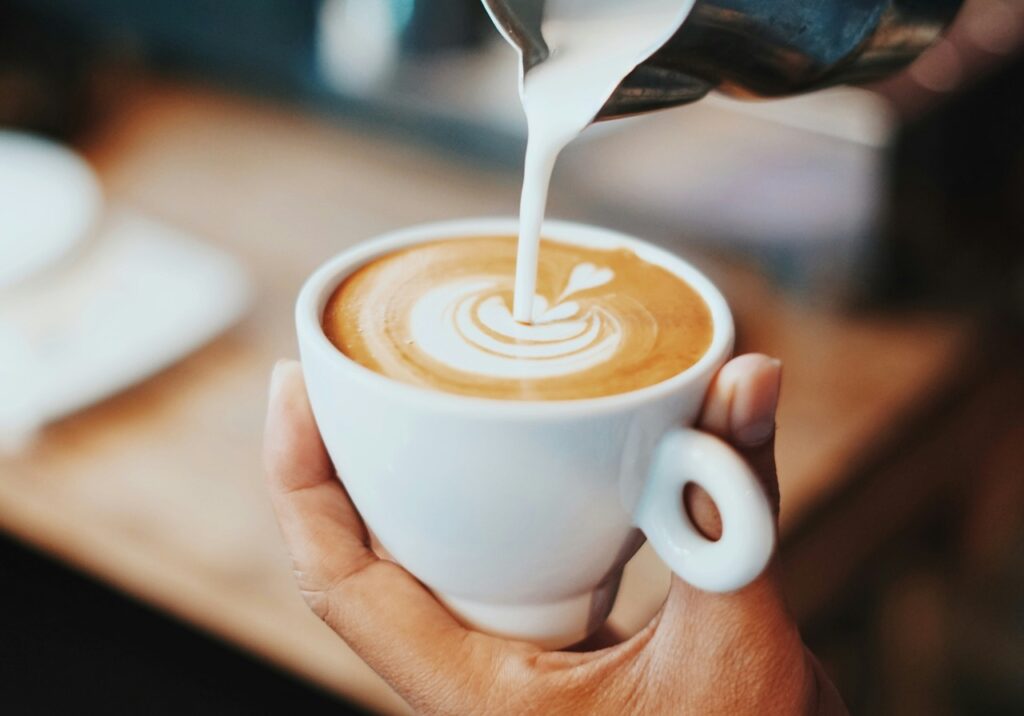
Professional coffee preparation requires training, yet standards vary widely between markets. In many specialty coffee regions, baristas learn extraction theory, milk texturing, and flavor evaluation. This education ensures drinks consistently highlight bean qualities. Skilled preparation can dramatically improve taste even with the same ingredients. Professional competitions also elevate preparation standards globally. Training programs now attract younger generations into coffee careers. Skilled baristas significantly influence café reputations. Continuous practice helps professionals refine consistency across busy service hours.
In contrast, some American coffee environments treat preparation as secondary to speed and convenience. Automated machines simplify brewing but reduce opportunities for skilled adjustment. Specialty cafés have begun raising expectations, but mass consumption still leans toward efficiency over craft. Differences in training and expectation partly explain why coffee quality feels inconsistent between regions. Growing specialty markets are gradually changing expectations nationwide. Training investments slowly reshape coffee experiences. Independent cafés often lead experimentation with brewing standards and bean sourcing.
Bridging the Flavor Gap
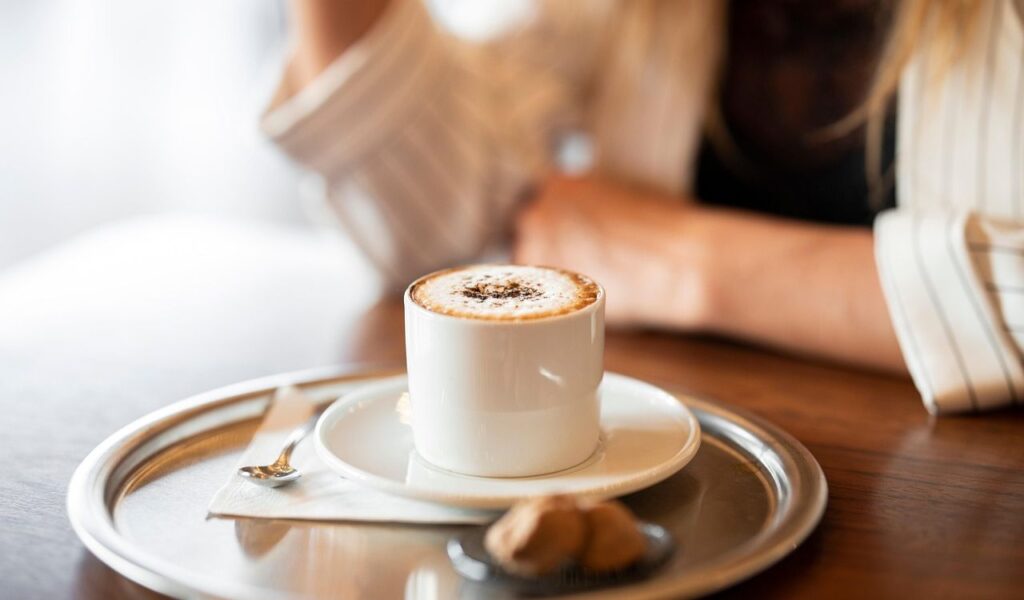
American coffee culture continues evolving as consumers explore specialty brewing techniques. Manual brewing tools, better grinders, and fresh bean sourcing have become more accessible to home drinkers. Greater interest in flavor diversity encourages experimentation beyond standard drip machines. Coffee education spreads through cafés, social media, and specialty roasters, helping consumers recognize quality differences. Coffee tasting events and workshops introduce drinkers to new brewing methods. Home brewing communities share techniques that improve flavor. Growing curiosity drives improvements in everyday coffee preparation.
Simple brewing improvements can significantly elevate coffee quality at home. Using fresh beans, adjusting coffee-to-water ratios, and grinding just before brewing produce noticeable results. Borrowing practices from global traditions helps create richer, more satisfying cups. As preferences shift toward flavor appreciation, American coffee increasingly reflects international standards. The gap between weak and flavorful coffee continues narrowing as brewing knowledge spreads. Experimentation encourages the discovery of preferred flavor profiles. Improved brewing habits steadily reshape coffee culture.
References
- The bitter truth – Studyfinds.org
- Why we shouldn’t like coffee, but we do – sciencebulletin.org
- Aroma and flavour descriptors – coffeeandhealth.org