8 Dollar Tree Foods Tasting Like Cheap Letdowns


Dollar stores promise easy wins. Bright packaging, familiar names, and low prices make it feel like you are beating the system. But food is where that promise most often cracks. Many ultra-budget items are built to survive long storage, not to deliver flavor, texture, or balance once they hit your plate. Ingredient shortcuts, heavy processing, and aggressive preservation keep costs low while quietly stripping away what makes food satisfying. These Dollar Tree staples look comforting and convenient on the shelf, yet reveal their flaws the moment you taste them. Knowing why they disappoint helps set better expectations and avoid meals that feel cheap in every sense of the word.
1. Frozen Cheeseburgers
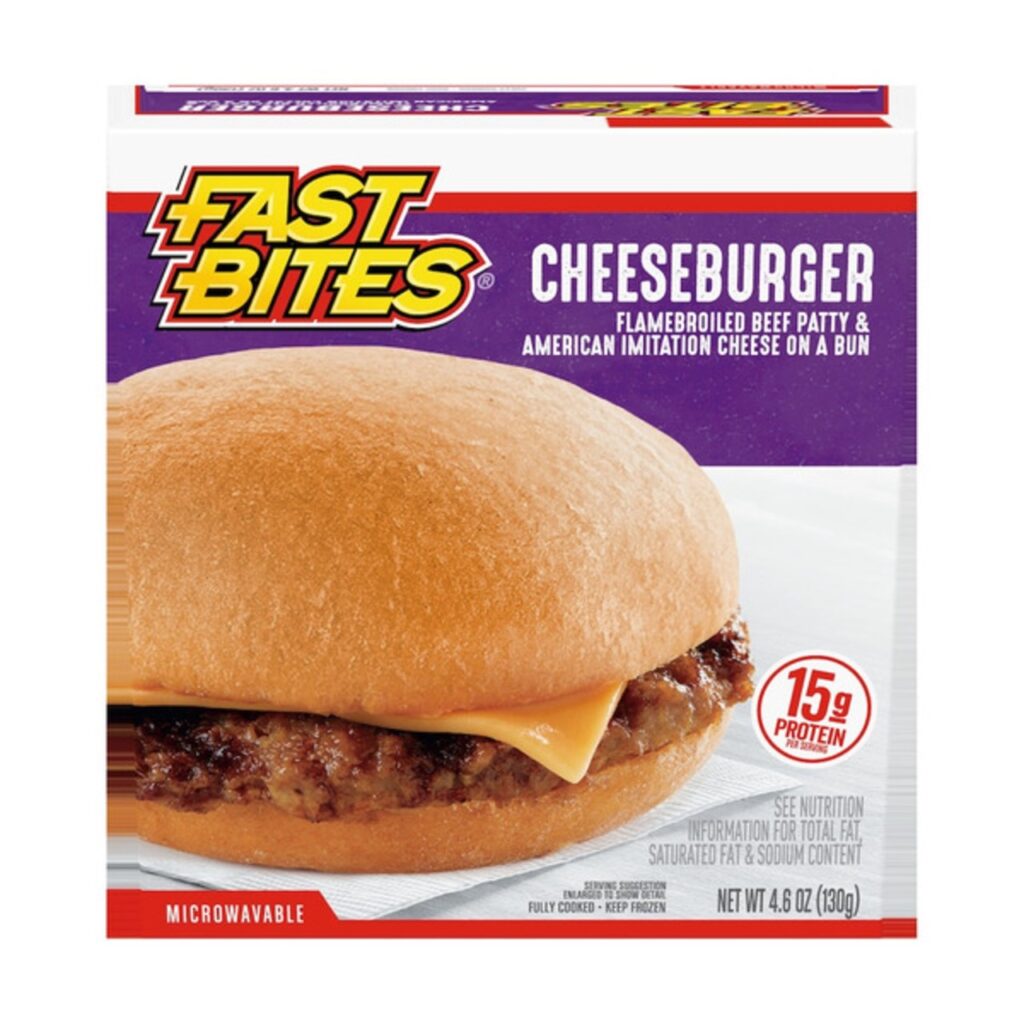
Frozen cheeseburgers from Dollar Tree often disappoint because every component is engineered to survive freezing rather than deliver flavor. The buns are typically pre-steamed before freezing, which causes them to reheat with a rubbery, sponge-like texture. The beef patties are thin and heavily processed, relying on fillers and binders to hold their shape. During reheating, moisture escapes unevenly, leaving the patty dry in the center and greasy at the edges. Cheese slices are usually made with emulsifiers instead of real dairy, so they melt into a waxy layer rather than adding richness. The lack of seasoning compounds the issue, resulting in a sandwich that tastes flat and artificial.
2. Microwave Pasta Meals
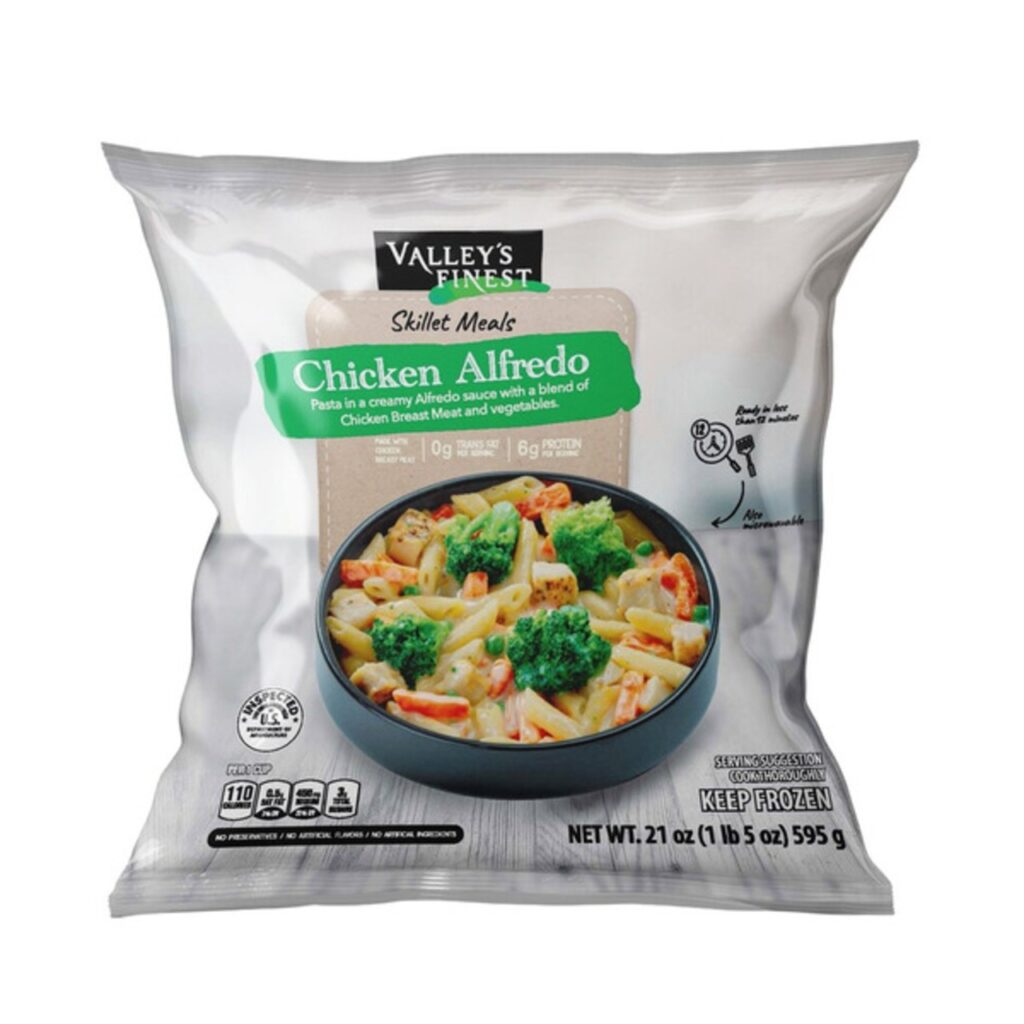
Microwave pasta meals struggle because pasta and sauce age very differently in frozen or shelf-stable conditions. The noodles are partially cooked before packaging, which means they continue softening during storage. By the time they are reheated, they often turn mushy or split apart. Sauces suffer just as much. Cream-based sauces separate under high microwave heat, becoming watery and grainy. Tomato sauces lose brightness and develop a dull, acidic note after extended storage. To compensate, manufacturers add salt and thickeners, which can leave a pasty mouthfeel. The result is a bowl of pasta that lacks structure, balance, and freshness.
3. Canned Chili
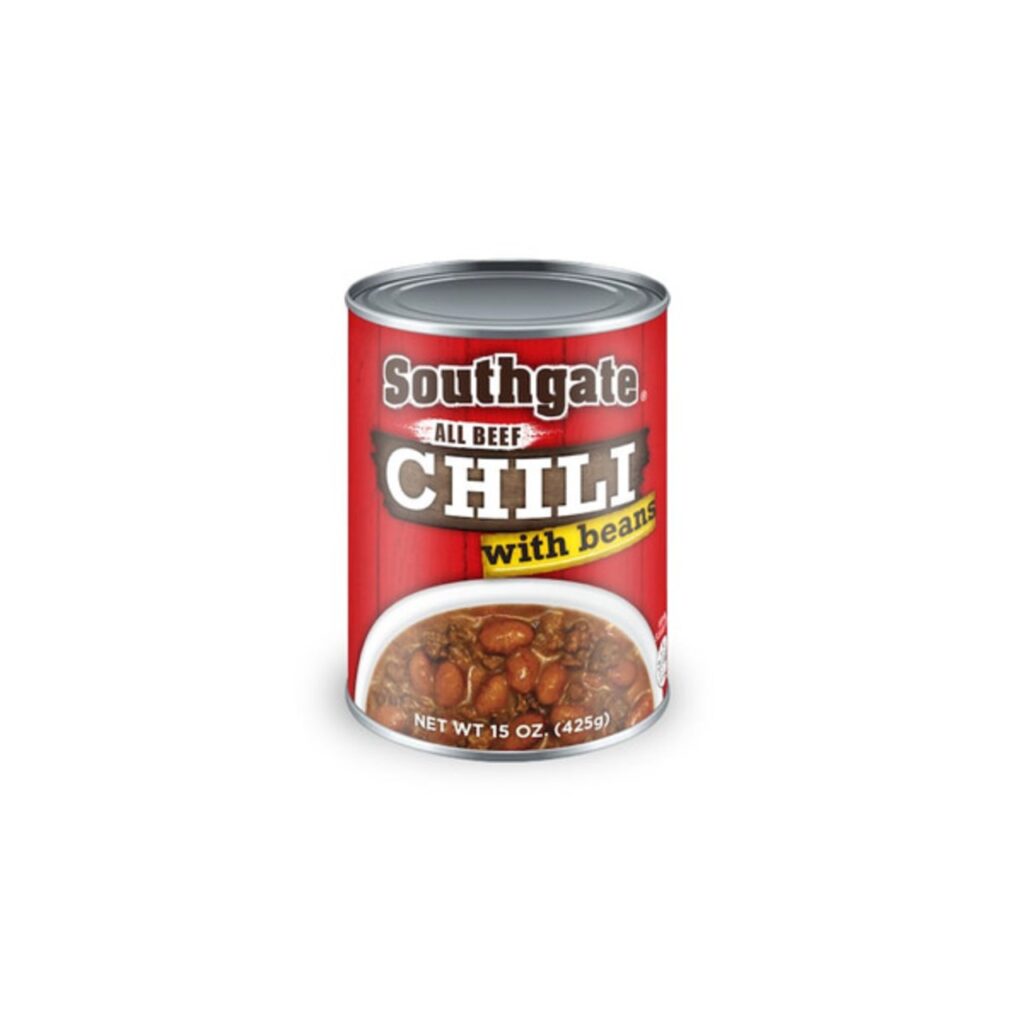
Canned chili seems like a reliable budget staple, but the low-cost versions often fall short due to ingredient shortcuts. Beans are frequently overcooked during the canning process, leading to a soft, almost chalky texture. Meat, when present, is finely ground and heavily processed to withstand long shelf life. This results in a uniform, mushy consistency rather than distinct bites. Spices lose potency over time, so manufacturers rely on salt and artificial flavor enhancers to fill the gap. This creates a one-note taste that lacks depth and warmth. The liquid portion is often thin, separating from the solids and giving the chili a watery feel.
4. Shelf-Stable Mac and Cheese Cups
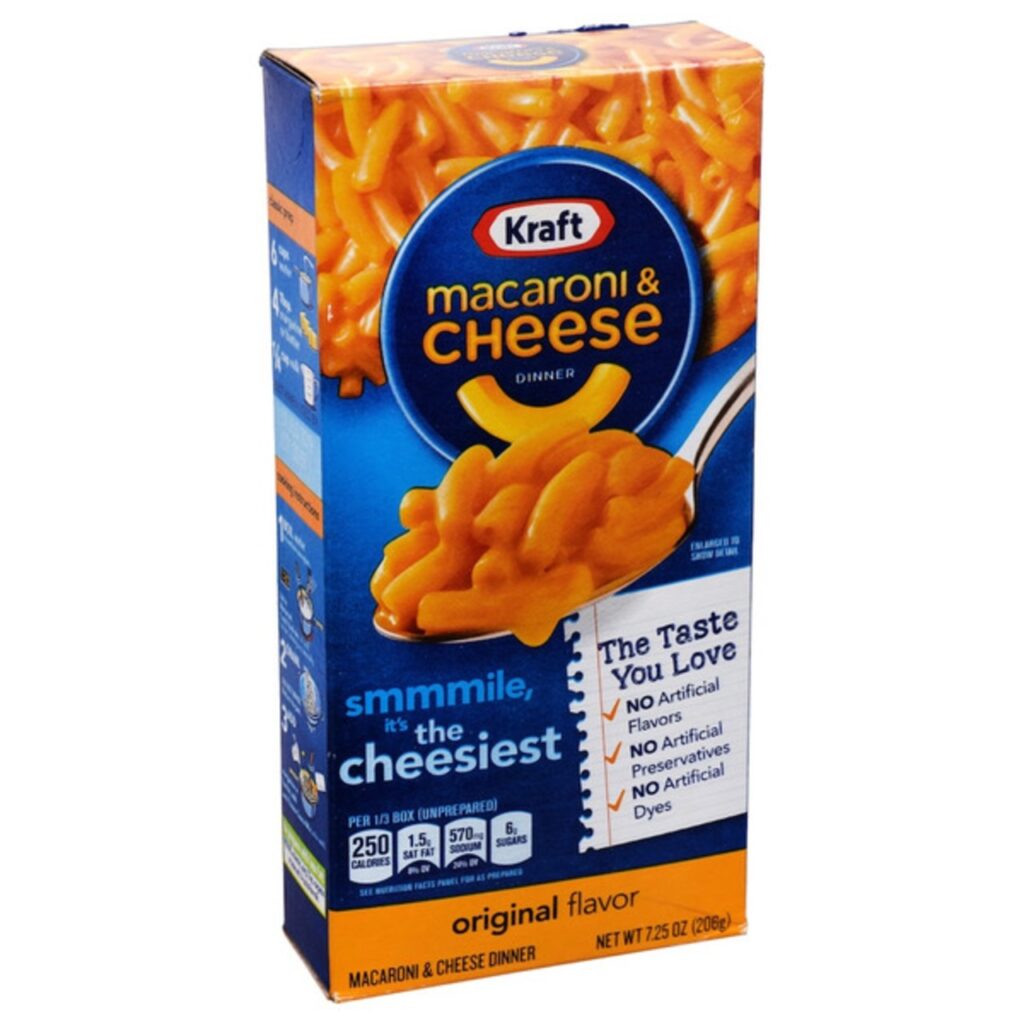
Shelf-stable mac and cheese cups are designed for convenience, not quality. The pasta is pre-cooked and dried in a way that prioritizes speed over texture. When rehydrated, it often becomes gummy or overly soft. The cheese powder relies on dairy derivatives and stabilizers instead of real cheese, which produces a flat, powdery flavor. To boost appeal, sodium levels are pushed high, masking the lack of richness. The sauce thickens unevenly, sometimes clinging too much to the noodles or pooling at the bottom. The result feels more like a salty filler than the comforting dish people expect. One bite usually confirms the compromise.
5. Frozen Pizza Singles
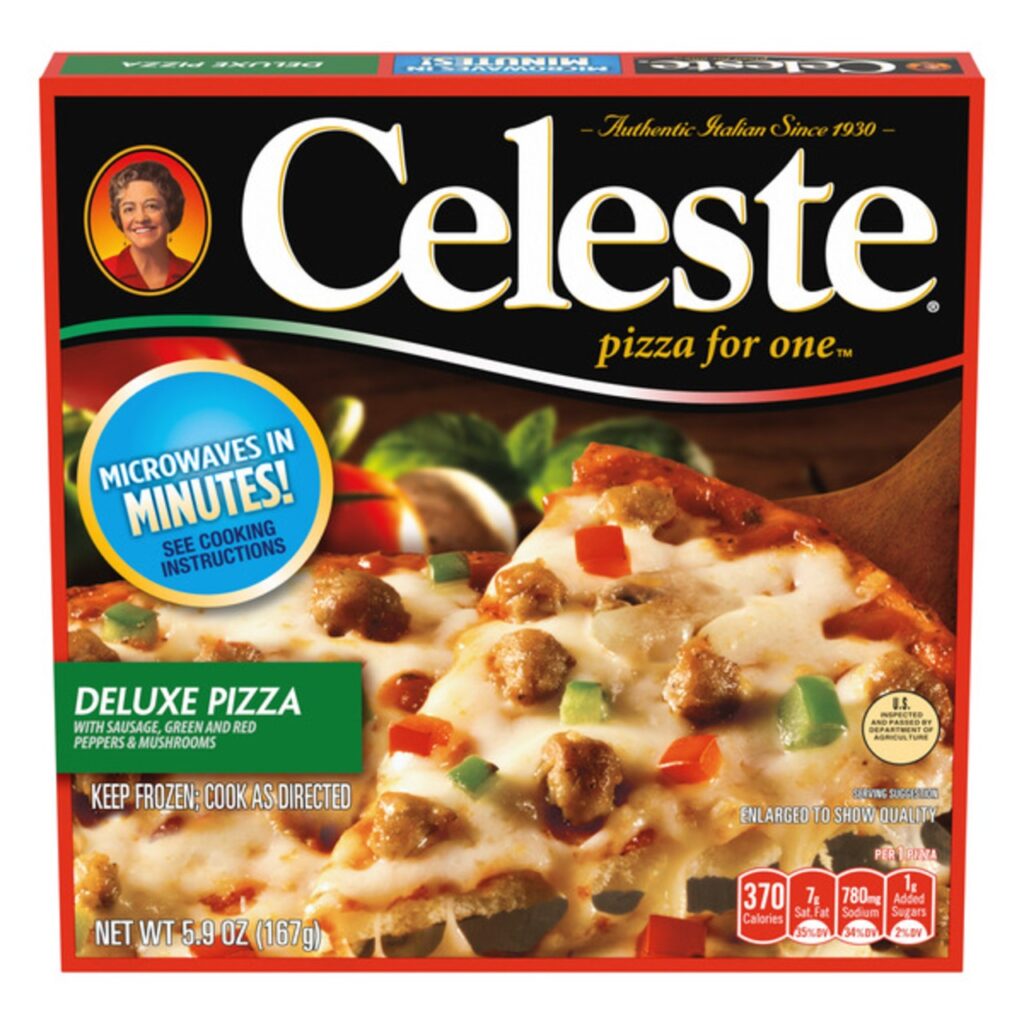
Frozen pizza singles suffer because they must be cooked quickly while still appearing generous. The crust is usually dense and bread-heavy to prevent sogginess during storage. When reheated, it often turns chewy or stiff. Sauce is applied sparingly and tends to taste overly sweet or metallic due to preservatives. Cheese coverage is minimal and relies on blends that melt unevenly. Toppings are finely chopped to reduce cost, which causes them to dry out or disappear during cooking. The end result is a pizza that looks passable but eats like a compromise, filling the stomach without delivering the balance that makes pizza satisfying.
6. Canned Meat Products
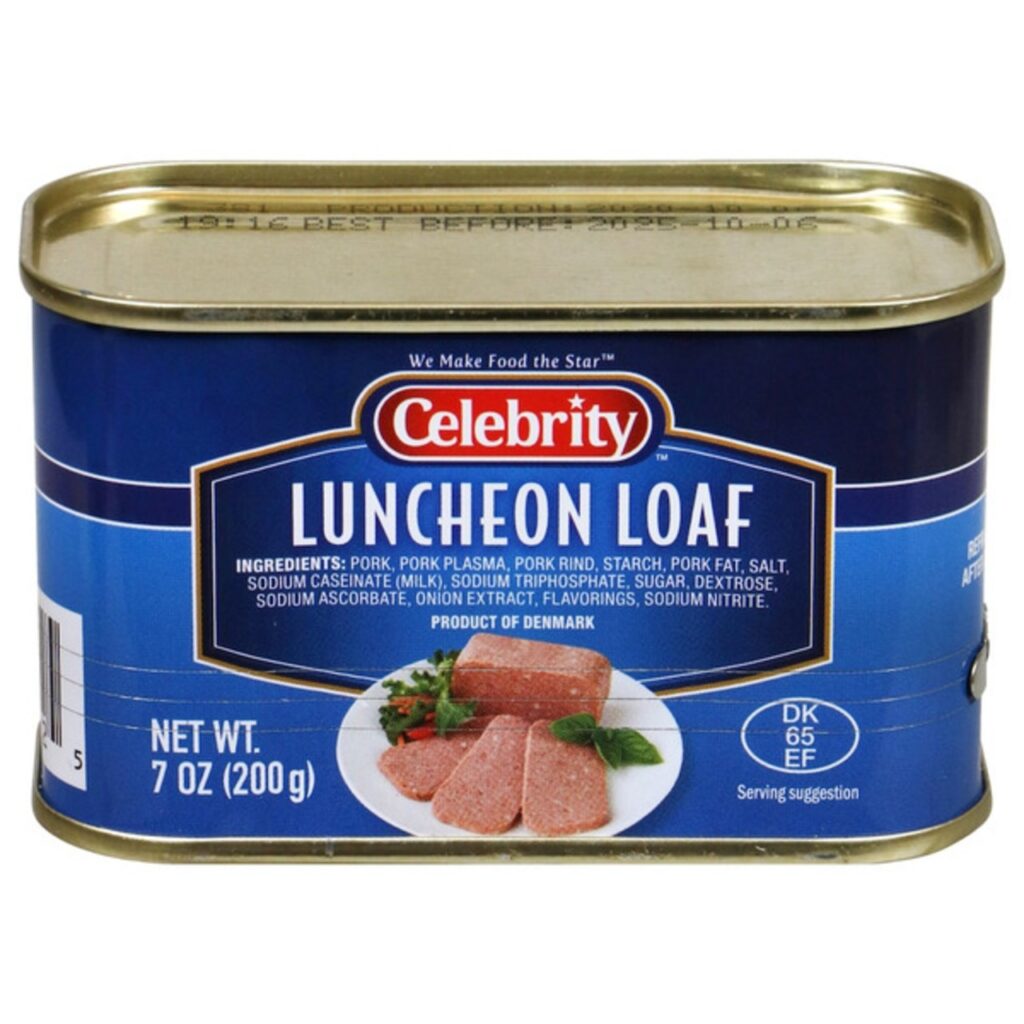
Canned meat products face an uphill battle because texture is difficult to preserve under high-heat processing. Meats are cooked inside the can to ensure safety, which compresses fibers and removes natural juices. This leads to a dense, sometimes gelatinous texture that many people find off-putting. Extended storage dulls natural meat taste, so salt and preservatives dominate. Some products develop a metallic note from the can itself, further reducing appeal. Seasonings rarely penetrate deeply, leaving the meat bland inside and salty on the surface. The result is a protein that feels more engineered than appetizing once opened.
7. Snack Cakes
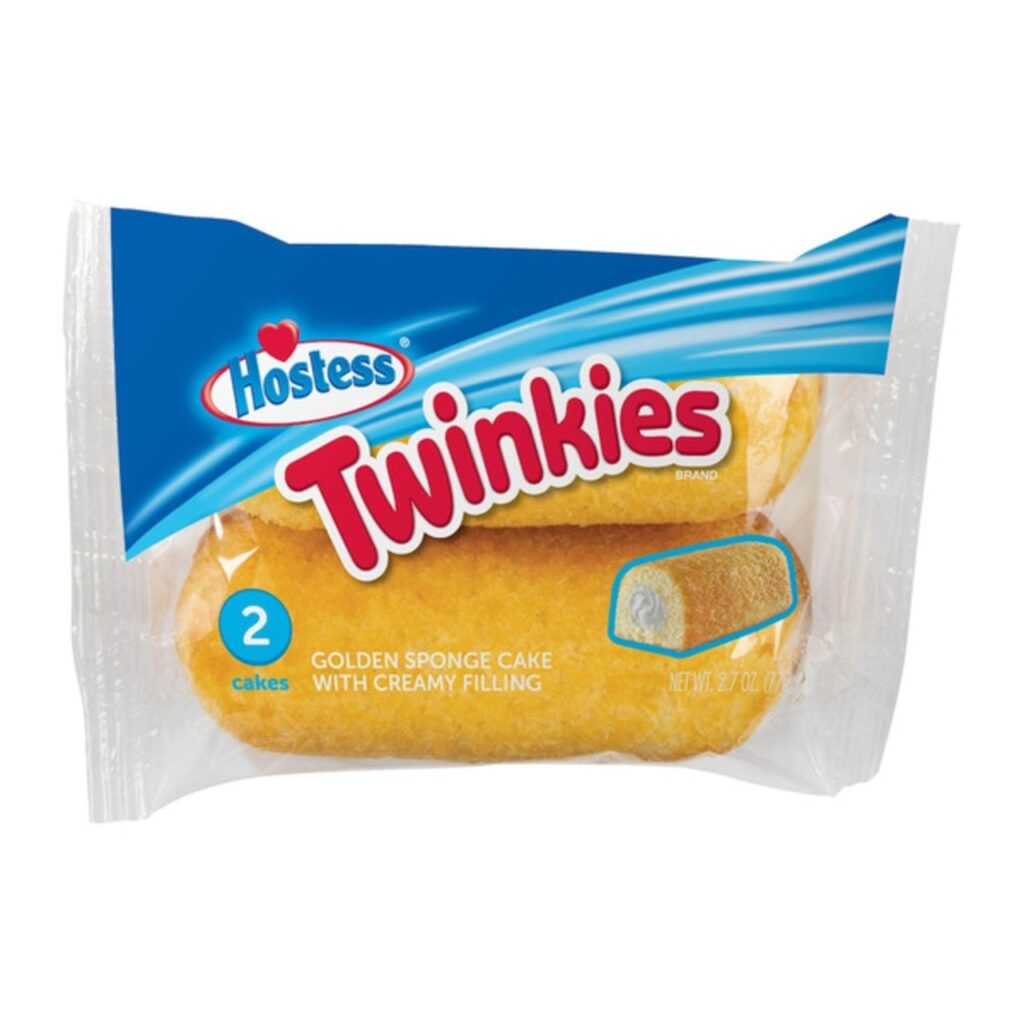
Snack cakes promise indulgence, but budget versions often fall flat due to ingredient substitutions. Real butter and eggs are replaced with oils and emulsifiers, which affects both flavor and texture. Cakes can taste overly sweet yet strangely hollow, lacking richness. Fillings are often minimal and made with stabilizers that create a slick, artificial mouthfeel. Shelf stability requires moisture control, which can leave cakes either dry or sticky. Over time, flavors flatten, and the cake loses any bakery-like quality. One bite often delivers all the sweetness without much satisfaction, making it hard to enjoy more than a few mouthfuls.
8. Instant Rice or Noodle Bowls
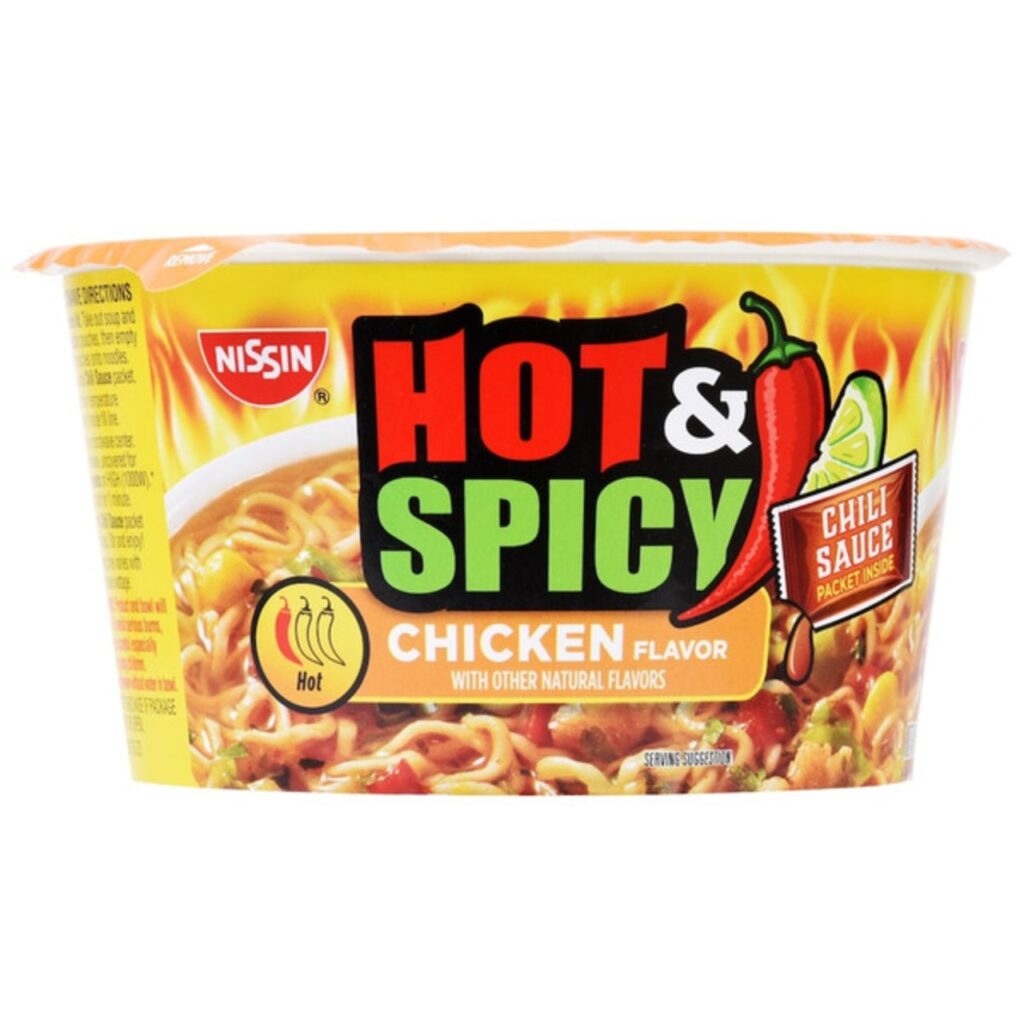
Instant rice and noodle bowls rely on dehydration to stay shelf-stable, but that process strips away much of the natural texture. Rice often reheats unevenly, with some grains turning mushy while others remain hard. Noodles can become overly soft and lose their spring. Flavor packets compensate with heavy salt, creating a sharp taste that lacks depth. Oils used for richness may taste stale after long storage. Vegetables are usually dehydrated beyond recognition. The result is a bowl that fills space but offers little enjoyment, often feeling overly salty and texturally inconsistent rather than comforting.