8 Struggle Meals From the Great Depression That We Should Stop Eating

Meals born during the Great Depression reflected survival, not culinary preference. Families stretched scarce ingredients into filling dishes that eased hunger but often sacrificed nutrition and flavor. While these recipes reveal remarkable resilience and creativity, modern kitchens no longer face the same limitations. With affordable access to fresh produce, proteins, and grains, many struggle to make meals that can now be retired in favor of healthier, more balanced options better suited to today’s nutritional needs.
1. Ketchup Soup Turned Condiments into Dinner
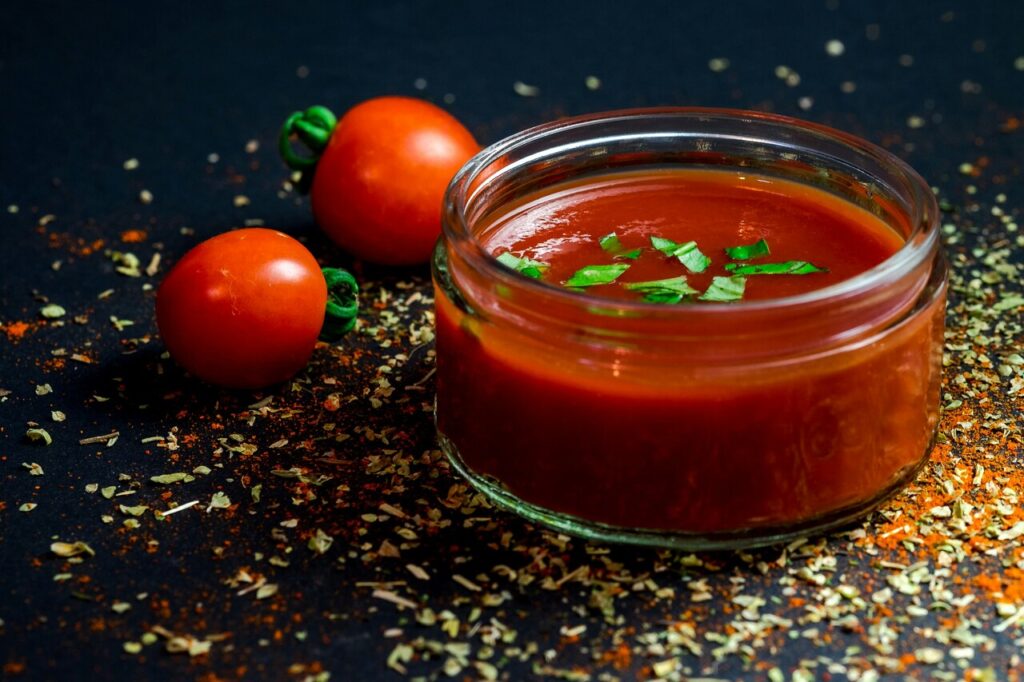
When money and groceries ran short during the Great Depression, households improvised meals from whatever sat in cupboards. Ketchup soup emerged as a desperate solution, mixing hot water with ketchup and sometimes scraps of bread.
The dish provided warmth and a hint of flavor, yet nutritional value remained extremely limited. Most calories came from sugar and salt rather than protein or fresh ingredients, leaving families full for a short time but poorly nourished over the long term.
Today, food availability and nutrition knowledge have improved dramatically. Continuing to rely on condiment-based meals offers little benefit when affordable vegetables, grains, and protein sources now provide healthier and more satisfying options.
2. Potato Peel Soup Made Waste into Meals
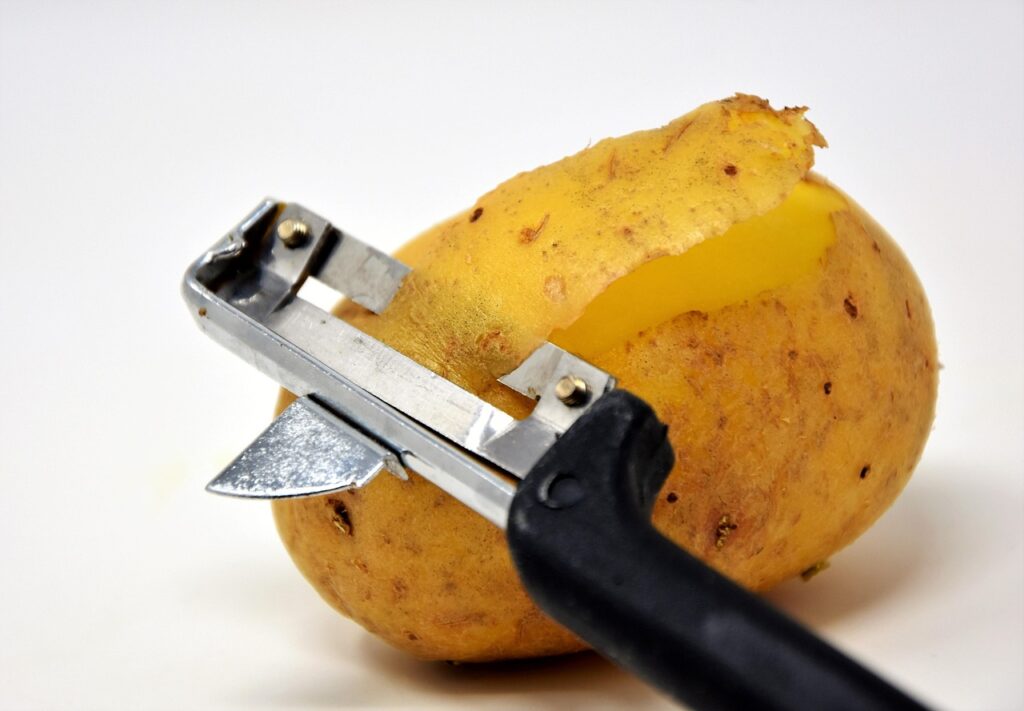
Resourcefulness defined Depression-era cooking, and potato peel soup reflected a determination to waste nothing. Families boiled potato skins left from other meals, sometimes adding onions or flour to create a thin broth, stretching limited food supplies.
While potato skins contain nutrients, relying primarily on scraps offered minimal sustenance. The resulting soup often tasted bland and lacked the protein and variety needed for balanced diets, serving mainly as a stopgap against hunger.
Modern kitchens rarely face such severe shortages, making scrap-based meals unnecessary. Using full vegetables and incorporating diverse ingredients allows families to enjoy nutritious soups without returning to survival cooking practices born of hardship.
3. Peanut Butter and Pickle Sandwich Filled Empty Stomachs

Unusual flavor combinations sometimes arose not from culinary creativity but necessity. Peanut butter and pickle sandwiches combined affordable pantry items that families could keep without refrigeration, creating filling meals during food scarcity.
The sandwich delivered calories and salt but offered limited nutritional balance beyond fat and carbohydrates. Families valued the meal for affordability rather than taste or health, and many prepared it simply because options were scarce.
With access to fresher ingredients and better dietary understanding today, sandwiches can include vegetables, lean proteins, and whole grains. Continuing odd combinations born from desperation ignores the opportunity for more nutritious alternatives now readily available.
4. Poorman’s Meal Became a Depression Staple
Poorman’s Meal typically mixed fried potatoes with sliced hot dogs or onions to stretch cheap ingredients across entire families. Potatoes supplied bulk, while inexpensive processed meat provided minimal protein at a manageable cost.
Although filling, the meal often relied heavily on starch and processed meat, high in sodium and fat. Families accepted these limitations because economic conditions forced practicality above nutritional quality or flavor diversity.
Modern grocery options allow similar comfort foods to be prepared with healthier ingredients, such as fresh vegetables or lean meats. Recreating struggle-era meals without adapting them risks preserving nutritional compromises that once stemmed from necessity rather than choice.
5. Water Pie Offered Dessert Without Ingredients

When sugar and butter were precious commodities, creative bakers devised water pie using minimal ingredients. The recipe combined water, flour, sugar, and small amounts of fat to mimic traditional custard pie textures when more expensive components were unavailable.
Though ingenious, the dessert delivered mostly simple carbohydrates with little nutritional value. Families enjoyed it as a rare sweet treat, yet its popularity reflected scarcity rather than culinary preference.
Today, fruit-based desserts or whole-grain baked goods offer better nutrition while maintaining affordability. Continuing to prepare water pie ignores the broader range of inexpensive ingredients now accessible compared to Depression-era kitchens.
6. Mulligan Stew Mixed Whatever Could Be Found

Mulligan stew, often cooked in communal settings, combined whatever ingredients were available into one pot. Travelers, workers, and families added scraps of vegetables, meat, or grains, producing unpredictable meals shaped by necessity rather than recipe design.
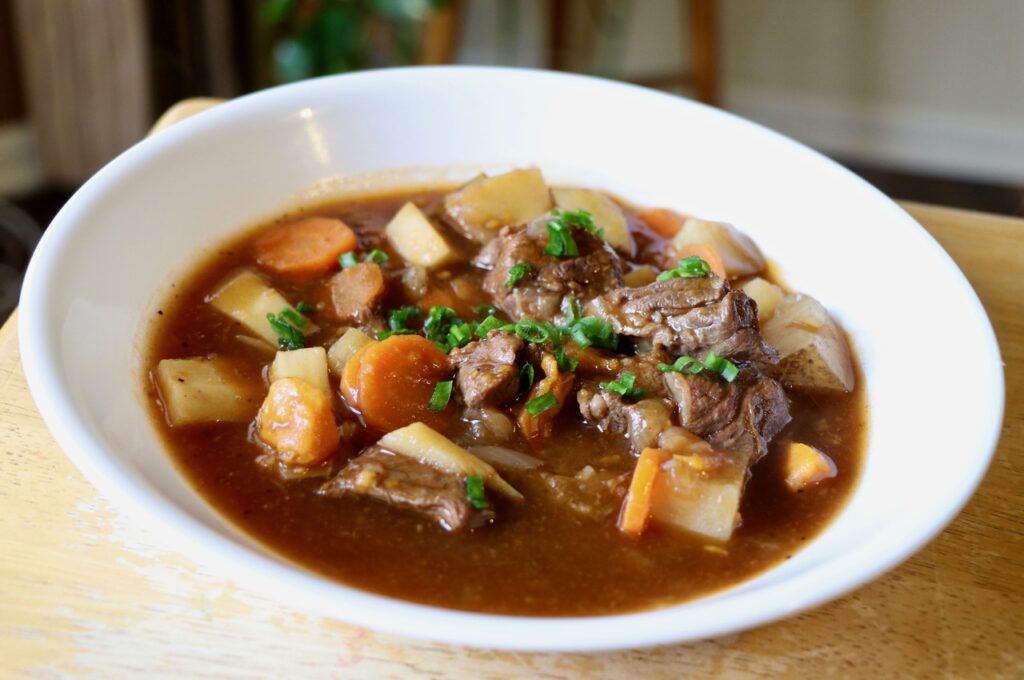
While communal cooking provided warmth and cooperation during hardship, the stew often lacked nutritional balance. Some versions offered sustenance, while others consisted largely of thin broth and filler vegetables.
Today, soups and stews can incorporate intentional combinations of protein, vegetables, and grains for balanced nutrition. The spirit of community cooking remains valuable, yet relying on random leftovers no longer reflects modern food access or dietary needs.
7. Cornbread in Milk Served as a Filling Shortcut
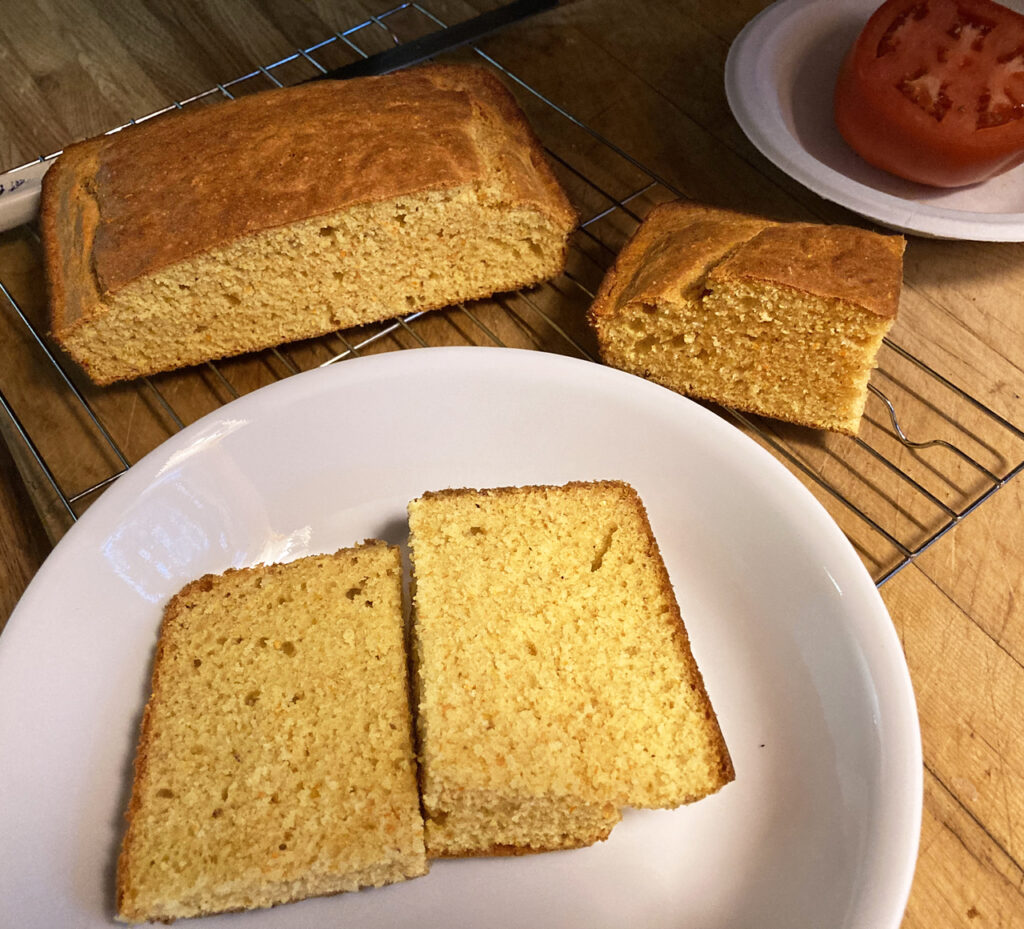
Cornbread soaked in milk or water became a quick, filling meal when fresh ingredients proved scarce. Cornmeal stored well and provided affordable calories, making cornbread a common staple across struggling households.
However, this combination delivered mostly carbohydrates and lacked essential nutrients unless supplemented by other foods. Families relied on it simply because it satisfied hunger when little else was available.
Modern households can enjoy cornbread alongside balanced meals featuring vegetables and proteins rather than as a standalone dish. Continuing to treat such filler foods as meals overlooks improved access to more nourishing options.
8. Cornmeal Mush Sustained Families Through Hardship
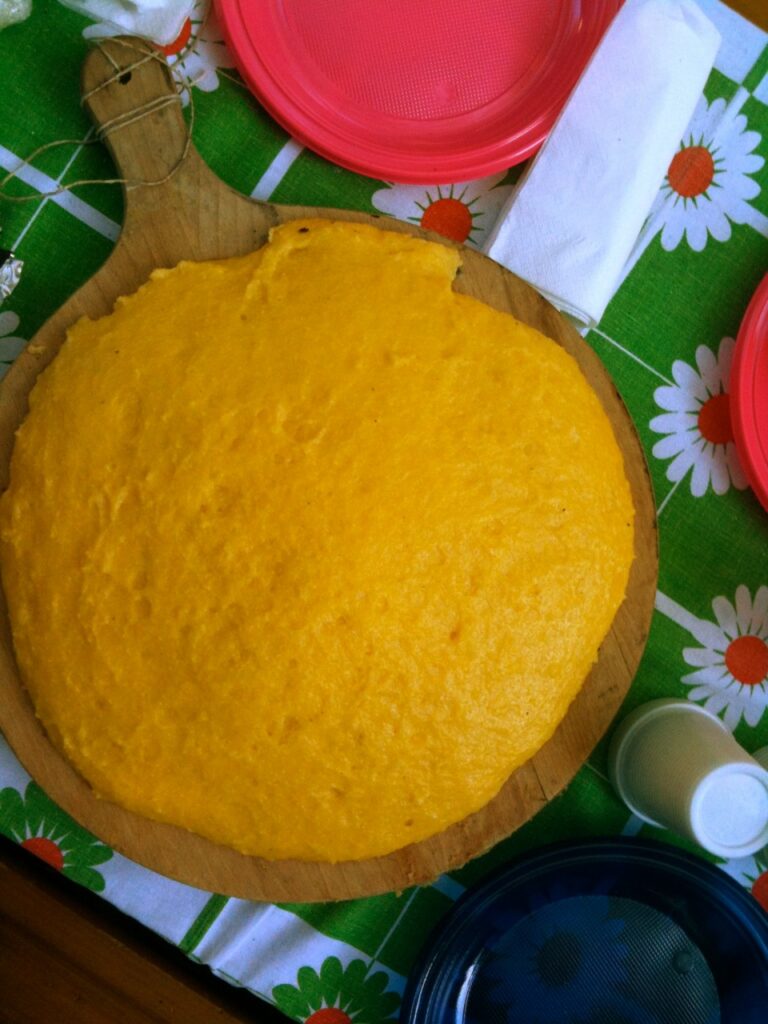
Cornmeal mush, a simple porridge of cornmeal boiled in water, frequently appeared on Depression-era tables due to its low cost and ease of preparation. Families consumed it for breakfast or dinner, sometimes adding sugar or milk when possible.
Although it provided energy, cornmeal mush alone lacked sufficient protein and nutrients for sustained health. Monotonous diets centered on such staples reflected economic hardship rather than culinary choice or dietary wisdom.
With modern food supply stability, meals can incorporate diverse grains, proteins, and vegetables without substantial cost. Retaining cornmeal mush as a necessity meal ignores opportunities for a healthier variety now widely accessible.