9 Reasons Your Fresh Supermarket Produce is Actually Three Weeks Old

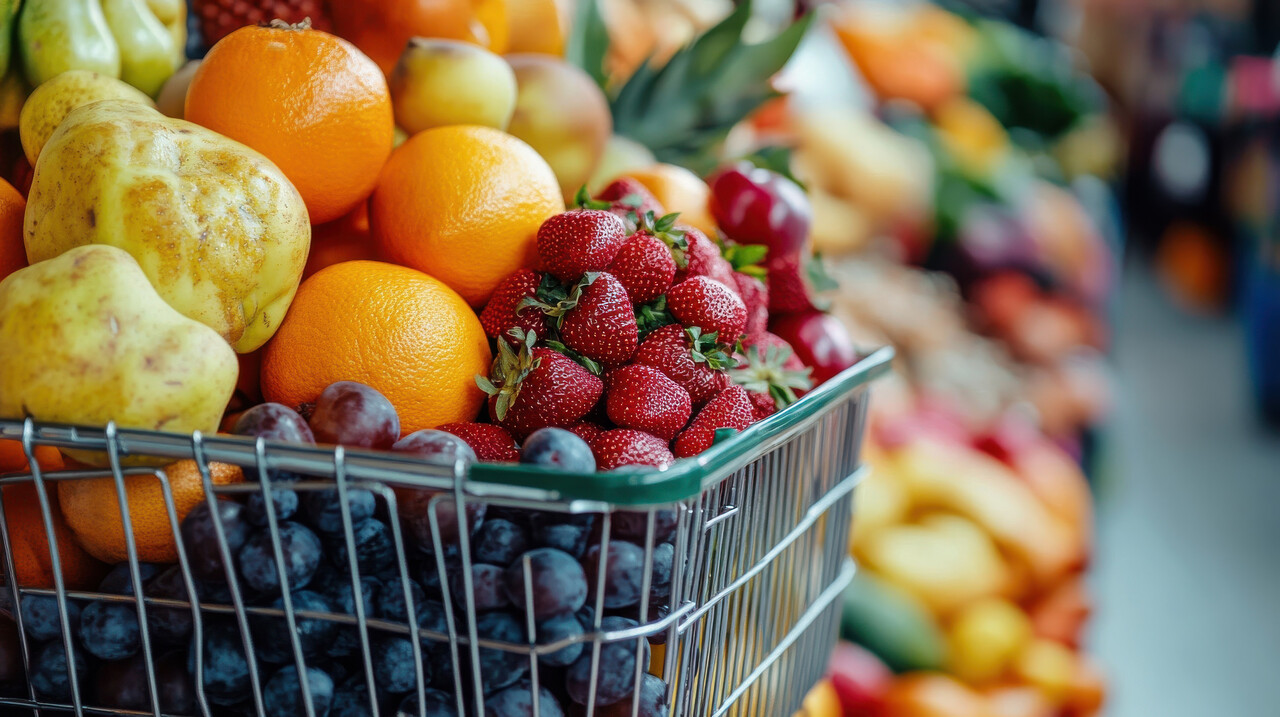
Bright displays and misted vegetables suggest farm-fresh quality, yet much supermarket produce travels long distances and spends extended time in storage before reaching shoppers. From early harvesting to cold storage and distribution delays, modern supply chains prioritize availability and appearance over immediate freshness. While refrigeration preserves produce long enough for nationwide transport, weeks may pass between harvest and purchase, changing how fresh everyday fruits and vegetables truly are.
1. Long Supply Chains Add Hidden Time Before Produce Arrives
Fruits and vegetables displayed in supermarkets often travel hundreds or thousands of miles before reaching shelves, moving through farms, packing facilities, trucks, ships, and warehouses. Each stage introduces delays, meaning produce may already be days or weeks removed from harvest by the time shoppers encounter it.
Transport logistics prioritize volume efficiency and scheduling coordination rather than immediate delivery. Produce waits for full shipments, customs clearance, or route consolidation.
While refrigeration slows spoilage, it does not halt aging entirely. Extended transport preserves appearance but gradually reduces flavor and texture quality, leaving produce that looks fresh yet carries the hidden age of a long journey before reaching the store.
2. Early Harvesting Helps Shipping but Reduces Freshness
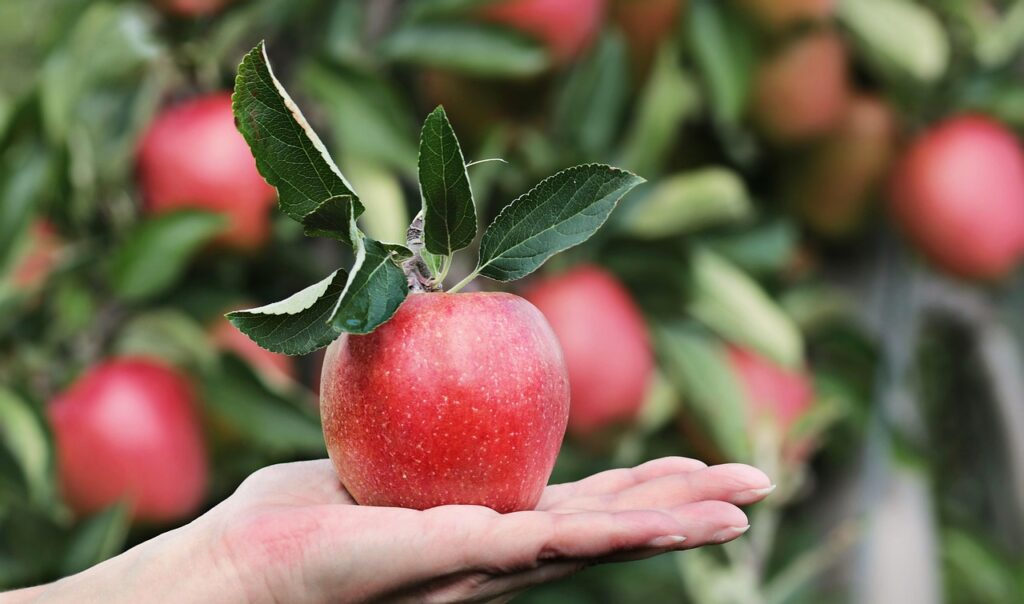
Much supermarket produce is harvested before reaching peak ripeness so it can survive long transportation periods without spoiling. Harder, underripe fruits withstand handling and shipping better, allowing them to arrive intact after extended journeys.
Once harvested, produce stops receiving nutrients from the plant, meaning flavor and sweetness may never fully develop. Early picking helps logistics but sacrifices optimal taste and freshness.
Ripening rooms or home countertop maturation may improve texture, yet the final product rarely matches produce picked at full maturity. The compromise ensures availability year-round while subtly altering flavor expectations associated with freshly harvested crops.
3. Cold Storage Keeps Produce Marketable but Ages It
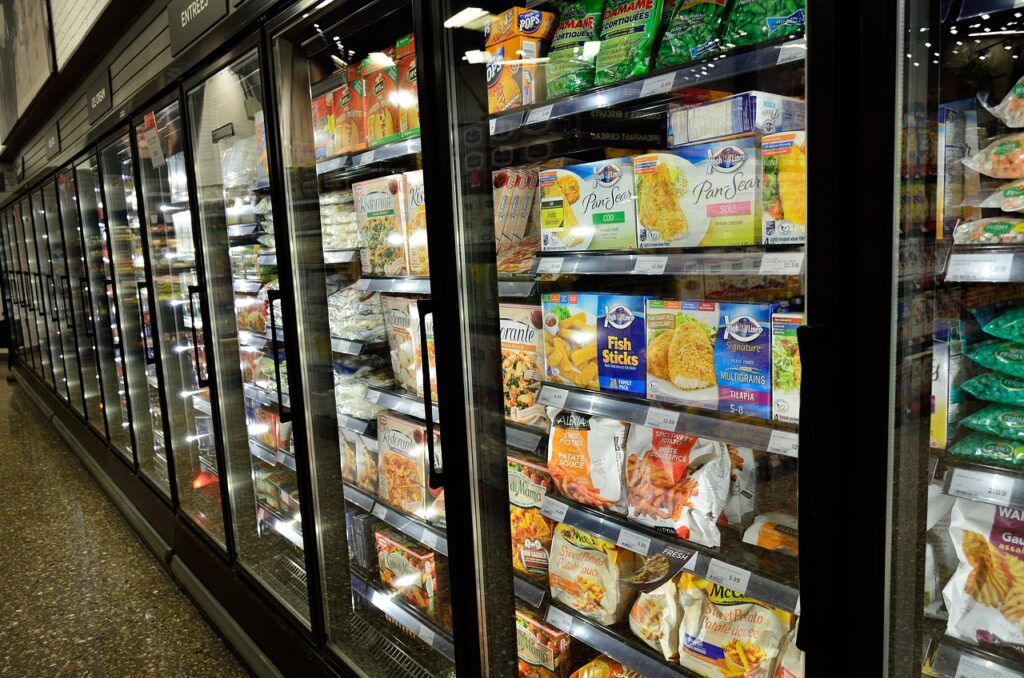
Temperature-controlled warehouses slow decay by reducing respiration rates in fruits and vegetables, allowing them to remain visually appealing for extended periods. This preservation method makes a year-round produce supply possible despite seasonal growing cycles.
However, cold storage mainly delays spoilage rather than stopping aging completely. Over time, stored produce gradually loses moisture, crispness, and nutritional quality while maintaining an appearance acceptable for retail sale.
The result is produce that seems fresh when displayed but may have spent weeks in refrigeration before arrival. Cooling technologies protect supply chains but inevitably introduce time gaps between harvest and consumer purchase.
4. Distribution Centers Add Another Waiting Stage
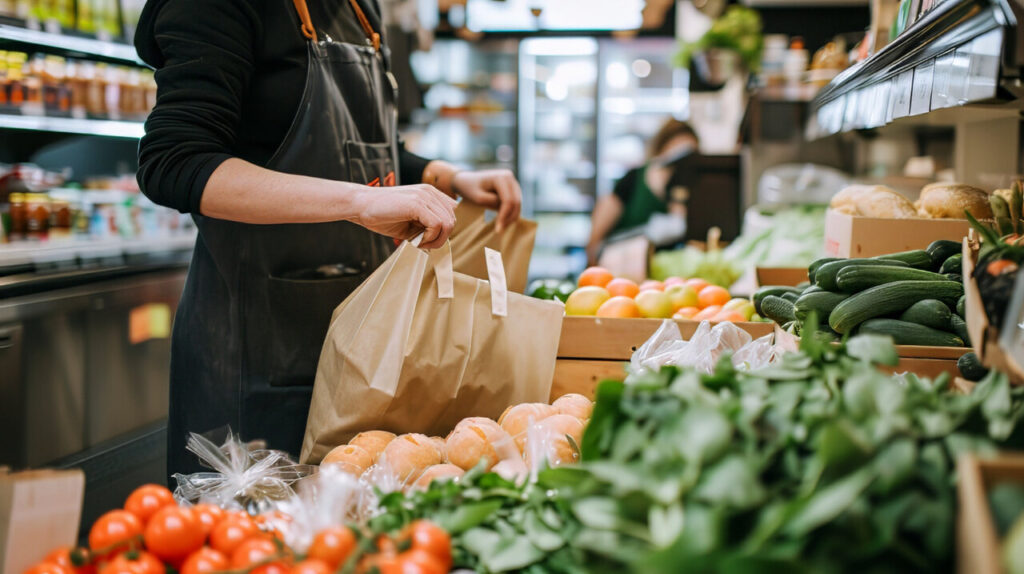
Before reaching neighborhood stores, produce commonly passes through regional distribution hubs where shipments are sorted and rerouted. These facilities consolidate goods from multiple farms before sending mixed loads to retail locations.
Produce often waits several days inside these centers until delivery schedules align with store restocking cycles. Even efficient operations introduce unavoidable holding periods that extend the time between harvest and shelf placement.
Although this system improves supply reliability, it adds additional aging time. By the time produce appears in stores, it may have already moved through multiple storage environments, extending its post-harvest timeline.
5. Controlled Ripening Rooms Delay Store Display
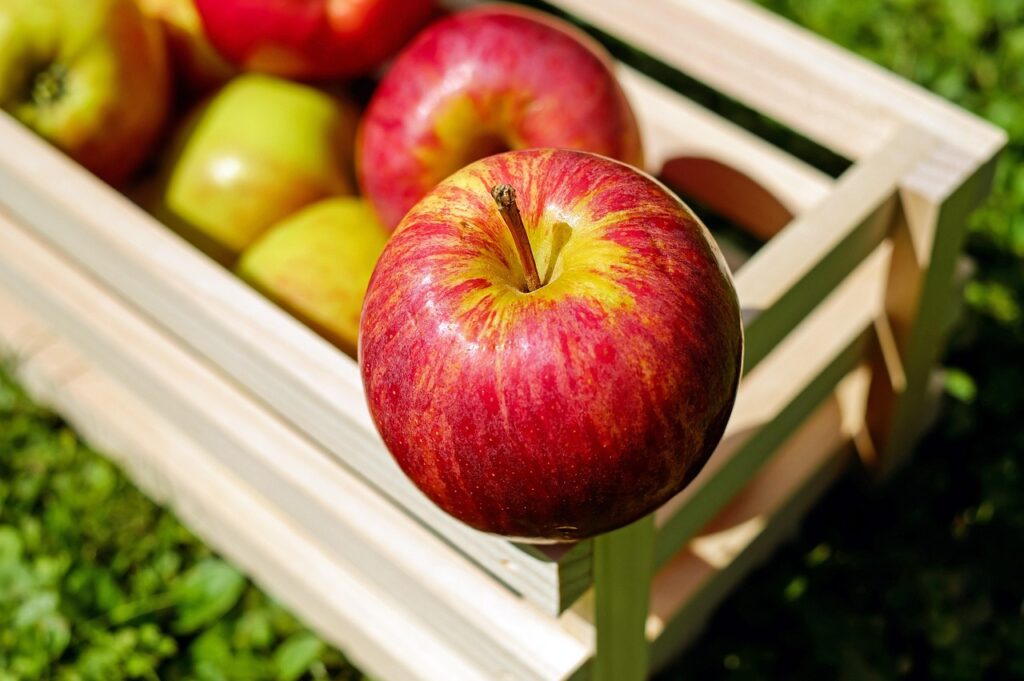
Certain fruits, including bananas and avocados, pass through ripening rooms where temperature and gas levels are carefully managed to control when they soften and change color. Retailers are time-ripening to match expected store demand.
These controlled environments help prevent premature spoilage and reduce waste, yet they also extend overall storage time before produce reaches shoppers. Fruits may spend additional days waiting for scheduled ripening cycles.
Consumers encounter produce that appears ready to eat, though it has already experienced extended handling stages. Ripening control improves consistency but contributes to the hidden age of many supermarket fruits.
6. Off-Season Imports Travel Longer Distances
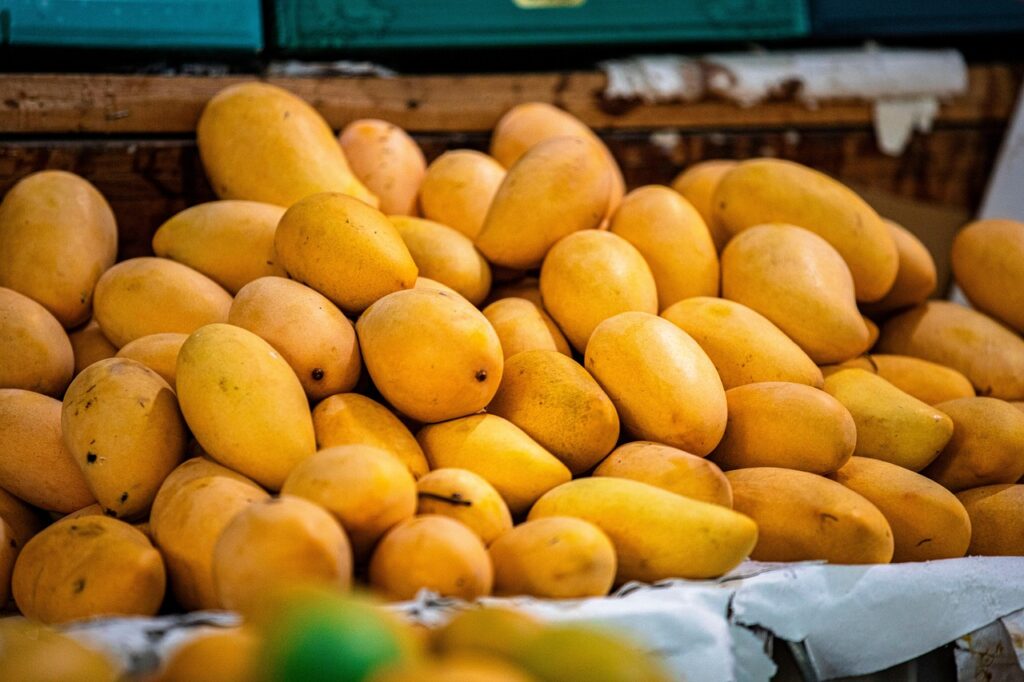
When local crops are out of season, supermarkets import fruits and vegetables from countries with suitable climates. These shipments often travel long distances by sea or air, significantly increasing transit time before arrival.
To survive lengthy journeys, imported produce is harvested early and carefully packaged, then stored in refrigerated containers during transport. Shipping duration alone may add weeks between harvest and store display.
While global sourcing ensures year-round availability, extended travel affects flavor development and freshness perception. Produce remains visually appealing but reflects the realities of international logistics behind modern supermarket convenience.
7. Retail Restocking Schedules Slow Shelf Turnover
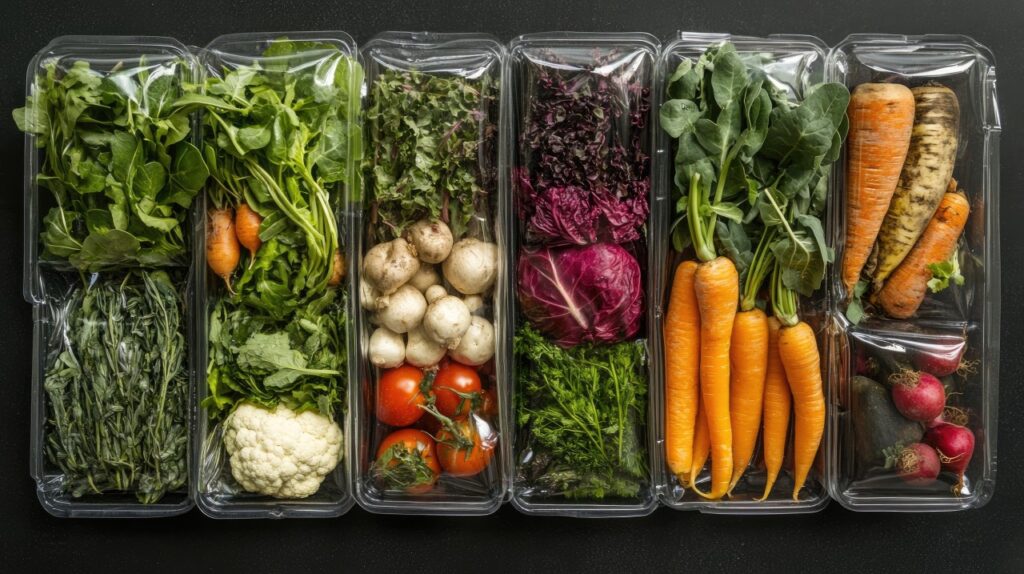
Supermarkets typically receive produce deliveries on scheduled days rather than daily shipments, meaning items may remain in back storage or on shelves until the next restocking cycle arrives. Inventory management favors predictable logistics over constant freshness.
Produce departments often rotate stock gradually, but slower-selling items may remain available longer before replacement. Even fresh-looking displays can contain products nearing the end of acceptable shelf life.
This routine ensures steady availability yet introduces delays between delivery and purchase. Shoppers sometimes select items that have already spent days inside the store’s storage before appearing in visible displays.
8. Fresh Appearance Masks Actual Harvest Age
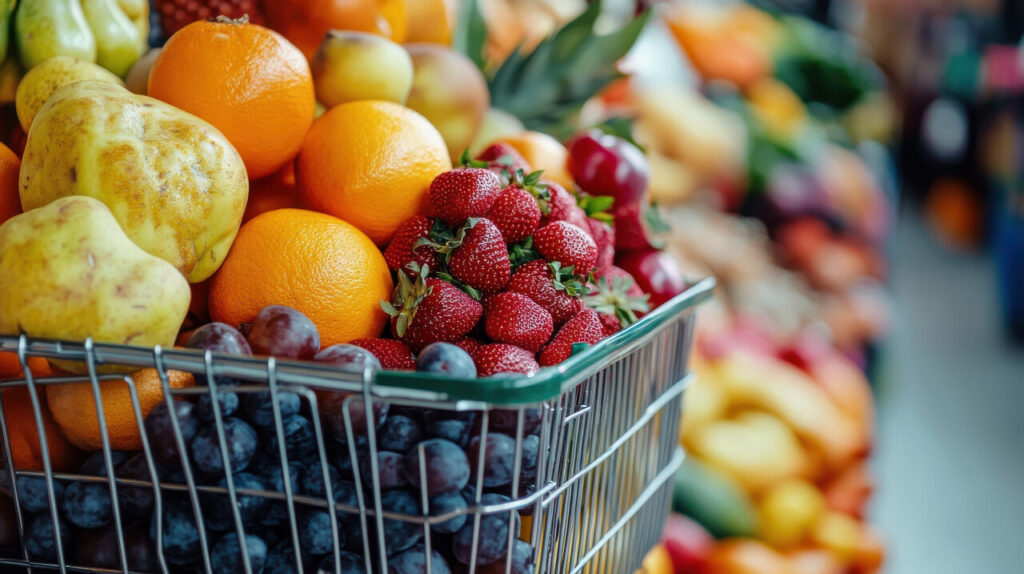
Produce displays rely on careful lighting, misting systems, and attractive arrangements to create an impression of freshness. These techniques help vegetables maintain a vibrant appearance even after extended storage or transport.
Surface freshness does not always reflect internal quality. Items may appear crisp and colorful while slowly losing flavor intensity and nutrient levels that decline over time after harvest.
The visual success of produce merchandising can obscure the true age of items. Consumers judge freshness largely by appearance, yet unseen timelines often stretch weeks beyond harvest before purchase.
9. Refrigeration Slows Spoilage but Affects Flavor
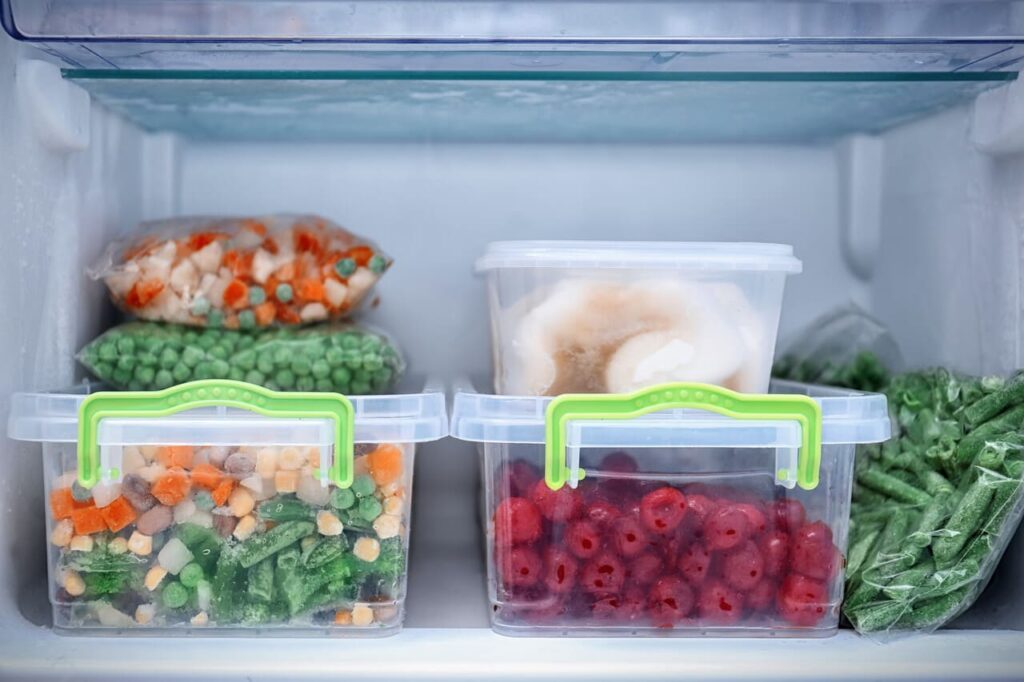
Cooling systems dramatically extend produce lifespan by slowing biological processes responsible for decay. Modern supply chains depend on refrigeration to maintain inventory across long distances and storage stages.
However, prolonged cold exposure can gradually dull flavors or alter texture, especially in delicate fruits sensitive to chilling injury. Produce remains edible but may lose peak taste quality associated with a fresh harvest.
Refrigeration protects the supply but subtly changes the eating experience. Fruits and vegetables reaching home kitchens often look appealing while carrying signs of extended storage, affecting flavor complexity and overall freshness perception.